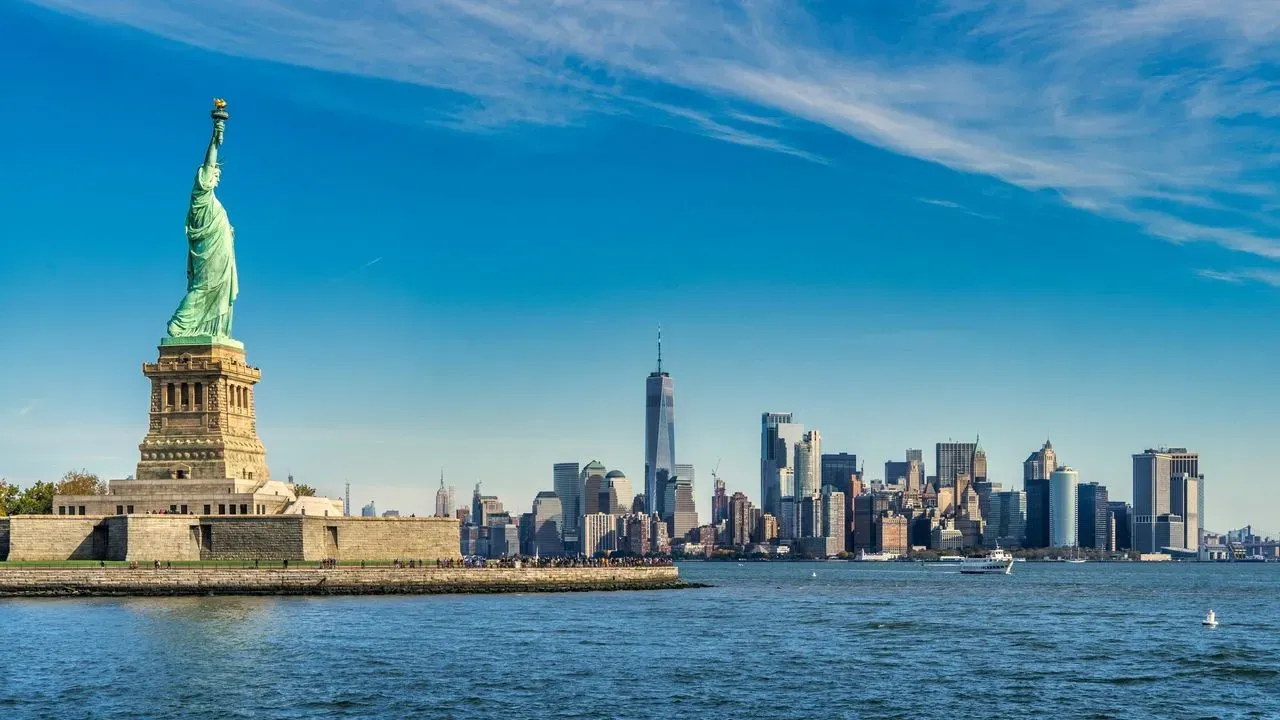

New York Harbor holds one of the nation’s most recognizable landmarks, yet few visitors realize that Liberty Island once supported a small community of full-time residents. For decades, park staff and their families lived in modest housing steps from the Statue of Liberty, tending to the grounds and the monument long after the last tourists departed each evening. That chapter closed quietly in 2013 when the final residents moved away, leaving the 15-acre island to its daytime crowds and nighttime quiet.
A Superintendent’s Unexpected Address
David Luchsinger served as superintendent of the Statue of Liberty National Monument and Ellis Island. He and his wife, Debbie, moved into the island’s only remaining residence, a small brick bungalow, in 2009. Their home sat near the water’s edge, offering an unmatched view of the statue that millions travel to see but few ever experience after dark.
The couple described the arrangement as both practical and extraordinary. Daily ferry commutes disappeared, replaced by short walks to the office. Evenings brought the sound of waves against the seawall and the occasional glow of the statue’s torch against the skyline. Hurricane Sandy later damaged the bungalow severely, forcing the family to evacuate and ultimately accelerating their departure.
Earlier Generations on the Island
Military families occupied quarters at Fort Wood from the early 1800s until the 1930s, when the National Park Service assumed control. After the Army left, park employees continued the tradition of island living. Their children attended mainland schools by ferry, and household routines revolved around the rhythms of ferry schedules and seasonal visitor peaks.
By the late twentieth century, the number of occupied homes had dwindled. Most structures from the fort era were removed, leaving only the superintendent’s residence. The Luchsingers became the last to maintain that long-standing link between work and home on the island.
Life After the Last Ferry
Residents enjoyed rare privileges and faced unique constraints. They could stroll the grounds without crowds, yet every supply, from groceries to furniture, arrived by boat. Privacy came at the cost of isolation during storms or mechanical issues with the ferry service.
The arrangement also carried a sense of stewardship. Living beside the statue meant constant awareness of its condition and the responsibility of protecting it. David Luchsinger later reflected that he held the unofficial title of the island’s final resident, a distinction that marked the end of an era rather than a personal achievement.
The Island Today
Liberty Island now operates solely as a day-use national monument. The site where the last residence stood has been redeveloped, and the Statue of Liberty Museum occupies part of the former residential area. Visitors arrive and depart on a predictable schedule, unaware that the island once supported a handful of permanent households.
The transition reflects broader changes in how the National Park Service manages historic sites. Remote staff housing has largely given way to mainland bases, improving access to services while ending a distinctive chapter in the monument’s story. The statue itself remains the island’s sole permanent occupant, standing watch over the harbor as it has for more than a century.
AI Disclaimer: This article was created with the assistance of AI tools and reviewed by a human editor.