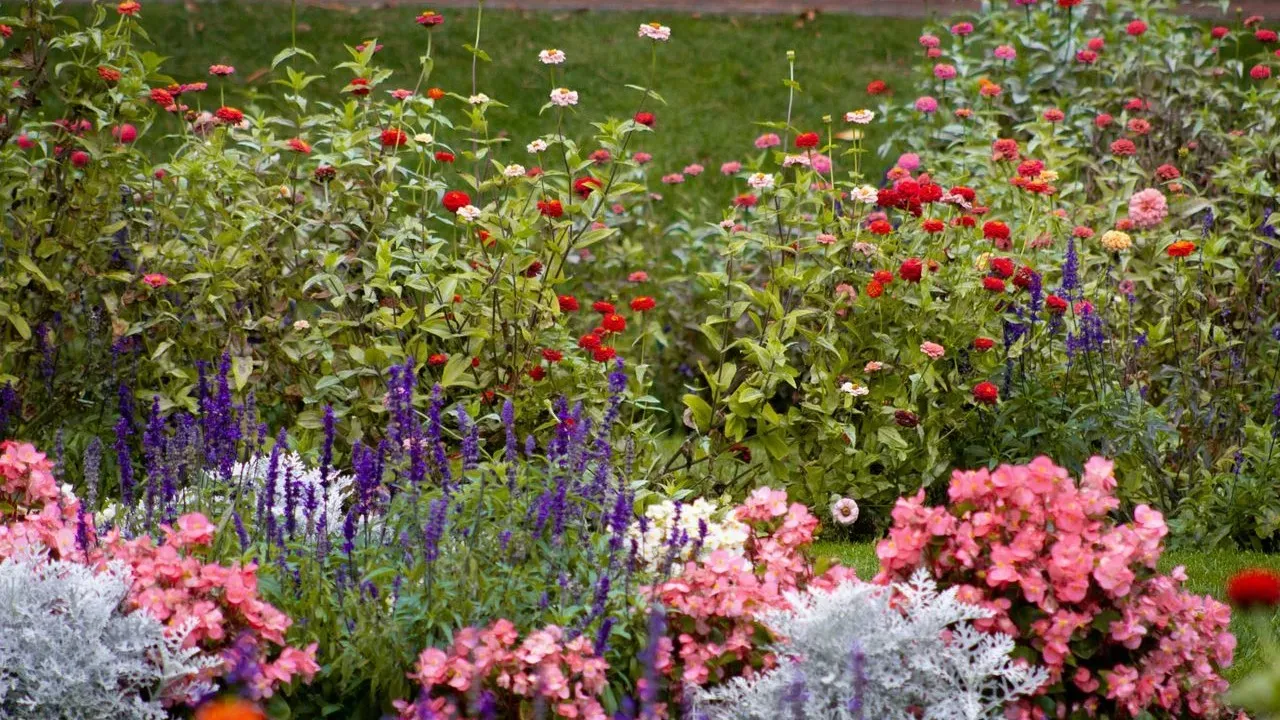

In cold climates, July stands as the height of garden activity. Flowers reach full display, food crops advance steadily, and pollinators move constantly through planted areas. Gardeners face a narrow window to complete essential tasks that support these conditions through the rest of the season.
Peak Flowering Demands Attention
July brings flowers into their most visible stage in colder regions. Blooms open widely under longer daylight and warmer soil temperatures. Without prompt care, the display can shorten as plants shift energy toward seed production or face competition from surrounding growth. Continued monitoring helps maintain color and structure across beds and borders. Regular removal of spent flowers encourages additional cycles where possible. Water needs often rise during this phase, especially in exposed sites where evaporation accelerates.
Food Crops Reach Critical Growth
Vegetable and fruit plants typically expand rapidly in July. Leaves and fruits develop under consistent warmth that cold-climate summers provide only briefly. Tasks at this stage focus on supporting that expansion before cooler weather returns. Consistent moisture prevents stress that can reduce yields later. Checking for crowding allows better air flow and light penetration among rows. Harvest timing becomes important as early crops mature and later ones set fruit.
Pollinator Activity Supports the Garden
Active pollinators contribute directly to both ornamental and edible plants during July. Their presence increases with abundant flowers and available nectar sources. Garden tasks that preserve habitat help sustain this activity through the month. Avoiding broad disruption during peak hours protects visiting insects. Maintaining diverse plantings offers ongoing resources as individual blooms fade. Observation of activity levels can guide adjustments in nearby plantings or water features.
Why Timing Matters This Month
The combination of blooming flowers, advancing crops, and steady pollinator visits creates a short but intense period of productivity. Tasks completed now help lock in results before conditions shift toward late summer. Neglect during these weeks can limit the season’s overall output across multiple garden elements.
AI Disclaimer: This article was created with the assistance of AI tools and reviewed by a human editor.