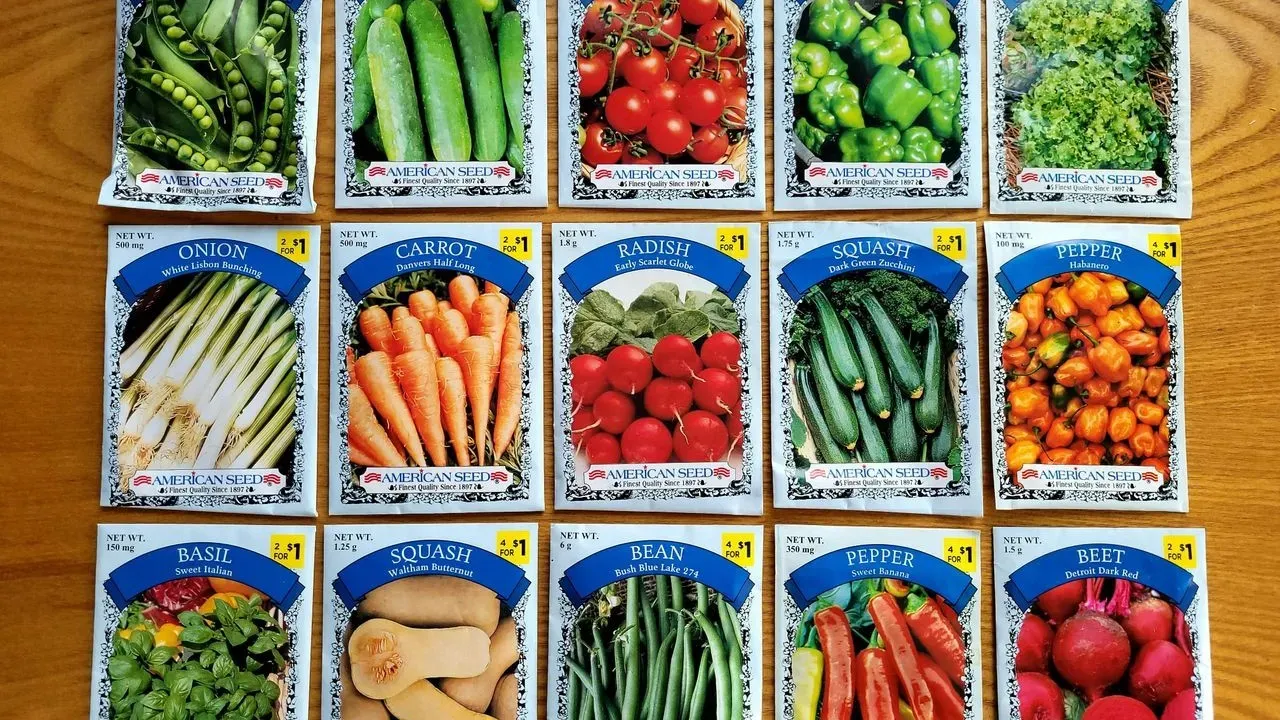

As July arrives, many gardeners believe the main planting window has closed. Yet midsummer marks a critical period for starting vegetables that will mature into fall and even winter. Fast-maturing crops can reach harvest in just four to eight weeks, while hardier types continue producing with minimal protection through colder months.
The Overlooked Midsummer Window
Traditional spring planting often dominates attention, leaving later opportunities unnoticed. Midsummer sowing takes advantage of warm soil and longer days that speed germination for many varieties. This timing extends the growing season without requiring extra space or equipment.
Gardeners who skip this period miss out on a second wave of production. Soil temperatures remain ideal for quick establishment, and the approach of cooler weather helps certain crops develop better flavor. Acting now prevents the gap that leaves beds empty after early summer harvests end.
Fast Crops That Deliver Quickly
Vegetables ready in four to eight weeks fit neatly into the remaining warm weeks. Leafy greens and root crops often lead this group because they tolerate the transition to shorter days. Their rapid cycle means fresh produce appears on the table before frost arrives.
Success depends on consistent moisture and choosing varieties suited to the local climate. These quick options also serve as gap fillers between main-season plantings. Many gardeners find they can fit two or even three successions before the season truly closes.
Hardy Choices for Extended Harvests
Cold-tolerant vegetables extend the payoff well into winter when given basic cover. Row covers or simple cold frames shield plants from early freezes while allowing light and air to reach them. This approach turns marginal space into productive ground during months when fresh vegetables are scarce.
These varieties often improve in taste after light frosts, developing sweeter profiles. With protection, harvests can continue through December or longer in milder regions. The method requires little beyond timely sowing and occasional monitoring for pests that linger into fall.
Putting a Plan Into Action
Start by assessing available bed space and expected first frost dates. Prepare soil with compost to support rapid root growth in the remaining heat. Direct sowing works well for most candidates, though some benefit from indoor starts if days grow shorter quickly.
Track plantings with simple labels to monitor maturity timelines. Water deeply but infrequently to encourage strong roots before cooler weather sets in. Regular observation catches any issues early, keeping the second season on track.
By focusing on this midsummer window, gardeners gain reliable late-season yields that stretch resources and reduce reliance on stored produce. The practice turns what many view as the end of the season into a fresh beginning.
AI Disclaimer: This article was created with the assistance of AI tools and reviewed by a human editor.