
The microwave remains a daily convenience in countless homes, yet its rapid heating process creates hidden hazards with ordinary ingredients. Certain foods react in ways that produce explosions, fires, chemical releases, or unsafe temperature zones. These risks stem from basic physics of electromagnetic waves interacting with moisture, skins, and dense structures.
Core Reasons Microwaves Create Problems
Microwaves generate heat by agitating water, fat, and sugar molecules inside food. Energy reaches only about one to one and a half inches deep, with the rest warming through slower conduction. This limited penetration often leaves cold spots where bacteria can survive even when outer layers feel hot. Steam entrapment adds another layer of danger. Sealed surfaces such as shells or skins trap expanding vapor, building pressure until rupture occurs. Dense or irregular items compound the issue by heating unevenly, a pattern the USDA has long highlighted in safety guidance.
Explosive and Plasma Hazards
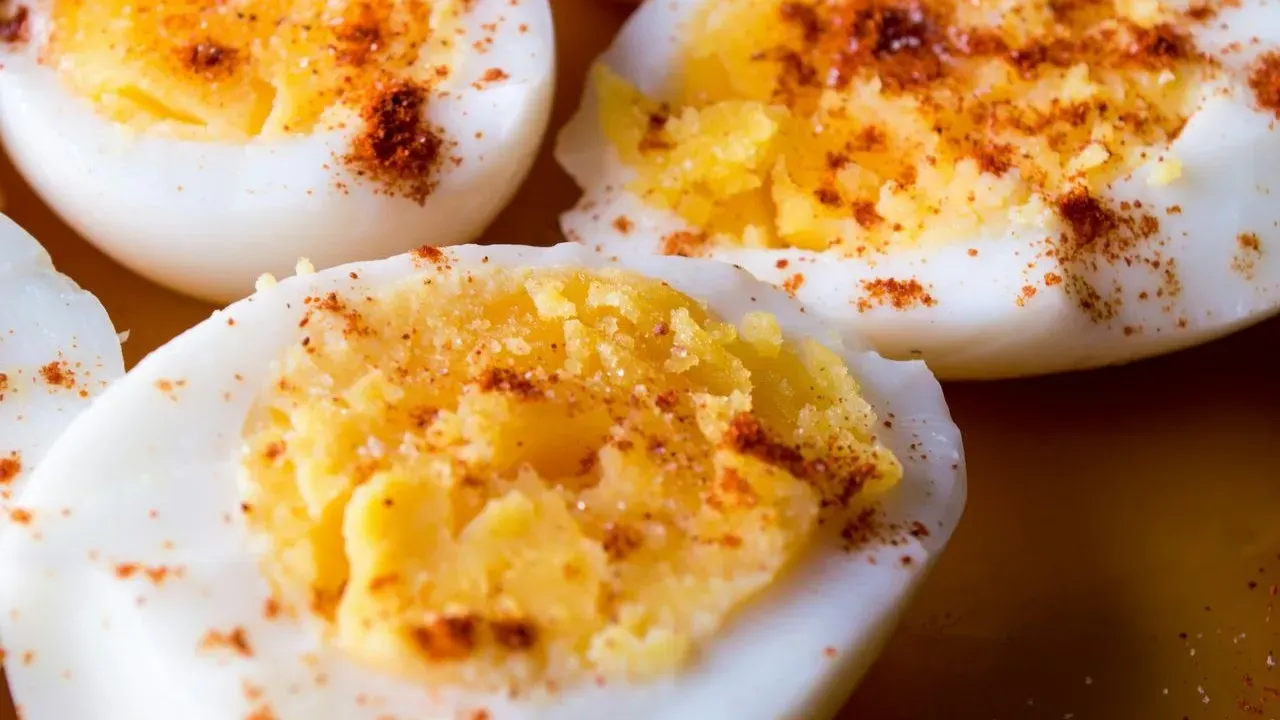
Whole eggs in their shells rank among the most dramatic examples. Steam builds rapidly inside the shell during heating, and the pressure has no quick escape. Both raw and hard-boiled eggs can erupt, sometimes after removal from the appliance, sending hot fragments outward. Grapes produce a different but equally startling effect. Their size and water content concentrate electromagnetic fields, especially when halves touch, forming a plasma fireball of ionized gas. Documented experiments have shown this can damage microwave interiors or ignite fires. Similar geometry in cherry tomatoes or blueberries creates comparable risks. Whole hot peppers release capsaicin vapor when heated. The compound becomes airborne inside the enclosed space and rushes toward the user upon door opening, producing eye irritation and throat burning comparable to pepper spray exposure.
Fire, Chemical, and Protein Concerns
High-proof alcohol generates flammable vapors in the sealed cavity. Any internal arcing can ignite the mixture, turning a simple reheating step into a fire hazard. The risk rises sharply with spirits and fortified drinks. Non-microwave-safe plastics soften or melt under microwave temperatures. Chemicals such as BPA can migrate into food during the process, prompting health authorities to recommend glass or ceramic alternatives instead. Frozen meat thawed in the microwave must move straight to cooking. Outer layers enter the bacterial danger zone while the center remains frozen, allowing rapid bacterial growth if the item sits even briefly. Stuffed poultry presents a parallel issue because stuffing and bones block even heat distribution, leaving the center below safe temperatures.
Protecting Liquids and Final Practices
Breast milk and infant formula heat unevenly in microwaves, creating undetectable hot spots that can scald a baby’s mouth. Gentle warming in a bowl of water or under running tap water distributes temperature more reliably. These eight items illustrate why microwave use requires more than pressing a button. Switching to stovetop, oven, or careful thawing methods preserves both safety and food quality. Simple habit changes reduce the chance of accidents that range from ruined appliances to preventable injuries.
AI Disclaimer: This article was created with the assistance of AI tools and reviewed by a human editor.