

Every October, the same ritual plays out on driveways and curbs across the country: rakes, blowers, and rows of paper bags stuffed with crunchy leaves waiting for pickup. It feels productive, even satisfying. Yet underneath that tidy pile of yard waste sits a quieter story about soil, insects, and small backyard ecosystems that most people never think to ask about.
Leaves Are Not Trash, They’re a Nutrient Bank
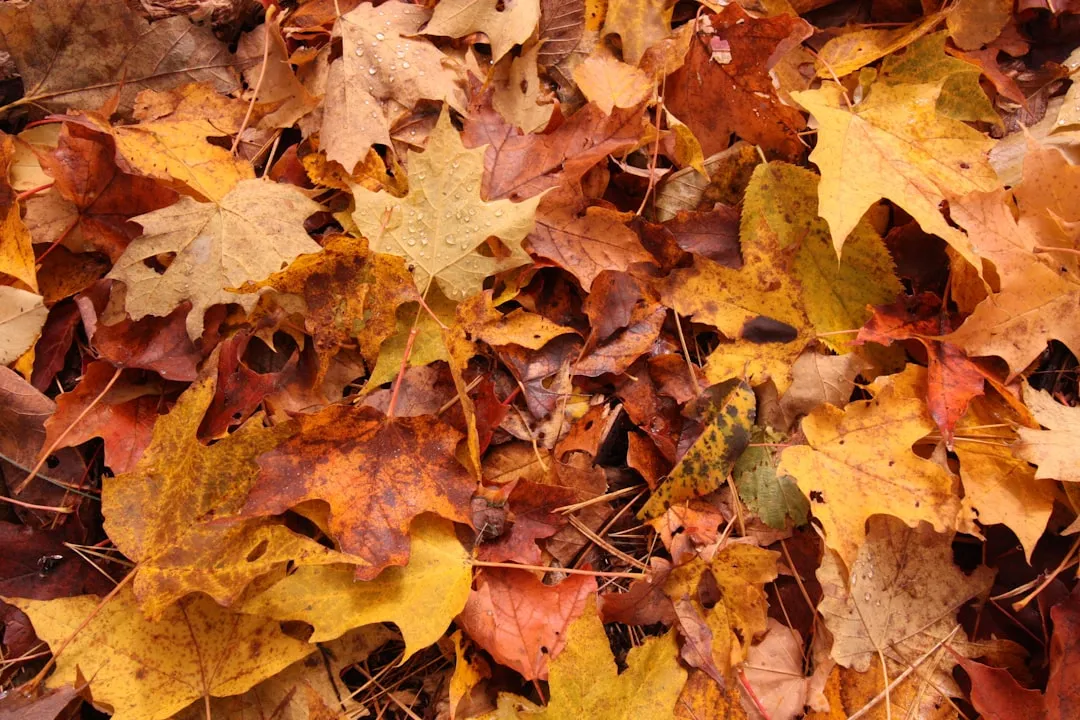
Trees spend an entire growing season pulling nitrogen, phosphorus, calcium, and other minerals out of the soil, and much of that material ends up stored in their leaves. When those leaves drop and are allowed to break down naturally, trees pull nutrients from the soil all year and return them to the ground through fallen leaves, with mulching or mowing leaves into the lawn helping recycle those nutrients and improving soil health while reducing the need for synthetic fertilizers. Bagging leaves and hauling them away essentially removes that nutrient cycle from your property before it can complete itself. It’s a bit like throwing away a slow-release fertilizer that already fell into your yard for free.
2. Mulched Leaves Actually Improve Lawn Health
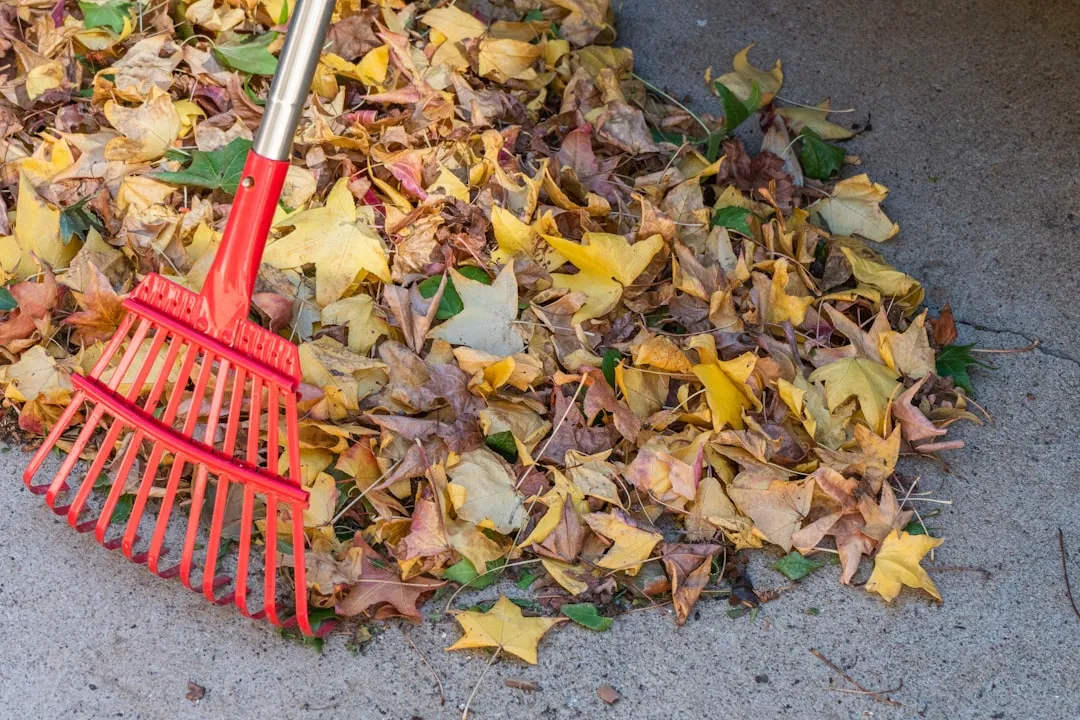
There’s a persistent myth that leaves smother grass and need to be removed for a healthy lawn, but decades of turf research say otherwise. Michigan State University turf specialists began investigating how lawns would react to having a whole season’s worth of ground-up leaves left on the lawn during the yard waste bans of the 1990s, and they found lawns actually do better with a layer of mulched leaves.
The trick is chopping them small enough to filter down between grass blades rather than piling whole leaves on top. This mulching approach produces quicker spring green up using less fertilizer and fewer weeds, since the small decomposing leaf pieces provide nutrients over winter and cover bare spots that would otherwise invite weed seeds to germinate. Even better, researchers found that soil organic matter increased in response to leaf mulching without any negative change to soil pH, meaning the practice builds better ground over time rather than just masking a problem for one season.
3. Butterflies and Moths Depend on That Leaf Layer to Survive Winter
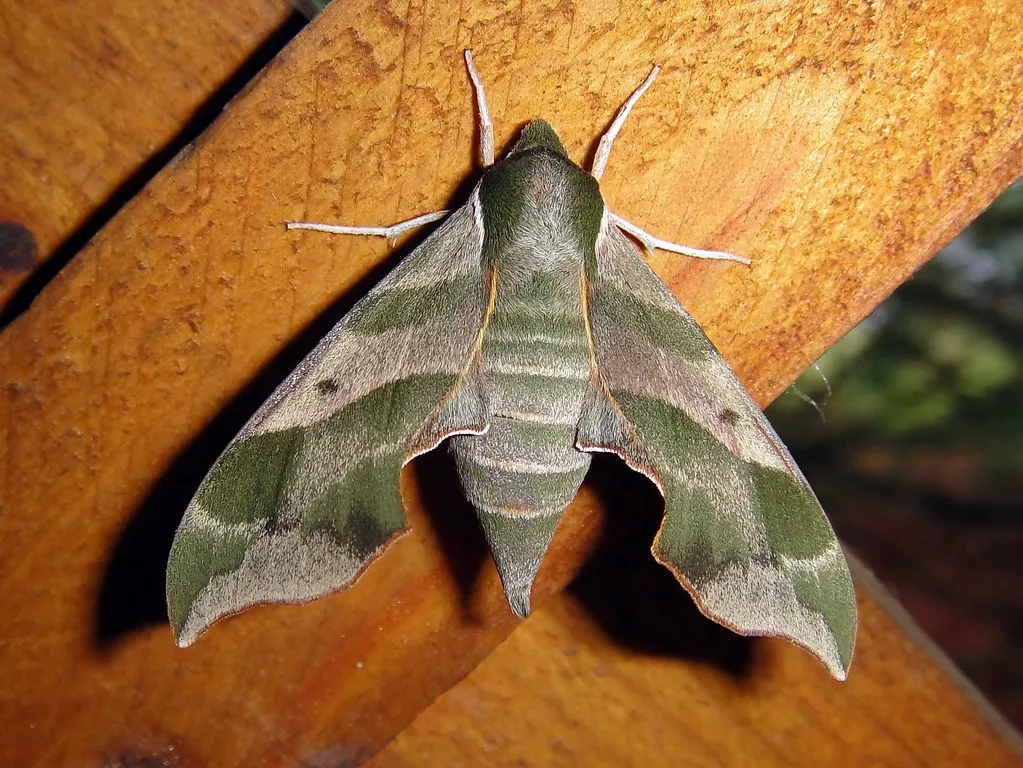
Most people picture butterflies migrating south or simply disappearing in autumn, but the reality is far more local. In the case of moths, an astonishing 94 percent of species rely on the leaf layer to complete their life cycle. Species like the luna moth spin their cocoons directly into fallen leaves for camouflage, and leaving some of your leaves in your yard could make the difference for this moth trying to survive the winter.
Meanwhile, the mourning cloak butterfly spends winter as an adult, which is different from many butterfly species that migrate or overwinter in other life stages, tucked into exactly the kind of leaf litter that a fall cleanup crew would haul away.
4. Fireflies Spend Up to Two Years Hidden in Leaf Litter
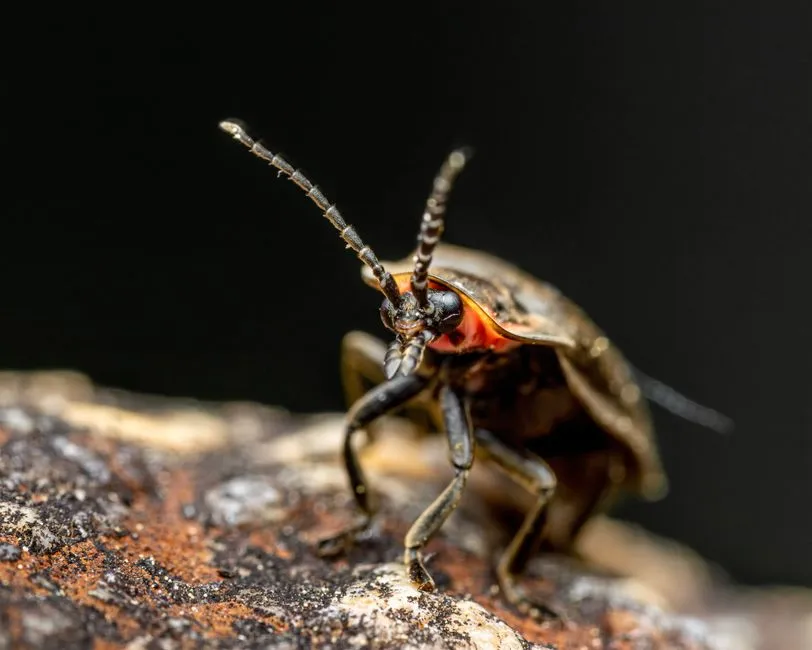
Firefly populations have been quietly declining in many regions, and leaf removal is part of the reason why. Fireflies spend most of their lives, sometimes up to two years, in their larval stage hidden beneath fallen leaves, where the leaf litter provides a moist, protective environment for them to feed on snails, worms, and other small creatures while also acting as insulation during winter months. Bag up the leaves, and you may be bagging up next summer’s light show without realizing it. When we rake up and remove leaves, we’re not only taking away vital habitat, but we may also be unintentionally removing firefly larvae themselves.
5. Birds Rely on Insects That Live in the Leaves
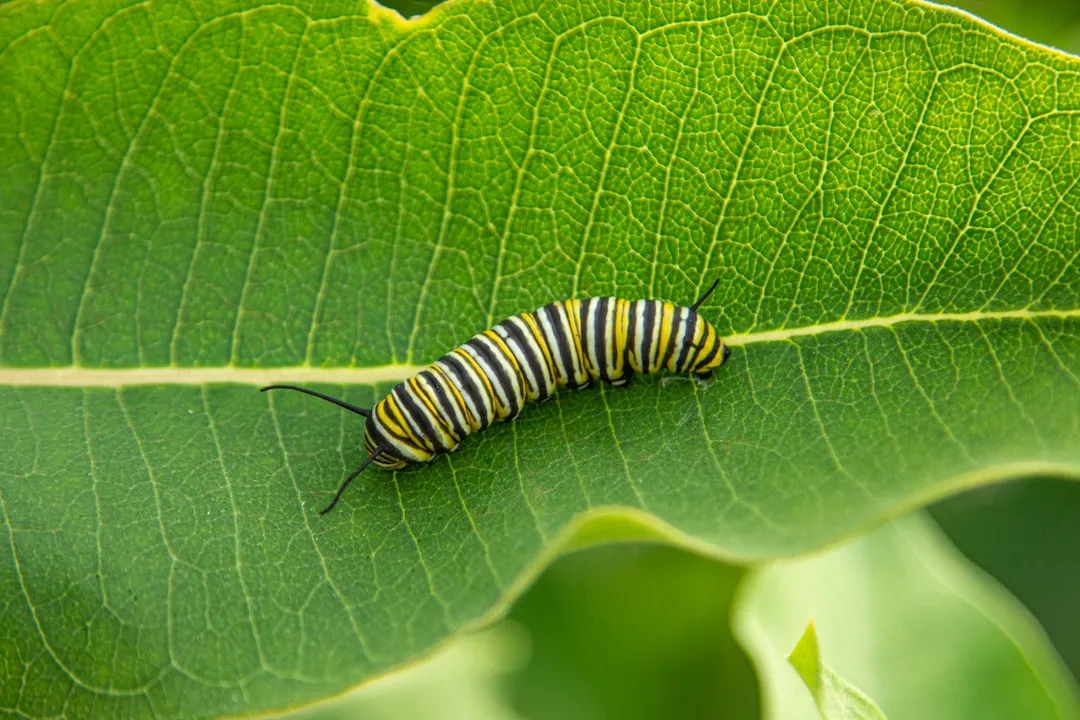
A tidy, leaf-free yard might look better to human eyes, but it offers far less to nesting birds. The vast majority of our backyard birds, some 96 percent, rely on butterfly and moth caterpillars as the primary food source for their babies during nesting season. Remove the leaf litter that shelters those caterpillars through winter, and you remove a chunk of the food supply parent birds need come spring. It’s an easy connection to overlook, since the birds show up months after the leaves are gone, but the two are tied together more closely than most gardeners assume.
6. Toads, Salamanders, and Small Mammals Use Leaves as Shelter
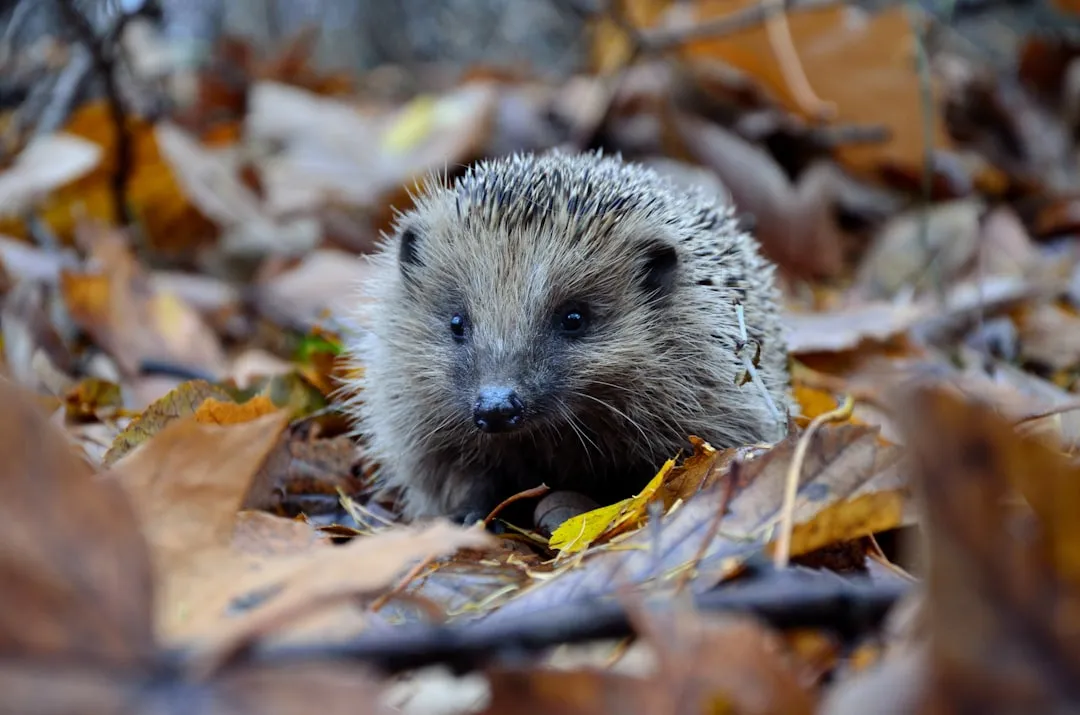
Leaf litter isn’t just an insect hotel. Salamanders, frogs, and toads rely on leaf litter for shelter and moisture, while chipmunks, shrews, and mice use it for nesting and foraging. Michigan’s Department of Natural Resources has documented a similar pattern, noting that chipmunks, toads, box turtles, shrews, insects, earthworms, and other critters make fallen leaf layers their homes in the fall. A yard stripped bare of leaves each October is, in effect, a yard with far fewer places for small wildlife to wait out the cold months.
7. Yard Waste Is a Bigger Landfill Problem Than Most People Realize
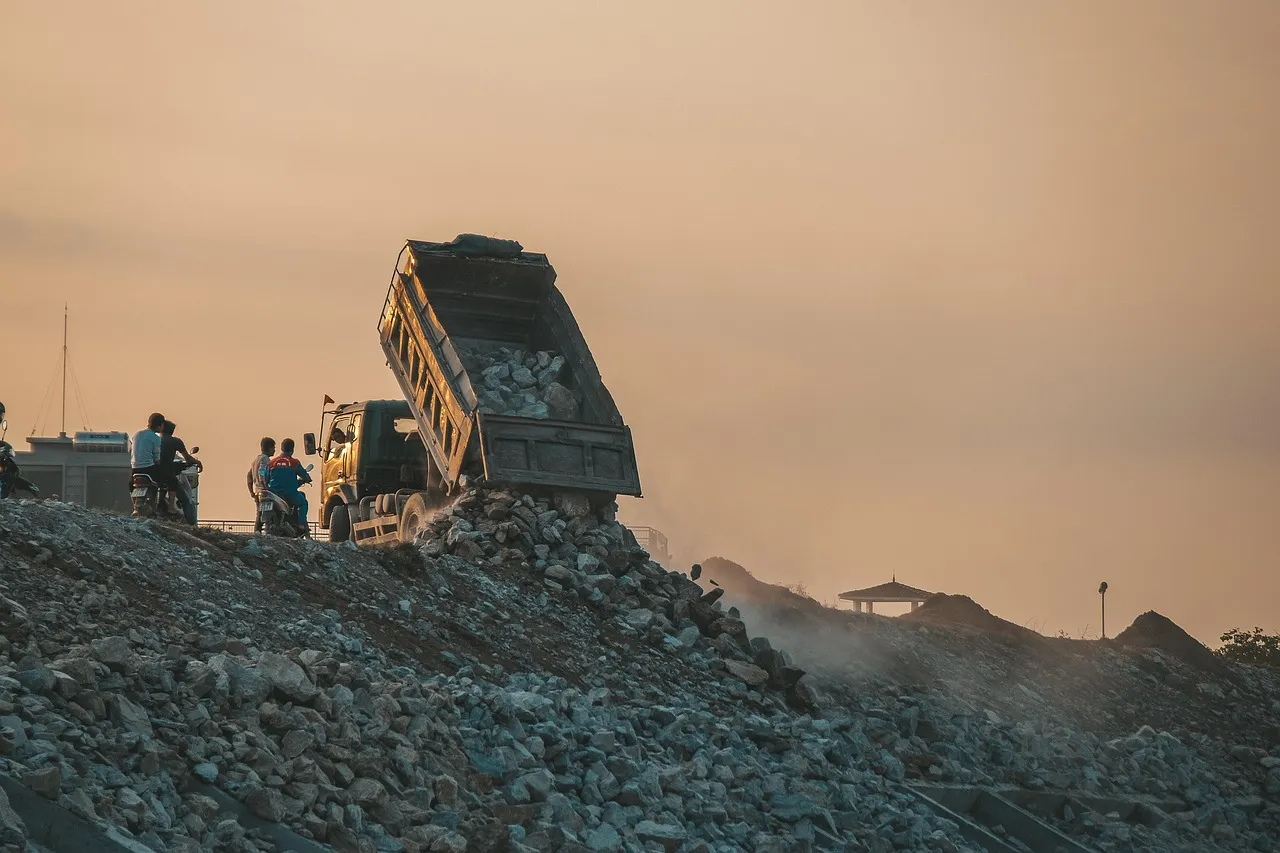
The environmental cost of bagging leaves doesn’t end in your yard, it continues at the landfill. According to the U.S. Environmental Protection Agency, leaves and other yard debris account for 12 percent of the nation’s municipal solid waste, with more than 10 million tons of yard waste buried in landfills every year. National data backs this up at scale: EPA estimated that the generation of yard trimmings in municipal solid waste was 35.4 million tons in 2018, which is 12.1 percent of total MSW generation.
Buried leaves don’t just take up space either; organic material breaking down in an oxygen-poor landfill produces methane, a far more potent greenhouse gas than the carbon dioxide released by natural decomposition in open air.
8. Most Homeowners Are Still Throwing Leaves Away
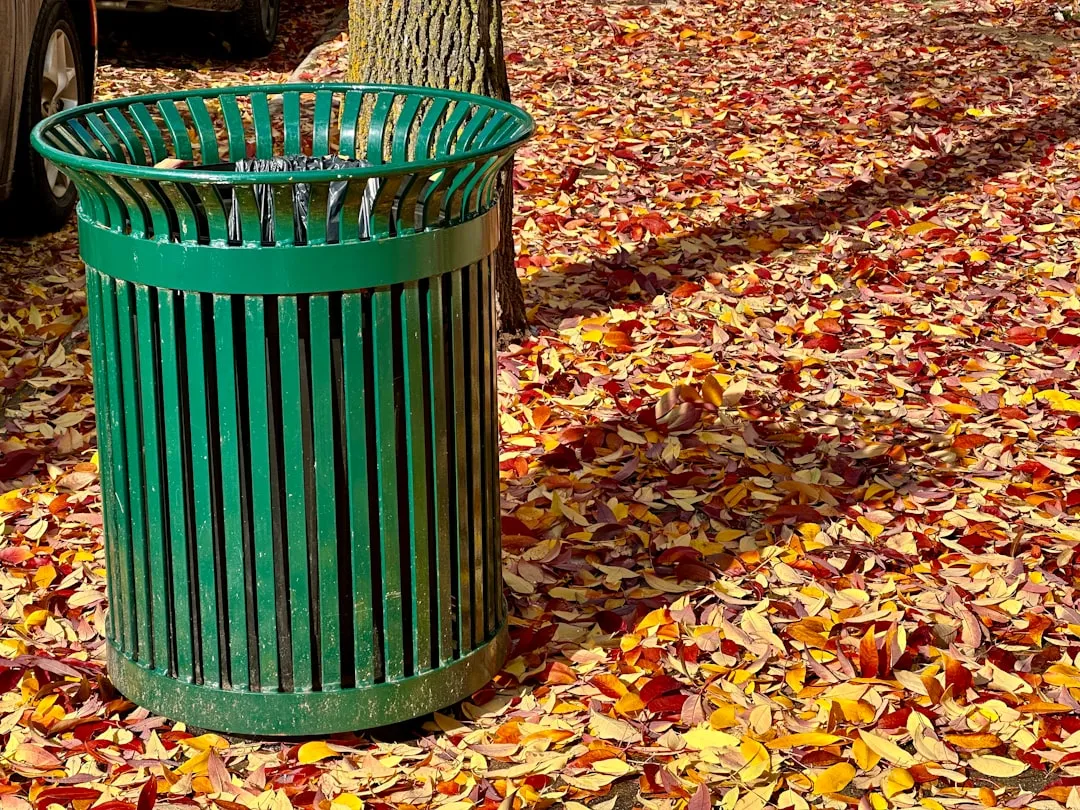
Despite growing awareness, the shift away from bagging leaves has been slow and uneven. A recent National Wildlife Federation survey found that 18 percent of respondents reported they don’t collect or remove fallen leaves at all, an increase from 15 percent the year before, which suggests attitudes are changing, just gradually.
Still, the numbers show plenty of room for a shift: a third of respondents are still throwing away 6 or more trash bags of leaves per season, and an overwhelming 72 percent dispose of at least one bag in the trash, with 12 percent throwing away more than 10 bags per season. Interestingly, when asked why they’d be willing to change, 90 percent of people said they’d be willing to leave or repurpose leaves to benefit wildlife and the environment, meaning the gap seems to be more about habit and yard aesthetics than genuine resistance to the idea.
9. There’s a Sensible Middle Ground Between a Bare Lawn and a Buried One
None of this means every lawn should vanish under a foot of soggy leaves all winter, and turf scientists are the first to say so. A University of Guelph turfgrass researcher noted that leaving leaf matter on the ground can benefit pollinators and increase biodiversity, but she warns leaving a thick layer of leaves is not the best idea for lush, green turf.
The practical compromise researchers suggest is creating a dedicated wildlife corner rather than an all-or-nothing approach: setting aside a habitat in a low traffic area of the yard that can include wooden logs, hollow flower stems, leaves and stones. For the rest of the lawn, running a mower over fallen leaves a couple of times to shred them works well, since research shows that lawns actually benefit from a layer of leaves, while the bulk of leaves can be piled in raised beds, flower beds, or around trees, shrubs and perennials.
10. Simple Habits Make the Biggest Difference
You don’t need a dramatic lifestyle change to capture most of these benefits, just a few adjusted habits during a season you were already spending outside anyway. Raking excess leaves into garden beds, mulching them directly into turf with a mower, or starting a small compost pile all keep the material and its nutrients on your property instead of on a truck to a landfill. As the Nature Conservancy points out, if you prefer a tidy yard, consider raking leaves into garden beds or creating a leaf pile in a corner of your yard, which lets you maintain curb appeal while still supporting local wildlife. It’s a small trade of a weekend chore for a slower, quieter kind of yard work, one that pays off in soil, in birdsong, and in the fireflies that show up the following June.
Leaves fall every year whether we’re ready for them or not, and for a long time the default response has simply been to get rid of them as fast as possible. The research over the past couple of decades tells a different story, one where that seasonal mess is doing real work underground and in the leaf litter long after the tree has gone bare. Next autumn, before the bags come out, it might be worth asking whether that pile of leaves is really waste at all, or just a resource waiting for a little patience.
AI Disclaimer: This article was created with the assistance of AI tools and reviewed by a human editor.