
The Sunday Ritual Was Meal Prep Before It Had a Name
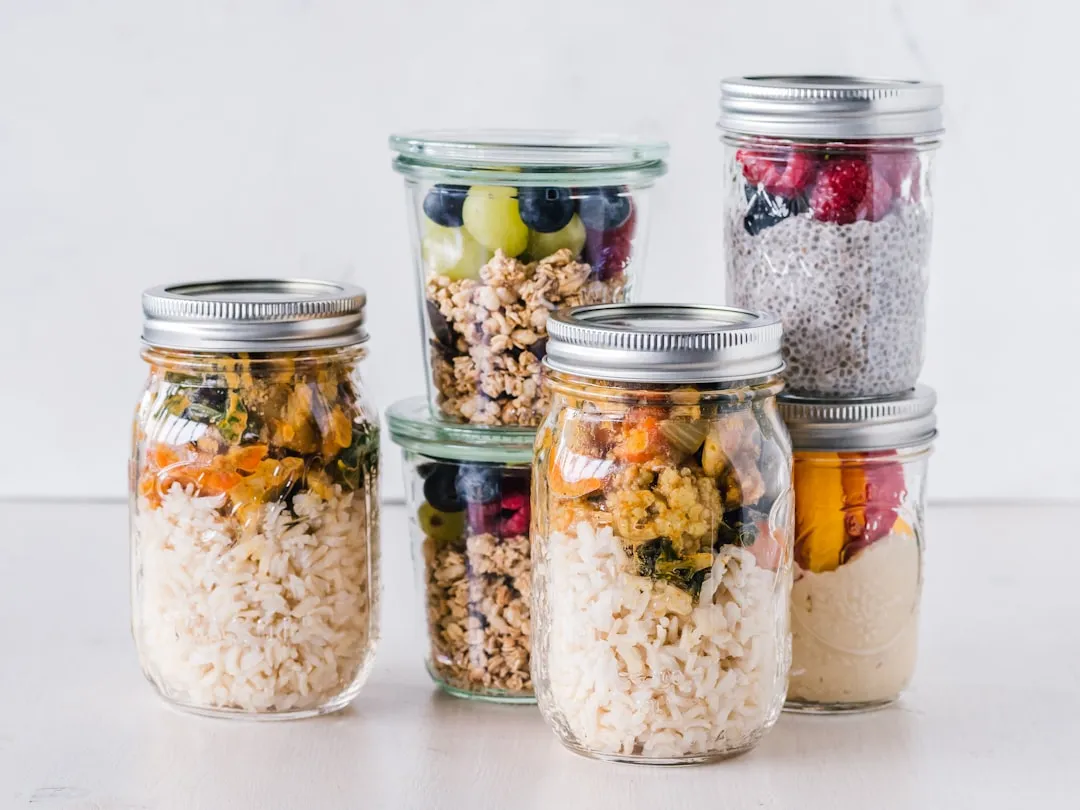
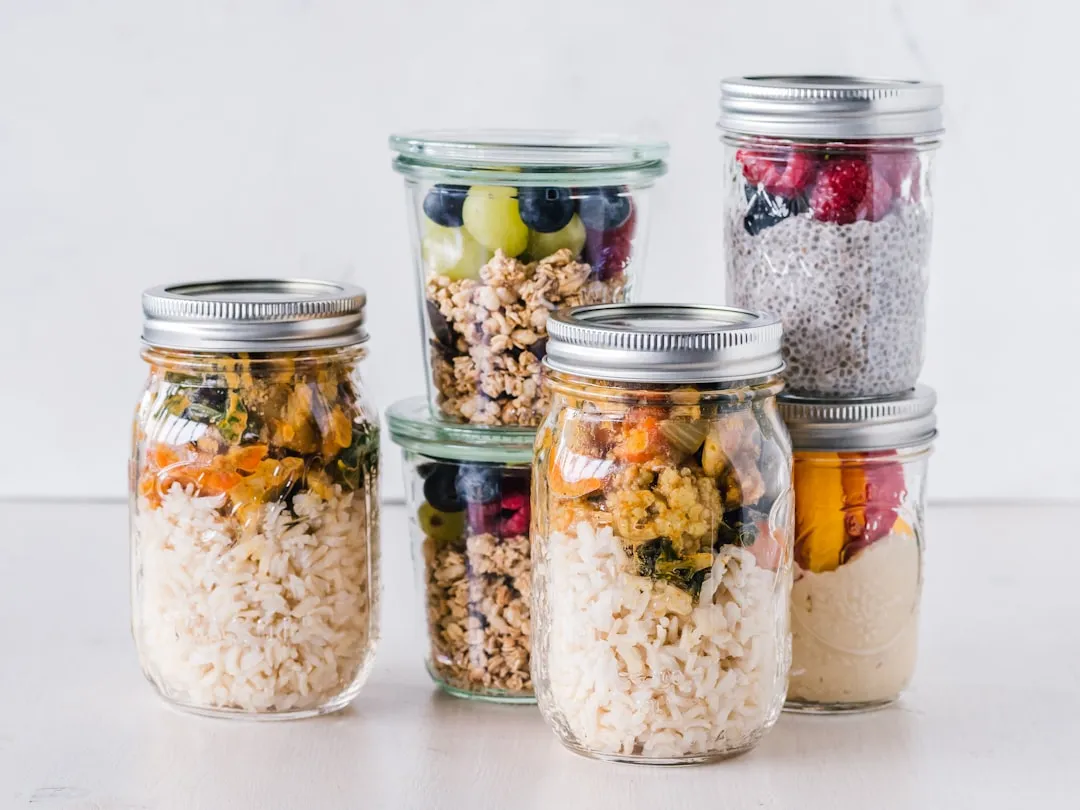
Long before influencers started filming their weekly container hauls, grandmothers were doing the same basic thing out of necessity rather than trend. One day of cooking, several days of eating, no fancy branding required. The logic was simple: buy what is fresh and in season, cook it properly once, and let the week take care of itself. Modern meal prep culture did not invent this idea, it just repackaged it with better lighting and a hashtag.
Home Cooking Still Beats Takeout, Even in 2026
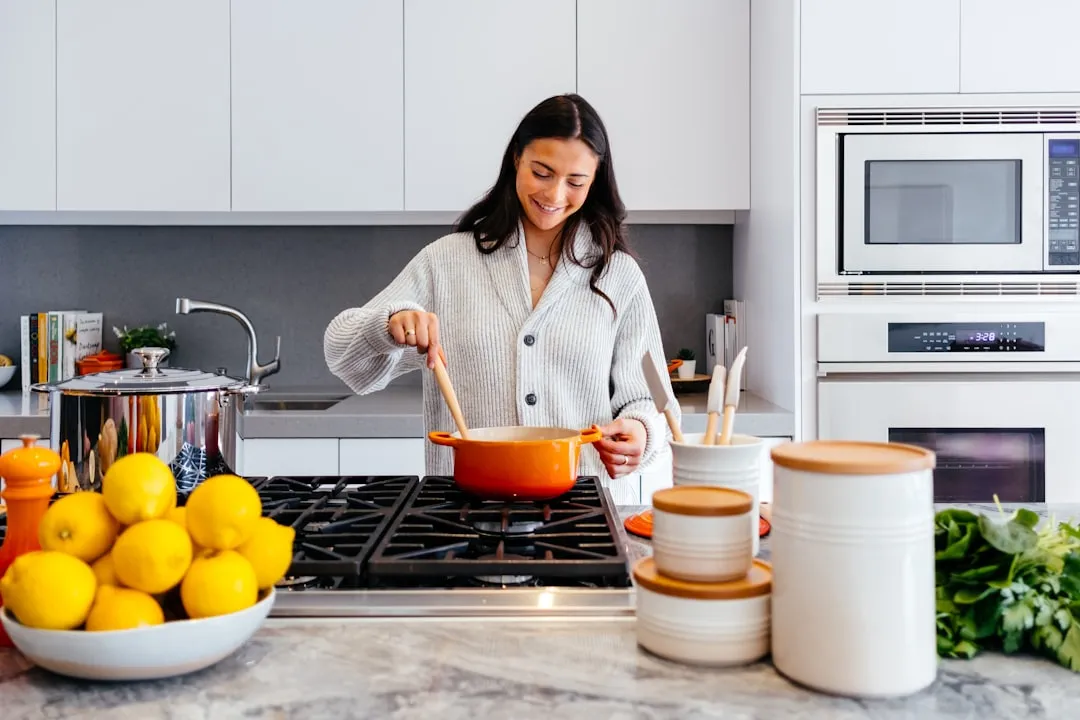
Despite years of predictions that delivery apps would replace the stove, the numbers tell a different story. About 81% of Americans cook more than half of their meals at home. That is not a nostalgic minority clinging to old habits, that is the clear majority of the country. In fact, 93% of Americans expect to cook as much as last year or more in the next 12 months than they did the previous year. Rising grocery bills play a role here too, since 78% of U.S. consumers report eating at home more frequently to save money amidst rising food costs.
Batch Cooking Cuts Food Waste in Ways Apps Can’t
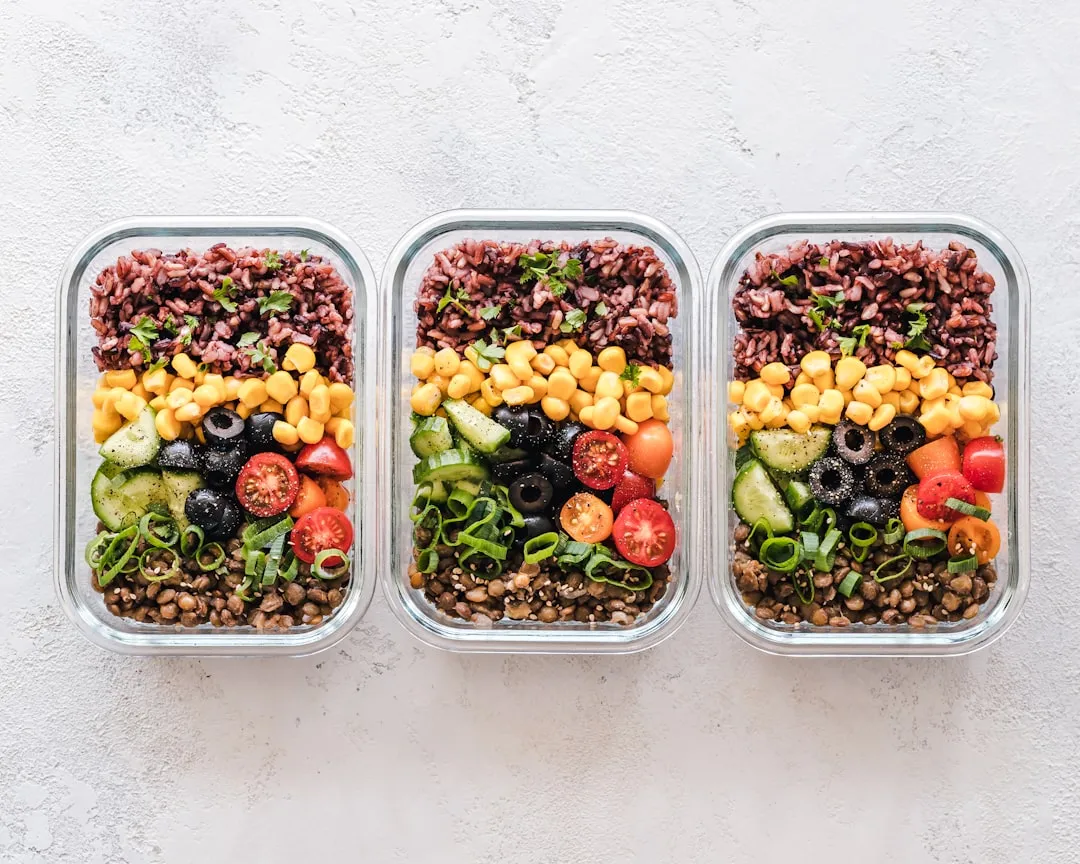
Grandmother’s Sunday routine was never wasteful, mostly because throwing away food was not an option in most households. That instinct turns out to be backed by real numbers today. About 22% of people who meal prep say the top benefit is buying only what they need, which helps cut back on food waste and unnecessary spending. That single habit, planning a week’s meals around what is already in the fridge, does more for reducing waste than any expiration-date app ever will.
Ultra-Processed Convenience Comes with a Real Health Cost
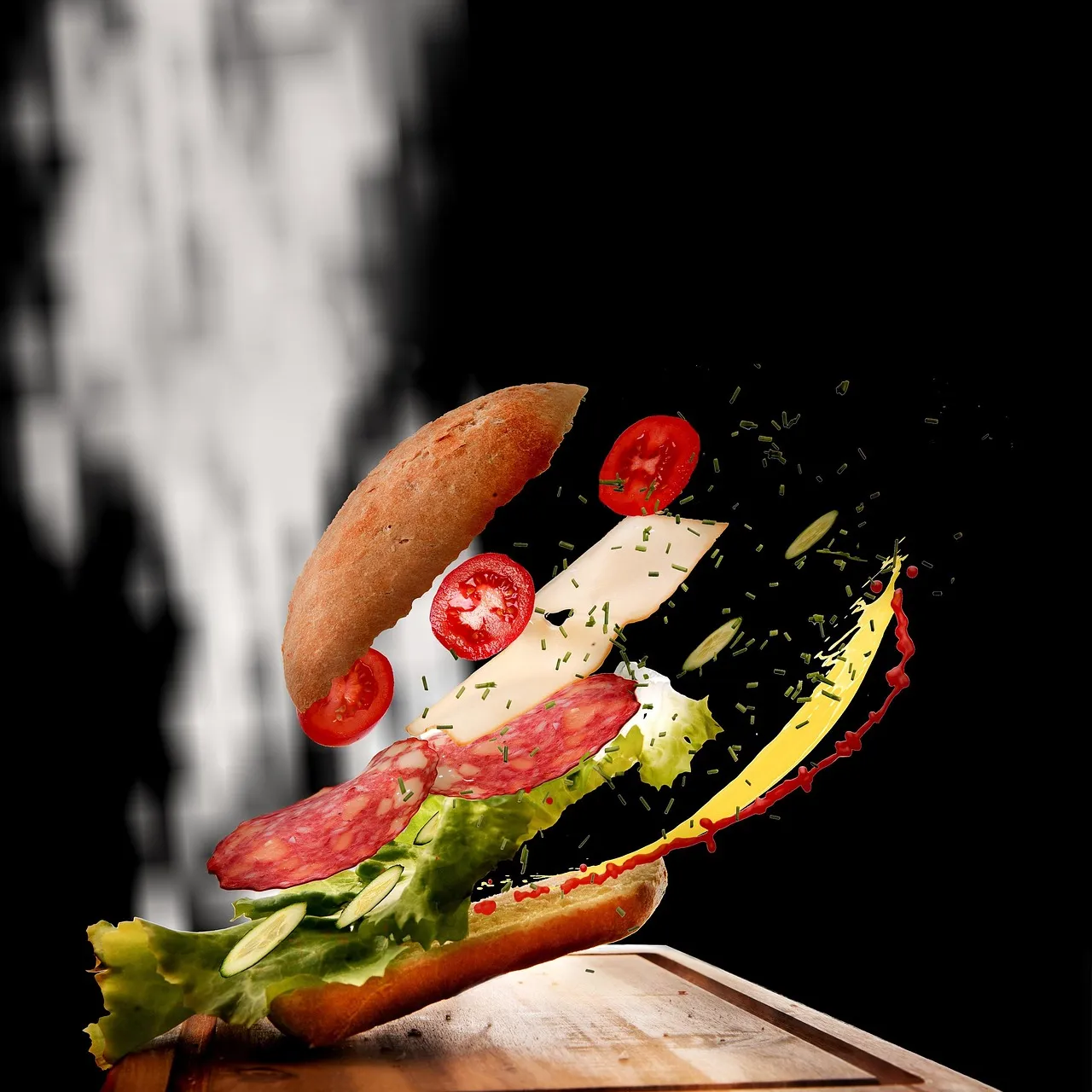
Many of today’s “hacks” lean on packaged, shelf-stable convenience foods, and the health data on those products is not encouraging. Such food now accounts for nearly 60% of U.S. adults’ calorie consumption, and among American children, that portion is close to 70%. A large review found something even more sobering. A 2024 review of 45 metanalyses, covering nearly 10 million study participants, found “convincing” evidence that a diet high in ultra-processed foods increases the risk of death from cardiovascular disease by 50% and the risk of anxiety by 48%.
A separate umbrella review linked these foods to an even broader list of problems. A 2024 umbrella review of 45 meta-analyses including almost 10 million people found that diets high in UPFs are linked to 32 health conditions, including obesity, type 2 diabetes, cardiometabolic diseases, many cancers, gastrointestinal disorders, asthma, anxiety, depression, cardiovascular events, and all-cause mortality.
One Big Sunday Session Saves Real Time During the Week
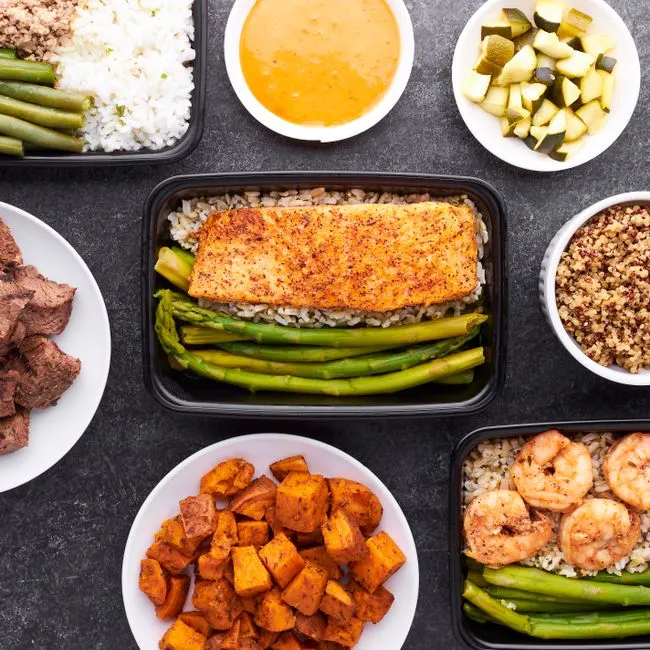
The genius of the old Sunday method was never speed on any single day, it was the compounding of effort. Cooking once and eating from it for days removes the daily decision fatigue that drives people toward whatever is fastest, not necessarily what is best. That daily grind of “what’s for dinner” disappears when the answer is already sitting in the fridge. It is a quieter kind of efficiency than a fifteen-minute recipe video, but it adds up over an entire week rather than one meal.
Family Meals Do More for Kids Than Any Nutrition App
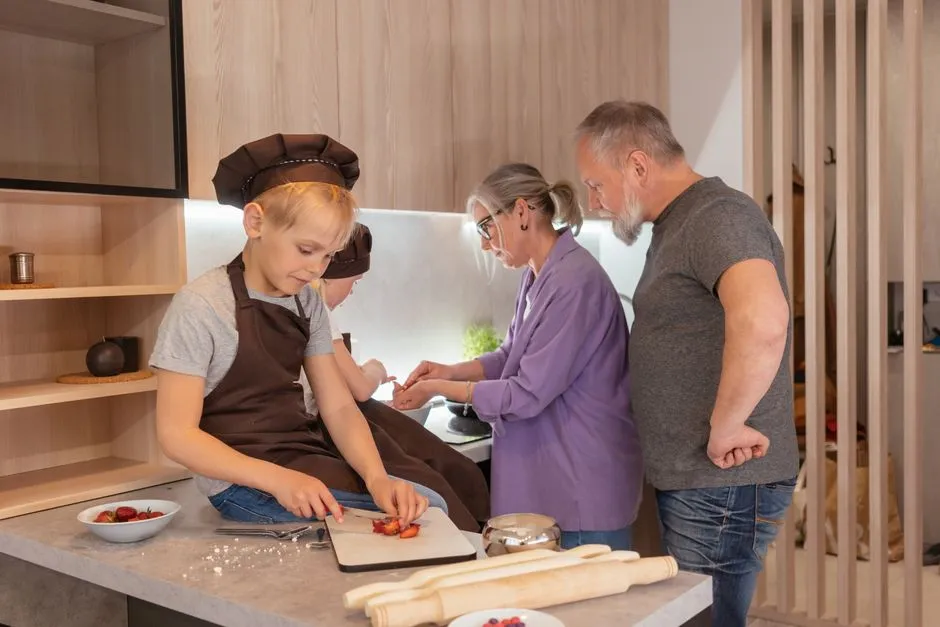
A Sunday cooking session was rarely a solo act. Kids peeled potatoes, stirred pots, and set the table, and that shared time turned out to matter more than anyone realized back then. Children and adolescents who regularly participate in family meals tend to eat more fruits, vegetables, and important nutrients such as calcium and iron.
The benefits extend well past the plate too. People who eat more meals together have healthier eating habits and better diets in general, including eating more fruits and vegetables, as well as having breakfast more often. Researchers have also found that eating more meals together as a family is associated with improved overall adolescent health, and frequent family meals are inversely associated with disordered eating, alcohol and substance use, violent behavior, and feelings of depression or thoughts of suicide in adolescents.
Grandma’s Method Naturally Avoided the Ultra-Processed Trap
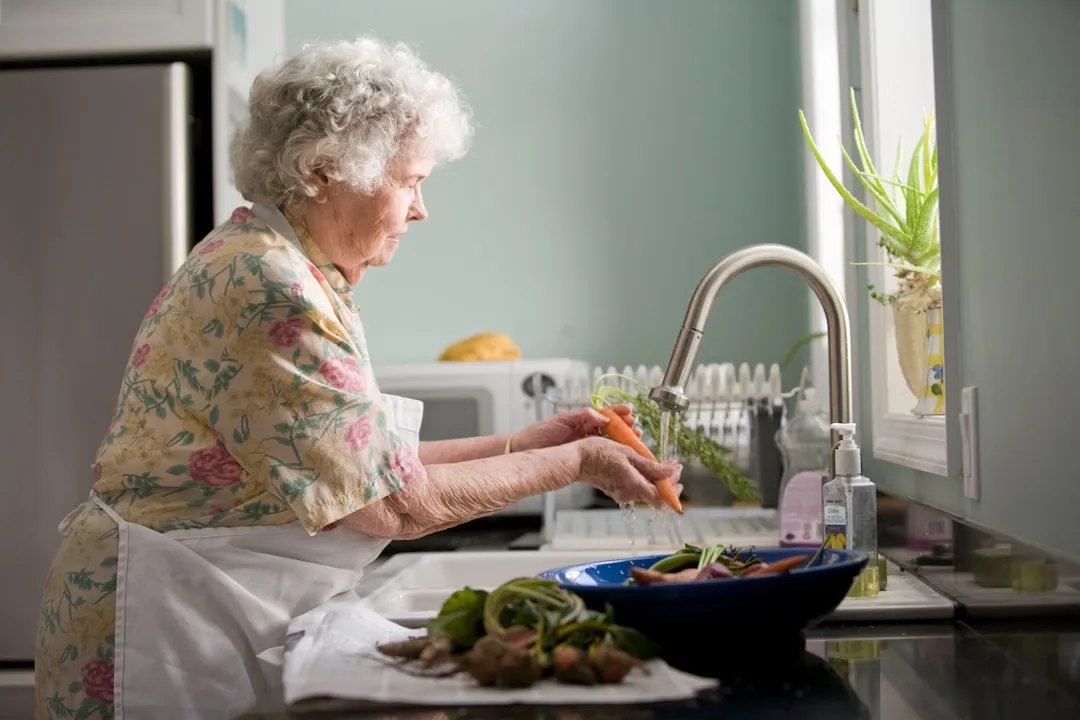
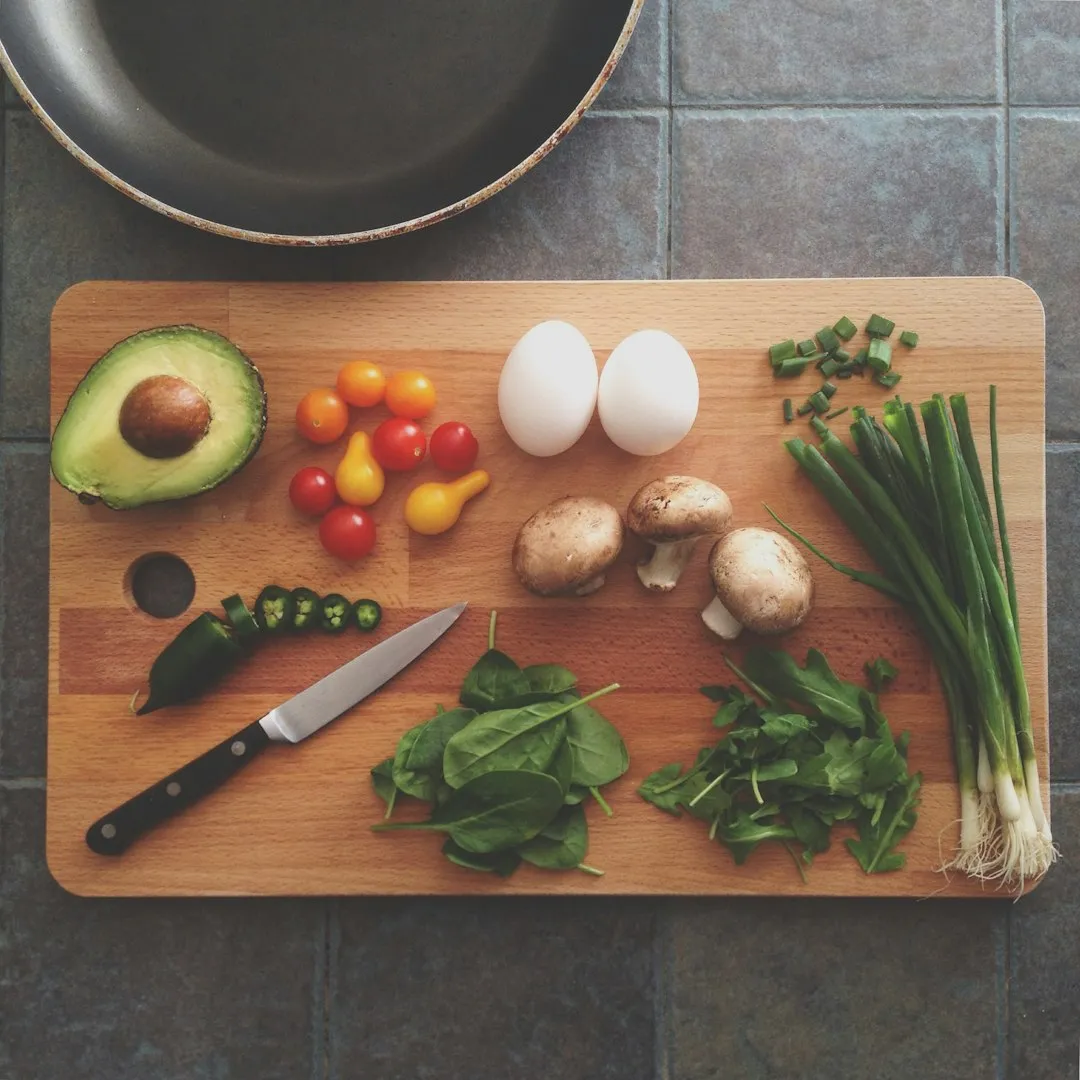
Nobody was reading ingredient labels for hidden emulsifiers in 1975, mostly because there was no need to. Slow-cooked stews, roasted vegetables, and simmered sauces made from scratch simply do not contain the industrial additives that define today’s ultra-processed products. That is not a coincidence, it is a direct result of using whole ingredients and basic techniques instead of relying on shelf-stable shortcuts. The old method sidestepped a modern problem simply by never creating it in the first place.
The Financial Math Favors the Stockpot, Not the Subscription Box
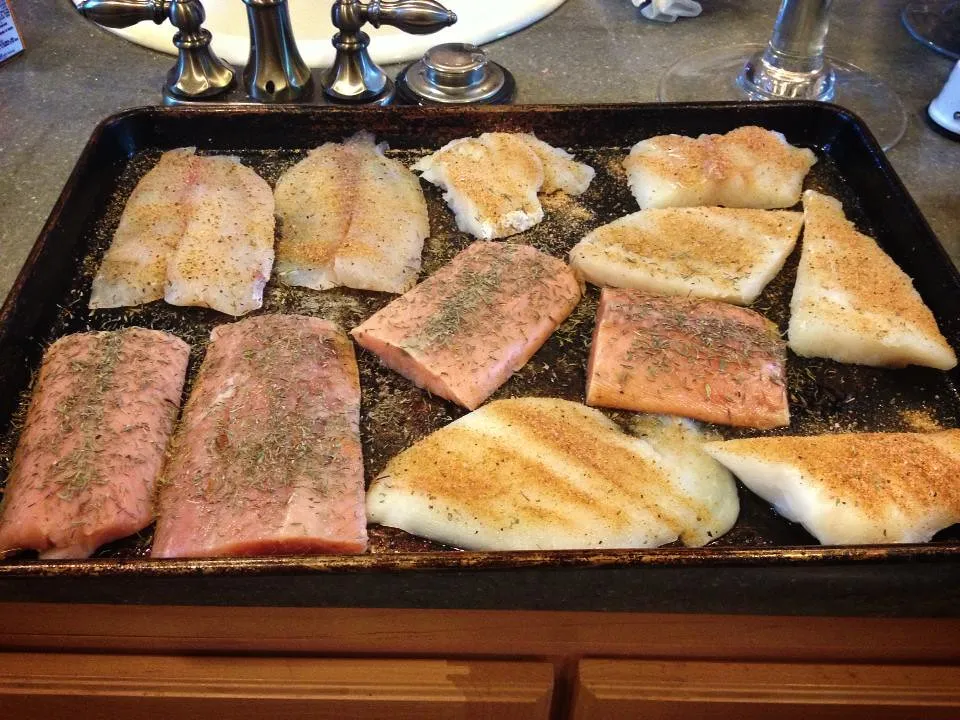
Food waste is not just an environmental issue, it is a household budget issue too. America throws away nearly 60 million tons of food every year, almost 40 percent of the entire US food supply. That waste carries a real price tag, since food waste represents approximately 11 percent of total annual food expenditures, within and outside of the home. A batch-cooked Sunday, built around what is already on hand, directly counters this pattern instead of adding another delivery fee and packaging cost on top of it.
Modern Hacks Optimize Convenience, Not Necessarily Nutrition
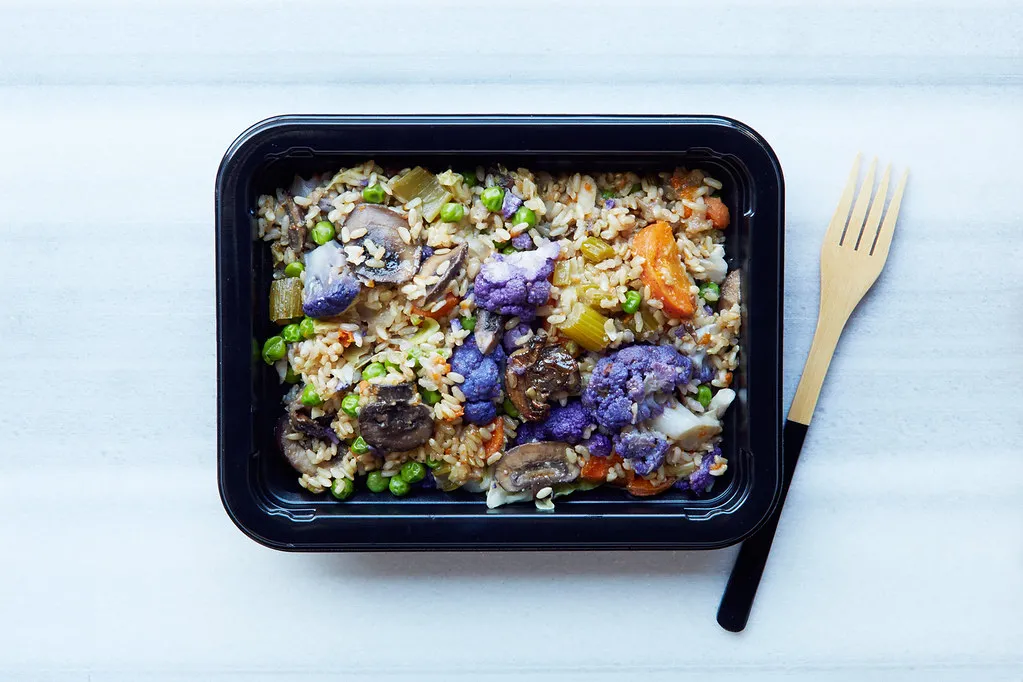
Meal kits, snack subscriptions, and prepped grocery bags promise to save time, and often they genuinely do. What they do not always deliver is the same nutritional profile as a pot of homemade soup simmered for hours with real vegetables and stock. Speed and health are not automatically the same thing, and plenty of “quick fix” products are built around shelf life rather than nutrient density. Grandmother’s Sunday session was slower by design, and that slowness is exactly what let flavor and nutrition develop properly rather than being engineered around a barcode.
Bringing Back the Sunday Prep Habit in a Modern Kitchen
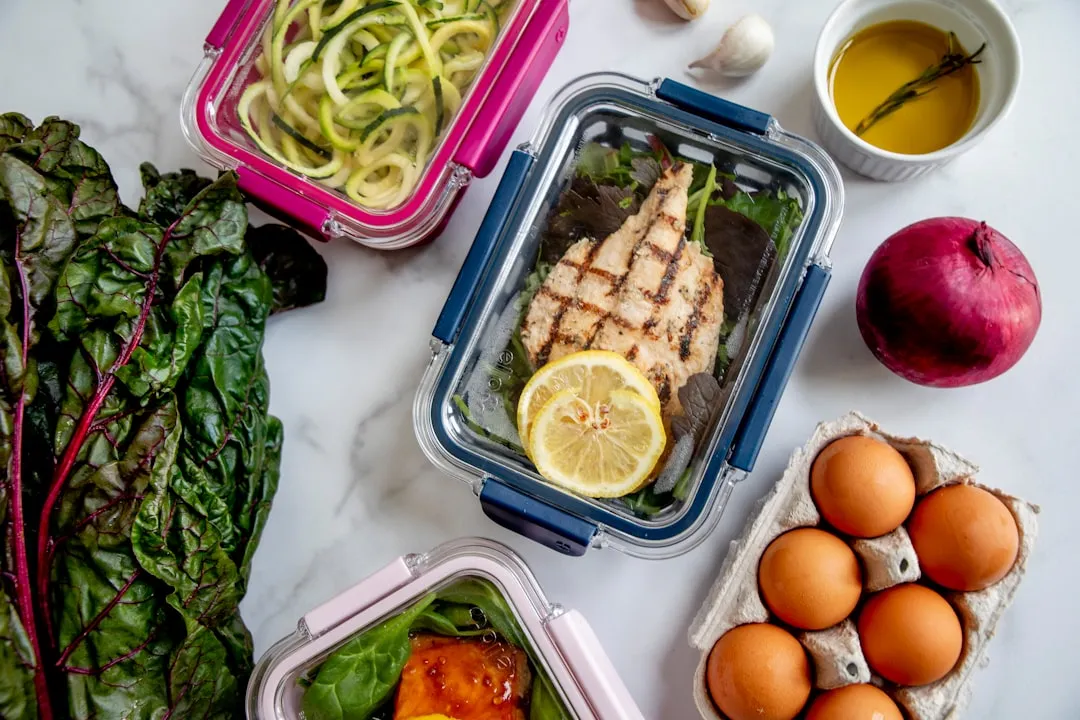
None of this requires rejecting every modern convenience or throwing out the freezer full of labeled containers. It simply means treating Sunday as an anchor point again, a few hours dedicated to real ingredients rather than another app notification. The data on home cooking, family meals, and food waste all point toward the same conclusion that grandmothers reached without needing a single study. Sometimes the newest idea in the kitchen is really just the oldest one, dusted off and put back on the stove.
The appeal of modern food hacks is obvious. They promise speed, novelty, and less thinking. Yet the research keeps circling back to something plainer and less exciting to market: a pot of something homemade, a table with people around it, and a Sunday afternoon spent cooking for the week ahead. That was never a hack. It was just a habit worth keeping.AI Disclaimer: This article was created with the assistance of AI tools and reviewed by a human editor.