
Many gardeners view July as the point where the season winds down, with spring crops harvested and summer heat settling in. Yet this period often represents an overlooked window for starting new plantings that deliver strong results later in the year. The shift in daylight and temperatures creates conditions suited to crops that prefer cooler maturation, extending garden productivity well beyond the initial spring push.
Why July Planting Remains Viable
Gardeners frequently assume that once early summer arrives, the window for new starts has closed. In practice, many areas still offer several weeks of suitable soil warmth combined with the approach of fall conditions that favor certain varieties. This timing supports plants that grow quickly in the remaining warm weeks before cooler weather arrives, reducing the risk of bolting or poor development seen in earlier plantings. The key lies in selecting crops with shorter days to maturity. Soil that has already warmed allows faster germination compared with spring efforts, while the shortening days ahead help prevent premature flowering in sensitive species. Those who overlook this phase often miss out on harvests that continue into autumn, when markets and home tables benefit from fresh local produce.
Vegetables Suited to a Mid-Summer Start
Root crops and leafy greens form the core of successful July plantings in many climates. These options mature as temperatures moderate, producing tender results without the stress of peak summer conditions. Beans and certain brassicas also fit the schedule when chosen for their rapid growth cycles. Success depends on consistent moisture during establishment, as young seedlings face higher evaporation rates. Gardeners who prepare beds with adequate organic matter find that these later plantings often require less intervention once established. The result is a staggered harvest that fills gaps left by earlier crops.
Flowers That Extend Seasonal Color
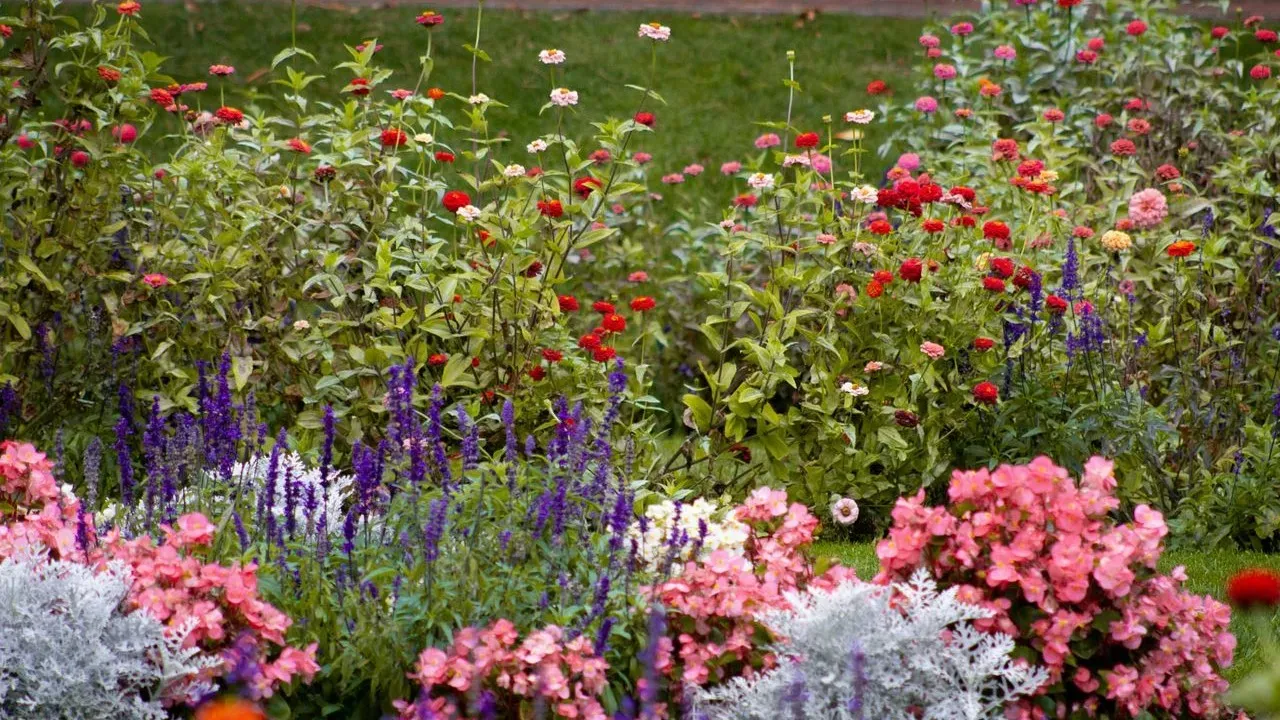
Annual flowers started in July can provide blooms through the fall, adding visual interest when many spring perennials have faded. Varieties adapted to shorter days and cooling nights perform reliably when sown directly or transplanted at this stage. They serve both ornamental and practical roles, attracting pollinators that support nearby vegetable production. Timing remains critical here as well. Starting these plants now allows root development before cooler weather slows growth, leading to fuller displays. Many gardeners find that this second wave of flowers maintains garden appeal without demanding the intensive care required during the hottest months.
Practical Steps for Reliable Results
Site preparation makes the difference between success and disappointment. Clearing weeds, loosening soil, and ensuring good drainage help new plantings compete effectively. Watering routines should focus on deep, infrequent applications to encourage strong roots rather than surface growth. Monitoring local frost dates guides variety selection and succession planning. Those who track these patterns can time plantings to align with expected temperature drops, maximizing the length of the productive period. Simple row covers or shade cloth offer additional protection during any remaining heat spikes.
Extending the Garden’s Productive Season
A July planting effort transforms the perception of the gardening calendar from a single spring event into a more continuous process. The additional crops and flowers provide both practical yields and aesthetic continuity, rewarding the modest extra effort with returns that last into the cooler months. Gardeners who adopt this approach often report greater overall satisfaction, as the landscape remains active rather than entering an early dormancy. The practice underscores how small adjustments in timing can yield meaningful extensions of the growing season.
AI Disclaimer: This article was created with the assistance of AI tools and reviewed by a human editor.