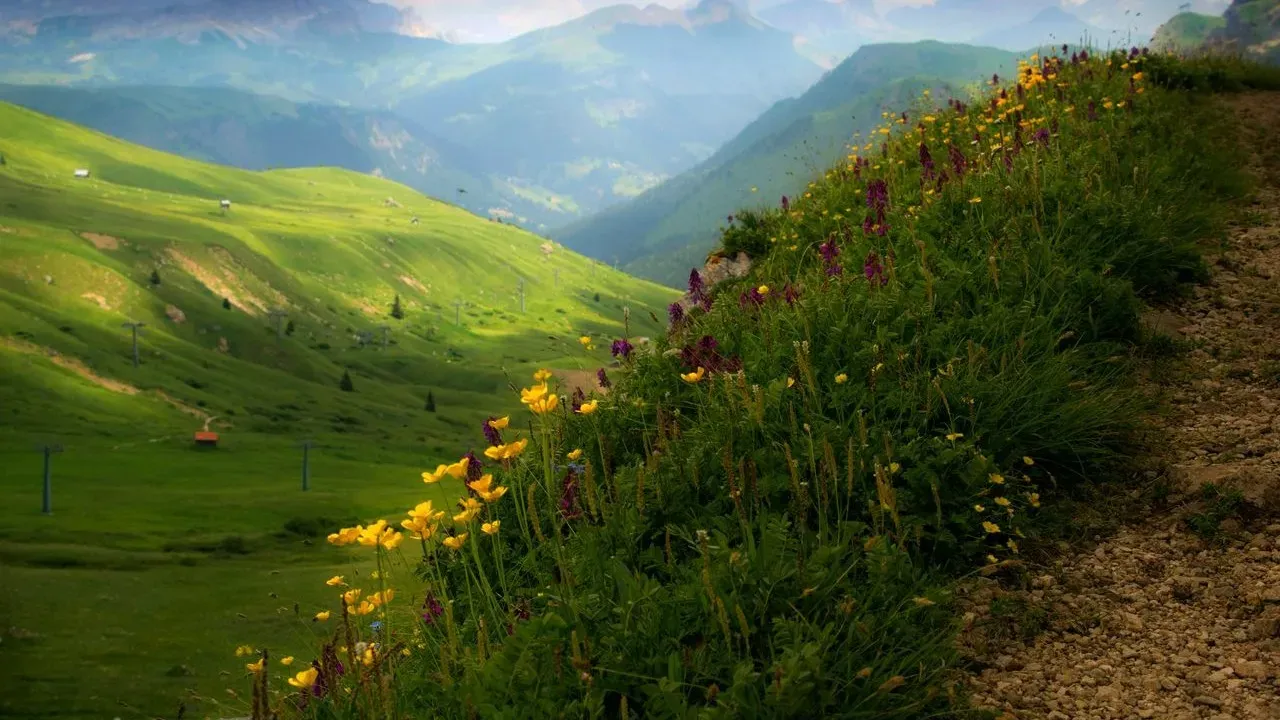

Rocky Mountain National Park sits at the heart of Colorado’s high country, where summer arrives late and departs early. In early July, the alpine tundra above treeline bursts into color for just a few short weeks, turning rocky slopes and meadows into a vivid carpet against jagged peaks. This narrow window draws plant enthusiasts and hikers eager to witness a natural display shaped by extreme conditions and brief warmth.
A Landscape Shaped by Limited Time
At elevations often exceeding 11,000 feet, plants face a growing season that can last only six to twelve weeks. Snow lingers into June in many areas, and fresh flurries can return by late August. Species adapted to these conditions stay low to the ground, forming dense cushions or mats that capture every ray of sun while resisting fierce winds. The result is a compact yet intense floral show that rewards those who venture onto the tundra trails.
Why July Marks the Height of Color
By early July the last snow patches have mostly retreated, allowing the most resilient blooms to open in quick succession. Warmer days accelerate growth, yet cooler nights and sudden storms keep the spectacle from lasting long. This timing aligns perfectly with peak visitor season, offering a rare chance to combine wildflower viewing with sweeping vistas of the Continental Divide. The display remains unpredictable year to year, depending on winter snowfall and spring temperatures, which adds to its appeal for repeat visitors.
Experiencing the Views Along the High Roads
Scenic drives such as Trail Ridge Road provide easy access to these elevated gardens without strenuous hiking. Pullouts and short interpretive paths let travelers step onto the tundra and stand among the flowers while gazing across vast valleys. The combination of delicate blooms and monumental scenery creates moments that linger long after the season ends. Park managers remind visitors to stay on designated surfaces to protect the fragile plants that cannot easily recover from foot traffic.
A Reminder of Nature’s Precise Calendar
The alpine wildflower bloom in Rocky Mountain National Park serves as a quiet lesson in timing and resilience. Those who catch it this summer witness a landscape that will soon return to muted tones under early snow. Planning around the brief July peak ensures the best chance to see the tundra at its most expressive, a reward for anyone willing to travel to these heights while the window remains open.
AI Disclaimer: This article was created with the assistance of AI tools and reviewed by a human editor.