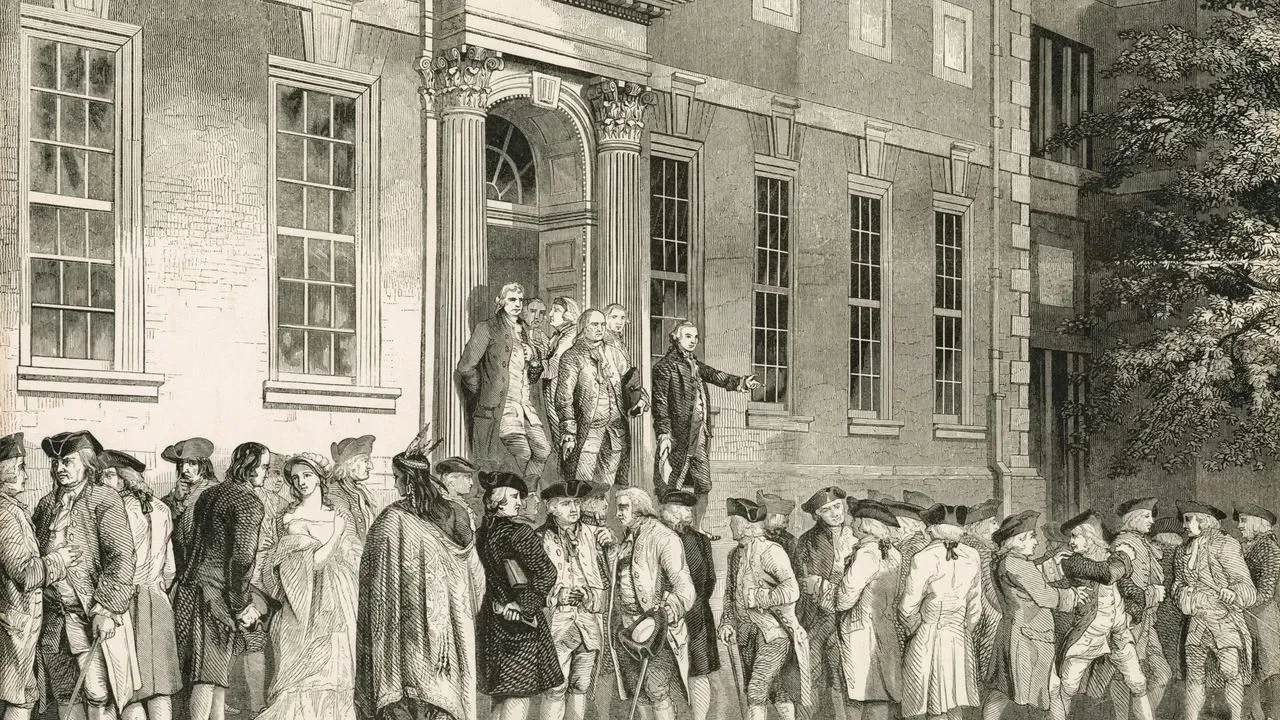

A volunteer sorting through historical papers at the National Archives in London has identified a vanishingly rare copy of the Declaration of Independence. The document surfaced among materials seized from an American ship in 1776. This discovery adds a tangible link to the earliest days of the American founding, preserved for centuries in British custody.
The Accidental Discovery
The find occurred during routine archival work rather than a targeted search. A volunteer encountered the document while reviewing seized papers that had remained largely undisturbed. Such materials often arrive in batches from naval actions or customs seizures, and they require careful examination to determine their contents and provenance. The volunteer’s attention to detail brought the Declaration copy to light after it had gone unnoticed for generations.
Context of the 1776 Seizure
British forces seized the papers from an American vessel during the opening year of the Revolutionary War. At that time, the conflict centered on control of colonial trade routes and ports. Documents carried aboard ships frequently included official correspondence, printed broadsides, and legal instruments that reflected the political tensions of the period. The survival of this particular copy illustrates how wartime captures could preserve items that might otherwise have been lost or destroyed in the colonies.
Significance of the Document
Copies of the Declaration printed or distributed in 1776 remain exceptionally scarce. Most known examples reside in major American institutions, making any additional specimen noteworthy for historians and collectors. The London example carries added interest because of its direct connection to a documented seizure rather than a private collection or later acquisition. Its presence in the National Archives underscores the international dimensions of the American Revolution and the ways in which records crossed the Atlantic.
Preservation and Future Access
Archivists at the National Archives will now assess the document’s condition and determine appropriate conservation measures. Once stabilized, the item is expected to join other Revolutionary-era materials available for scholarly research. Public interest may also prompt temporary displays timed to historical anniversaries. The episode highlights the continuing value of volunteer contributions to large archival collections, where trained staff often rely on additional eyes to process extensive holdings.
AI Disclaimer: This article was created with the assistance of AI tools and reviewed by a human editor.