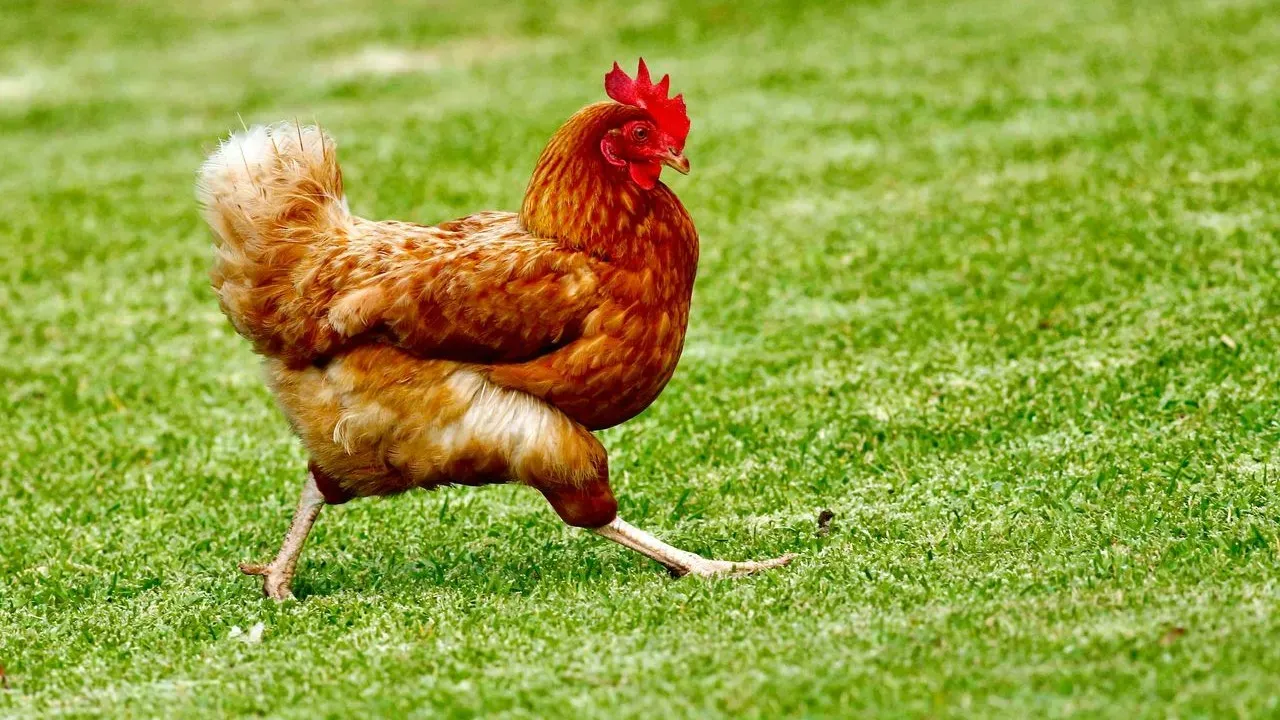

Raising a small flock of chickens in the backyard brings daily rewards, from fresh eggs to the simple pleasure of watching the birds scratch and forage. Yet owners quickly learn that internal parasites represent one of the more common health challenges in home flocks. Many keepers now look for ways to manage worm loads through diet and routine care rather than relying solely on commercial medications.
Recognizing the First Signs
Owners often notice changes in behavior or appearance before any formal test confirms a problem. A dirty or pasty vent area can serve as an early alert, especially when combined with reduced activity or a drop in egg production. Pale combs, watery droppings, or gradual weight loss may also appear as worm numbers increase.
These indicators are not unique to parasites, so careful observation over several days helps rule out other causes such as diet shifts or seasonal molting. Many experienced keepers check droppings regularly and note any sudden shifts in appetite or energy levels. When multiple birds show similar symptoms, the likelihood of a shared environmental factor rises.
Everyday Foods That May Help
Certain kitchen staples appear frequently in discussions of natural flock support. Pumpkin seeds contain compounds that some keepers believe discourage parasite development when offered regularly. Garlic, oregano, and small amounts of apple cider vinegar added to water are also mentioned as part of ongoing maintenance routines.
These additions work best as preventive measures rather than guaranteed cures. Their effectiveness can vary with the type of worm present, the overall health of the birds, and how consistently the items are provided. Fresh greens, carrots, and ginger sometimes join the list of supportive foods, though results remain anecdotal across different flocks.
Rotation of these items prevents boredom and may broaden the range of potential benefits. Clean water and a balanced commercial feed remain the foundation of any feeding plan.
Practical Steps for Flock Keepers
Regular coop cleaning and dry bedding reduce the chance that birds ingest parasite eggs from the environment. Providing ample space and limiting overcrowding further lowers transmission risk. Many keepers also rotate pasture areas when possible to break parasite life cycles.
Monitoring body condition through weekly handling allows early detection of changes. When signs persist, consultation with a veterinarian or submission of a fecal sample offers clearer direction on whether additional measures are needed. Natural methods do not replace professional diagnosis in cases of heavy infestation.
Important Limits and Next Steps
Natural approaches carry fewer documented side effects for most birds, yet they also lack the consistent results of approved pharmaceutical treatments in severe cases. Research on many home remedies remains limited, and outcomes can differ between individual flocks and regions.
Keepers who combine attentive daily care with selective use of supportive foods often report stable flock health over time. Continued observation and willingness to adjust routines remain the most reliable tools available to backyard poultry owners.
AI Disclaimer: This article was created with the assistance of AI tools and reviewed by a human editor.