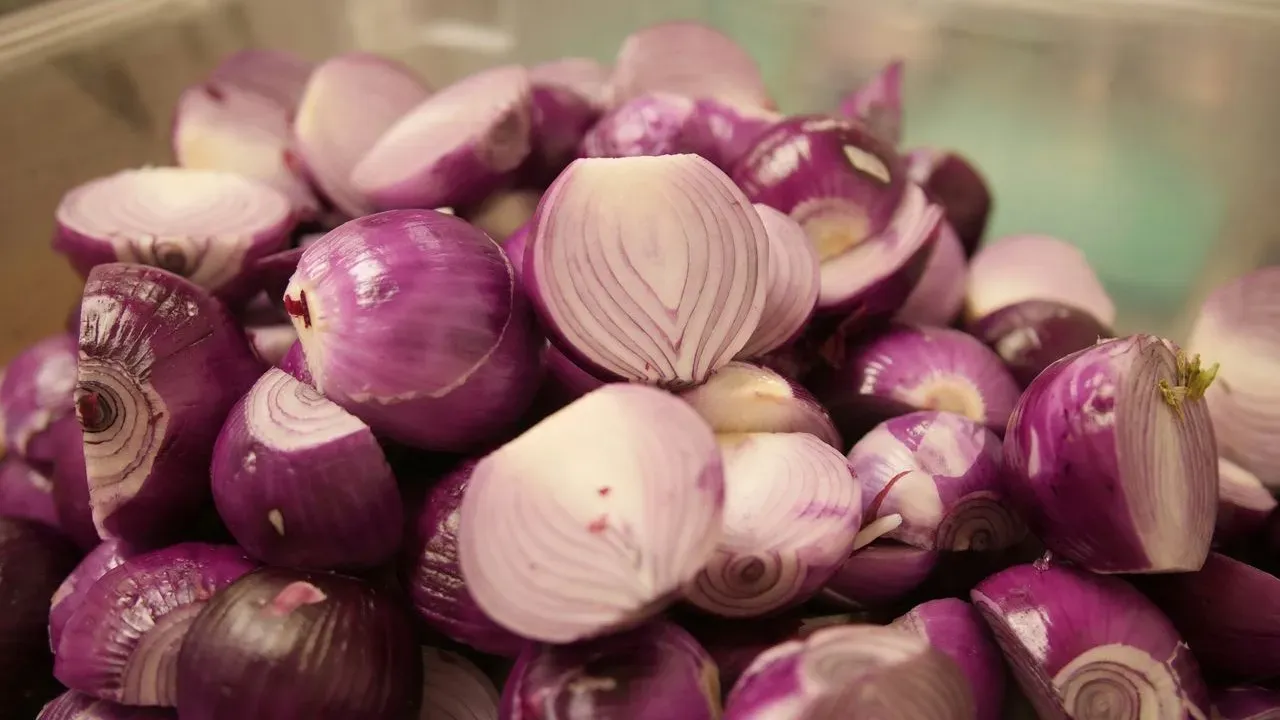

A gardener steps into the kitchen after a late-summer harvest and finds baskets overflowing with onions. The bulbs are firm and fragrant, yet the question lingers of how to keep them from going to waste before the first frost arrives. Bread and butter pickling offers a time-tested answer that transforms the excess into jars of sweet, tangy preserves ready for months ahead.
Why Onions Deserve a Place in the Preservation Plan
Many home gardeners plant more onions than they can use fresh because the crop stores well in the ground until pulled. Once harvested, however, the bulbs demand attention before they soften or sprout. Turning the surplus into pickles solves that immediate problem while adding variety to winter meals.
The bread and butter style stands out for its balance of sweetness and acidity. Unlike sharp dill pickles, this version draws on mustard seeds, turmeric, and a measured amount of sugar to create a milder profile that pairs easily with sandwiches, salads, and roasted meats. The result feels both familiar and special, evoking older kitchen traditions without requiring advanced skills.
The Appeal of a Shelf-Stable Harvest
Canning the pickled onions extends their usefulness far beyond the fresh season. Properly processed jars sit safely on a pantry shelf through winter and into spring, freeing refrigerator space and reducing reliance on store-bought condiments. Each jar carries the flavor of the garden forward, turning a single afternoon of work into repeated enjoyment later.
Gardeners who try the method often notice how the process fits naturally into an existing routine. Onions pulled one day can be sliced and packed the next, with the brine coming together quickly on the stovetop. The jars then process in a water bath, a straightforward step that many already perform for tomatoes or beans. The reward is a row of gleaming jars that represent both thrift and foresight.
Building Flavor Through Simple Ingredients
The brine for bread and butter pickled onions relies on a handful of pantry staples that most cooks already keep on hand. Vinegar provides the necessary acidity for safety and tang, while sugar tempers the sharpness into something mellow. Spices such as celery seed and turmeric add depth and the signature golden hue without overpowering the onion itself.
Because the onions remain the star, the recipe tolerates small adjustments in sweetness or spice level according to personal taste. Some batches lean a touch sweeter for relish-style uses, while others stay brighter for topping burgers. The flexibility encourages experimentation once the basic technique feels comfortable.
Putting the Preserves to Everyday Use
Once opened, a jar of bread and butter pickled onions finds its way into many meals. Thin slices brighten a cheese board or add crunch to a grain bowl. Chopped pieces stir into potato salad or coleslaw for an unexpected lift. Even a single ring on a sandwich transforms an ordinary lunch into something more memorable.
The preserves also travel well to potlucks and holiday tables. A small dish of the onions alongside roasted vegetables or grilled sausages offers guests a bright counterpoint to richer dishes. Because the jars keep for so long unopened, cooks can prepare several batches early in the season and draw on them steadily without extra effort.
What matters now: A single afternoon spent slicing and canning can yield months of ready flavor from the garden. The method rewards both the practical need to use a large harvest and the desire for homemade touches that store-bought versions rarely match.
Looking Ahead to Future Seasons
Gardeners who master the technique often plant a few extra rows the following year, confident that the onions will not go unused. The preserved jars become part of a larger rhythm of growing, harvesting, and storing that defines self-reliant kitchens. Each successful batch reinforces the satisfaction of turning abundance into lasting value.
In the end, bread and butter pickled onions represent more than a single recipe. They embody a quiet confidence that the garden’s gifts can be enjoyed long after the growing season ends. For anyone facing an onion surplus this year, the jars waiting on the shelf offer both practical relief and a taste of old-fashioned reward.
AI Disclaimer: This article was created with the assistance of AI tools and reviewed by a human editor.