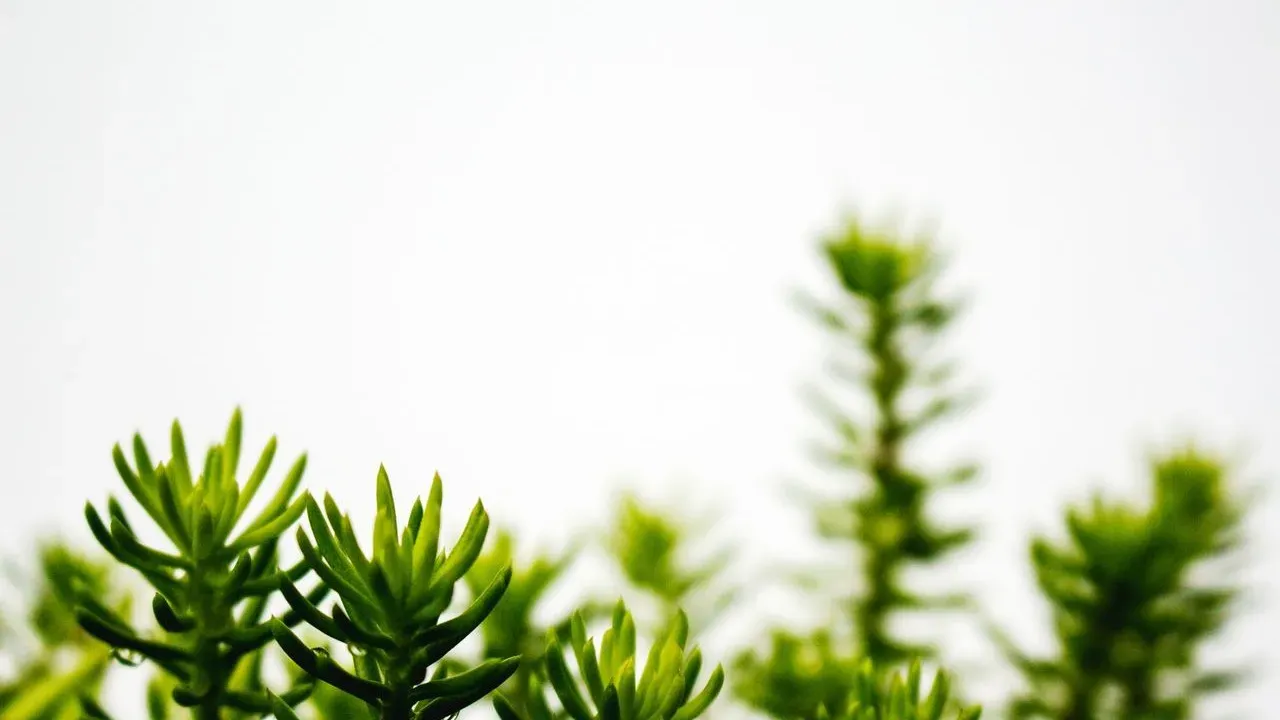

Gardeners across the United States continue to turn to sedum, also known as stonecrop, for its ability to thrive with minimal intervention. The plant’s reputation for durability has grown as more homeowners seek options that withstand dry conditions and require little ongoing care. Its dual forms, low-growing and upright, allow it to serve multiple roles in landscapes while supporting local pollinators.
Why Sedum Stands Out in Modern Landscaping
Sedum has gained attention because it combines visual interest with practical performance in challenging environments. Many gardeners report success even in areas with poor soil or inconsistent watering, qualities that reduce the time and resources typically needed for other ornamentals. The plant’s succulent nature helps it store moisture, making it suitable for regions facing periodic drought. Its flowers draw bees and butterflies during bloom periods, adding ecological value without extra effort from the gardener. This combination of low demands and pollinator support aligns with broader trends toward sustainable yard design.
Versatility Across Different Garden Roles
Low-growing varieties function effectively as ground covers that suppress weeds and stabilize slopes. They spread steadily without becoming invasive in most settings, creating a living carpet that remains attractive through changing seasons. Upright types, by contrast, work well as focal points in borders or mixed perennial beds. Both forms integrate readily with other drought-tolerant species, allowing designers to build cohesive plantings that require less irrigation overall. Homeowners often place them in rock gardens, containers, or along pathways where foot traffic is light.
Key Advantages for Busy or Novice Gardeners
The minimal maintenance profile of sedum appeals to people who want reliable results without daily attention. Once established, the plants generally need only occasional division to maintain shape and vigor. Their resistance to many common pests further lowers the barrier for those new to gardening. Because sedum tolerates a range of light conditions from full sun to partial shade, it fits varied site conditions found in typical residential yards. This adaptability reduces the risk of failure that can discourage beginners.
Practical Considerations for Successful Establishment
Selecting healthy nursery stock and preparing well-drained soil remain the primary steps for long-term success. Spacing plants according to their mature size prevents overcrowding and promotes airflow. Watering during the first season helps roots develop, after which supplemental irrigation becomes unnecessary in most climates. Gardeners in colder regions benefit from choosing cold-hardy cultivars that return reliably each spring. Over time, established stands often expand naturally, providing more coverage with little additional input. Sedum’s steady performance under less-than-ideal conditions continues to recommend it to a widening circle of gardeners seeking dependable, attractive plants that contribute to healthier outdoor spaces.
AI Disclaimer: This article was created with the assistance of AI tools and reviewed by a human editor.