

Most people who burn wood all winter end up with the same problem come spring: a bucket, a bin, or a corner of the yard filled with leftover black chunks nobody quite knows what to do with. It feels wasteful to just toss it, yet it doesn’t seem obvious what else it’s good for. As it turns out, gardeners and soil scientists have been quietly working out an answer to that question for years, and the results point somewhere you might not expect.
From Firewood to Garden Gold: What Charcoal Really Is
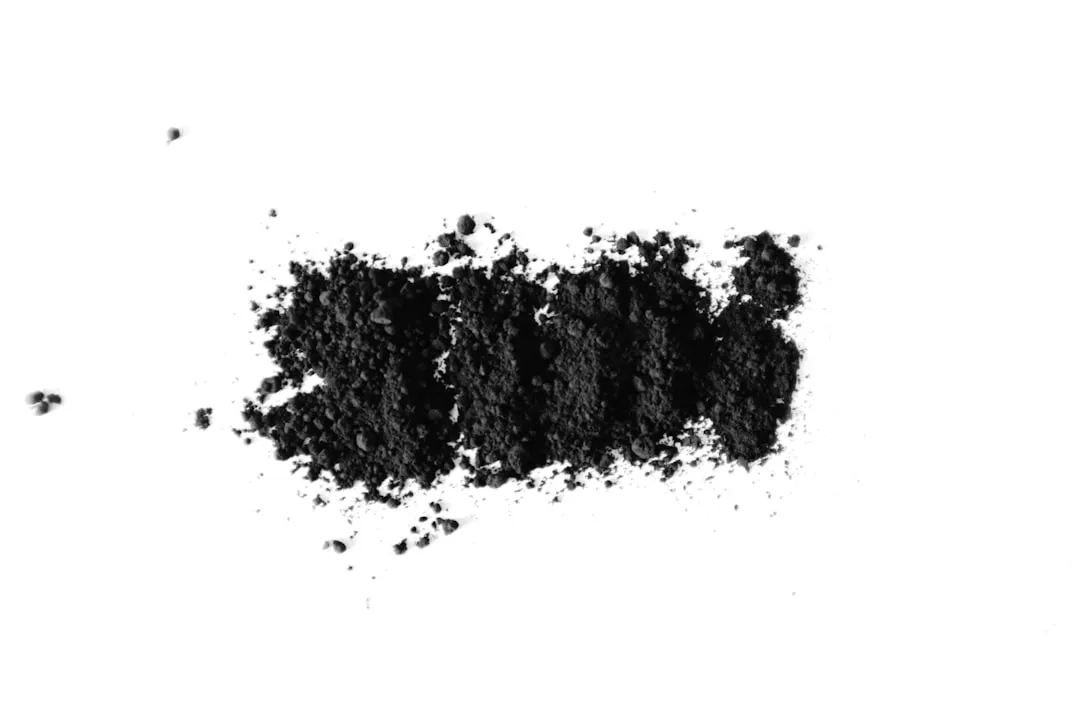
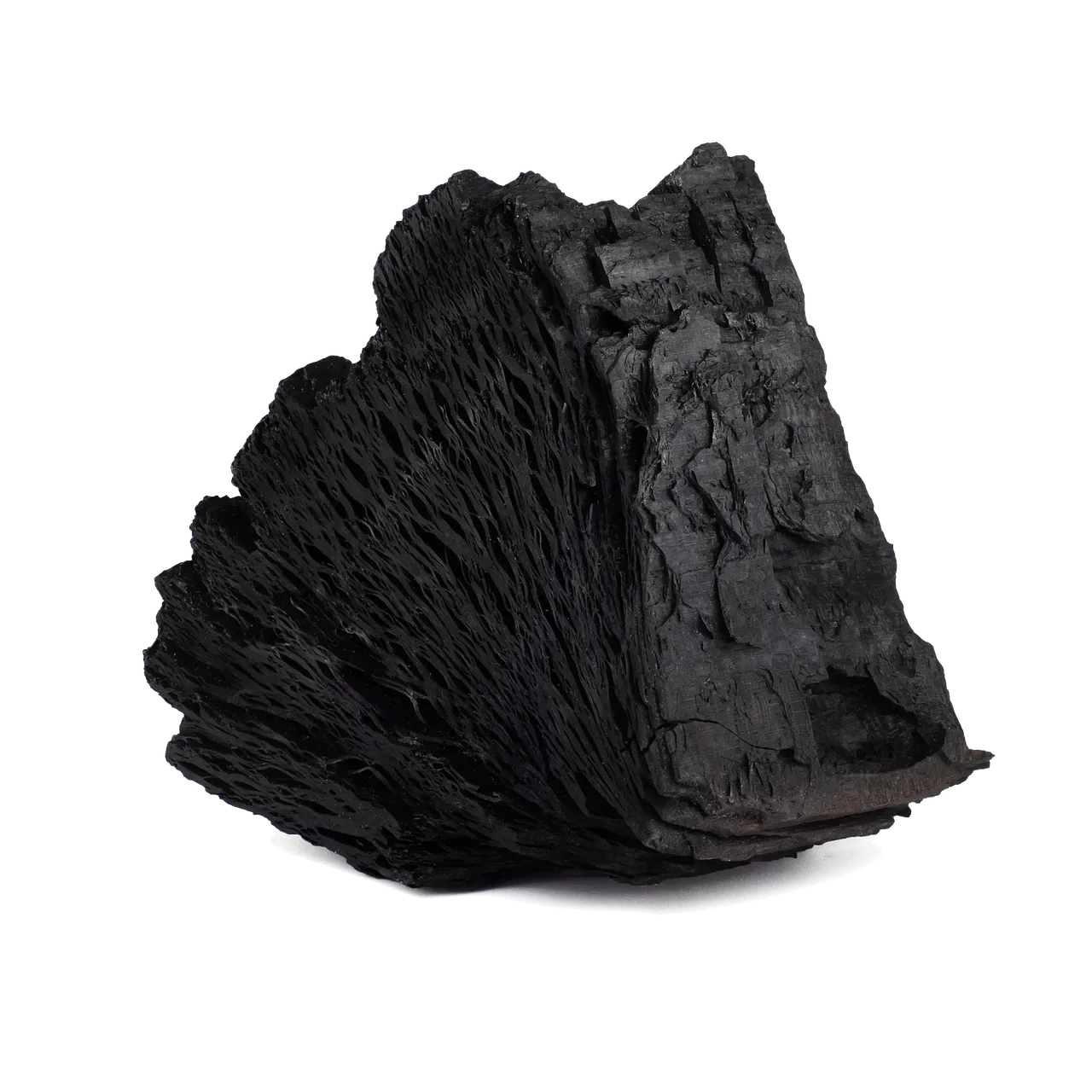
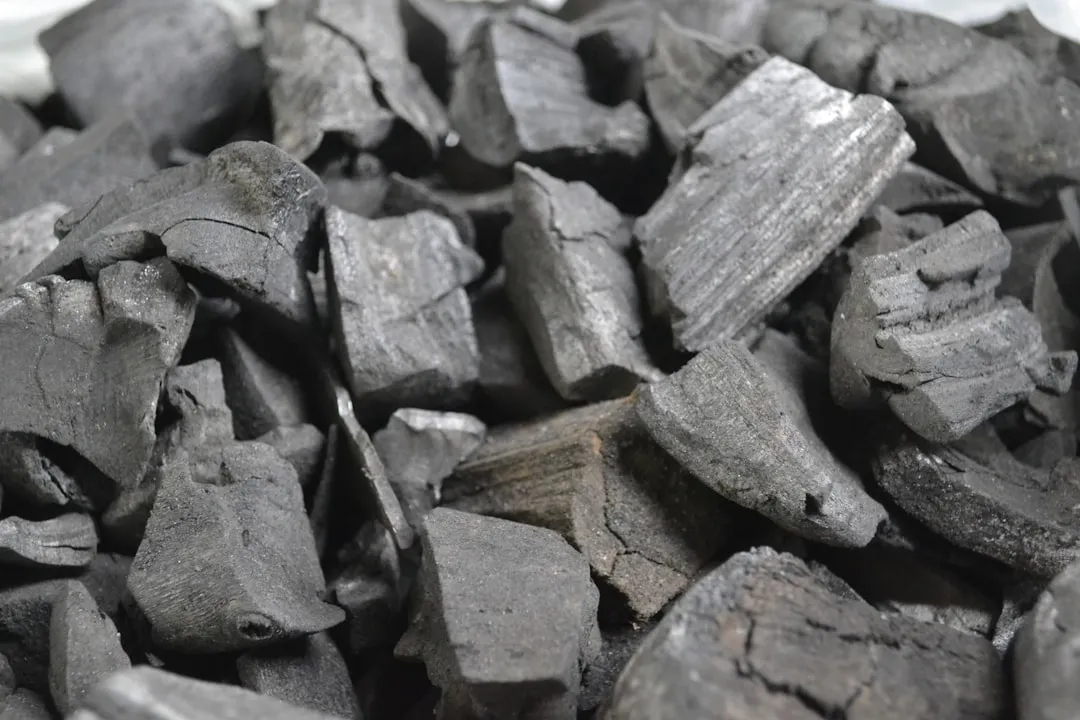
Charcoal forms when wood burns without enough oxygen to fully combust, leaving behind a light, porous, carbon-rich material instead of turning entirely to ash. This process, called pyrolysis, strips away moisture and volatile compounds while preserving a honeycomb-like structure inside the wood. Biochar is a type of fine-grained charcoal used as a soil amendment and created by slowly burning wood and agricultural byproducts, such as plant matter, with low oxygen in a process called pyrolysis. That structure is exactly what makes charcoal so useful once it’s ground up and worked into soil, since all those tiny air pockets create channels for water and roots to move through.
The Ancient Precedent: Terra Preta and the Amazon
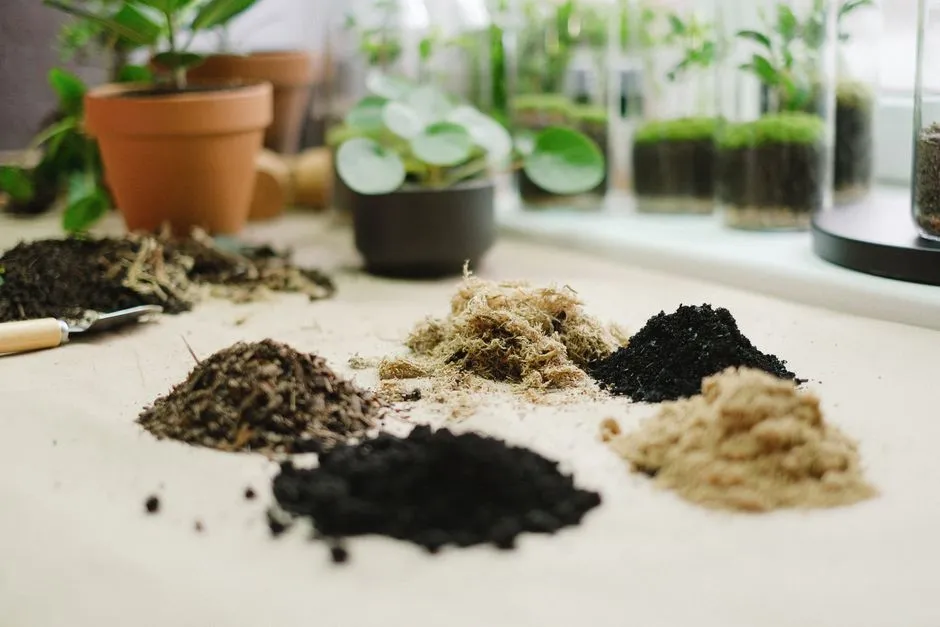
This isn’t a trend someone dreamed up on a gardening forum last year. Archeologists have found that ancient Amazonian cropland contains large deposits of dark, rich soil called Terra Preta that was made by these ancient farmers between 2,500 to 4,000 years ago. That soil owes its lasting fertility to the charcoal mixed into it centuries ago, since this Terra Preta contains high amounts of charcoal created through the process of pyrolysis which preserves up to 50% of the carbon vs. converting it into CO2 gas through complete combustion. The fact that this soil remains noticeably richer than surrounding land thousands of years later tells you something about how stable charcoal is once it’s incorporated into the ground.
Charcoal vs Wood Ash: A Crucial Distinction
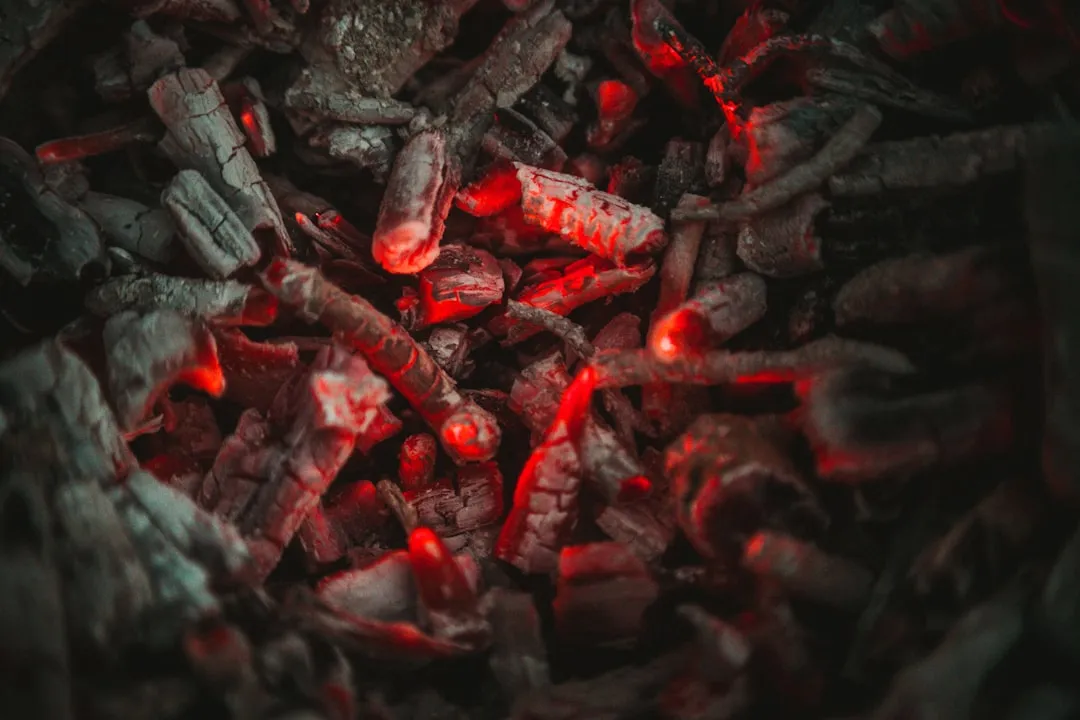
People often lump charcoal and ash together, but they behave very differently in a garden bed. Ash is what’s left after wood fully combusts in the presence of oxygen, and it’s mostly mineral content, mainly potassium and trace elements, that dissolves quickly and washes away with rain. Charcoal is the opposite story: it’s a stable carbon skeleton that doesn’t break down for a very long time. One longtime grower who has experimented with both put it plainly, noting that an important difference between ashes and charcoal is lasting power, and that charcoal seems to have the ability to create lasting fertility. If your goal is a long-term drainage fix rather than a quick nutrient boost, charcoal is the one to reach for.
The Porosity Advantage: Why Charcoal Opens Up Soil
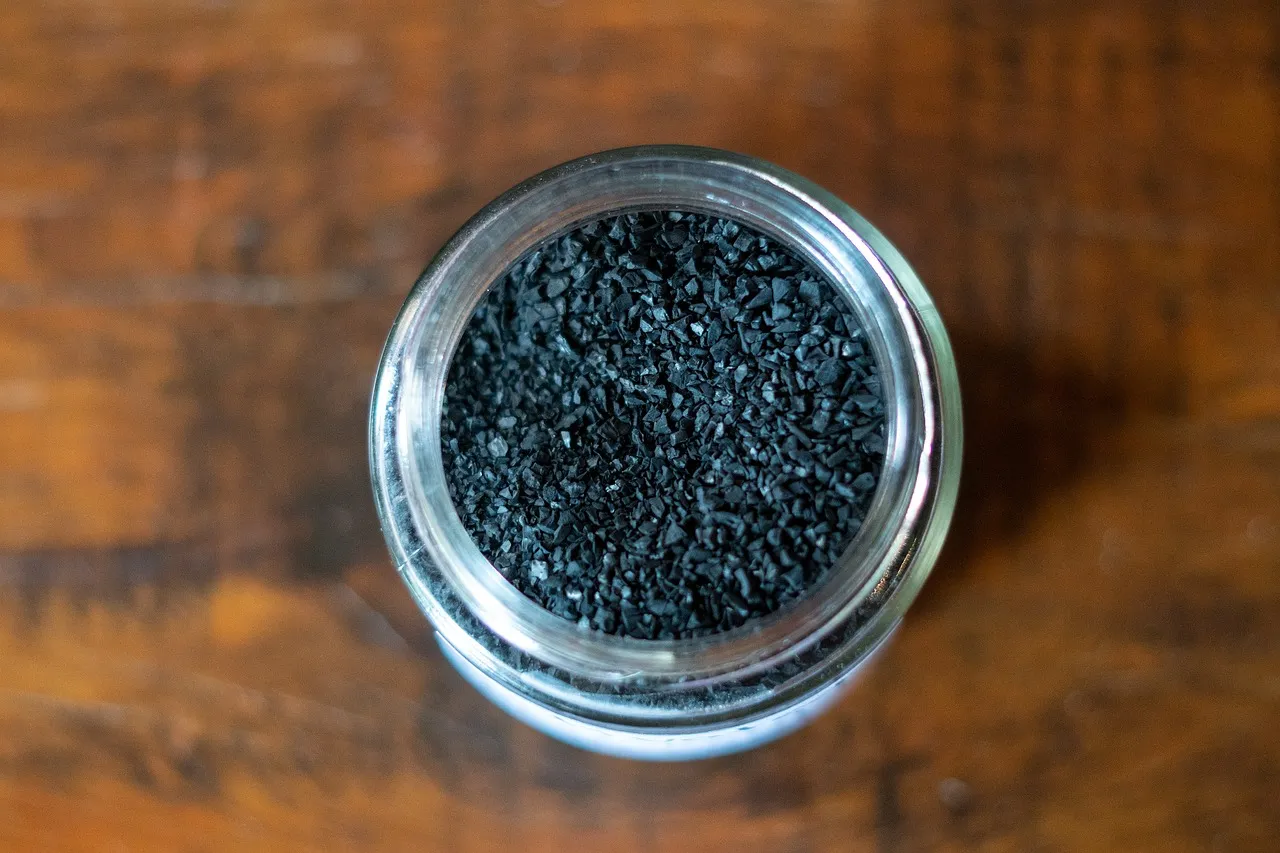
The reason charcoal helps with drainage comes down to its physical shape rather than any chemical magic. Each piece is riddled with microscopic pores left behind from the wood’s original cell structure, and those pores create space for water to pass through instead of pooling. According to the RHS, positive effects reported include improving plant health through neutralising acidity, providing improved water and nutrient retention, and improved drainage and aeration. The same porous structure that lets water flow also gives roots room to breathe, which matters just as much as drainage on its own.
Clay Soil: Where Charcoal Earns Its Keep
Dense clay soil is the classic drainage nightmare, holding water so tightly that roots can sit in a soggy mess for days after rain. Charcoal breaks that pattern by wedging itself between clay particles, physically loosening the structure. One gardener who works with heavy loam described the change directly, saying that with a modest ten percent charcoal mixed in, it’s lovely to work with. The RHS makes a similar point about heavy ground, noting that heavy clay soils often need a helping hand to improve drainage, and charcoal is one of the more durable ways to provide that help.
Sandy Soil: Balancing Drainage With Water Retention
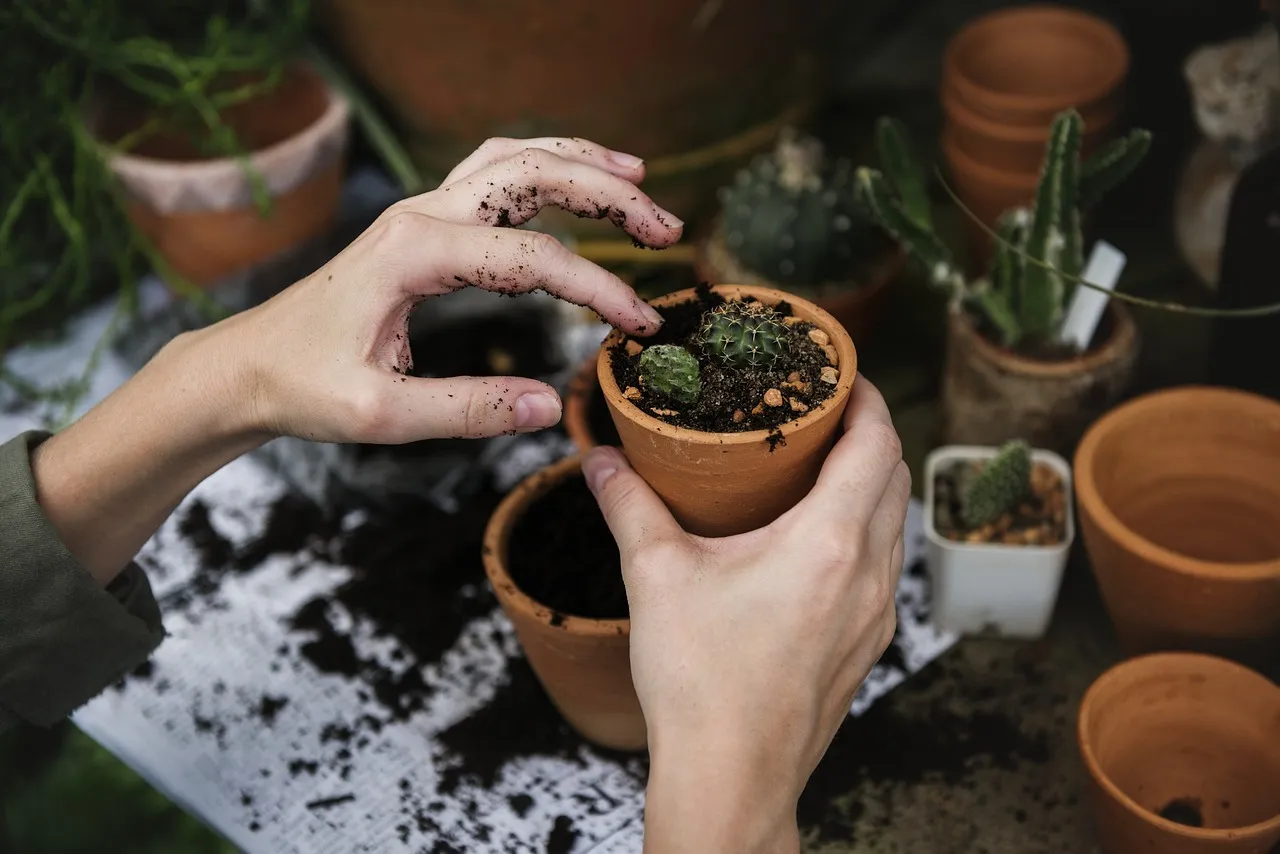
It might seem strange that the same material recommended for waterlogged clay is also recommended for soil that drains too fast, but the logic holds up. In sandy ground, charcoal’s pores act like tiny reservoirs, holding moisture and nutrients that would otherwise wash straight through before roots can use them. Research from the USDA Climate Hubs backs this up, explaining that biochar’s ability to increase water holding capacity in soils can also help make farms more resilient to drought and less reliant on irrigation. A gardening guide covering the same territory notes that sandy soils benefit from biochar plus compost, which curbs leaching, reduces watering, and steadies potassium and calcium availability.
Container Gardens: The Right Ratio
Pots and raised beds are where charcoal’s drainage benefits show up fastest, mainly because container mixes have no surrounding earth to buffer moisture swings. A commonly cited guideline suggests that ten to twenty percent char improves drainage and resilience during heat waves, especially with coco coir or bark fines. Growers working with plants that demand extremely sharp drainage, like cactus and succulents, sometimes push that ratio much higher. One experienced gardener described a fifty percent charcoal cactus mix as very well drained, though he was quick to add that for many plants, this might be too much and would probably go with more like 20% and down.
What the Research Actually Says
It’s worth being honest about where the science stands rather than overselling it. Peer-reviewed work has generally supported the drainage and structure claims, with one university extension summary stating that university studies have shown that adding charcoal to soil increases the soil’s water-holding capacity, reduces soil density, improves soil structure, and has been proven to reduce soil nutrient leaching and increase crop growth. At the same time, a 2023 review in Frontiers in Environmental Science flagged real caveats, warning that alkaline biochar made from wood ash or straw has a high pH that can disrupt earthworm digestion and impede nutrient absorption. The takeaway isn’t that charcoal is a cure-all, but that used thoughtfully and in moderate amounts, the evidence for improved drainage and structure is genuinely solid.
Safety and Sourcing: What to Avoid
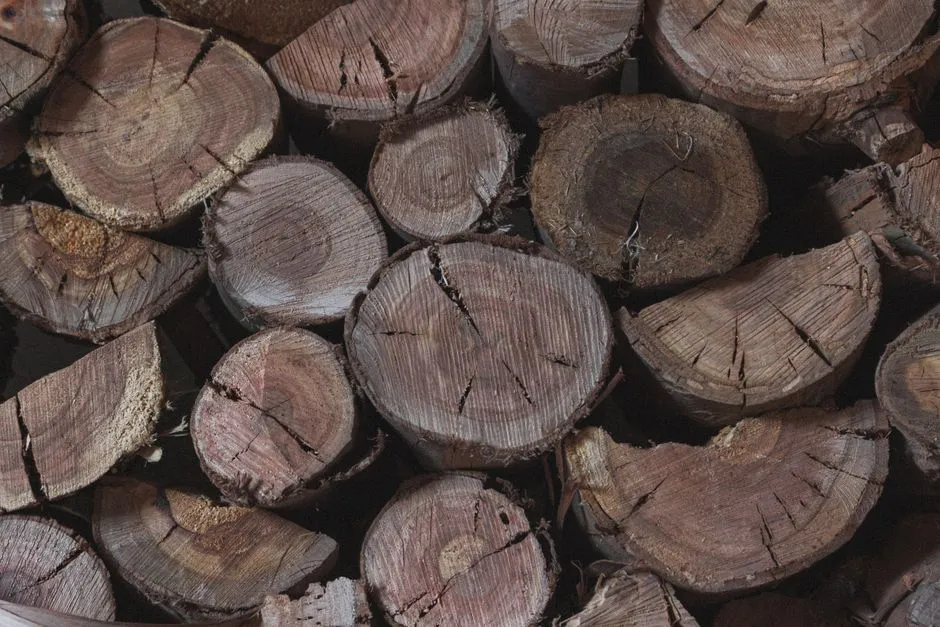
Not every piece of charcoal sitting in your fireplace is fair game for the garden, and this is where a lot of well-meaning gardeners go wrong. Charcoal from treated lumber, painted wood, or charcoal briquettes with binders and additives can carry residues you don’t want anywhere near vegetables. As one online gardening thread put it plainly, a company may say it’s all natural, but it could still contain fillers or binders, so the safest source is always plain, untreated firewood. Cornell’s Master Gardener program echoes this caution, noting that the pH and composition of the biochar that is produced is directly linked to the material used to produce it, so if making your own, be sure to avoid contaminants such as treated or painted lumber.
Preparing Your Charcoal Before It Goes in the Ground
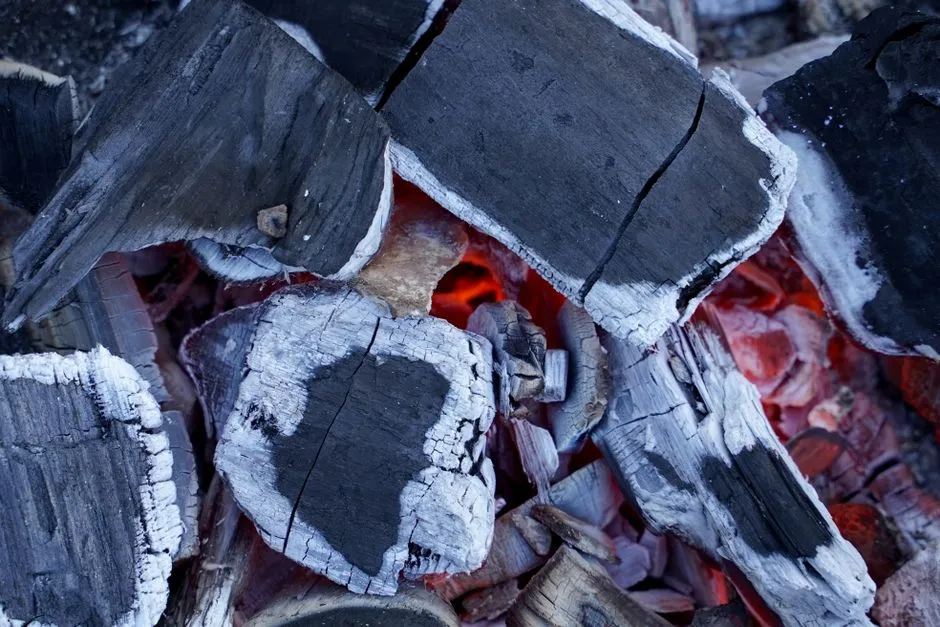
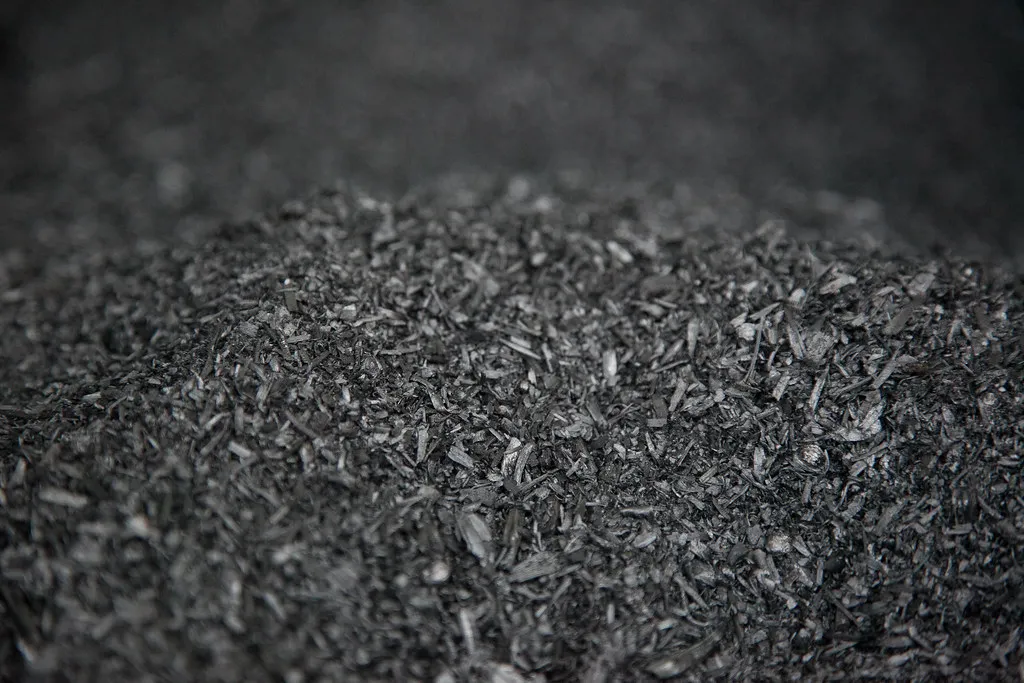
Raw charcoal straight from the fireplace shouldn’t go directly into a planting hole, since fresh char can temporarily pull nitrogen away from plants as it settles into the soil. Gardeners get around this by charging it first, usually by soaking the crushed charcoal in compost tea, diluted liquid fertilizer, or finished compost for a week or two before use. This step matters enough that one detailed guide flags it directly, warning against applying raw, uncharged char that ties up nitrogen for a few weeks. Crushing the pieces down to something closer to gravel or coarse sand also helps it blend evenly rather than sitting in clumps.
That bucket of leftover fireplace charcoal isn’t trash so much as an unfinished project. Crush it, soak it, mix it in at a sensible ratio, and it becomes one of the more durable, low-cost drainage fixes a home gardener has access to. It won’t fix every soil problem overnight, but given time, it tends to keep working long after most other amendments have washed away.
AI Disclaimer: This article was created with the assistance of AI tools and reviewed by a human editor.