
A Flower That Doubles as a Soil Test
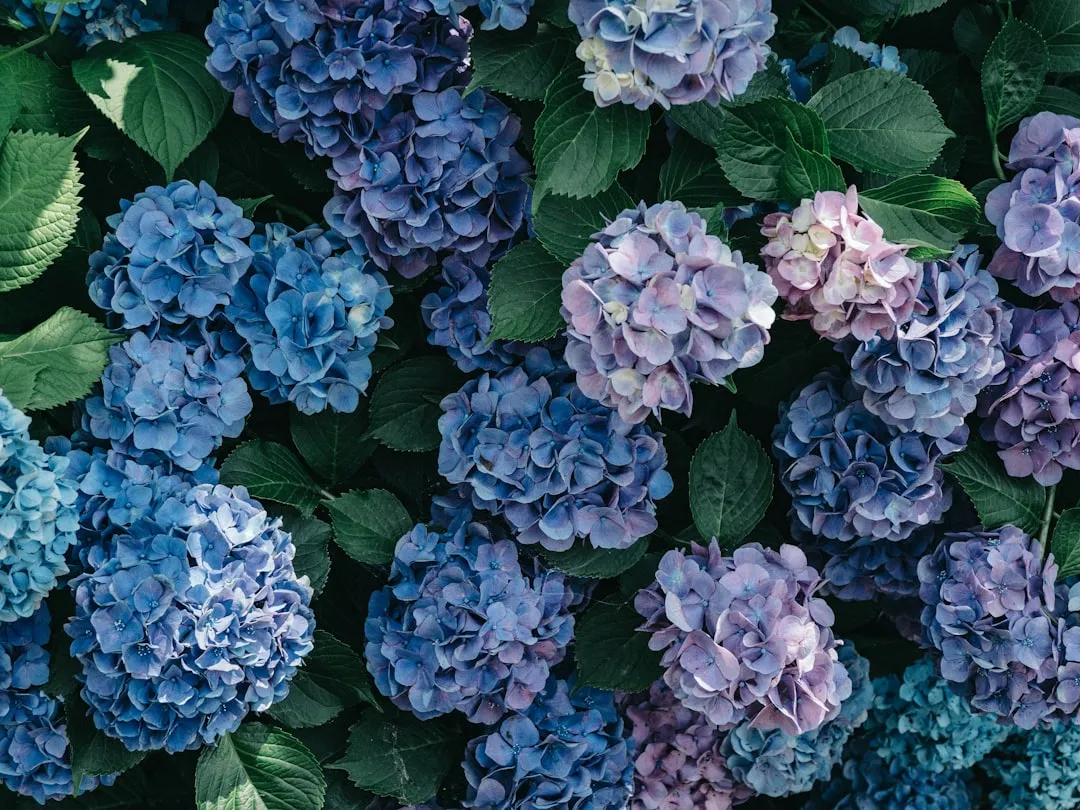
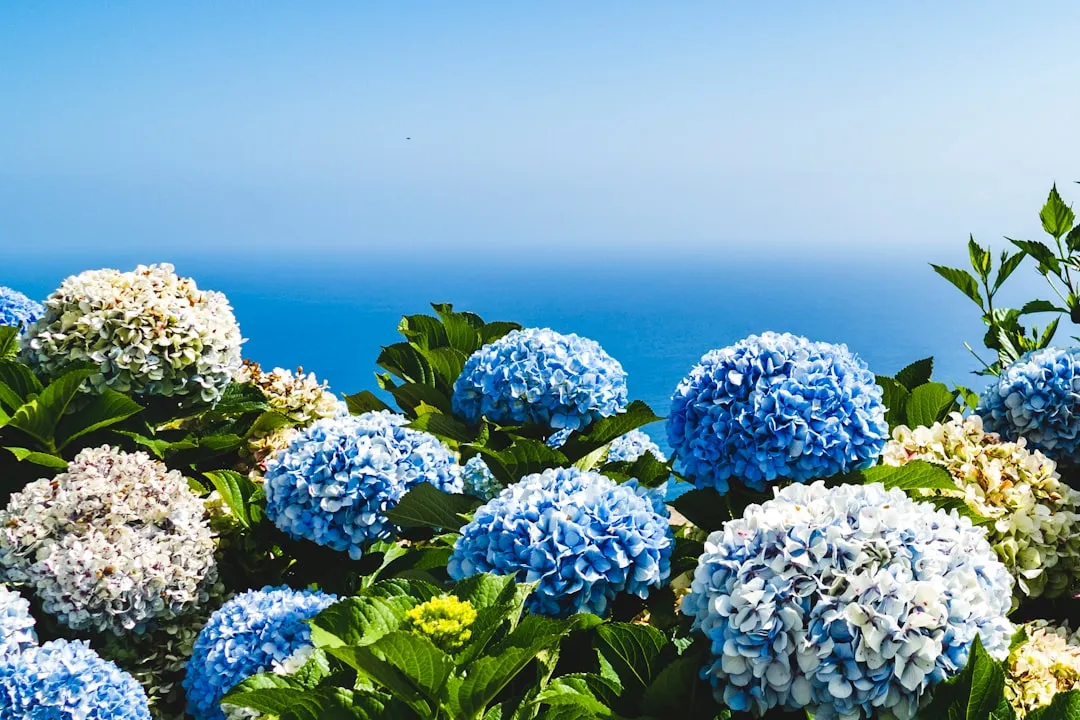
Most flowering plants hold their color no matter where they are planted, but hydrangeas behave more like a chemistry indicator strip. A single shrub can produce different colored blooms depending on where its roots happen to reach, because a hydrangea can have different bloom colors on the same bush if the roots of the plant sample soils of differing pH. That means the plant is not choosing a color so much as reporting on conditions it encounters underground. If you want to know what your soil is actually doing, in some cases the flowers will tell you before any test kit does.
The Single Pigment Behind Every Shade
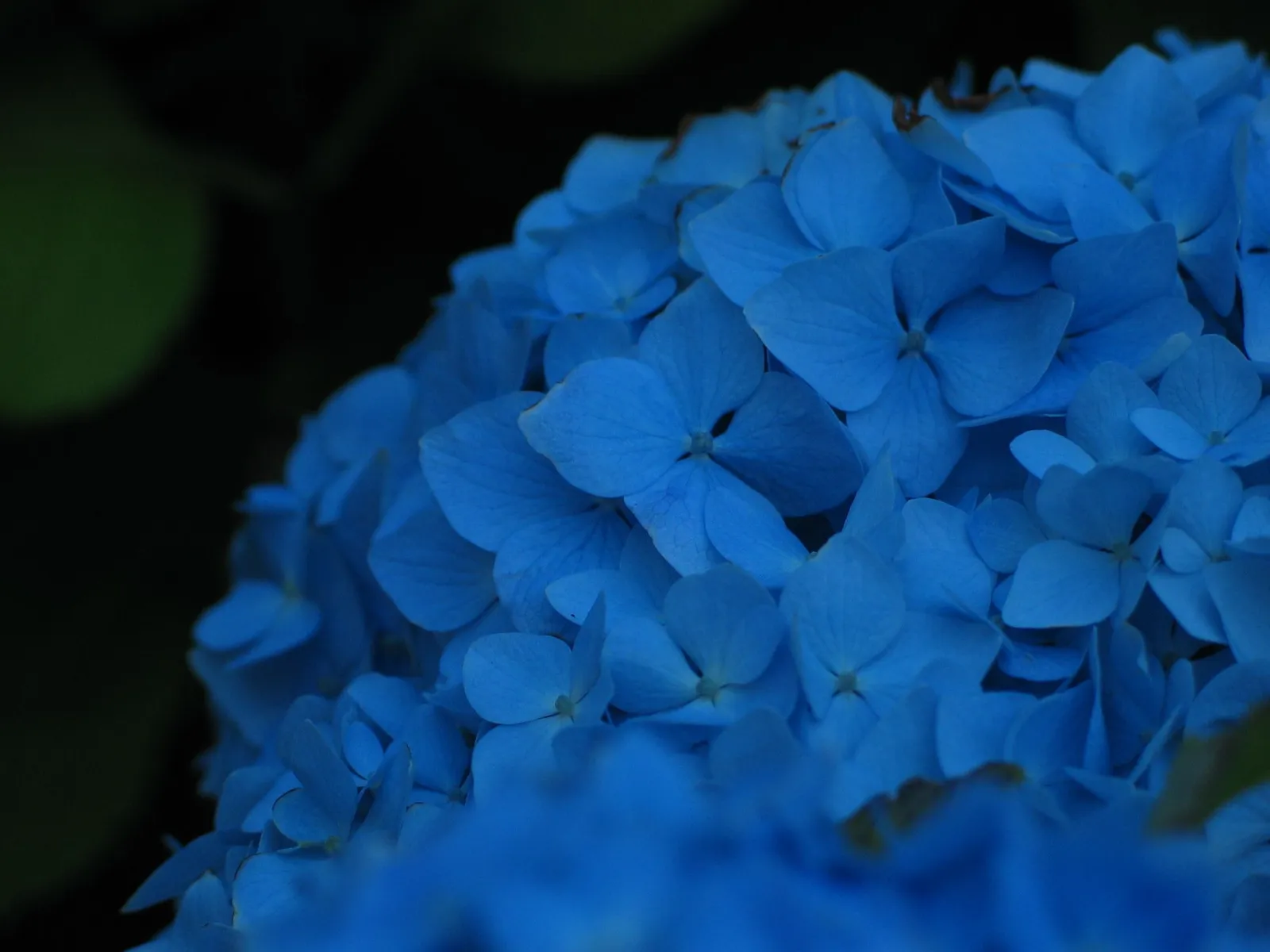
It is easy to assume that blue and pink hydrangeas contain two separate pigments, but that is not how it works. According to research published in American Scientist, the hydrangea is unique because the color comes from only a sole pigment, delphinidin-3-glucoside, which is in the anthocyanin family, the same group that turns leaves red in autumn and gives berries their color. The color of that molecule depends on its structure, and the color of delphinidin-3-glucoside is a function of its molecular structure, which determines what wavelengths of light it absorbs, and the anthocyanin loses hydrogen ions as the pH environment changes, which alters its absorbance spectra. In short, one pigment is doing all the work, and small chemical shifts around it decide whether it reads as red, purple, or blue.
Aluminum Is the Real Switch, Not pH Alone
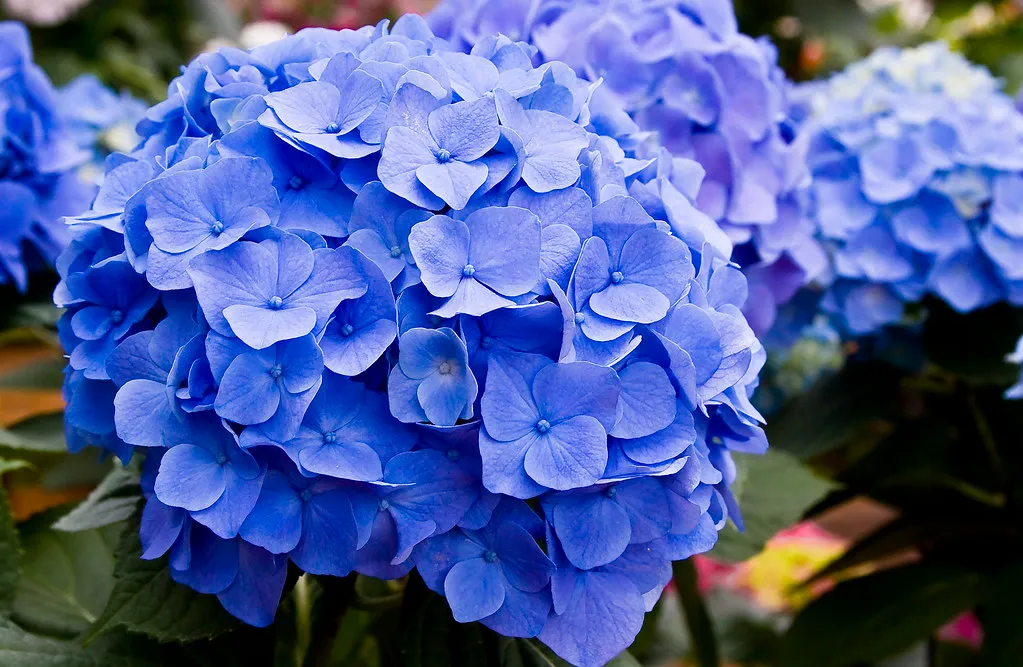
Soil pH gets most of the credit in casual gardening advice, but pH is really just a gatekeeper. The actual color driver is aluminum, and extension researchers at the University of Georgia note that soil pH indirectly changes flower color by affecting the availability of aluminum in the soil, and when the soil is acidic at pH 5.5 or lower, aluminum is more available to the roots, resulting in blue flowers. Just as importantly, color variation in hydrangeas is due to the presence or absence of aluminum compounds in the flowers, with blue appearing when aluminum is present and pink when it is absent. A soil can be acidic and still grow pink hydrangeas if there simply is not enough soluble aluminum around for the roots to pick up.
Acidic Soil and the Making of Blue
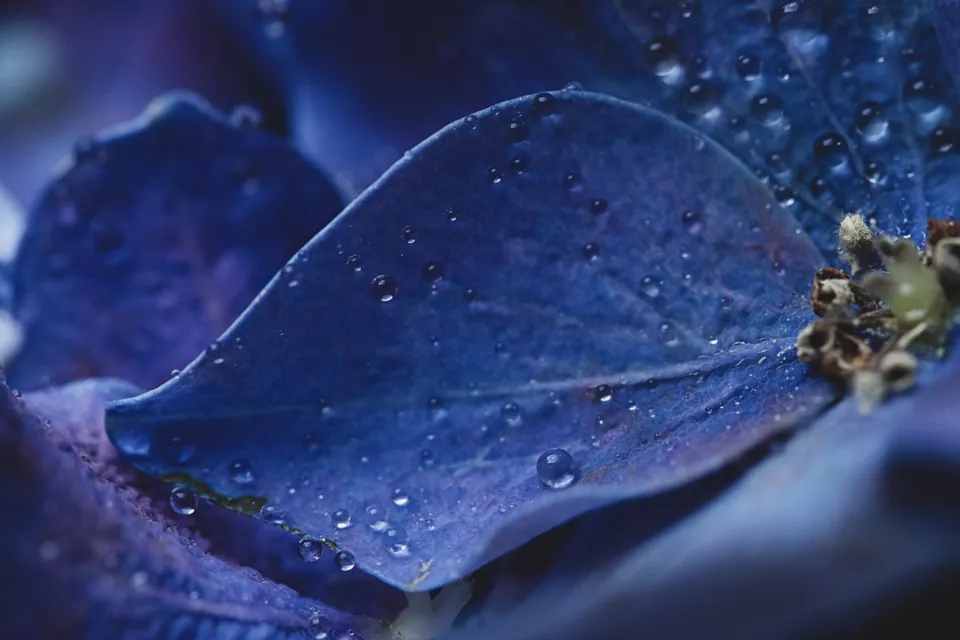
When soil chemistry tilts acidic, something changes at the root level that lets aluminum move into the plant’s tissue. Oregon State University Extension explains that hydrangeas, with the exception of white ones, are at least a little pH sensitive, and in acidic soil conditions below 6 on the pH scale with available aluminum, blooms tend toward blue and purple because it is the aluminum that changes the pigments. This is why hydrangeas growing near pine forests or in naturally acidic clay often turn blue without any help from the gardener. In parts of the country with naturally low soil pH, this effect shows up at a regional scale rather than plant by plant, since the majority of Georgia soils are acidic, therefore most hydrangea blooms are blue.
Alkaline Soil and the Return of Pink
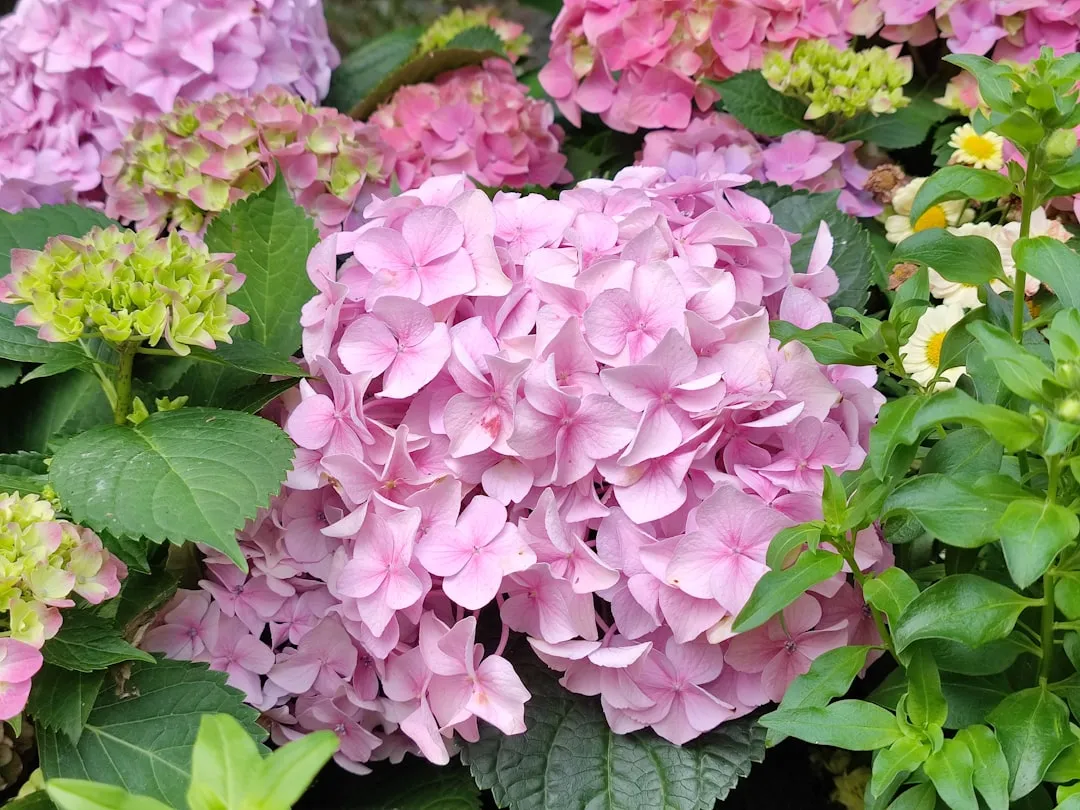
Move to soil on the other end of the scale and the same chemistry works in reverse. Once conditions turn neutral to alkaline, aluminum becomes chemically locked up and unavailable to roots, and when the soil is alkaline at pH 7.0 or higher, the availability of aluminum decreases, and the flowers in this soil are typically pink. Oregon State’s extension guidance similarly notes that in neutral soils between 6 and 7.5, hydrangeas tend to have red and pink blooms. This is also why homes built near concrete foundations or sidewalks often display stubbornly pink hydrangeas, since lime leaching from the concrete keeps the surrounding soil alkaline no matter what the gardener adds.
The Molecular Glue: How Blue Actually Forms
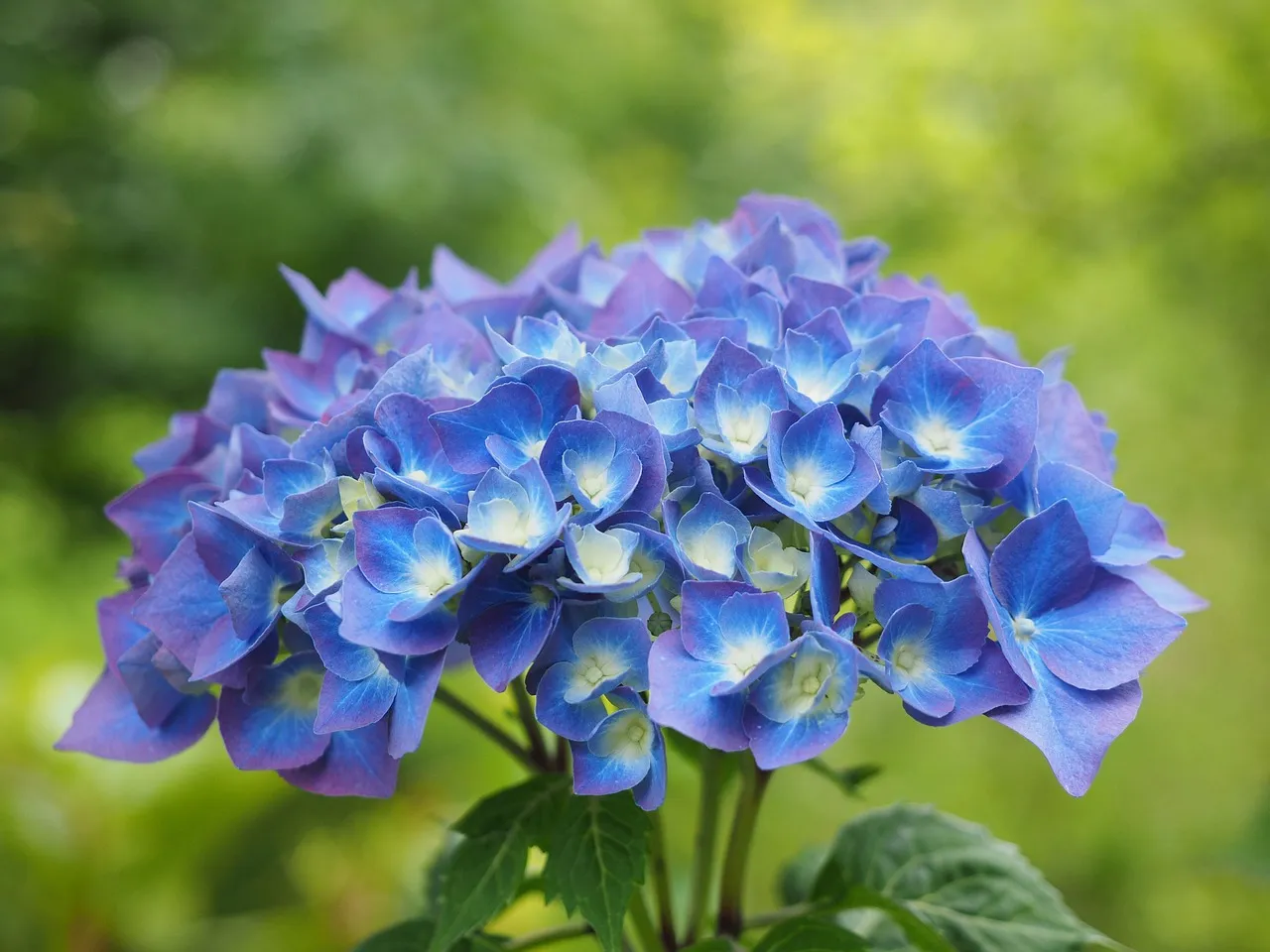
Chemists studying hydrangeas at the molecular level have found that aluminum does not act alone. Research published through Nagoya University identified that the blue sepal color of hydrangea is due to a metal complex composed of 3-O-glucosyldelphinidin and an aluminum ion together with co-pigments, and all three components are essential for blue color development. A related structural study reached the same conclusion, describing blue sepal color as a supramolecular metal-complex pigment consisting of delphinidin 3-glucoside, specific co-pigment acids, and aluminum in an aqueous solution around pH 4.0. Later biochemical work refined this picture further, noting that the role of aluminum in bluing is not just to form a primary complex with delphinidin but also to create a template for the stacking of delphinidin or possibly co-pigments. None of this changes what a home gardener needs to do, but it explains why blue hydrangeas are chemically more complicated than they look.
Not Every Hydrangea Can Change Color
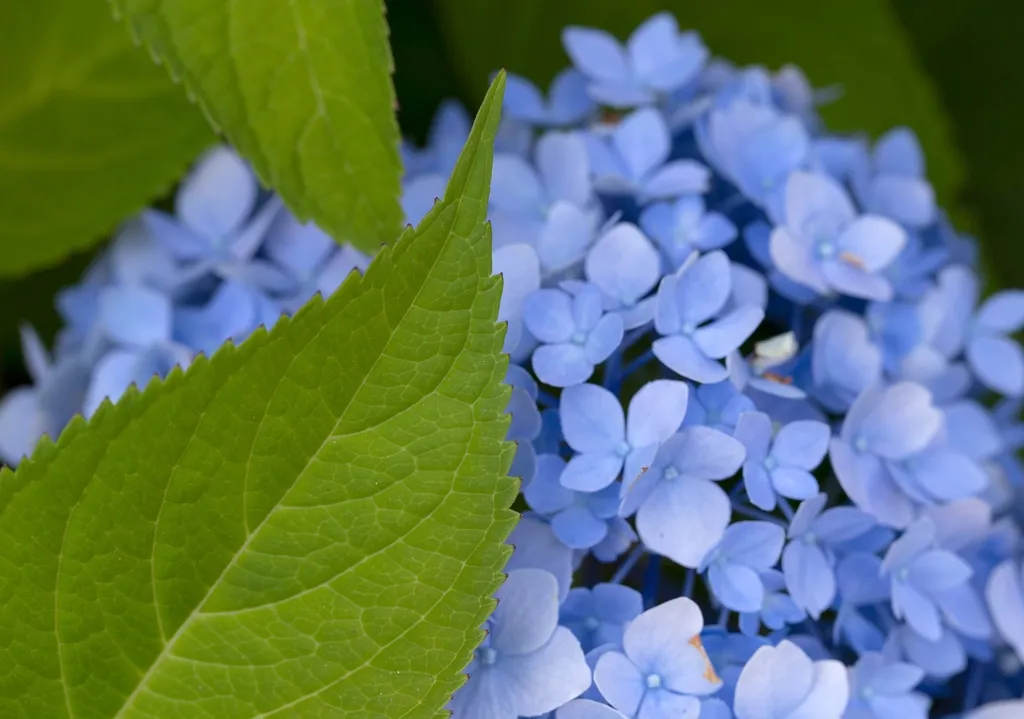
Before assuming a shrub’s color can be shifted, it helps to know which species are even capable of the trick. Bigleaf and mountain hydrangeas are the responders, since only bigleaf hydrangeas, commonly known as mophead or lacecap types, have the ability to shift between pink and blue, with well known examples including Endless Summer, Nikko Blue, and Penny Mac. Other popular garden hydrangeas simply do not participate in this chemistry, because white hydrangeas will stay white no matter how much the soil conditions change, and smooth types such as Annabelle and panicle varieties like Limelight or Bobo do not react to aluminum sulfate at all since they lack the ability to shift color. Planting one of these varieties and waiting for a color change is simply working against the plant’s biology.
Reading Your Own Soil Before You Intervene
Guessing at soil chemistry rarely works out well, which is why extension offices consistently recommend testing before adding anything. A University of Georgia agriculture extension agent put it plainly, noting that the best gardening begins with a soil sample, since it indicates the nutrients and pH level of the soil and eliminates the guesswork on how much fertilizer or lime is needed. Practical guidance from garden experts echoes this step, suggesting gardeners begin by testing the pH with a good home soil test kit or by sending a sample to a local agricultural extension office. A basic test costs very little and saves a full growing season of trial and error.
Nudging the Color: What Actually Works
Once you know your starting pH, the adjustments are fairly established. To push toward blue, Oregon State Extension recommends that gardeners amend soil with aluminum sulfate on established plants only, or use coffee grounds, rusty nails and coins, or conifer needles to increase acidity. To move toward pink, the advice reverses, since increasing alkalinity in soil can be done by adding garden lime or super phosphate. The University of Georgia extension office recommends a specific drench method for shifting toward pink, dissolving one cup of dolomitic lime per 10 square feet and watering it into the soil around the plant’s root zone.
Patience, Phosphorus, and Why Change Takes a Season or Two
Soil chemistry does not flip overnight, and gardeners expecting instant results are usually disappointed. Applied consistently, aluminum sulfate treatments show gradual progress, since if soil is very alkaline at 7.0 or higher, turning blooms truly blue may take a year of gradual changes, with strong blue color often developing fully in the second season of consistent treatment while the first year may produce lavender or mixed shades. Fertilizer choice matters just as much as the amendment itself, because a fertilizer high in phosphorus can work against a gardener’s efforts, since too much phosphorus ties up aluminum in the soil so the plant cannot absorb it. Overcorrecting soil chemistry carries its own risk too, since over liming or over acidifying the soil can interfere with the uptake of other nutrients plants need to grow, and it can take many years to undo this change.
The color of a hydrangea bloom is really a small chemistry report written by the plant itself. Blue, pink, and every shade of purple between them trace back to a single pigment reacting to aluminum, and aluminum’s availability traces back to pH, which traces back to whatever is naturally in the ground or has leached into it over the years. Understanding that chain does not just satisfy curiosity about a shifting shrub. It gives any gardener a genuinely useful, low cost way to read what their soil has been doing all along, long before a soil test kit ever confirms it.AI Disclaimer: This article was created with the assistance of AI tools and reviewed by a human editor.