
A lot of backyard orchards look perfect on paper. The tree is healthy, the soil is decent, the sun exposure checks every box. Yet year after year, there’s no fruit, or barely any worth picking. The missing piece almost always comes down to one overlooked detail at planting time, and it has nothing to do with soil or sunlight.
Kiwi Vines: The Silent Mistake
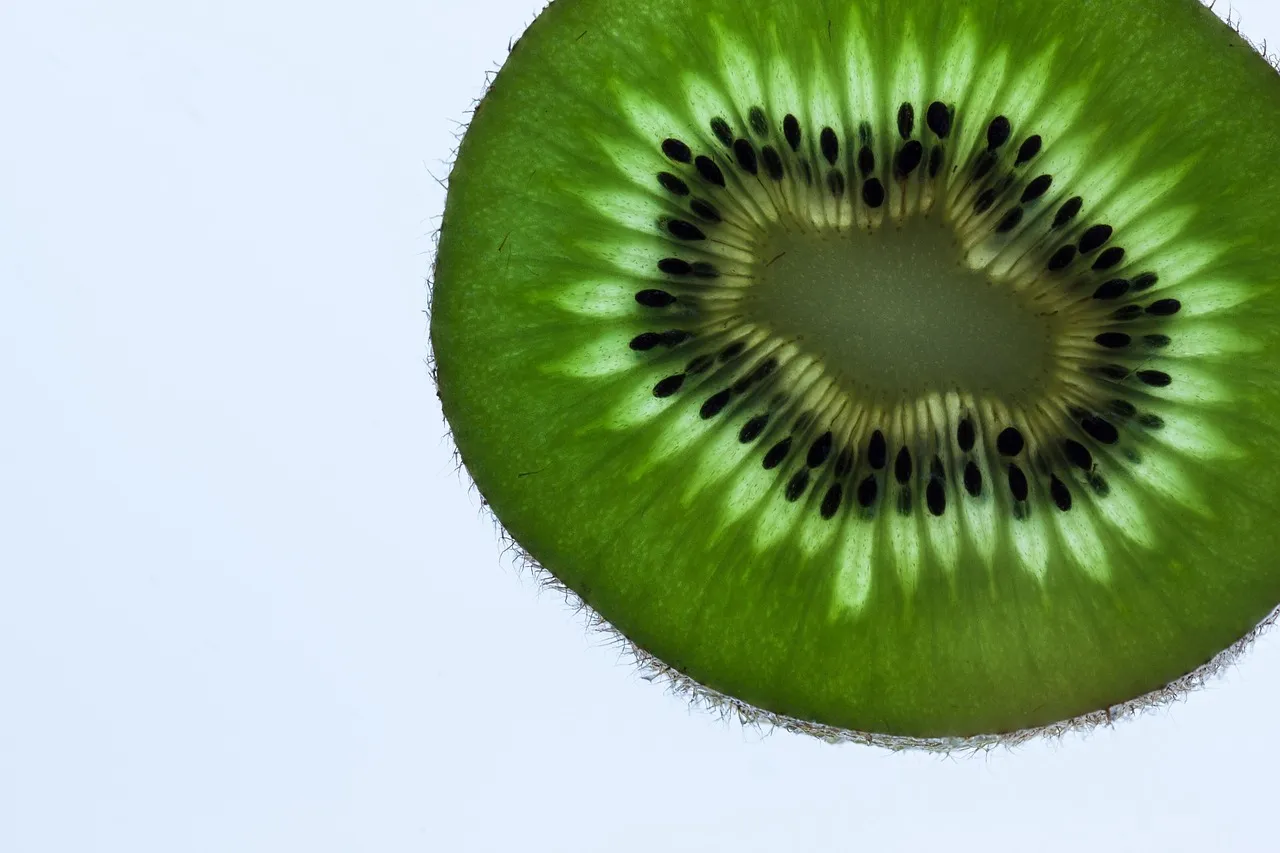
Most people buy a single kiwi vine, plant it against a fence, and wait. That single vine will grow beautifully for years and never produce a single fruit. Kiwi plants are dioecious, meaning a plant is either male, and produces male flowers, or is female, and therefore only produces female flowers, but not both. Without the other sex nearby, there’s simply no way for fruit to form, no matter how vigorous the vine looks.
Kiwi Vines: The Fix That Makes The Difference
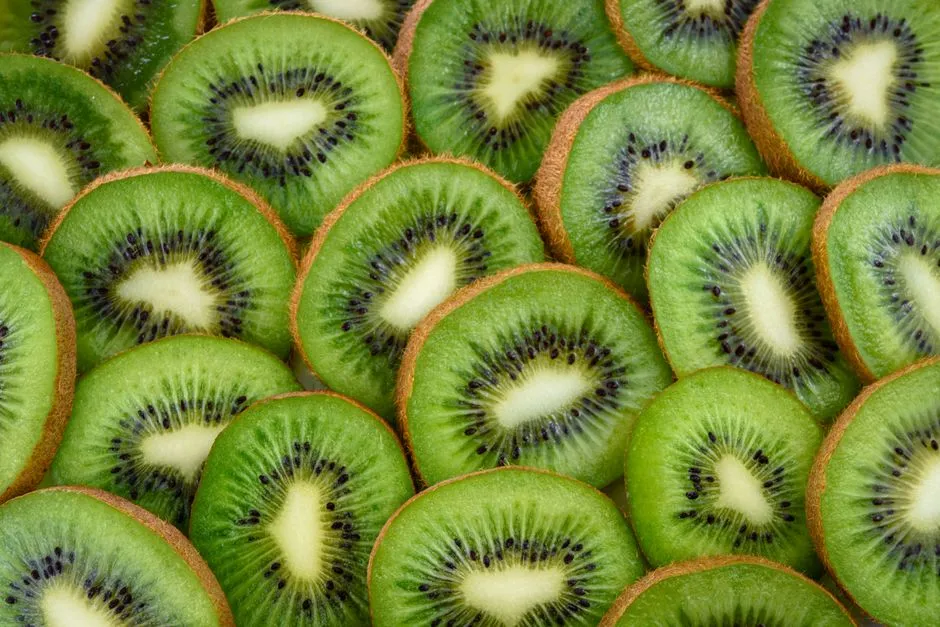
The step that changes everything is planting a compatible male vine alongside the females, since for fruit production, both male and female plants are required, the female plants produce the fruit while the male plants pollinate them. One male generally covers several females, with guidance suggesting one male plant is needed for six-to-eight female plants for pollination. Spacing matters too, since growers are advised to plant the male and female vines within 9-15 meters (30-50 feet) of each other. Timing counts as well, because the pollen and the receptive flowers only overlap for a short window, and female flowers are viable and receptive to male pollen up until 9 days after opening, while the pollen from male flowers is viable for only 3 days after opening.
Apple Trees: Why One Tree Rarely Delivers
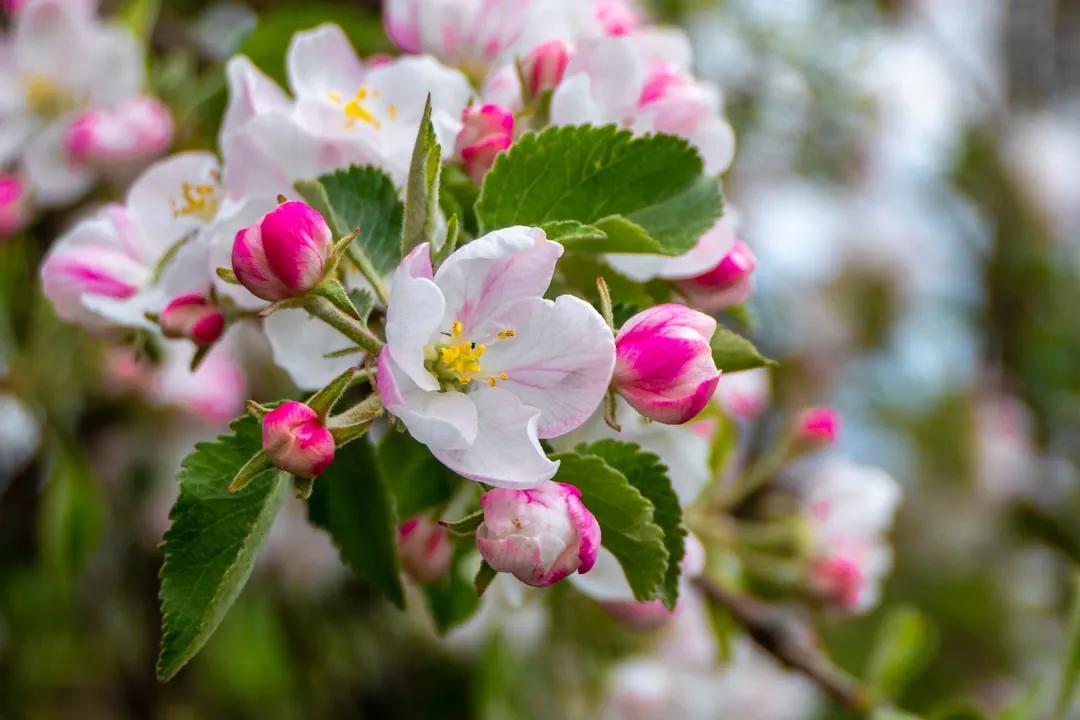
Apple trees have a reputation as easygoing, but planting just one, even a variety labeled self-fruitful, often leads to disappointing crops. Extension research is blunt about this: all varieties of apple trees should be cross-pollinated with another apple or crabapple variety. Some varieties make the problem worse without anyone realizing it, since some apple varieties, such as Winesap, Stayman, Mutsu and Jonagold, produce sterile pollen and therefore cannot be used to pollinate other apple varieties. That means the pairing itself has to be chosen carefully, not just assumed.
Apple Trees: Matching Bloom Times For Real Fruit Set
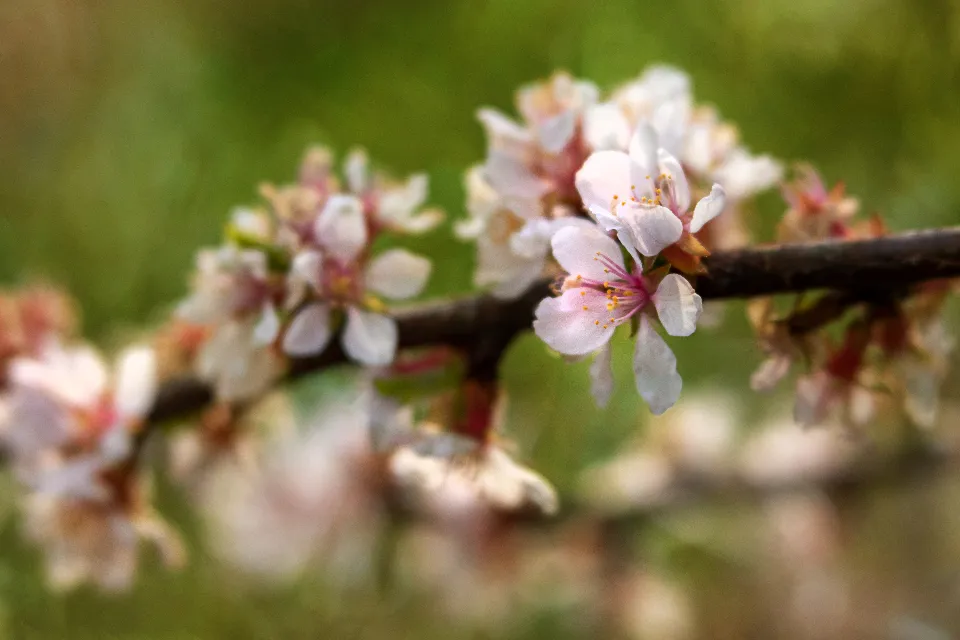
The fix isn’t just adding a second tree, it’s adding the right second tree that flowers at the same time. As one grower’s guide puts it, matching bloom times between varieties is critical. Trees must flower at the same time to effectively cross-pollinate. Spacing also plays a role, since research notes that trees placed more than 100 feet away may result in poor pollination. Triploid varieties add another twist, because if you plant a triploid, you’ll need two other non-triploid apple varieties nearby for cross-pollination to occur.
Blueberries: The Self-Pollinating Myth
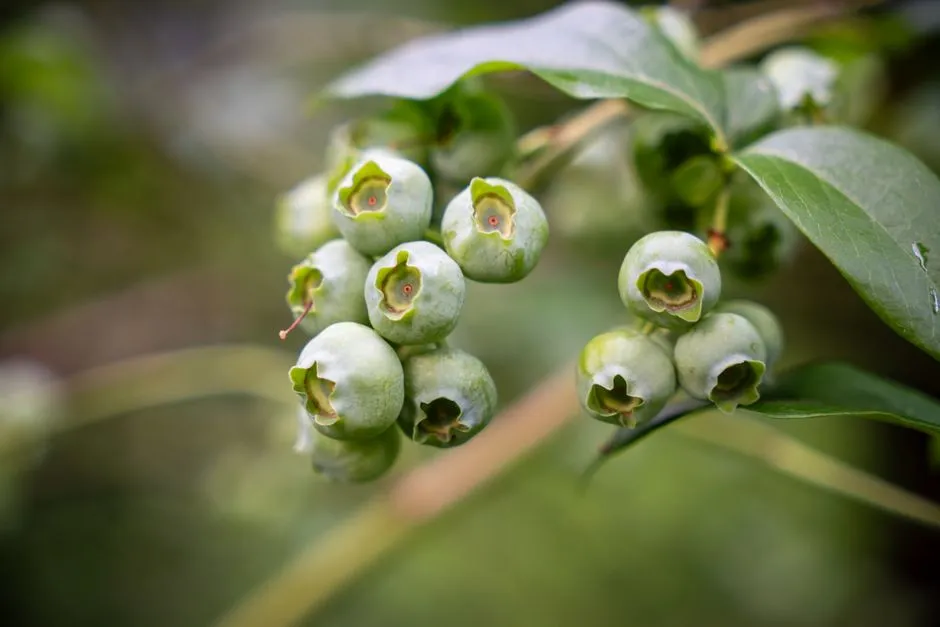
Blueberries get planted as single bushes constantly, partly because many varieties are technically capable of self-pollinating. The catch is that “capable” doesn’t mean “optimal.” Extension data shows cross-pollination brings a real, measurable difference, with studies that include Duke indicate that cross pollination will increase fruit set by 10 to 20% and fruit size by 5 to 10%. Rabbiteye types take this further, since many varieties of rabbiteye blueberry are self-incompatible; pollen must come from another variety to effectively fertilize its ovules and yield a berry.
Blueberries: Doubling Up For Bigger Harvests
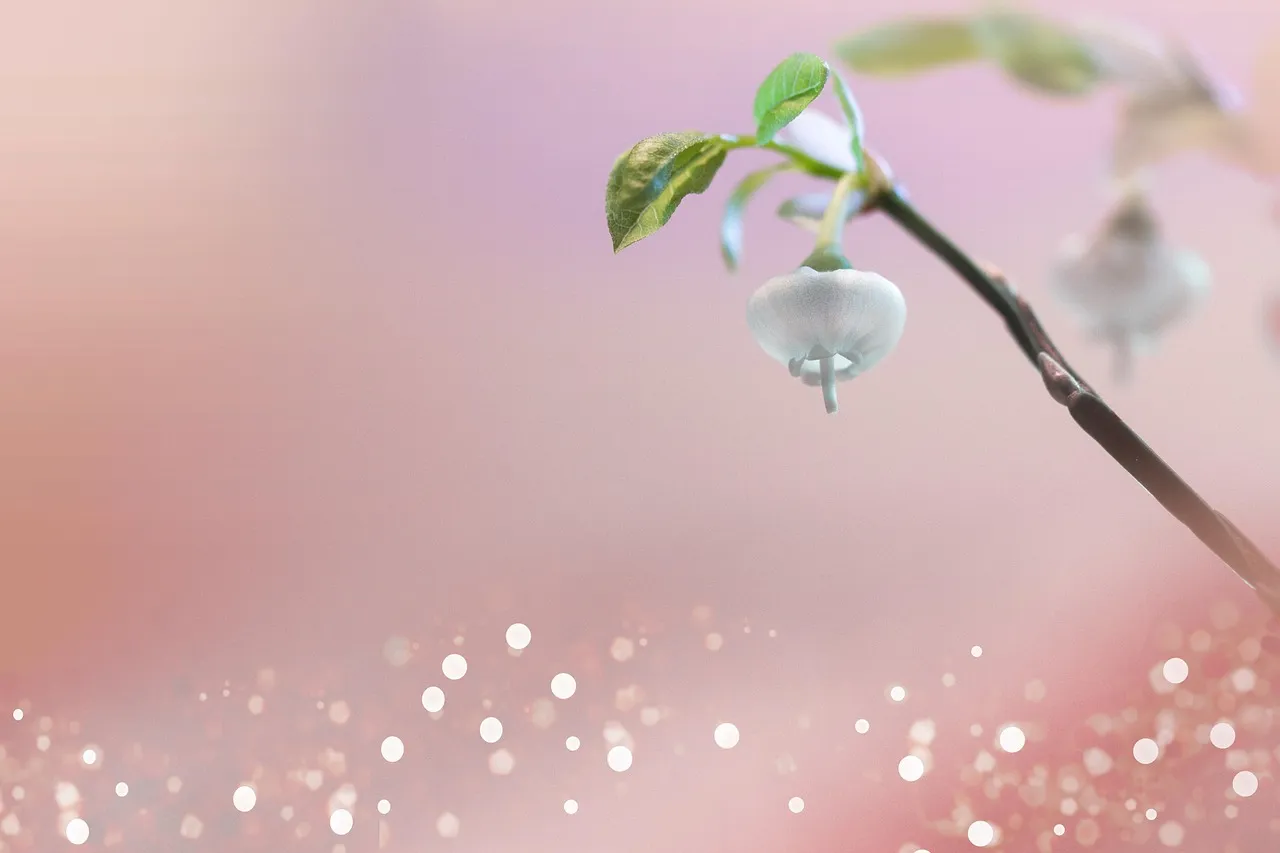
The one step here is simple: plant at least two different blueberry varieties that bloom around the same window instead of one. University research backs this up directly, noting that SHB fruit set generally increases with cross-pollination between two different plants as compared to self-pollination. For rabbiteye types specifically, two or more compatible varieties must be planted together (often in neighboring rows) for commercial fruit production. Even growers who already have a self-fertile variety in the ground often see the payoff when they add a companion bush nearby.
Avocados: The Type A And Type B Puzzle
Avocado flowers behave in a way most gardeners never anticipate. Each individual bloom actually functions as both male and female, but not at the same time, since avocado flowers are protogynous dichogamous hermaphrodites: each individual flower is functionally both male and female, but at different times of day, on different days. This quirk is why growers sort varieties into Type A and Type B, where, for instance, Hass is a Type A variety, meaning its flowers are female in the morning and male in the afternoon. Planted alone, a single tree can still fruit, but the timing mismatch within its own flowers limits how much fruit actually sets.
Avocados: Pairing Trees For Reliable Crops
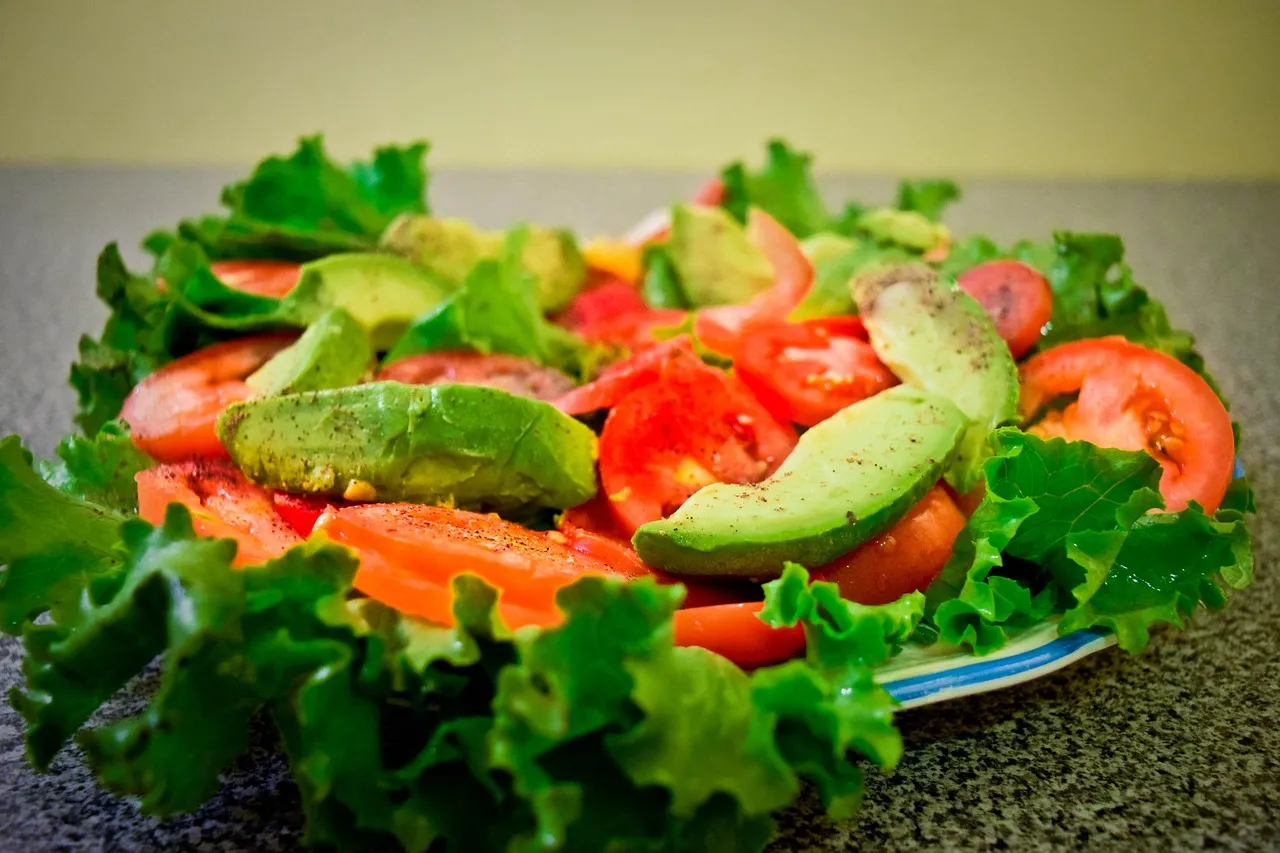
The fix is pairing a Type A tree with a Type B tree so their male and female phases overlap. Research from orchard studies found that the interplanting of complementary flower types can boost fruit set and therefore yield by making pollen available. A classic pairing that growers rely on is Hass with Fuerte, since the most common partnership is Hass and Fuerte. Bees still need to do the actual work of moving pollen between the two, so keeping pesticide use away from bloom time matters just as much as the pairing itself.
Pawpaws: Nature’s Reluctant Pollinators
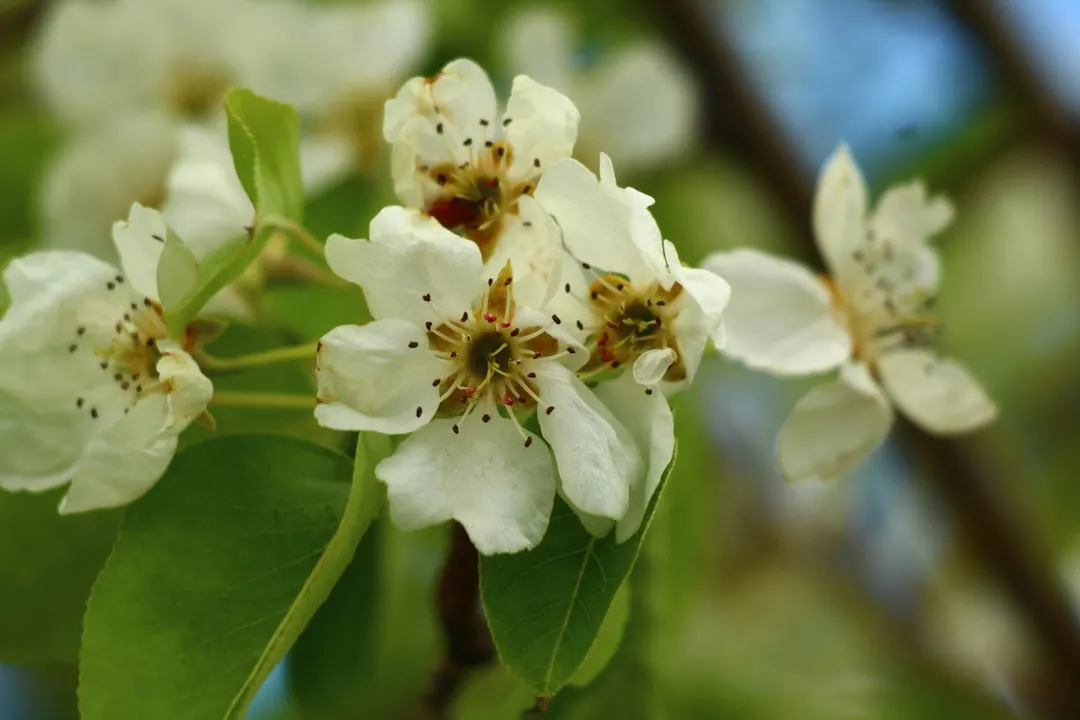
Pawpaw trees are often planted with high hopes and then quietly abandoned once no fruit shows up for years. Part of the problem is built into the flower itself, since the blooms are protogynous, meaning that the stigma (the female receptive organ) ripens before the pollen, and is no longer receptive when the pollen is shed. Thus the flower is designed not to be self-pollinated. On top of that, pawpaws rely on unreliable insects rather than bees, because the natural pollinators of the pawpaw, various species of flies and beetles, are not efficient or dependable. The result is a tree that can flower heavily every spring and still produce almost nothing.
Pawpaws: Taking Pollination Into Your Own Hands
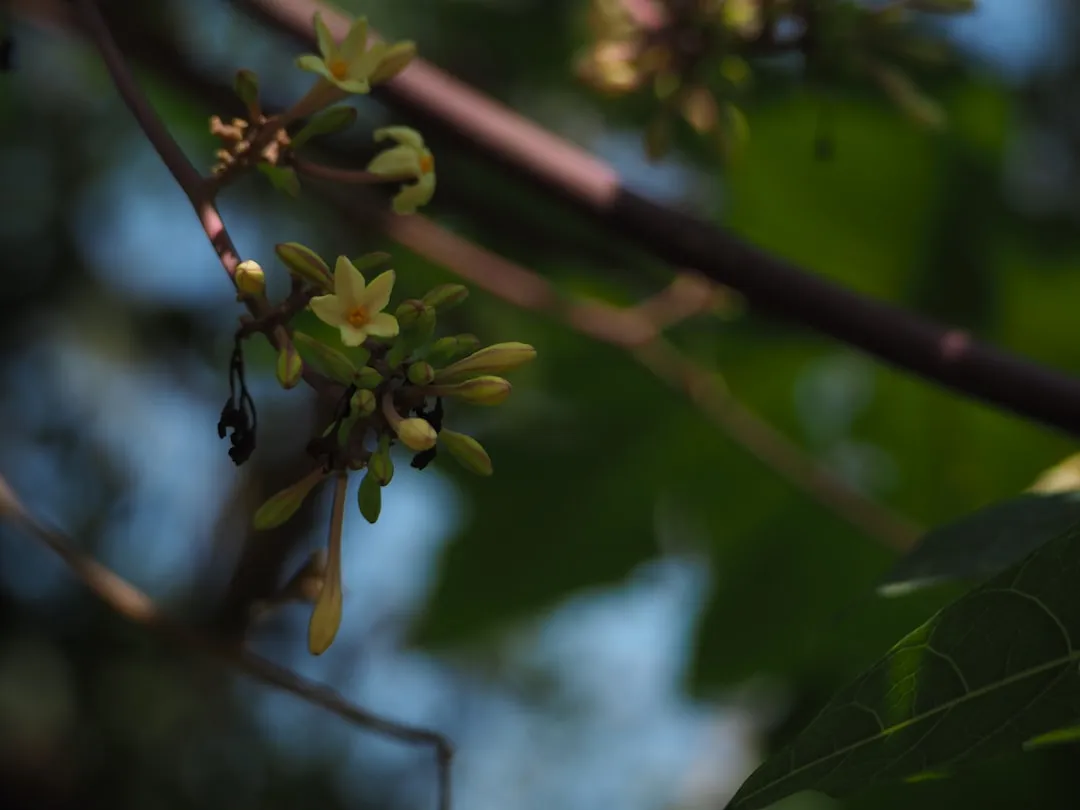
Because pawpaws are also self-incompatible in most cases, a second genetically different tree is usually necessary, and even then, hand pollination often makes the real difference. Extension guidance describes the method directly: using a small, flexible artist’s brush, transfer a quantity of fresh pollen from the anthers of the flower of one clone to the ripe stigma of the flower of another clone. Some growers go further by attracting the flies that naturally visit these flowers, since commercial pawpaw growers do use this practice to increase fruit set, referring to hanging aged meat nearby to draw in carrion flies. It’s an odd-sounding step for a home garden, but it reflects just how much pawpaws depend on pollination help that most yards simply don’t have on their own.
The One Step That Ties It All Together
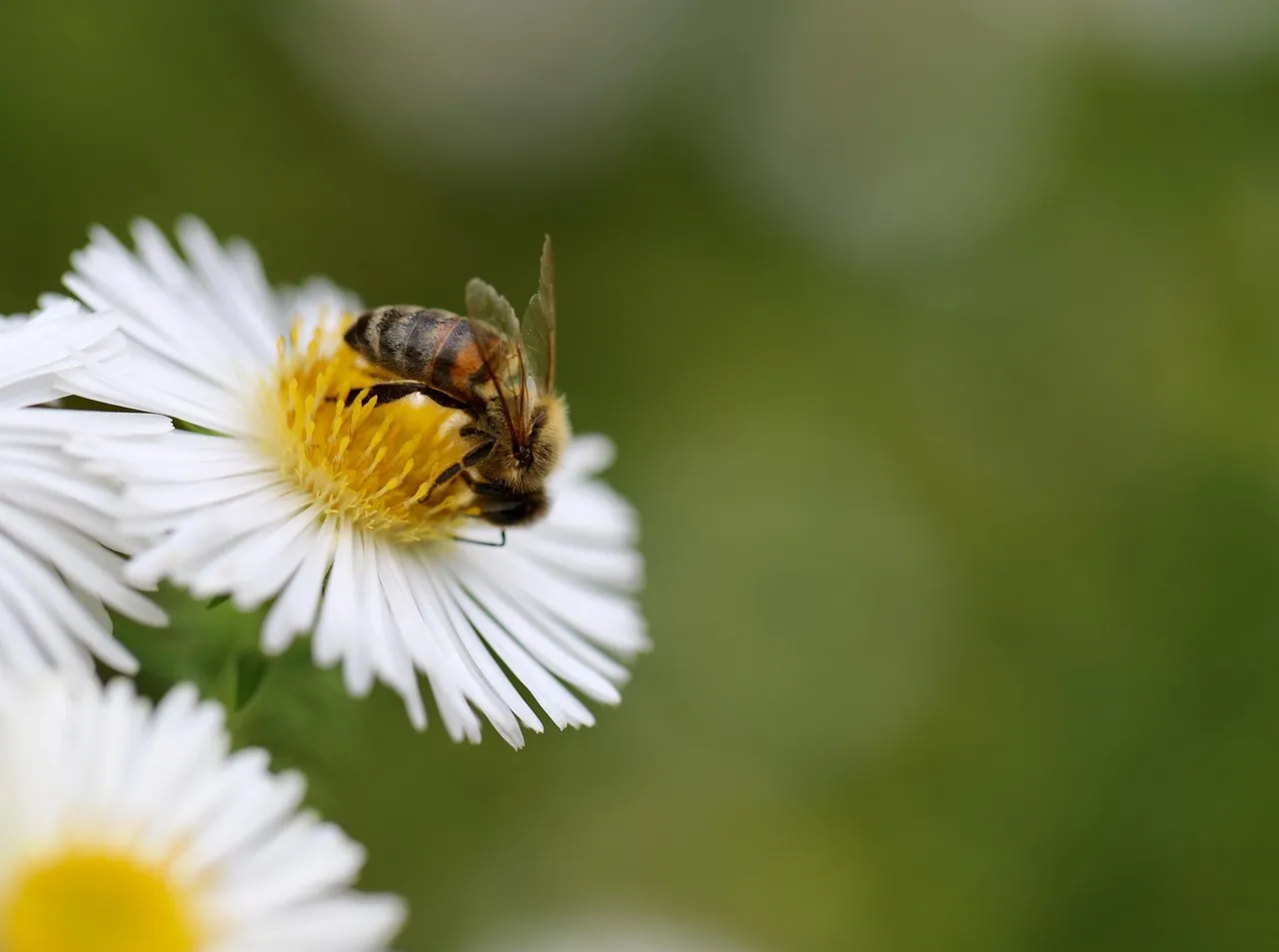
Across all five of these fruits, the pattern is the same. Soil, sunlight, and water get most of the attention, but pollination compatibility, whether that means a second vine, a matching bloom time, a paired variety, or a hand pollinated flower, is the detail that actually determines whether a plant fruits at all. None of these fixes are complicated or expensive, they just require knowing the specific needs of the plant before it goes in the ground. A little research before planting day can save years of watching a healthy, flowering, completely fruitless tree.
AI Disclaimer: This article was created with the assistance of AI tools and reviewed by a human editor.