

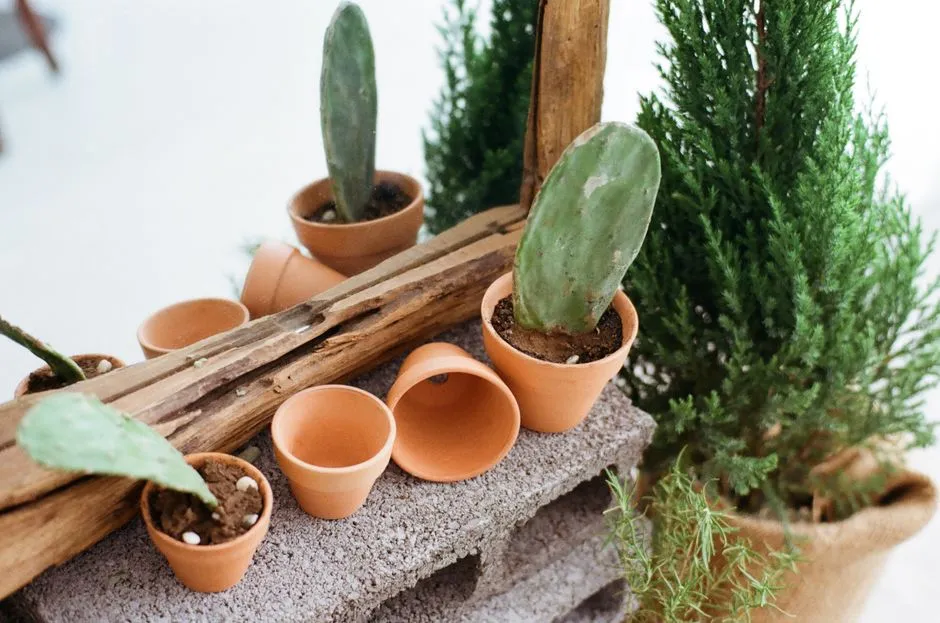
Terracotta pots are among the most enduring tools in any gardener’s collection. Their natural porosity is part of their appeal, letting roots breathe and soil stay well-drained. The problem is that same porous structure also makes them unusually good at holding onto things you don’t want, specifically pathogens, mineral salts, and fungal spores from whatever lived in them before.
Reusing pots without cleaning them properly is one of the most overlooked pathways for plant disease. A few simple steps, done consistently between growing seasons, can make a meaningful difference to your plants’ long-term health.
Why Terracotta Pots Are High-Risk Vessels for Disease
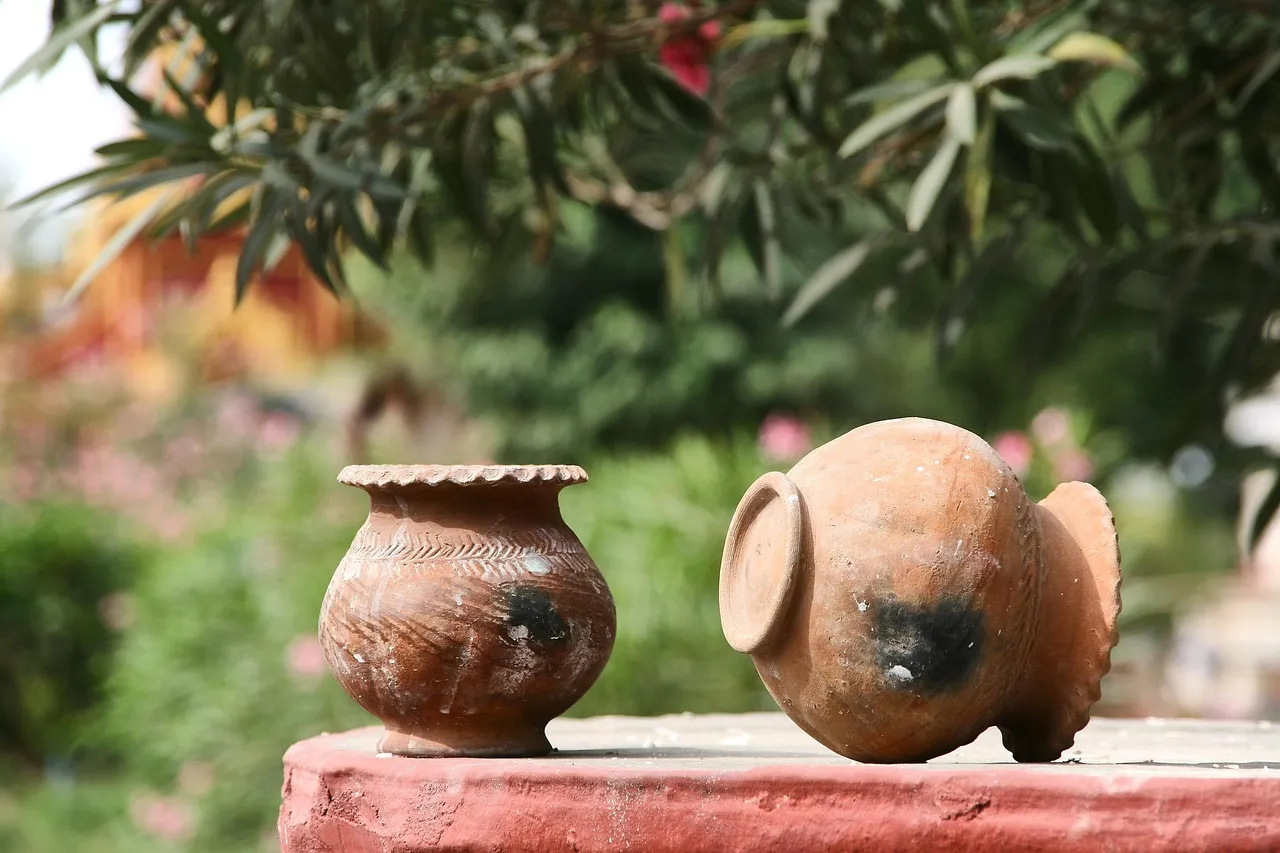
Clay terracotta pots are porous and more likely to keep pathogens than pots built from other materials, making thorough sanitization particularly important. This isn’t a minor inconvenience. Organisms including fungi, bacteria, viruses, and nematodes can survive in soil for years, making them genuinely challenging to control once established.
Bacterial pathogens which infect plants exhibit a remarkable ability to persist and thrive in diverse environments, and populations of bacteria outside their hosts are the ones responsible for dissemination and potential disease outbreaks. A pot that looks clean to the naked eye can still be harboring active pathogens in its walls.
Understanding the Difference Between Cleaning, Sanitizing, and Disinfecting
Cleaning is the process of physically removing dirt, debris, and germs, and you can remove a good number of pathogens through cleaning alone. Sanitizing goes a step further and will kill any germs remaining after cleaning. These terms are often used interchangeably, but they’re not the same thing in practice.
Disinfecting eliminates harmful plant pathogens and is best achieved with a bleach solution of one part bleach to nine parts water, soaked for ten to fifteen minutes, or with ten percent hydrogen peroxide. These methods protect against fungi, bacteria, and viruses, especially important after diseased plants.
Sanitizing reduces everyday microbes to safer levels through thorough cleaning with soap and water, followed by complete sun-drying. This approach works well for pots that held healthy plants, but isn’t sufficient if disease was present. Knowing which situation you’re dealing with determines which method you actually need.
Step One: Remove All Debris Before Anything Else
While wearing a mask, the first step in cleaning terracotta pots is to remove all plant debris, including leaves, stems, vines, and roots, and to wash off any dirt or dust that might have accumulated over time. This step is not optional. Skipping it undermines everything that follows.
Allow any remaining soil in the pot to dry, then use a stiff scrubbing brush to remove as much of the soil as possible from the inside of the pot. Dry soil breaks away more cleanly and reduces the organic matter that can interfere with disinfecting agents later on.
The Bleach Method: The Most Reliable Disinfection
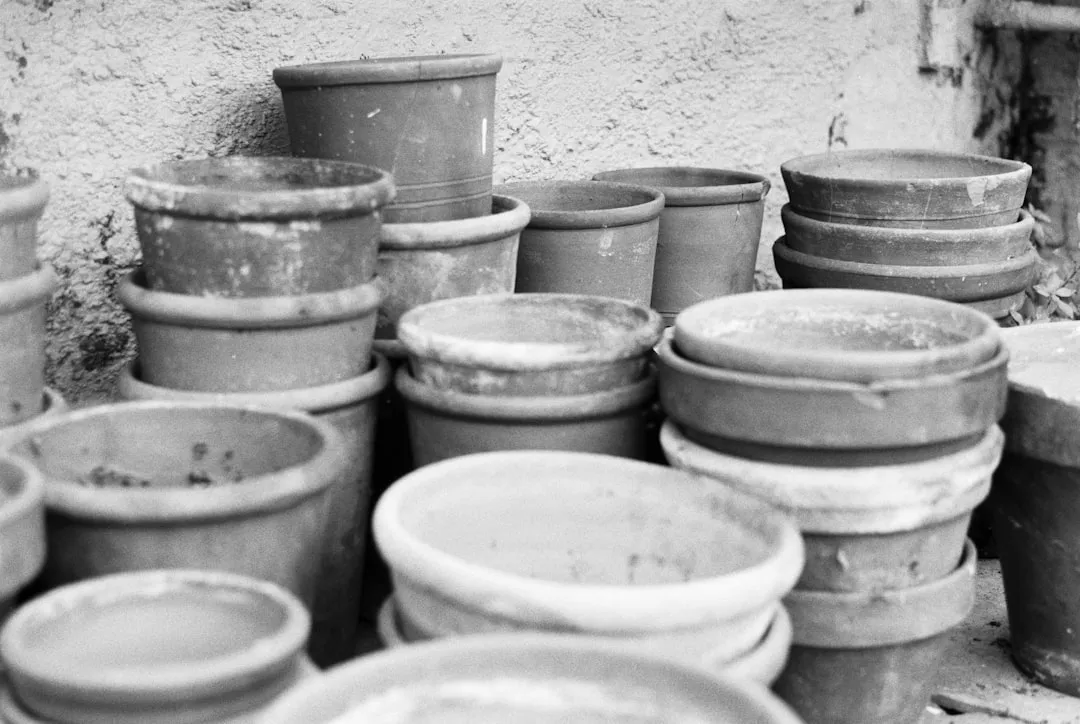
Wash pots in soapy water and rinse clean, then soak the container in a solution containing one part household bleach to nine parts water for a minimum of ten minutes. Prepare the solution by adding bleach to water, not water to bleach, to avoid splashing, and protect skin and clothing from the bleach solution.
For true disinfection, soaking clean pots in a bleach solution of one part bleach to nine parts water for ten to fifteen minutes provides the most reliable disinfection against plant pathogens, including stubborn fungal spores and bacterial diseases. This is the method consistently recommended by horticultural extension programs.
Bleach and water solutions need to be made fresh each day that you use them because the bleach active, combined with tap water, breaks down quickly into salt and water. Make the solution just before you need it, rather than in advance.
Using Hydrogen Peroxide as an Alternative
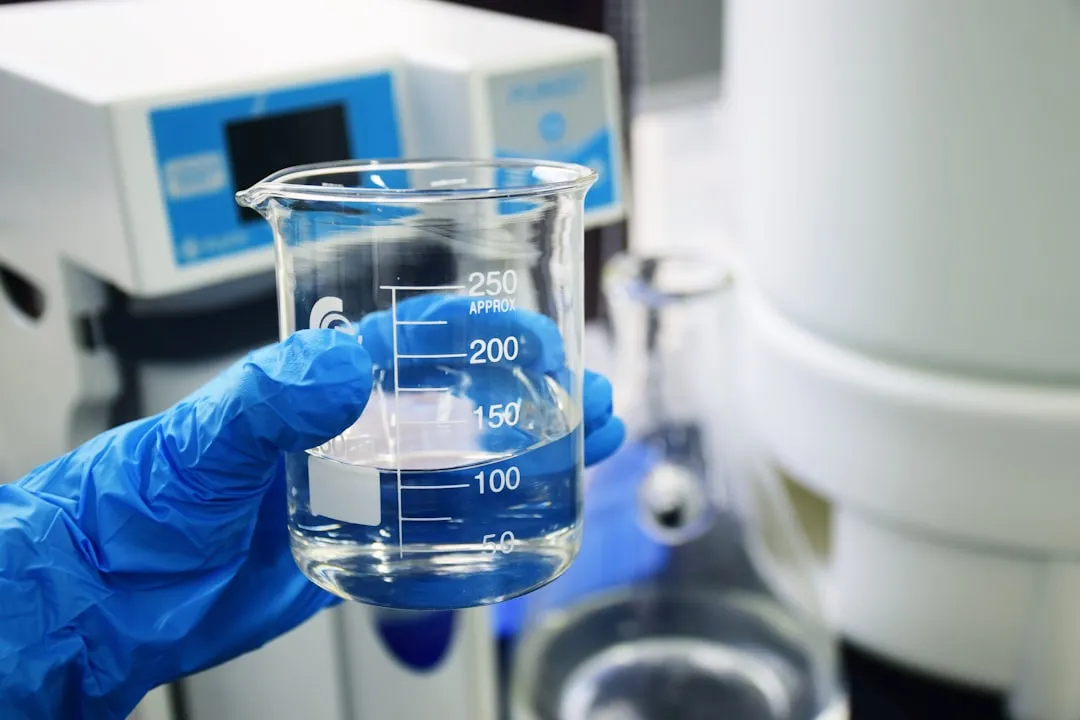
The hydrogen peroxide method uses three percent hydrogen peroxide straight from the bottle or diluted one to two with water, soaked for ten minutes and then rinsed thoroughly. This household-grade solution provides effective disinfection and is readily available to home gardeners.
Research supports that the current doses and contact times recommended for peroxygen compounds will generally be effective at controlling fungal plant pathogens in agricultural and horticultural production systems. A systematic review published in a peer-reviewed journal confirmed this across twenty fungal genera of plant pathogens.
For pots and seed trays, fill with three percent peroxide, let stand for ten minutes, and air-dry. This is the same protocol used in commercial tissue-culture labs for low-grade sanitation. It’s a solid middle-ground option, particularly for gardeners who prefer to avoid bleach.
When Rubbing Alcohol Is Your Best Option

Sometimes soaking in ten percent bleach for ten minutes is not practical or efficient, such as when you are trying to disinfect just one container. Rubbing alcohol can be used as an alternative disinfectant. Clean the containers in the same way described, but instead of soaking in bleach solution, wipe all surfaces inside and out with a cloth soaked in undiluted seventy percent isopropyl alcohol.
This approach is especially convenient mid-season when you want to reuse a single pot quickly. It requires no soaking, no mixing ratios to monitor, and dries fast. It’s not a substitute for a full bleach soak after disease, but it handles routine reuse perfectly well.
Tackling Mineral Deposits and the White Crust Problem
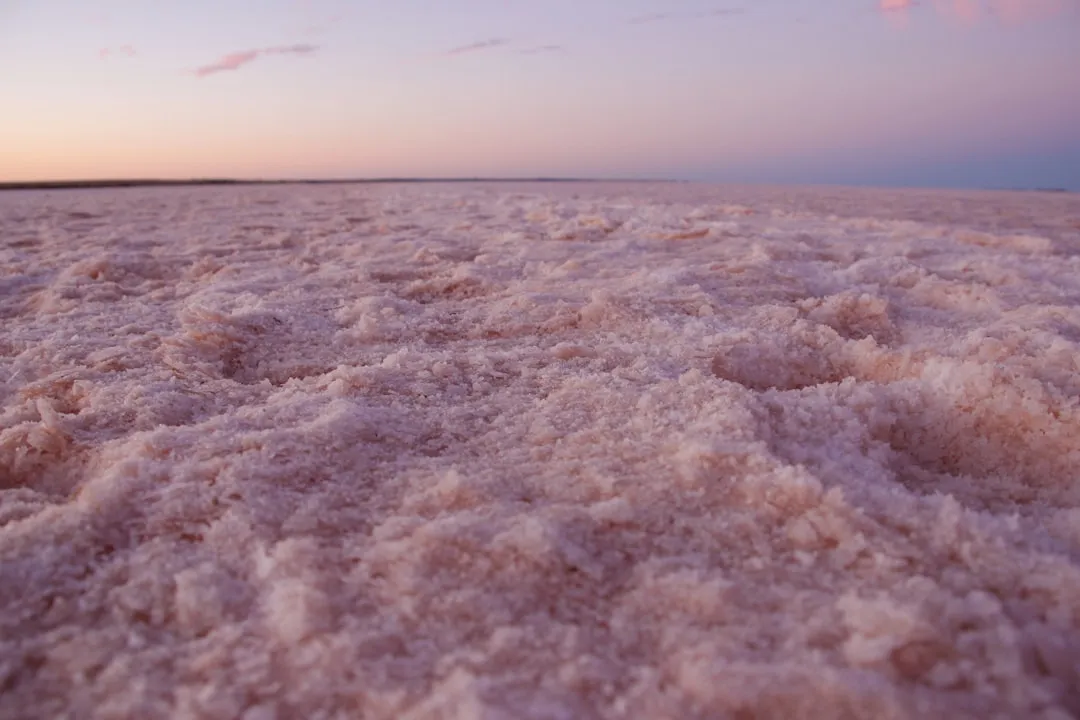
The white crusty buildup on terracotta pots is caused by efflorescence. Since terracotta is made of a porous material, it’s easy for air, water, or moisture to pass through, and the chalky white coating is actually salt and other mineral deposits dissolved by moisture, which are then carried to the surface of the pot as the water evaporates.
In addition to creating a deposit on the outside of the pot, too much salt in the soil can burn your plant. Too much fertilizer in the soil will lead to a buildup that can also burn the plant’s roots. This is not just an aesthetic issue. Left unaddressed, those deposits can actively stress your plants.
A vinegar solution of one part vinegar to three parts water works for dissolving mineral deposits, salts, and some surface growths, but it’s not a reliable disinfectant for plant pathogens. Think of this as an enhanced cleaning step rather than true sanitization. Use it for the mineral crust, then follow up with a proper disinfection method if disease is a concern.
Proper Drying: A Step Gardeners Often Rush
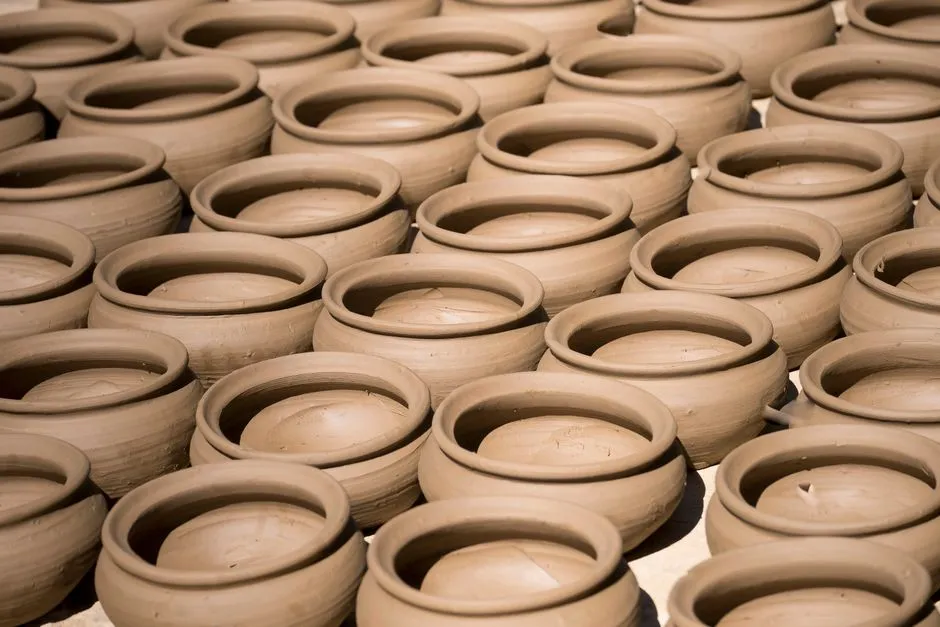
After thorough cleaning with a soap solution, placing pots in full sun for several hours provides effective primary sanitization. UV exposure naturally reduces bacterial loads and provides effective sanitization for pots that held healthy plants. Sun-drying is a useful final step regardless of which chemical method you used first.
Rinse pots thoroughly and soak them in a bucket of clean water until you are ready to use them. Dry clay pots can wick moisture away from the potting medium, dehydrating newly potted plants. This is a particularly useful reminder before replanting. A bone-dry terracotta pot can pull moisture away from a fresh root ball surprisingly quickly.
Always rinse thoroughly after disinfection and allow complete drying before replanting to prevent any chemical residue from affecting new plants. Give bleach-soaked pots enough time in the open air to fully off-gas before introducing any new plant material.
End-of-Season Cleaning Routines That Save Future Headaches
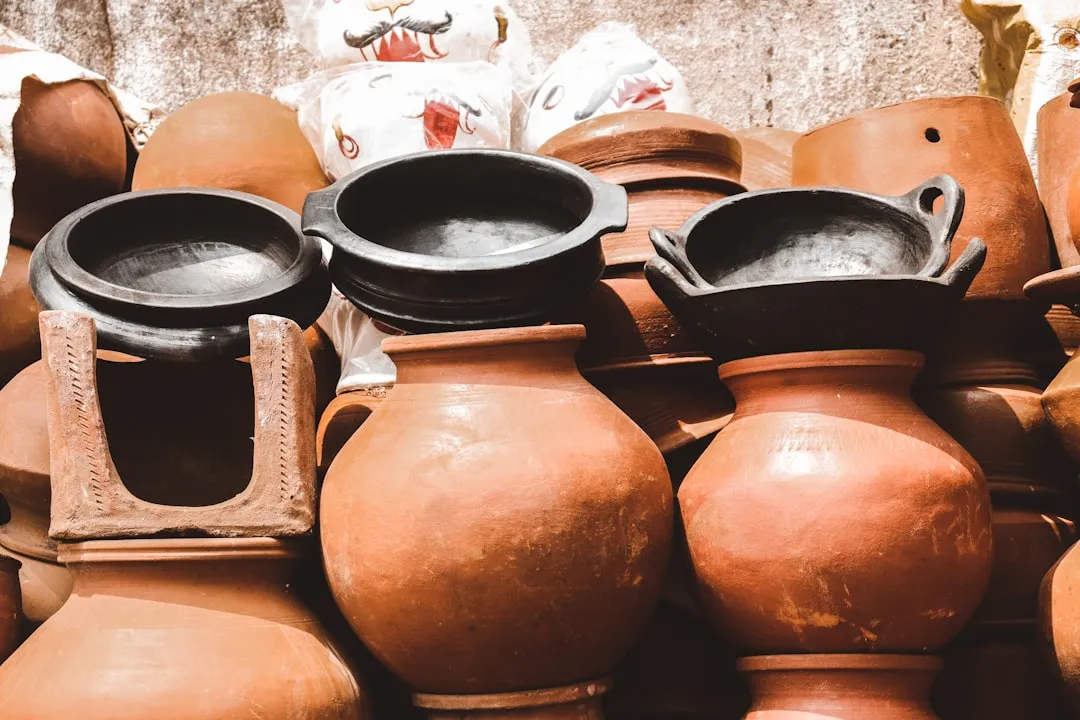
Terracotta pots need to be cleaned and sterilized at the end of each season to keep from spreading absorbed particles to new plants. Cleaning clay pots also helps to rid the threat of spreading fungus or mold, which can infect new plants and damage the pots themselves. Making this a seasonal habit is far more effective than reactive cleaning after disease has already appeared.
Studies evaluating sterilization methods on the survival of pathogenic bacteria in potting soil found that the reduction in pathogenic bacteria was higher at higher temperatures than at lower temperatures. This confirms that combining heat exposure through sun-drying with chemical disinfection is genuinely more effective than either method alone.
Safe Disposal of Diseased Plant Material from Used Pots
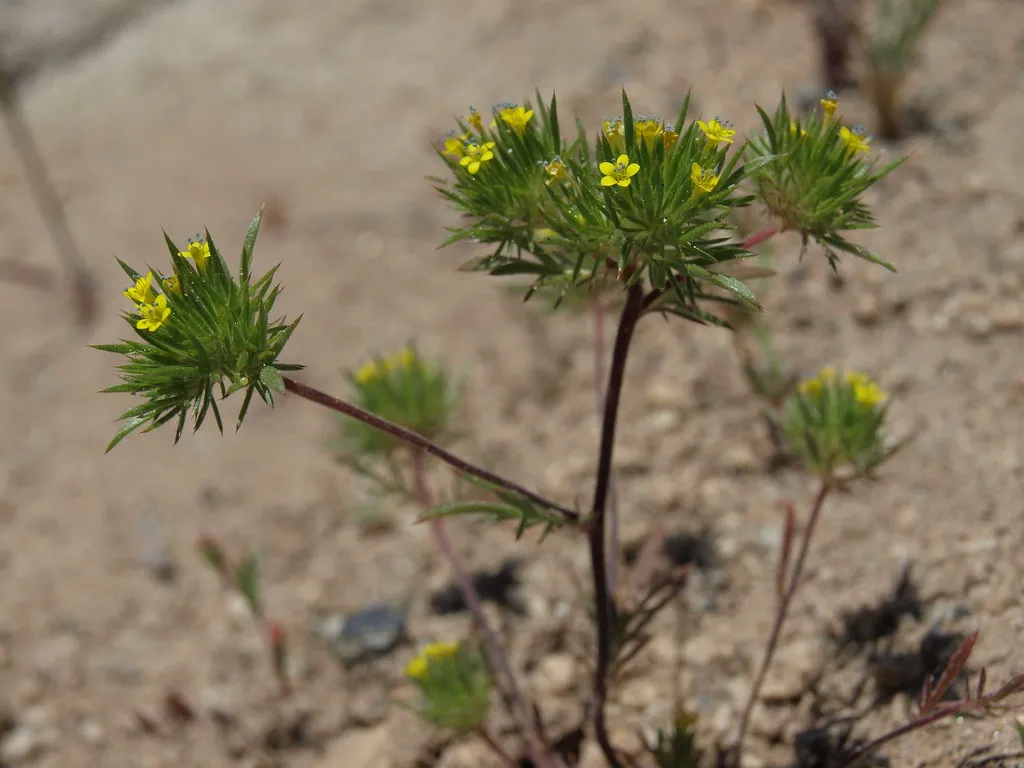
Soilborne pathogens thrive in soil environments, infecting plant roots, crowns, and stems, leading to diseases like damping-off, root rot, and wilting. Their ability to persist on crop residues, weed hosts, or as dormant structures complicates management. This means the soil and root material you pull from a diseased pot needs careful handling, not just a casual toss.
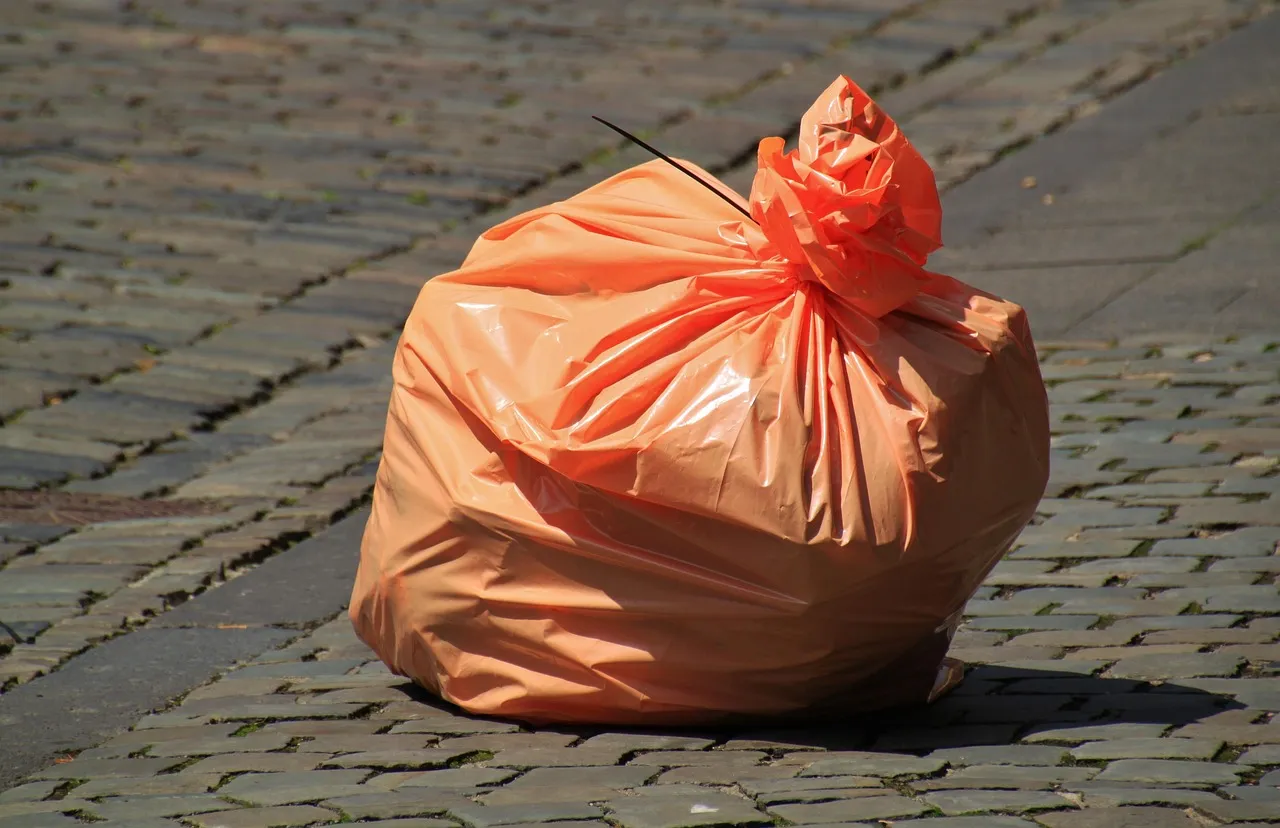
Contaminated commodities including potting-mix components are among the most important pathways for plant pathogen introduction and spread in new areas, and stringent protocols must be used to effectively reduce the risk of viable plant pathogens. Diseased plant material and the soil it grew in should go into sealed bags headed for the general waste bin, not the compost heap.
It’s one of those small decisions that has a disproportionately large effect. Composting diseased material can simply cycle the problem back into your garden later in the season, undoing all the careful cleaning work you just did on the pots themselves.
Preventing Recontamination After Cleaning
Terracotta is naturally porous, which means it breathes and wicks moisture. While this is great for root health, it also means that minerals and salts from tap water and fertilizers can be drawn to the surface as water evaporates, leaving behind white crusts. The cleaning process addresses what’s already there. Prevention is what keeps it from coming back.
The best way to prevent soluble salt build-up and root injury is by watering correctly and not overfertilizing. One approach is to avoid watering plants with hard water, as it’s high in mineral salts. Using collected rainwater or filtered water can noticeably extend the time between deep-cleaning sessions.
Higher loadings of pathogens in soil increase the likelihood of infected plants, and soilborne plant diseases are most severe when conditions are poor, such as inadequate drainage, poor soil structure, and high compaction. Keeping pots well-maintained and ensuring good drainage is, in a practical sense, the most sustainable form of disease prevention available to any home gardener.
Conclusion
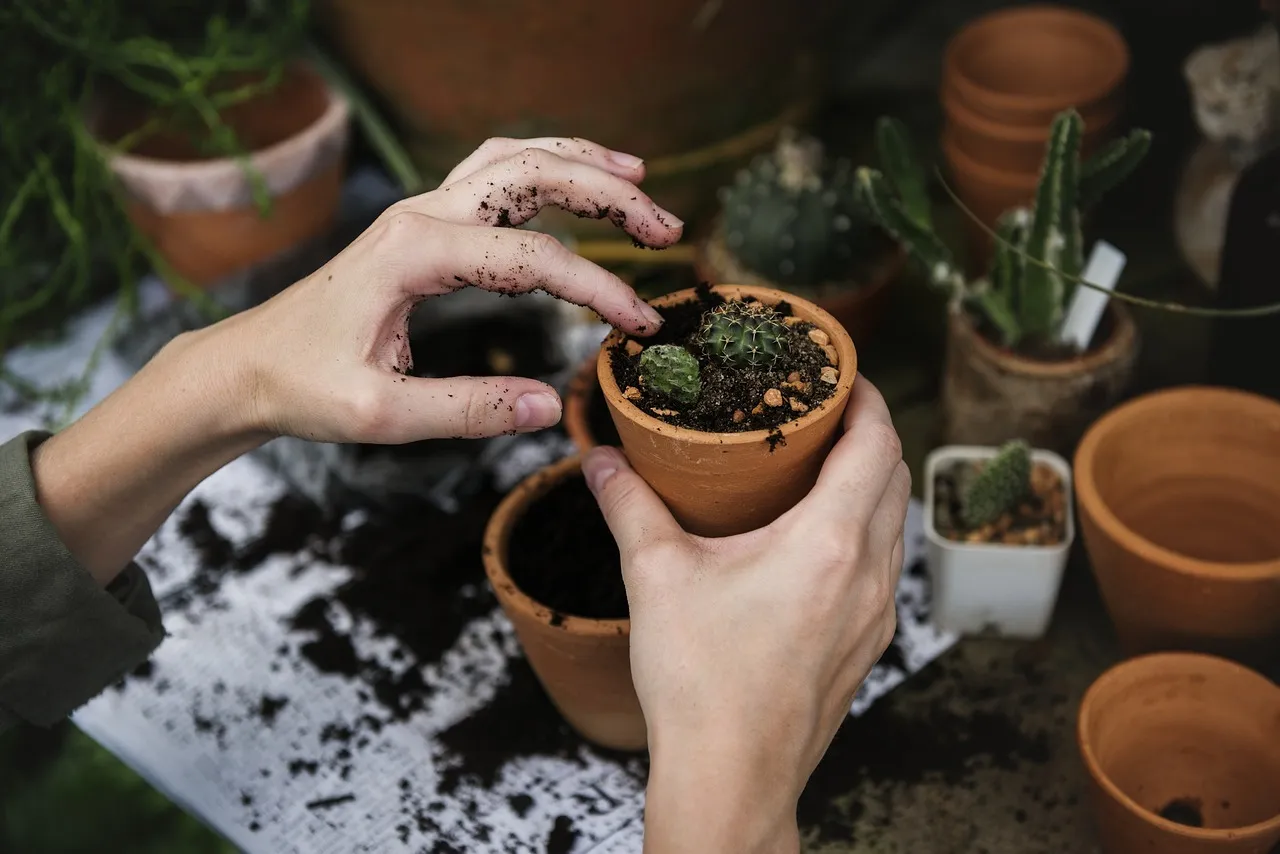
Cleaning terracotta pots is less glamorous than choosing new plants or rearranging your garden layout, but it’s one of the genuinely high-impact habits in plant care. The science here is clear: pathogens persist, porosity creates opportunity, and a dilute bleach soak or hydrogen peroxide treatment breaks that cycle reliably and cheaply.
Good practice doesn’t require much. A stiff brush, some dish soap, a bleach solution mixed fresh, and enough sunlight to dry things thoroughly. Done at the end of each growing season, it’s a small investment that quietly protects everything growing in your garden from the season that follows.
AI Disclaimer: This article was created with the assistance of AI tools and reviewed by a human editor.