

Malibu has one of the most beautiful coastal settings in California, but anyone who has tried to garden there knows the deal: the ocean gives with one hand and takes with the other. Salt spray rolls in off the Pacific with surprising persistence, coating leaves, burning root zones, and quietly strangling plants that have no business being that close to the water. Most garden failures along PCH and the surrounding hillsides come down to one simple error – choosing the wrong plant.
The good news is that the right four plants can transform a struggling Malibu garden into something genuinely spectacular. These aren’t novelty picks. They’re proven, beautiful, and hard-wired to handle exactly what Malibu throws at them.
Why Salt Is the Defining Challenge in Every Malibu Garden
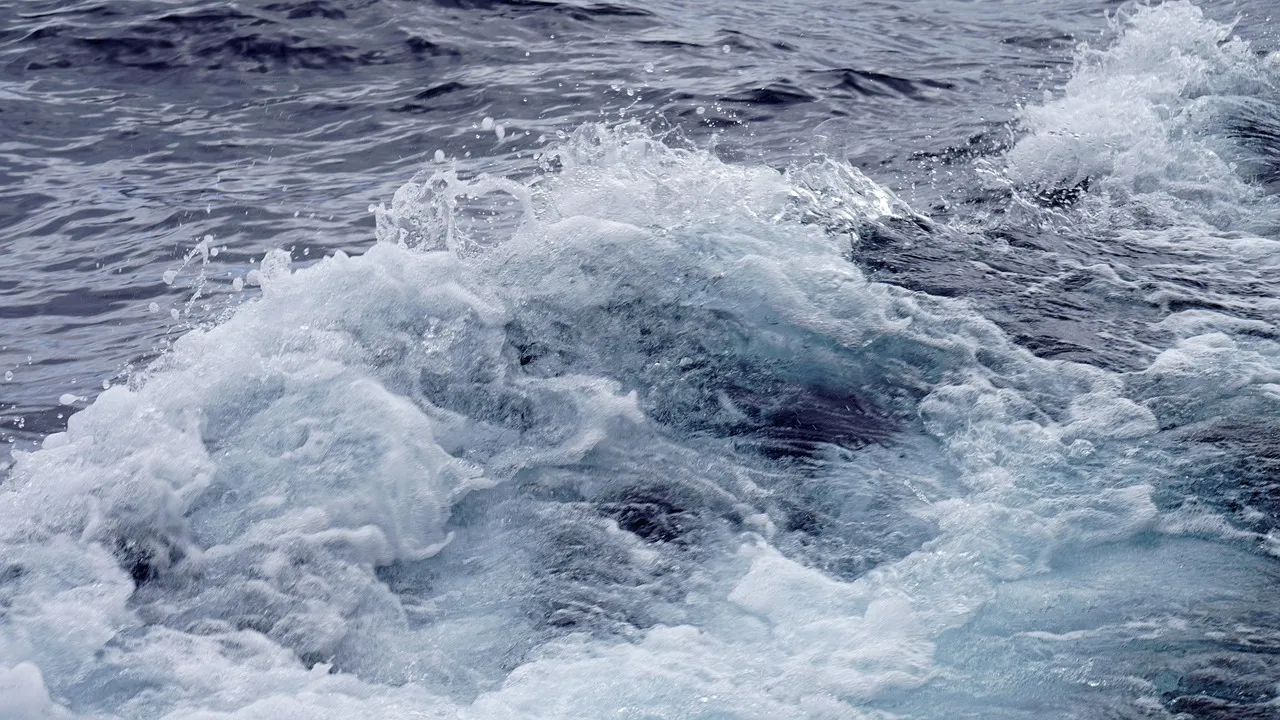
Blowing sand, salty soil, high temperatures, and excessive drainage all play a role in whether a plant will thrive or not in a coastal area. Salt spray is probably the most significant factor plaguing coastal gardens. In Malibu, this isn’t an occasional nuisance – it’s a daily reality for gardens that sit anywhere near the bluffs or the shore.
When salt contacts plant leaves or washes into soil, it creates a process where salt leaches water from plant tissues. This dehydration eventually kills plants that lack salt immunity. That’s why so many otherwise healthy plants installed by well-meaning Malibu homeowners look scorched and stunted within a season or two.
Any landscape within one-eighth of a mile of the coast or a large inlet is a prime candidate for salt-tolerant plants, particularly in flood zones. Much of Malibu’s residential landscape falls squarely within that zone, which makes plant selection far more consequential than it might be elsewhere in Los Angeles County.
How Salt-Tolerant Plants Actually Work
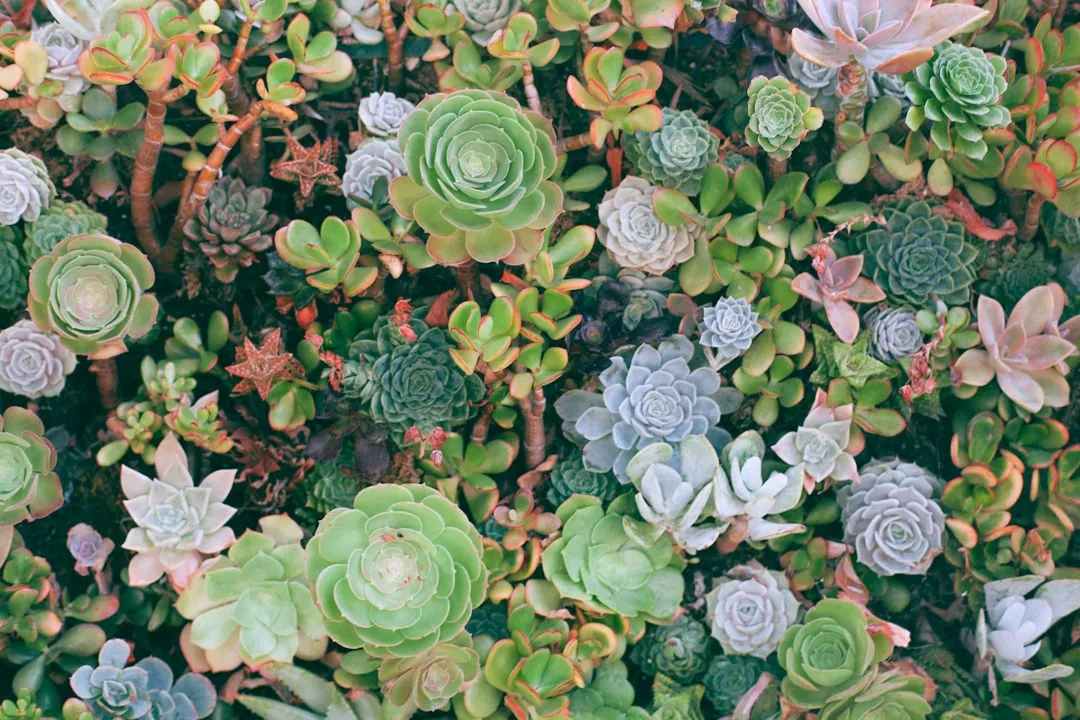
Salt-loving plants are known as halophytes. Many of them store salt in structures rather than absorbing salt into the plant’s vascular system. This biological workaround is essentially the plant’s version of armor – it intercepts the damage before it reaches the tissue that keeps the plant alive.
These species have developed natural mechanisms to cope, such as thick, waxy leaves that repel salt spray or specialized tissues that store and excrete excess sodium. When you see a plant thriving right on a coastal bluff, that’s what you’re looking at in action – evolution doing the heavy lifting.
Salt-resistant plants are crucial for coastal landscapes, roadside gardens, or areas exposed to deicing salts in the winter. These plants have adapted to tolerate salt spray, high soil salinity, or salt-laden winds, making them well-suited for challenging environments where other plants may struggle. Incorporating salt-resistant plants into your landscape can help create a resilient, beautiful garden that thrives despite harsh conditions.
Statement Plant #1: Agave (Agave attenuata and Coastal Varieties)
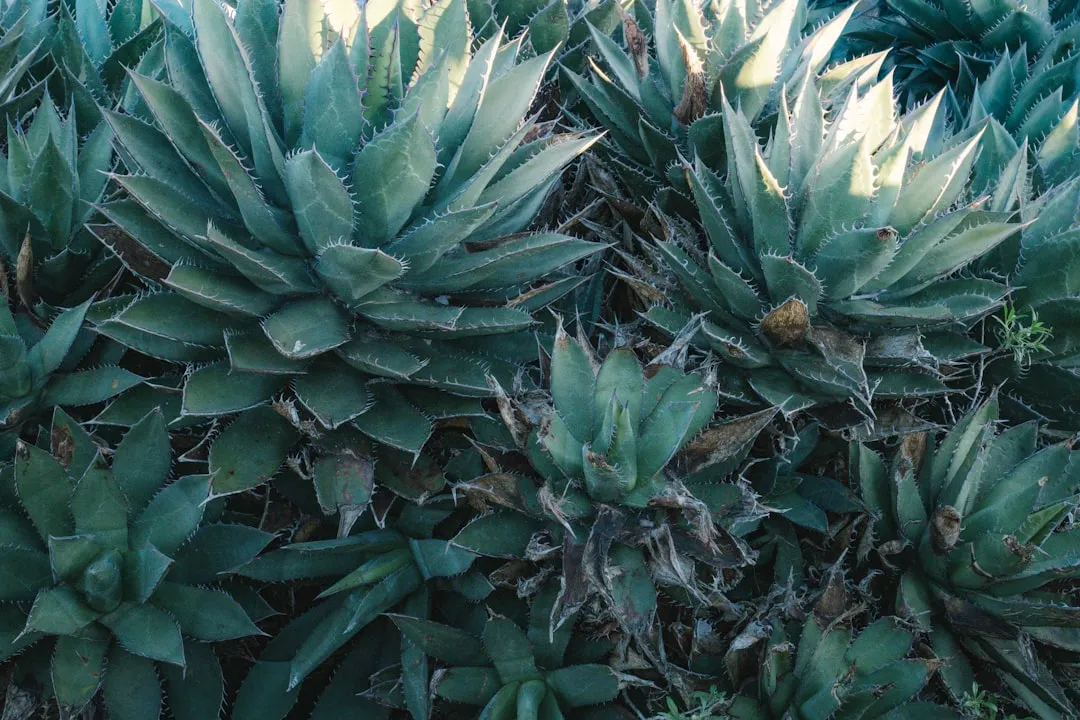
Agave shawii, known as Coastal Agave, is an evergreen perennial succulent forming a rosette of fleshy, sword-shaped green leaves that radiate gracefully from the center of the plant, giving it a neat, rounded shape. They are lined with gray spines that take on coral, gold, pink, or red shades when backlit, adding intriguing beauty. For a Malibu garden, this kind of sculptural drama is exactly what you want anchoring a border or a bluff-side terrace.
A sculptural succulent that defines modern coastal landscapes, foxtail agave thrives in Southern California’s dry, sunny climate. It grows well in full sun to light shade and is excellent for both containers and in-ground planting. It is highly drought- and salt-tolerant. That combination of visual strength and practical resilience is rare in one plant.
Agave desmettiana, the Smooth Agave, with bright green, slightly curved leaves and smooth edges, thrives in coastal Southern California climates and tolerates occasional overwatering. For gardeners who are still developing their watering discipline, this variety offers a forgiving margin that other agaves don’t.
While infrequent, mature plants flower only once. They are topped with a magnificent flowering spike reaching 12 feet and bear clusters of yellow flowers. The flowering rosette dies after flowering, but new rosettes formed by offsets will root to form colonies. It’s worth knowing this ahead of time – the finale is spectacular, and the plant ensures its own succession.
Statement Plant #2: Ceanothus (California Lilac)
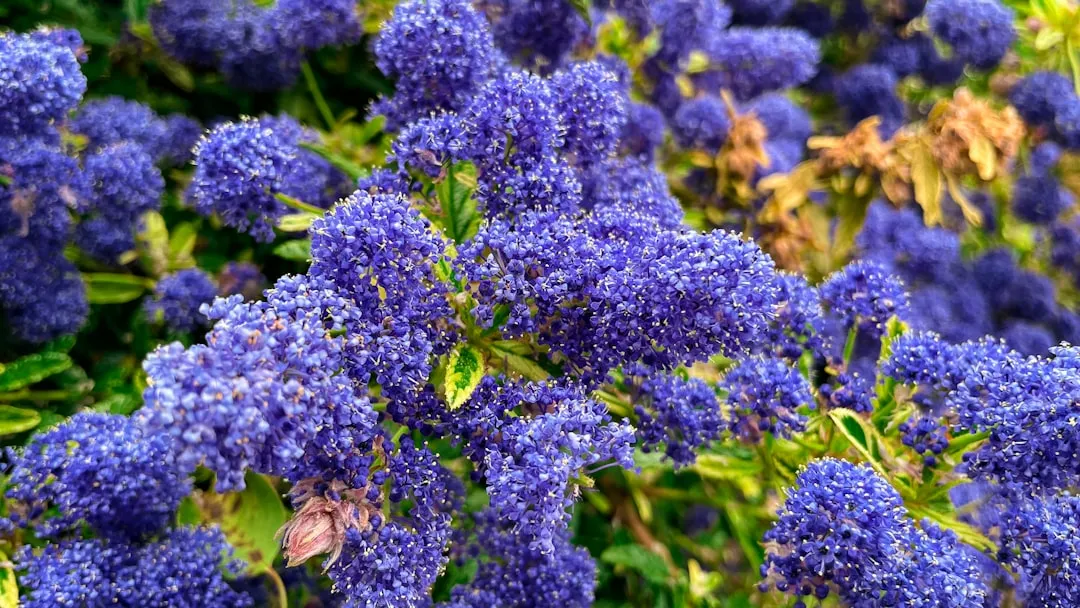
Ceanothus, commonly known as California Lilac, offers almost everything a gardener could wish for in a shrub: free flowering, lovely foliage, ease of cultivation, drought, and salt tolerance. It’s arguably the most underused statement shrub available to Malibu gardeners, which is surprising given how naturally suited it is to the environment.
Given their wind and salt spray tolerance, Ceanothus is a fantastic choice for coastal garden designs. Coastal-adapted cultivars like ‘Yankee Point’ and ‘Frosty Blue’ handle Malibu’s prevailing onshore winds particularly well, spreading wide while staying relatively low to the ground.
Once established, Frosty Blue will survive on rainfall alone in coastal gardens where it’s tolerant of both wind and salt spray. It makes an easy hedge plant, small screen, or focal plant in a drought-tolerant garden. For a property where water conservation is part of the picture, that’s a genuinely useful combination of traits.
Also known as California lilac, these shrubs produce masses of blue, white, or pink blooms from winter through early spring, providing an important nectar source for pollinators. That winter-into-spring bloom window is particularly valuable in Malibu, when many other garden plants are simply standing still.
Statement Plant #3: Oleander (Nerium oleander)
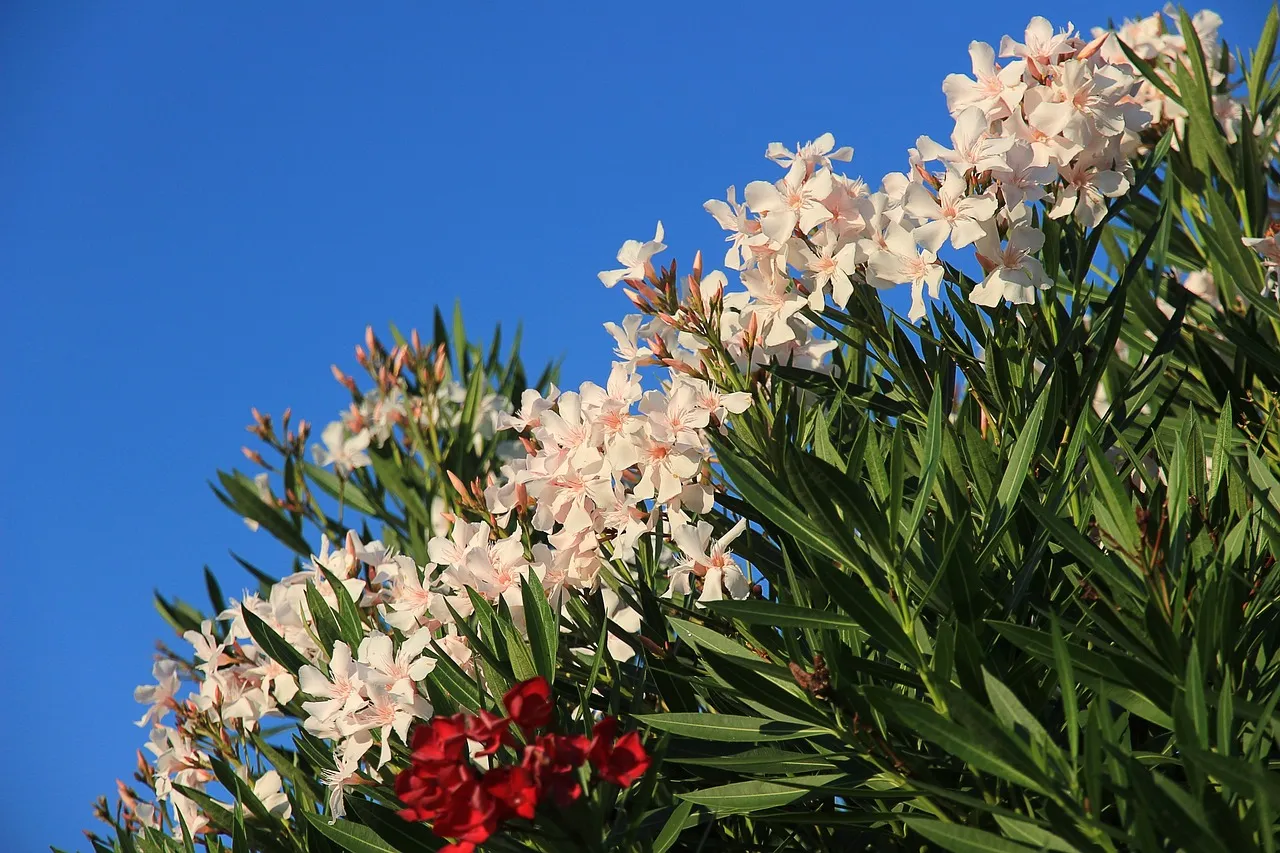
Oleanders are evergreen shrubs with glossy leaves and showy, fragrant flowers in shades of pink, red, white, or yellow. These salt-tolerant plants are ideal for coastal gardens, hedges, or borders. In Malibu, oleander earns its place as a workhorse hedge plant that happens to look beautiful doing the job.
Oleander has evolved salt immunity and actually thrives in coastal spray conditions. The plant handles the heat, the wind, and the salt without missing a beat, which explains why it’s found lining coastal roads and bluff-top properties all across Southern California.
For shrubs, the oleander is a popular choice, with its beautiful, fragrant flowers and ability to tolerate both salt and drought. Its evergreen nature means it provides year-round screening and privacy, which is something many Malibu hillside properties genuinely need. One important practical note: oleander is highly toxic if ingested, so it warrants careful placement away from areas used by children and pets.
Statement Plant #4: Ceanothus ‘Sea Cliff Buckwheat’ and Native Eriogonum
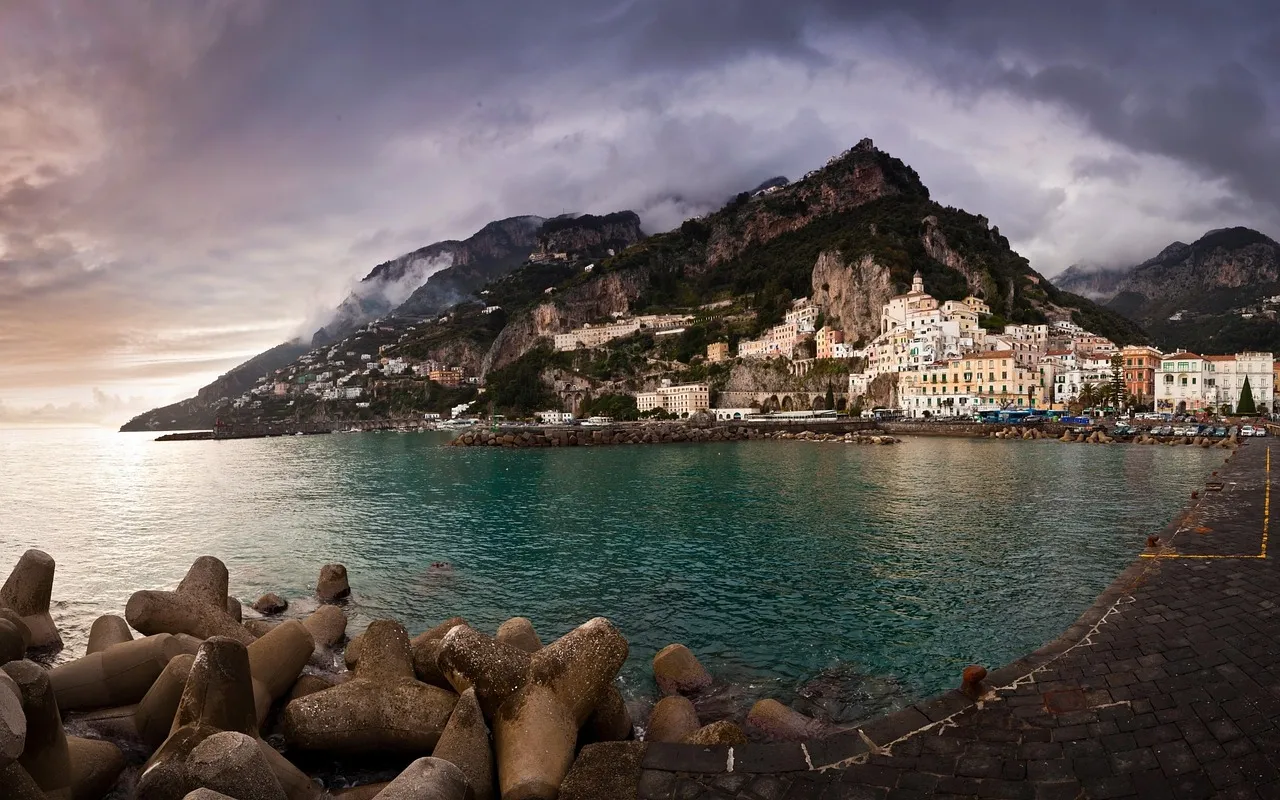
Sea Cliff Buckwheat is a great plant for coastal and seaside landscapes. It prefers full sun in its natural range, and does best in sandy soils, or on rocky slopes or cliffs. It is easy, fast growing, very drought-tolerant and beautiful. It looks great hanging down over cliffs, slopes or walls, and is an important butterfly plant in the seaside and coastal plant communities.
Native buckwheat species, particularly Eriogonum, have been growing on Malibu’s bluffs and hillsides long before the houses arrived. They require almost no maintenance once established and produce clouds of cream, white, or rusty-red flower clusters that shift in color as they age through the season. Few plants give you that much visual interest for so little effort in a salty environment.
The Malibu Foundation’s native plant guide recognizes Sea Cliff Buckwheat as one of the most practical and beautiful choices for gardens west of Highway 101, particularly in the sun-baked, dry, coastal scrub zone that characterizes so much of the Malibu hillside. Gardening by plant community is important because plants that evolved together are more likely to function in harmony in a garden. This plan highlights the extremes of drought tolerance: coastal and desert plants. Those living west of Highway 101 can benefit from this plan, which includes plants that can withstand long periods without water.
How to Layer These Four Plants for Maximum Impact
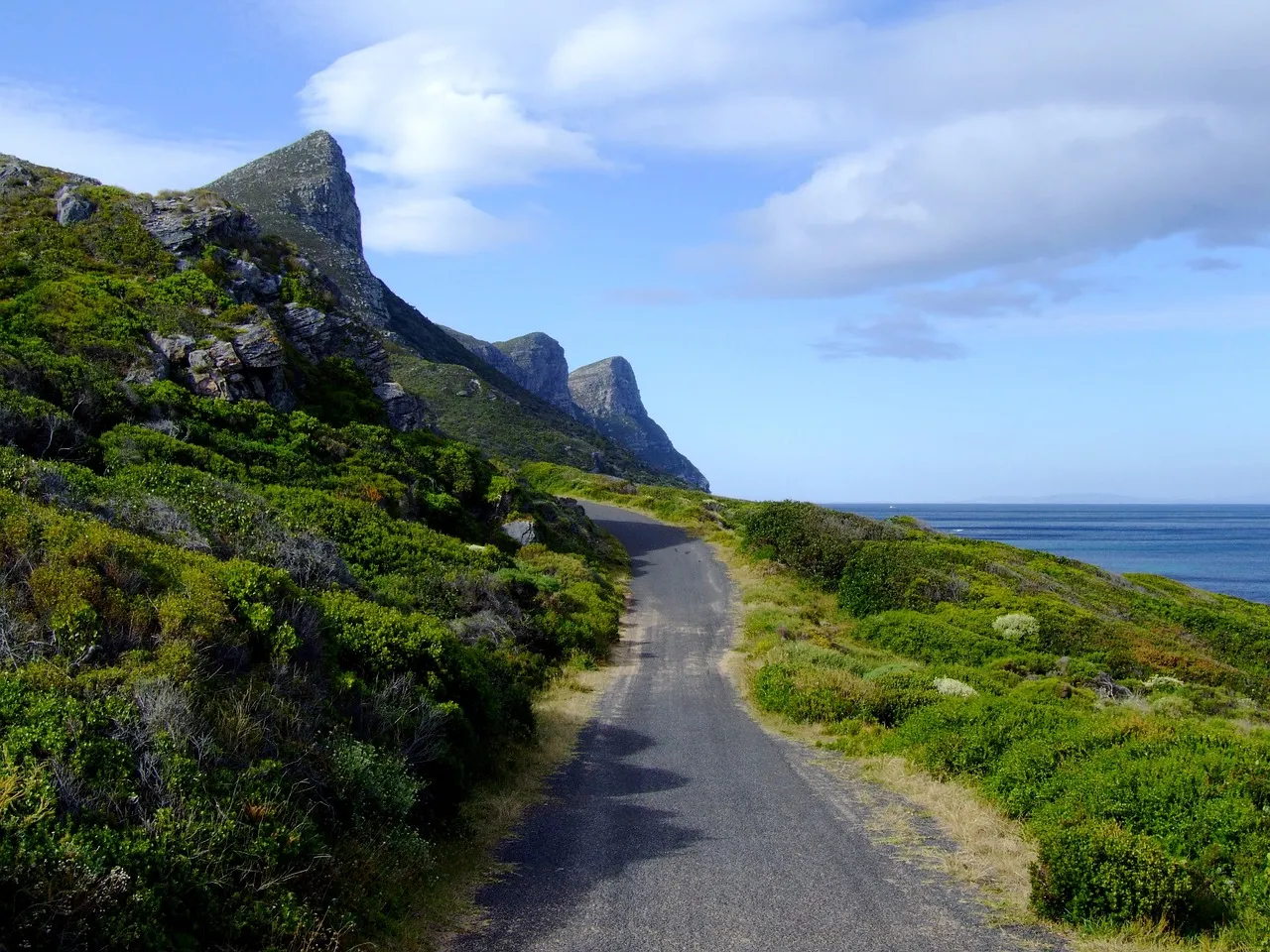
You can grow a layer of highly salt-tolerant plants that block salt spray from your more delicate plants, adding more protection to your coastal garden. Use your home to block the salt spray by keeping your less salt-tolerant plants on the side of the house facing landward. This layering approach is smart garden design, not just decoration.
In practical terms, oleander makes the strongest outer windbreak and salt buffer. Ceanothus fills the mid-layer beautifully, draping down slopes or forming dense hedges. Agave anchors bold focal points. Native buckwheat spills across edges, slopes, and low walls, tying everything together at ground level. Together these four create a complete planting scheme without needing a single tender, salt-sensitive species anywhere near the exposed frontage.
Between salt spray, sandy soils, high winds, and intense sun exposure, coastal environments present a unique set of challenges. Yet these very conditions also create an opportunity: a well-designed seaside garden can feel effortlessly integrated with its surroundings – natural, textural, and seasonally vibrant. The key is selecting plants that not only tolerate these elements but also thrive in them.
Soil Preparation and Establishment Tips for Malibu Gardens
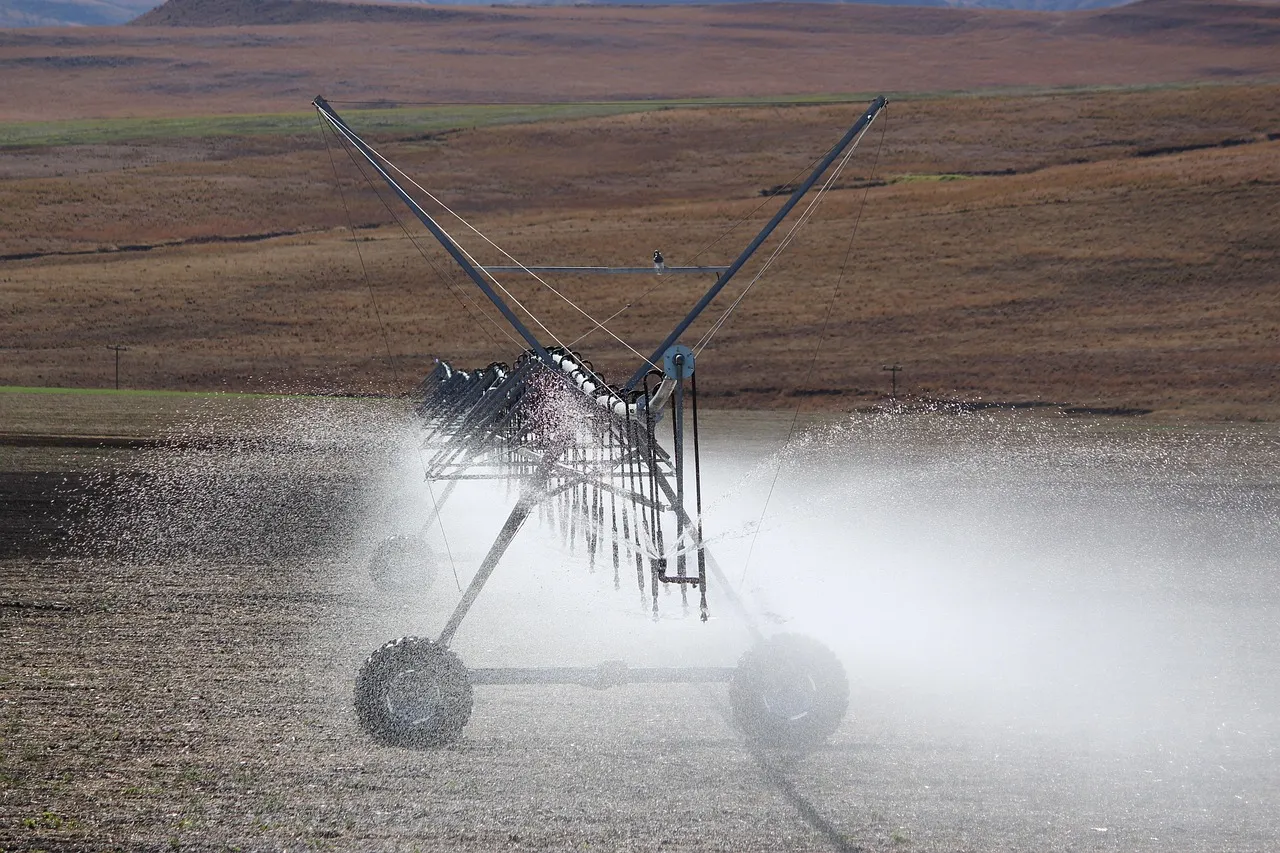
Many coastal plants perform significantly better with a little care. Even with salt water abundantly available, coastal plants need fresh water to thrive. This is particularly true during the establishment phase, which typically runs through the first full dry season after planting.
Frequent overhead irrigation rinses salt accumulations off plant foliage, reducing the impact on less salt-tolerant species. For the plants in this guide, a light rinse after particularly windy, salt-heavy days helps prevent any surface salt buildup from compounding over time.
Other factors to take into consideration when choosing plants for coastal landscapes include soil pH, sun and wind exposure, and soil type. Incorporating composted organic matter into the soil will greatly increase the soil’s ability to hold moisture and improve plant growth. Applying two to four inches of mulch will also help plant growth by reducing soil temperature and conserving moisture.
Why Native Plants Outperform Exotics in Malibu’s Coastal Zone
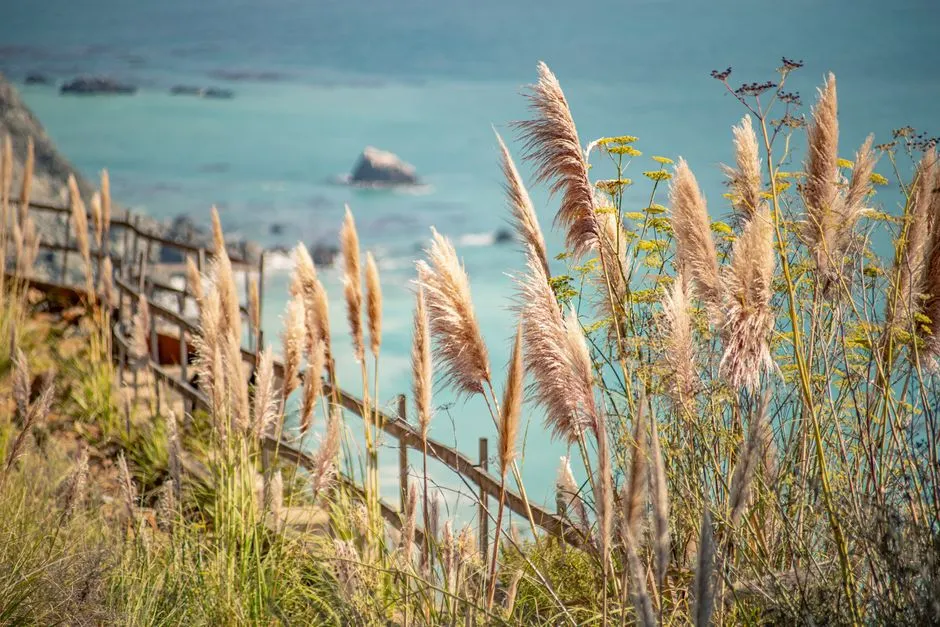
Many of these plants are native or well-adapted to coastal climates, meaning they require less maintenance, less water once established, and fewer soil amendments. Their resilience also makes them excellent choices beyond the shoreline, particularly for homeowners seeking low-maintenance, drought-tolerant landscapes.
Many salt-tolerant plants are also drought-resistant, requiring less irrigation and care. These plants are more likely to recover after exposure to storm surges or coastal winds. Many native salt-tolerant plants support local wildlife, from pollinators to birds. In a fire-prone area like Malibu, plants with low water needs also carry the added benefit of being more firescape-compatible than thirsty ornamentals.
Many Ceanothus species are fire-adapted and can regenerate after wildfire, an essential trait in their native habitats. They also have a symbiotic relationship with soil bacteria that fix atmospheric nitrogen, helping to enrich the soil. That soil-enriching property makes Ceanothus particularly smart first in sequence when establishing a new garden bed.
Common Mistakes Malibu Gardeners Make with Coastal Planting
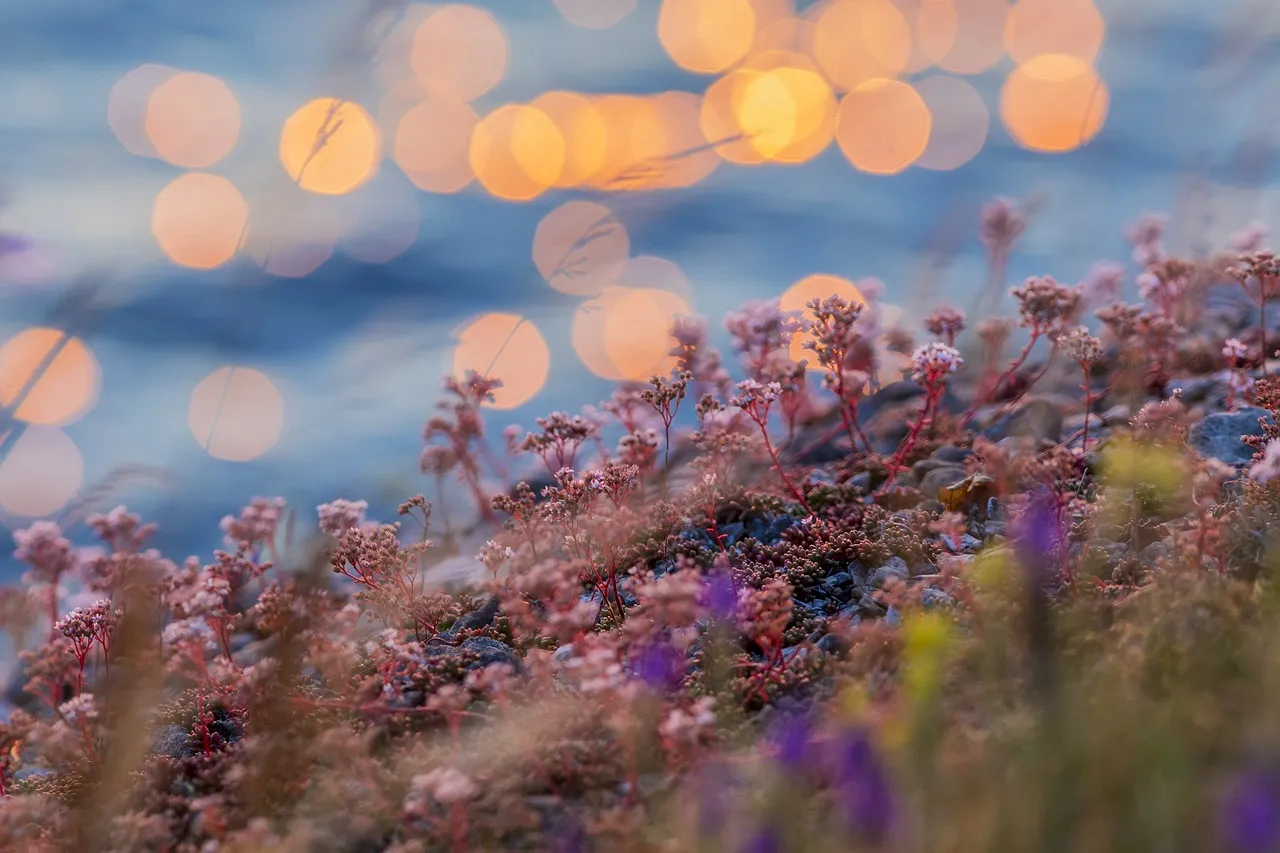
Plants may show salt stress through burn-like lesions on foliage, generally dry appearance, damage to tender roots, dieback, browning, or stunted growth. These are the warning signs most gardeners misread as drought stress or disease, leading them to water more – which doesn’t actually fix a salt problem at all.
Planting exotics that are attractive but fundamentally wrong for the site is the most common misstep. A lush tropical plant that looks stunning at the nursery will struggle visibly within a Malibu summer if it has no mechanism for handling salt. The solution isn’t better care – it’s a better plant from the start.
Don’t indulge Ceanothus with too much fertilizer or water, because they are adapted to poor soils and sunny, dry locations. That principle extends broadly across the native plants in this guide – more intervention, whether watering, feeding, or pruning, often does more harm than good once these plants find their footing.
The Long-Term Payoff of Getting This Right
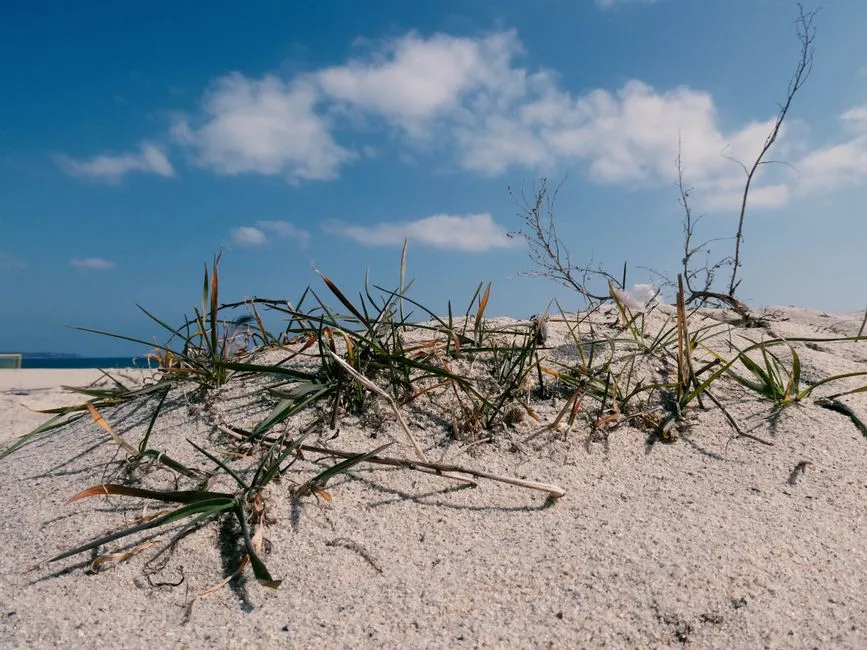
Selecting salt-tolerant plants means lower water usage, less maintenance, and fewer replacements after storms or long dry spells. For a Malibu property, that translates directly into less time managing a struggling garden and more time actually enjoying the view that brought most people there in the first place.
Most plants can tolerate some salt, but salt-tolerant plants can grow in moderately to highly saline soil without showing signs of distress. Over time, a well-chosen coastal garden actually settles in and improves – plants spread, roots deepen, and the garden starts to look like it genuinely belongs there rather than fighting to survive.
A Malibu garden that works with the Pacific rather than against it is one of the most satisfying outcomes in Southern California horticulture. These four plants – agave, Ceanothus, oleander, and native buckwheat – aren’t just salt-tolerant. They’re beautiful, low-demand, and increasingly well-understood as the right fit for California’s coastal future. Choose them deliberately and give them the right soil, the right sun, and a little patience during establishment. The reward shows up season after season, without much prompting.
AI Disclaimer: This article was created with the assistance of AI tools and reviewed by a human editor.