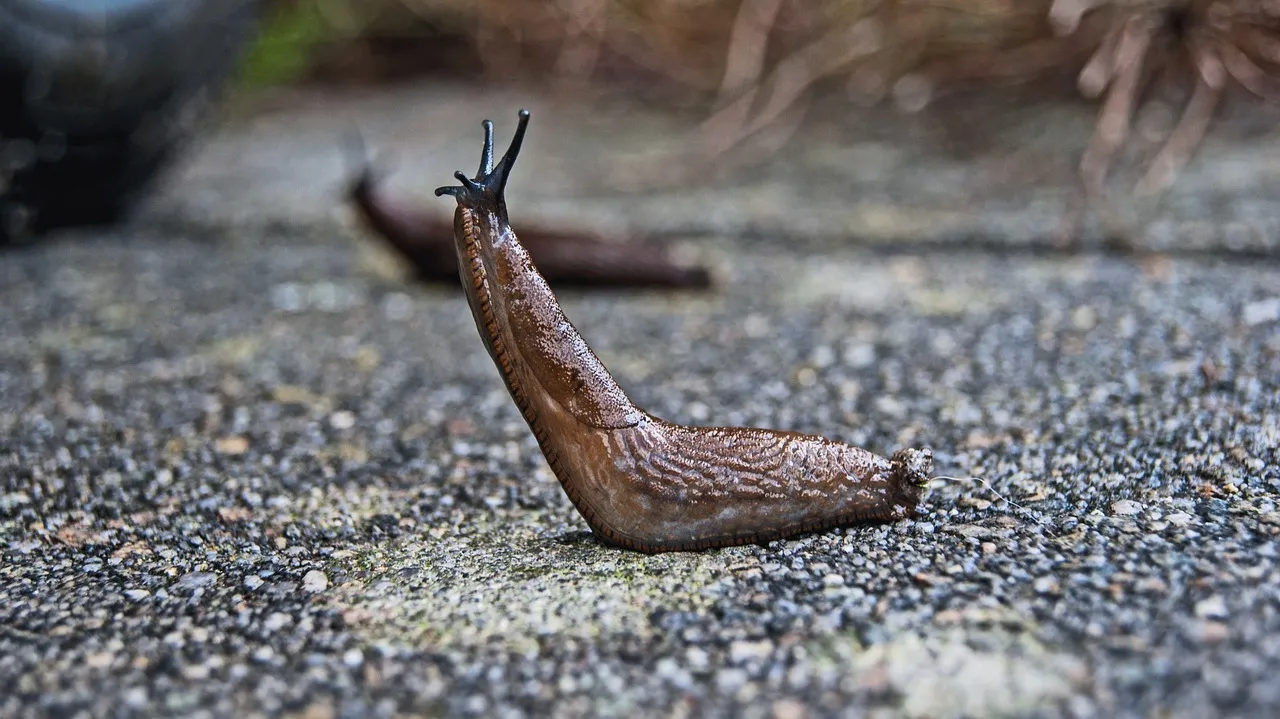

Most gardeners have tipped out a flat, forgotten can of beer without a second thought. It turns out that leftover lager might be one of the most useful things sitting in your recycling bin, particularly if your vegetable beds are under siege from slugs. The trick is almost embarrassingly simple, costs next to nothing, and sidesteps the chemical concerns that have pushed conventional slug pellets out of fashion in recent years.
Slugs are not a minor inconvenience. They rank among the most persistently damaging garden pests across the world, and the problem has been growing worse. Before reaching for anything at all, it helps to understand why that old can of beer can genuinely make a difference.
The Slug Problem Is Getting Worse, Not Better
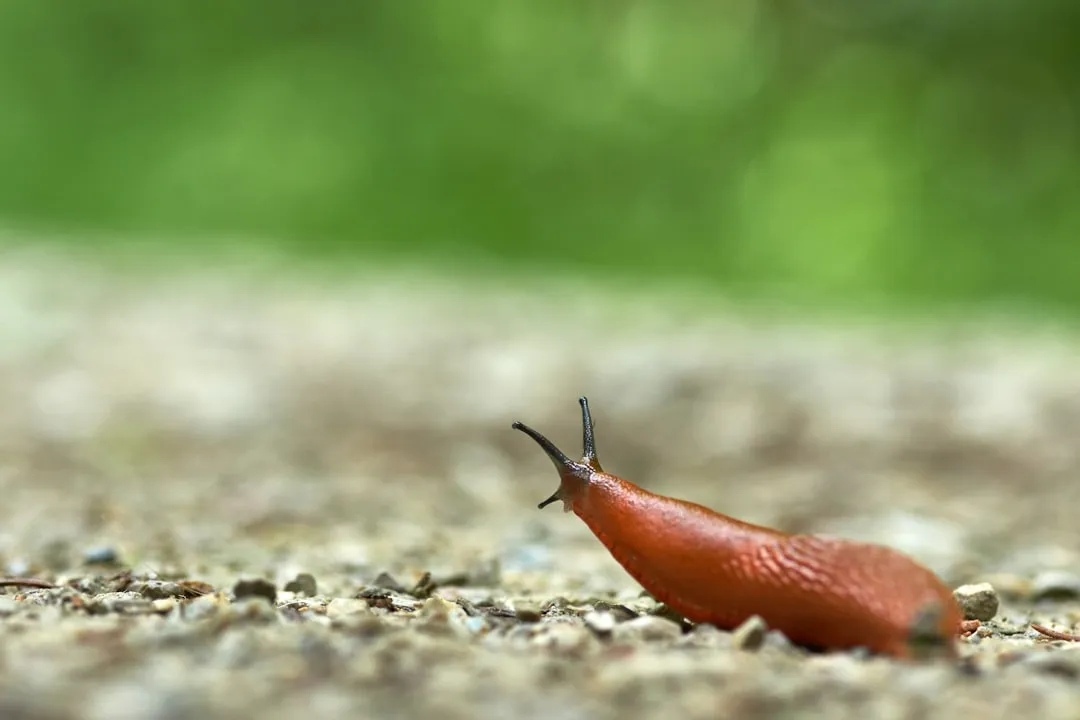
Slugs, snails, and damp weather combined to make 2024 particularly brutal for many home vegetable growers. A mild wet winter followed by a cool and very damp spring meant that slugs and snails flourished and feasted on homegrown vegetables, leaving widespread destruction in their wake. Gardening charity Garden Organic’s research manager described the year simply as “the year of the slug.”
2025 brought no real relief either. Slug numbers were estimated to be somewhere between twenty and thirty percent above a normal year, according to growers and agronomists setting up spring slug trials. Prolonged periods of milder temperatures and wetter weather have created optimal conditions for slugs, accelerating their lifecycle, with a single slug reportedly capable of laying up to 500 eggs in a single season.
Reports from mid-Atlantic states in the US indicate that roughly one in five no-till fields suffer economic losses from slugs, and nearly half of growers report considerable slug damage occurring every two to three years. The scale of the problem makes any practical, low-cost solution worth taking seriously.
Why Beer Attracts Slugs in the First Place
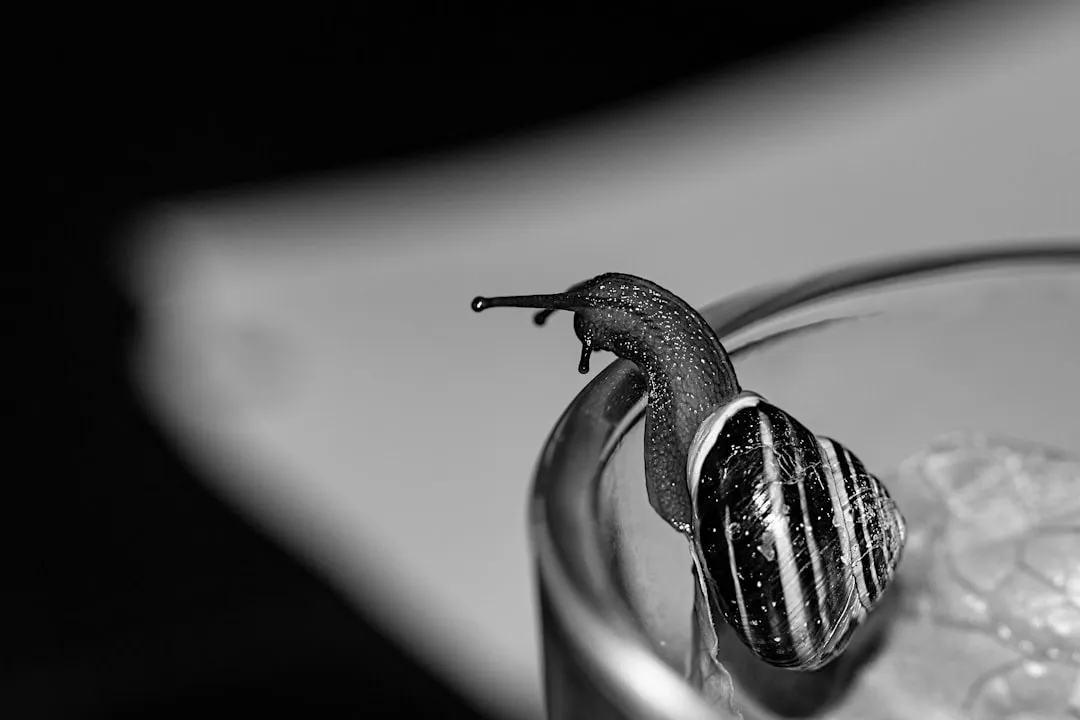
Slugs aren’t attracted to beer because of the alcohol. What draws them in are specific volatile compounds produced during fermentation, including the buttery-smelling byproducts that yeast creates as it breaks down sugars. It’s a chemical signal, not an intoxicating one.
Slugs are irresistibly attracted to the smell of fermenting yeast in beer. This aroma mimics the scent of decaying organic matter, which slugs naturally seek out. From the slug’s perspective, it smells like food. That’s the trap.
These traps rely on the slugs’ attraction to the volatile fermentation byproducts, primarily esters, alcohols, and terpenes, present in beer, which mimic natural olfactory cues used by slugs when foraging. Once drawn to the scent, the slug investigates the container, falls in, and cannot get back out.
Why Stale Beer Works Even Better Than Fresh
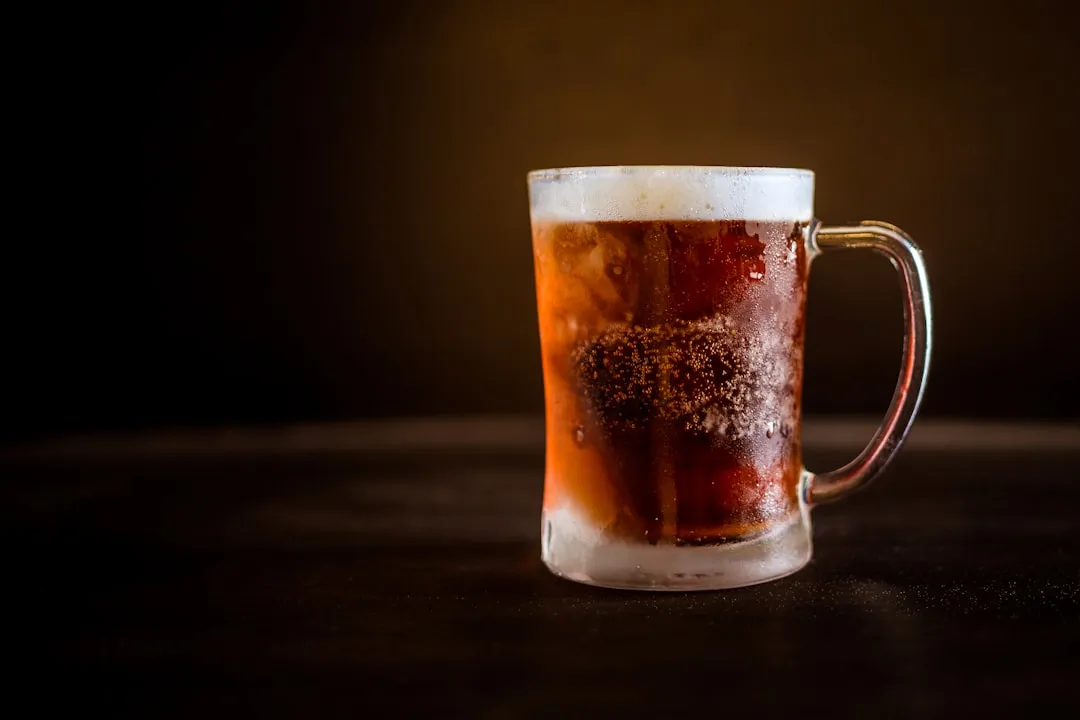
Fermentation produces carbon dioxide bubbles that carry beer aromas further into the surrounding environment. This explains why slightly stale or warm beer often outperforms fresh, cold beer in slug trap effectiveness. Counterintuitive, but well supported.
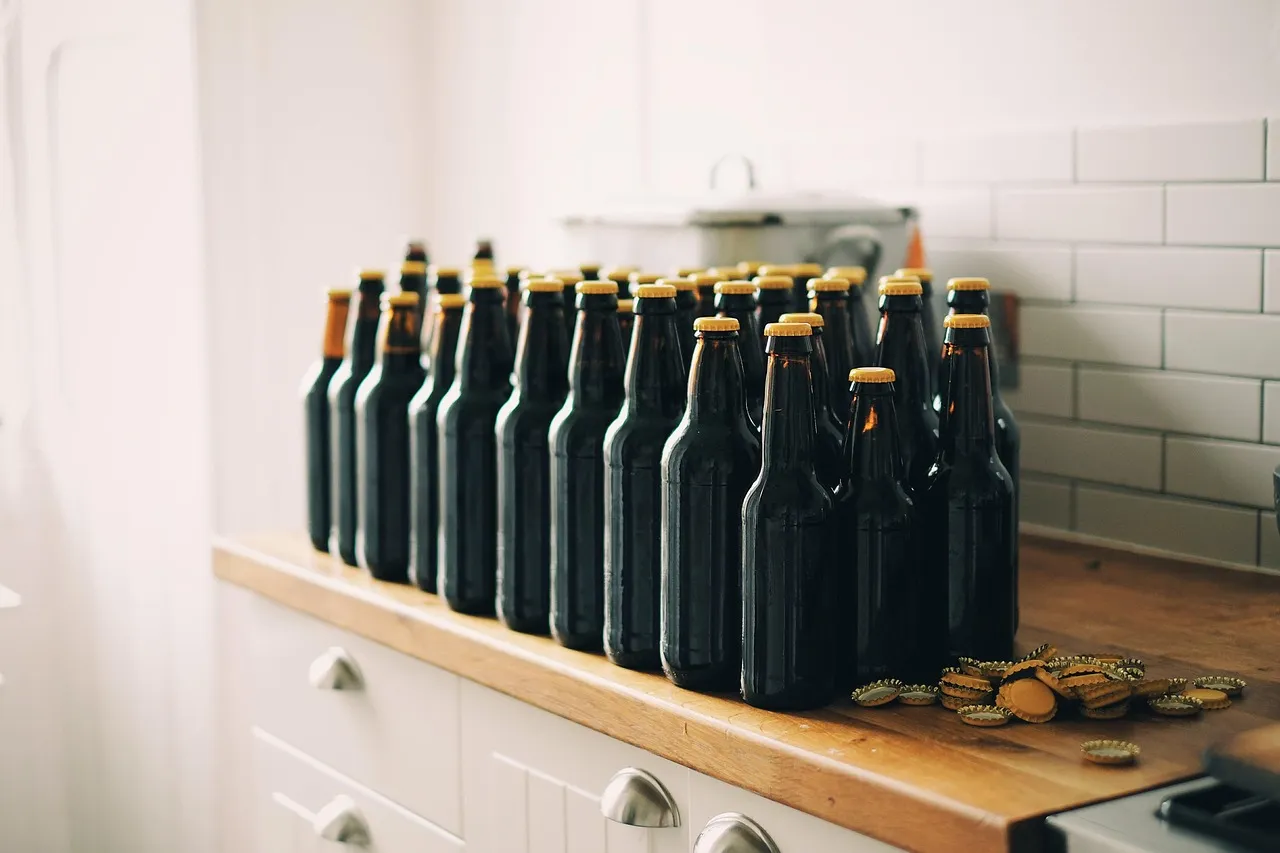
Day-old beer works better than fresh beer because increased fermentation creates stronger attractant compounds. If you don’t have stale beer, simply leave a fresh can open overnight before using it. That’s as complicated as the preparation gets.
You can use stale beer that has gone flat, with no need to waste fresh beer. Some gardeners even use a yeast, sugar, and water mixture as a cheaper alternative. The active ingredient is the fermentation byproduct, not the label on the can.
What the Research Actually Says About Which Beer to Use
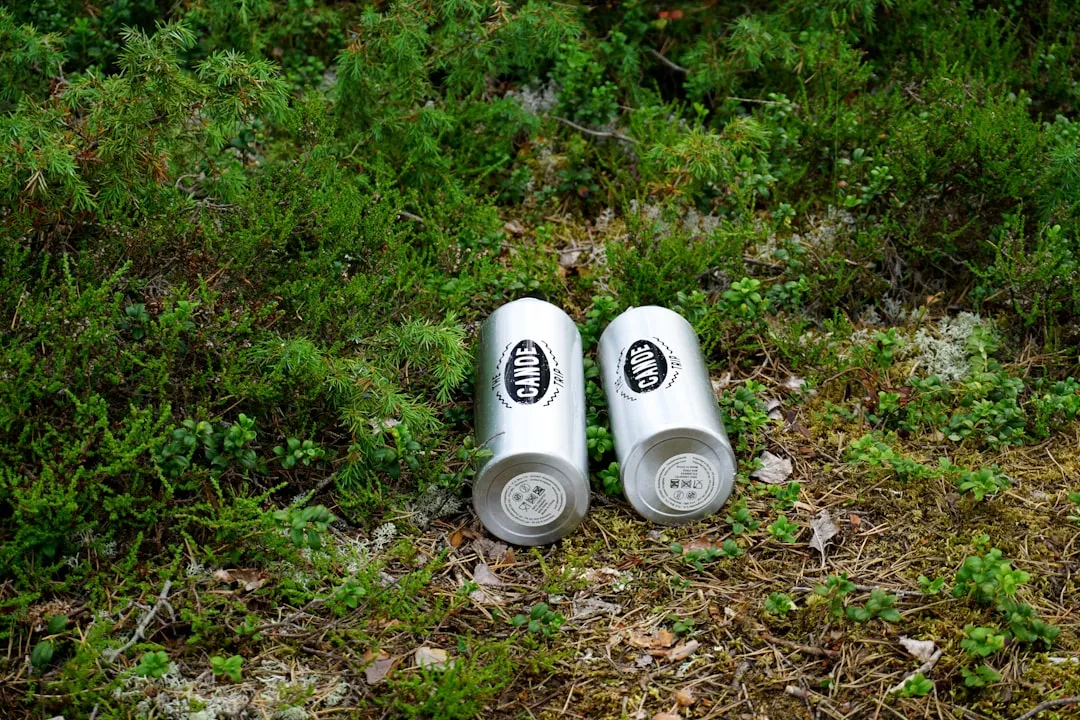
A two-year field study published in 2025 evaluated the effectiveness of different beer types as attractants for slug trapping under real conditions from 2022 to 2023. Five types of beer were tested, and the results demonstrated that Paulaner Weissbier and Union Lager were the most effective attractants, followed by Guinness Draught and Chimay Blue, while BrewDog Punk IPA had only moderate effectiveness.
A separate experiment organised by horticultural charity Garden Organic in 2019 showed that slugs like both beer and lager regardless of brand. Lager narrowly outperformed beer in the preference stakes, with lager traps catching an average of six slugs per trap over a three to four day period, against five for beer.
The encouraging takeaway from Garden Organic’s trial was that slugs were just as attracted to the cheapest types of lager as they were to more expensive brands. So don’t be tempted to sacrifice a craft ale for this job. The bargain-bin lager is genuinely the right tool here.
Which Slug Species Does It Actually Target?
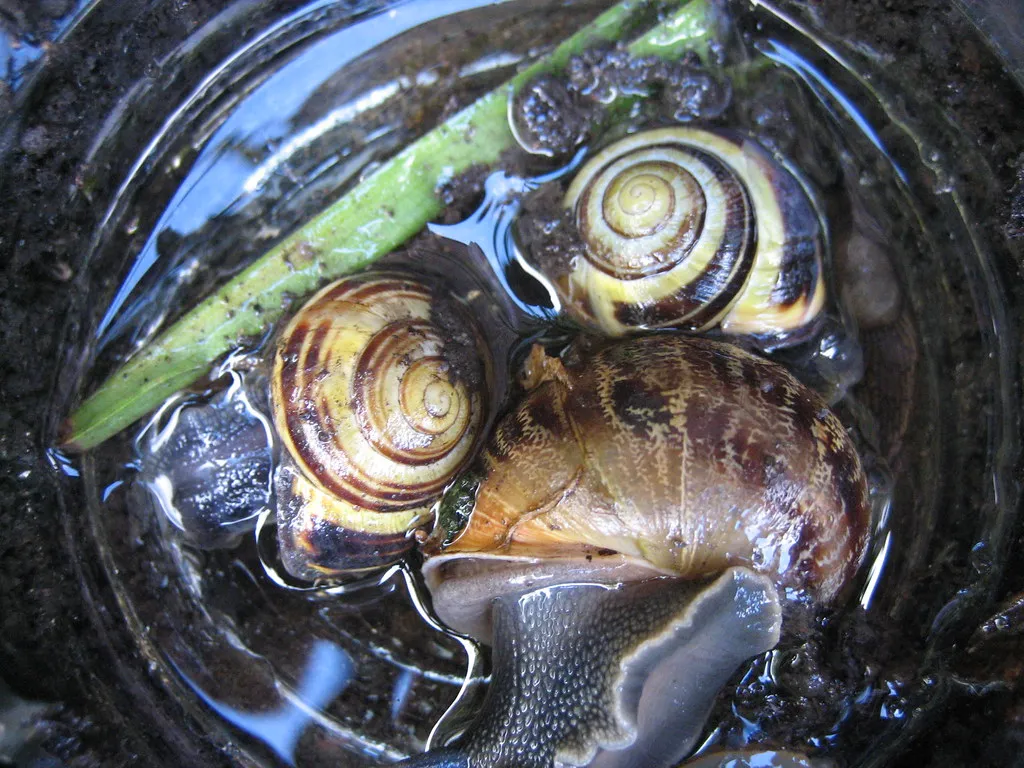
According to a study by UK-based horticultural outlet Garden Organic, the beer trap method is most effective at trapping grey field slugs (Deroceras reticulatum) and common garden slugs (Arion distinctus and Arion hortensis), which are two of the most destructive slug species for harming young plants. These are exactly the ones causing the most damage to seedlings and leafy vegetables.
The leopard slug, a species attracted to decomposing produce and a helpful agent in breaking down compost piles, was less inclined to enter the beer trap. This is actually a useful distinction: the trap disproportionately catches the problematic species while largely leaving decomposers alone.
Slugs are significant agricultural pests, causing extensive crop damage and economic losses. Targeting the grey field slug and common garden slug specifically means the beer trap addresses the root of the problem rather than indiscriminately catching everything in range.
How to Set Up the Trap Correctly
Take a shallow container, anything from a yogurt cup to a tuna can, and bury it in the soil so the rim sits about an inch above ground level. That raised lip is important: it prevents ground beetles and other beneficial insects from tumbling in while still allowing slugs to crawl over the edge.
Fill the container about two-thirds full with beer. Cheap beer works fine since the brand doesn’t matter. Place roughly three to five traps per ten square meters in any problem area. Spacing them out gives you proper coverage across the bed.
Position traps near damp, shady areas where slugs are active, such as under plant leaves or along garden edges. Place holes or openings on the shaded side of your trap to keep beer cooler and more attractive for longer. Small adjustments like these make a real difference to catch rates over time.
Where Placement Matters Most
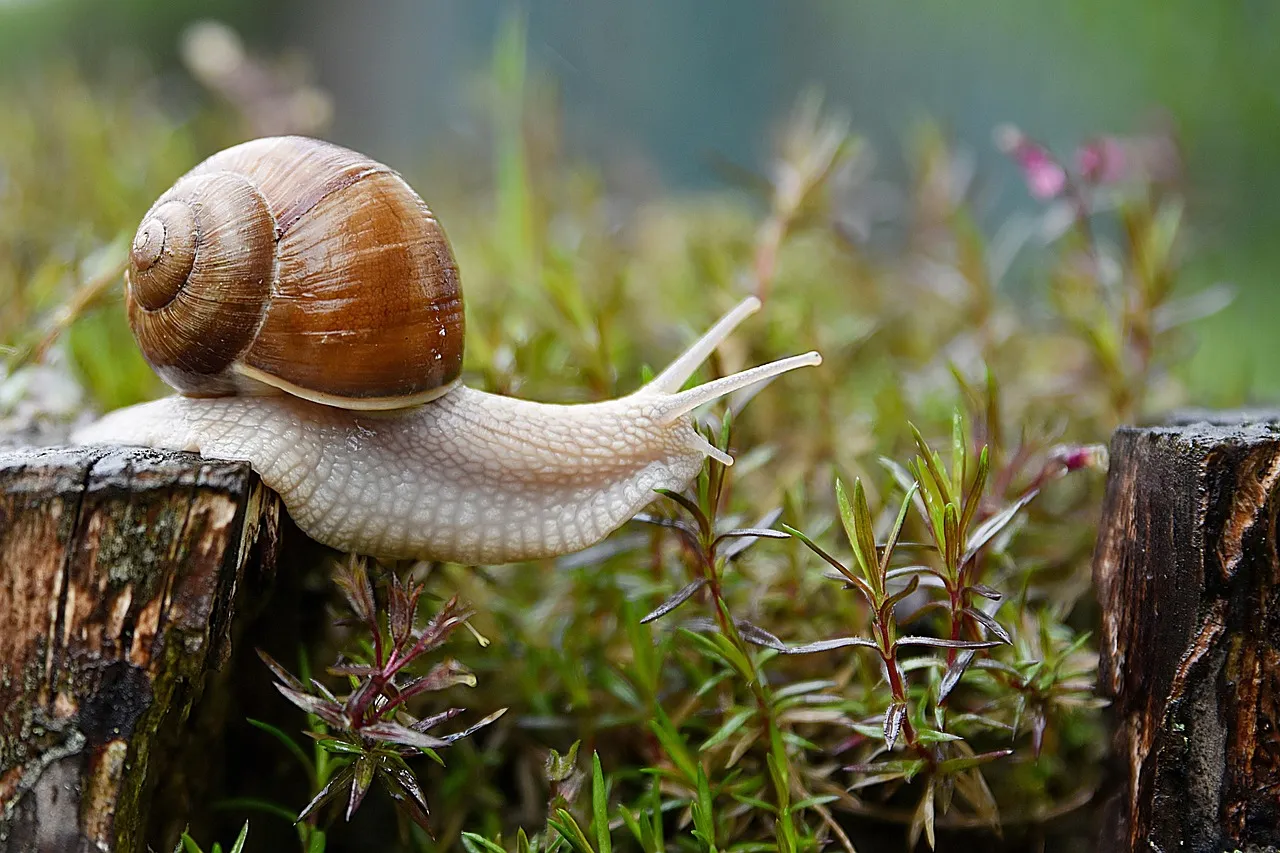
Where you put your traps is arguably more important than what you put in them. Poor placement leads to poor results. Slugs follow routines. They hide in damp, dark places during the day and feed at night. Look for their trails of silvery slime on plants, soil, and sidewalks as a guide.
Place traps near plants that are most vulnerable to slug damage, such as lettuce, hostas, or strawberries, and look for areas with visible signs of slug activity like slime trails or chewed leaves. These are the hotspots where a well-placed trap will intercept the most traffic.
For the most proactive approach, begin placing the beer traps in early spring when garden slug eggs hatch. To create the most impactful barrier, place multiple traps around the perimeter of your garden, spaced roughly four inches apart. Starting early in the season tends to suppress population growth before it accelerates.
Maintenance: The Part Most Gardeners Skip
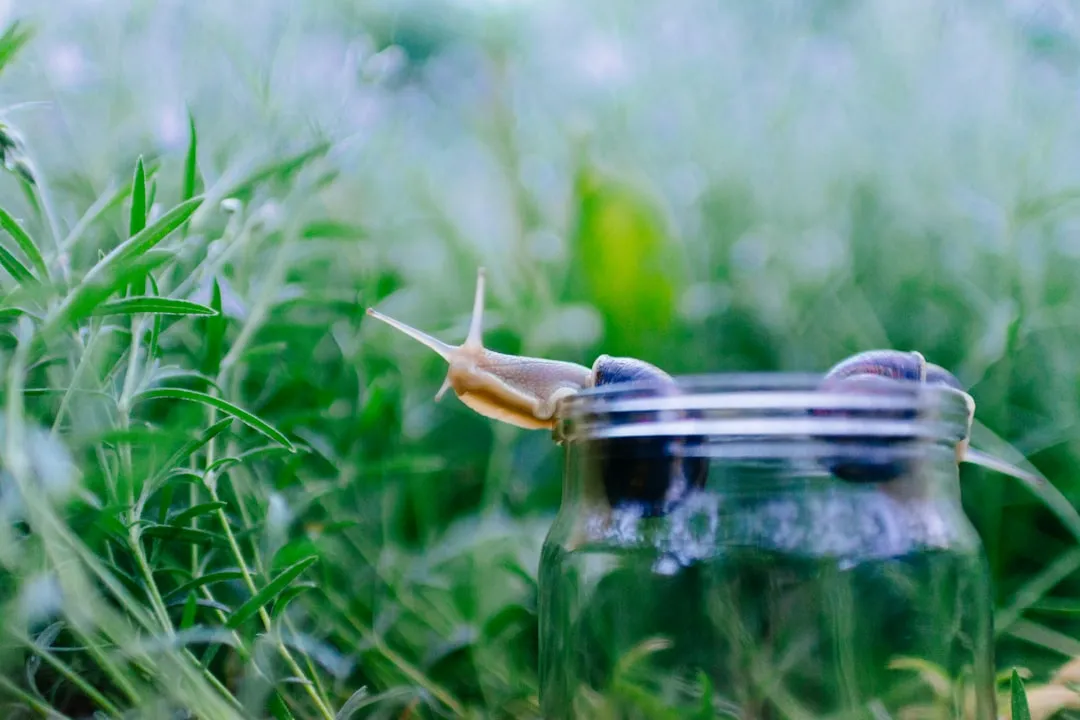
Check and refill traps every two to three days. Once the liquid gets diluted by rain or saturated with dead slugs, the fermentation scent weakens and the trap stops working. Dump the contents into your compost or garden soil, rinse the container, and refill.
For slug traps to work continuously, they need to be maintained continuously. If the trap is filled with dead slugs, live slugs will avoid it. Also, if it has rained, the trap will stop working and needs to be refreshed. Rain dilution is one of the most common reasons traps underperform.
As your plants become established and your collection of drowned slugs diminishes, you can pull up your traps and recycle the containers. Some gardeners like to add the deceased creatures to their compost. The whole system is genuinely low-waste from start to finish.
The Chemical Alternative and Why It’s No Longer an Option
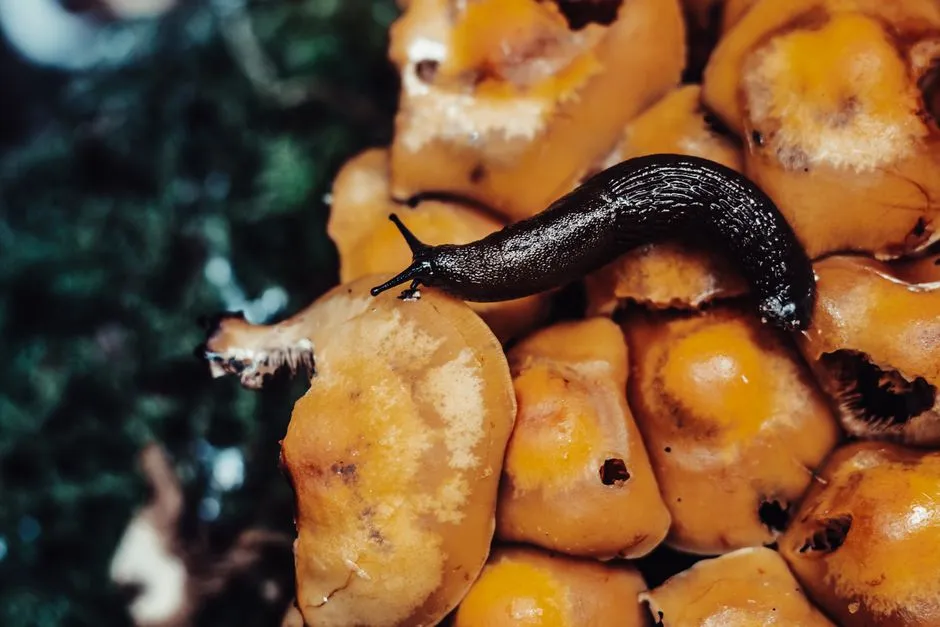
Metaldehyde, the main pesticide in slug pellets, has been banned in the UK after it was ruled that the ingredient poses an unacceptable risk to birds and mammals such as hedgehogs. The ban came fully into force in March 2022 and reflects years of pressure from environmental scientists and wildlife organisations.
Toxins from metaldehyde can find their way into rivers and freshwaters, posing wider harm to the environment and other wildlife. There have been cases of dogs ingesting pellets, leading to sickness and even death. The chemical’s reach extended well beyond slugs.
Professional and home gardeners must now turn to more environmentally friendly and humane methods for controlling slugs in the garden. Beer slug traps are safe for use around pets, children, and garden wildlife, and do not contain toxic chemicals, making them safer than traditional pellets. That shift in the regulatory landscape makes the beer trap not just a curiosity, but a genuinely practical mainstream option.
Honest Limitations Worth Knowing
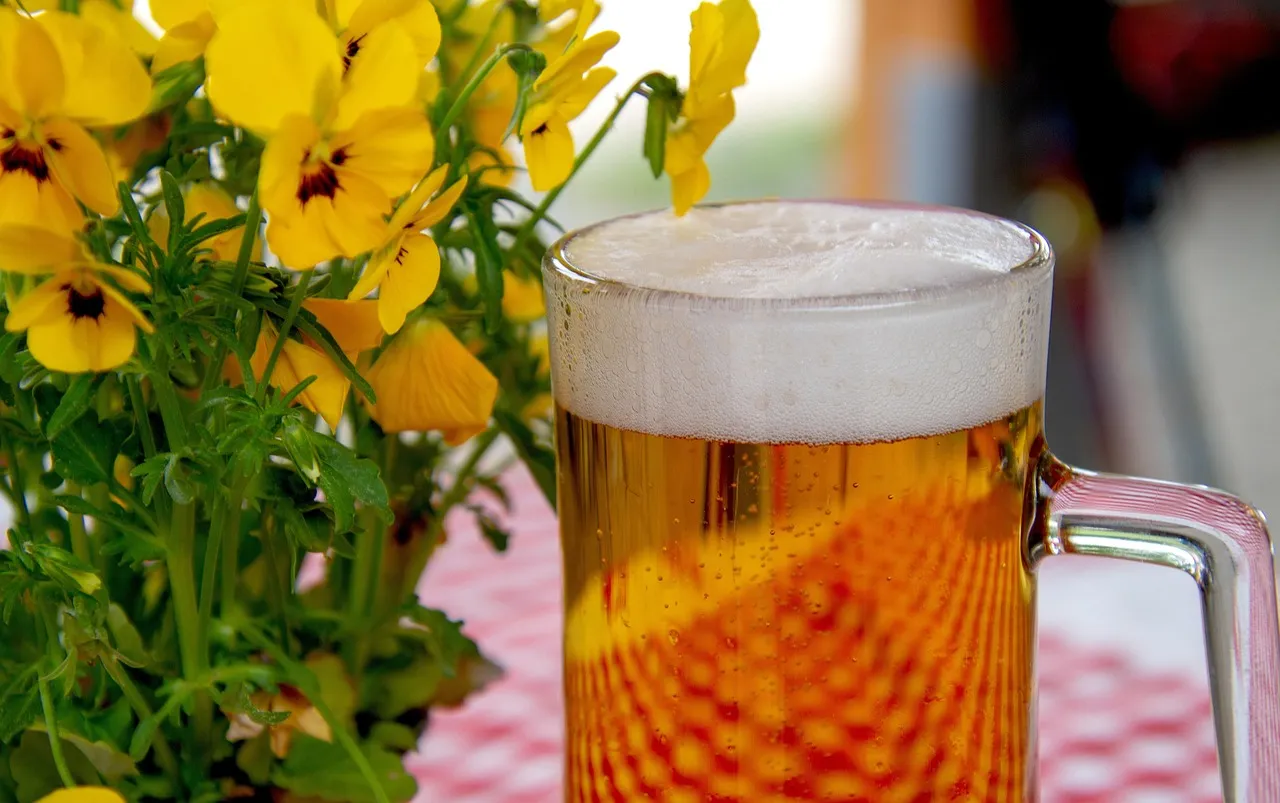
Most slugs that visit the trap are content to drink some beer and then continue on their way without any negative consequence. Some even slide right into the trap, wallow in the beer, and then climb back out. Others, a small minority, descend into the trap and drown, which are the ones you find belly-up the next day. The trap is effective, but it isn’t a perfect wall.
Another thing worth knowing is that the odor of malt attracts slugs from a distance, which can draw in slugs from beyond the immediate garden area. This is why placement matters and why traps work better as part of a broader strategy rather than as a standalone fix.
Trials have shown that the more slugs that are caught, the less damage is done to plants, suggesting that beer traps are effective at diverting slugs away from crops, even when they don’t eliminate every individual visitor. Consistent use over a full growing season is where the real cumulative benefit shows up.
Conclusion
The beer trap is one of those rare garden solutions that is genuinely low cost, backed by real field research, free of chemicals, and made almost entirely from things destined for the bin. It won’t eliminate every slug in a garden, and it does require a few minutes of maintenance every couple of days. Still, given that chemical alternatives have been banned due to their harm to wildlife and that slug pressure continues to climb year on year, a jar of flat lager buried near your lettuce patch starts to look less like folk wisdom and more like sound, practical ecology. The next time a can of beer goes warm and flat on the counter, don’t pour it down the drain. Your garden has a better use for it.
AI Disclaimer: This article was created with the assistance of AI tools and reviewed by a human editor.