

Most gardeners look at a bucket of pulled weeds and see a problem. A small but growing number of them see free fertilizer. The idea sounds almost too simple, but it’s grounded in something real: those fast-growing plants you’ve been fighting all season have been quietly pulling nutrients out of your soil and storing them in their roots and leaves. When you steep them in water, those nutrients become available again, in a liquid form your garden can actually use.
This method goes by a few names – weed tea, weed brew, botanical fertilizer – but the basic concept is the same everywhere. It costs nothing, creates no waste, and produces a genuinely useful product. Here’s how to do it right, from choosing your weeds to applying the finished brew.
Why Weeds Are Surprisingly Good Fertilizer Material
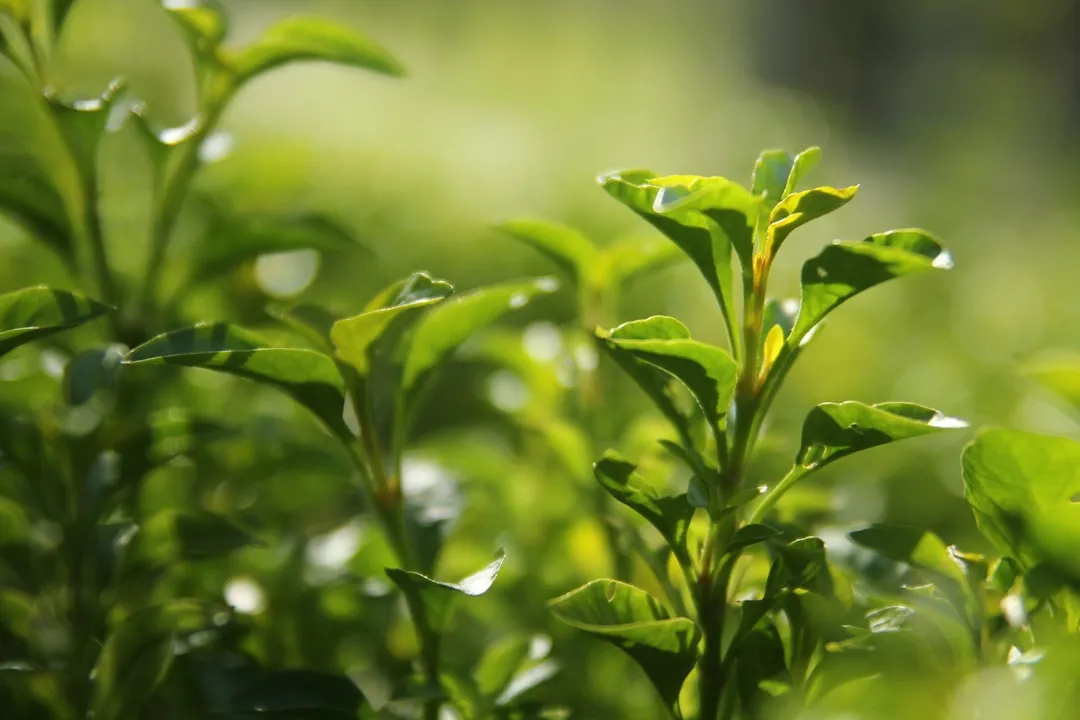
Fast-growing weeds are a rich source of nutrients including nitrogen, potassium, and phosphorus, as well as hormones and trace minerals. That’s not a coincidence. Weeds are, by nature, aggressive growers, and to sustain that growth, they pull heavily from surrounding soil. Weeds are so good at pulling nutrients out of any soil and therefore can be holding on to a lot of great nutrients that can be harnessed to make an organic weed tea fertiliser.
Many gardeners pull up weeds and throw them away. The viable seeds can’t go in compost, so all the nutrients they’ve gathered from the soil go to waste. A better solution is to make a tea of the weeds – the resulting liquid has no seeds in it, but you still get all the phosphorus, potassium, nitrogen, magnesium, sulfur, copper, boron, and other minerals and nutrients stored in their roots and leaves.
The Best Weeds to Use in Your Brew

Nutrient-dense weeds that work perfectly for this tea include alfalfa, yarrow, purslane, chickweed, dandelions, wild fennel, and stinging nettle, especially if cut in the spring. Each brings something a little different to the mix. Stinging nettle makes the perfect base for fertilizer tea, containing high levels of nitrogen, phosphorus, potassium, calcium, iron, boron, zinc, and magnesium, as well as vitamins A, B, C, and selenium.
Comfrey is a deep-rooted dynamic accumulator and an incredibly useful plant to grow in your garden. Comfrey fertilizer tea is rich in potassium and other essential nutrients for plant growth. Comfrey is also rich in calcium, phosphorus, potassium, magnesium, vitamins A, B, and C, and trace minerals. Dandelions are another excellent choice. Like comfrey, dandelions are a dynamic accumulator with deep tap roots that draw up nutrients from far below the soil surface.
Choosing and Harvesting Weeds Safely
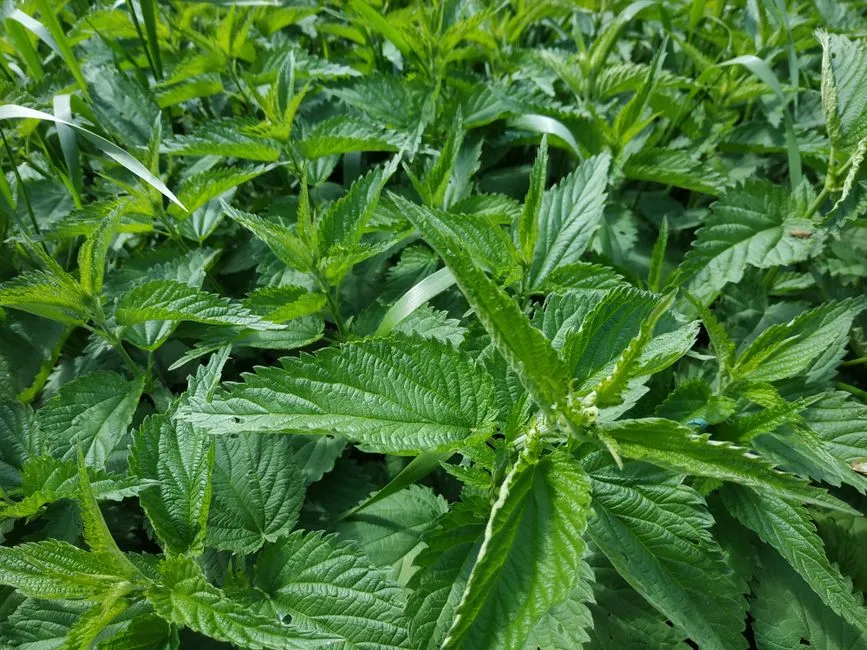
When choosing weeds for your fertilizer tea, be sure to select weeds that have not yet begun going to seed. You don’t want to be planting more weeds in your garden through this process. For organic fertilizer tea, also ensure the weeds have not been sprayed with chemicals. This is probably the most important rule of the whole process, and the one most often overlooked.
Weeds will have their highest nutrient content just before flowering. That timing matters. Collect fresh nettles in spring or early summer before they flower, focusing on the leaves and stems. When harvesting, choose young nettles because they decompose faster and contain less plant fiber compared to older ones. Also, avoid anything toxic or that causes reactions, like poison ivy or poison oak, especially for use on vegetables.
Equipment You Need and Basic Setup
You don’t need much. To make weed fertilizer tea, weeds are placed in a 5-gallon bucket and covered in rainwater. Don’t use chlorinated water – rainwater is best. Screen the top to keep mosquitoes out; you can use a piece of screening or a row cover.
Gather the plants, chop them coarsely, and put them into a mesh bag. Add them to the bucket of rainwater and stir daily. Using a mesh bag makes straining much easier at the end. You can place the nettle trimmings in a cloth bag, tie it shut, and then add water. This works like a giant tea bag and makes straining the fertilizer much easier later on.
The Brewing Process: Timing and Fermentation
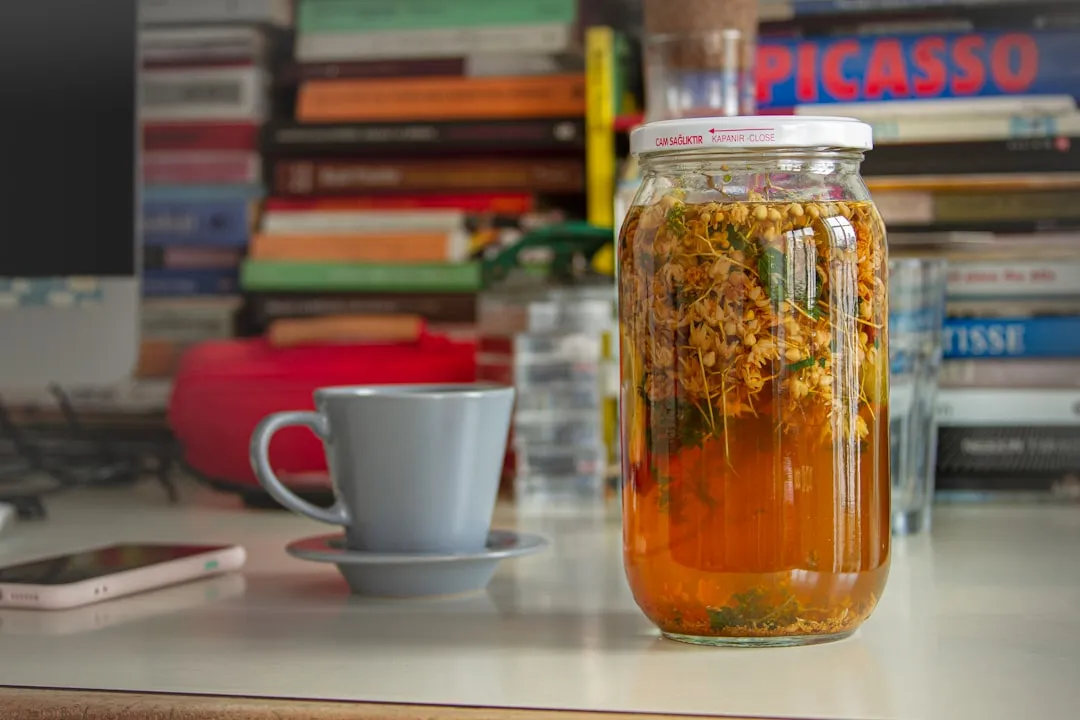
The fertilizer tea can be used after steeping anywhere from 3 days to 3 weeks. The longer you leave it, the more concentrated the final product. Ten to fourteen days at outdoor temperatures is typical. In warm weather above 75°F, fermentation finishes closer to 10 days. In cooler conditions, give it the full two weeks. The tea is ready when it turns dark brown and stops actively bubbling.
You will notice it will begin to smell strongly like cow manure and the water will turn black and stain, so be careful when using. This is not a bad thing but means that the microorganisms are multiplying. Making a weed tea is quicker in warmer weather, because the bacteria helping to ferment the tea act that much faster.
How to Dilute Your Weed Tea Before Application
Applying weed tea undiluted is a real risk. Undiluted concentrate is too strong and will burn roots. Always dilute. The standard approach is consistent across most horticultural sources. Once you have a batch of weed tea ready, dilute to about one part of tea to ten parts water.
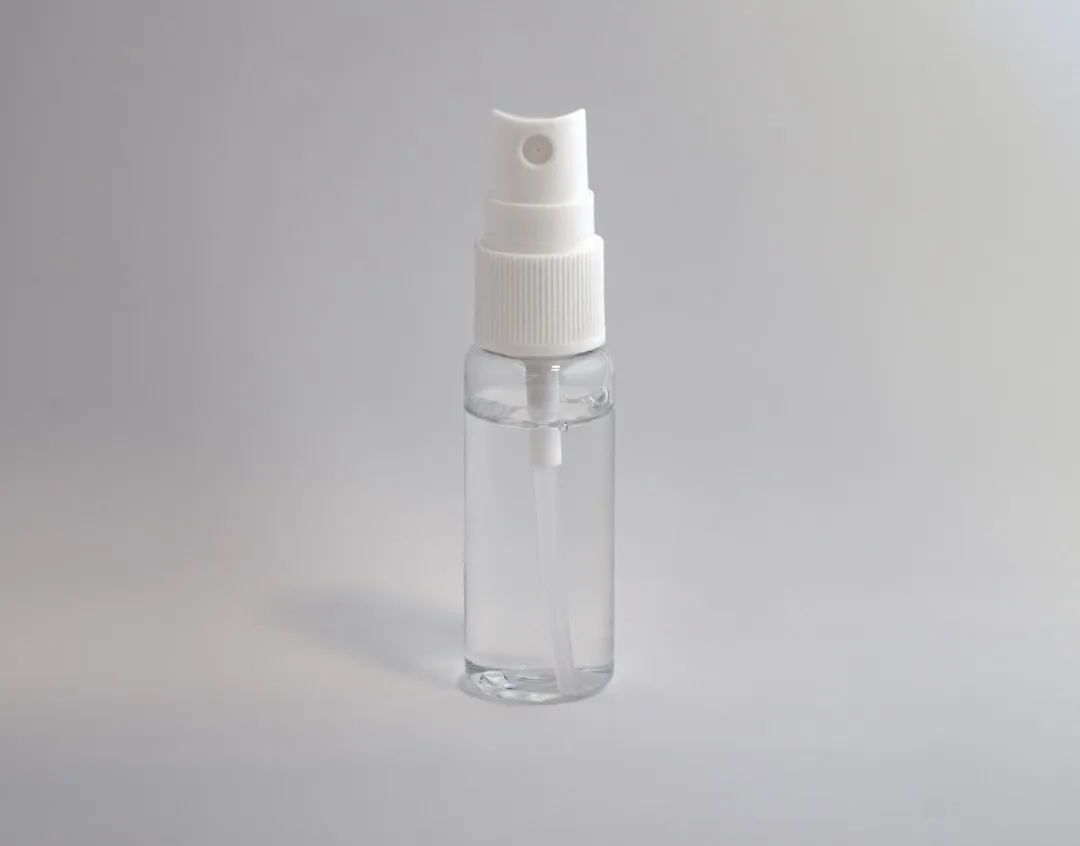
For foliar application, go even weaker. You can also use this as a foliar fertilizer. Dilute it until it is the color of weak tea and use a spray bottle to cover the leaves of the plants you want to fertilize. Over-feeding can be just as detrimental as under-feeding, leading to nutrient burn or excessive leafy growth at the expense of flowers and fruit. When in doubt, dilute more, not less.
What Science Says About Nutrient Content

The scientific evidence on weed tea specifically is still fairly limited, though what does exist is encouraging. One scientific study that made weed tea and tested the nutrient profile used water hyacinth, Russian comfrey, and pigweed. Each one produced about the same NPK value, with the average being approximately 3-7-4. That’s a respectable nutrient reading for a homemade, zero-cost organic input.
Fermented nettle tea specifically has an approximate NPK of 2.0-0.5-1.5 before dilution. It’s nitrogen-forward, with moderate potassium and low phosphorus. This profile makes it ideal for vegetative growth: leaf production, stem development, and root establishment. Separately, research into organic liquid fertilizers more broadly found that liquid fertilizers can be absorbed directly through roots or leaves, with USDA data suggesting nutrient utilization efficiency is around 30 percent higher than with solid fertilizers.
Matching Your Weed Tea to the Right Plants

Nettles are generally higher in nitrogen, making them a great choice for a feed tailored towards leafy crops, while something like docks or comfrey will produce a feed with a slightly higher potassium content – ideal for fruiting crops like tomatoes. This lets you target your fertilizer to specific plants depending on what they need.
The nitrogen-heavy profile of nettle tea means it’s best suited for plants in the leaf-growth stage. Avoid feeding fruiting plants like tomatoes, peppers, and squash with nettle tea once they start flowering. Too much nitrogen at that point pushes leaf growth at the expense of fruit. Switch to a potassium-rich feed like comfrey tea once flowers appear. Weed teas are especially effective on newly transplanted plants and those in blossom or setting fruit.
Using Weed Tea as a Foliar Spray and Pest Deterrent
In addition to feeding the soil and roots, you can also spray diluted nettle tea onto a plant’s leaves. When applied as a foliar spray, stinging nettle tea works as a strong insect repellent. The active compounds in stinging nettles are reported to deter aphids, mites, and thrips. That’s a genuinely useful dual function from a single brew.
The fermenting process releases several acids from the fresh plant, as well as a special type of lectin protein. Acids and lectin are key ingredients in fending off aphids, since lectin interferes with their development cycle. It’s best practice to apply any type of foliar sprays in the evening hours once the plant is out of direct sun. This reduces the risk of sunburn to wet leaves and is the time when beneficial insects are least active.
Practical Tips, Odor Management, and Storage

The smell is probably the biggest obstacle for most gardeners. There’s no way around it entirely. Fermented nettle tea smells like a mix of rotting vegetation and swamp water. There’s no version of this recipe that smells good. That said, it’s manageable. Put the fermentation bucket at the far end of the garden, downwind from the house and patio. Keep the lid on between stirring sessions.
Store the finished concentrated stinging nettle tea in a bucket with a lid. Nettle tea fertilizer must be diluted before it is applied to the garden. Feel free to repeat nettle fertilizer tea applications once every month or two, but not more often than every three weeks. Use a wide variety of weeds in your tea blend to have the best array of nutrients in your tea. Variety genuinely helps here, so don’t overthink the formula – use whatever’s growing.
Conclusion: A Closed Loop Right in Your Garden

Making weed tea fertiliser is a great way to close the loop and return nutrients back to your fruit trees and plants in a form they can easily absorb. The logic is elegant: weeds pull nutrients from your soil, you pull the weeds, and then you brew those nutrients back into a form your plants can use directly. Nothing leaves the system.
It takes a little patience and a tolerance for smell, but it costs nothing and produces something genuinely useful. The evidence, while still developing scientifically, supports the fundamental principle – and generations of gardeners have confirmed it in practice. If you’re already pulling weeds anyway, there’s very little reason not to put them to work one more time before they’re done.
AI Disclaimer: This article was created with the assistance of AI tools and reviewed by a human editor.