
Most gardeners treat shade as the enemy. You scout your yard for the sunniest patch, wrestle with overhanging trees, and feel defeated when a fence cuts your light in half. What if some of that worry was misplaced?
The truth is, a handful of vegetables that carry a reputation for needing full sun can actually produce more usable food, over a longer window, when they get a little shade at the right time. Partial shade is generally defined as an area that receives only four to six hours of sunlight daily, often not even during peak hours. That’s not a wasteland. That’s a garden waiting to be understood.
What “Partial Shade” Actually Means in the Garden
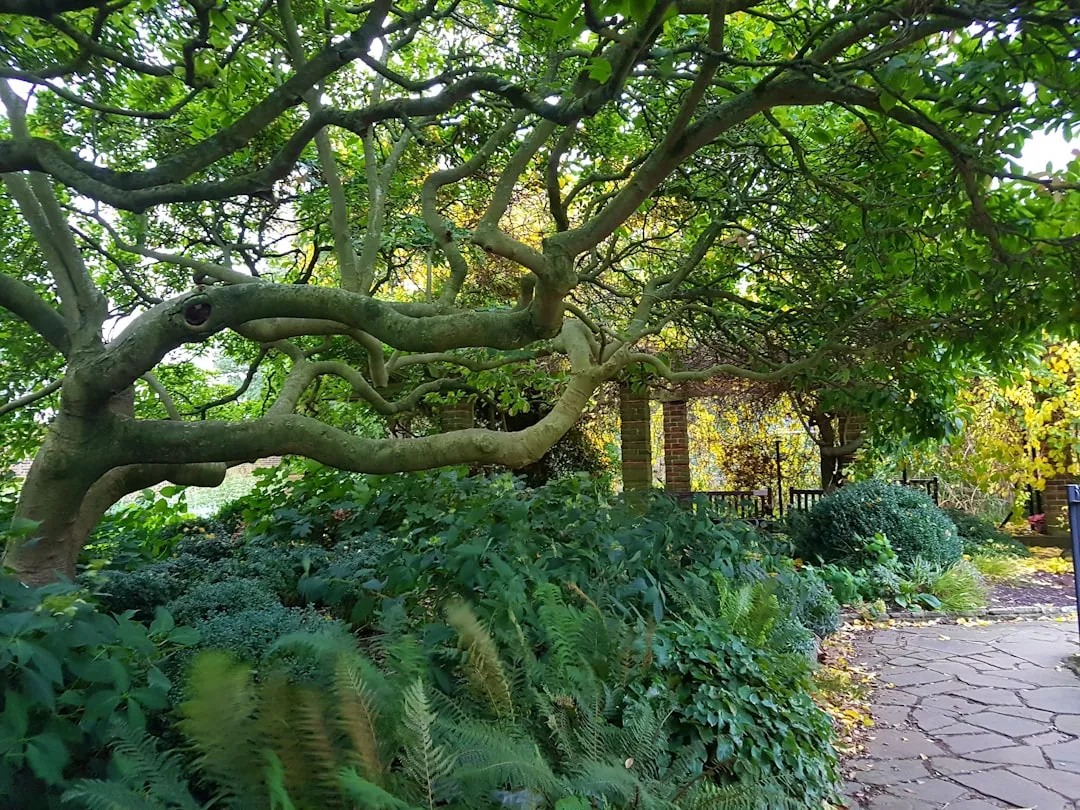
Partial shade and partial sun are often used interchangeably, referring to areas that receive roughly three to six hours of direct sunlight per day and may be shaded for the rest of the day. Some partial shade areas receive direct morning sun but are shaded in the afternoon. Others may receive filtered or dappled sunlight, where light passes through tree leaves, creating shifting patches of sun throughout the day.
Morning sunlight provides high-intensity light without excessive heat and is perfect for cool-loving plants like greens and peas. That distinction matters enormously when you’re choosing where to plant. A spot with four hours of calm morning sun can outperform a hot, blasting six-hour afternoon exposure for many crops.
Lettuce: The Bolting Problem That Shade Actually Solves
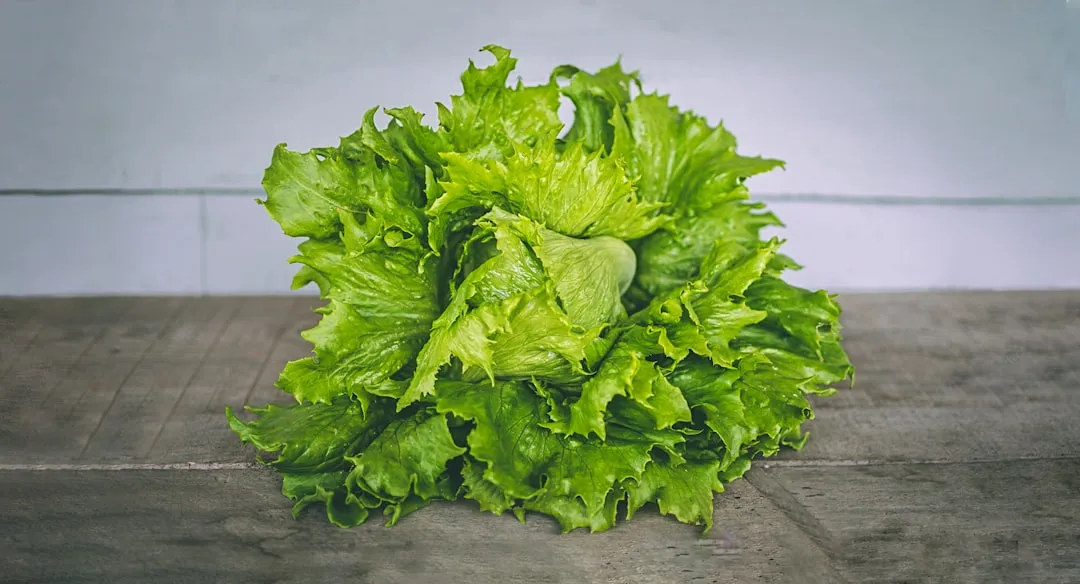
Lettuce is one of the best vegetables for partial shade because it prefers cooler soil and often bolts faster in hot, full-sun beds. Bolting turns leaves bitter and ends your harvest abruptly. Shade delays that process in a very real way.
Bolting happens more quickly in hot, sunny locations. By growing leafy green crops in partial shade during intense summer heat, they’ll bolt more slowly and make tender leaves for a longer time. Lettuce benefits from a little shade in late spring to delay bolting and bitterness as the weather warms up.
Loose-leaf types are the most practical because you can harvest outer leaves repeatedly instead of waiting for a full head. They perform best with three to five hours of sun, in containers, raised beds, and spring and fall plantings structured around cut-and-come-again harvests. The total leaf output over a season is often greater in partial shade than in full sun, simply because the plants stay productive far longer before turning.
Spinach: Sweeter Leaves with Less Sun
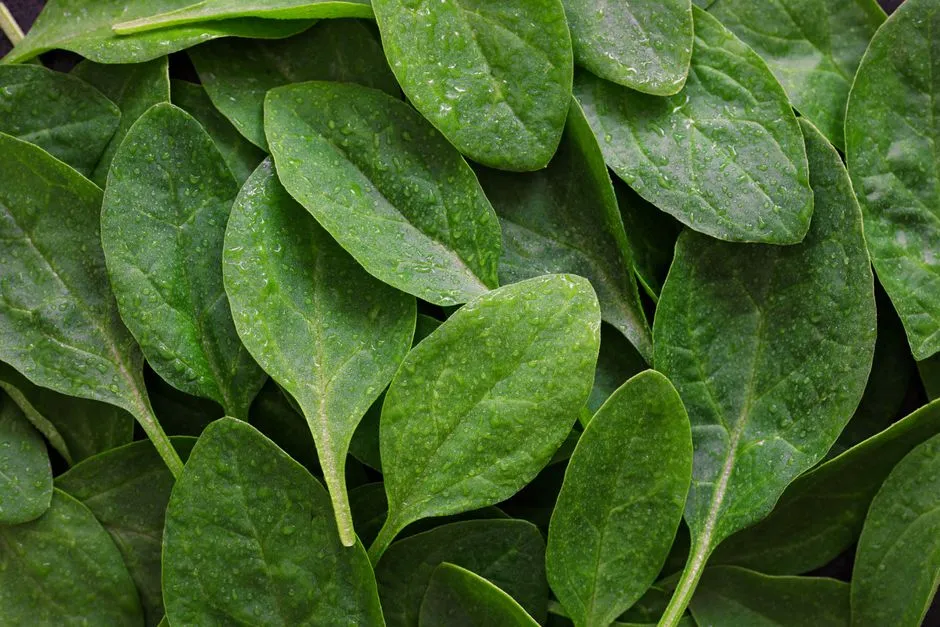
Spinach grows well in cool weather and tolerates partial shade better than most vegetables. It is mainly a spring and fall crop because long days and heat trigger bolting. Giving spinach afternoon shade can stretch a spring planting by weeks, which directly translates to more harvests.
Spinach prefers cooler, partially shaded areas. Shade helps prevent bolting and keeps leaves sweet and tender. Leafy vegetables such as leaf lettuce, spinach, collards, Swiss chard, and kale can be successfully grown in areas that receive three to four hours of sun.
Sowing small batches every one to two weeks during cool periods works well with spinach. Baby spinach gives faster returns than waiting for large mature leaves. In practice, this means a partially shaded spinach bed can feed you continuously rather than producing one big crop that crashes all at once.
Kale: The Shade Workhorse That Nobody Talks About
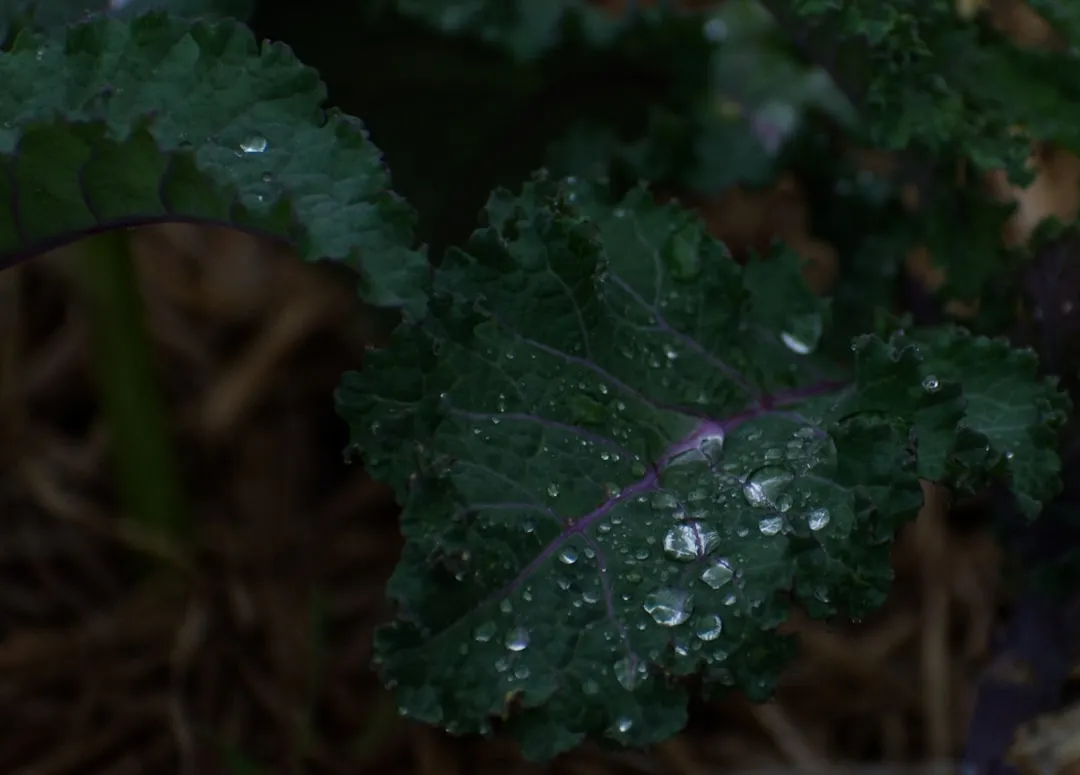
Kale handles partial shade, especially in warm climates where afternoon shade reduces stress. It’s one of those crops that quietly holds its own even when light levels drop. Kale grown in partial shade isn’t too much smaller than kale grown in full sun.
Kale is one of the toughest leafy greens and grows well even in light shade. Shade can mellow its flavor and extend its harvest period. That flavor shift, from robust and slightly bitter to a mellower taste, is actually something many cooks prefer. It’s a quality gain, not a loss.
A published study comparing kale, leaf lettuce, and spinach under varying light levels found that dry weight for all species increased in a linear fashion under increasing daily light integral, with lettuce increasing considerably more than kale or spinach. Leaf area response was species-dependent, with kale leaf area actually decreasing under higher light exposure. In other words, kale is genuinely well-suited to lower light environments compared to its leafy green cousins.
Peas: Why They Sometimes Do Better Out of the Full Sun
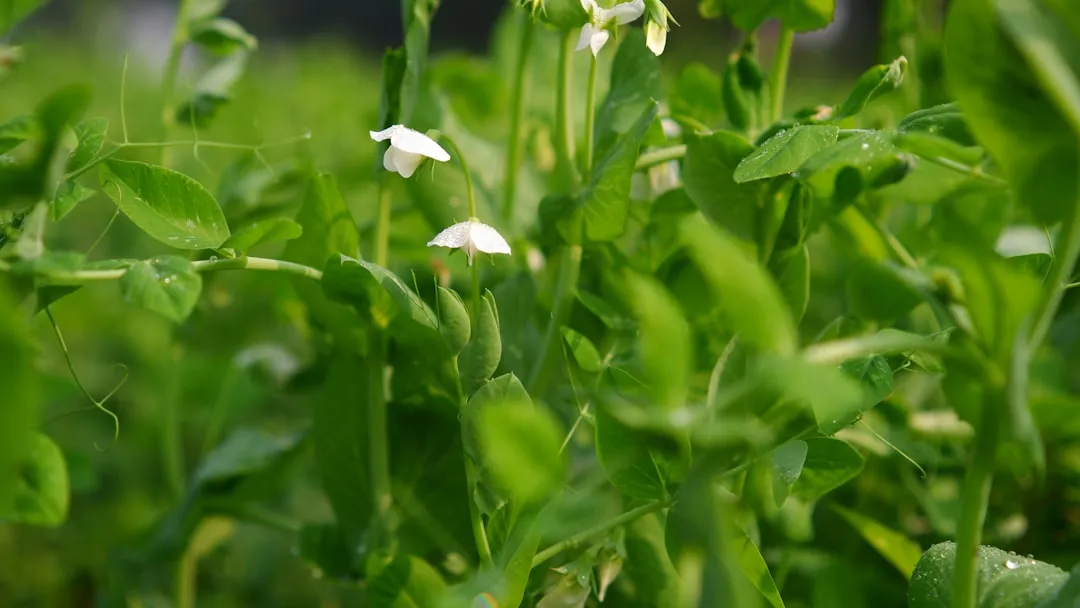
Peas are a wonderful cool-season vegetable that handle partial shade well. They love to climb, so a trellis in a semi-shaded area is a perfect location. Most gardeners push peas into the hottest available spot and then wonder why they fade so fast in early summer.
Shade helps extend their season before summer heat sets in. Often, yellowing and stress in peas is due to hot weather. Providing partial shade and watering properly during the hottest time of day helps significantly. That’s not a workaround. That’s the recommended management practice.
Although peas can grow in part shade, they won’t be as sweet or productive as those grown in full sun. That’s an honest caveat worth noting. Still, the trade-off often makes practical sense: a pea plant that survives into late spring in partial shade may produce more pods total than one that burns out in two weeks under a blazing sky. Timing and climate matter as much as raw light intensity.
Tomatoes: The Nuanced Case for Selective Shade
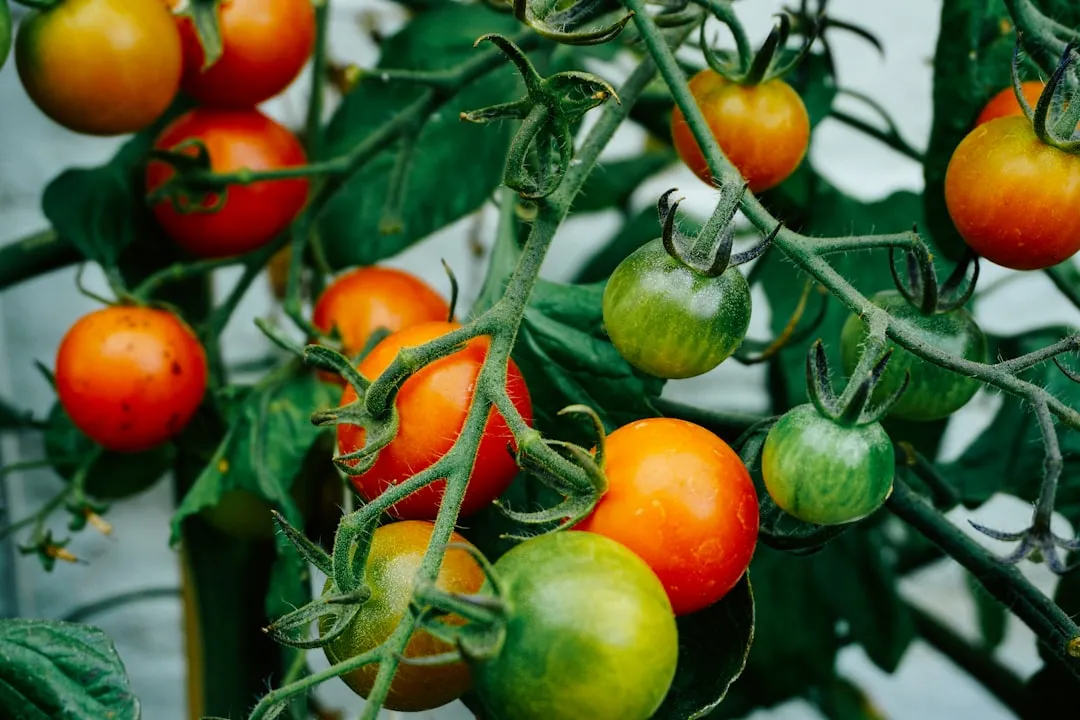
Not all tomatoes respond equally to reduced light. Success hinges on selecting cultivars with three physiological traits: early maturity, compact growth habit, and low energy demand per fruit. Cherry tomatoes, in particular, tick all three of those boxes.
The best results come from growing small varieties like cherry tomatoes, but you can also have success in partial shade with larger tomato varieties. One research finding from a shading study published in a horticultural journal noted that in Spain, mobile shade used only under intense sunlight increased marketable yield by ten percent. The difference between useful shade and damaging shade comes down largely to timing and degree.
A separate study on tomato cultivation under agrivoltaic shading conditions found that at thirty percent shading, only a fifteen percent yield reduction was measured compared to the control zone. Shading maintained thirty to forty percent higher marketable yield by reducing the amount of physiological disorders compared to non-shaded conditions in both cultivars tested. That’s a real-world benefit that full-sun dogma often ignores entirely.
The Bolting Factor: Why Shade Extends Your Harvest Season
Leafy greens, root crops, and certain cool-season veggies can flourish in partial or dappled shade, sometimes producing sweeter, more tender leaves than their sun-baked cousins. The mechanism behind this is actually simple: when a plant bolts, it stops directing energy into the parts we eat. Delaying that signal through shade is a direct yield strategy.
The reason partial shade works for leafy greens is that we’re not growing for flowers or fruit or seeds. We don’t care if the plant completes its life cycle. With a bit of shade, leaves are often bigger and more tender. That’s not a consolation prize. That’s a genuine advantage.
Morning Sun vs. Afternoon Sun: Which One Matters More
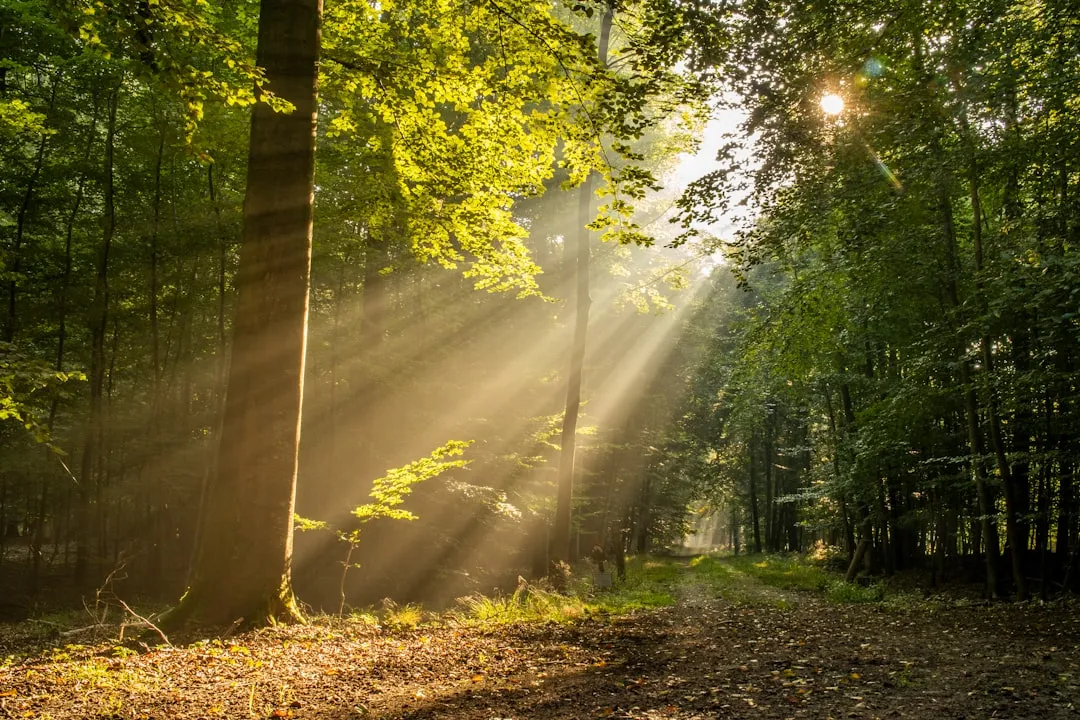
Morning sun with afternoon shade often creates ideal conditions for tender crops. This is the configuration most gardeners want to aim for when placing shade-tolerant vegetables. The morning light gives the plant its energy without the soil-heating and moisture-sapping intensity of midday sun.
Morning sunlight provides high-intensity light without excessive heat, making it especially effective for cool-season crops. Afternoon sunlight doesn’t provide the same light intensity and is generally warmer than morning sunlight. For crops prone to heat stress or bolting, that afternoon warmth is often the thing that destroys a harvest, not the reduction in total light hours.
The Soil and Water Difference in a Shaded Garden
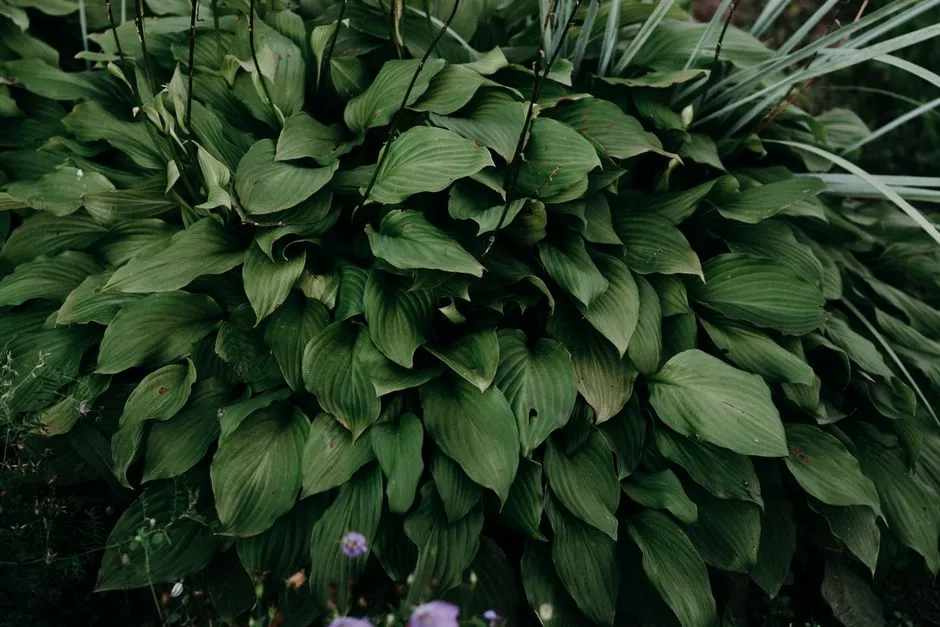
Deep, full shade is not suitable for most vegetable crops. All edible plants need light to produce energy. If a space receives only reflected light and no direct sun, vegetables will struggle to grow. That’s an important baseline. This article is about partial shade, not darkness.
Partially shaded gardens can help extend cool-weather crops from spring into early summer. They also tend to retain moisture better than fully exposed beds, which reduces watering frequency. While plants tolerate shade, they still need adequate moisture, especially during dry spells. Shade and good soil moisture often go hand in hand, and that pairing supports steady, consistent growth.
How to Put This to Work in Your Garden Right Now
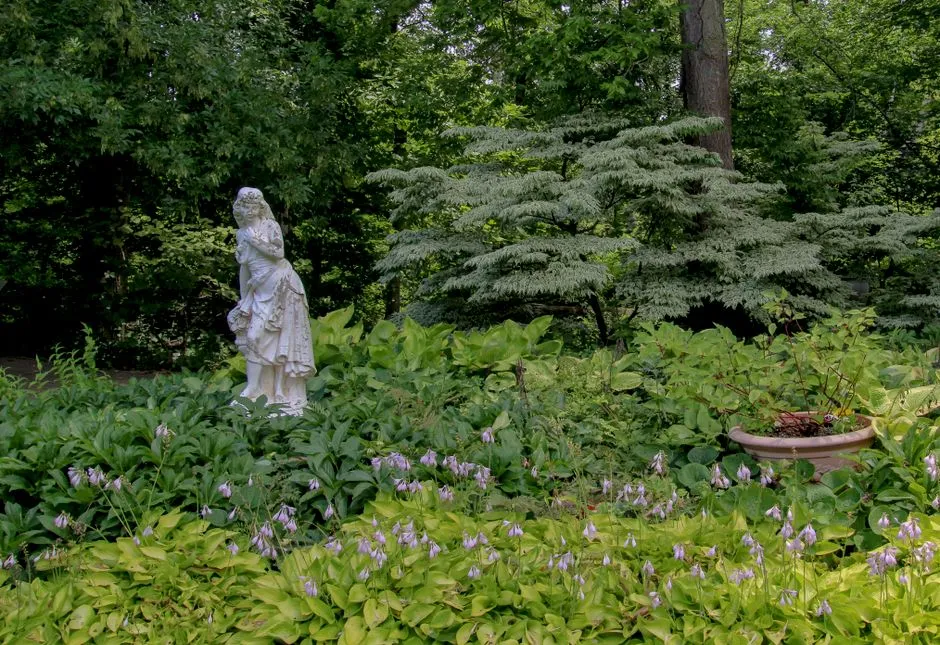
If your garden receives around four hours of direct sunlight, focus on leafy greens like lettuce, spinach, kale, and arugula. Many root crops including carrots, beets, and radishes will also grow in these conditions, though they may mature more slowly.
Vegetables that reliably tolerate partial shade include lettuce, spinach, kale, Swiss chard, arugula, mustard greens, bok choy, radishes, beets, carrots, peas, and green onions. That’s not a short list. It’s an entire productive garden. In shade gardens, water slightly less frequently than in sunny plots, space plants generously, and consider cold frames to warm slower soils in early spring.
If your garden gets at least a few hours of sunlight each day, you have more options than you might think. The key is choosing the right crops for the conditions you have. Shade is not a gardening problem to be solved. In the right context, it’s a tool.
The Bigger Picture: Rethinking the “Full Sun” Default
The gardening world has long treated full sun as the gold standard for vegetable growing. That’s not wrong, exactly. It’s just incomplete. Certain crops, under the right circumstances, genuinely perform better, or at least equally well, with some shading built in. The evidence for lettuce, spinach, and kale is especially strong. Peas and select tomato varieties round out a very practical list.
The real shift is perceptual. Instead of asking “how do I get more sun onto this bed,” ask “which crops would actually prefer this light level?” That reframe turns a limitation into a placement strategy. Having partially shaded sections in your garden doesn’t mean you cannot grow an abundance of plants. In fact, many vegetables and herbs can grow and thrive in partial shade.
A shady corner isn’t a wasted corner. With the right five vegetables in it, it might just be the most consistently productive part of your garden all season long.
AI Disclaimer: This article was created with the assistance of AI tools and reviewed by a human editor.