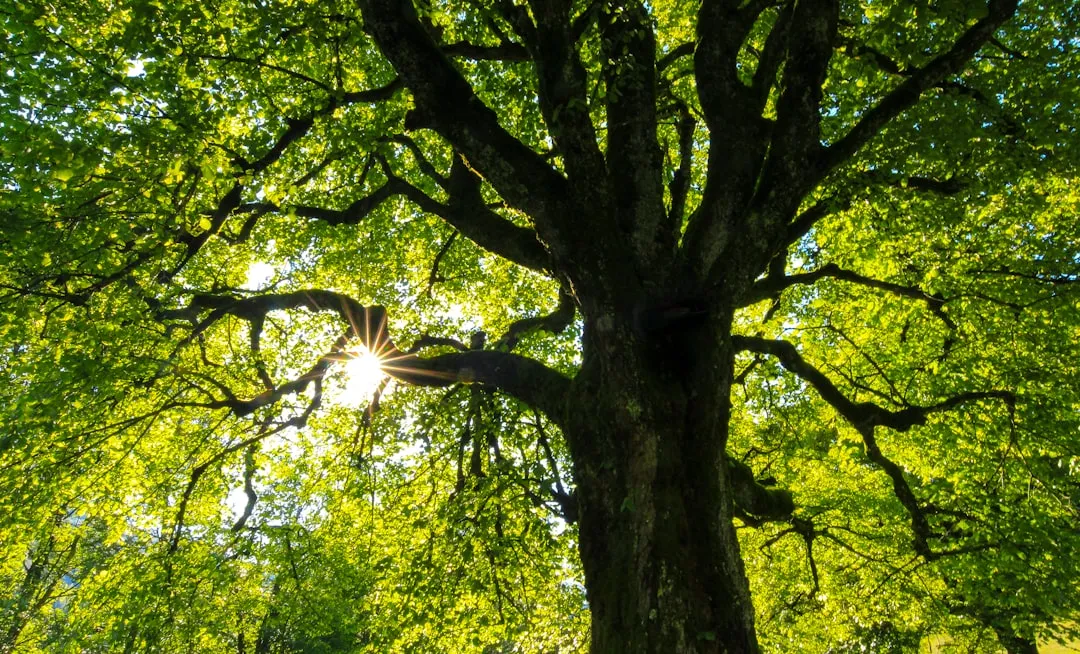

Anyone who has stepped onto a sun-baked patio in the San Fernando Valley, Sacramento, or the Inland Empire in July knows the feeling well. The pavement radiates heat, the air shimmers, and any patch of shade feels like a small miracle. The good news is that a well-chosen tree can genuinely change that reality.
Research synthesizing over 128 studies found that trees reduce air temperature by roughly half a degree to nearly six degrees Celsius and surface temperature by two to twelve degrees Celsius, depending on canopy density, climate type, and measurement method. That’s not a minor comfort tweak. That’s a meaningfully cooler yard, patio, or sidewalk. The five trees in this gallery are proven performers for hot, inland valley conditions. Each one earns its spot.
Why Canopy Trees Are the Most Effective Natural Cooling Tool
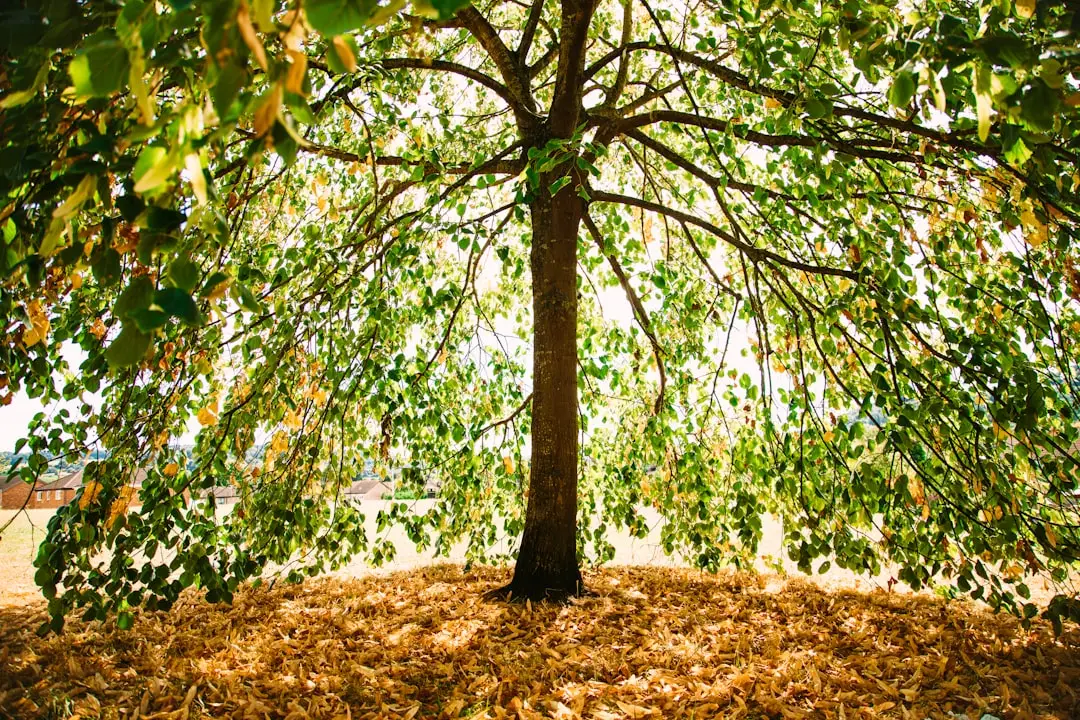
Before picking a species, it helps to understand why canopy trees work so well. Shaded canopies reduce sub-canopy air and soil temperatures by lowering incoming shortwave radiation and increasing latent heat flux. In plain terms, a good tree does two jobs at once: it blocks the sun from hitting the ground and it pumps water vapor into the air, which actively cools the space around it.
Urban trees mitigate extreme heat through shading and evapotranspiration, and a systematic review synthesizing findings from 115 studies spanning 2018 to 2024 confirms that cooling effectiveness varies with tree traits, spatial configurations, and climate. That matters for valley gardeners because not every tree that works in a humid coastal setting will thrive in a dry, alkaline, triple-digit interior climate.
Findings from this body of research show that urban trees consistently outperform other vegetation types in cooling, particularly in hotter, drier climates when water is available. The key phrase is “when water is available,” which shapes every recommendation in this guide. Pick your tree for your water budget, not just for its looks.
Tree 1: Valley Oak (Quercus lobata) – The Legacy Giant
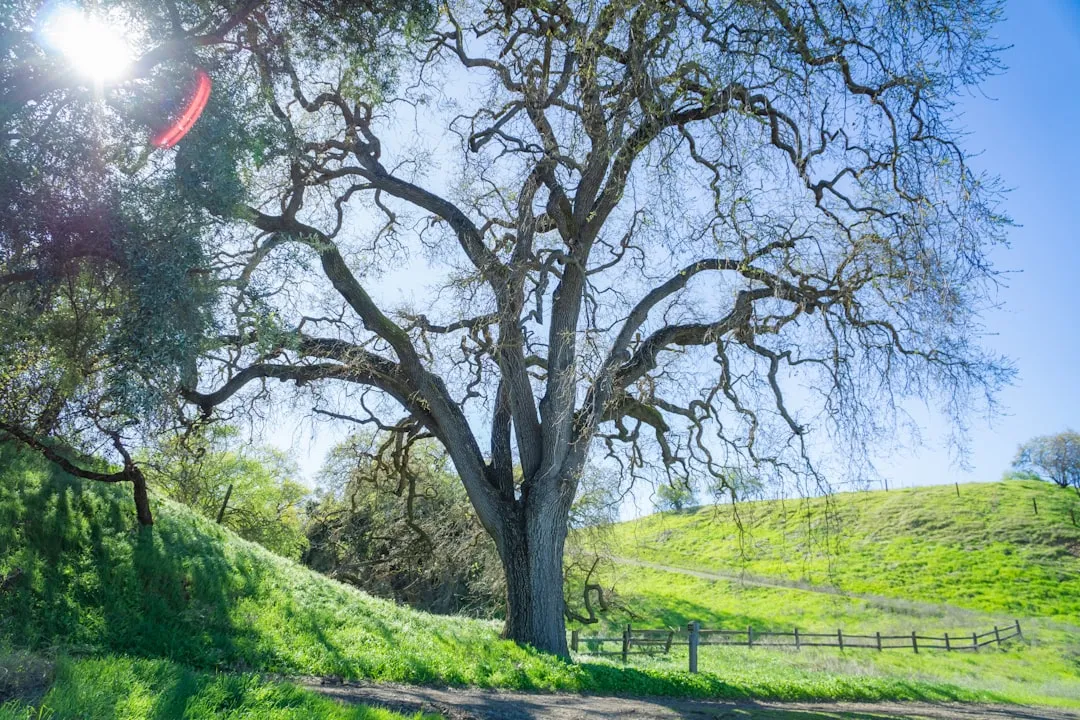
The Valley Oak is the largest of North American oaks and ranges naturally over the hot interior valleys of California where there is a water table within reach of the roots. That native range is significant. This tree did not arrive in the valley by accident. It evolved there, and its deep root system is built for the summer drought cycle that defines the region.
Valley Oaks grow quickly, reaching 20 feet in five years, 40 feet in ten years, and up to 60 feet in 20 years, with mature specimens capable of reaching an age of up to 600 years. That growth rate is genuinely impressive for a native oak. You’ll notice real canopy coverage within a decade.
Mature trees can reach 60 to 70 feet tall and 60 to 100 feet wide, developing a broad canopy with a sturdy trunk and deeply furrowed bark. Valley oaks prefer full sun but can tolerate partial shade, requiring regular watering when young to establish deep roots before becoming drought-tolerant as they mature. One practical note: because of its eventual size, it may not be appropriate for the average residential garden. This one belongs on larger properties, parks, or wide suburban lots with room to breathe.
Tree 2: Chilean Mesquite (Neltuma chilensis) – The Fast and Forgiving Choice
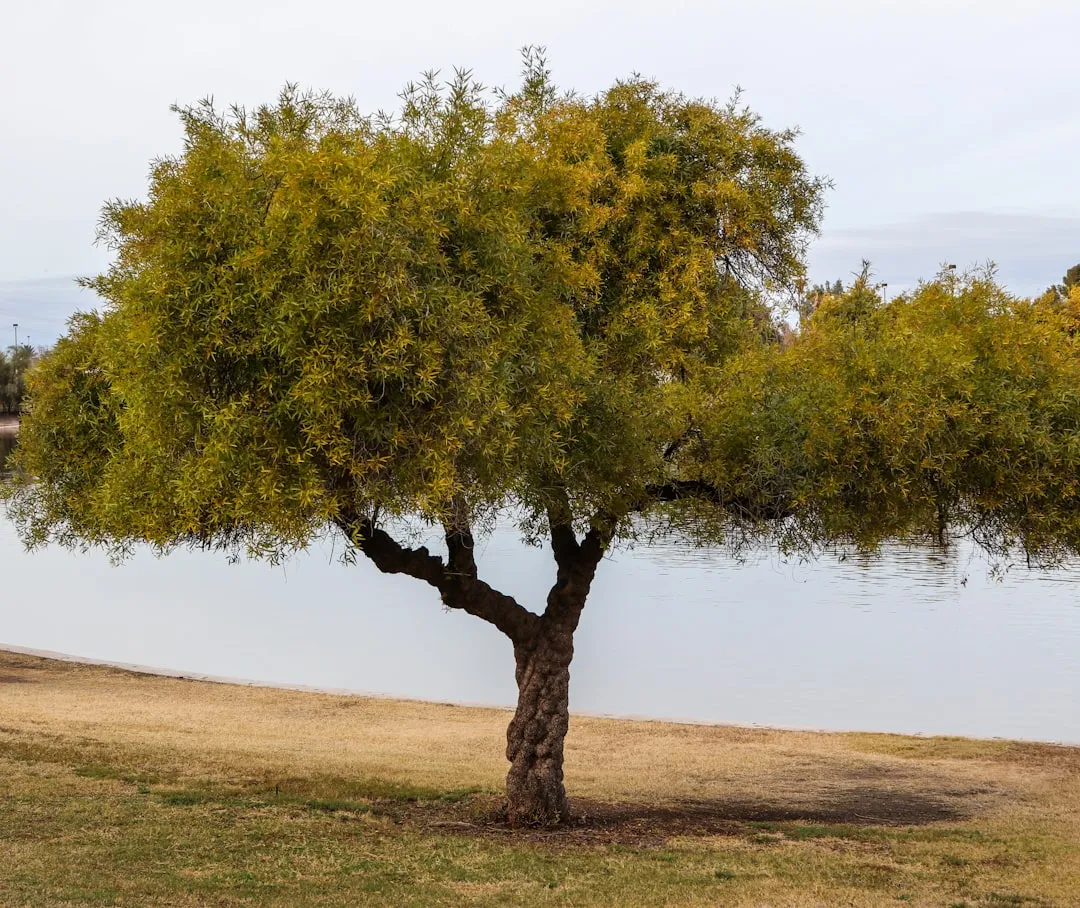
The Chilean mesquite offers dense protection from searing sun, thrives in the hot and dry climate of the American Southwest, and grows 20 to 30 feet tall and wide while putting on roughly a foot of growth per year. In valley terms, that’s meaningful shade arriving relatively fast without the multi-decade patience that larger native oaks demand.
The Chilean mesquite is arguably the most popular shade tree in the Las Vegas Valley, growing quickly, tolerating extreme heat, requiring moderate water once established, and developing a broad, graceful canopy that can span 30 to 40 feet at maturity. It is popular in the Coachella Valley because it is one of the most heat- and drought-resistant trees that can survive harsh summers with minimal maintenance.
It is often seen on patios and along sidewalks, as it is one of the few plants that provides shade while growing in intense desert heat, with semi-evergreen foliage that remains interesting year-round. One honest trade-off: nurseries currently offer two thornless cultivars widely recommended, including Prosopis glandulosa ‘Maverick’ and Prosopis x ‘Phoenix,’ so ask specifically for thornless varieties when shopping for a household landscape.
Tree 3: Desert Museum Palo Verde (Parkinsonia x ‘Desert Museum’) – The Sun-Loving Showstopper
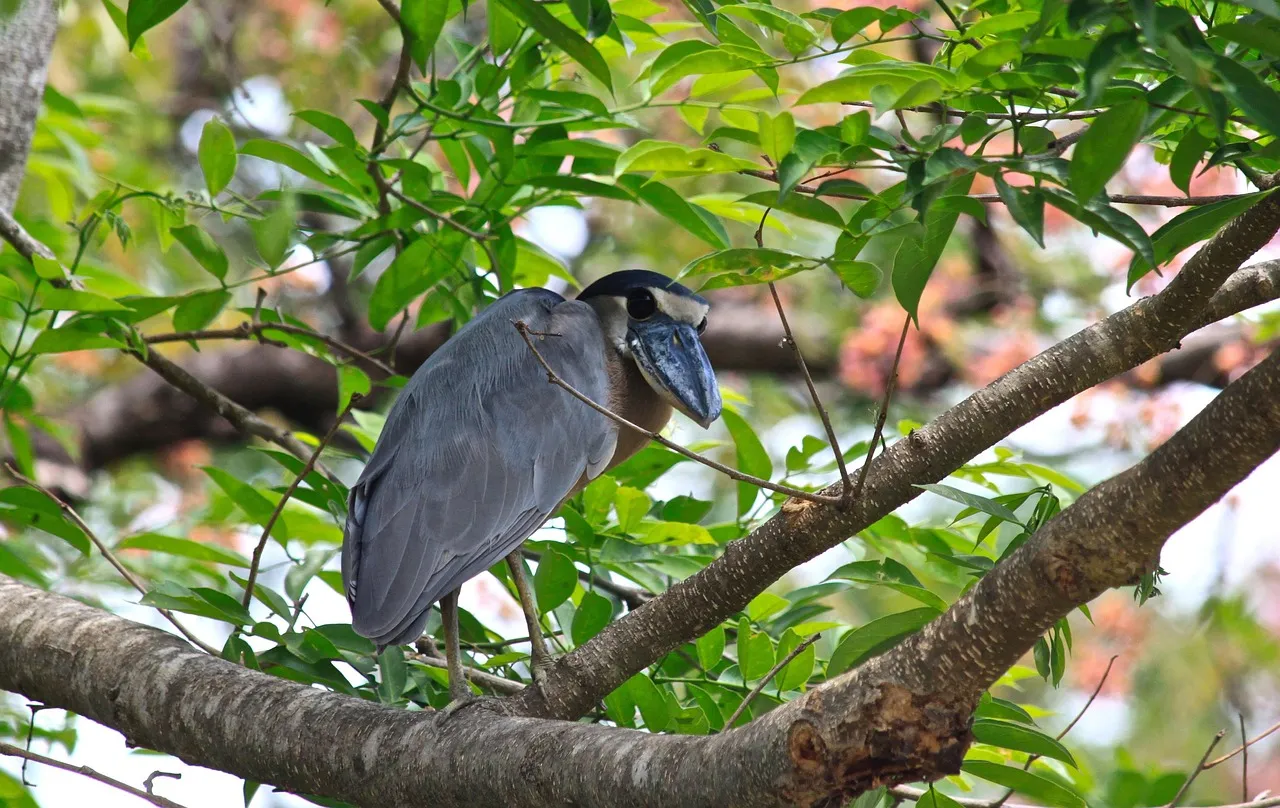
The Desert Museum palo verde is a hybrid that combines the best traits of three native palo verde species, is thornless, produces stunning yellow blooms in spring, and has a clean growth habit that requires less maintenance than its wild cousins. It was hybridized at the Arizona-Sonora Desert Museum in Tucson and is a genetic cross between three Parkinsonia species.
It uses very little water once established, tolerates full sun and reflected heat, and provides filtered shade with its open canopy, maturing at 20 to 25 feet tall and wide, which makes it ideal for residential lots. The Desert Museum palo verde thrives in the San Fernando Valley and other hot inland areas, being perfectly suited for dry, sunny climates and performing best in well-drained soil.
Desert Museum palo verde is becoming the top choice for landscapes in the Inland Empire due to its fast growth, thornless nature, intense flowering, and delicate shade, and it can be easily pruned into a canopy tree that provides filtered shade and accent value in many settings. Worth noting: it has sparse foliage and may cast too little shade for human comfort during summer’s peak heat, though there is enough light to garden beneath it. Think of it as a dappled shade provider rather than a deep-shade generator.
Tree 4: Chinese Pistache (Pistacia chinensis) – The Reliable All-Rounder
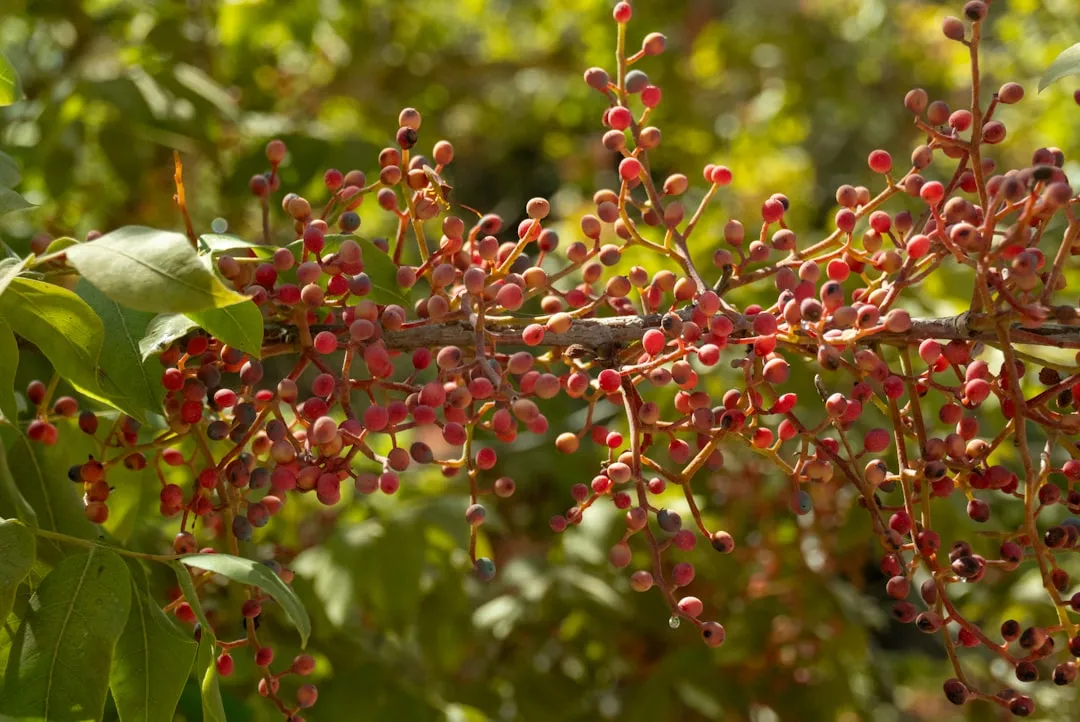
Clemson University’s horticulture records document two to three feet of annual growth with good management and very drought-tolerant status once established. Chinese pistache handles heat and pollution, produces no messy fruit on male trees, and delivers a round, spreading canopy of 25 to 40 feet height and 25 to 30 feet width that provides useful shade at a manageable scale.
Establishment takes two to three seasons, but after that it needs almost no supplemental water in USDA Zones 7 through 9, with both humid Southeast and dry Southwest gardeners reporting strong performance. That’s the kind of track record that matters when you’re investing in a tree for decades.
It’s possibly the best single-choice tree for hot-climate homeowners who want both shade and fall color. The orange-red autumn display is a genuine bonus in a region where dramatic fall foliage is rare. Chinese pistache fits mid-sized yards comfortably, sits well near patios, and tolerates the alkaline soils common across many California valleys without much fuss.
Tree 5: Fan-Tex Ash (Fraxinus velutina ‘Rio Grande’) – The Fastest Canopy Builder
Whether you select an Arizona Ash, Modesto Ash, or Fan-Tex Ash tree, you will have shade in your garden rapidly, with the FanTex Ash ‘Rio Grande’ being especially good because it thrives in hot climates with alkaline soil. For valley gardeners frustrated by slow tree establishment, this species offers meaningful canopy coverage faster than most of the alternatives on this list.
The leaves turn a lovely golden yellow in fall, though not all ash trees do this, so it’s worth planting the ‘Rio Grande’ variety specifically to guarantee that autumn color. All ash trees need regular watering. That watering requirement is the honest trade-off for the speed and density of shade you get in return.
The Fan-Tex Ash also responds well to valley conditions where other trees can struggle. Its broad, dense canopy creates the kind of deep midday shade that actually changes how a backyard feels at 2 p.m. in August. Species with lower, broader crowns are particularly useful for cooling, especially when considering human thermal comfort at ground level. The Fan-Tex Ash fits that profile well.
How Tree Canopy Actually Changes Your Microclimate
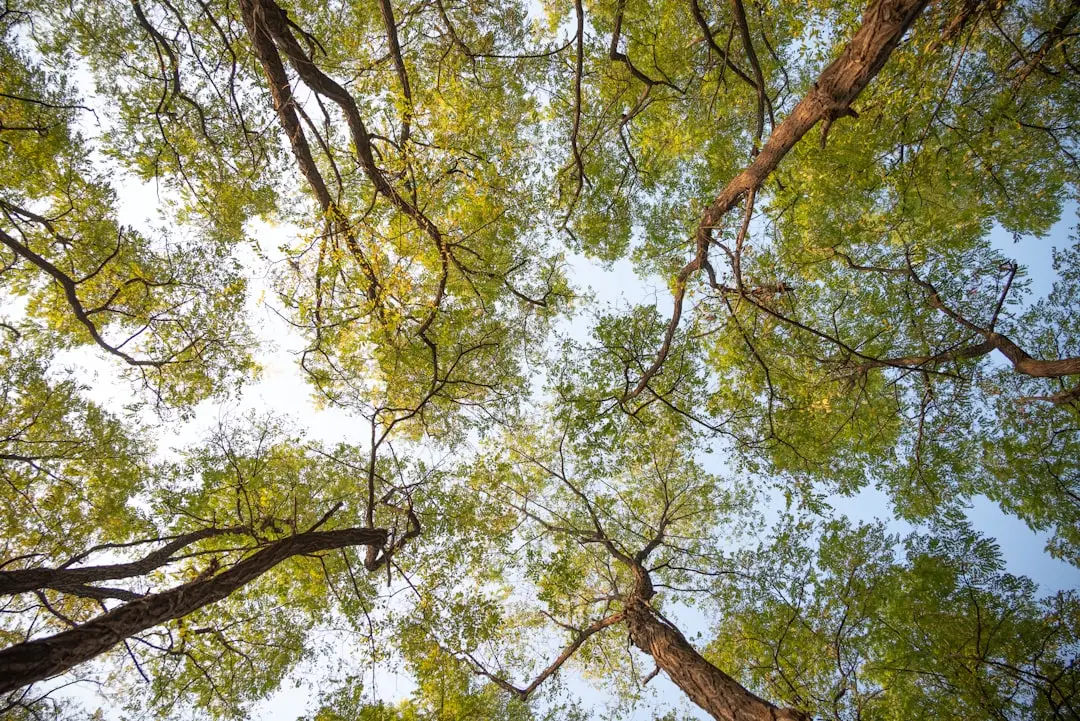
Research using global urban data shows that tree canopy cooling mitigates an average of nearly half the urban heat island effect that would occur without urban tree canopy. That figure comes from a comprehensive study covering nearly 9,000 urban areas worldwide. It’s a remarkable number and a strong case for thinking of shade trees as infrastructure, not just landscaping.
Taller trees with dense canopies offer substantial daytime cooling, though they may warm slightly at night by trapping heat under the canopy. Species with lower, broader crowns are useful for cooling particularly when considering human thermal comfort, which is why the spread and canopy shape of your chosen tree matters as much as its height.
Shade trees can cut down on cooling costs in summer and even increase property value. The energy savings alone make a well-placed canopy tree a practical investment over time. A tree that shades the west-facing wall of your home reduces the radiant heat load on your air conditioning unit every single afternoon it stands.
Placement and Spacing: Getting It Right the First Time
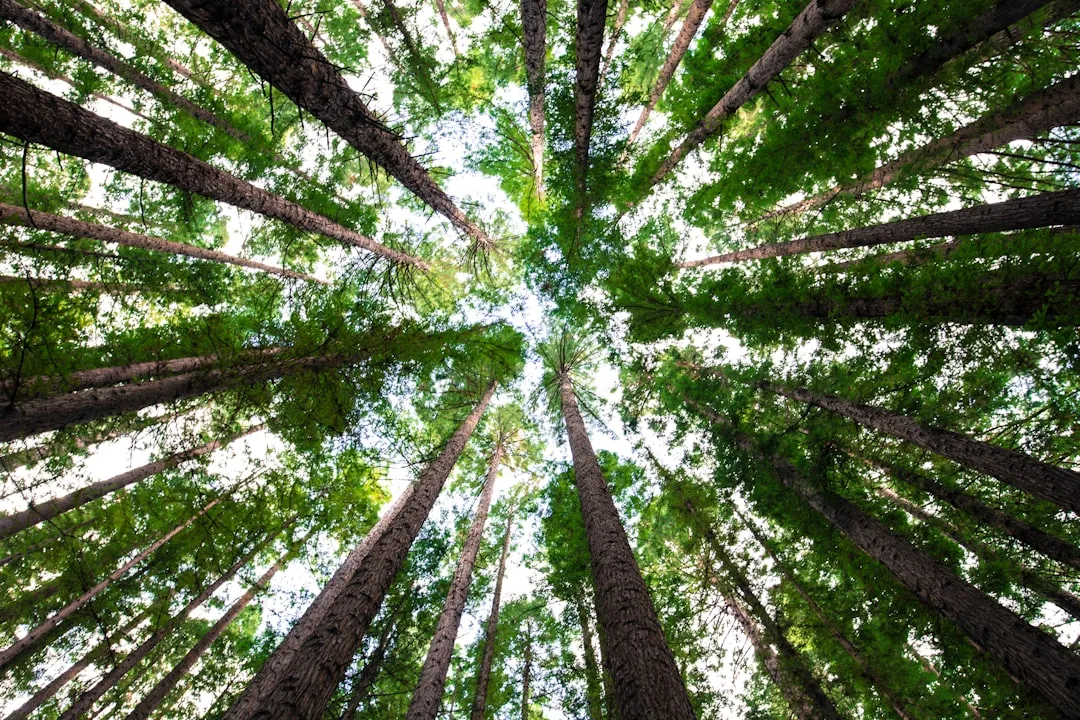
A conservative rule is to plant medium to large trees at least 20 to 30 feet from buildings and at least 10 feet from sidewalks and driveways. These clearances exist for a reason. Root systems and canopy spreads that seem manageable at planting time can create real problems a decade later if they’re crowded against structures or pavement.
Trees with aggressive roots must be set farther from paved surfaces, and root barriers combined with large structural soil volumes are recommended if planting near hardscape. Pair the tree type to the intended shade: for afternoon shade on west-facing patios, choose trees with dense late-afternoon canopies; for light-filtered shade under a porch, choose trees with an open canopy.
Afternoon shade is typically the most valuable in valley climates because that’s when temperatures peak. West-facing exposures catch the brutal three to six p.m. sun. A tree placed strategically to intercept that light can make a dramatic difference in both comfort and energy use, faster than many people expect once the canopy fills in.
Watering Strategies for Hot-Climate Tree Establishment
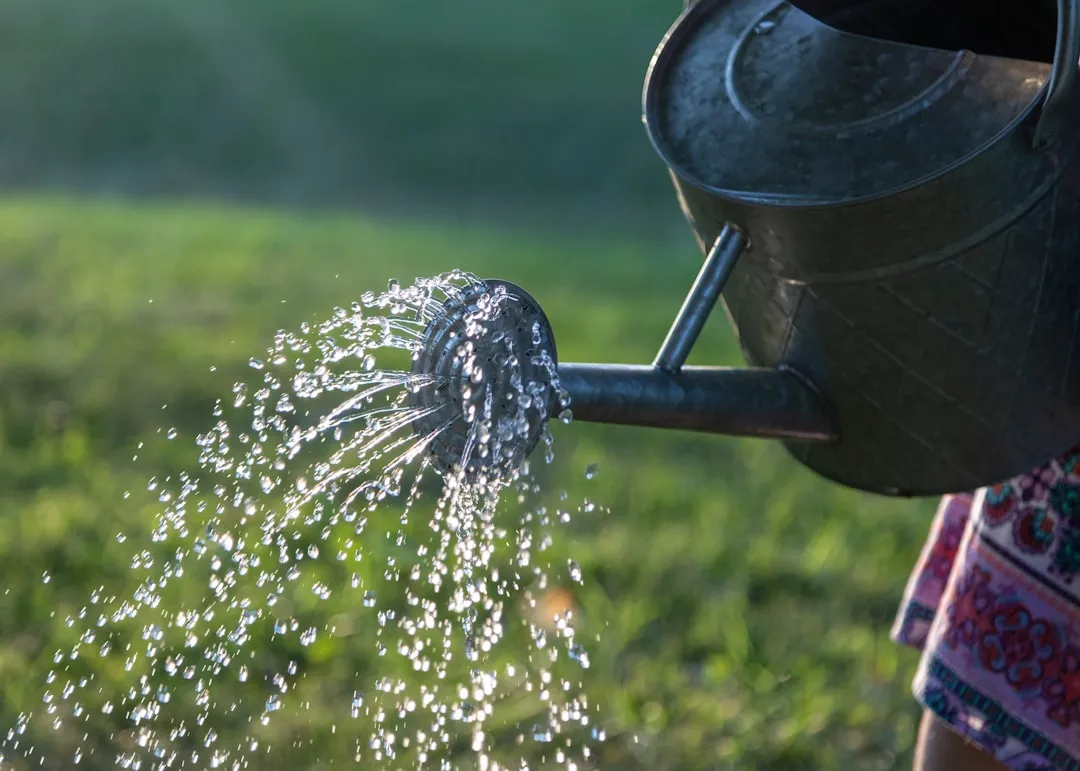
Frequent shallow watering promotes weak roots, so the correct approach is to water deeply and allow the soil to dry slightly between sessions, which encourages drought-resilient roots. This advice applies across nearly every species on this list. Deep, infrequent watering trains roots to go down rather than spread laterally near the surface where they’re vulnerable to heat and drought.
A thick layer of arborist mulch protects soil from evaporation, keeps roots cool, and adds organic matter as it breaks down, but should be kept off the trunk to prevent rot. Mulch is probably the single most underused tool in desert and valley landscaping. Three to four inches around the root zone makes a measurable difference in soil temperature and moisture retention through the summer.
Young trees need more water, but grown trees only need extra water in dry times. The first two summers are the make-or-break period for any new canopy tree. Get through that establishment phase with consistent, deep watering and you’ll likely have a tree that largely takes care of itself going forward.
Timing Your Planting for Valley Success
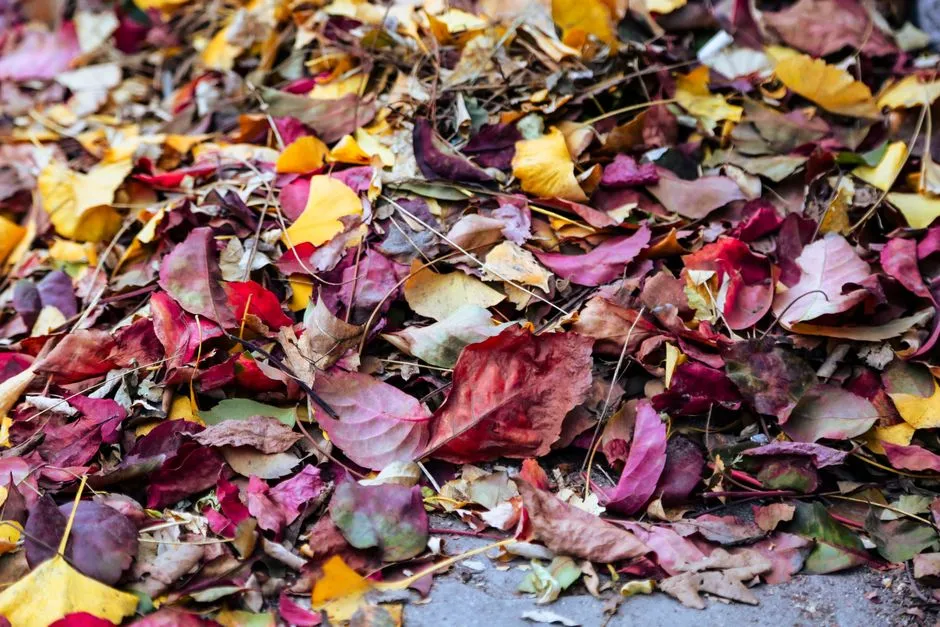
All these trees are best planted in very early spring or, better yet, in the fall. Fall planting is often underappreciated by homeowners who think of spring as the natural planting season. In valley climates, fall allows the tree’s root system to establish during cooler months before the first brutal summer hits.
The best planting window for desert-adapted species in hot inland regions is October through March when temperatures are mild. Planting in June or July exposes a young tree to immediate heat stress before its roots have had any chance to anchor and spread. Fall-planted trees consistently outperform spring-planted ones by their second growing season.
Whatever species you choose, give your new tree one thing it can’t get anywhere else: time. The first season is about survival. The second is about root establishment. By the third year, most of these species have turned a corner and the canopy starts to become genuinely useful shade. That’s a timeline worth planning for, not rushing.
The Bigger Picture: Shade Trees as a Long-Term Investment
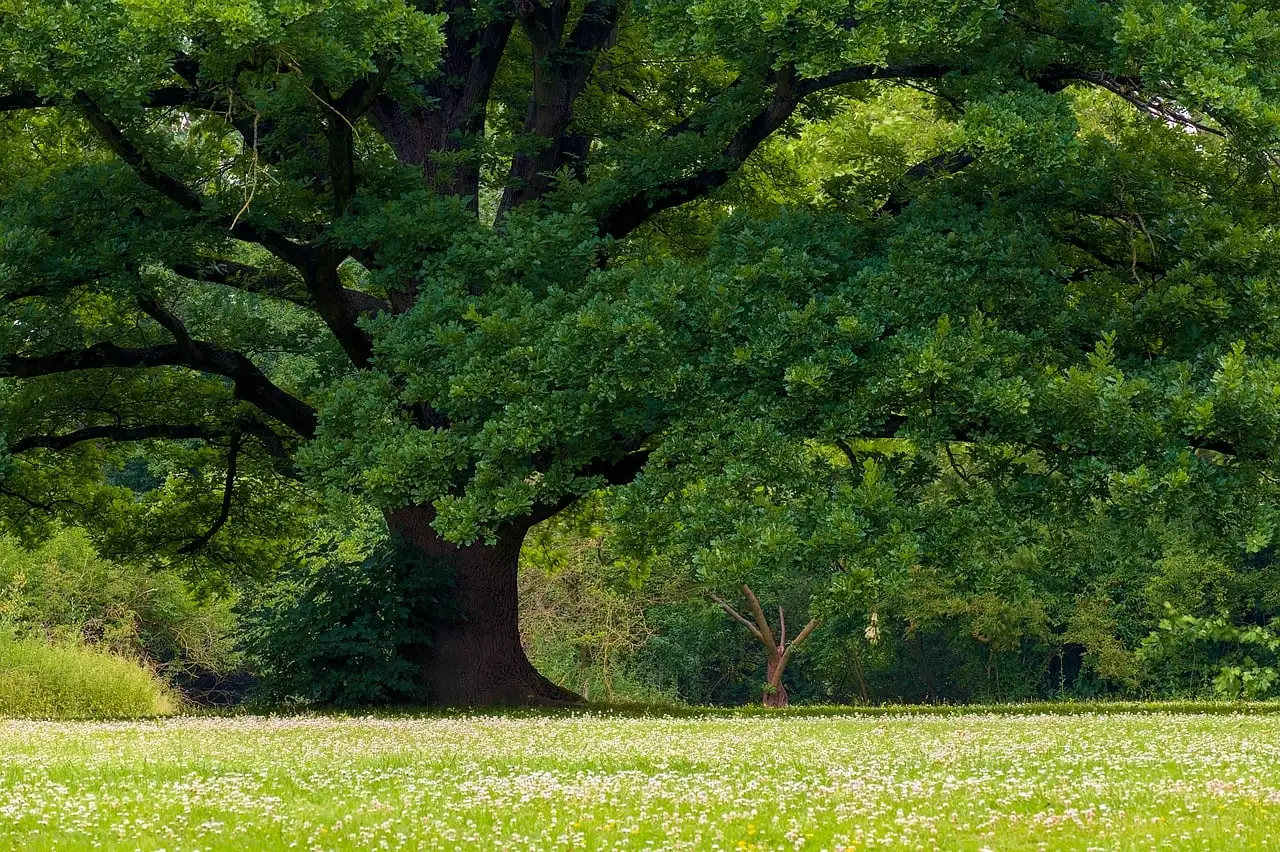
Using global data from 9,000 cities, research published in Nature Communications shows that trees reduce roughly half of the urban heat island effect, though cooling benefits are unevenly distributed and lowest where heat risk is highest. That finding is worth sitting with. The communities that need trees most often have the fewest of them, which makes individual planting decisions more meaningful than they might first appear.
California native oaks such as the valley oak, blue oak, interior live oak, and coast live oak are among the most significant natural components of the California landscape, providing wildlife habitat, shading, erosion control, wind protection, pollution reduction, and screening. Choosing a native where possible multiplies the benefit of any single planting decision.
A well-chosen canopy tree is one of the few home improvements that gets better every year without additional investment. The shade deepens, the canopy widens, and the cooling effect compounds as the tree matures. In a valley that regularly records some of the hottest summer temperatures in the country, that’s not just a garden choice – it’s a practical one. Plant the right tree in the right place, and the heat of July becomes a little more manageable every summer after.
AI Disclaimer: This article was created with the assistance of AI tools and reviewed by a human editor.