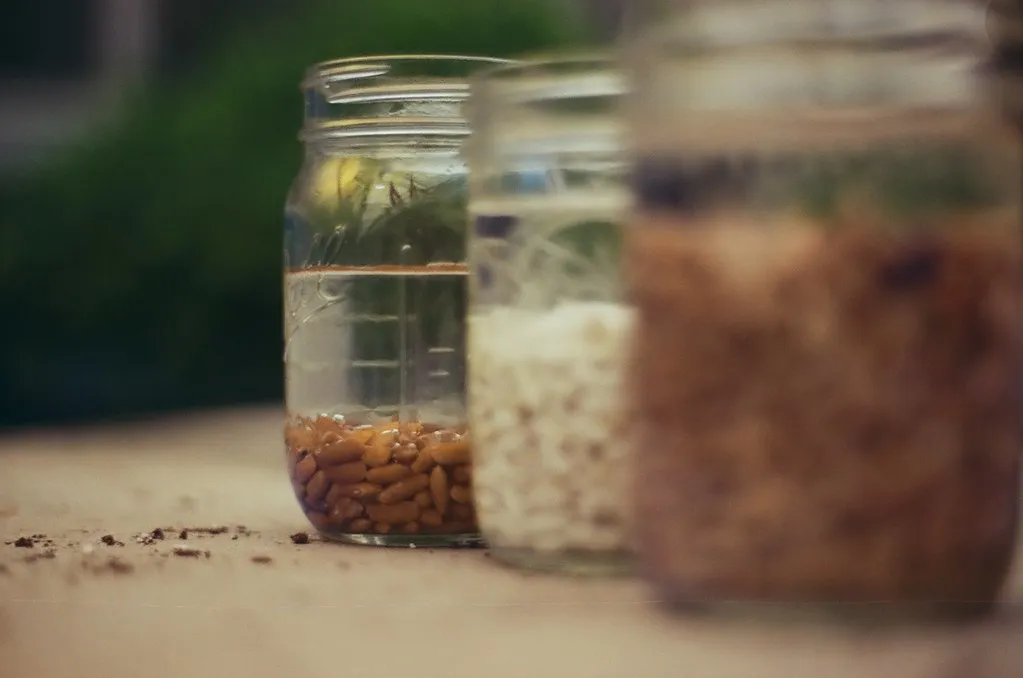

Few discoveries in a garden carry the quiet electricity of this one. Digging through a neglected corner of a backyard, a gardener turns over a shovel of soil and hears a soft, glassy clink. What emerges from the earth is not a broken bottle or a rusted tool – it’s a sealed mason jar packed with seeds. Old seeds. Seeds that, by any ordinary measure, should have been dust by now.
Stories like this sit right at the intersection of practical gardening and living history. They raise a question that scientists, seed savers, and backyard enthusiasts all keep circling back to: just how long can a seed actually stay alive?
The Discovery That Stopped a Gardener in Their Tracks
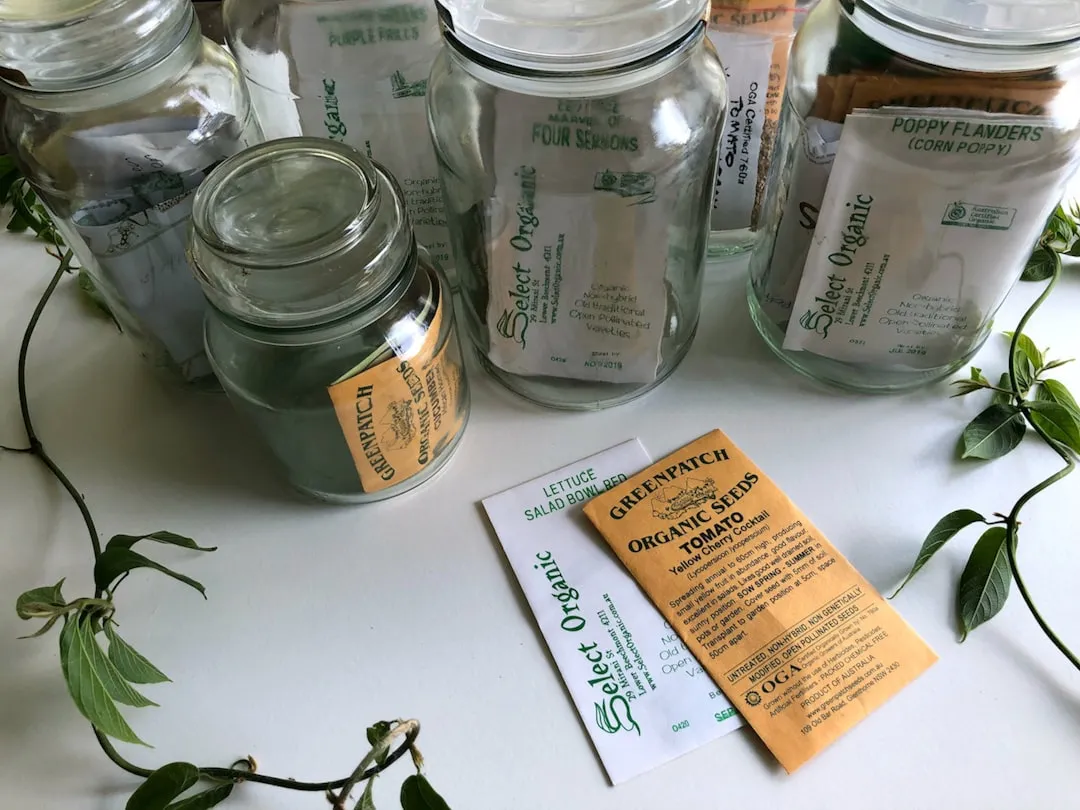
The moment a shovel strikes glass underground, time seems to compress. For backyard gardeners who have reported similar finds in recent years, the experience tends to feel less like archaeology and more like receiving a letter from a stranger who died before you were born. The seeds inside such jars are often wrapped in cloth or paper, still dry, still sealed behind a layer of wax or rubber – small signs of someone who cared deeply about what they were preserving.
Mason jars have been used for seed storage since the late 19th century, and for good reason. An airtight container like a mason jar with a good seal is widely considered ideal for seed storage, kept in a cool basement or back closet, ideally with a silica gel packet to absorb any remaining moisture. The conditions underground can, in some circumstances, mimic those cold and dark requirements well enough to preserve organic material far longer than anyone might expect.
What makes the find remarkable is not just the age of the seeds. It’s the fact that they appear pristine – a word gardeners use carefully when describing seeds that should, by most charts and tables, have given up long ago.
What Science Says About Seed Longevity
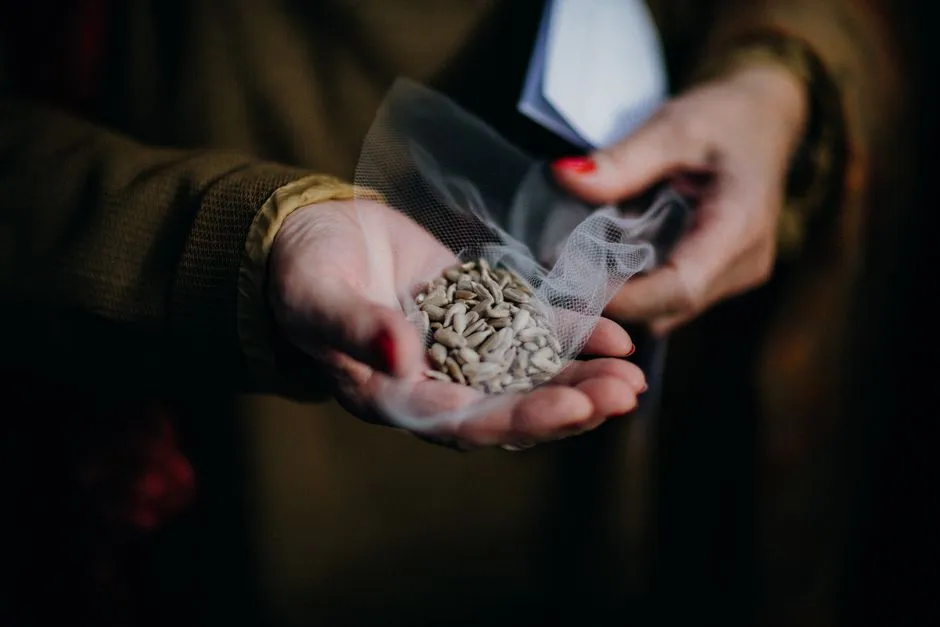
Most orthodox seeds possess remarkable desiccation tolerance and can retain viability for considerable periods, even for centuries in some instances, according to peer-reviewed research. That’s not a casual claim – it’s backed by documented cases from botanical collections around the world. The variables that determine whether a seed survives that long are exacting: temperature, humidity, light exposure, and oxygen levels all play a role.
Seed longevity is a polygenic trait regulated by a complex interaction of variable environmental factors such as temperature, relative humidity, and partial pressure of oxygen, alongside endogenous, genetically controlled factors. In practical terms, this means no two seeds age at exactly the same rate, even within the same jar.
The longest-lived example of a viable seed of known age is the date palm, Phoenix dactylifera, of which an estimated 2,000-year-old seed was germinated in 2005. While that extreme case involved unique conditions, it established that the biological machinery inside a seed can, under the right circumstances, remain dormant for an almost incomprehensible length of time.
The Science of Germinating Century-Old Seeds
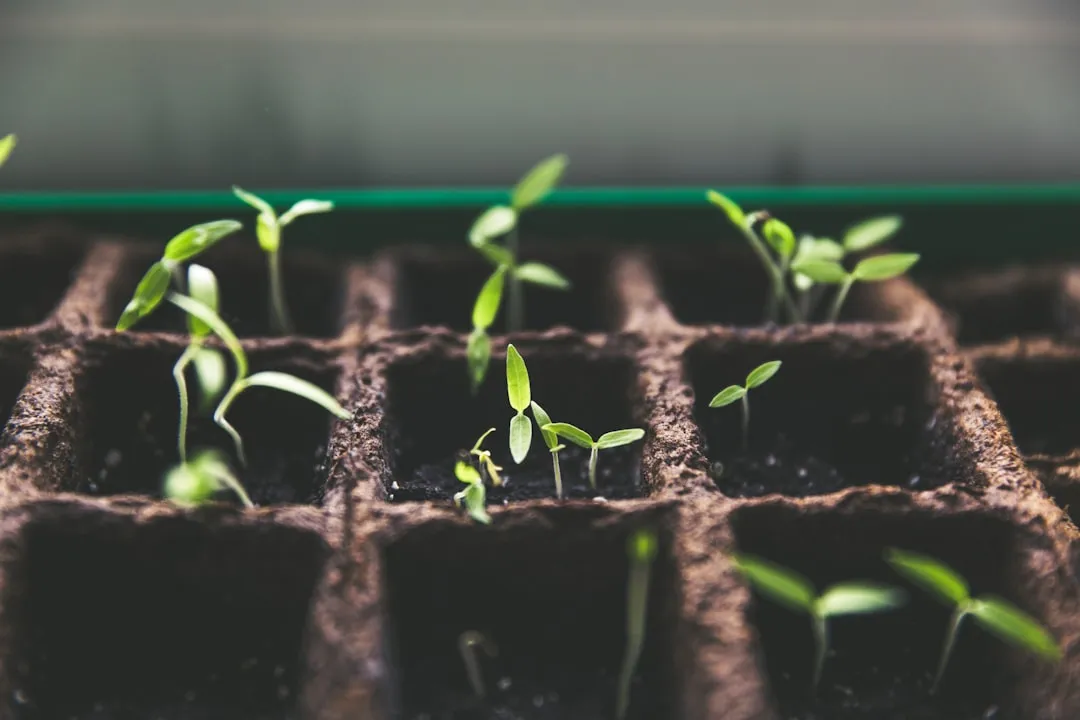
Cracking a century-old seed open and expecting it to simply sprout like a fresh one is wishful thinking. If 100-year-old tomato seeds were tossed straight into the ground, chances are nothing would happen, but soaking seeds in certain solutions can help rejuvenate their cells, essentially waking them up so they’re able to germinate and grow again.
Through plenty of patience, trial and error, and careful testing, researchers and dedicated gardeners have managed to successfully grow century-old seeds. The process typically involves selecting the largest, most intact seeds and treating them with controlled soaking methods before any soil contact. Larger seeds tend to have a better shot at viability and are more likely to respond during the soaking process.
Even partial success is meaningful. Heirloom tomato pioneer Carolyn Male has re-awakened 22-year-old tomato seeds, and the documented record of rejuvenation stands at 50 years. A find pushing past 100 years would be exceptional – but not, as science shows, impossible.
Why Heirloom Seeds Are Different From Modern Varieties
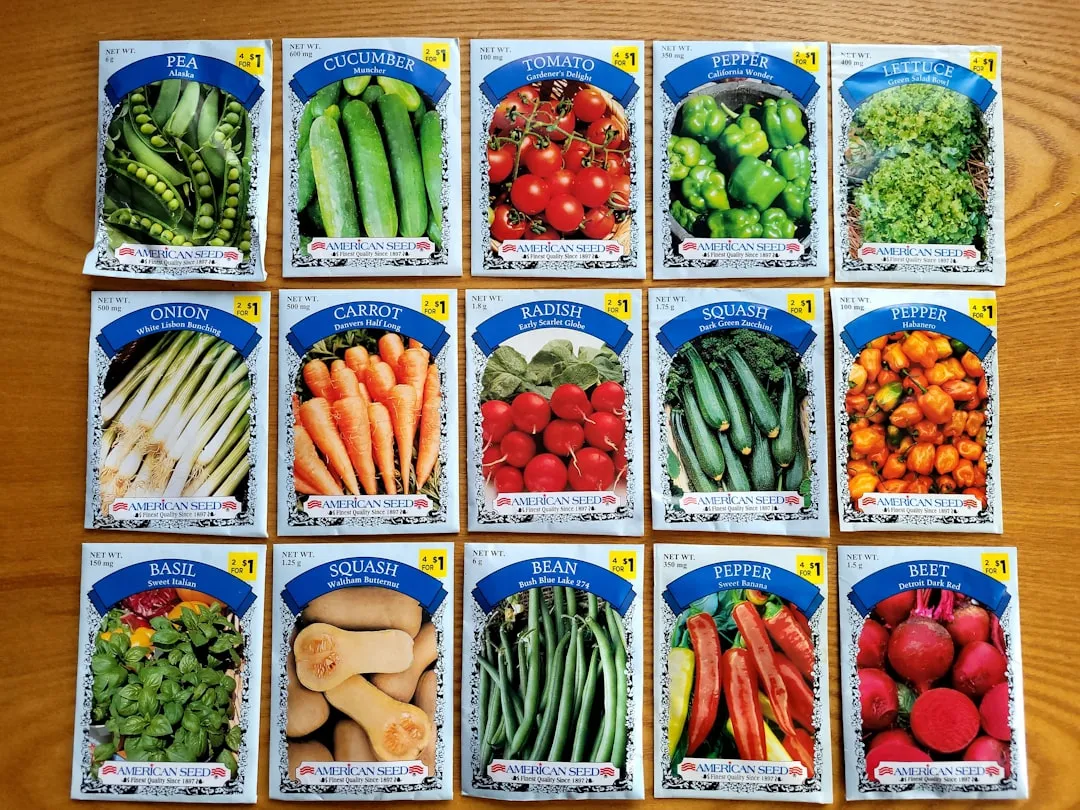
Heirloom seeds are named varieties that have been passed down through generations of seed saving, with most dating back fifty years or more, and some reaching back to the 18th century. What sets them apart from modern commercial hybrids is not just age – it’s genetic stability. An heirloom plant grown from saved seed will produce offspring nearly identical to the parent plant, season after season.
While many hybrids are bred to be one-size-fits-all, heirlooms are specialists – often incredibly resilient and perfectly suited for the specific region they come from, making it essential to match the heirloom variety to local climate and soil. This regional adaptation is partly what makes old heirloom seeds so potentially valuable when found in the ground.
Planting older seeds can mean growing something truly different: a rare variety, the flavor of a crop you loved years ago, or the continuation of the best-yielding plants someone’s grandmother grew summer after summer.
The Staggering Loss of Seed Diversity Over a Century
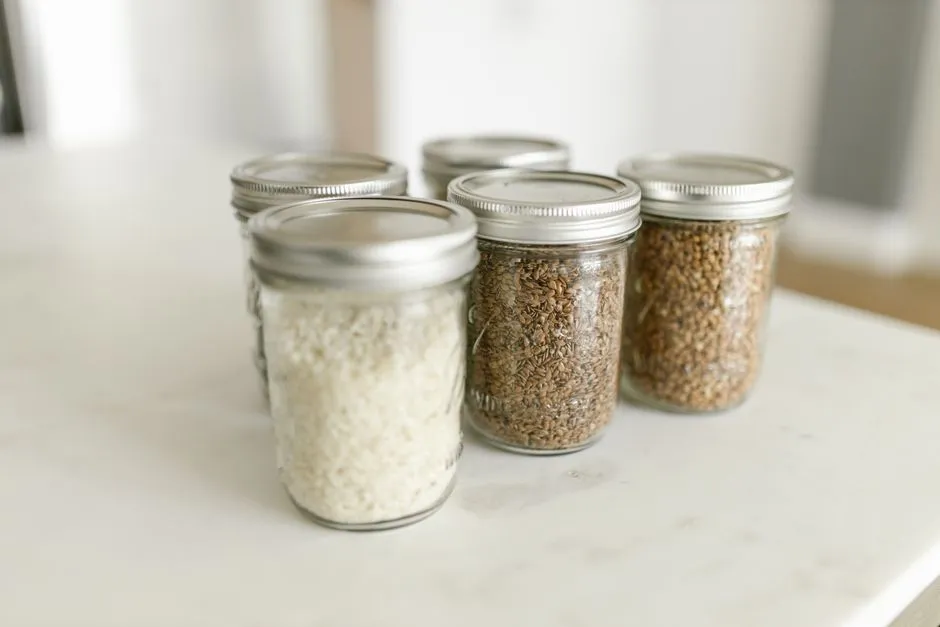
Context matters here, and the context is sobering. From 1903 to 1983, roughly 93 percent of different varieties of food seeds were lost. There were over 300 sweet corn varieties at the turn of the century, but by 1983, that number had been reduced to just 12. These aren’t rounding errors – they represent the wholesale disappearance of genetic heritage that took centuries to develop.
The U.N. Food and Agriculture Organization estimates that approximately 75 percent of plant genetic diversity has been lost due to the rapid expansion of industrial agriculture and monoculture farming. The trend has continued into the 21st century, even as conservation awareness has grown.
Today, fewer than 150 of the roughly 7,000 crops once cultivated are grown commercially, and just four – rice, wheat, maize, and potato – provide about 60 percent of humanity’s plant-based calories, according to research published in Frontiers in Nutrition. A mason jar of old heirloom seeds, then, is not just a curiosity. It’s a fragment of a food system that no longer fully exists.
What Pristine Conditions Inside the Jar Actually Mean
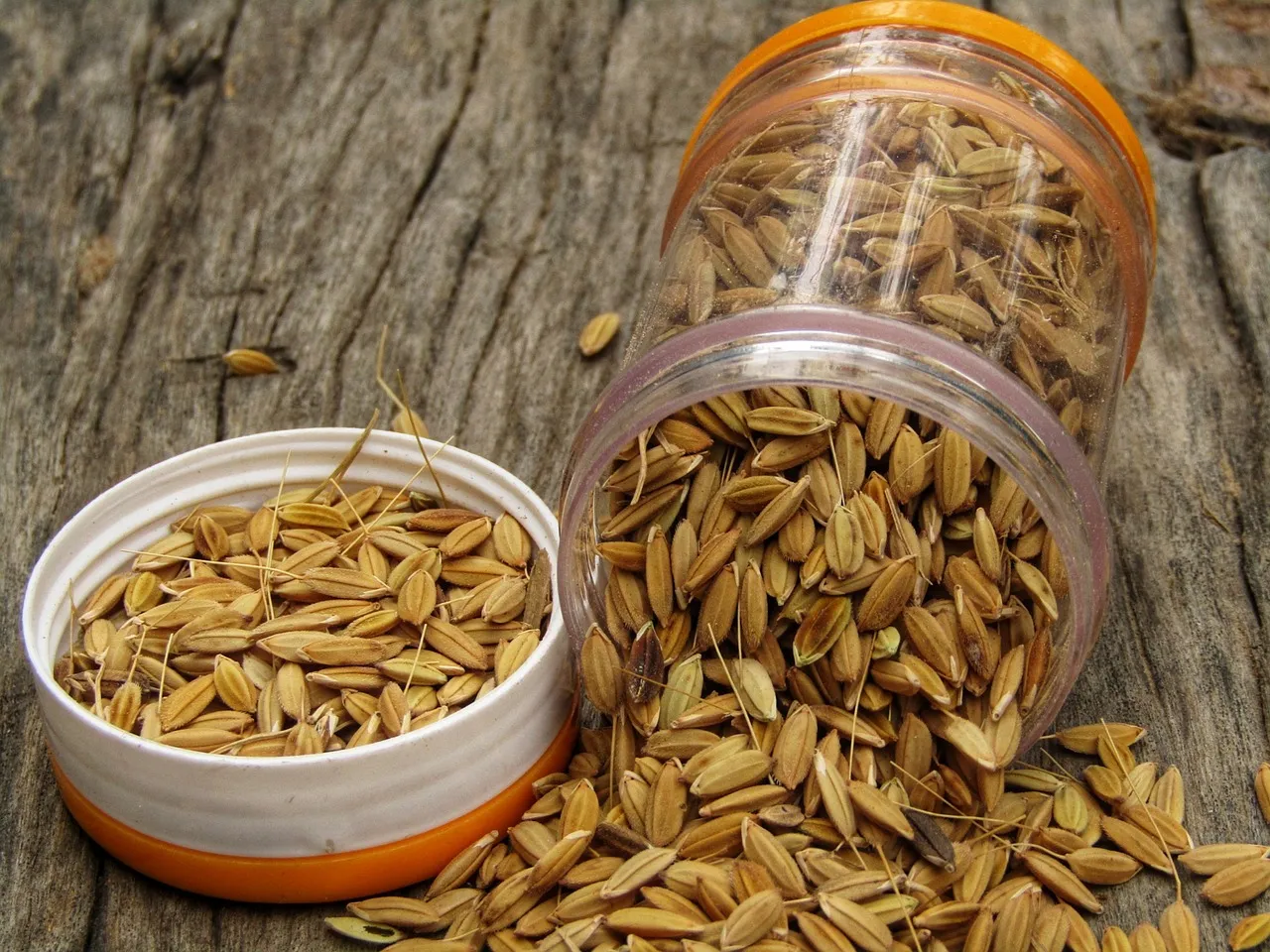
When gardeners describe seeds as “pristine,” they’re looking for specific visual cues: firm seed coats without cracks or shriveling, no signs of mold or discoloration, and a dry interior environment inside the jar. These are encouraging signs, but they don’t guarantee germination. Seeds contain everything needed to produce a new plant, but as they age, their viability – how likely a seed is to germinate – lessens. How old is “too old” depends on the type of seed and the conditions under which they’ve been stored.
Seeds thrive in conditions that simulate their natural dormant state, which is cool, dry, and dark. A buried mason jar in certain soil types can maintain surprisingly stable temperatures and low moisture levels over long periods. Whether the jar was wax-sealed, how deep it was buried, and what the surrounding soil composition looks like all factor into how well that dormant state was maintained.
Seeds don’t truly expire – they lose viability if stored improperly. While most seed companies recommend replacing seeds every two to three years, seeds kept in a cool, dark, and dry place will germinate when planted, even decades later. The germination rate will likely be lower than fresh seed, but for rare heirloom varieties, even a modest rate is worth pursuing.
The Growing Interest in Heirloom Seed Recovery
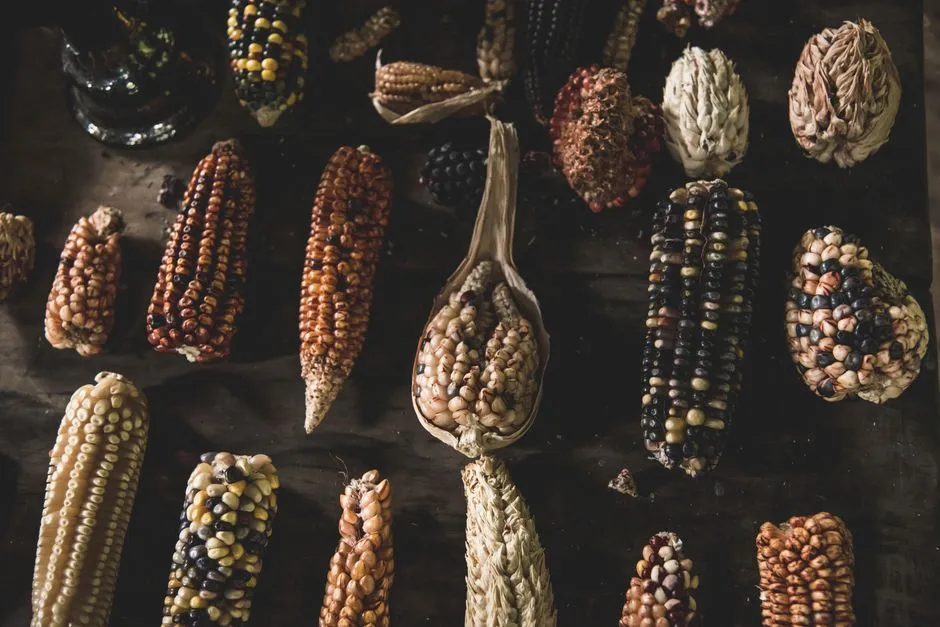
The adoption of heirloom and organic varieties shot up by roughly 22 percent in urban areas alone between 2020 and 2025, driven by growing interest in climate-resilient gardening and the local food movement. Finds like a buried mason jar tap directly into this momentum. They capture the imagination precisely because they feel like tangible links to a way of growing food that modern agriculture has largely set aside.
The interest is not merely sentimental. Because some crop varieties will perform better than others under different growing conditions, preserving crop diversity through heirloom seeds could help farmers and home gardeners adapt their crops as local climate conditions change. Seeds buried a century ago may carry genetic traits that today’s breeders haven’t thought to look for yet.
With more than 35 million home gardeners in the U.S. alone, the demand for quality seeds is massive, and a substantial portion of that demand is now directed toward heirloom and organic options. The cultural shift is real, and it’s one reason a discovery like this resonates far beyond the person who made it.
How Seed Savers Have Kept Old Varieties Alive
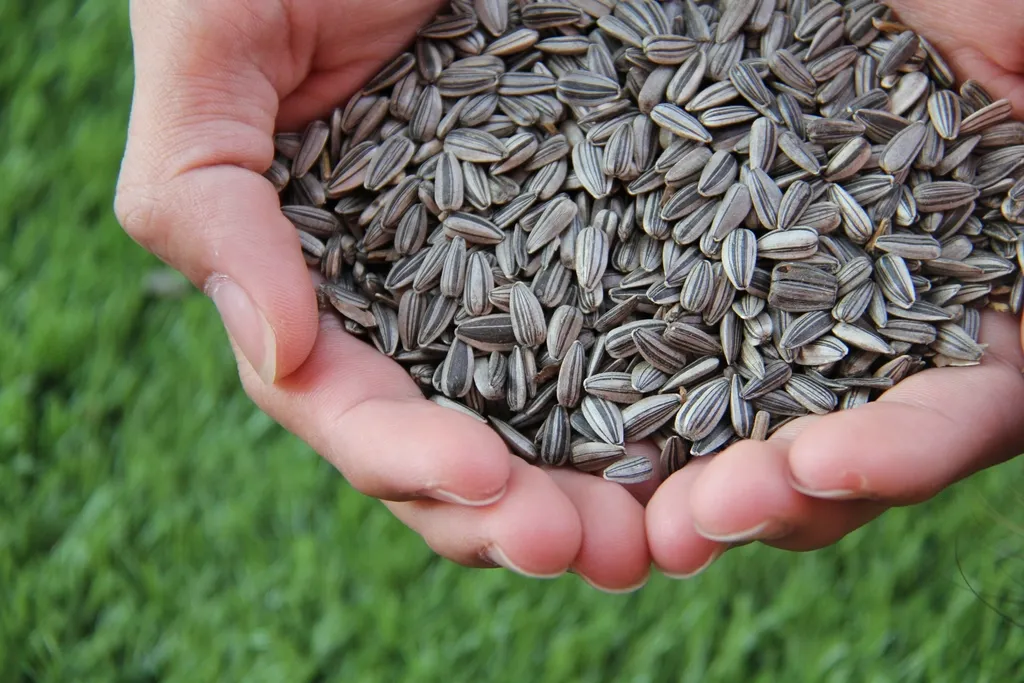
Seed Savers Exchange is a nonprofit organization dedicated to saving and sharing heirloom seeds, headquartered in Decorah, Iowa, and it began operations in 1975. Over the decades it has grown into one of the most significant civilian seed preservation efforts in the world. Its existence reflects a long-standing recognition that institutional agriculture alone cannot be trusted to safeguard the full range of cultivated plant varieties.
Conservation techniques such as the creation of seed banks and seed exchanges among farmers, gardeners, and even nations play an important role in preserving ancient, heirloom varieties of important food crops, as well as in mitigating against the increasing risks of pests, diseases, and climate change.
Networks like the Seed Savers Exchange, Central Texas Seed Savers, and Kansas City Seed Collective share and preserve open-pollinated seeds, while institutional programs like USDA ARS NP301 and the Global Crop Diversity Trust maintain global backups. A buried mason jar, uncovered by one person in one backyard, could theoretically add something to that network that no institution currently holds.
Testing Old Seeds: A Practical Guide
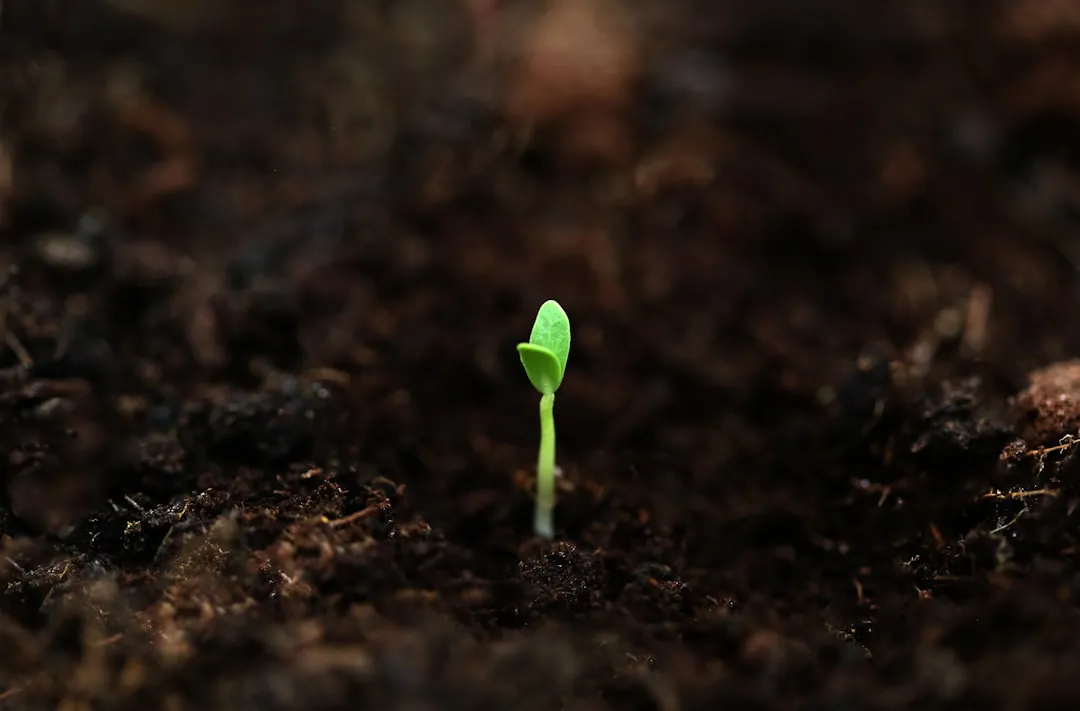
Before anyone gets too excited about planting a full garden from a century-old stash, a germination test is essential. If the germination rate is above 70 percent, the seeds are still viable and can be planted directly. If the rate falls below 70 percent, it’s wise to increase the number of seeds planted per hole to compensate for the lower germination rate.
The test itself is straightforward. Place a set number of seeds on a moist paper towel, fold it over, and keep it warm and dark for the number of days typical for that species. Count how many sprout. The ratio tells you exactly what you’re working with before committing your entire jar to the ground. If old seeds are placed straight into the ground, the odds are against germination, but soaking seeds in certain solutions can help rejuvenate their cells and wake them up for germination.
Tomato and kale seeds are generally viable for up to four years under normal storage, while corn and peppers typically hold for only about two years, though that can vary considerably based on storage conditions. Seeds that have survived a century underground and still show signs of structural integrity deserve every careful technique available.
What a Find Like This Means for Backyard Gardeners
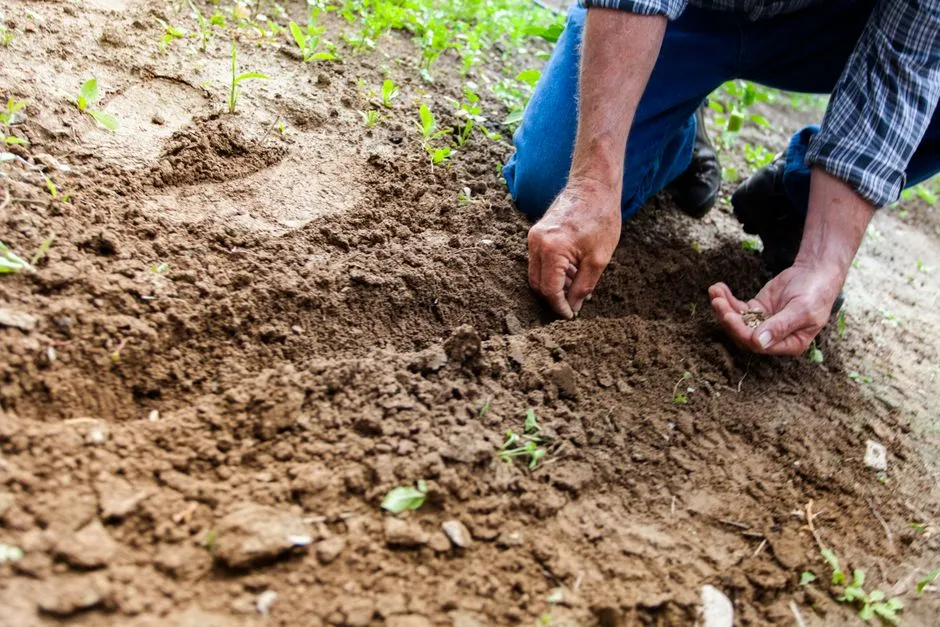
Heirloom seeds offer a tether to the best of our past and the promise of a healthy, diverse food system for future generations. That’s not just poetic language – it reflects a biological reality. Every variety that can be grown, documented, and propagated again adds a thread back into a tapestry that industrial agriculture has been quietly unraveling for over a hundred years.
Every backyard garden or community seed swap adds another safeguard. Each saved seed is both memory and future potential. The person who originally sealed that mason jar and buried it understood something worth understanding: that seeds are not just this season’s crops. They’re decisions about what future seasons will look like.
There are varieties that have almost been completely wiped out and lost in a short period of time – less than a hundred years since hybrid seeds became widely available. A pristine jar of seeds pulled from the earth might contain exactly one of those nearly-lost varieties. That possibility alone makes the find extraordinary.
Conclusion: The Weight of a Small Glass Jar
There’s something quietly profound about the idea that the most significant agricultural find on any given day might happen in someone’s backyard, a few feet below the surface. No laboratory, no expedition – just a shovel, some patience, and the right corner of the right garden.
The seeds in that mason jar didn’t survive by accident. Someone dried them carefully, sealed the jar with intention, and chose to put them somewhere that might outlast them. That act of preservation, made a century ago without any certainty it would matter, turns out to matter enormously now.
In a world where the diversity of our food supply has narrowed so dramatically, a sealed jar of old heirloom seeds is a reminder that resilience is often something you inherit rather than invent. The gardener who found it didn’t just unearth glass and seeds. They uncovered a form of continuity that the rest of the food system has largely forgotten how to protect.
AI Disclaimer: This article was created with the assistance of AI tools and reviewed by a human editor.