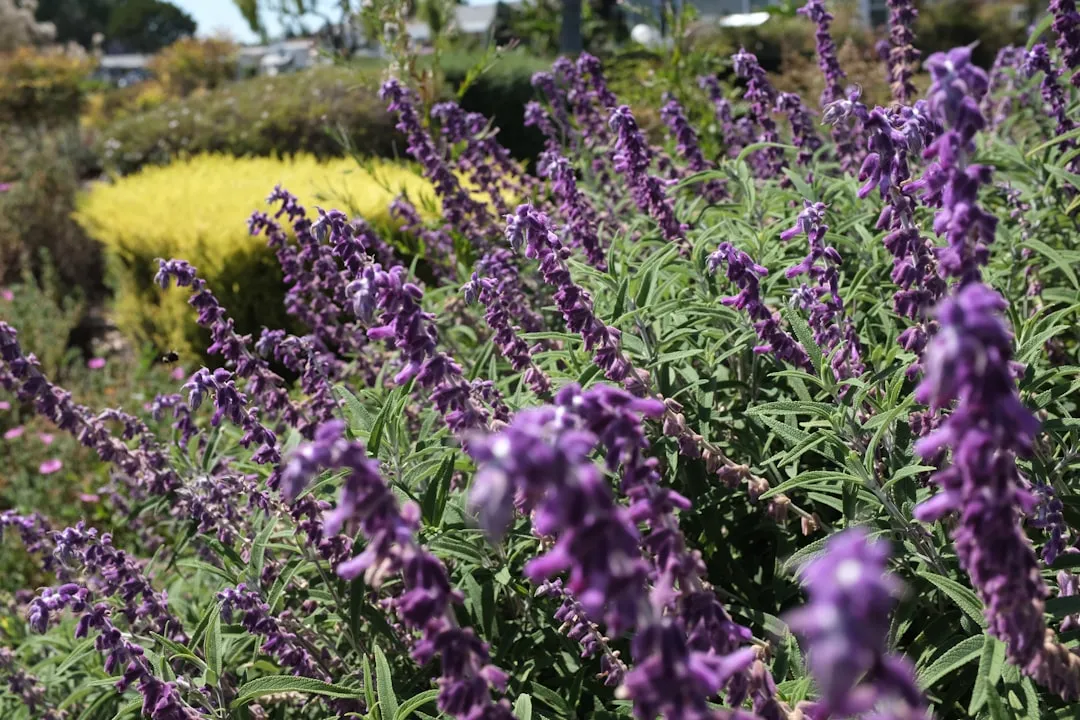

California gardeners are genuinely lucky, even if it doesn’t always feel that way in summer when the lawn is begging for water. The state’s Mediterranean climate, with its warm, dry summers and mild winters, creates near-perfect growing conditions for a stunning range of flowering trees. You don’t need to travel to Japan for cherry blossoms or drive through the Blue Ridge Mountains for fall color. The color you’re after is closer than you think.
The region’s captivating diversity and sun-drenched climate provide an ideal backdrop for infusing vibrant colors and natural charm into any outdoor space. Whether your garden is a small urban patio or a sprawling suburban lot, there’s a tree on this list that will stop people in their tracks.
Jacaranda (Jacaranda mimosifolia): The Purple Canopy Icon
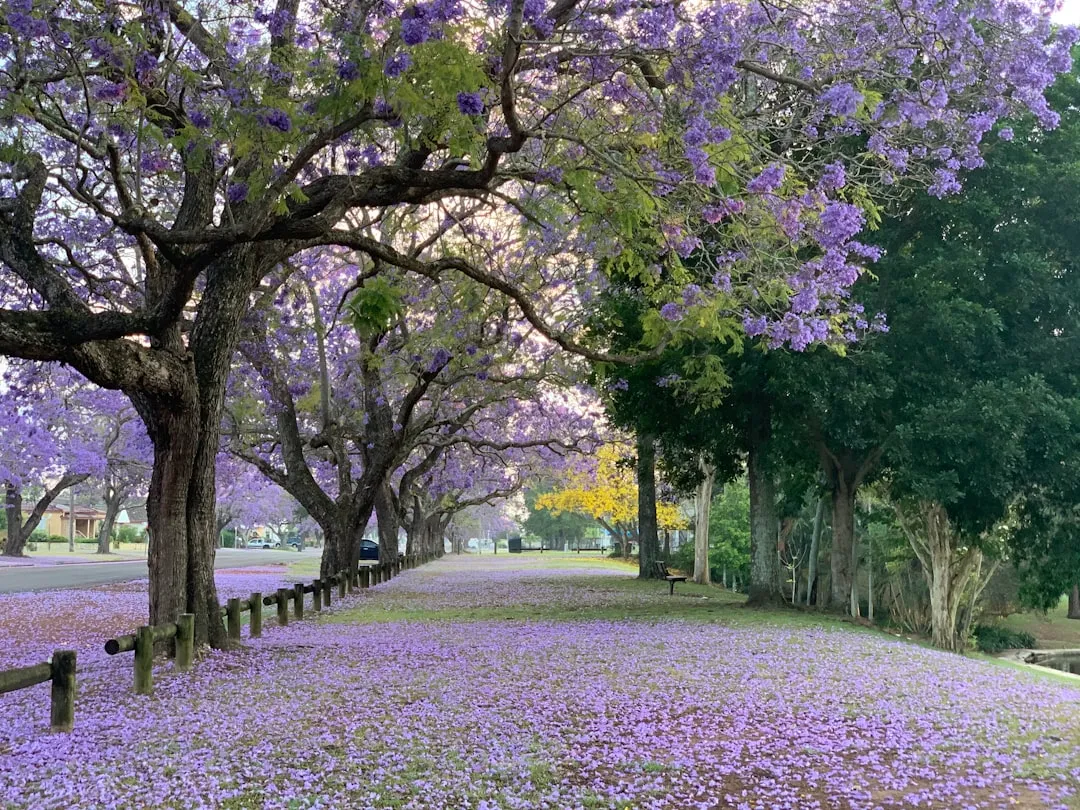
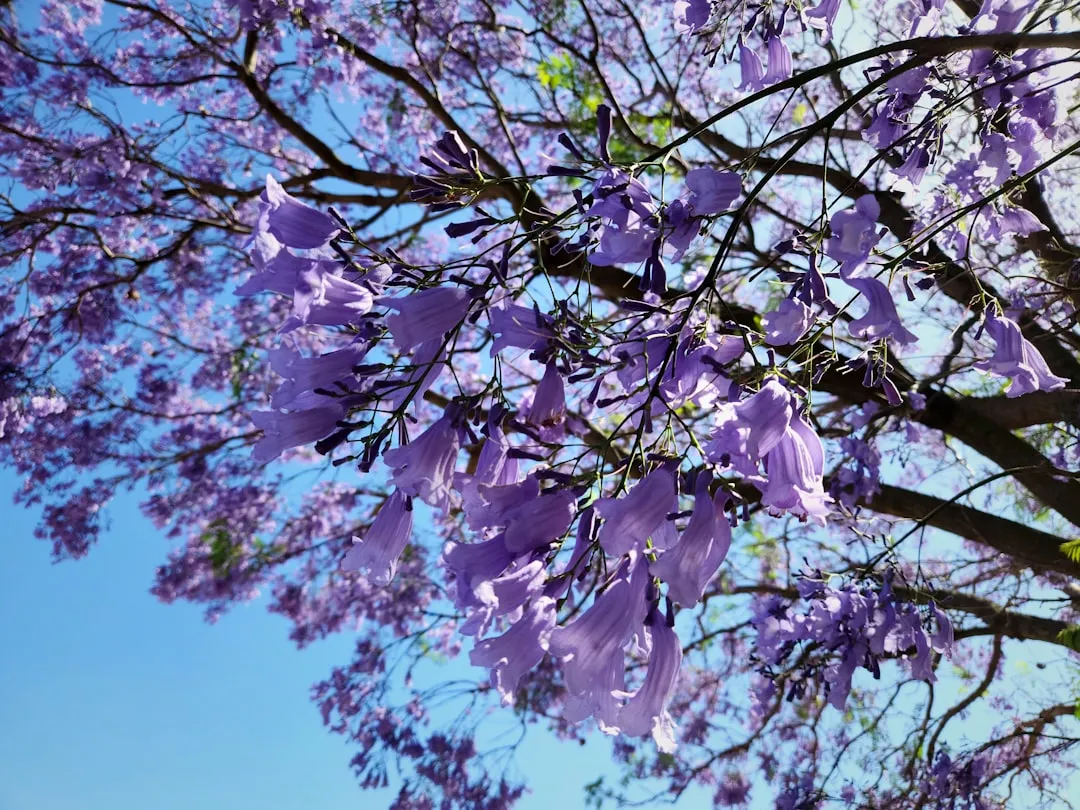
Jacarandas, which line many Southern California streets, create spectacular canopies of purple-blue blooms. Introduced to the area in the 19th century, these native South Americans became local favorites for their ornamental value and ability to adapt.
It’s difficult to forget a street full of Jacaranda mimosifolia in full bloom. In late spring, the branches become covered with bell-shaped flowers and later with soft, fern-like leaves that provide a light shade. The fallen petals form a violet carpet beneath the canopy, which is almost as striking as the tree itself.
Jacaranda thrives in the Inland Empire, San Diego County, and coastal areas that are less than 2,500 feet in elevation. Ensure it receives at least six hours of full sun daily and is planted in free-draining soil.
Western Redbud (Cercis occidentalis): California Native Gem
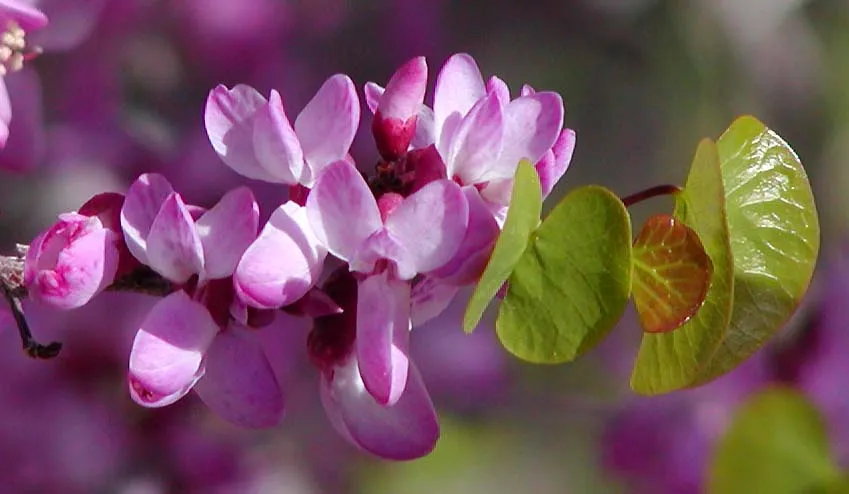
Cercis occidentalis, commonly known as the Western Redbud, is native to areas from Baja California to the Sierra foothills and is well-suited for low-water gardens. Magenta flowers open on bare twigs in early spring, attracting bees at a time when few other nectar sources are present.
After the flowers shed, heart-shaped leaves emerge that are shiny and of a bluish color, which complement the gray-green coastal sage scrub plant. Western Redbud grows only to 15 to 20 feet tall, so it clears power lines and front windows without the need to be topped.
The flowers have a unique way of capturing the attention of rare butterflies and hummingbirds, making them great for seeing species you wouldn’t typically see. The trees grow between 10 to 20 feet tall and 10 to 15 feet wide, though it takes a few years to reach that size. Patience is rewarded here.
Crape Myrtle (Lagerstroemia): Summer’s Long Bloomer
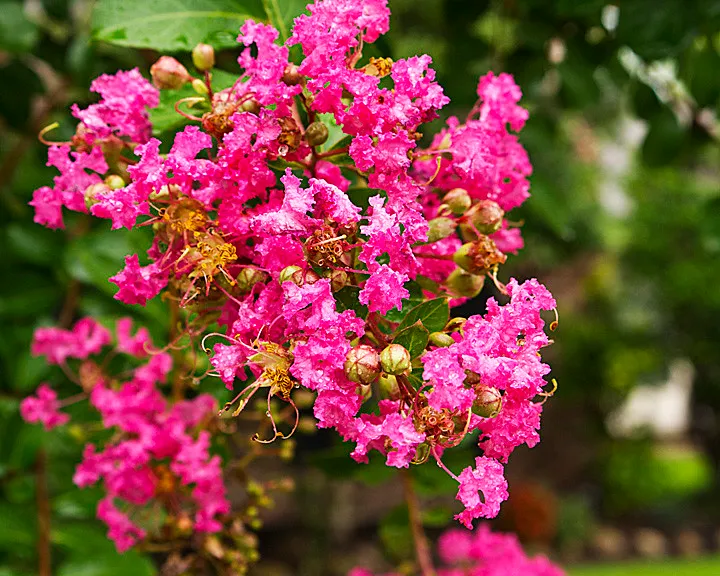
Crape myrtles have an unusually long blooming season. Their radiant flowers come in a full palette of colors, including pink, red, and purple. Few trees give so many weeks of reliable color in the California heat without demanding much in return.
Crape Myrtles provide year-round interest. In spring and summer, they produce vibrant clusters of blooms, followed by striking fall colors and beautifully peeling bark in winter.
Once established, Crape Myrtles are very drought-tolerant, a great attribute for California’s dry seasons. They adapt well to California’s climate, thriving in hot summers and mild winters. The vibrant blooms attract butterflies, bees, and other beneficial pollinators, supporting local biodiversity and enhancing the health of surrounding plants.
Hong Kong Orchid Tree (Bauhinia x blakeana): Winter Color When You Need It Most
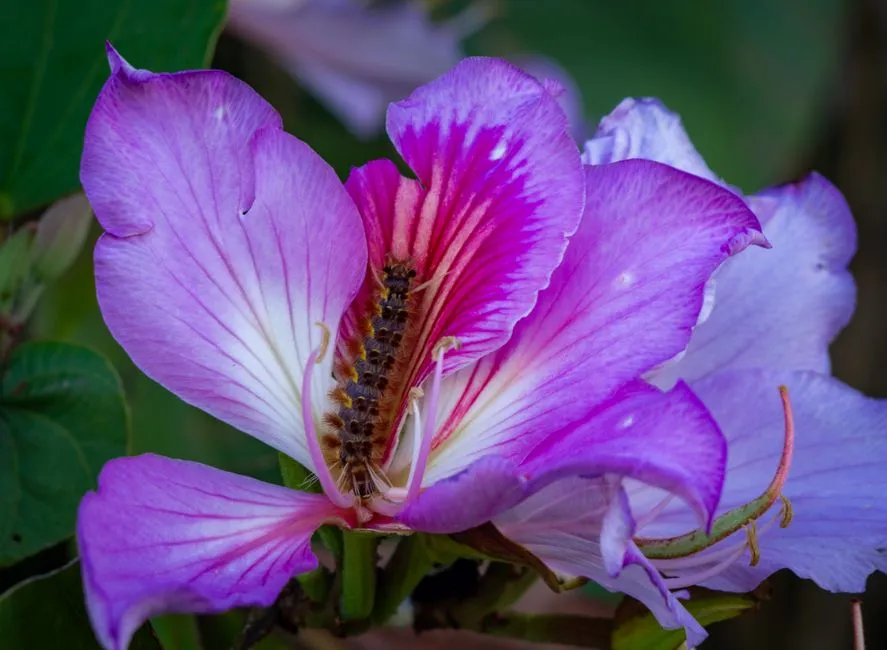
The Hong Kong Orchid Tree produces color from winter through spring, with breathtaking reddish-purple flowers as large as 6 inches across. That’s a rare thing: dramatic color during months when most gardens go quiet.
Considered among the most beautiful trees available, it features exceptionally long-blooming, flamboyant, deep rose-red, orchid-shaped flowers that have a touch of white. The sterile flowers produce no seedpods. That last detail matters if you want a tidy garden.
With its stunning orchid-like blossoms and lush foliage, this tree adds a touch of exotic elegance to any outdoor space. It thrives across coastal Southern California and in frost-free inland valleys, making it one of the most rewarding winter-blooming trees for the region.
Palo Verde ‘Desert Museum’ (Parkinsonia): The Toughest Beauty
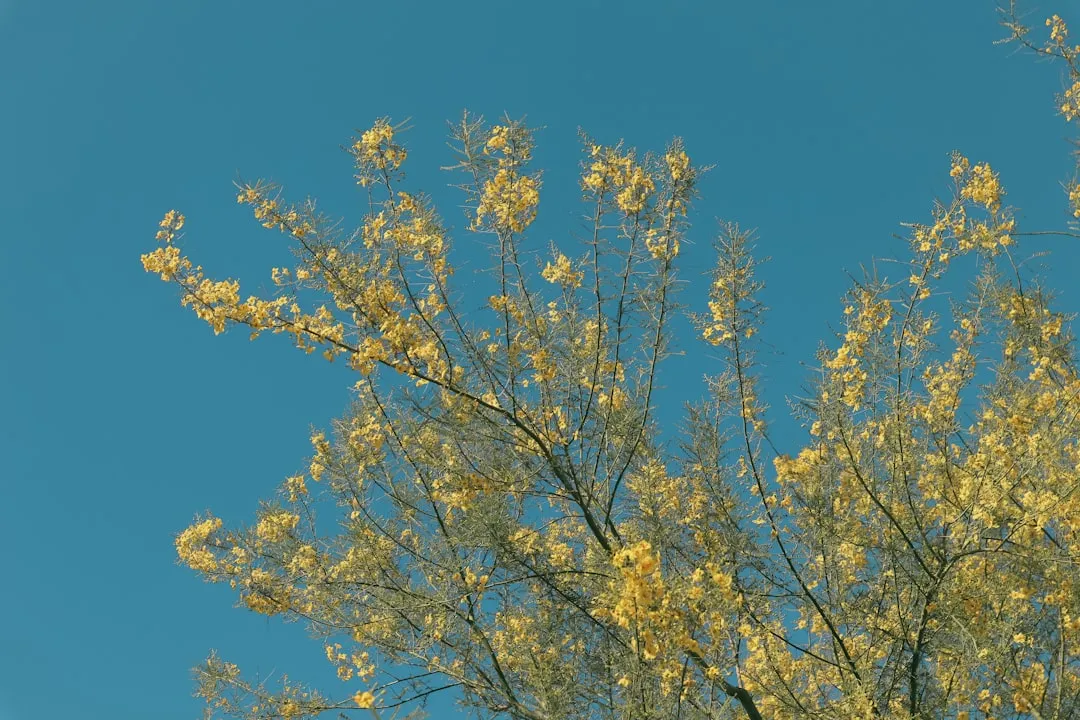
The flamboyant yellow blooms of the Palo Verde tree, specifically the ‘Desert Museum’ hybrid, announce the arrival of spring across the Coachella Valley. This thornless hybrid originates from three species of palo verde.
These desert trees are prized for their stunning yellow blooms and airy green foliage. They’re extraordinarily drought-tolerant and have some of the deepest taproots in the tree world. That taproot is the secret to how this tree survives conditions that would kill most ornamentals.
Open branching lets enough light reach the understory succulents. Gardeners who want drought-tolerant trees that are not bare of color during the seasons have Palo Verde as the first on their list. It earns its spot every spring.
Magnolia ‘Little Gem’ (Magnolia grandiflora): Elegant and Compact
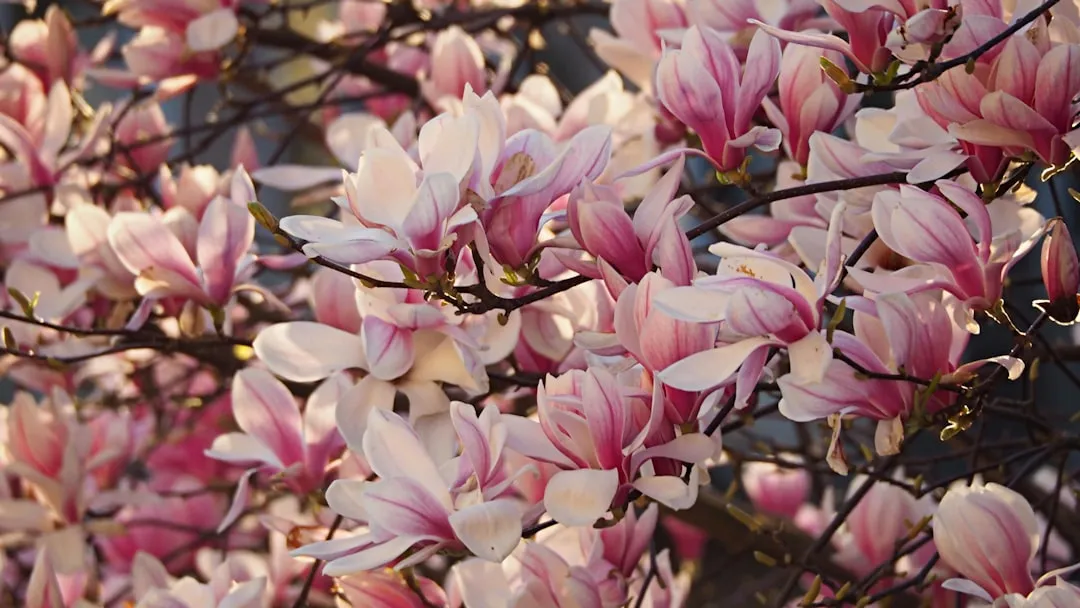
Magnolias, with their large, fragrant flowers, lend Southern elegance to your garden. Popular varieties include the Southern Magnolia, perfect for larger spaces, and the Star Magnolia, ideal for smaller yards.
The Southern Magnolia is often too big for suburban yards. However, the ‘Little Gem’ variety grows to about 25 feet tall, making it a genuinely usable size for most California gardens without sacrificing any of the drama.
Magnolias offer a blend of elegance and practicality, bringing beauty and shade to California properties. Their showy flowers and dense shade make them a popular choice for homeowners looking to create a refined, visually appealing landscape.
Desert Willow (Chilopsis linearis): Hummingbird Magnet of the Dry Garden
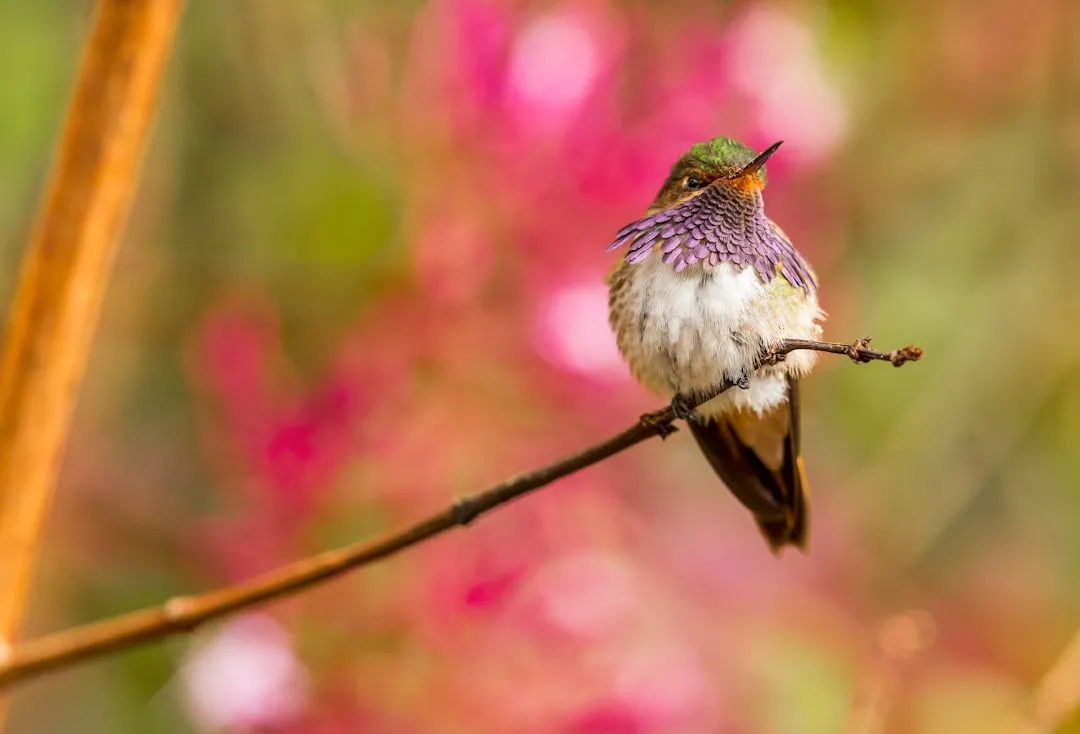
The Desert Willow is a small tree native to the Southwestern US and parts of Mexico. Its common name comes from the resemblance of its leaves to willows, but it’s actually a member of the Bignoniaceae family. It can be found growing in washes and along riverbanks at elevations below 1,500 feet in the Colorado and Mojave Deserts.
The flowers are pink and fragrant and are favored by hummingbirds. The Desert Willow is winter deciduous, but still makes an outstanding addition to dry inland gardens due to its attractive floral display.
A hybrid of catalpa and desert willow, the Chitalpa produces trumpet-shaped flowers in shades of pink or white, blooming from late spring to early fall, and grows 20 to 30 feet tall while being drought-tolerant. The Chitalpa is a close cousin worth considering if you want that same hummingbird appeal with even more staying power through summer.
Sweetgum (Liquidambar styraciflua): Fall’s Fiery Showstopper
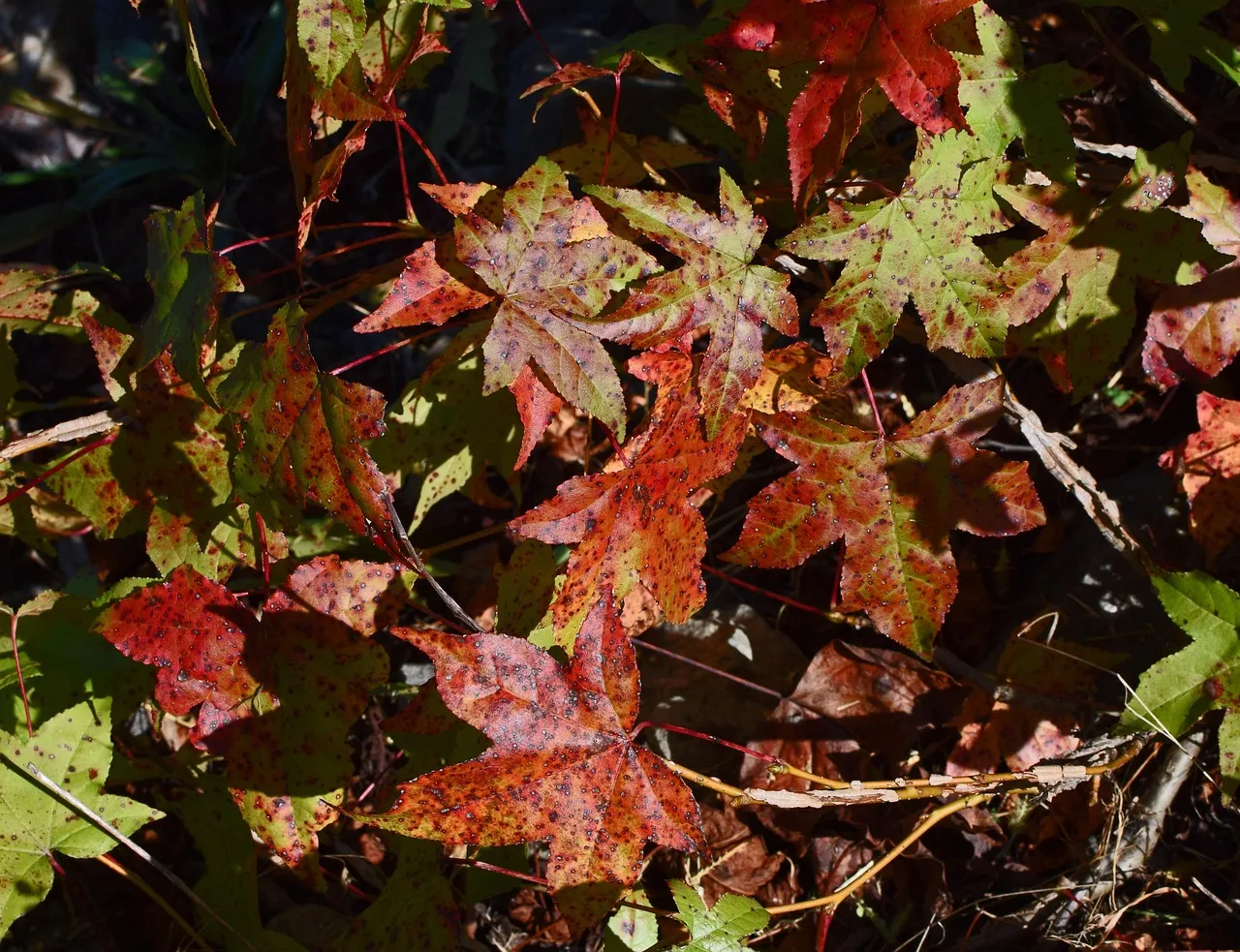
Sweetgum is one of the only trees known for a guaranteed rainbow of reliable fall colors along the mild Southern California coast and further inland where winter has shorter days and is a few degrees cooler than summer. No matter where planted, American Sweetgum will perform.
The hues of its palm-shaped leaves can range from vivid magenta to red, orange, canary yellow, burgundy, and dark purple. Among seed-grown trees, each individual displays its colors irregularly, with some darker, others lighter. Buying a named cultivar in fall lets you see exactly what you’re getting before you commit.
It is now recommended that the trees be planted at least 15 to 20 feet from structures and that they should not be used as street trees due to their invasive surface roots. Give this tree room, and it rewards you magnificently. Crowd it, and it becomes a headache.
Blue Elderberry (Sambucus nigra ssp. caerulea): California Native That Keeps on Giving
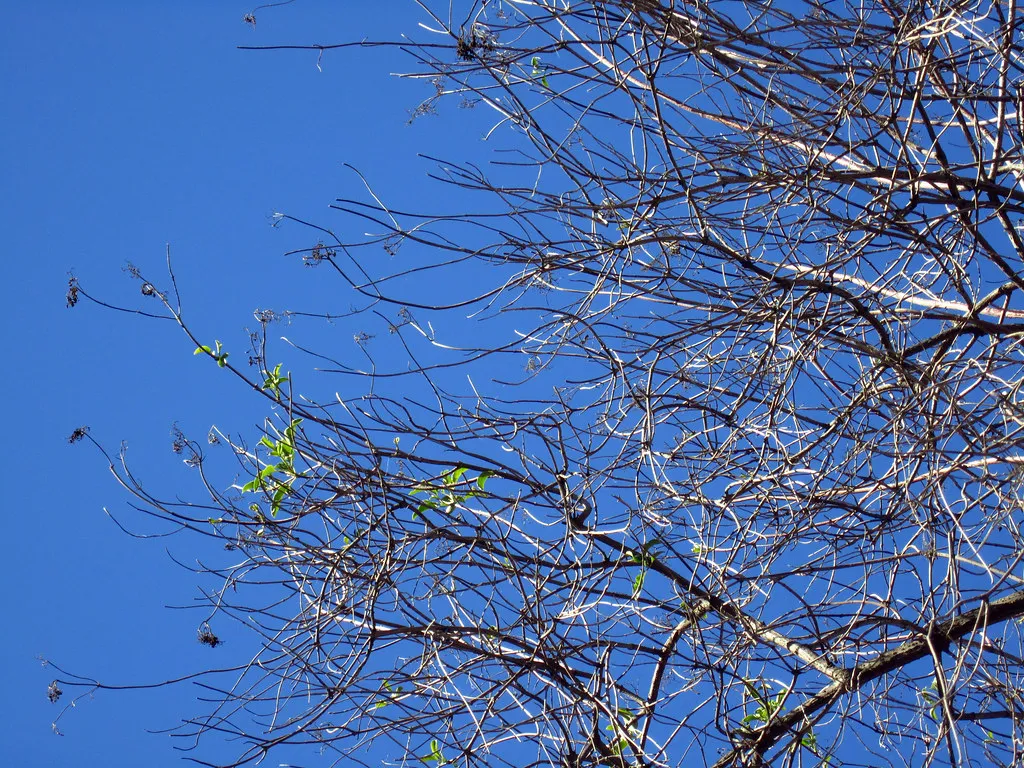
The Blue Elderberry is a drought-tolerant small tree or shrub native to California, making it both easy and rewarding to grow for new gardeners. Flowers burst forth in shades of creamy white or yellow in the early spring and can remain until the fall. The flowers are followed by purple berries that provide an essential food source for local birds.
The Blue Elderberry can handle a variety of soil types and moisture levels, including permanently moist as well as fairly dry soils. Planted in drier conditions, it may become deciduous or semi-deciduous in summer or fall.
Its value to local wildlife is hard to overstate. The California Native Plant Society notes that a year-round display of flowering and fruiting natives attracts and supports songbirds, hummingbirds, butterflies, bees, and other welcome wildlife, enhancing the outdoor experience and boosting pollination.
Golden Rain Tree (Koelreuteria paniculata): Midsummer Color That Surprises
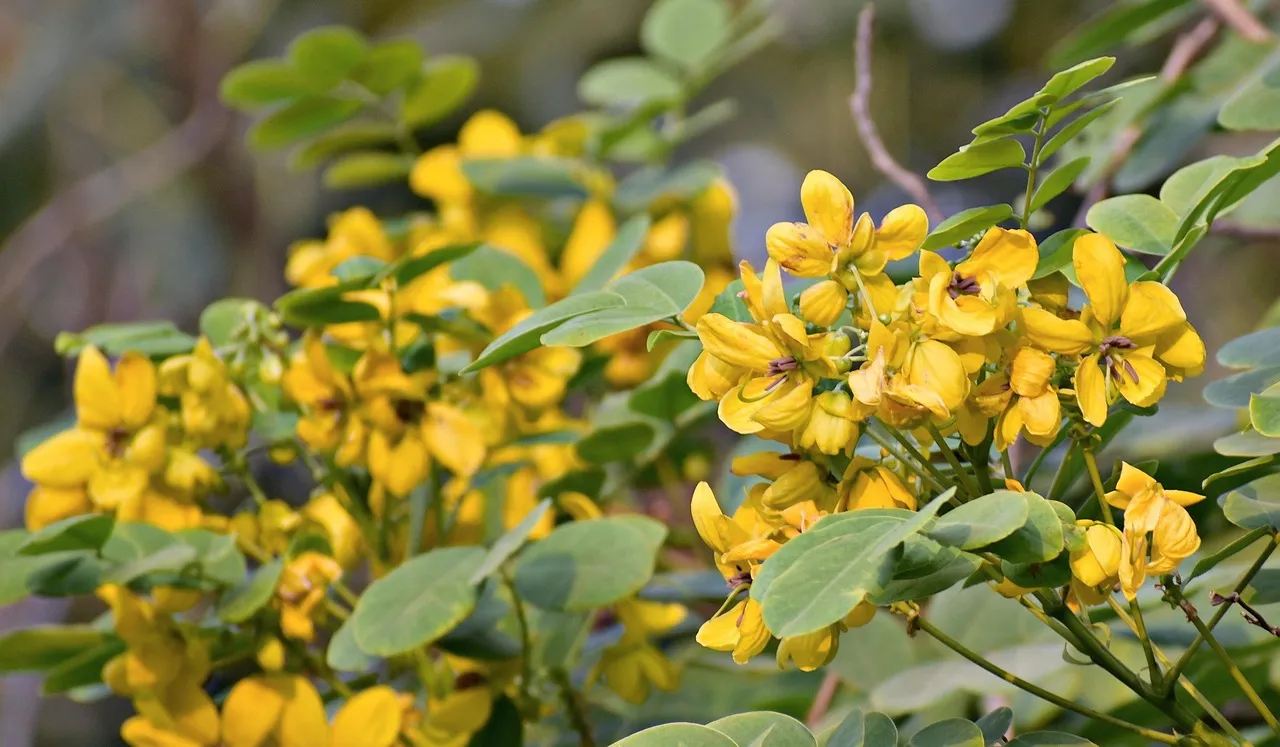
Although native to Asia, the Golden Rain Tree tolerates drought conditions and many air pollutants common to Southern California cities. It is a flowering shade tree, reaching a height and width of 30 to 40 feet, with yellow blooms that emerge in mid-summer atop its unique, bipinnately compound leaves.
Later in the summer, the blooms develop interesting seed capsules that somewhat resemble small Chinese lanterns. The Golden Rain Tree is one of the best flowering trees Southern California has to offer due to its rare combination of shade provision, unique chartreuse bloom color, and interesting leaves and seed pods.
Most flowering trees peak in spring and then go quiet. The Golden Rain Tree blooms in July and August, filling the gap when other ornamentals have already put on their show. Many flowering trees attract pollinating insects like bees and butterflies, and some species are drought-resistant and flourish with minimal care. The Golden Rain Tree checks both boxes with ease.
A Garden Worth Stepping Outside For
Choosing the right tree isn’t just about the color on the tag at the nursery. It’s about what blooms when, how much water it really needs, and whether it fits the scale of your garden without creating problems five years from now. Thoughtful selection today prevents conflicts with structures, paving, or other plants ten years from now.
Whether it’s the purple haze of jacaranda or the hummingbird magic of desert willow, flowering and ornamental trees bring texture, shade, and vibrant seasonal color far beyond what turf or shrubs can offer. By choosing varieties that thrive in Southern California’s dry summers, you’ll reduce water usage, minimize pest concerns, and enjoy long-term beauty with less maintenance.
The ten trees in this gallery represent a genuine cross-section of what California growing conditions can produce, from the magenta burst of a Western Redbud in February to the slow amber fire of a Sweetgum in November. The state doesn’t just offer color. It offers an almost year-round rotation of it, if you plant with intention.
AI Disclaimer: This article was created with the assistance of AI tools and reviewed by a human editor.