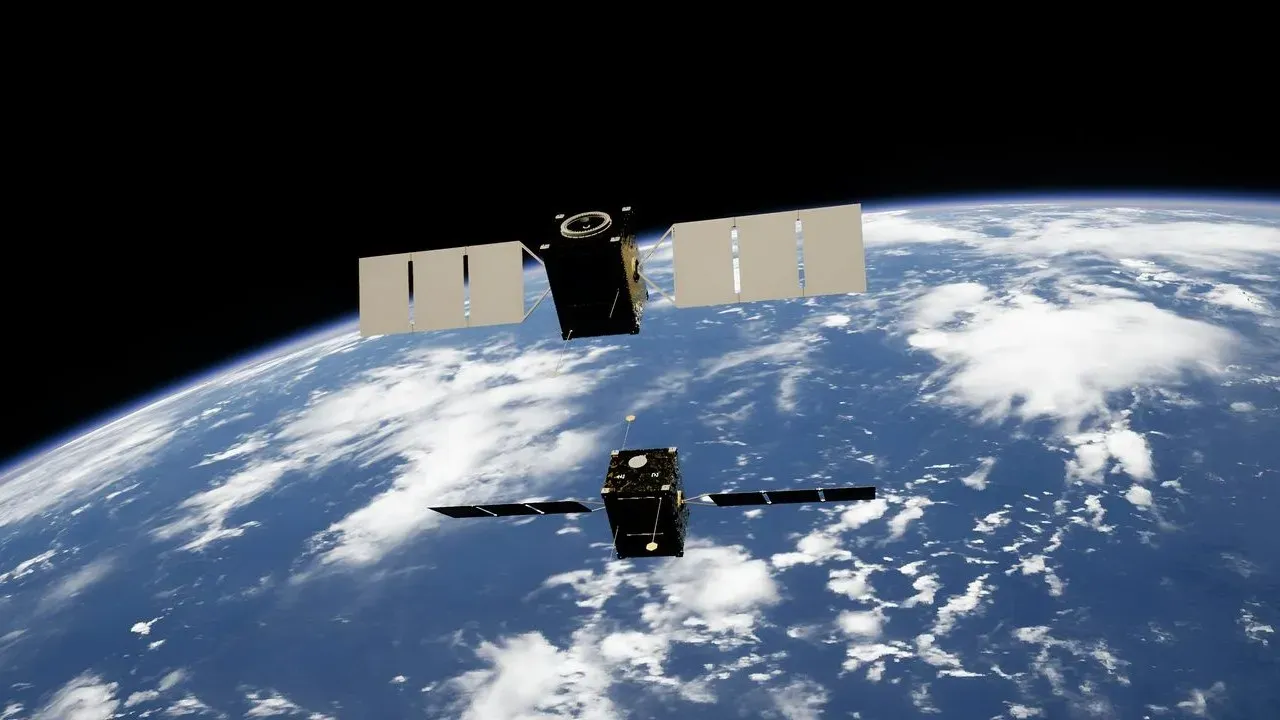

There’s a quiet revolution happening in plant science, and it started roughly 400 kilometers above Earth’s surface. Over the past decade, astronauts aboard the International Space Station have been running small gardens in sealed chambers, growing kale, lettuce, and mustard greens in a place where sunlight, gravity, and soil are all absent. What they’ve learned is quietly reshaping how ordinary people think about growing food at home, including on small urban balconies.
The research doesn’t always deliver feel-good headlines. Some discoveries complicate the picture. Others are genuinely exciting. Either way, the science coming back from orbit offers surprisingly practical lessons for anyone trying to grow edible plants in a tight, challenging space.
Plants Can Grow Without Soil, and Without Much Space
One of the clearest lessons from orbit is that soil is not actually necessary for edible crops. NASA’s XROOTS investigation was designed to test hydroponic and aeroponic techniques to grow crop plants without soil, making large-scale plant production in space feasible. The system delivers nutrients and water directly to plant roots through liquid or misted solutions, skipping dirt entirely.
Rather than resting in a soil garden bed, space station plants grow in a pillow-like container that holds a ceramic growing medium with controlled-release fertilizer that provides nutrients over time. For balcony gardeners, this translates directly: compact hydroponic setups require no heavy bags of compost, no digging, and take up a fraction of the footprint of a traditional container garden.
Light Recipes Matter More Than You Think
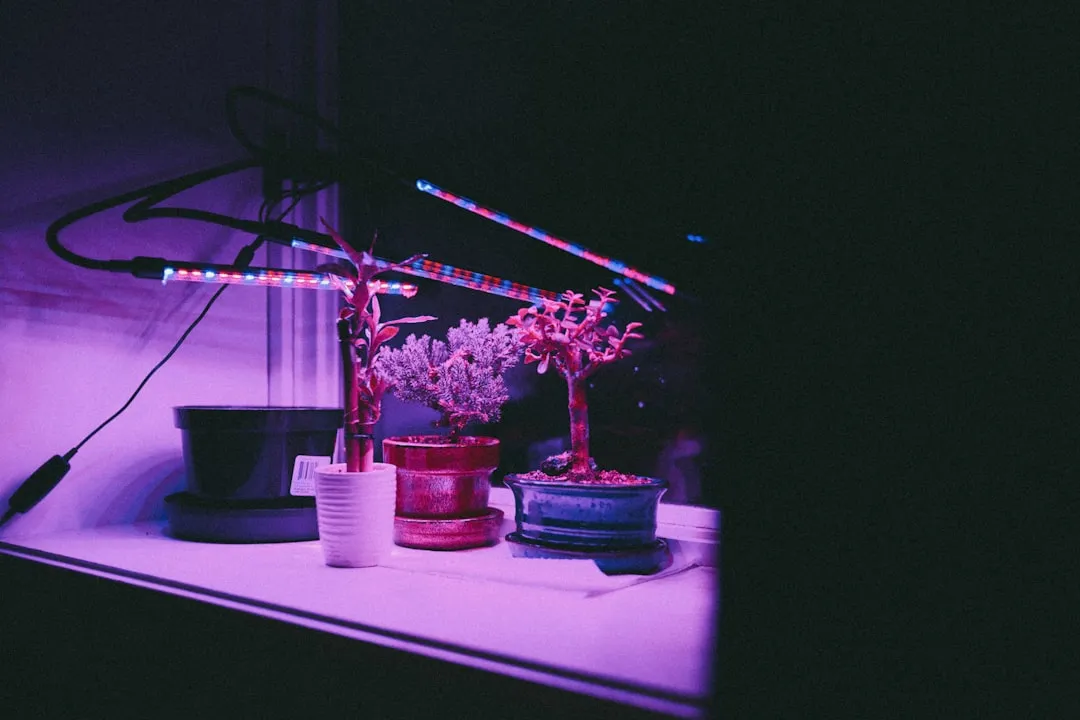
In the absence of gravity, plants use other environmental factors, such as light, to orient and guide growth. A bank of LED lights above the plants produces a spectrum of light suited for the plants’ growth. This finding underscored something researchers had long suspected: the color and intensity of light are not secondary details, they’re primary drivers of plant behavior.
An LED lighting system enables the crew to grow crops independent of sunlight, and different light color combinations, or “light recipes,” can have dramatic effects on plant size, shape, texture, and appearance. Home growers with shaded balconies can take this seriously. A modest LED grow light panel tuned to the right spectrum can compensate for a north-facing wall or a balcony that only catches two hours of direct sun per day.
Space-Grown Lettuce Is Safe to Eat, But the Nutrition Story Is Complex
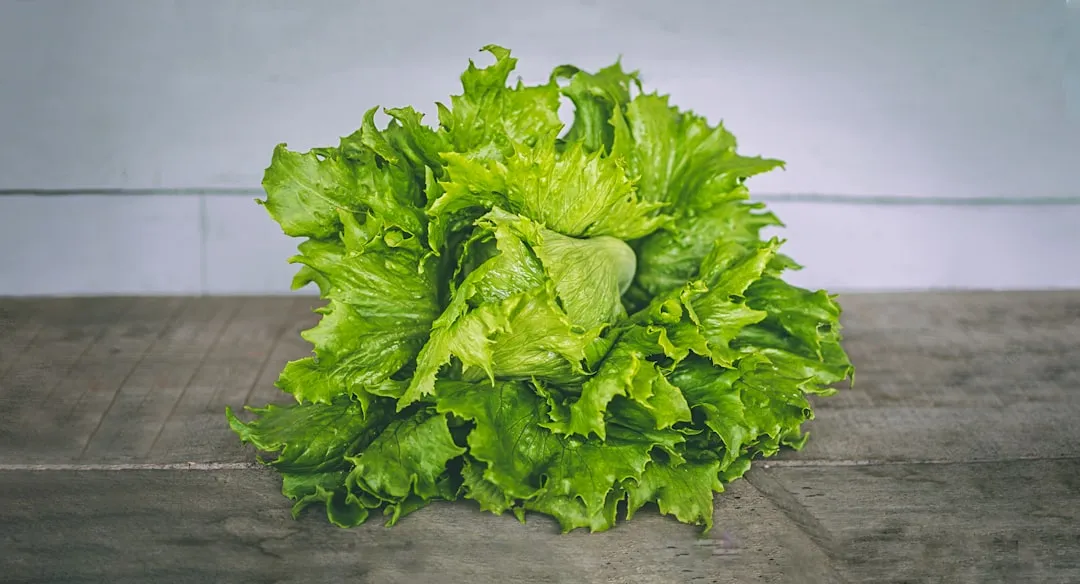
Space-grown lettuce is free of disease-causing microbes and safe to eat, and is at least as nutritious as Earth-grown plants, despite being grown under lower gravity and more intense radiation than on Earth. That result, published in Frontiers in Plant Science, came as genuine good news for the space farming program.
However, more recent data introduced important nuance. A study found that space-grown crops contained roughly 29 to 31 percent less calcium and 25 percent less magnesium than Earth lettuce, falling short of astronaut requirements. The same research found that space-grown lettuce had higher potassium levels, which plays a crucial role in maintaining proper fluid balance, nerve signals, and muscle contractions. For balcony growers, this is a reminder that growing medium, water quality, and nutrient solution composition all directly shape what ends up on your plate.
Watering Is the Hardest Part, Both in Orbit and on a Balcony
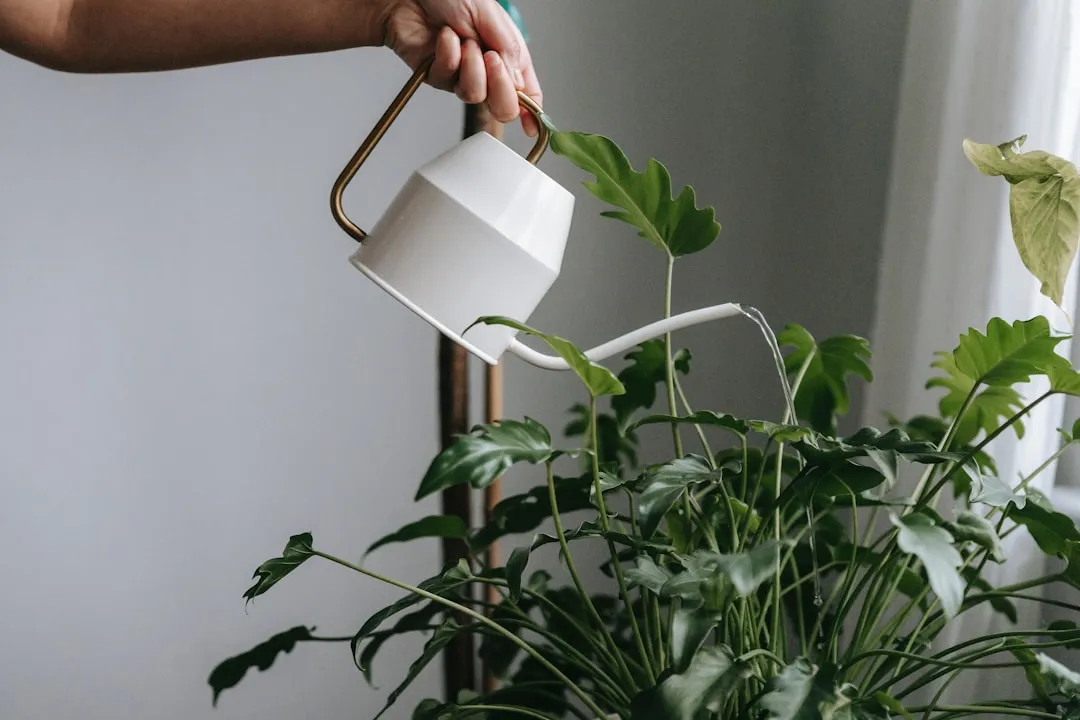
Microgravity and a lower gravitational pull than on Earth hinder the flow of water and nutrients to plant roots. Astronauts learned early that fluid dynamics in a sealed growing system are far less predictable than expected. Early Veggie experiments involved considerable variation in fluid addition as both the ground teams and the astronauts struggled to effectively water the crops.
Balcony gardens face the same underlying challenge in a different form: inconsistent watering, either too much or too little, is the most common reason container plants fail. The ISS lesson is that passive, precisely calibrated delivery systems outperform manual guesswork. Self-watering planters and wicking systems, both inspired in part by space research, apply exactly this principle.
Five Plant Species Have Completed Full Life Cycles in Space

A major challenge in space agriculture involves growing plants through their entire life cycle in space, often called “from seed to seed.” Although plants evolved gravitropism on Earth and microgravity presents considerable environmental challenges, five plant species, including Arabidopsis, wheat, pea, Brassica rapa, and rice, have successfully completed their life cycles in space.
These findings indicate that microgravity may have less severe effects on plant growth and development than initially anticipated. This is an important reassurance for anyone growing edible plants in constrained environments. If crops can run their full reproductive cycle in the harshest growing environment humans have ever used, a breezy or partially shaded balcony is a very manageable challenge by comparison.
Astronauts Now Choose What They Grow, and That Matters
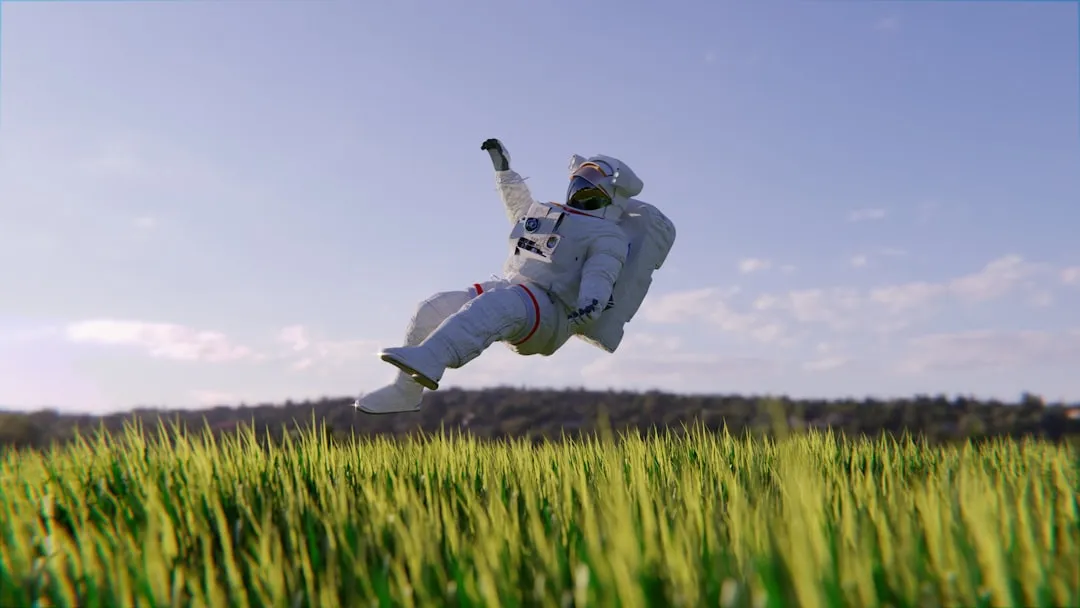
The VEG-03 MNO experiment is one of the first where crew members are able to grow plants outside of controlled plant growth chambers, providing insight into the use of novel human habitat capabilities to grow space crops. During this experiment, astronauts can choose what they want to grow from a seed library including Wasabi mustard greens, Red Russian Kale, and Dragoon lettuce.
Growing plants provides nutrition for astronauts, as well as psychological benefits that help maintain crew morale during missions. That psychological dimension is real and documented, and it applies just as readily to a balcony plot. Tending something that’s yours and watching it grow has measurable effects on stress and mental wellbeing, something space agencies have now formally acknowledged in their research frameworks.
Indoor Vertical Farming Was Born From Space Research
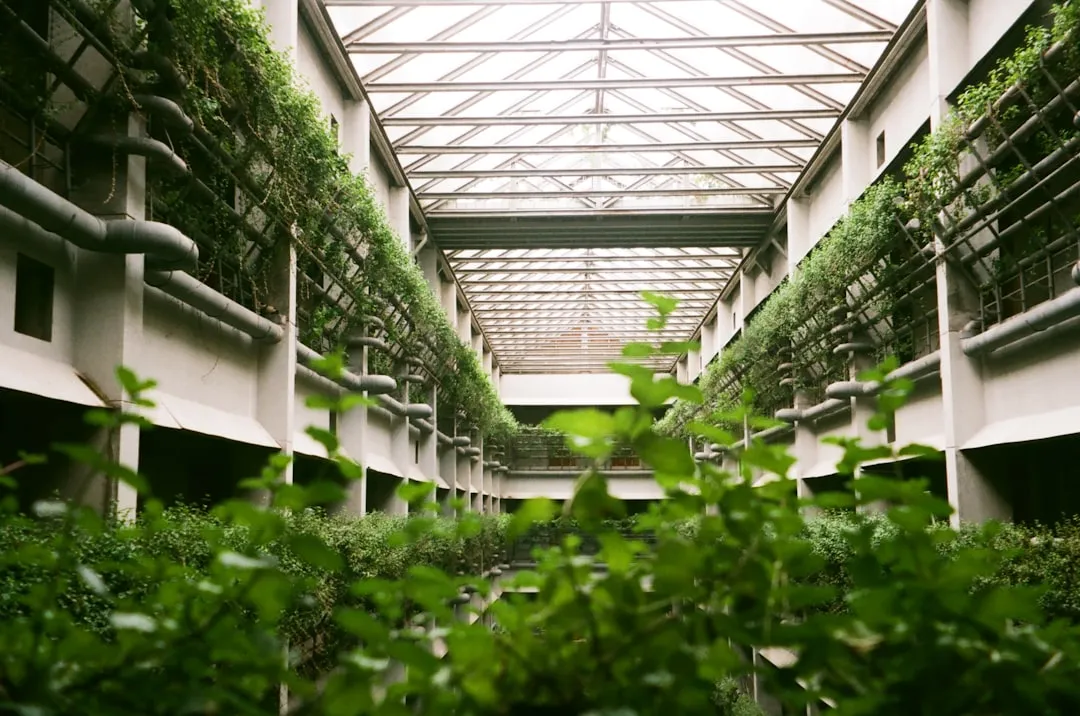
Closed-environment plant-growth data and expertise developed at Kennedy Space Center through research into bioregenerative life support helped Oslo-based IntraVision Group develop a complete indoor vertical growing system and LED lighting options to grow food on Earth. Space research didn’t stay in orbit; it came home and went commercial.
Using expertise the space agency developed in closed-environment plant growth, private companies are making indoor farming a major food source on Earth, with some operations having the potential to produce over a million pounds of produce annually at a single facility. The modular, stackable vertical planters now widely available for balcony use are, in a real sense, consumer-grade descendants of space station gardening research.
Plants Show Epigenetic Changes in Microgravity, Opening New Questions
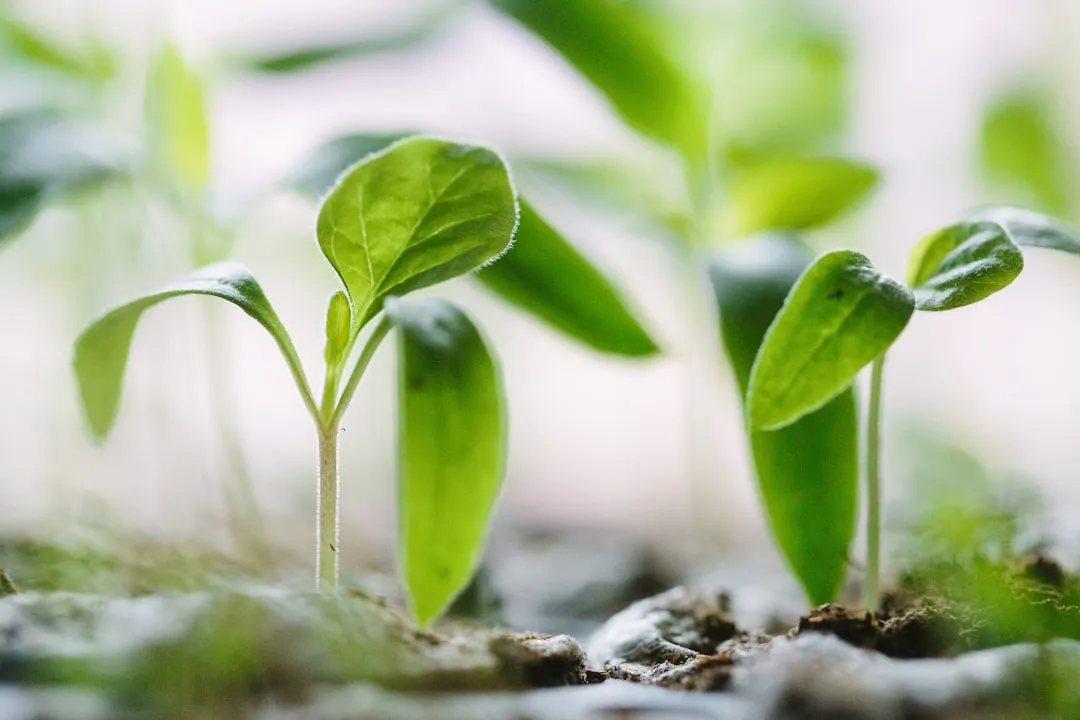
Research findings highlight the complex molecular responses of plants to microgravity, driven by stress, signaling pathways, and epigenetic modifications. Plants exhibit a remarkable capacity to adapt to the unique environmental conditions of space. Epigenetic changes, where the plant’s gene expression shifts without changes to the DNA itself, reveal that plants are far more responsive to their environment than classical growing advice typically suggests.
One of the most exciting discoveries from microgravity experiments is how it reveals hidden aspects of plant biology. For balcony growers, this opens a genuinely interesting idea: the stresses your plants face on a windy, hot, or partially lit balcony may be driving beneficial adaptations in flavor, secondary metabolite production, or pest resistance. Controlled stress, not perfection, may be the smarter growing strategy.
The Seed Pillow System Points Toward Better Container Design
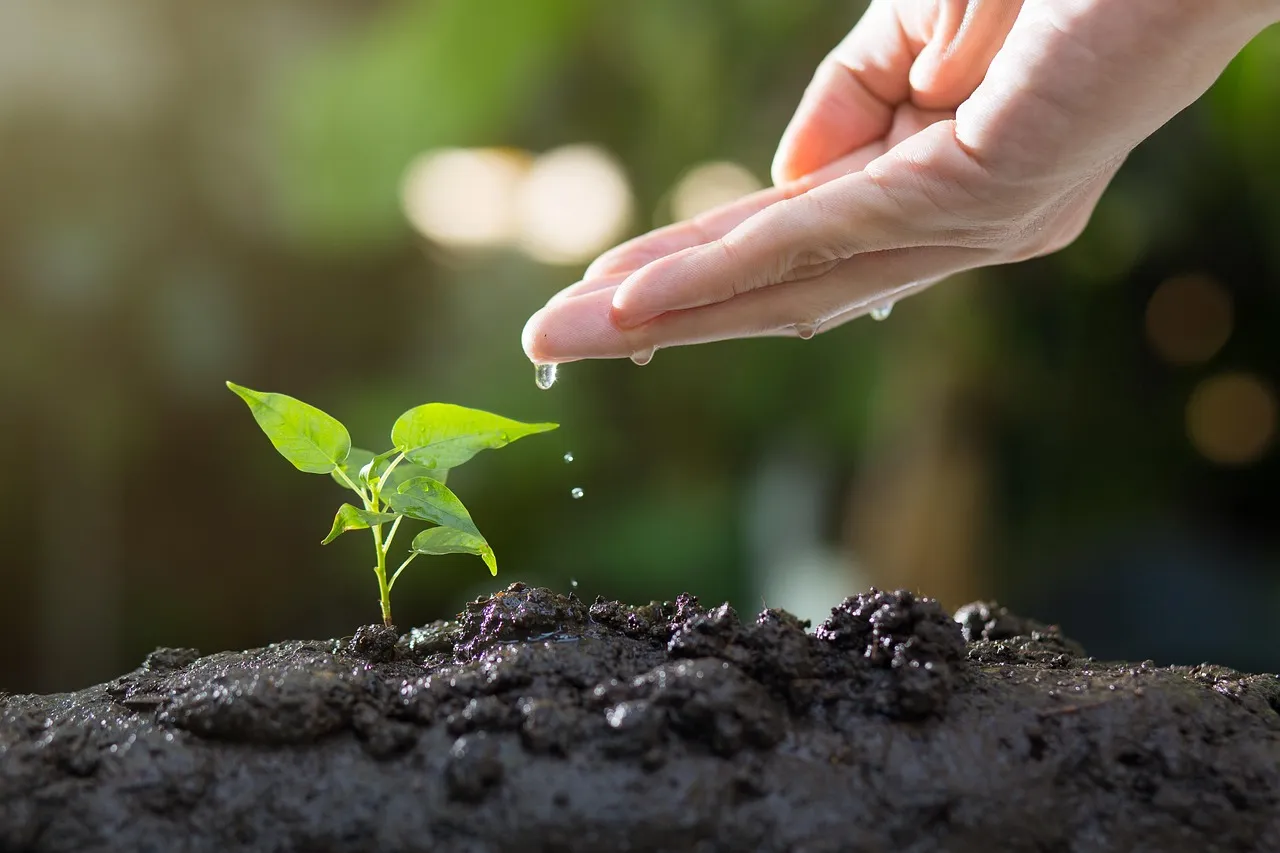
Astronauts plant thin strips containing their selected seeds into fabric “seed pillows” filled with a special clay-based growing medium, monitoring the plants, adding water as needed, and documenting growth through regular photographs. This low-tech, lightweight system was engineered for reliability under extreme constraints, and it works well precisely because it’s simple.
The Advanced Plant Habitat is a growth chamber that uses LED lights and a porous clay substrate with controlled-release fertilizer to deliver water, nutrients, and oxygen to the plant roots. For balcony gardeners, the practical parallel is clear: porous growing media, slow-release fertilizer, and consistent light beat heavy soil, irregular feeding, and guesswork every time. The ISS approach to container growing is essentially an optimized version of what small-scale urban gardeners are already trying to do.
The Fungus That Accelerates Plant Growth Could Change Home Gardening
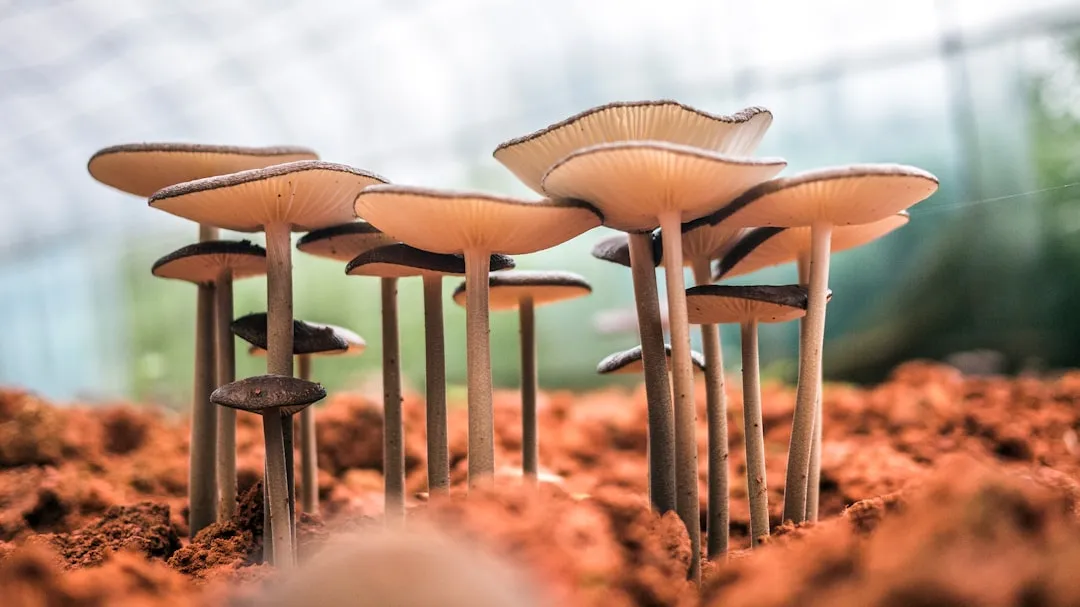
USDA Agricultural Research Service scientists found that an airborne fungus dramatically accelerates plant growth, a discovery made in the context of developing sustainable farming techniques for spaceflight. This finding is part of a broader effort by ARS scientists working alongside NASA to develop growing methods that perform reliably in closed, resource-limited systems.
Sustainable bioregenerative life-support systems that produce fresh food and water, revitalize air, and recycle waste are essential for deep-space exploration. That closed-loop thinking, where nothing is wasted and every element of the growing system does multiple jobs, is directly applicable to a small balcony. Compost tea, worm castings, and mycorrhizal inoculants are all Earth-friendly expressions of the same regenerative principle that space farming researchers are racing to perfect.
Conclusion
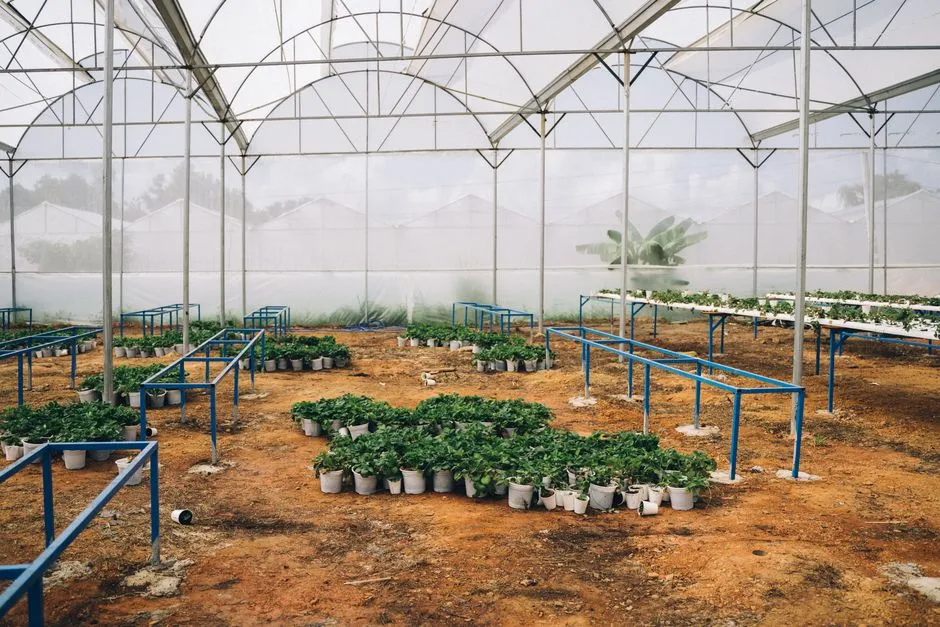
Space farming research didn’t set out to improve urban balcony gardening. It was trying to keep people alive on missions to the Moon and Mars. But that pressure, growing nutritious food in tiny spaces with minimal resources and zero margin for error, turns out to produce insights that transfer remarkably well to a 10-square-meter rooftop plot.
The honest takeaway is that space research confirms some things we already suspected, that light matters enormously, that soil is optional, and that consistent water delivery beats volume every time. It also complicates things we assumed were simple, like whether space-grown greens are fully equivalent to Earth-grown ones nutritionally. New frameworks and technologies are advancing crop adaptation and life support, with upcoming lunar experiments set to inform both space and terrestrial agriculture.
For the balcony grower, the most useful thing to absorb from all of this might be the mindset: treat your small growing space like a system, not a hobby. The astronauts had to. It worked.
AI Disclaimer: This article was created with the assistance of AI tools and reviewed by a human editor.