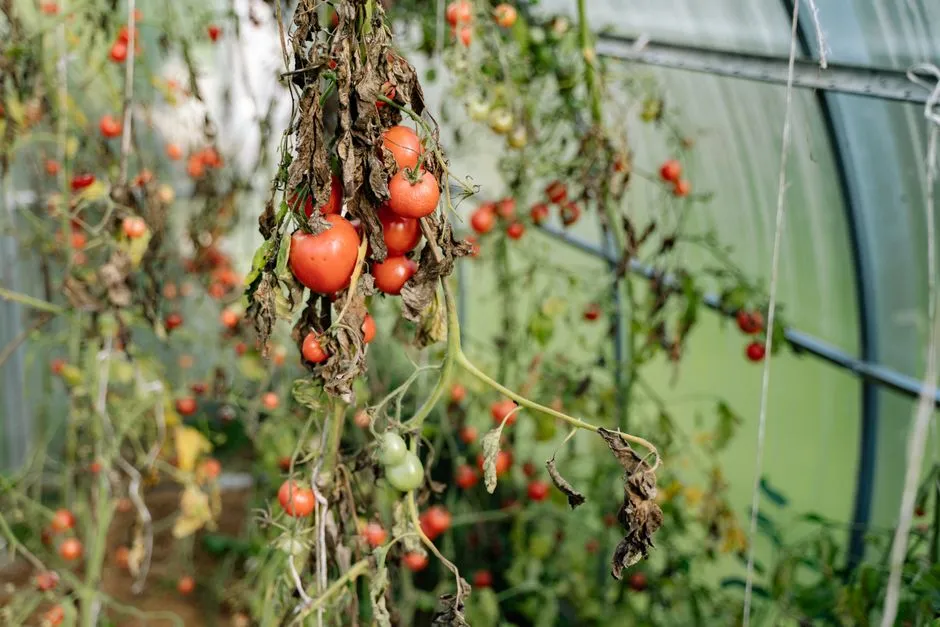

You plant them, water them, maybe even talk to them a little. Then one day you notice your tomatoes have just… stopped. They’re green, they look relatively healthy, but the upward climb has stalled out at knee height and refuses to budge. It’s one of the more baffling experiences a home gardener can have, especially when you can’t spot anything obviously wrong.
The good news is that there are real, identifiable causes for this. Some of them are built into the plant’s genetics. Others are soil problems, watering mistakes, or container limitations that are completely fixable once you know what to look for.
It Might Not Be a Problem at All: The Determinate Variety Factor
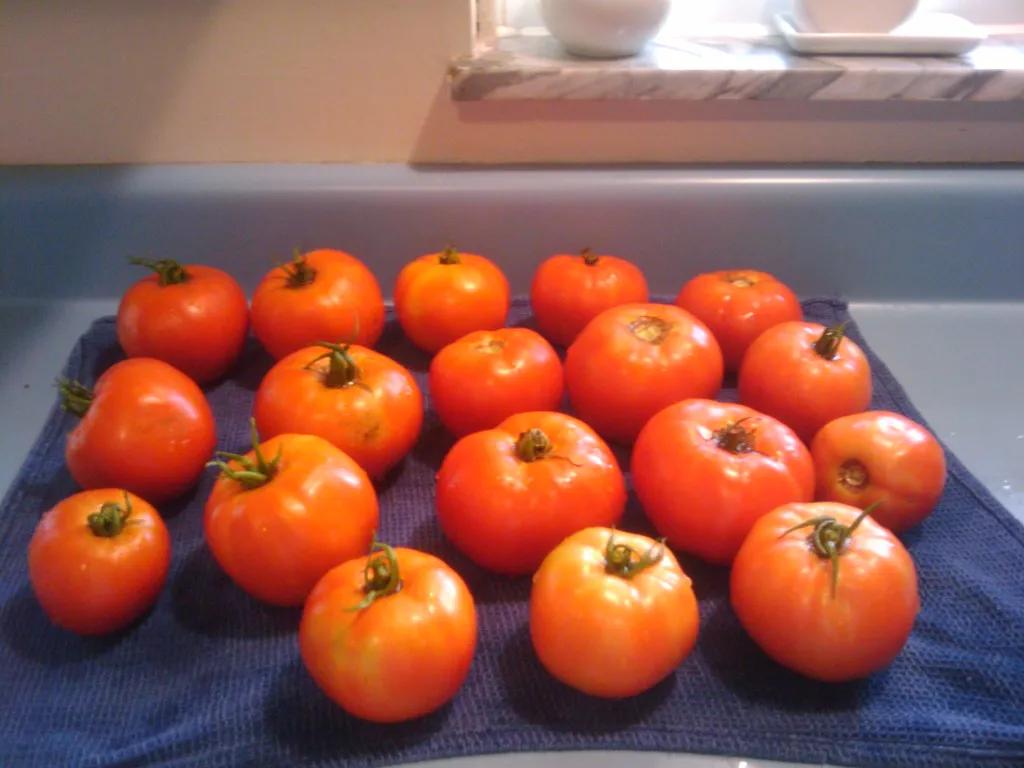
This is where most gardeners go wrong, and it’s worth addressing first. Determinate, or bush, tomato plants are bred to stop growing at around 3 to 4 feet tall. When flowers blossom at the tips of the branches, the plant has simply reached its full, intended height. It’s not sick. It’s not starving. It’s just done growing vertically.
Determinate tomatoes are select varieties with a unique gene that designates a predetermined maximum height, often 3 to 4 feet tall. This is a feature, not a flaw, and it’s why varieties like Roma, Celebrity, and Bush Early Girl are so popular in container gardens and smaller spaces.
Indeterminate tomatoes, on the other hand, continue to grow and produce fruit throughout the season until frost, and can reach heights of 6 to 12 feet. If you want a tomato that never stops climbing, check your seed packet before you buy. The difference is written right there on the label.
Your Soil pH Is Quietly Locking Out Nutrients
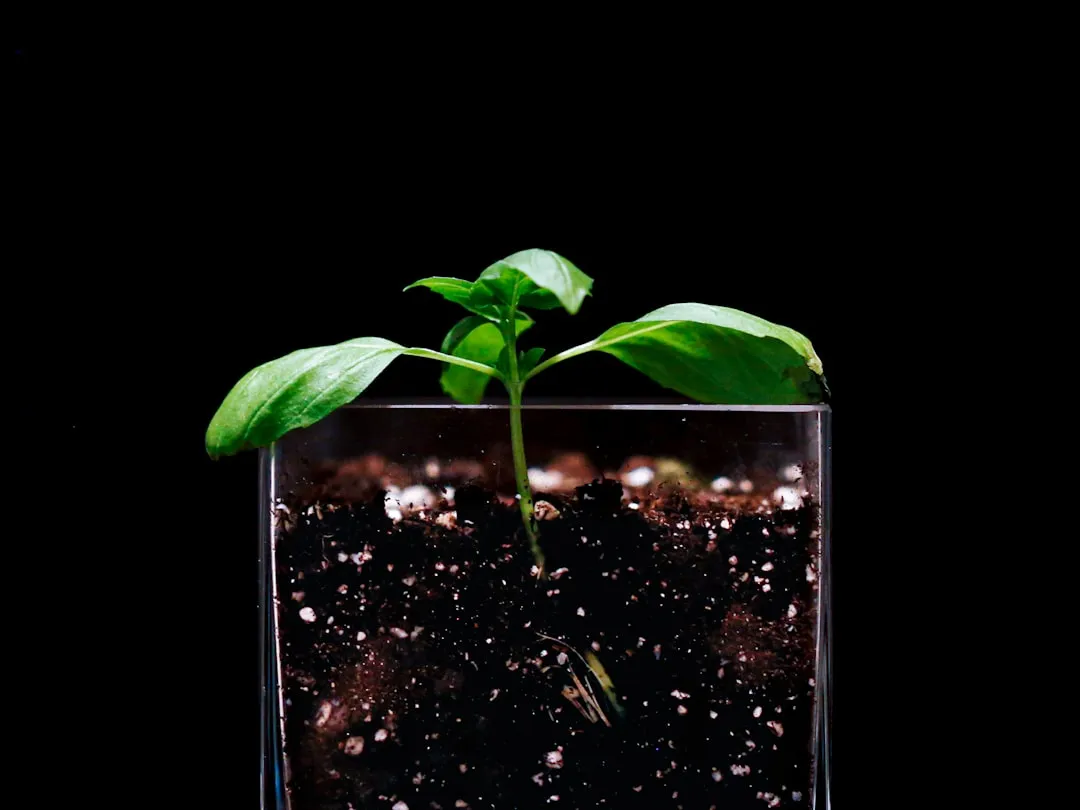
Tomato plants prefer soil with a pH in the range of 6.0 to 6.5. When the pH drifts too low or too high, you’ll start seeing symptoms of nutrient deficiencies, including yellow leaves and stunted growth. The plant can be surrounded by nutrients it simply cannot absorb.
Phosphorus becomes less available when soil pH drops below 6.0, and nitrogen, potassium, and magnesium also become less available as the pH decreases. In other words, all the fertilizer in the world won’t help if the pH is off.
The 60-second fix here is to pick up an inexpensive soil test kit. Adding lime, specifically calcium carbonate, raises soil pH and can restore nutrient availability within days. Test first, amend second. Guessing usually makes things worse.
A Phosphorus Deficiency Can Completely Stall Vertical Growth
Phosphorus is essentially a converter. When nutrients enter the tomato plant, phosphorus helps convert them into usable building blocks like proteins and nucleic acids, which allow the plant to actually grow. Without it, the plant hits a wall regardless of everything else you’re doing right.
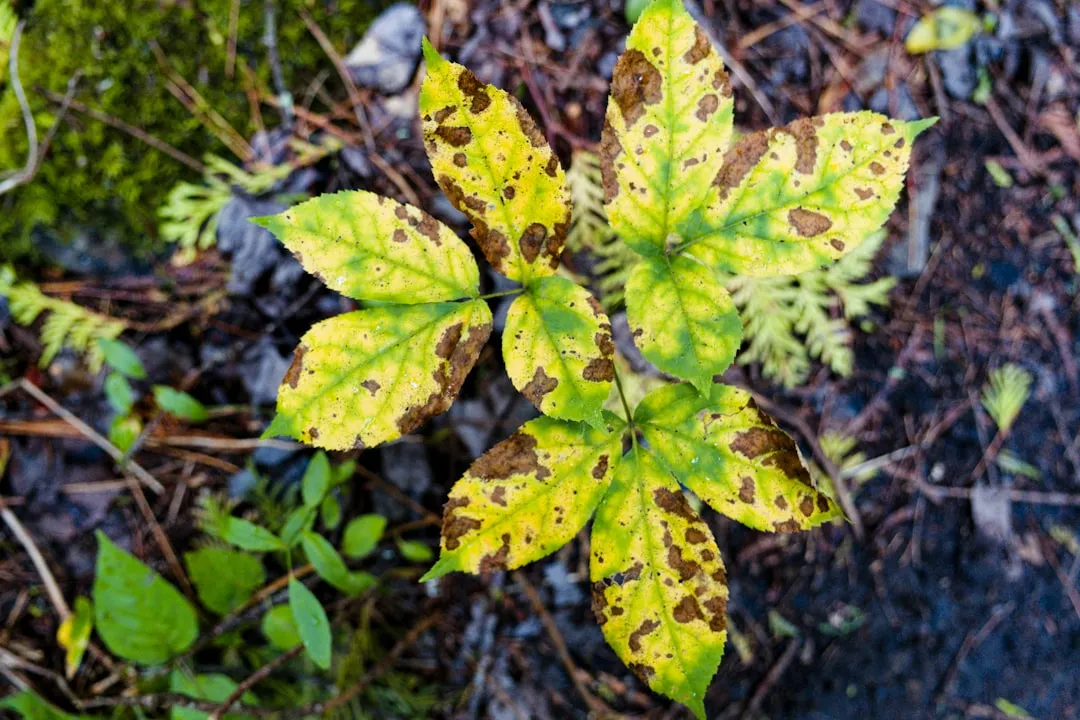
Phosphorus deficiency causes stunted growth, but it’s typically accompanied by purple-tinted stems and leaves, which is your clear visual signal to investigate. Phosphorus often becomes locked in the soil due to temperature or pH issues, meaning the nutrient may be present but simply unavailable to roots.
High-phosphorus amendments like rock phosphate, ammonium phosphate, and bone meal are reliable remedies. Ensuring soil pH is between 6.0 and 6.8 is critical for optimal phosphorus uptake. Fix the pH and the phosphorus problem often resolves on its own.
Nitrogen Overload: When More Fertilizer Is Actually the Problem
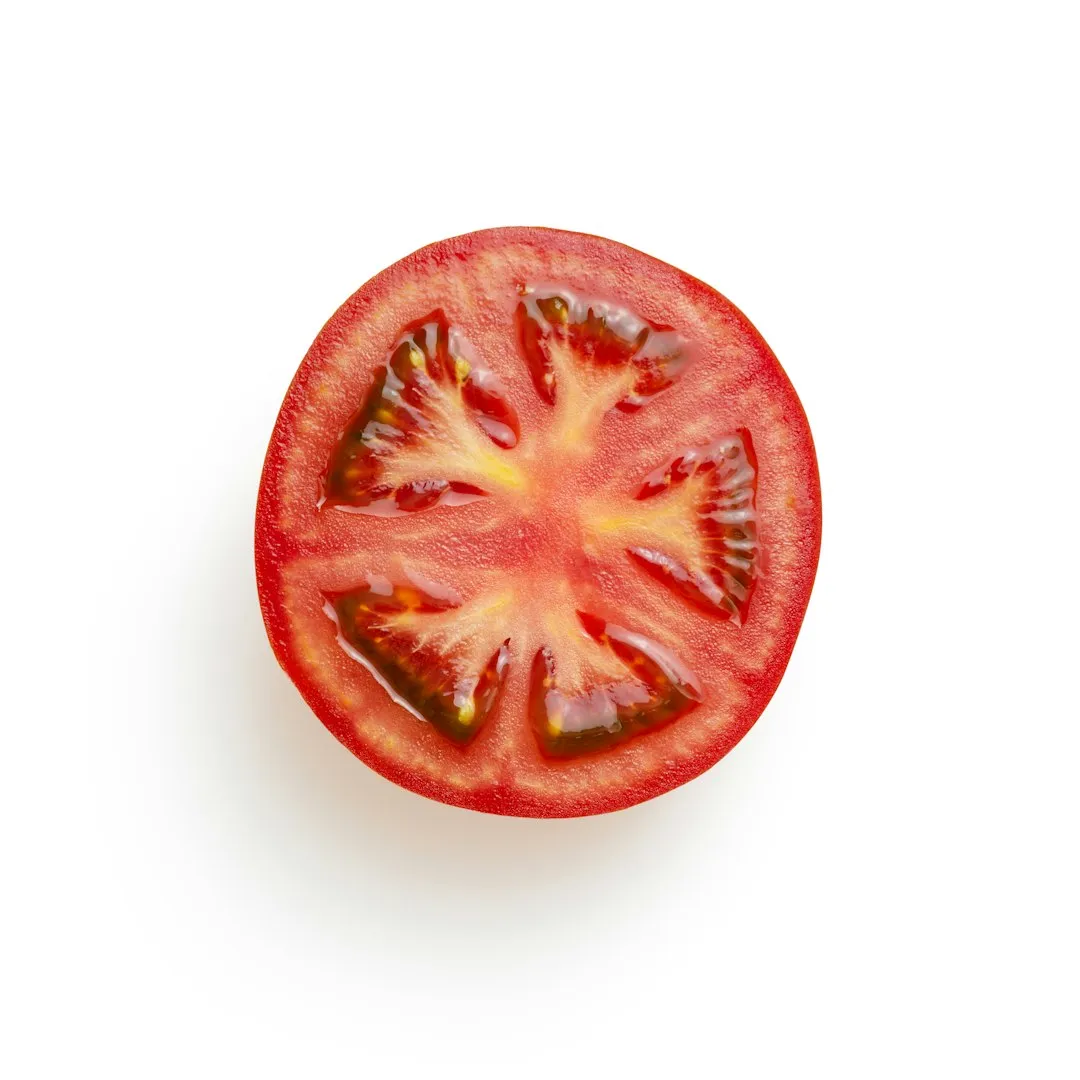
Nitrogen is an essential nutrient for tomato plants, but too much of it can actually stunt their growth by encouraging leaf production at the expense of flowers and fruit. You end up with a lush, dark-green bush that never really matures or progresses.
Tomato plants that produce abundant foliage but few flowers are usually dealing with nitrogen excess. Too much nitrogen encourages vegetative growth at the expense of flowering. The plant keeps pushing out leaves while ignoring the signals that tell it to develop and grow taller with fruit weight.
If you suspect too much nitrogen, you can try adding a phosphorus-rich fertilizer to encourage flowering and fruiting. Resist the urge to keep feeding heavily with a high-nitrogen product and wait a couple of weeks before re-evaluating.
Temperature Stress Hits Harder Than Most Gardeners Realize
A period of extreme temperatures can damage young tomato plants even if they survive the ordeal. Both cold and heat can cause stunted growth. The plant doesn’t die outright, but it shifts into a kind of emergency conservation mode.
According to the University of Idaho Extension, tomatoes are susceptible to cold damage at temperatures below 45 degrees Fahrenheit. Once temperatures get above 90 degrees, tomato plants start concentrating on survival rather than growth. That’s a fairly narrow comfort zone that most gardens push against at some point during summer.
Tomato plants thrive when temperatures remain above 50°F during both day and night. If your climate swings dramatically, mulching the base of your plants can buffer soil temperature and give roots a steadier environment to work from.
A Rootbound Plant Cannot Grow No Matter What You Feed It
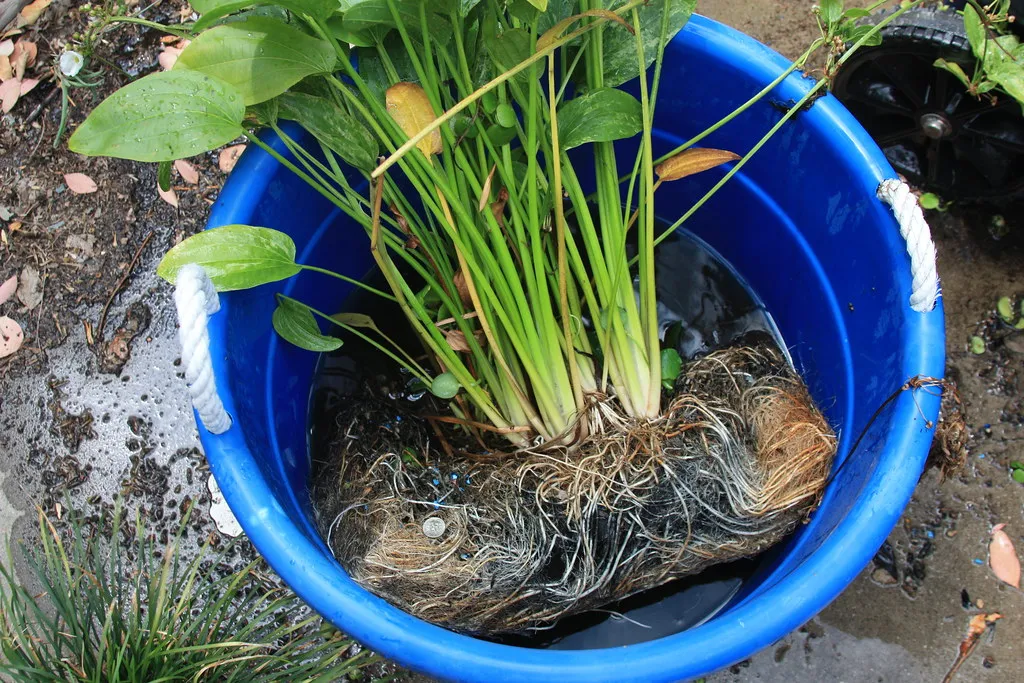
Given water and light, a tomato seedling continues to grow until the roots reach the limits of its container. At that point, the roots have nowhere else to go and start to circle around each other, forming a dense mat that results in stunted growth. The problem is below the soil, invisible to most gardeners.
When a plant becomes root bound, it loses the ability to expand its root system and will often become stunted. A container filled with roots won’t hold a sufficient amount of water, so even when you water regularly, it flows straight through, leaving the plant almost immediately dry.
The 60-second fix: gently squeeze the pot and lift the plant out. If roots are circling in a dense mat at the bottom, it’s root bound. For mature plants in containers, use at least 10 gallons rather than the typical 5-gallon pots. Moving up in container size is one of the fastest ways to restart stalled growth.
Watering Mistakes Go Both Ways
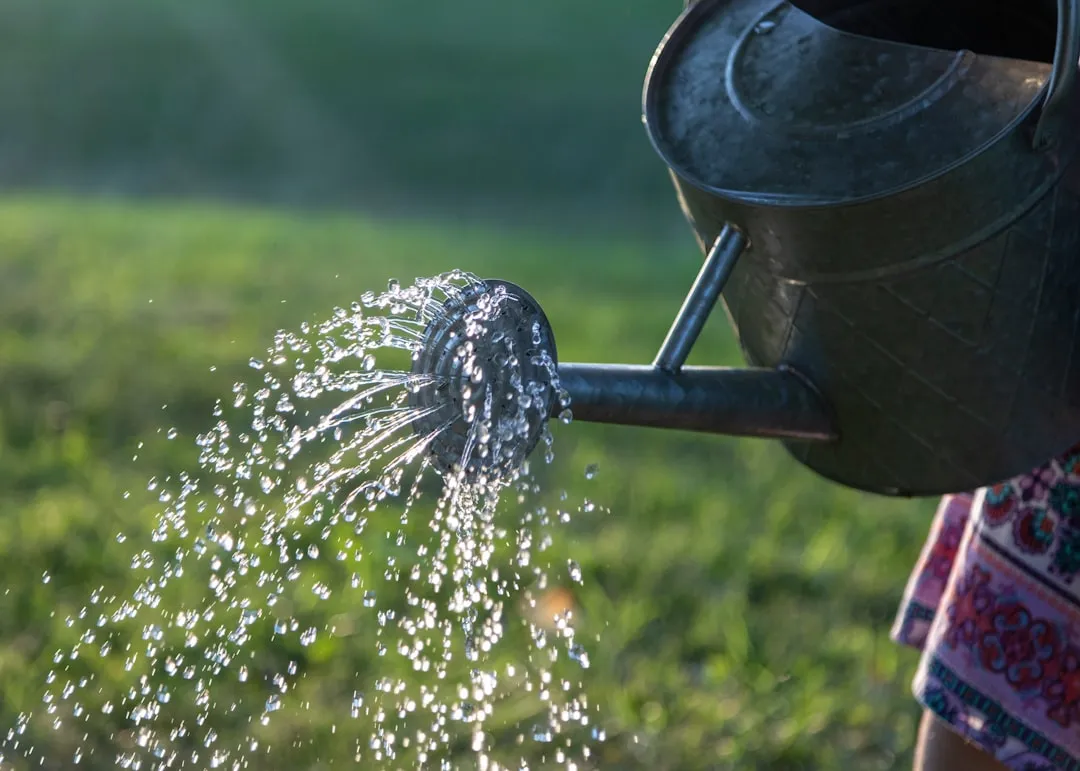
The most common and likely reason for growth problems with an otherwise healthy plant is watering, either over or underwatering. Tomato roots can go quite deep, and without sufficient moisture, the plant cannot pull nutrients out of the soil and will not grow to its full potential.
When you water too much or too often, the soil remains wet for too long and the roots stay saturated, meaning they cannot get enough air. This leads to root damage and eventually to the same symptoms as underwatering: stress, yellowing, and stunted growth.
Water slowly and thoroughly to encourage a deep root system. The goal is to keep tomatoes consistently moist but not soggy. Checking the soil an inch or two below the surface before watering each time is genuinely the simplest habit you can build for healthier plants.
Compact, Dense Soil Suffocates Roots Before They Can Spread
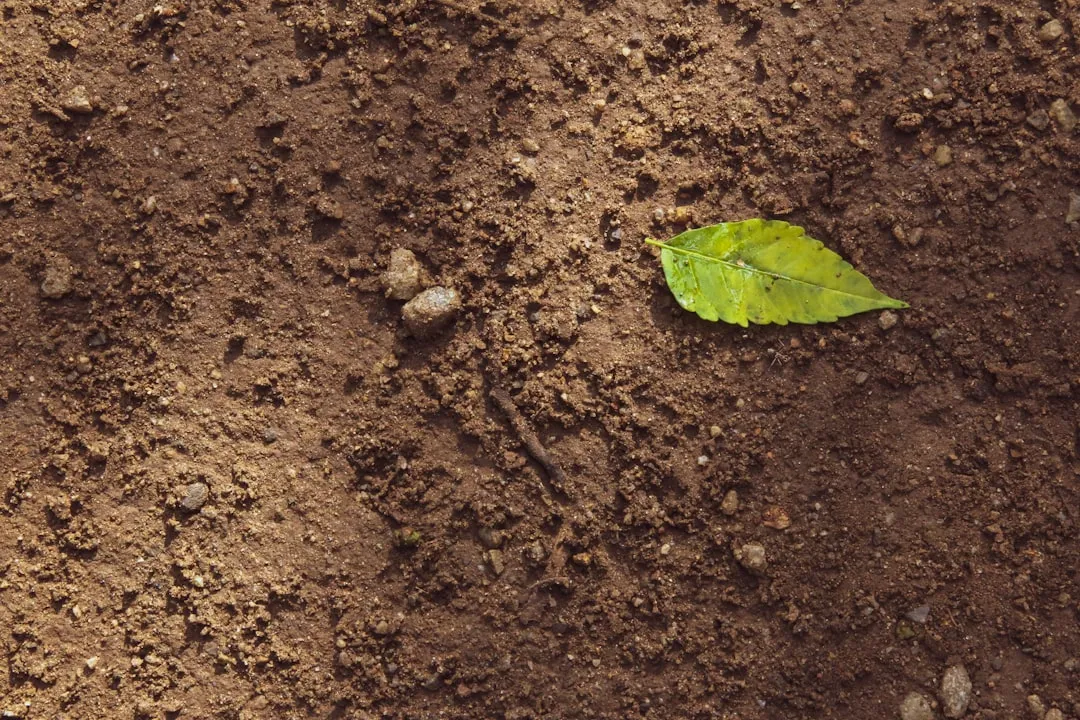
If the soil is too dense, it compacts the plant’s roots, which can lead to root rot. Root rot prevents plants from taking in the nutrients they need to grow. The ideal soil for tomato plants is loose and well-drained.
A high-quality soilless potting mix containing perlite, vermiculite, peat moss, bark, or coco coir helps to keep things light. Garden soil is too heavy and compacted for container use and prevents air, water, and nutrients from reaching the root zone.
You can improve your soil by adding organic matter such as compost or peat moss. For in-ground gardeners, loosening the surrounding soil deeply at planting time and mixing in compost gives roots the loose, aerated environment they need to spread wide and support rapid vertical growth.
Transplant Shock Can Set Plants Back Weeks
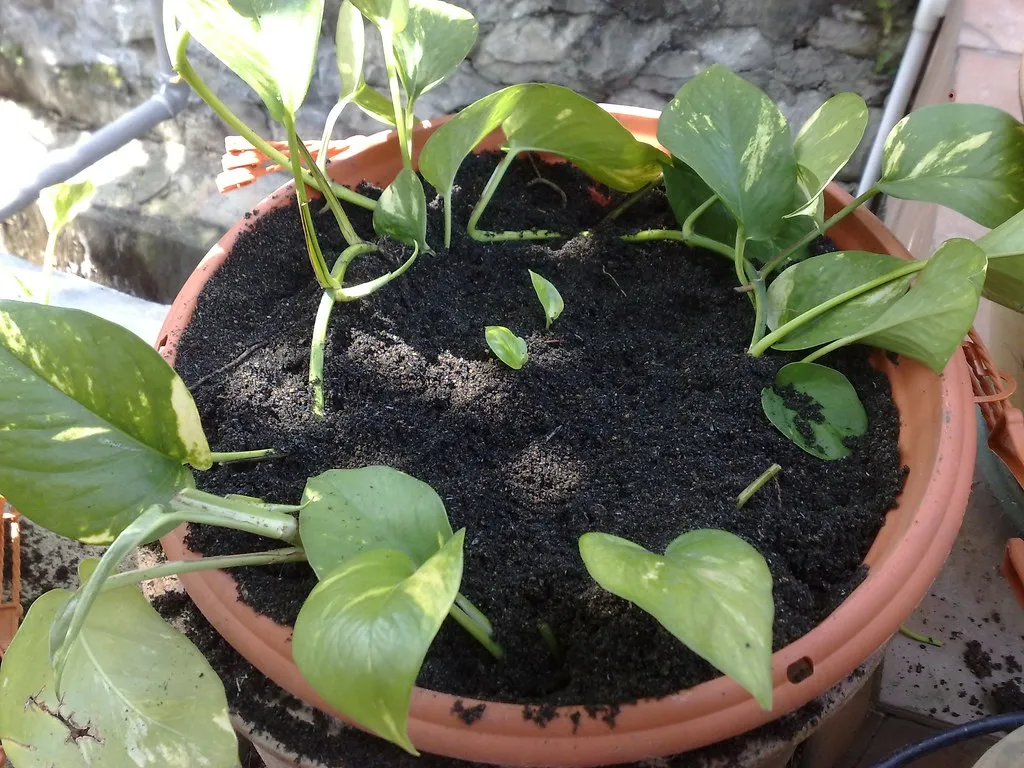
Slow or stunted growth can be caused by transplant shock, a condition plants often experience when moved outdoors or from one location to another. It is usually characterized by wilting, yellowing leaves, or leaf and flower drop. A plant in transplant shock may look like it’s dying when it’s actually just adjusting.
While the goal is to avoid rootbound plants, you should transplant or pot up your seedlings as soon as you notice they’re rootbound. The plants will take a few days to settle into their new home, and once they do, the roots will start growing freely. Once this happens, the stem and leaves will also resume growing.
Minimizing root disturbance during transplanting is the most effective way to shorten recovery time. Water the plant thoroughly the day before moving it, disturb the root ball as little as possible, and shade the plant for a day or two after relocating it. Recovery is usually faster than most gardeners expect.
Calcium Deficiency and the Hidden Link to Growth Stalls
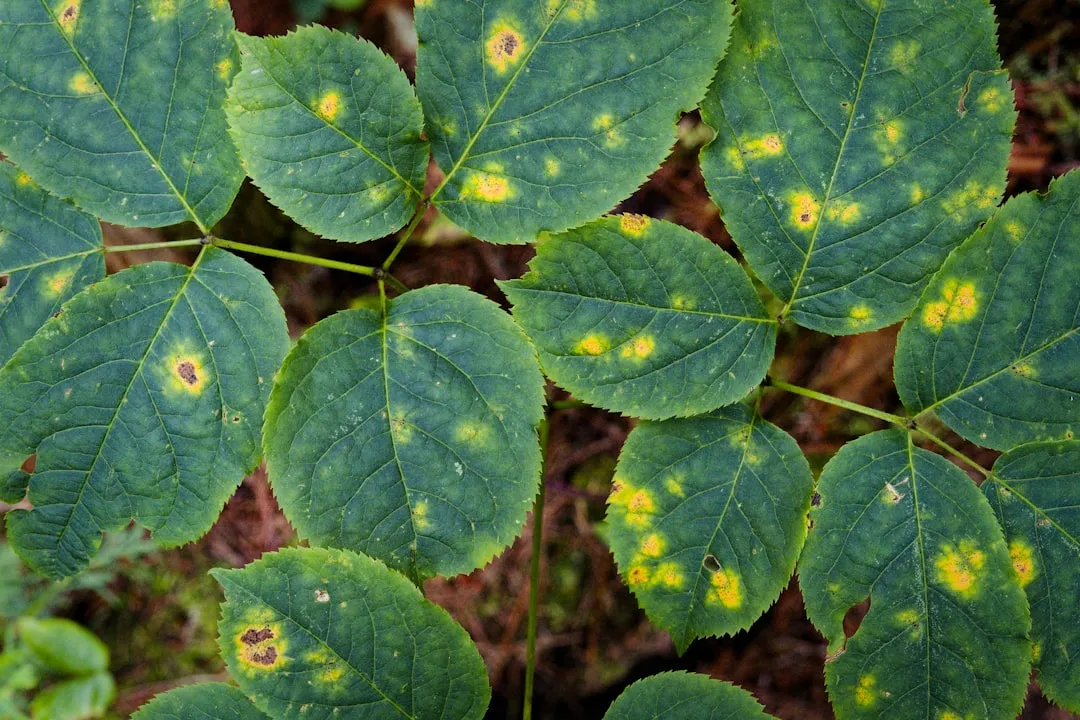
A lack of calcium shows up as young leaves curling inwards and lacking color, and is often a problem in acid soils. Blossom end rot in tomatoes is caused by this same condition. Most people associate calcium deficiency with the fruit, but it affects overall plant development too.
Cold soil temperatures slow root activity and reduce overall nutrient uptake, including calcium. Rapid vegetative growth stimulated by high nitrogen levels can also outpace calcium uptake and distribution to fruits. It’s a balancing act that many gardeners don’t account for until things go visibly wrong.
If soil tests indicate low calcium levels, apply calcium-containing fertilizers or amendments like gypsum or calcium nitrate. In cases of acute deficiency, calcium foliar sprays can provide a quick, temporary solution. Consistent watering matters here too, because calcium moves through the plant primarily via the xylem, driven by transpiration. Irregular moisture disrupts that entire system.
Read the Plant Before You Reach for a Bag of Fertilizer
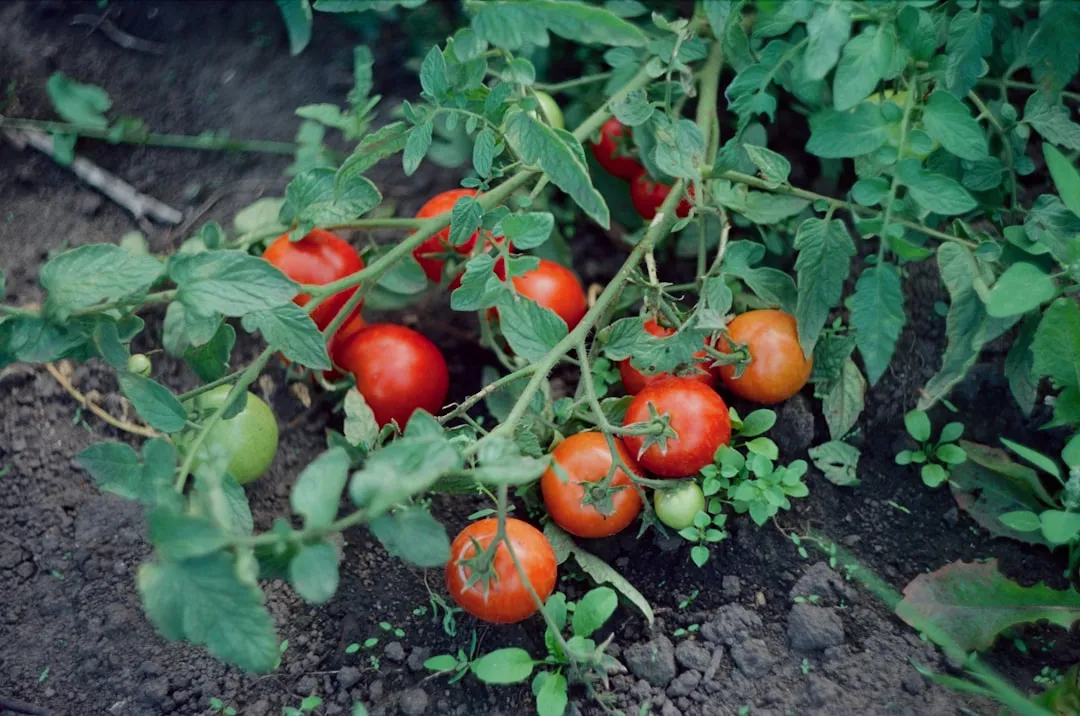
There’s a tendency to treat every growth stall as a feeding problem, but as you’ve seen here, the real cause might be genetics, container size, temperature, soil compaction, or pH. Most of these have a diagnosis that takes about a minute and a fix that costs almost nothing.
Before you reach for another bag of fertilizer, flip the pot over, check the pH, feel the soil depth, and look at the leaf color. Your tomato plant is already telling you what it needs. You just have to know the language.
AI Disclaimer: This article was created with the assistance of AI tools and reviewed by a human editor.