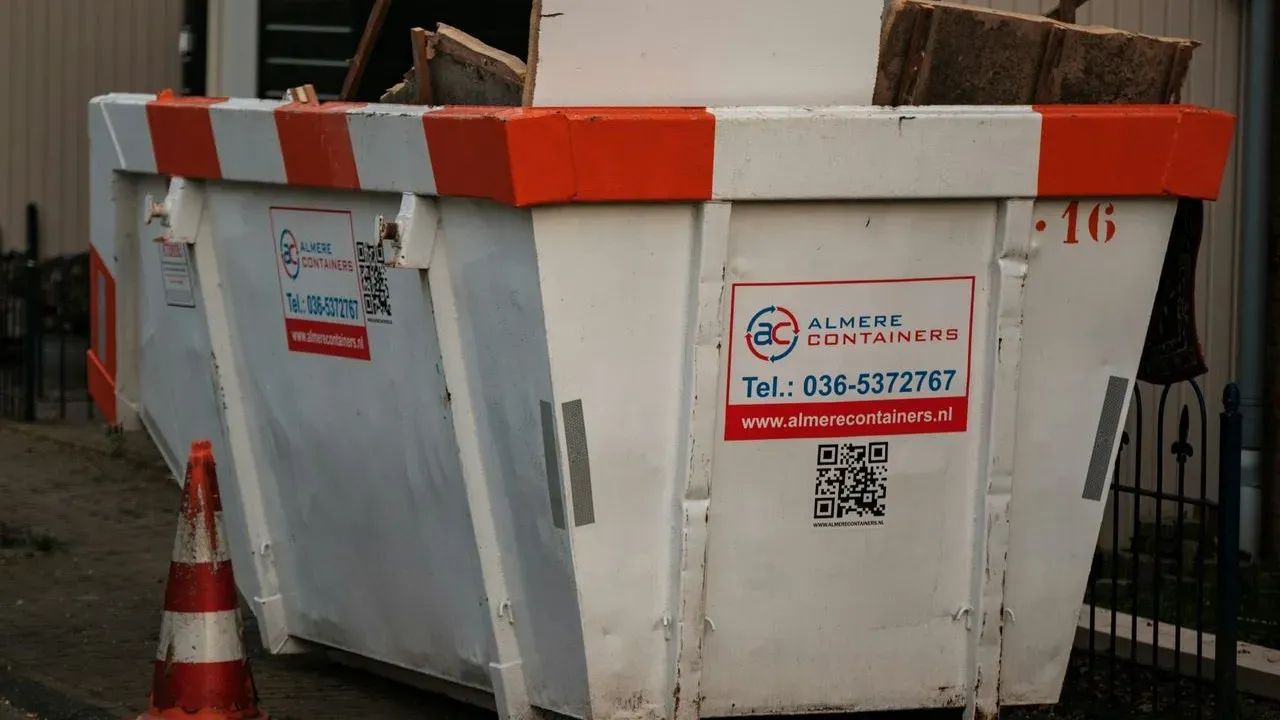

A homeowner stands amid heaps of pruned branches, spent soil, and old fencing after months of reshaping an overgrown yard. The regular household bins sit full and useless nearby. In moments like these, a skip bin becomes the practical bridge between a stalled project and a cleared space, yet selecting the service requires attention to capacity, rules, and timing to avoid added expense or delays.
Skip Bin Basics for Garden and Outdoor Work
Skip bin hire provides a temporary container delivered to the property for waste collection and later removal by the provider. The system suits garden overhauls where debris quickly exceeds normal disposal options. Users book the container, fill it during the agreed period, and arrange pickup once the work finishes.
Most services allow hire lengths from several days to a couple of weeks, giving flexibility for weather interruptions or phased clearing. The provider handles transport and responsible disposal after collection. This arrangement keeps the site workable without repeated trips to a landfill or recycling centre.
Matching Bin Size to Garden Waste Volume
Estimating volume before booking prevents the need for an extra container or payment for unused space. Small cleanups of leaves and light prunings often fit a compact unit, while full landscape redesigns involving turf removal, large shrubs, and hardscape demolition require more capacity. Visualising the pile in cubic metres helps, as does describing the project to the provider for guidance.
Medium sizes commonly handle typical residential garden jobs without overflow. Choosing one size larger than the initial estimate can reduce stress when bulky items or unexpected finds appear. Heavy materials such as soil or concrete fill less space but add weight, so providers may advise on limits that affect final charges.
Waste Categories and What Cannot Go In
Garden projects generate green waste, general household items, and sometimes mixed materials from structures or paths. Green waste includes branches, leaves, and grass clippings that many providers accept in dedicated or mixed loads. General waste covers furniture, fencing, and non-hazardous debris from the site.
Certain items remain prohibited across most services because they require specialised handling. These include chemicals, paint, asbestos, gas bottles, batteries, tyres, food scraps, and any liquids. Placing restricted materials can lead to refusal of collection or extra fees, so confirming the list with the chosen company before starting work avoids complications.
Some providers offer separate bins for green waste at a different rate, which can prove economical when the project produces large amounts of organic material alongside other rubbish. Separation at the source often simplifies processing and keeps costs predictable.
Costs, Reliability, and Service Comparisons
Prices depend on container size, hire length, waste type, and delivery distance. Larger or longer hires naturally increase the total, while peak seasons or weekend requests may carry premiums. Requesting a full quote that lists every component helps compare offers on equal terms.
Reputable companies provide clear terms, respond promptly, and maintain proper licensing and insurance. Checking recent reviews across multiple platforms reveals patterns in delivery timing and communication. Word-of-mouth referrals from others who have completed similar outdoor projects add useful context.
Hidden charges sometimes appear for exceeding weight allowances, extending the hire, or placing the bin on public land. Asking directly about these possibilities before confirming the booking reduces the chance of surprises on the final invoice.
Permits, Placement, and Responsible Disposal
Placement on private property usually requires no permit, yet positioning on a street, verge, or footpath almost always needs council approval. Application processes and fees differ by location, so contacting the local authority early prevents last-minute changes. Some hire companies assist with paperwork as part of the service.
Choose a level, accessible spot that allows safe truck entry and does not obstruct driveways or sight lines. Adequate overhead clearance matters for loading and unloading. Neighbours appreciate consideration when the container occupies shared space for several days.
Environmentally attentive providers sort materials at their facilities and divert metals, timber, concrete, and cardboard from landfill. Asking about recycling rates or dedicated green-waste options identifies services that align with sustainable garden practices. This step supports both regulatory compliance and reduced environmental impact from the project.
Key points to confirm before booking:
- Exact inclusions in the quoted price
- Weight limits and any overage charges
- Prohibited items specific to the provider
- Delivery and collection timelines
- Options for extending the hire if needed
Choosing the right skip bin service for a substantial garden cleanup turns a potentially overwhelming waste problem into a manageable part of the outdoor project. Clear planning around size, waste rules, and provider reliability keeps the work on schedule and within budget while supporting responsible disposal practices.
AI Disclaimer: This article was created with the assistance of AI tools and reviewed by a human editor.