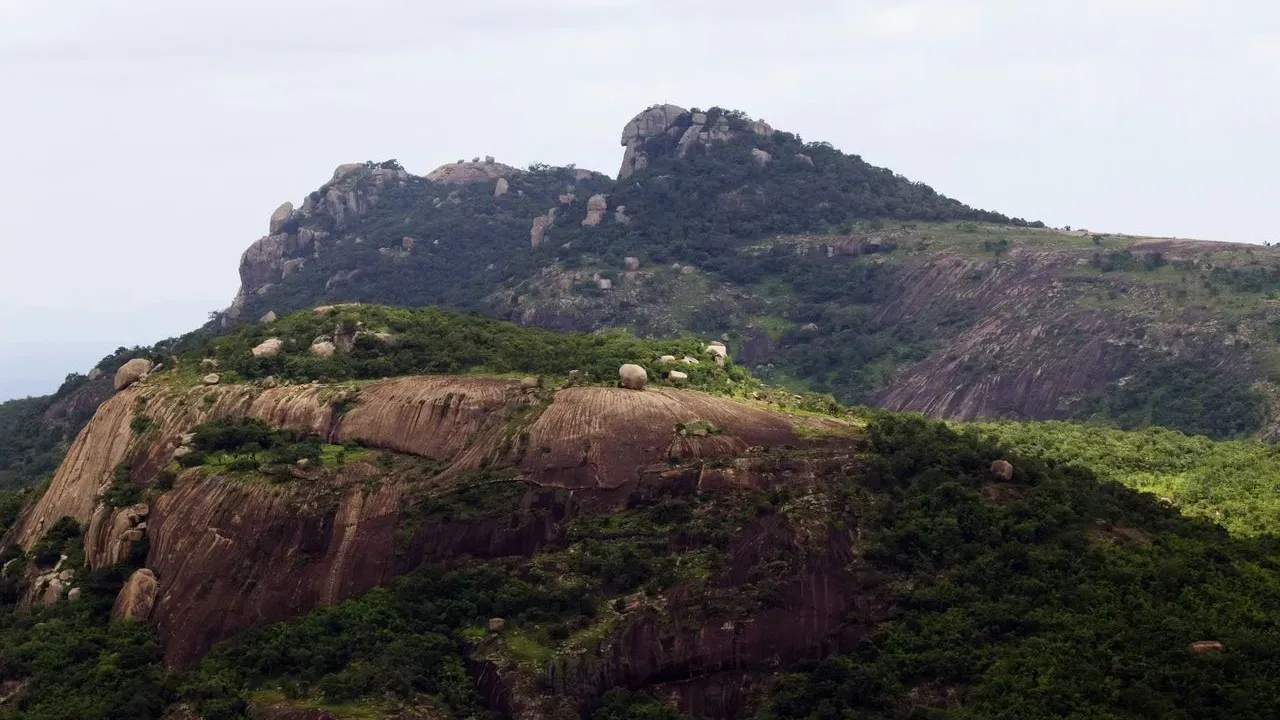

Many homeowners see steep slopes as difficult or unusable ground that adds little value to a property. Yet these same areas can become striking garden features when approached with practical planning and modest resources. The key lies in working with the natural contours rather than fighting them, which often reduces both cost and long-term maintenance.
Recognizing Hidden Value in Challenging Terrain
Steep hillsides frequently suffer from erosion and poor accessibility, leading owners to ignore them entirely. This neglect can affect drainage patterns across the entire yard and limit usable outdoor space. Addressing the slope early prevents larger structural issues later and opens the area for planting or seating. Homeowners who invest modest effort upfront often discover that the elevation creates natural focal points. Terraced beds or flowing plantings draw the eye upward and add depth to what might otherwise appear flat. The result transforms a perceived liability into a distinctive landscape element without requiring extensive excavation.
Core Principles That Keep Costs Low
Successful projects begin with a clear assessment of soil type, sun exposure, and water flow. These observations guide plant choices and structural needs, avoiding expensive trial-and-error fixes. Native or well-adapted species typically require less irrigation and fertilizer once established. Materials matter as much as plants. Reusing on-site rocks, sourcing mulch from local arborists, or selecting durable yet affordable ground covers reduces outlays significantly. Grouping purchases with neighbors or timing buys for seasonal sales further stretches limited budgets while maintaining quality.
Practical Techniques That Deliver Results
Simple terracing with timber or stone creates level planting zones that slow runoff and improve soil retention. These structures need not be elaborate; even modest retaining edges made from repurposed materials stabilize the slope effectively. Once in place, they support a wider range of vegetation than bare inclines allow. Ground covers and deep-rooted perennials bind soil naturally and suppress weeds. Layering taller plants behind shorter ones builds visual interest while protecting the surface from heavy rain. Mulch application after planting locks in moisture and further cuts maintenance time.
Long-Term Care That Protects the Investment
Regular observation during the first two seasons catches problems before they spread. Adjusting irrigation, replenishing mulch, and dividing vigorous plants keep the hillside healthy without repeated major expenses. Over time, the established plantings require progressively less intervention. The payoff extends beyond appearance. A well-handled slope improves property drainage, reduces erosion risk, and increases overall garden enjoyment. Homeowners who start small and build gradually often find the process itself rewarding, turning an initial obstacle into a lasting source of satisfaction.
AI Disclaimer: This article was created with the assistance of AI tools and reviewed by a human editor.