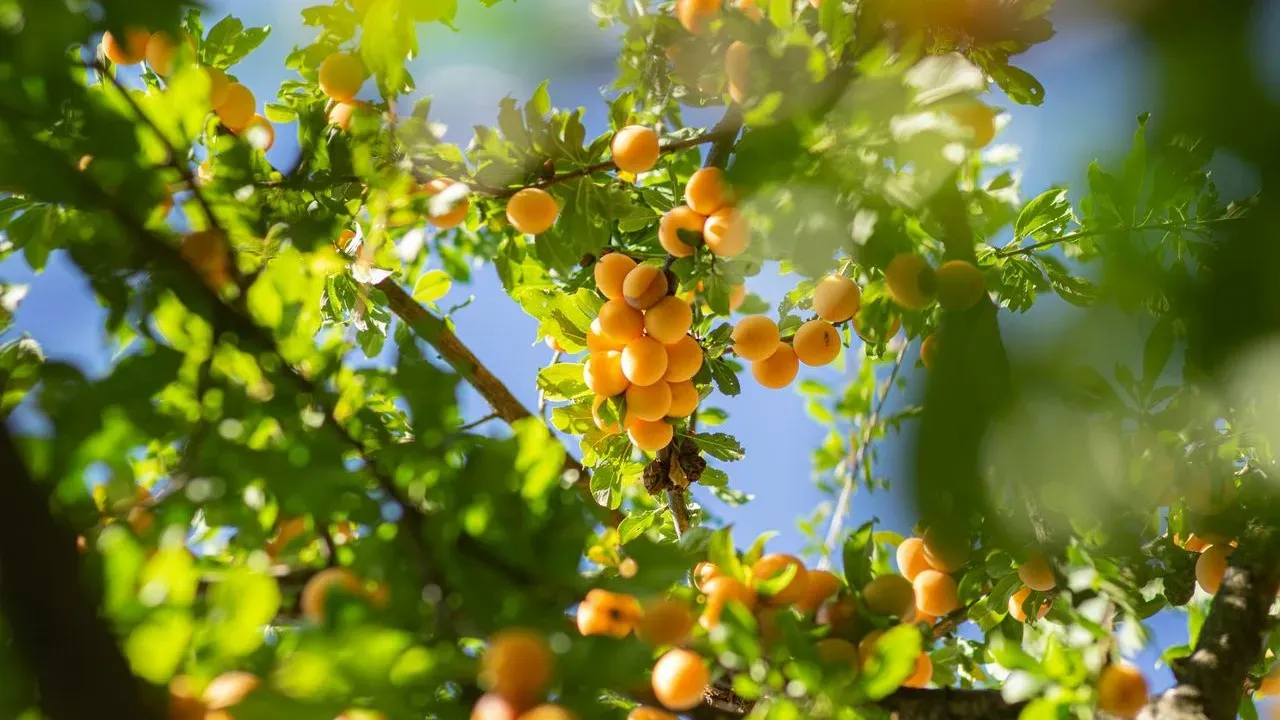

Gardeners who plant apricot trees gain access to a level of freshness rarely found in commercial supply chains. These stone fruits reach their best when picked at peak ripeness and consumed within hours. The difference in flavor and texture becomes immediately clear compared with fruit that travels long distances before reaching store shelves. For those with suitable space and climate, the effort opens a direct path from tree to table.
The Distinct Advantage of Same-Day Harvest
Apricots picked and eaten the same day retain a delicate balance of sweetness and acidity that begins to fade once the fruit leaves the tree. Commercial varieties are often harvested earlier to survive shipping and handling, which alters their final taste and mouthfeel. Home growers avoid that compromise entirely. The result is fruit that tastes brighter and more aromatic, qualities that define the experience for many who try it for the first time.
This immediacy also preserves nutritional value at its highest point. Gardeners report that the simple act of walking into the yard and selecting ripe apricots changes how they think about seasonal eating. The reward feels tangible rather than abstract, especially during the short window when the crop is ready.
Why the Timing Matters for Home Gardeners
Interest in growing apricot trees has grown alongside broader attention to local food sources and reduced reliance on long-distance supply. As of mid-2026, many regions continue to see steady demand for productive backyard trees that fit into smaller landscapes. The practical consequence is straightforward: a single well-placed tree can supply a household with fresh fruit for several weeks each summer while requiring relatively modest ongoing care once established.
Stakeholders include both experienced fruit growers and newcomers who want reliable stone-fruit options beyond apples or cherries. The timeline from planting to first meaningful harvest typically spans three to five years, depending on rootstock and conditions. Those who begin now position themselves to enjoy returns during future seasons when supermarket prices and availability remain variable.
Versatile Uses for a Home Harvest
Once picked, the fruit moves easily into everyday cooking and preservation projects. Fresh apricots work well in simple desserts, savory salads, and sauces that highlight their natural color and flavor. Many gardeners also turn surplus into jams, dried slices, or canned halves that extend the season well into winter.
The range of applications rewards consistent harvesting. A modest yield can support multiple uses without waste, turning what might otherwise be a short burst of abundance into a steady supply for the pantry. This flexibility distinguishes apricots from some other tree fruits that lend themselves to fewer preparations.
What matters now: Gardeners evaluating space and climate should assess local chill-hour requirements and soil drainage before committing to apricot trees. Early planning aligns planting windows with the coming dormant season and improves the odds of strong establishment.
A Measured Path Forward
Adding an apricot tree represents a long-term decision rather than a quick seasonal project. Success depends on matching the variety to regional conditions and committing to basic maintenance over several years. Those who follow through often describe the first ripe fruit as a clear validation of the initial investment.
The broader appeal lies in reclaiming a direct connection to the growing cycle. For households that value flavor above convenience, the home-grown option remains difficult to replicate through any other source.
AI Disclaimer: This article was created with the assistance of AI tools and reviewed by a human editor.