

Visitors walking through certain parks and nature preserves in the American Southeast have been stopping dead in their tracks. Stretching across the wet ground in front of them are fields of tall, tubular plants, green and crimson, gaping open like miniature mouths waiting for something to fall in. They are carnivorous pitcher plants, and their sudden, dramatic reappearance is not an accident.
The story behind thousands of these plants returning to public parkland is one of deliberate science, ecological detective work, and a very counterintuitive tool: fire.
A Plant That Eats to Survive in Impossible Soil
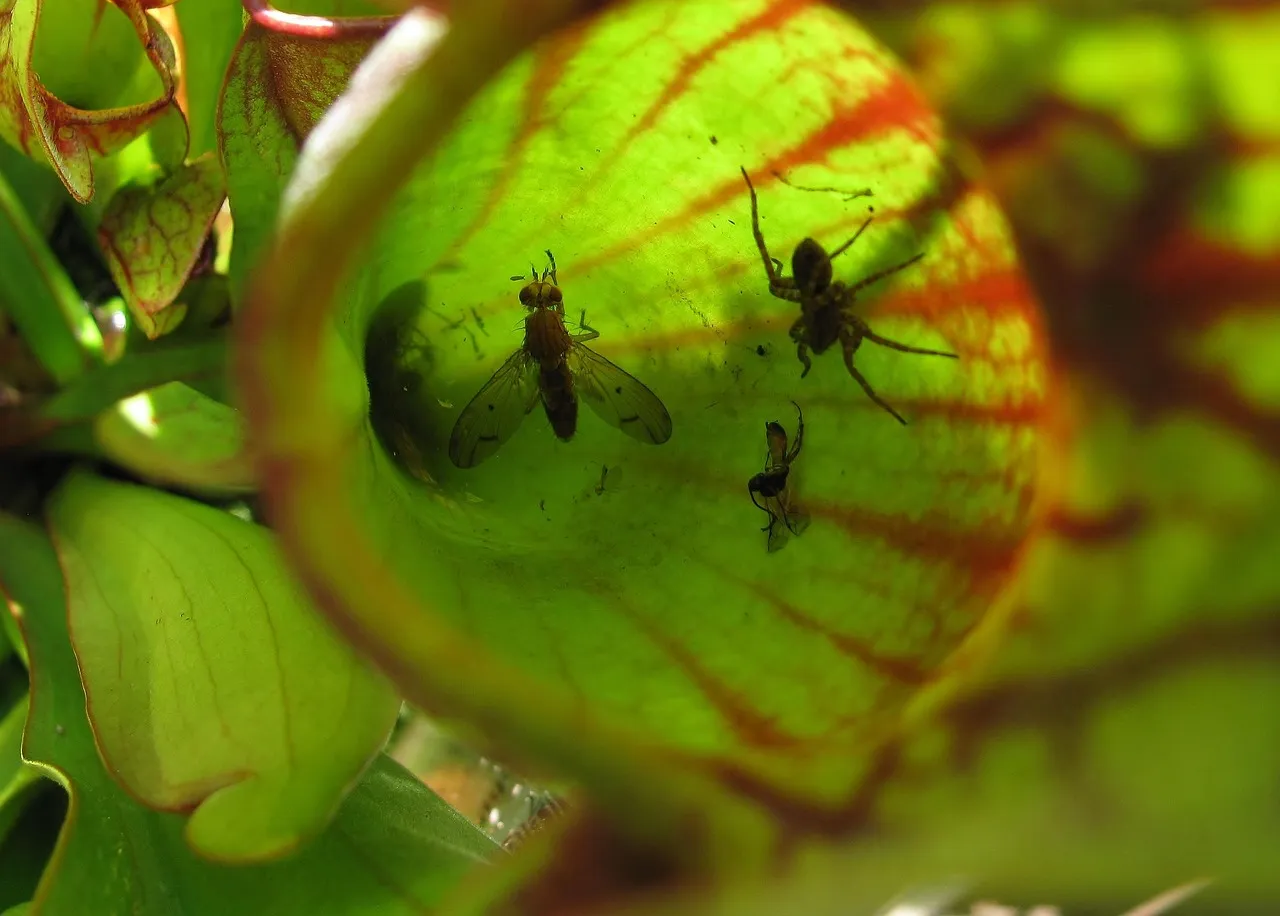
Carnivorous plants capture insects and other small animals to obtain necessary nutrients. They do this using techniques such as sticky traps, bladder traps, and pitfall traps, giving them an advantage in the low-nutrient wetlands they inhabit. The logic is almost backwards from what we expect of plants. Where other species would starve, pitcher plants thrive by supplementing photosynthesis with digestion.
Color, nectar, and a delicious scent lure insects into the plant’s pitfall trap. Drunk on the plant’s intoxicating nectar, an insect slides down into the slippery tube. Downward-pointing hairs within the pitcher ensure that it can’t crawl out. At the bottom of the pitcher, a pool of digestive acids and enzymes slowly dissolves the insect’s body.
The pitcher plant then absorbs precious nutrients, including nitrates and phosphates, from its prey, which can be ants, flies, wasps, bees, beetles, slugs, and snails. It is, in every sense, a plant that turned the rules of the natural world upside down.
How Much Habitat Has Already Been Lost
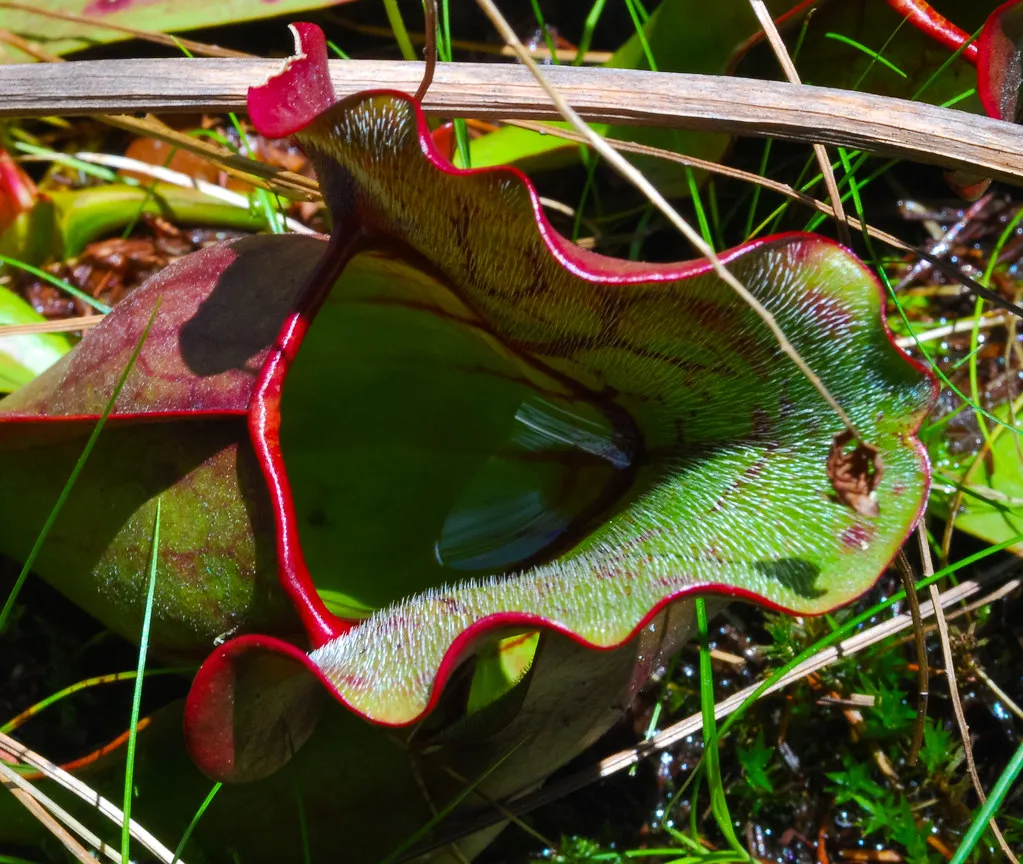
Gulf Coast pitcher plant bogs, which once covered approximately 2,935 square kilometers in the southeastern portion of the United States prior to European settlement, have declined to just a mere 3% of their original extent due to anthropogenic disturbances such as logging, habitat fragmentation, and fire suppression. That figure is staggering when you sit with it for a moment.
This plant’s wetland habitat is shrinking quickly, and for a variety of reasons. Invasive plants such as kudzu vine have changed many wetland habitats, and herbicides kill wetland plants. In some places, recreation areas, housing, and agriculture have replaced wetlands.
Research estimates that less than 3% of the original Sarracenia habitat along the Gulf Coastal Plain remains. In the past, these wet environments were commonly drained for pine plantations or urban development or converted into ponds. What was once a sprawling coastal ecosystem is now a mosaic of fragments.
The Surreal Role of Fire in Their Return
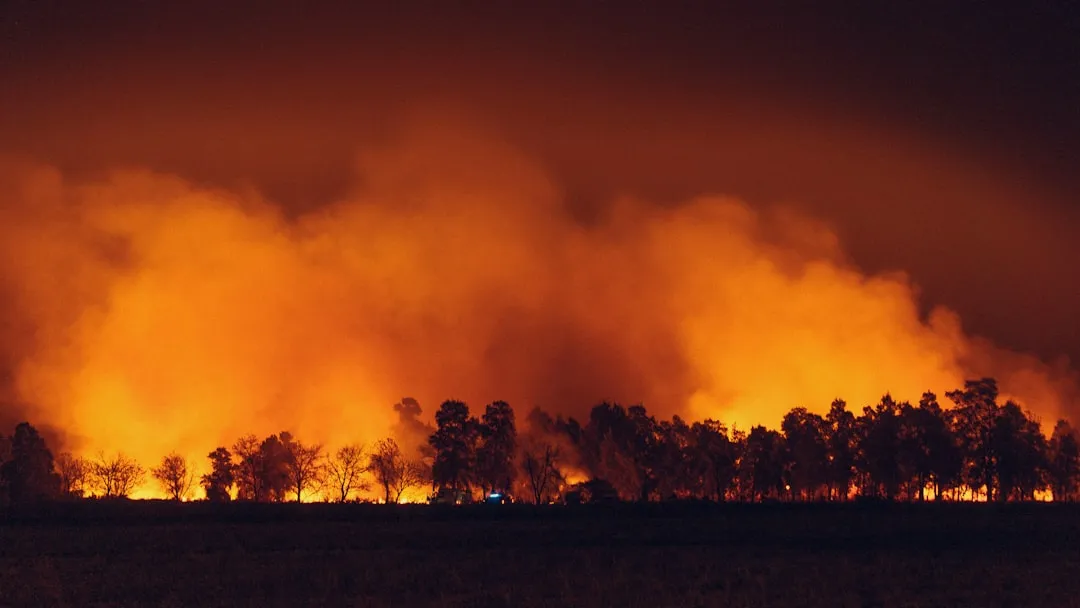
The hooded pitcher plant is widespread in North and Central Florida but still rare due to its narrow habitat requirements. This carnivorous, wet flatwoods plant needs fire to thrive and reproduce. Fire helps prepare the soil for the seeds to germinate. Most people associate fire with destruction. Here, it is the opposite.
Trees such as sweetgums, water oaks, and popcorn trees shade out the natural diversity of pitcher plant bogs. Fire is a natural part of this habitat, and if not suppressed, will prevent these trees from becoming established.
Prior to restoration, sites were invaded by woody shrubs as a result of decades of fire exclusion. The trees altered the wet prairie by shading out herbaceous plants, pulling more water out of the ground, and gradually adding nutrient to the soil. More nutrients in the soil sounds like a good thing. For pitcher plants, it’s a death sentence, because it allows faster-growing competitors to crowd them out.
Fire as a Precision Management Tool
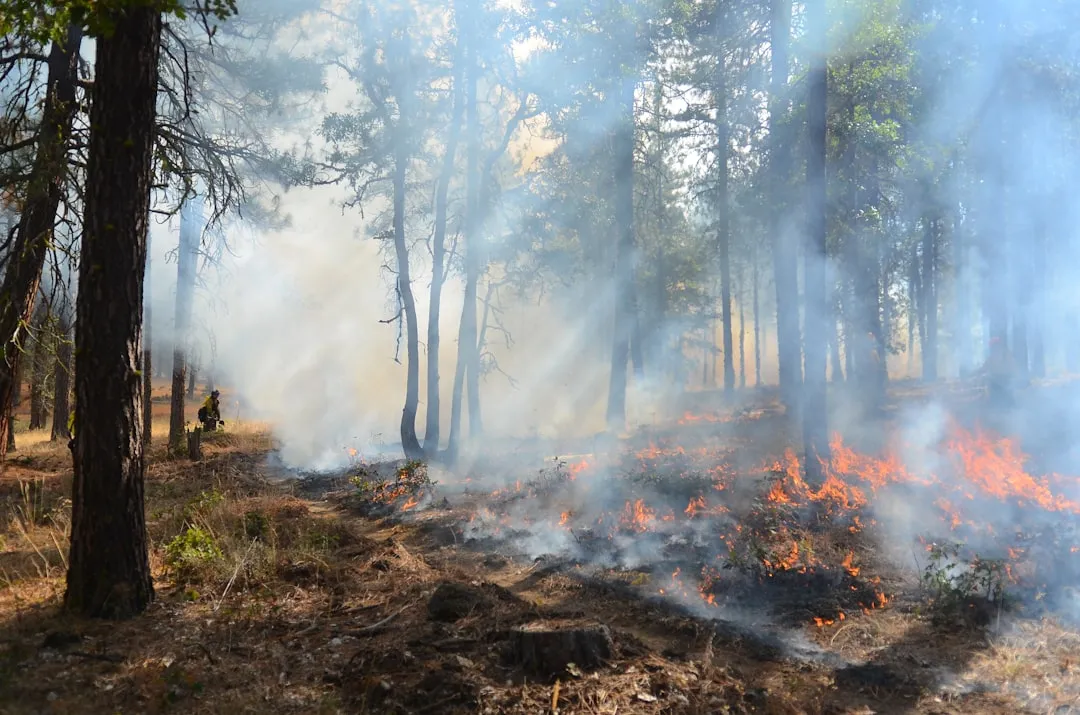
Prescribed fire is the complex tool needed to meet the complex needs of these plants. When applied at the landscape level, the results are beneficial not only to the pitcher plants but also to other species and ecological processes and services.
The Splinter Hill Bog Complex in Baldwin County is among the largest carnivorous plant communities in the world, largely because of the use of fire management in the area. The scale of that success is remarkable, and it stands as a living proof of concept for restoration managers elsewhere.
Park staff have applied prescribed fire to 15 acres of wet flatwoods to expand a small population of rare hooded pitcher plants, a carnivorous plant native to Florida. It is methodical, carefully planned, and it works. The catch is that it requires patience measured in years, not weeks.
Botanical Gardens Stepping In to Rescue the Plants
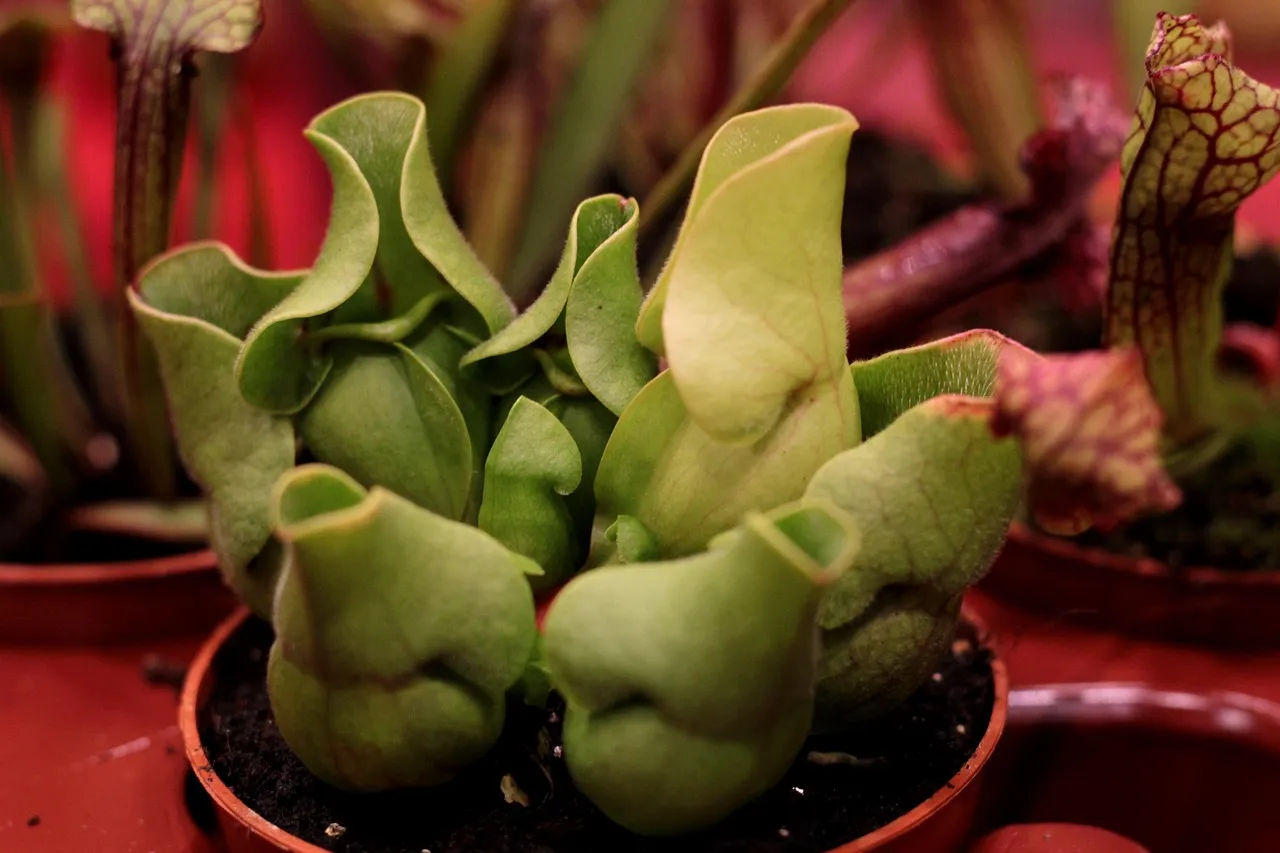
With seed collected from the park, botanical garden staff have grown and reintroduced over 74,000 plants back into Deer Lake’s restored wet prairies where key species such as carnivorous plants and ground orchids had been lost or reduced to just a few individuals. The number is almost difficult to picture: tens of thousands of plants, grown from seed, placed back into the earth one by one.
Specialized facilities including a state-of-the-art conservation greenhouse and tissue culture lab permit superior propagation of rare species for future reintroduction and augmentation. Experienced staff have developed protocols for successful Sarracenia germination, micropropagation, horticulture, and reintroduction into the wild.
The Atlanta Botanical Garden plays a significant role in the conservation of Southeastern US endangered plants including several species of Sarracenia. It has established working relationships with federal and state government agencies, other conservation organizations, and private landowners throughout the region. These successful partnerships have yielded multiple contracts to the Garden’s conservation program for the restoration and conservation of bog habitats.
The Genetics Behind the Rescue Operation

The plight of Sarracenia leucophylla has not gone unnoticed by conservationists. Lots of attention is being paid to protecting remaining populations, collecting seeds, and reintroducing plants to part of their former range. It has been estimated that efforts to protect this species by the Atlanta Botanical Garden have safeguarded most of the genetic diversity that remains for the species.
An essential part of conservation work has included propagation of rare plants from wild populations and reintroduction of this material into suitable habitat, as well as routine habitat maintenance and monitoring. Conservation partners are working tirelessly to conserve these plants, from making seed collections and reintroductions into the wild to conducting propagation and genetic research to understand how best to steward these species and ensure their long-term survival.
Genetic diversity matters enormously here. A population rebuilt from too few parent plants is vulnerable to disease and environmental stress, so researchers take considerable care to source seeds from multiple wild populations before growing new plants for reintroduction.
The Extraordinary Biodiversity These Bogs Support
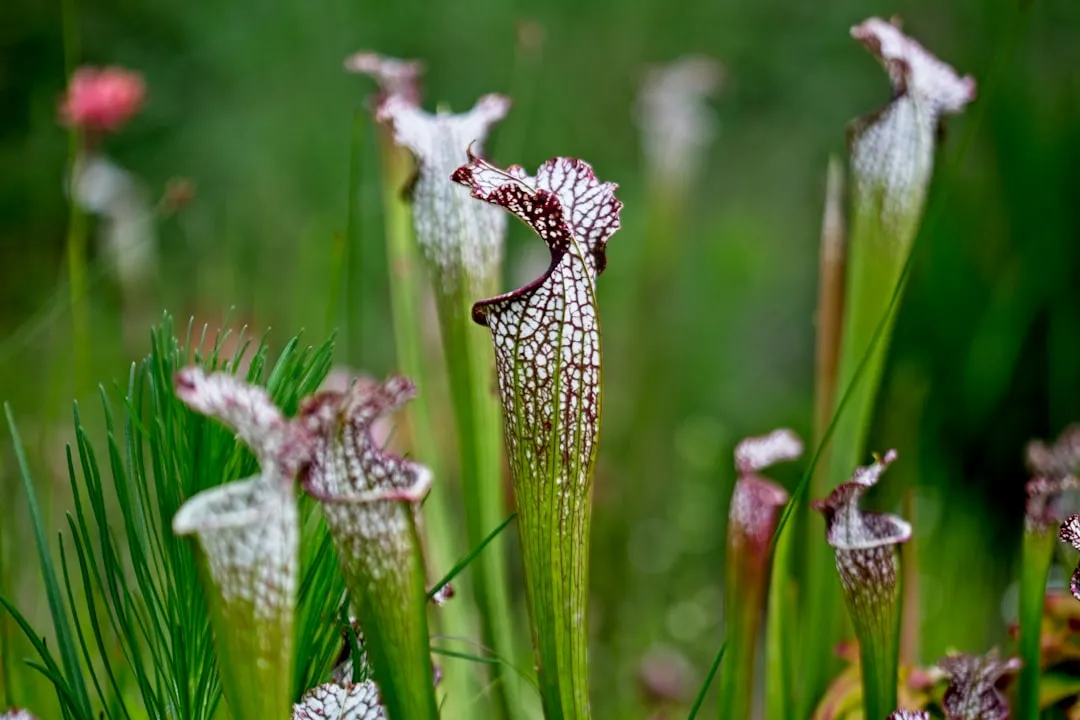
It is not uncommon to find more than 40 species of plants in a one-square-meter plot in Gulf Coast pitcher plant bogs, and thus they are considered to be some of the most diverse plant communities in North America. That density of life in such a small patch of ground is genuinely astonishing.
Splinter Hill Bog also includes some of the most intact seepage bogs remaining along the Gulf Coast. These bogs boast an impressive 12 species of carnivorous plants, including some of the largest and most visually impressive white-topped pitcher plant bogs in the world and healthy populations of Wherryi’s Sweet Red Pitcher Plant, a species found in only a small portion of the Gulf Coastal Plain.
Many decades ago, before natural processes such as hydrology and lightning fires were interrupted, the wet prairies and seepage slopes inhabited by pitcher plants were common. These boggy habitats with low soil nutrients, but ample water and sunlight, provided a niche for plants that can gather sustenance from somewhere besides the soil. The bog is not a wasteland. It is one of the richest habitats on the continent.
Climate Change Is Now Reshaping the Map
Climate change is shifting where suitable habitats occur for many species across the planet. Sarracenia purpurea, the most widely distributed pitcher plant species in North America, already faces significant threats from land use change. Restoration efforts now have to account for a habitat that is itself moving.
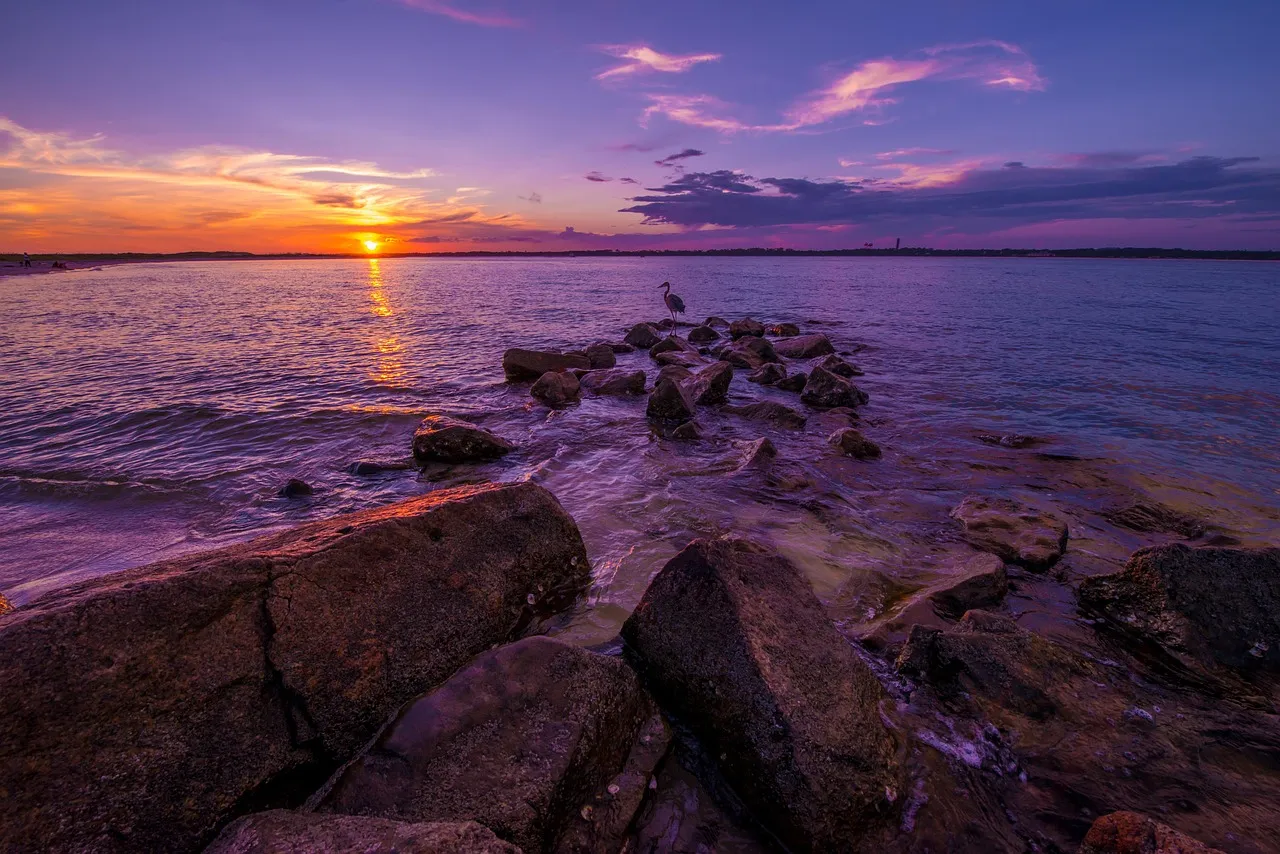
Since a large majority of Gulf Coast pitcher plant bogs occur close to the Gulf coastline, climate change may exacerbate this already steady decline. Rising sea levels and a higher frequency of intense hurricanes predicted with climate change will likely have dramatic effects on coastal plant communities.
This means conservation planners cannot simply restore sites to what they once were and walk away. They have to anticipate where these habitats will be viable in a warmer, wetter, and stormier future, which makes the science of pitcher plant recovery considerably more complex.
The Community Role in Keeping the Bogs Alive
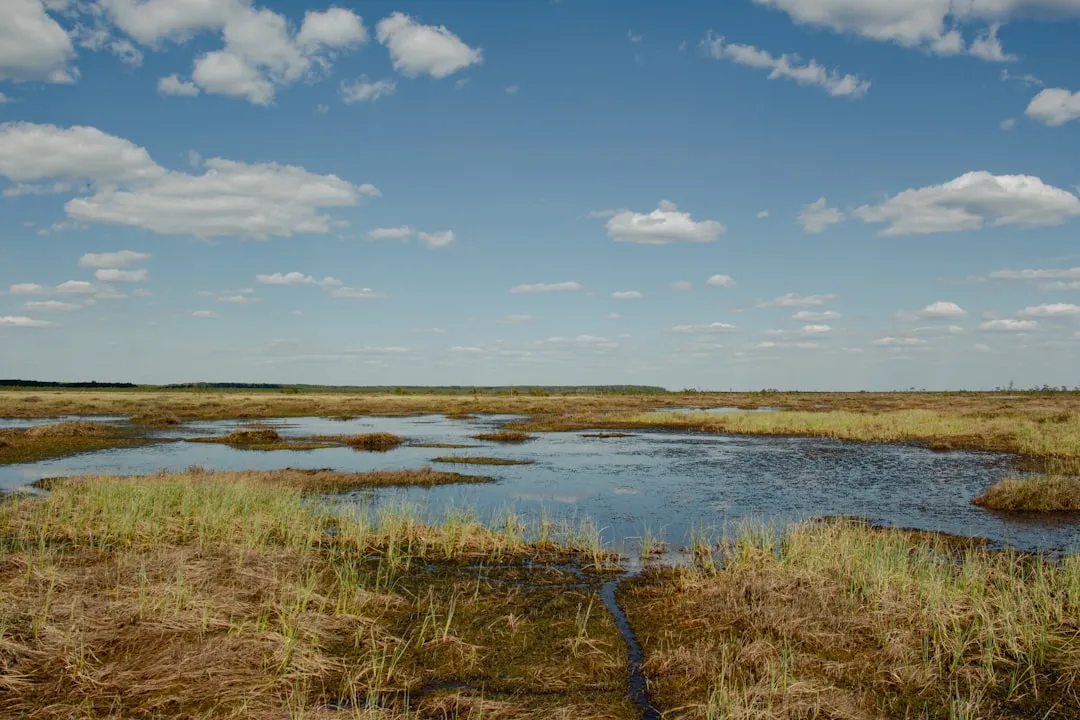
Meadowview Biological Research Station is a nonprofit organization dedicated to preserving and restoring rare wetland plants, habitats and associated ecosystems on the coastal plain of Maryland and Virginia. Their particular area of specialization is an endangered habitat known as pitcher plant bogs or seepage wetlands. Bogs are acidic, nutrient poor wetlands characterized by a unique assemblage of plants and animals.
Meadowview was able to perform a prescribed burn in May on 200 acres of the Joseph Pines Preserve. This burn included 100 acres of the recently acquired Posey tract, and they are looking forward to the new bog habitat that will be available for reintroduction of rare species.
After residing in Alabama for many years, Mary Ruth McClellan Abronski donated her estate to conservation, a portion of which helped to expand the Nature Conservancy’s Splinter Hill Bog Preserve. In 2024, thanks to support from TNC members and a generous donation by the EJK Foundation, they secured an eight-acre inholding to expand the Splinter Hill Bog Preserve to its current size. Private generosity and institutional science working in tandem is exactly what these habitats need.
Why Seeing Them in Your Local Park Is Actually a Sign of Hope
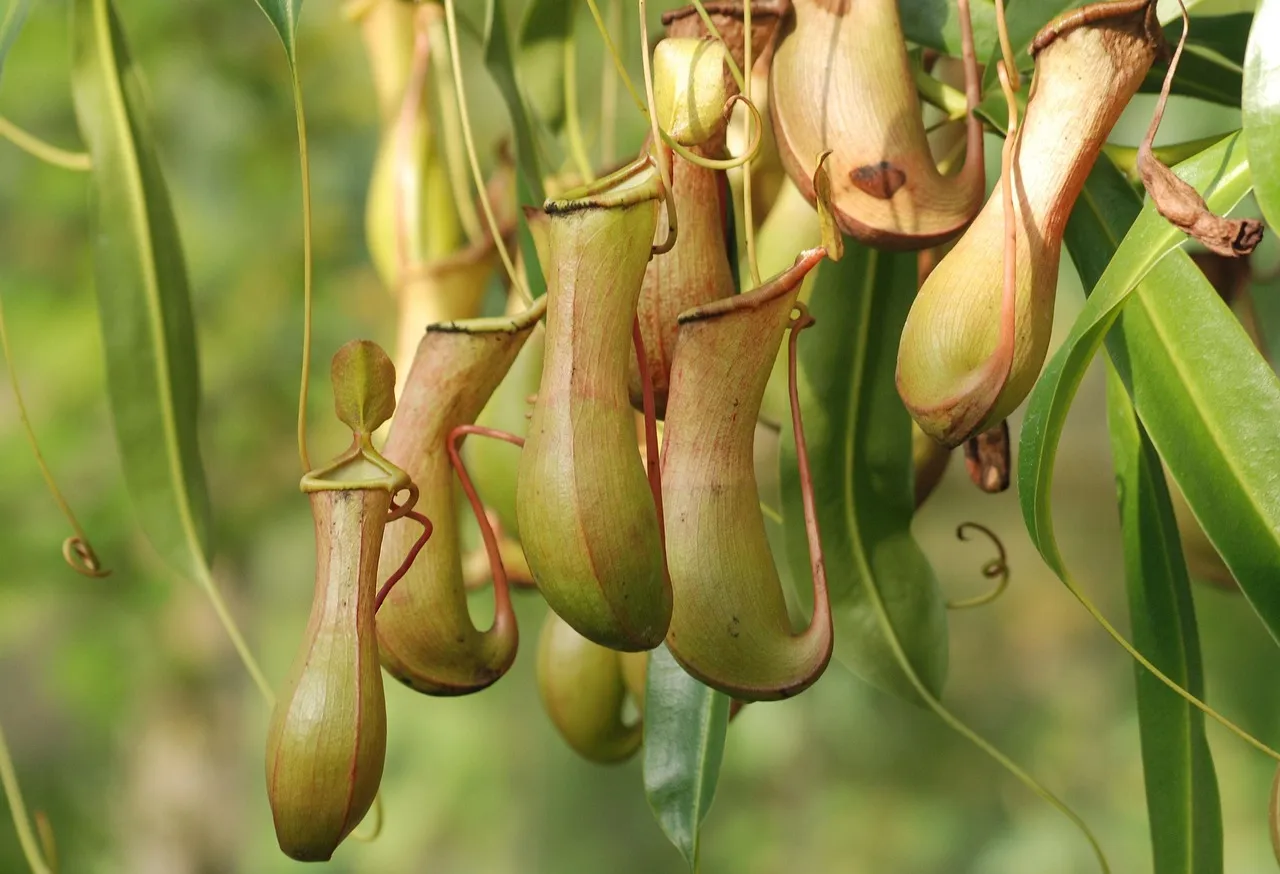
After restoration work, sites are once again dominated by a diverse assemblage of herbaceous plants, including many carnivorous species such as pitcher plants, butterworts, and sundews. When a park looks like that, something has gone very right.
Sarracenia pitcher plants play a role in wetland restoration projects. They are often used in the rehabilitation of wetlands, helping to restore and maintain the ecological balance of these habitats. Their ability to capture insects contributes to the overall biodiversity and ecological functions of wetland ecosystems.
With a lot of work and the right equipment, these resilient wetlands can once again be places of incredible diversity, where natural wonders like pitcher plants can flourish. The presence of thousands of pitcher plants in a local park is not a strange anomaly. It is the visible result of years of careful, unglamorous work by scientists, conservationists, and land managers who understood what had been lost and quietly set about winning it back.
The next time you see one of these extraordinary plants gaping open in a sun-soaked bog, it’s worth pausing. What looks effortless and wild took decades of effort and intention to make possible again.
AI Disclaimer: This article was created with the assistance of AI tools and reviewed by a human editor.