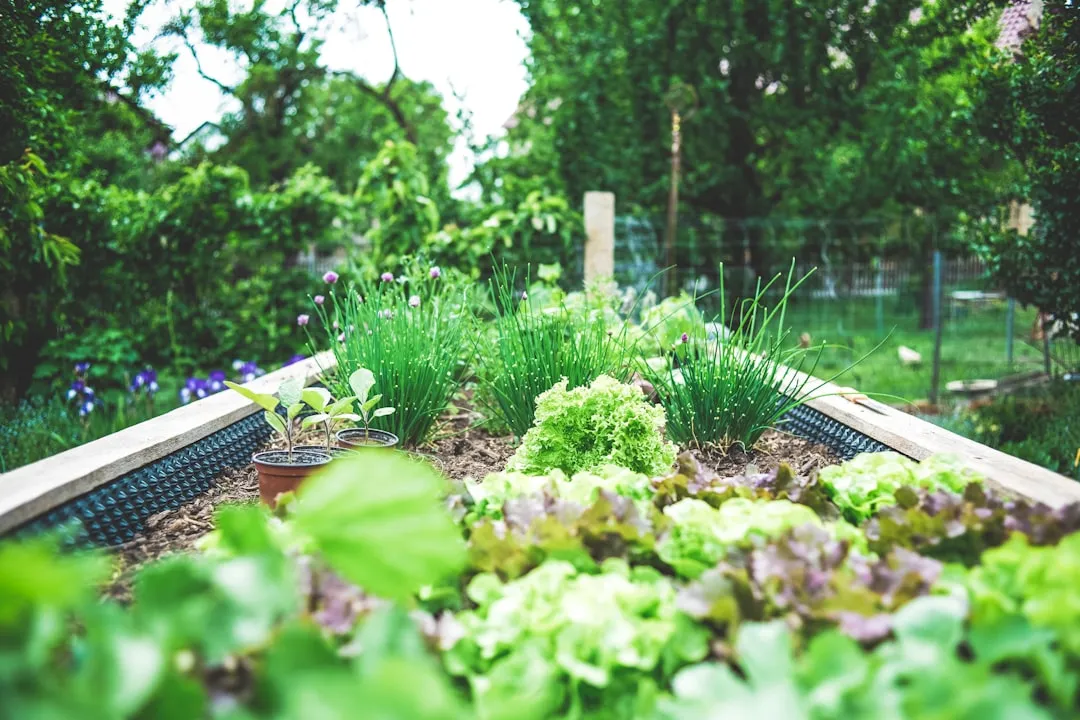

Most gardeners have reached for a bottle of chemical spray at some point, only to find it killed the aphids along with the butterflies, the ladybugs, and probably some of the soil microbes too. What’s less obvious is that a handful of ordinary herbs sitting on grocery store shelves can do a surprisingly effective job of keeping the same pests away, without those side effects.
Herbs naturally repel pests through their essential oils and chemical compounds that disrupt insect behavior. The research behind this is more solid than many gardeners realize. These are not folk remedies dressed up in green packaging. Some of them have been tested in peer-reviewed studies, with results that hold up under scrutiny.
1. Basil: The Tomato’s Best Friend and a Pest’s Worst Nightmare
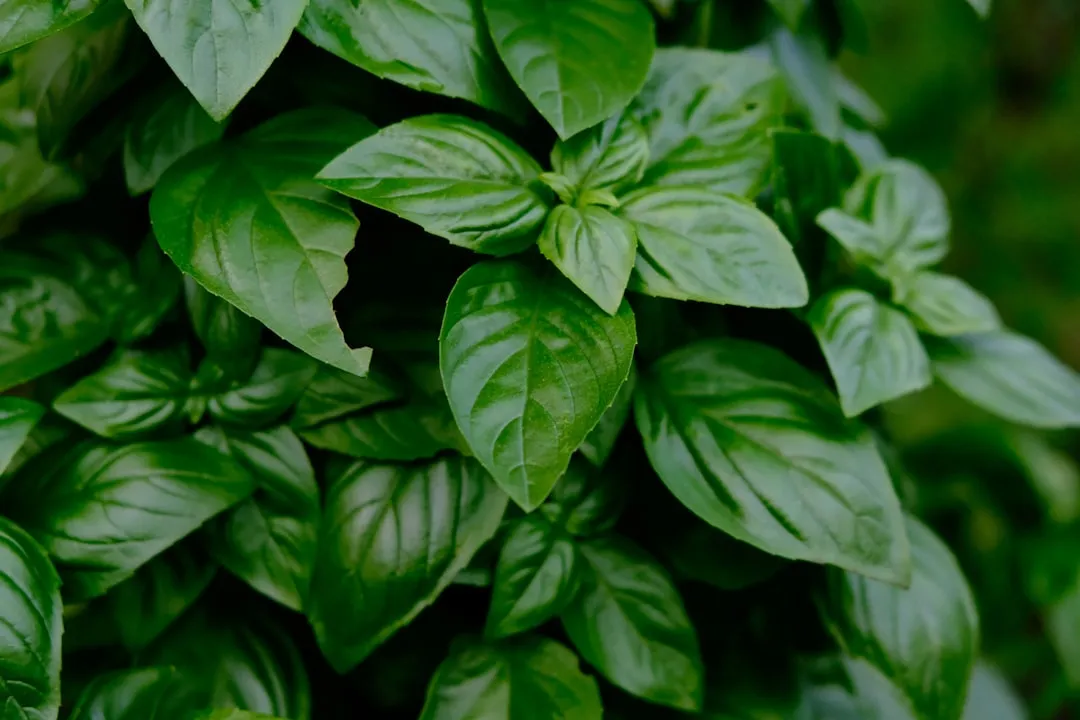
Basil’s effectiveness comes from its potent scent and the essential oils it releases, including compounds like eugenol, citronellol, and linalool, that confuse and repel common pests. These are not mild deterrents. When insects encounter these volatile compounds, their ability to navigate and locate host plants is genuinely disrupted.
This simple herb works wonders against mosquitoes, flies, aphids, and even some beetles, making it a valuable addition to gardens, patios, and sunny windowsills. Tucking a few basil plants between tomatoes is one of the oldest companion planting tricks around, and there’s good reason it has stayed popular.
Research published in peer-reviewed studies found that in the presence of the target prey, peach aphids, both the vegetative and flowering stages of basil enhanced lacewing fecundity and longevity. Lacewing colonization patterns were also modulated by basil planting density and spatial arrangement. Under high density intercrop basil arrangements, colonization rates were the highest, the populations persisted longer in the crop, and aphid numbers declined more rapidly. In other words, basil doesn’t just repel pests directly. It recruits their natural enemies.
2. Rosemary: A Proven Intercrop That Suppresses Multiple Pest Species
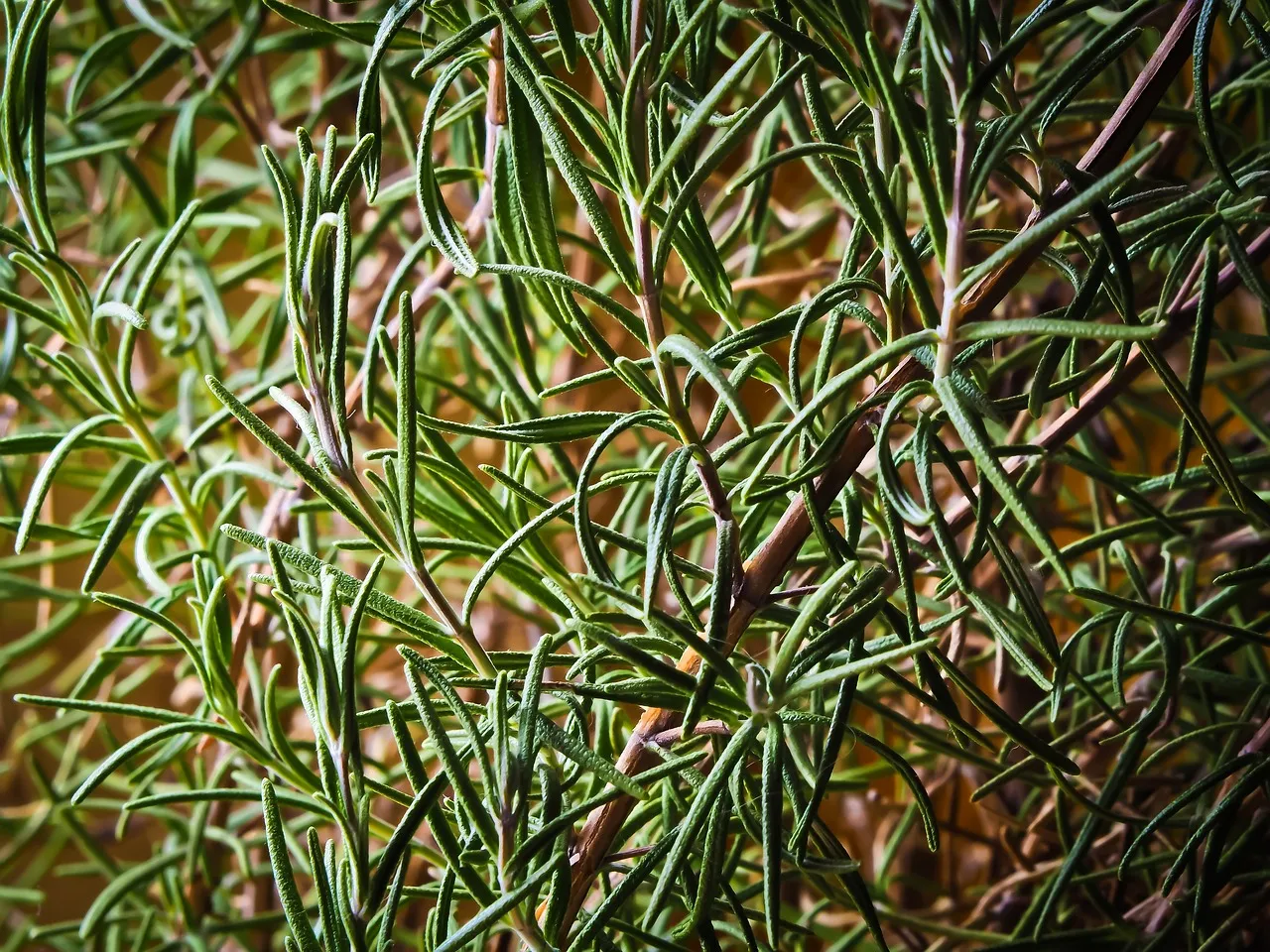
Rosemary, a woody evergreen shrub, has aromatic foliage filled with long-lasting oils that can be noticed from quite a distance. Rosemary repels common garden pests, including Japanese beetles, carrot flies, slugs, and snails. Its scent profile is distinctive enough that insects relying on smell to locate host plants simply get thrown off.
A study evaluating sweet pepper and rosemary intercropping found that it significantly reduced the population densities of three major pest species on sweet pepper, including thrips, green peach aphids, and silverleaf whitefly, but did not affect the population densities of their natural enemies. That last detail matters a lot. Most chemical pesticides eliminate beneficial insects alongside harmful ones. Rosemary intercropping avoided that problem entirely.
Rosemary oil contains camphor and 1,8-cineole, both documented mosquito repellents. The strong volatile oils in rosemary mask the scent of host plants, confusing pests that rely on smell to locate their targets. For vegetable gardens with brassicas, beans, or peppers, placing rosemary along borders or intercropping it directly can deliver meaningful protection.
3. Mint: Disruptive Chemistry That Ants and Mosquitoes Hate
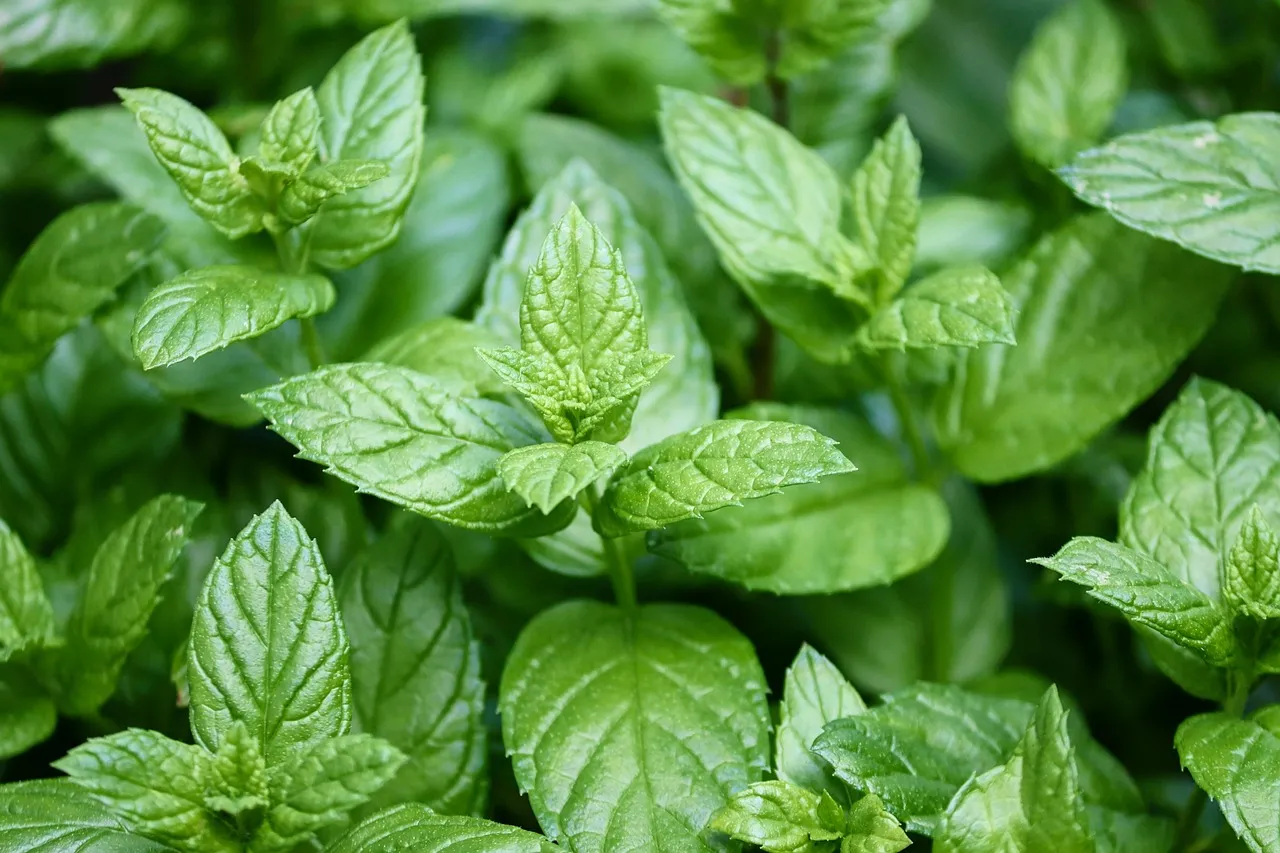
Mint contains a unique combination of chemical compounds that contribute to its pest-repelling properties. Two of the most significant are menthol and menthone. These volatile oils are released by the plant when it is crushed, bruised, or exposed to heat, creating a potent aroma that repels pests.
Ants: Mint interferes with pheromone trails, reducing colony navigation. This is worth understanding because ant colonies actively shepherd aphids around gardens, protecting them in exchange for the sugary honeydew aphids produce. Disrupting the ants also weakens aphid pressure. Cornell University conducted a research project using six essential oils including peppermint, and found that Argentine ants and red imported fire ants crossed barriers treated with multiple rates of peppermint and other essential oils less frequently than paired control barriers. After 24 hours of exposure to peppermint oil, Argentine ant mortality was almost 90%.
Data shows that mint essential oil is most effective against ants and mosquitoes, with repellency rates exceeding 75%. One important caveat: mint is an invasive plant and will spread quickly. It is best to grow mint in containers when you have space limitations. A pot of peppermint or spearmint at garden edges is enough to get results without turning your beds into a mint monoculture.
4. Oregano: Carvacrol and Fire Ant Repellency Backed by Science
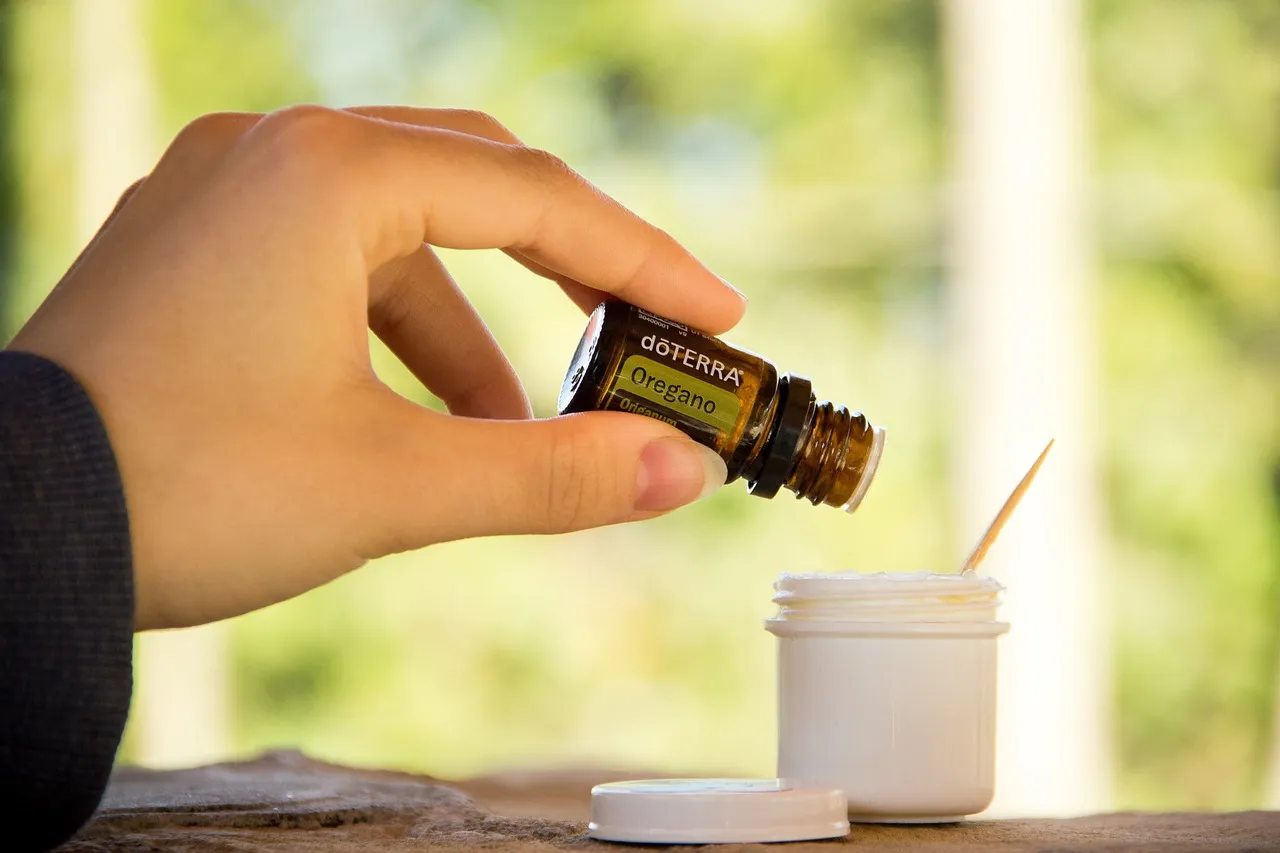
Oregano is another aromatic herb that serves a dual purpose in the garden. It is particularly effective at repelling many types of insects due to its strong fragrance. In both the UK and USA, oregano can discourage cabbage butterflies, whose larvae are destructive to leafy vegetables.
A 2022 greenhouse cage study published in Neotropical Entomology found that tomato plants intercropped with wild oregano had significantly fewer adult silverleaf whiteflies per plant compared to tomato grown alone. In separate laboratory olfactometer trials, oregano essential oils reduced whitefly presence measurably across three oregano origins tested. Silverleaf whitefly is one of the most damaging tomato pests in warm climates, so this is a genuinely useful finding.
Oregano essential oil and its major constituent carvacrol demonstrated potent fire ant repellency. When oregano flowers, it attracts all kinds of beneficial insects, including bees and butterflies. Meanwhile, it has a strong fragrance that repels mosquitoes, aphids, and cabbage worms. Few garden plants offer that kind of double payoff.
5. Sage: Earthy Armor Against Flea Beetles, Carrot Flies, and Cabbage Moths
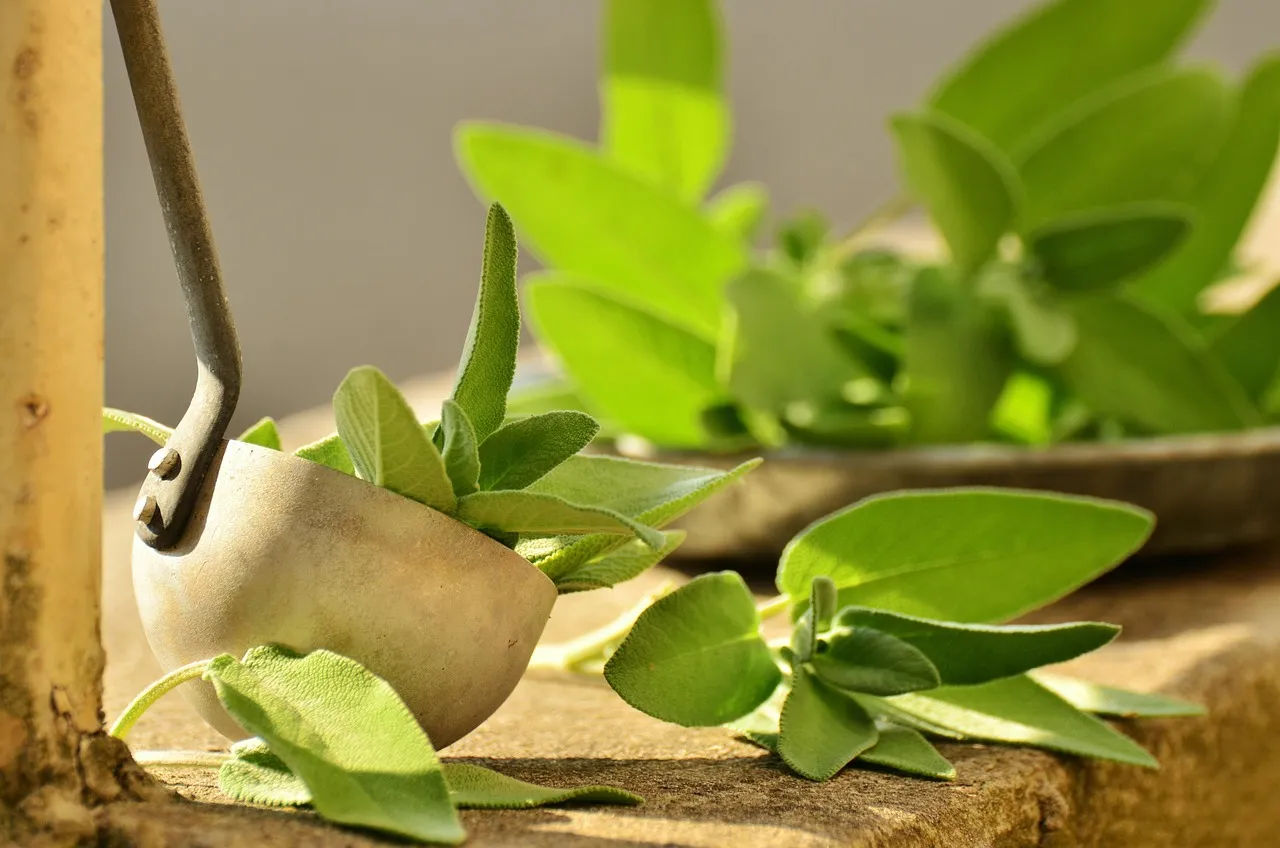
Sage gets its lovely earthy smell from compounds like cineole and camphor, which disrupt the sensory receptors in insects. This works to deter pests like mosquitoes, flea beetles, cabbage moths, snails, and slugs. That’s a broad range of pests for a single herb.
Sage offers a robust aroma that makes it a formidable deterrent against some of the more voracious garden pests, such as carrot fly and flea beetles. In the UK, carrot fly can devastate carrot crops, while in the USA, flea beetles are a common threat to eggplants and tomatoes. Sage’s pungent smell masks the scent of these vulnerable crops, providing a protective shield.
Sage is a great herb to have near root crops like carrots, beets, and radishes, as well as leafy greens like arugula and kale. Sage is especially effective at protecting cucurbits like melons, squash, and cucumbers from pests. Sage is really easy to grow in the garden, and when it flowers, the beautiful light pink or purple petals pull in tons of pollinators. That seasonal bonus is hard to argue with.
How Companion Planting with Herbs Actually Works

Gardening enthusiasts often turn to companion planting to enhance their vegetable garden’s health and productivity. This practice not only maximizes space but also harnesses the natural properties of herbs to attract beneficial creatures and repel pests.
Essential oils contain compounds like citronellal and eugenol that naturally disrupt insect navigation systems and breathing. The mechanism is mostly olfactory. Insects navigate primarily by scent, and when aromatic herbs flood a garden with volatile compounds, the pest’s ability to zero in on its preferred plant is seriously impaired.
While not 100% foolproof against all pests, it may be especially effective in a companion planting strategy, which consists of purposely planting certain items that may offer protection close by, with tomato and basil being one example of this. The key is strategic placement rather than just scattering herbs at random.
Crushing Leaves: The Simple Step Most Gardeners Skip
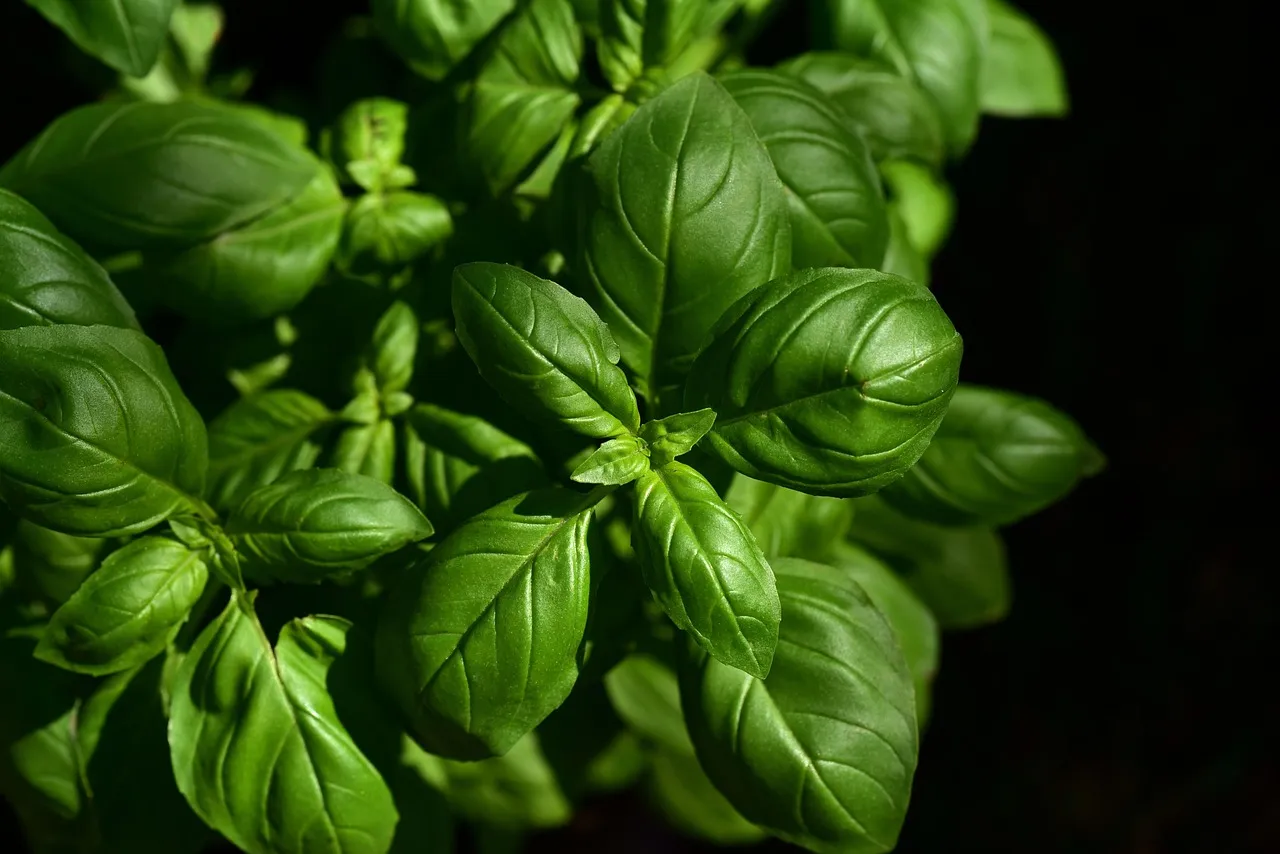
Thyme deters mosquitoes, earworms, maggots, hornworms, and whiteflies. The leaves must be bruised for the chemicals to be released that deter the pests. Squeeze a few leaves every time you walk by your garden and it will help keep pests away. This applies to most aromatic herbs.
The same logic applies to rosemary, sage, and basil. A plant sitting quietly in a bed releases some volatiles passively, but a lightly bruised leaf releases a much stronger burst of repellent oils. For maximum effectiveness, crush a few leaves occasionally to release more oils. This takes about five seconds and costs nothing.
What These Herbs Won’t Do: Setting Realistic Expectations
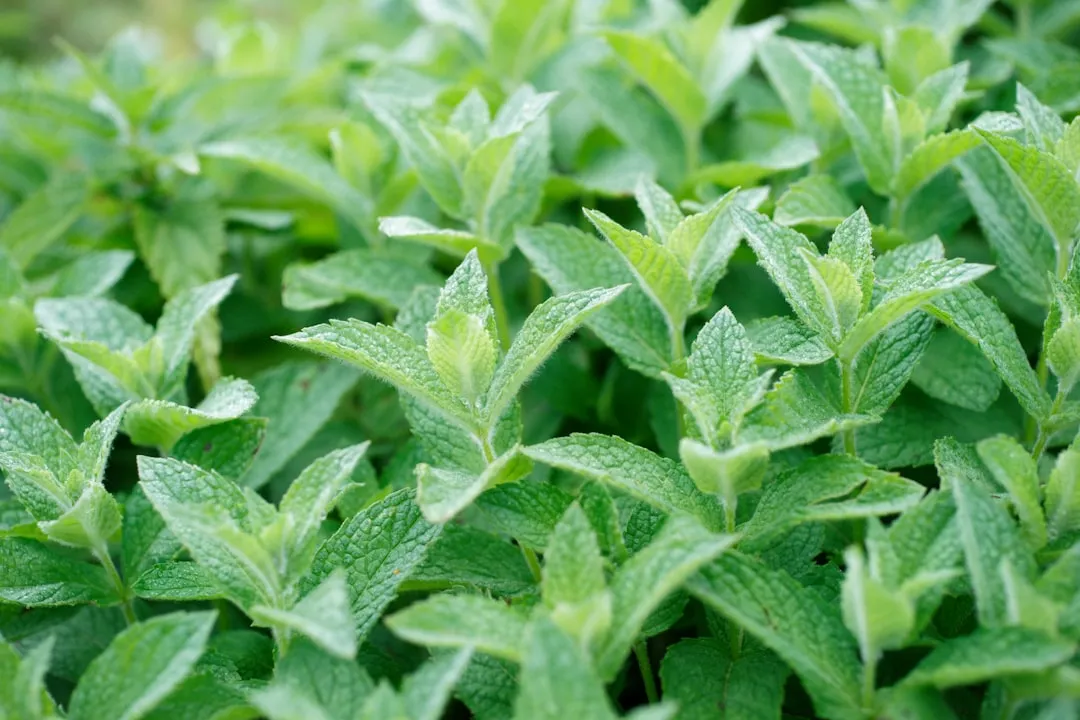
While not 100% foolproof against all pests, it may be beneficial to use specific flowers and herbs. Herb-based pest control works best as part of a layered approach. Heavy infestations of aphids or caterpillars may still require additional intervention, and no aromatic herb will reliably stop a determined squash vine borer.
Data shows that mint acts selectively: it strongly repels mosquitoes and ants but attracts aphids and spider mites under controlled conditions. That nuance is worth knowing before planting mint directly next to aphid-vulnerable crops. Strategic placement matters more than blanket deployment.
The effect is localized and works best when combined with other methods. Think of herbs as one strong line of defense within a broader integrated pest management approach, not a standalone replacement for every other strategy.
Bay Leaf: The Grocery Store Staple with a Hidden Pest-Control Secret
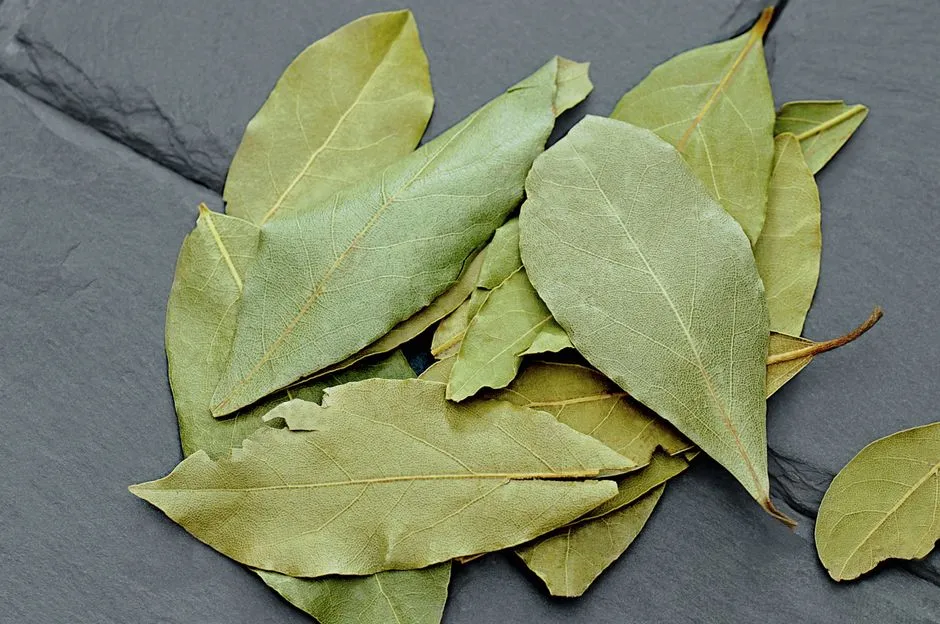
Bay leaves also repel flies, cockroaches, and ants. As an alternative to growing your own bay leaf plant, you can also purchase bay leaves at the grocery store and sprinkle pieces of the leaves around pest-heavy areas of your garden. This is perhaps the simplest, most accessible approach of all the herbs covered here.
Bay is slow-growing and not always easy to establish in colder climates, which makes the grocery store angle particularly practical. Dried bay leaves tucked into garden beds, potting containers, or even pantry shelves where pests enter can serve as a passive, low-maintenance deterrent. The cost is minimal, the effort even lower.
Growing These Herbs from Grocery Store Cuttings
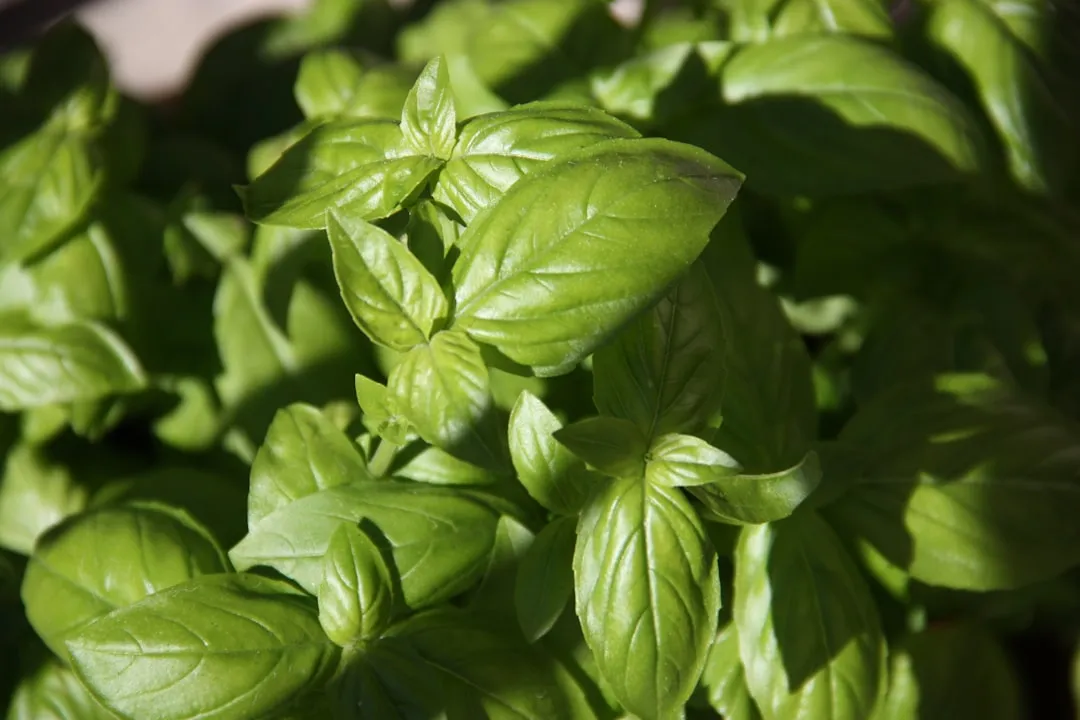
Many grocery store herb bundles, particularly basil, mint, rosemary, and thyme, can be rooted in water and transplanted directly into garden beds or containers. Snip a stem just below a leaf node, place it in a glass of water on a bright windowsill, and roots usually appear within a couple of weeks.
Common herbs like chamomile, rosemary, thyme, and parsley not only repel some members of the gardener’s least-wanted list, including potato bugs, aphids, armyworms, cutworms, and mosquitoes, but also attract beneficial pollinators and other predatory insects that feed on garden pests. Starting from a grocery store bunch brings all of that into your garden for the price of a few dollars.
Most of these herbs are low-maintenance once established. Rosemary and thyme, in particular, are drought-tolerant perennials that require almost no care after their first season. Planting them once along garden borders can provide years of quiet, passive pest deterrence.
Combining Herbs for Broader Pest Coverage
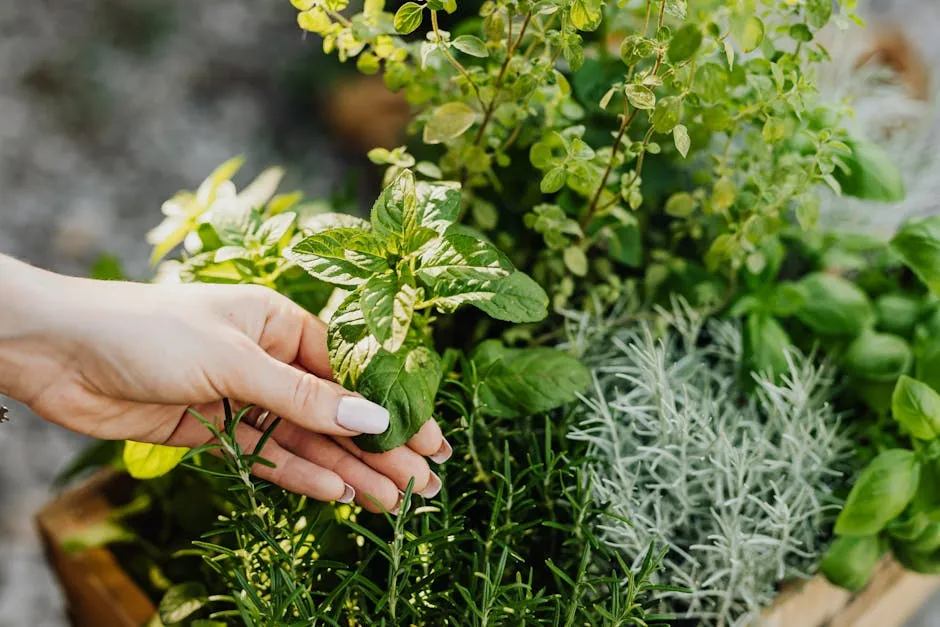
A Mediterranean herb companion layout pairing oregano with rosemary and thyme creates a synergistic volatile organic compound barrier broader than any single herb provides alone. The idea is simple enough: different herbs target different pests through different chemical pathways, and combining them covers more ground.
Pairing basil with other pest-repellent plants can give your garden a major boost in health and resilience. Marigolds are famous for deterring nematodes and aphids, and they thrive next to basil, creating a powerful pest-fighting duo. Rosemary and sage are also strong choices, as they ward off cabbage moths and carrot flies, making them excellent neighbors for basil and vegetables like carrots and cabbage.
Integrating herbs like parsley, thyme, oregano, sage, rosemary, and chives into your vegetable garden can greatly enhance its resilience against pests while attracting beneficial insects. These herbs not only offer a natural and sustainable way to manage pests but also add diversity and fragrance to your garden space. That’s a return on investment that a spray bottle of synthetic pesticide simply can’t match.
There’s something quietly satisfying about a garden that defends itself. These herbs have been doing exactly that for centuries, long before any pesticide was ever bottled and sold. The grocery store just makes them easier to access than ever.
AI Disclaimer: This article was created with the assistance of AI tools and reviewed by a human editor.