

Most people think of the Great Depression as a chapter of history best left behind. What they miss is that the gardeners of the 1930s, working with almost nothing, quietly solved one of the biggest problems that modern homeowners still overpay for every summer: the cost of keeping a garden alive.
The Great Depression struck the United States at the end of 1929 and lasted until 1939, affecting the economy of the entire world and putting hundreds of thousands out of work. City governments, recognizing the severity of the crisis, put relief gardening programs in place to combat hunger and poverty. Out of sheer necessity, those gardeners developed habits around soil, water, and waste that were decades ahead of their time. One habit in particular, covering bare soil with organic material, turns out to be just as powerful today as it was in 1934.
The Crisis That Made Gardeners Smarter About Water
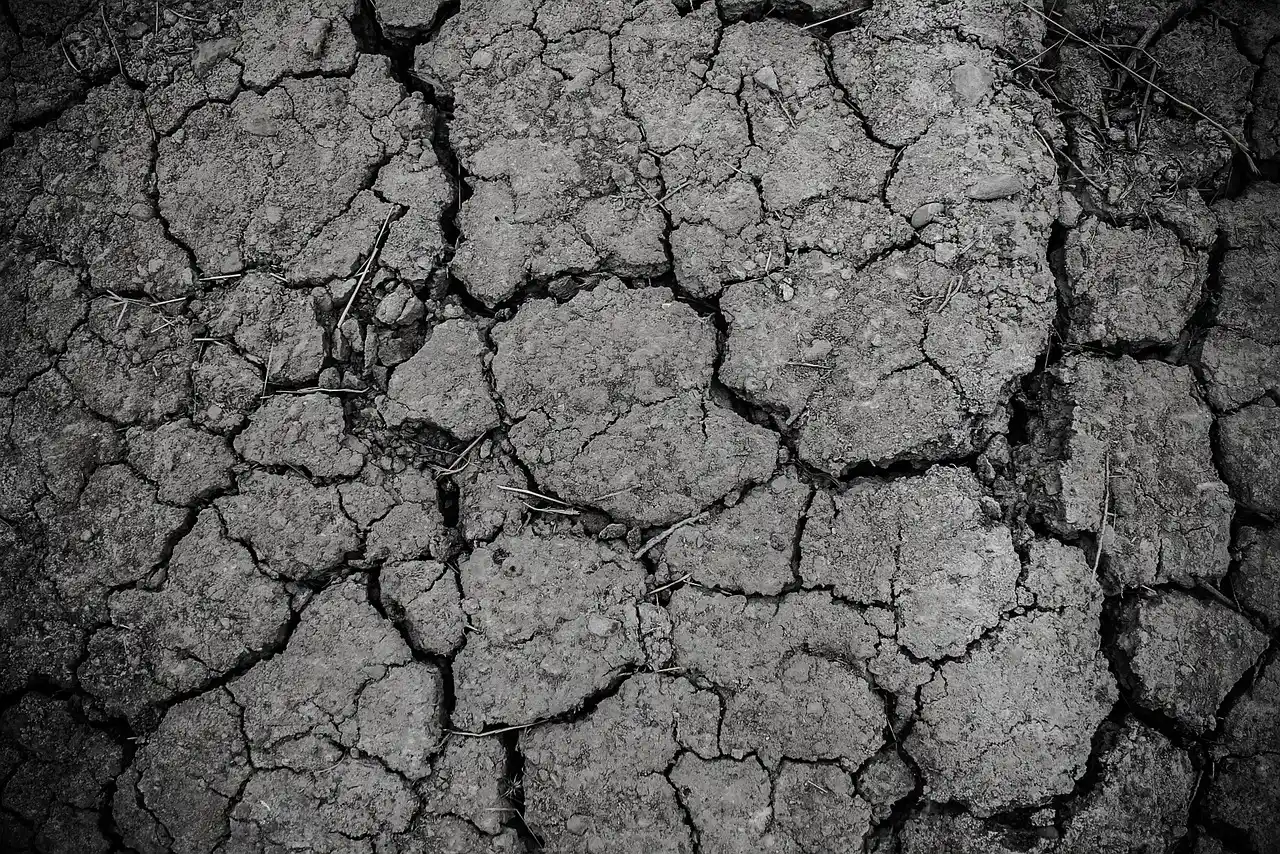
The droughts of the 1930s compounded years of agricultural mismanagement. Plains farmers had plowed up natural ground cover that had taken ages to form over the surface of the dry Plains states. Without rain, the exposed fertile topsoil turned to dust, and without sod or windbreaks, rolling winds churned the dust into massive storms that blotted out the sky.
The Dust Bowl, as the region became known, exposed all-too-late the need for conservation. The region’s farmers, already hit by years of foreclosures and declining commodity prices, were decimated.
This crisis forced a hard lesson into practice: bare, exposed soil loses water fast. Gardeners who kept their soil covered, whatever they had on hand, saw their plants survive when neighbors’ crops withered. That simple observation became a survival strategy.
What the Trick Actually Is: Mulching the Depression Way
When people talk about depression gardening, they’re usually referring to the type of backyard vegetable garden that many families had during the Great Depression of the 1930s. A sinking economy meant that people were looking for ways to save money on their grocery bill by growing their own food.
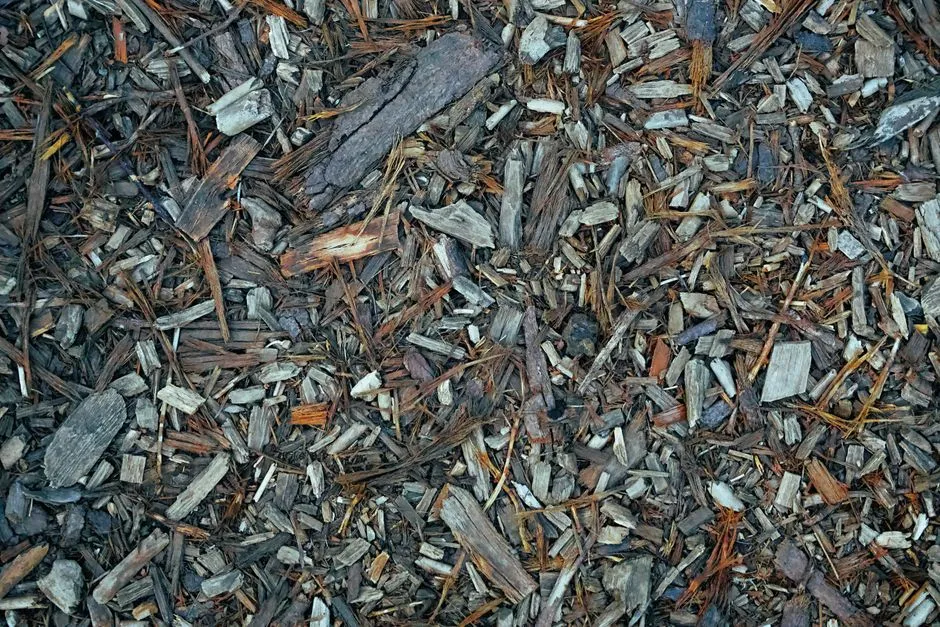
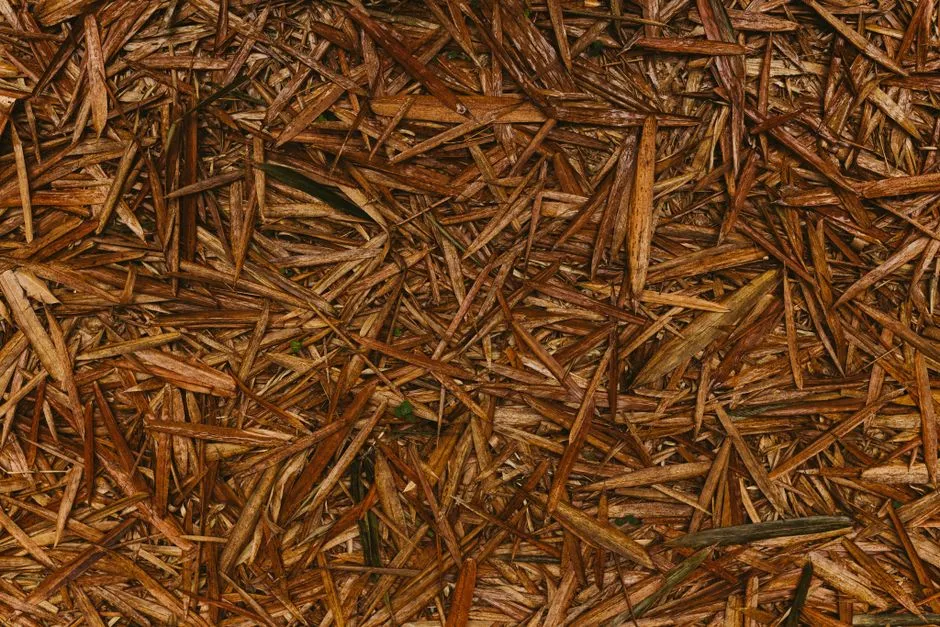
Mulch is material spread over the soil surface to retain moisture, suppress weeds, and regulate soil temperature. Organic mulches, such as wood chips, straw, or grass clippings, decompose over time, adding nutrients to the soil.
Depression-era gardeners didn’t call it mulching. They called it common sense. They spread straw, dried leaves, wood shavings, and even old newspaper over their garden beds because those materials were free and the water savings were immediate.
The Real Numbers: How Much Water You’re Actually Losing
Outdoor water use accounts for more than 30 percent of total household water use on average, but can be as much as 60 percent of total household water use in arid regions.
As much as 50 percent of the water used outdoors is lost due to wind, evaporation, and runoff caused by inefficient irrigation methods and systems. A household with an automatic landscape irrigation system that isn’t properly maintained and operated can waste up to 25,000 gallons of water annually.
The average family spends more than $1,000 per year in water costs. When you factor in how much of that goes straight into the air through evaporation on an unprotected garden bed, the waste becomes hard to ignore.
How Mulch Actually Stops Your Water From Disappearing
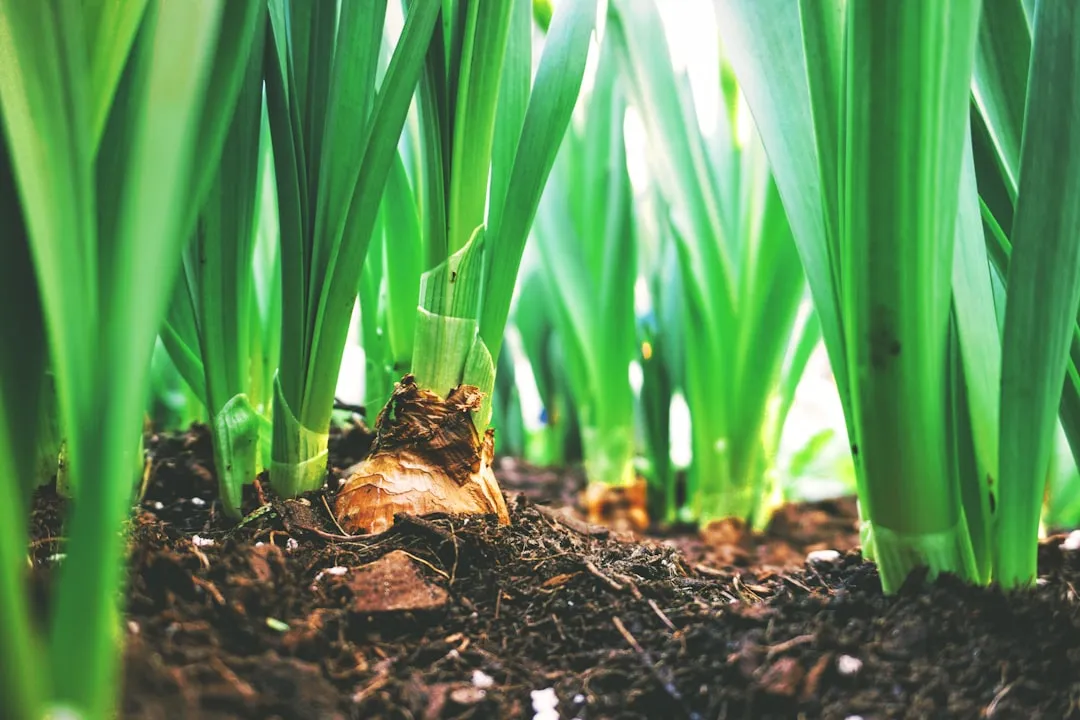
The layer of mulch sits physically between the atmosphere and the soil, blocking the exchange of heat and moisture that would otherwise cause water to evaporate rapidly. Its core applications include reducing soil water loss and soil erosion, enriching soil fauna, and improving soil properties and nutrient cycling. Essentially, mulching modifies the microclimate at the soil surface, keeping it cooler, moister, and more hospitable to roots and soil organisms.
By shading the soil, mulches help to conserve soil moisture, reducing the amount you have to water by as much as two-thirds. Covered soil means fewer weeds, which would otherwise compete for that precious moisture and space.
That two-thirds reduction isn’t a marketing claim. It’s a figure backed by horticultural research and repeated consistently across studies. For a garden that normally needs an hour of watering three times a week, that could mean dropping to one session per week.
The Science Behind the Savings: What Research Shows
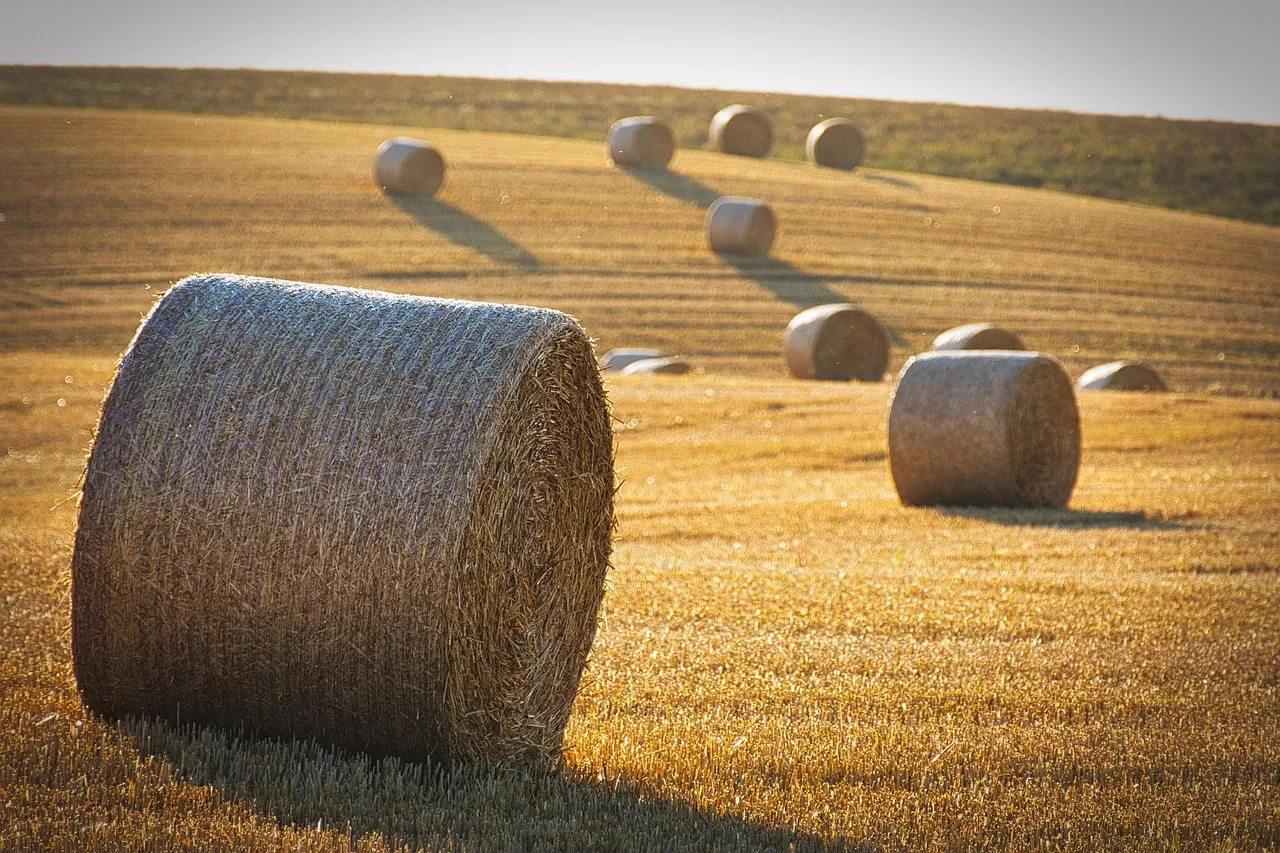
To mitigate water stress in agriculture, mulching has a crucial impact as a water-saving technique in rain-fed crop cultivation. It is important mainly for preserving soil moisture, regulating soil temperature, and limiting soil evaporation, which affects crop yield.
Straw mulching significantly increased soil water content and wheat yield by around a quarter, and water use efficiency by roughly a third. Similarly, straw mulching enhanced grain yield and water use efficiency by between 13 and 25 percent compared to no mulching.
Leaf mold, made when you compost leaves, can hold up to 500 percent of its own weight in water. That’s not a minor upgrade to your garden. It’s a structural change in how your soil holds and releases moisture across an entire season.
What Depression Gardeners Used as Mulch (and What You Can Use Today)
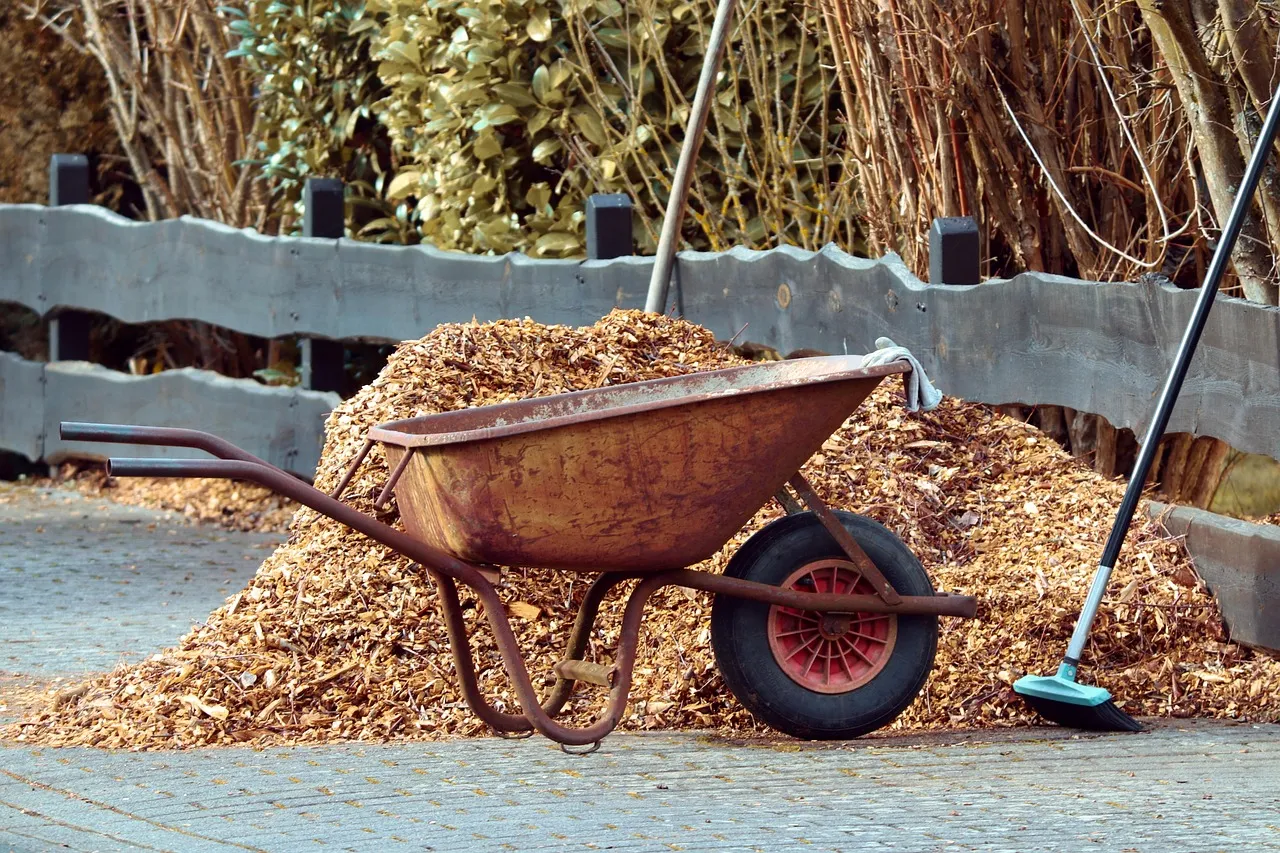
Commercial fertilizers were expensive and not widely available in the 1930s. Small farms still employed traditional ways of enriching garden soil using animal waste. Manure would be spread over just-harvested garden rows in the fall, where it would break down and compost in place over winter. When spring planting came around, the nitrogen-rich manure had composted into organic matter that growing plants could benefit from.
Organic mulches include crop residues such as paddy straw, wheat straw, dry leaves, grass clippings, compost, farmyard manure, wood chips, and sawdust. Natural mulches help maintain soil organic matter and structure, and provide food and shelter for earthworms and other beneficial soil organisms. As they decompose, they continuously release nutrients and improve the water-holding capacity of the soil.
The practical beauty here is that most of these materials are available for free or nearly free. Grass clippings from your own lawn, fallen leaves in autumn, and straw from a local feed store are all legitimate options that work just as well as anything sold in a garden center bag.
How to Apply It: Depth, Timing, and Placement
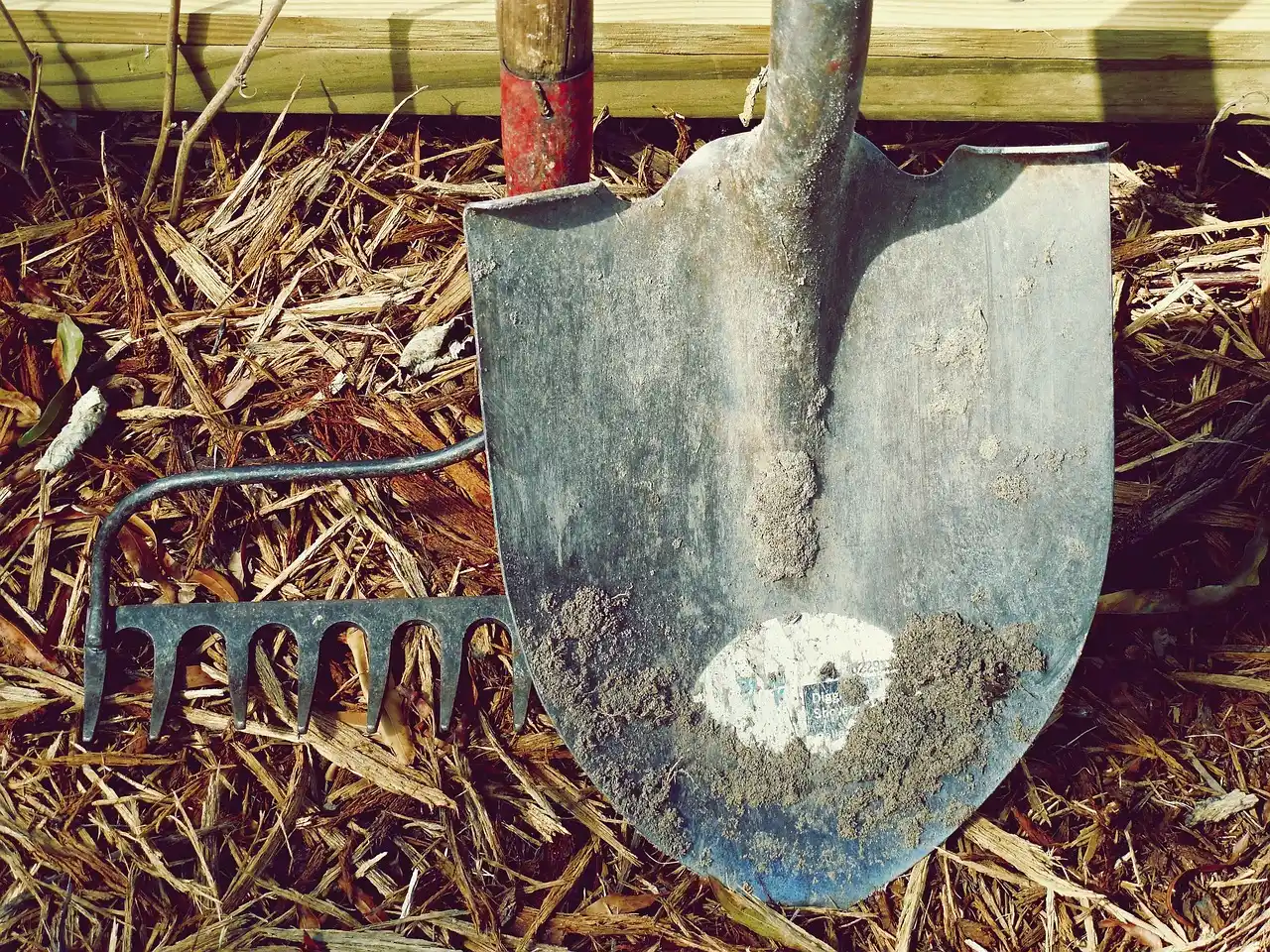
Aim for a layer of mulch about 2 to 4 inches thick. Too little won’t provide adequate benefits, while too much can suffocate plants. Keep mulch away from the base of plants to prevent rot.
Incorporate mulch right after planting for immediate benefits. It sets the stage for moisture retention and weed suppression from the very beginning.
Regularly refresh your mulch as it breaks down or is washed away. This ensures ongoing benefits for your garden and keeps your landscape functioning well. Mulching isn’t a one-time task, though it’s close to it. A spring application and a light refresh midseason is typically all it takes.
Pairing Mulch With Morning Watering: A Depression-Era Habit That Doubles the Effect
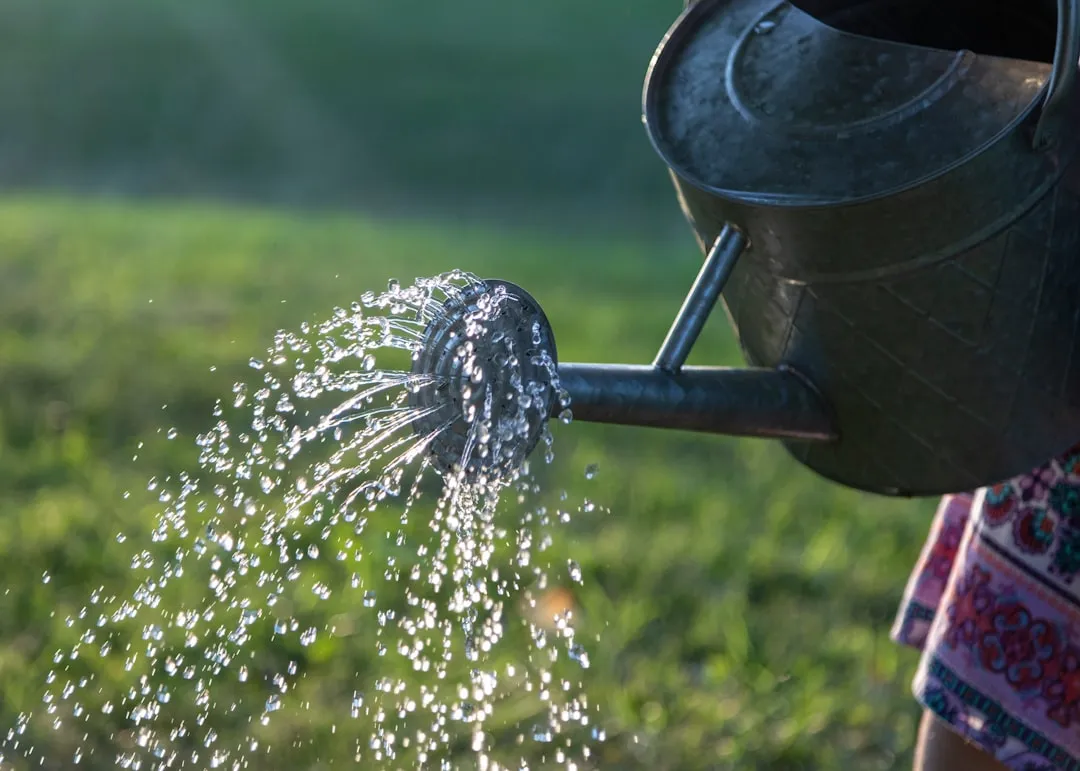
The best time to water your lawn, garden, or landscaping is in the early morning, when the ground is cool and before the sun is high in the sky. The worst time of day to water is when the sun is at its peak, around mid-day. When you water during cool parts of the day, more water will get to your plants instead of being lost to evaporation.
Depression-era gardeners didn’t have automated timers or irrigation consultants. They worked early and covered their soil, two habits that together made a dramatic difference in how long a garden could last without rain. Both habits are just as accessible today.
Drip irrigation systems help deliver water directly to roots instead of spraying it into the air. These changes work together to maximize every drop of water used. Paired with a mulched bed, a basic drip line becomes remarkably efficient.
The Rain Barrel: Another Depression Staple Making a Comeback
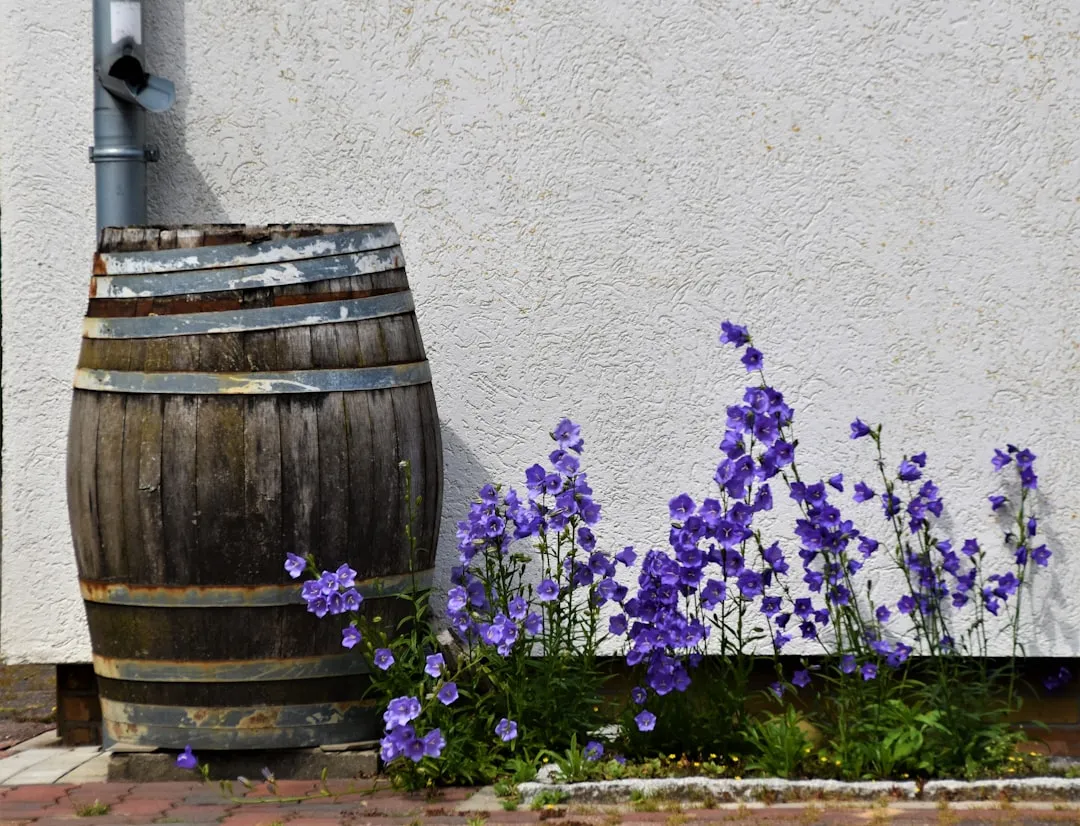
It’s not uncommon to see water flowing to waste when sprinklers hit more pavement than plants. Installing a rain barrel under one or more downspouts means that after each rain, you’ll have a barrel full of water for your garden. You might even significantly reduce your water bill by supplementing or replacing your outdoor water use with rainwater.
Collecting rainwater was standard practice for Depression-era households because municipal water was either unavailable or rationed. Today it’s framed as an eco-conscious trend, but the practical logic is identical. Using a rain barrel to capture rainwater for irrigation is one of the most straightforward ways to cut outdoor water costs.
Combine a 55-gallon barrel with a well-mulched garden bed and you’ve essentially replicated the water management system that kept homesteads alive through the driest summers of the 1930s. No complex installation, no significant expense.
What $400 in Savings Actually Looks Like Over a Summer
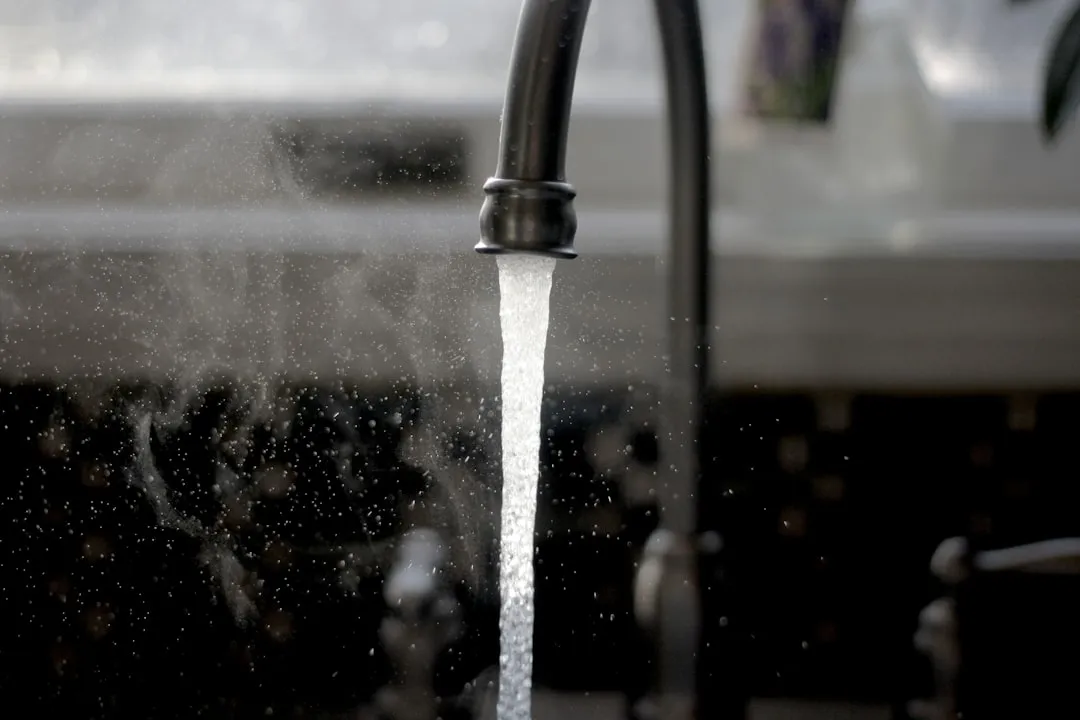
Monthly household water use amounts to approximately 9,000 gallons, and outdoor activities like lawn irrigation make up roughly 30 percent of that, with higher usage in warmer months.
Up to 50 percent of irrigation water is lost to wind, evaporation, or runoff. Poorly maintained or unoptimized sprinklers can waste 25,000 gallons per year per home.
If mulching alone reduces outdoor water use by even a third, the math on a typical summer water bill adds up quickly. With moisture retention, reduced evaporation, and healthier soil, your garden requires less frequent watering. This leads to a noticeable decrease in water consumption and ultimately lowers your water bill. Layer in early morning watering, a rain barrel, and sensible plant grouping, and the combined savings over a full summer can reach several hundred dollars for households in drier climates.
Why This Trick Matters Even More in 2026
Agricultural water resources have been limited over the years due to global warming and irregular rainfall in arid and semi-arid regions. That pressure isn’t just on farms. It’s showing up in residential water rates, seasonal watering restrictions, and drought declarations across multiple U.S. states in recent years.
Agriculture accounts for roughly 70 percent of global freshwater use, yet a significant portion of that water is lost before crops can benefit from it through evaporation, runoff, and poor soil retention. Against that backdrop, mulching stands out as one of the most practical, low-cost strategies available.
During the Depression, the U.S. Department of Agriculture and state agricultural extension agencies promoted gardening as a way for people to feed themselves and manage scarce resources. The conditions that made those techniques necessary are not so different from where many households find themselves today. Water costs are rising. Summers are hotter. The soil doesn’t wait.
What the Depression gardeners understood, often without a choice in the matter, is that the best water-saving investment is the one you make before the water is ever applied. A few inches of straw between your plants and the summer sun is still, almost a century later, one of the most effective tools available.
AI Disclaimer: This article was created with the assistance of AI tools and reviewed by a human editor.