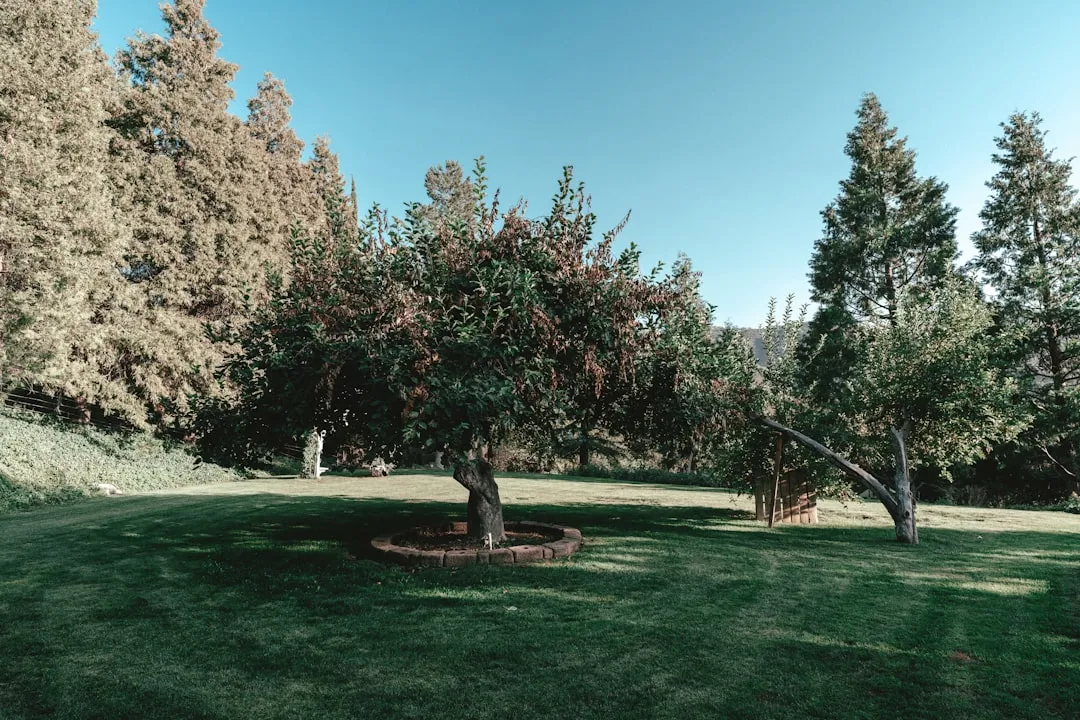

There’s something quietly satisfying about reaching up and pulling ripe fruit straight from a tree in your own backyard. One in every four food items on American tables comes from California’s Central Valley, which produces roughly two-fifths of the nation’s fruits and nuts. That staggering agricultural legacy isn’t limited to commercial farms. Your own backyard shares the same generous climate, and with the right trees, it can deliver season after season.
Deciduous fruits and vegetables of nearly every kind thrive in the long, hot summers of the Central Valley’s zones 8 and 9, where winter cold is just adequate to satisfy the dormancy requirements of fruit trees. The key is choosing varieties matched to those conditions. Here are ten fruit trees that belong in your Central Valley backyard orchard.
1. Peach: The Valley’s Signature Stone Fruit
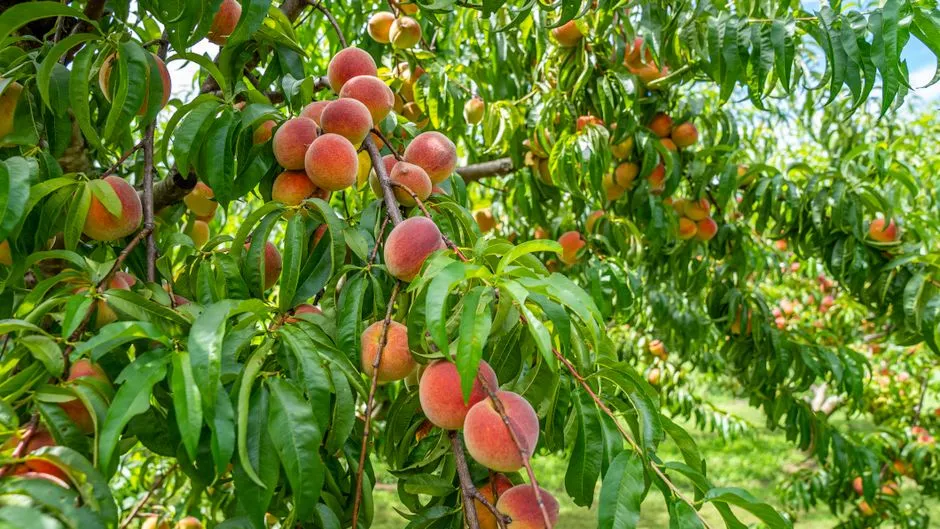
Few trees feel more at home in the Central Valley than the peach. Growing peaches in USDA Zone 9 is incredibly rewarding, with long, warm summers and mild winters providing ideal conditions. The trick is picking the right variety for your chill hours. Low-chill, disease-resistant varieties such as Desert Gold and Red Baron are the easiest to grow in warm climates with minimal chill hours.
Fruits are typically ready for harvest in early to mid-July in Central California, and excellent home-orchard choices can require 400 hours or less of chill time. The best time to plant peach trees in Zone 9 is from January through March, when trees are dormant. Peach trees handle heat well when watered deeply and mulched regularly, though extreme temperatures may affect fruit quality.
2. Fig: Heat-Loving and Virtually Carefree
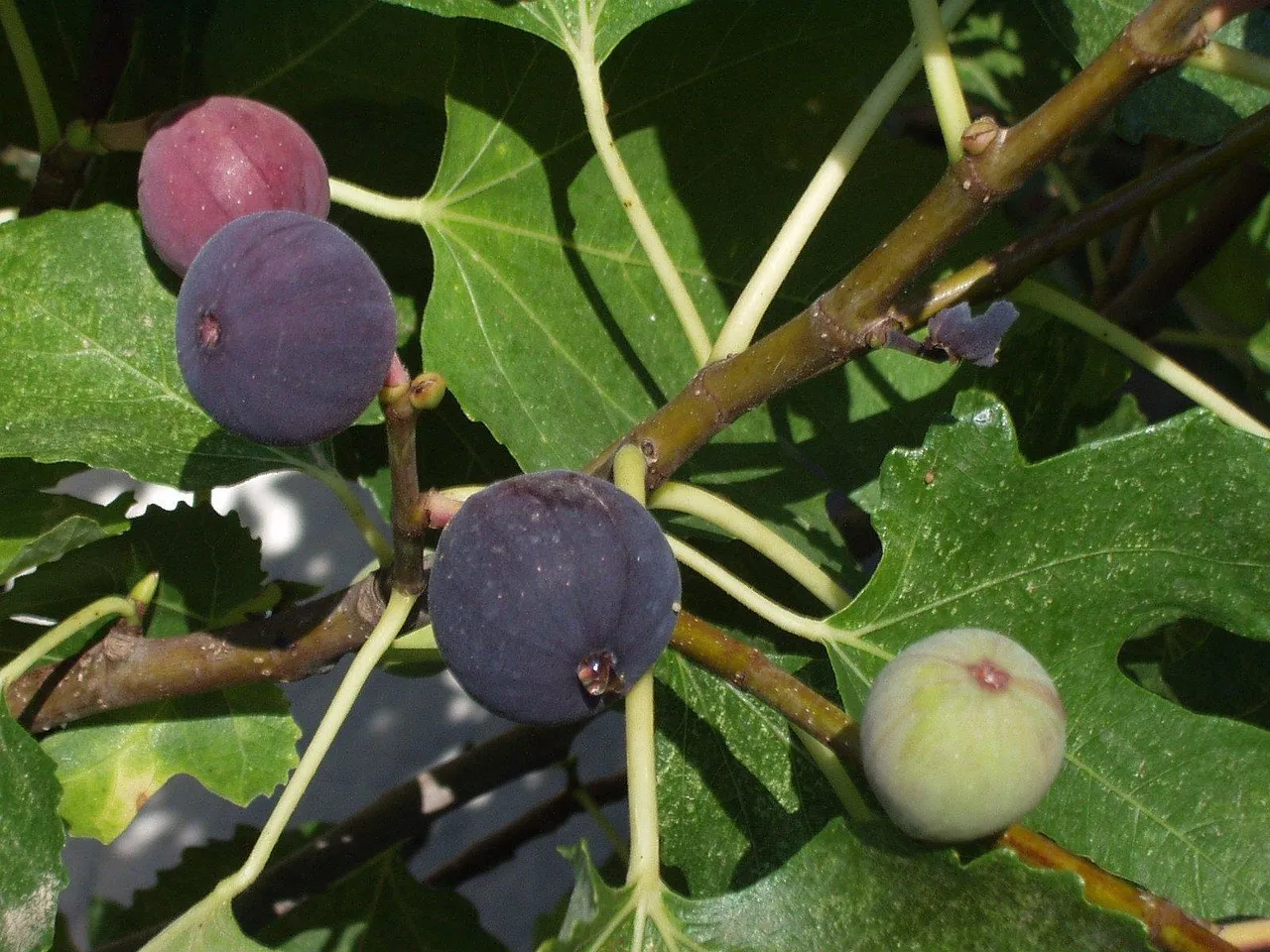
Figs sit comfortably in the low-chill category, needing under roughly 300 hours, which makes them a natural fit for the valley floor where winters are mild but not frigid. They’re one of the most rewarding trees you can plant in this climate because they ask so little and give so much. Figs ripen only on the tree, which means the ones you grow at home are fresher than anything you’ll find at a store.
Figs are self-fruitful, so a single tree is all you need to get a full harvest. The Desert King fig is fruitful even with erratic irrigation, making it especially practical during hot, dry Central Valley summers. Black Mission and Brown Turkey are also widely reliable performers for backyard growers in this region.
3. Pomegranate: Built for Valley Heat
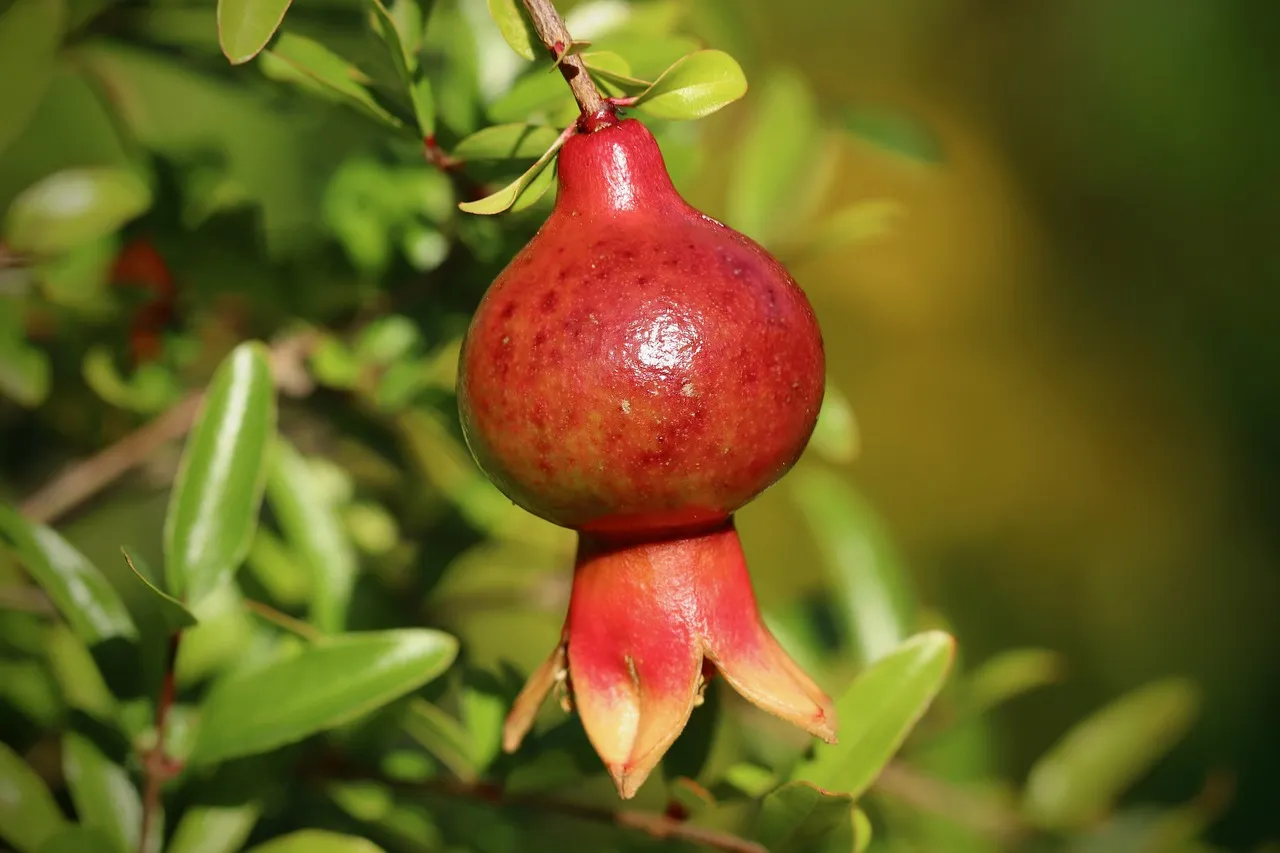
Pomegranates are adapted to climates with cool winters and hot summers, which describes the Central Valley almost perfectly. They love heat and tolerate drought, making them excellent choices for inland valley gardens. The tree itself is attractive, with vivid orange-red flowers that look ornamental even before the fruit sets.
Pomegranates are self-fertile, pest-resistant, and beautiful in the landscape with orange-red flowers and fall color. They can grow up to 15 feet high, and they’re highly resistant to disease and pests. Pomegranates are a popular choice due to their health properties and versatility. The Wonderful variety is the most widely grown, though Parfianka and Eversweet are worth seeking out for softer seeds and sweeter flavor.
4. Plum: Reliable Yields with Low to Moderate Chill
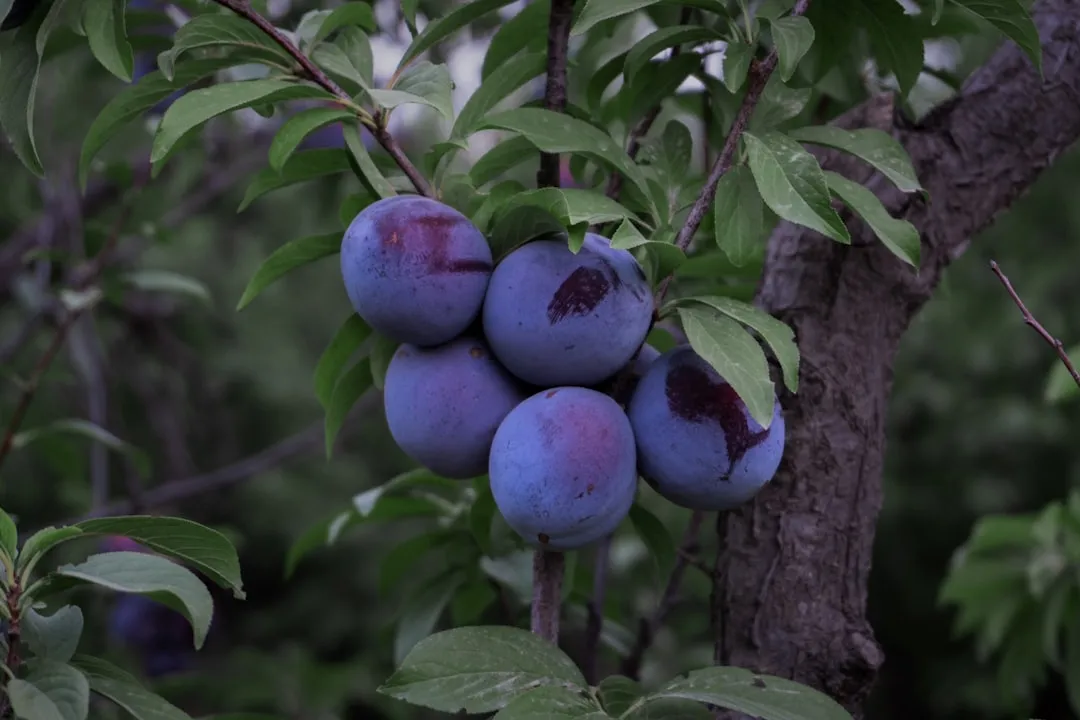
Plums do well across the Central Valley’s range of conditions. Japanese varieties are recommended because most have low to moderate chill requirements. That gives backyard growers a lot of flexibility in choosing harvest timing from early summer through fall. Santa Rosa is a classic self-fertile Japanese plum with excellent flavor and a long history in California gardens.
Stone fruits including plums require annual winter pruning to maintain an open vase shape, control size, and encourage fruiting wood. Apricots and plums are fairly small stone fruits, so they should be thinned to 2 to 4 inches apart on the branch. Consistent thinning is the single most effective thing you can do to improve fruit size and prevent branch breakage in a heavy year.
5. Apricot: An Early-Season Reward
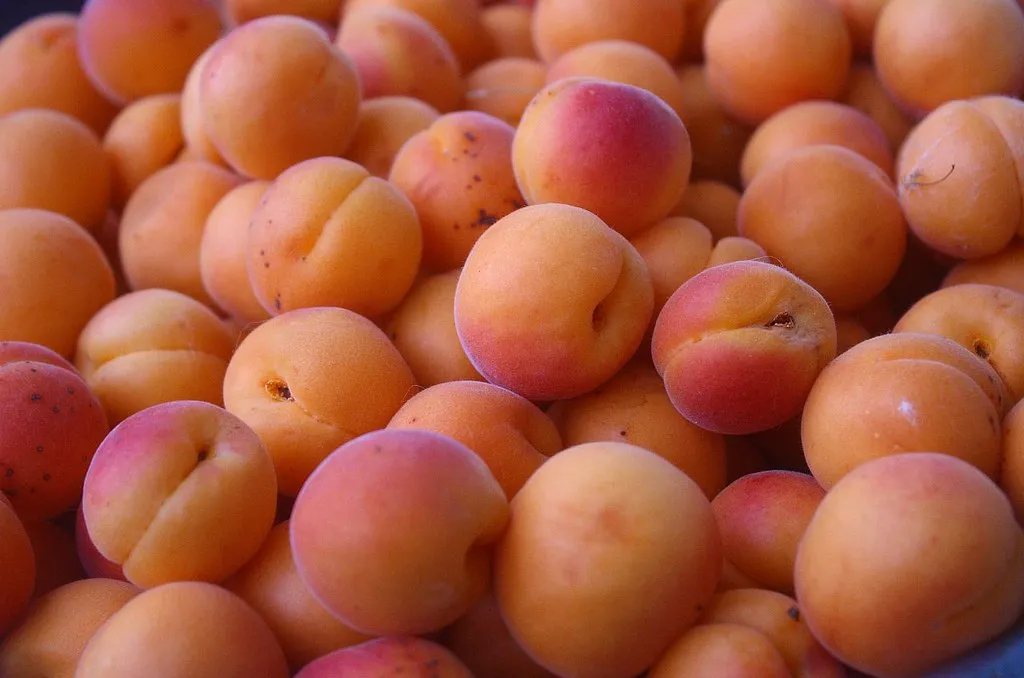
Excellent backyard apricots for warm-winter climates are available as freestone, very good quality, heavy-bearing trees that harvest 3 to 4 weeks before the Blenheim (Royal) variety, with some needing only 300 chill hours. That means in many Central Valley locations, you’re picking apricots well before summer even hits its stride. Some compact varieties ripen in the first week of June in California’s Central Valley.
Some varieties are considered among the finest-flavored apricots, with a creamy smooth texture and rich sweet flavor. Apricot dieback is a fungal disease concern, so avoid pruning apricot trees in wet weather. Plant in a spot with good air drainage, and you’ll sidestep most of the common issues that frustrate apricot growers in wetter climates.
6. Asian Pear: Crisp, Juicy, and Surprisingly Adaptable
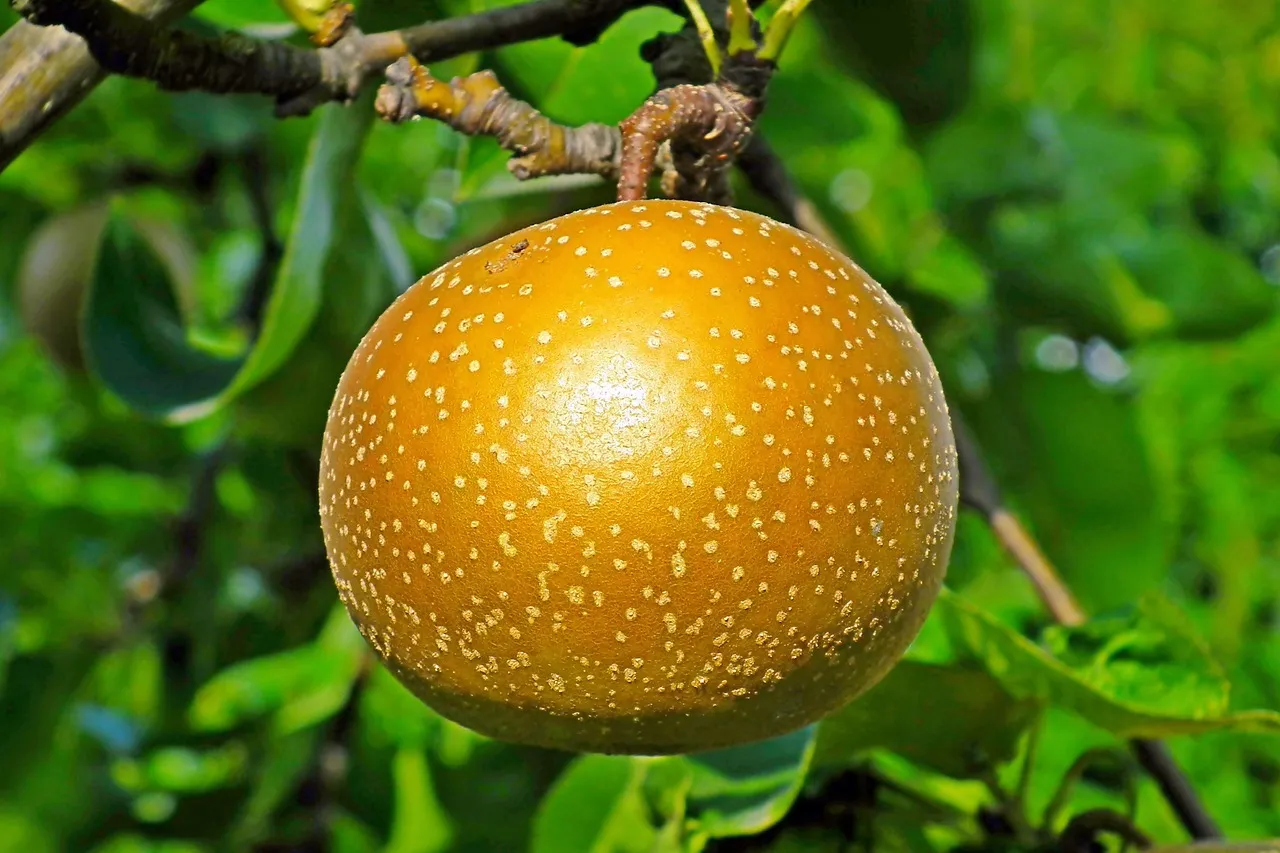
Asian pears are an underrated choice for the Central Valley backyard. Asian varieties such as Hosui require fewer chill hours than European varieties, making them a more practical option where winters are mild. The fruit is ready to eat right off the tree, unlike European pears that require a period of after-ripening.
Asian pear spurs may be fruitful for 6 to 8 years, meaning a well-maintained tree continues to deliver long after it matures. When choosing a spot, look for at least 6 to 8 hours of sun each day and room to access the tree from all sides. Hosui and 20th Century (Nijisseiki) are two varieties that have proven especially reliable in valley conditions.
7. Persimmon: Low Fuss, Gorgeous Fruit
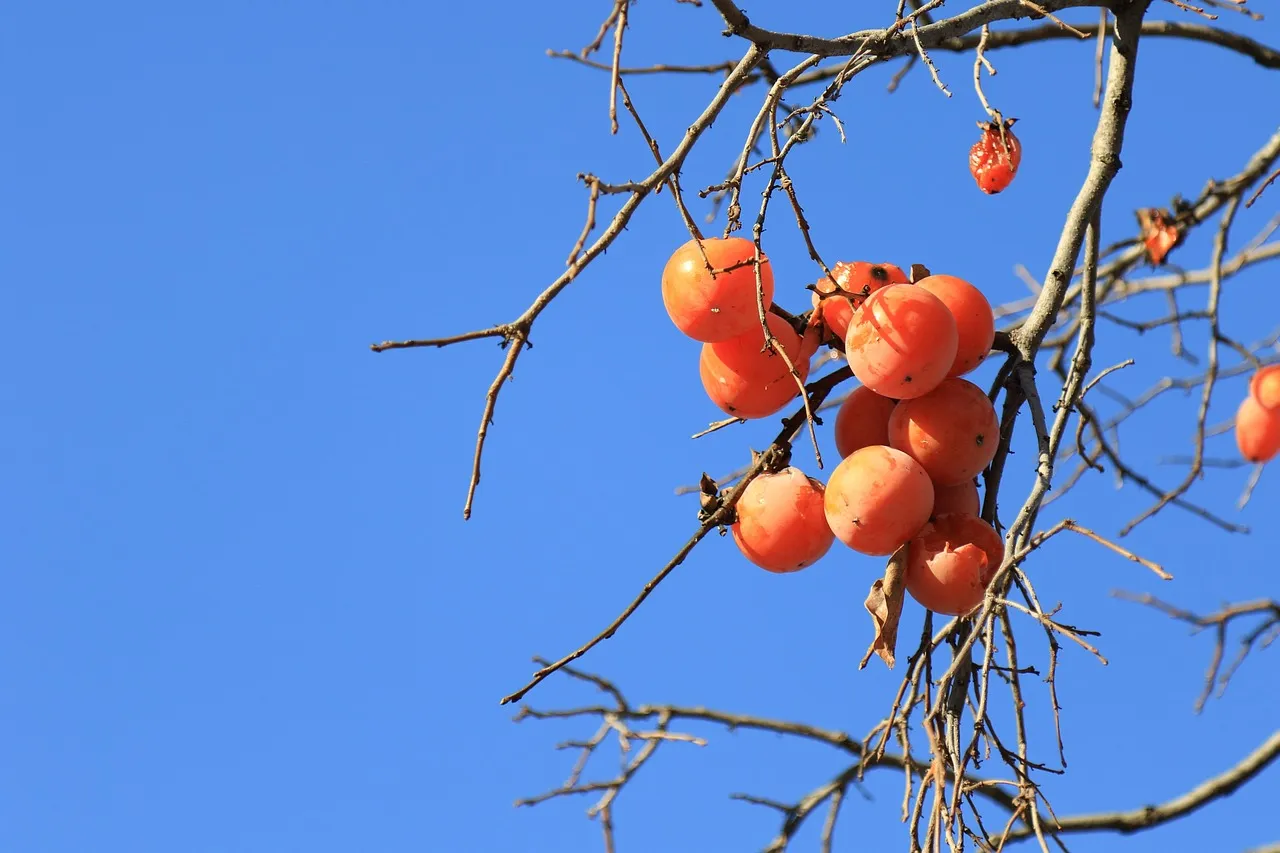
Persimmons need relatively low chill hours, between 100 and 200 hours, and tolerate a wide range of conditions. They’re drought-tolerant once established and have few pest or disease problems. That combination makes them one of the most practical fruit trees you can plant in a Central Valley backyard. You get a striking ornamental tree and a heavy crop of deep orange fruit each fall.
Persimmons do well across all major California climate zones. Astringent varieties are unpalatable until they soften, while non-astringent varieties can be eaten when crisp. Fuyu is the most popular non-astringent variety and consistently performs well in hot inland climates. Hachiya is the classic astringent type, excellent for baking once fully ripe.
8. Nectarine: The Peach’s Smooth-Skinned Sibling
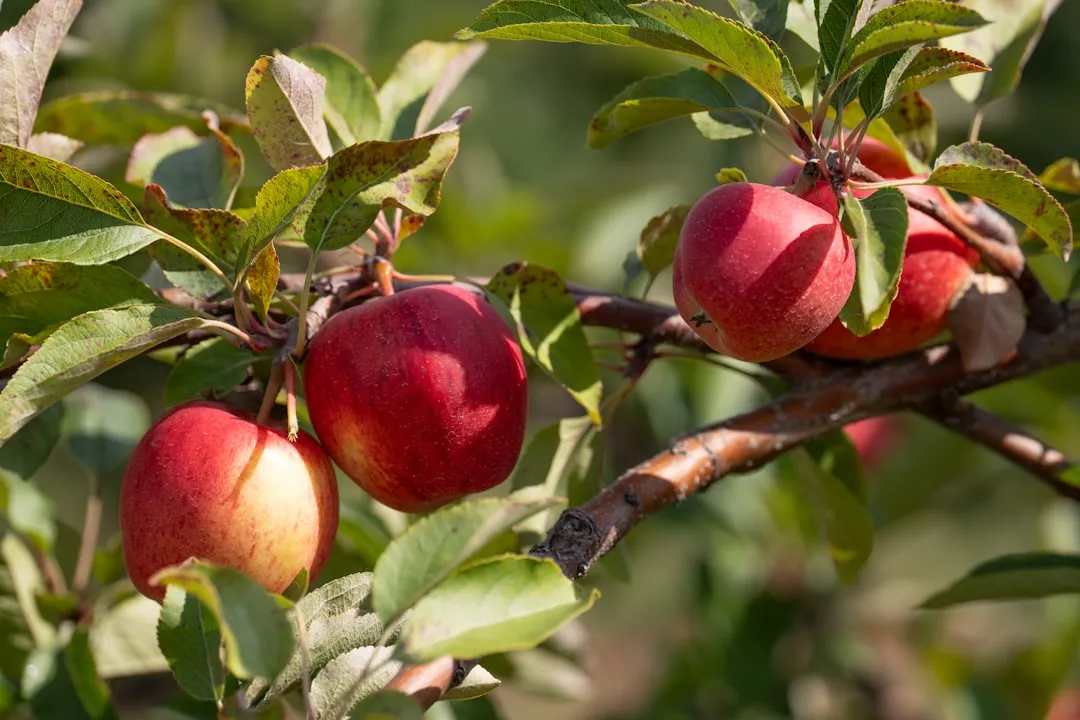
Nectarines perform much like peaches in the Central Valley and deserve a spot alongside them. Nectarines are self-fruitful, so a single tree will produce without needing a pollinating partner nearby. They’re a little more susceptible to brown rot in humid conditions, but the Central Valley’s dry summer air works in your favor.
Nectarines fruit on one-year-old wood, which means annual pruning is essential to keep fresh fruiting wood cycling through the tree. Peaches and nectarines should be thinned to about 3 to 5 inches apart on the branch for the best fruit size. Flavor Top and June Glo are well-regarded low-chill nectarine varieties commonly recommended for Central Valley conditions.
9. Lemon: A Year-Round Citrus Workhorse
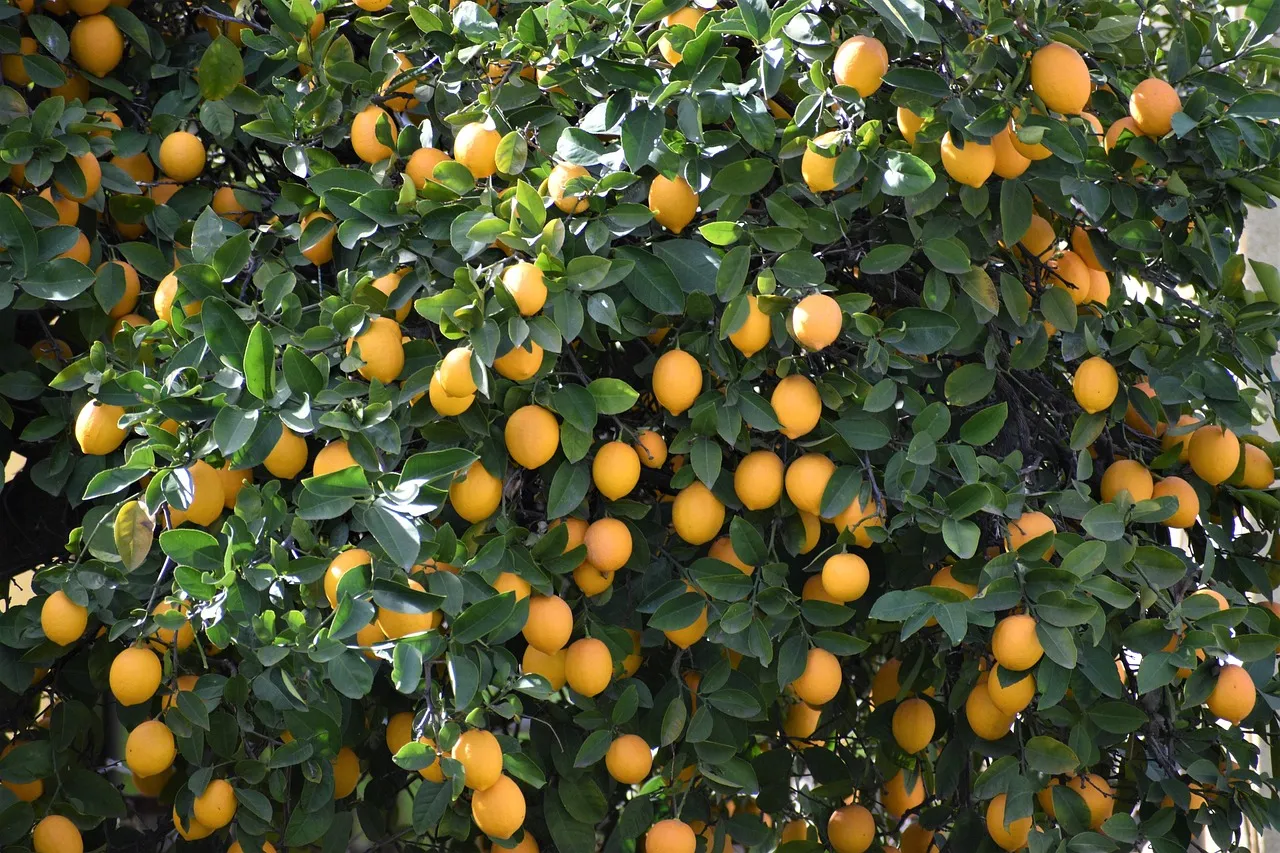
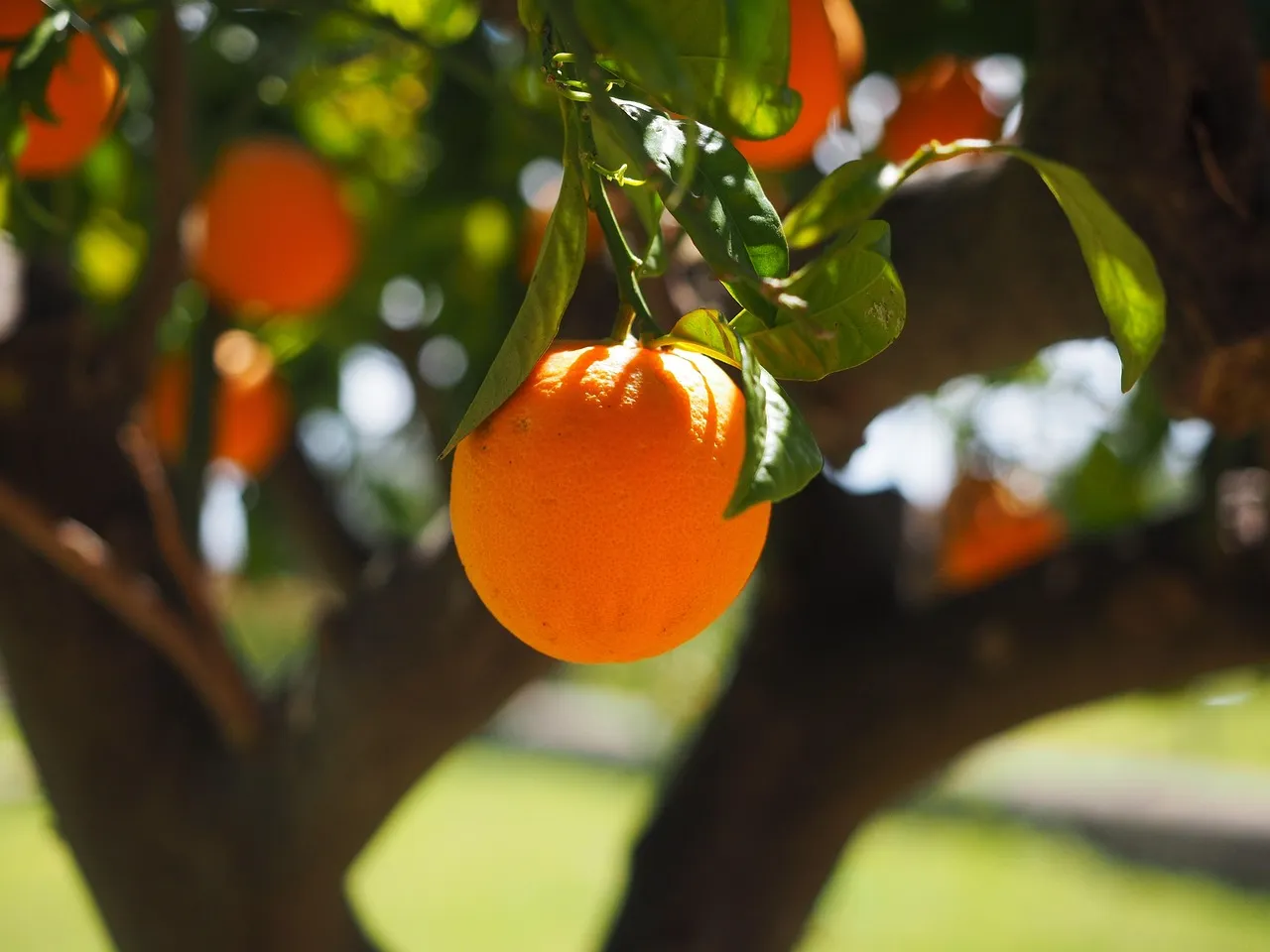
Zone 9, the thermal belt of California’s Central Valley, is a safer climate for citrus than Zone 8 cold-air basins. That distinction matters a lot if you’re thinking about planting a lemon tree. Zone 9 is well-suited for growing warm-climate fruits like oranges, lemons, and figs. Meyer lemon, a cross between a lemon and a mandarin, is the most popular backyard choice because of its sweeter juice and nearly year-round fruiting habit.
Citrus trees prefer well-drained soil and plenty of sunlight. Unlike deciduous fruit trees, lemons don’t require chill hours and can be stressed by hard frost, so planting near a south-facing wall or structure adds useful warmth on cold nights. A well-chosen, well-cared-for fruit tree can produce for decades, and a healthy Meyer lemon planted today can still be fruiting long after you’ve forgotten what year you put it in the ground.
10. Jujube: The Heat Champion Worth Knowing
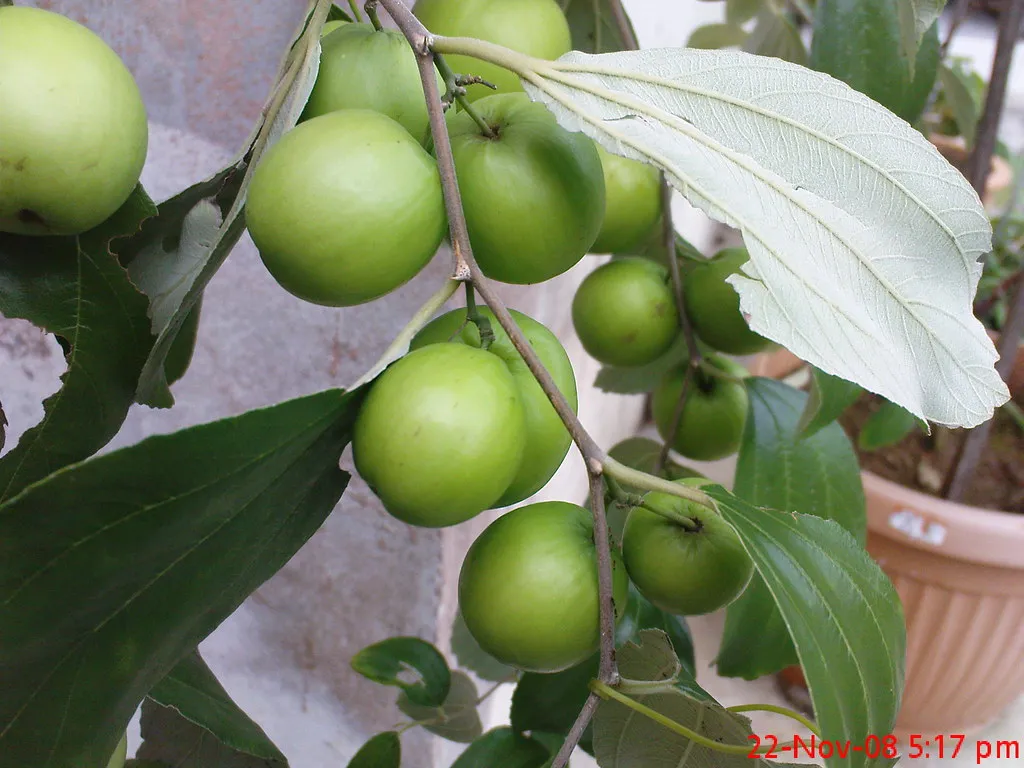
Not everyone is familiar with jujubes, but they are a great addition to the landscape. They typically grow about 15 feet tall and are widely adapted, tolerating both heat and cold. They’re a good selection for inland valleys that get very hot during the summer. The fruit tastes like a crisp apple when fresh and takes on a date-like sweetness when dried. Few trees ask so little of you in a Central Valley summer.
Jujubes are more drought tolerant than most fruit trees, and the tree is quite pest-resistant. The two most common cultivars are Li and Lang, and both produce fruit during the summer. If you’ve struggled with other fruit trees in a particularly hot or water-limited corner of your yard, this is the one to try there.
Getting Started: Chill Hours, Sun, and Spacing
Before choosing any fruit tree, you need to understand chill hours. This single factor determines whether a tree will fruit well, produce poorly, or fail entirely in your location. Chill hours are the cumulative hours between roughly 32°F and 45°F that a fruit tree experiences during winter dormancy. Most deciduous fruit trees require a certain number of chill hours to break dormancy properly, set flower buds, and produce fruit.
For California growers, the UC Davis Chill Calculator is an excellent resource for checking your local chill hour totals by ZIP code. Look for a planting spot that gets 6 to 8 hours of sun each day, with room to access the tree from all sides. If you’re planting more than one tree, allow 3 to 4 feet between trees at their full-grown width for proper air circulation.
Conclusion
The Central Valley didn’t become one of the most productive agricultural regions on Earth by accident. The Central Valley is predominantly zone 9b, with warm, dry summers and mild, moist winters, making it a hub for agricultural activity. Those same conditions that support commercial orchards for miles in every direction are working just as hard in your backyard.
Start with one or two trees that match your specific chill hours, give them a sunny spot, well-drained soil, and consistent water during the first few summers, and they’ll do the rest. A well-chosen, well-cared-for fruit tree can produce for decades. That’s a return on investment that’s pretty hard to beat, measured in ripe fruit picked by your own hand, season after season.
AI Disclaimer: This article was created with the assistance of AI tools and reviewed by a human editor.