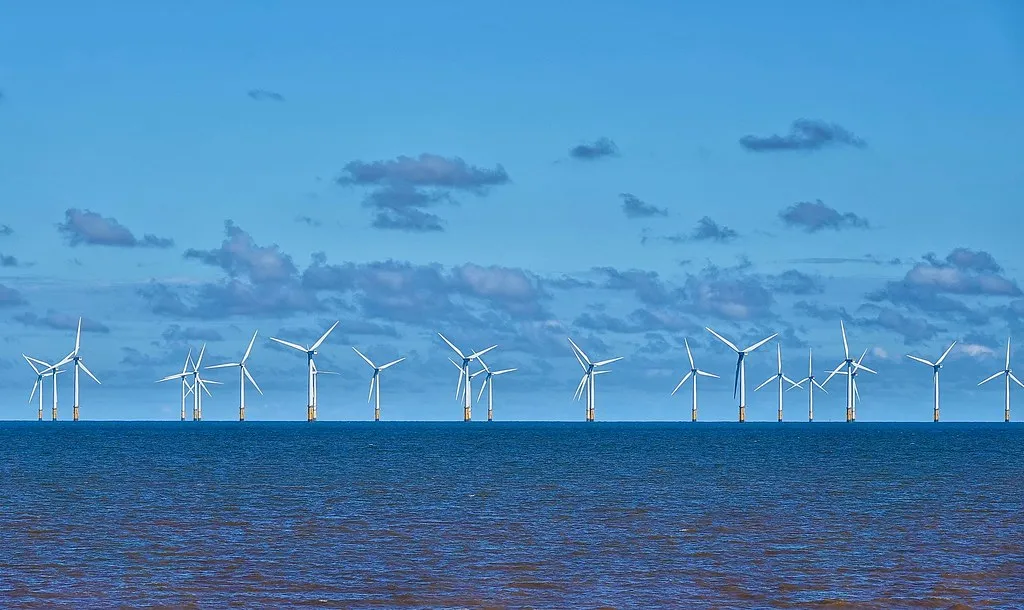

Something significant happened in 2024 that barely made headlines outside of energy circles. For the first time in modern history, wind and solar together generated more electricity across the United States than coal. In 2024, wind and solar hit a record 17% of US electricity, surpassing coal, which dropped to an all-time low of 15%. That’s a shift that would have seemed almost impossible just a decade ago.
The growth isn’t happening uniformly. Some states are racing far ahead, driven by geography, policy, and market forces. From the wide-open plains of Iowa to the sun-drenched deserts of California, a handful of states are reshaping what American electricity looks like. Here’s a closer look at who’s leading, and what the numbers actually show.
Texas: The Undisputed Renewable Giant
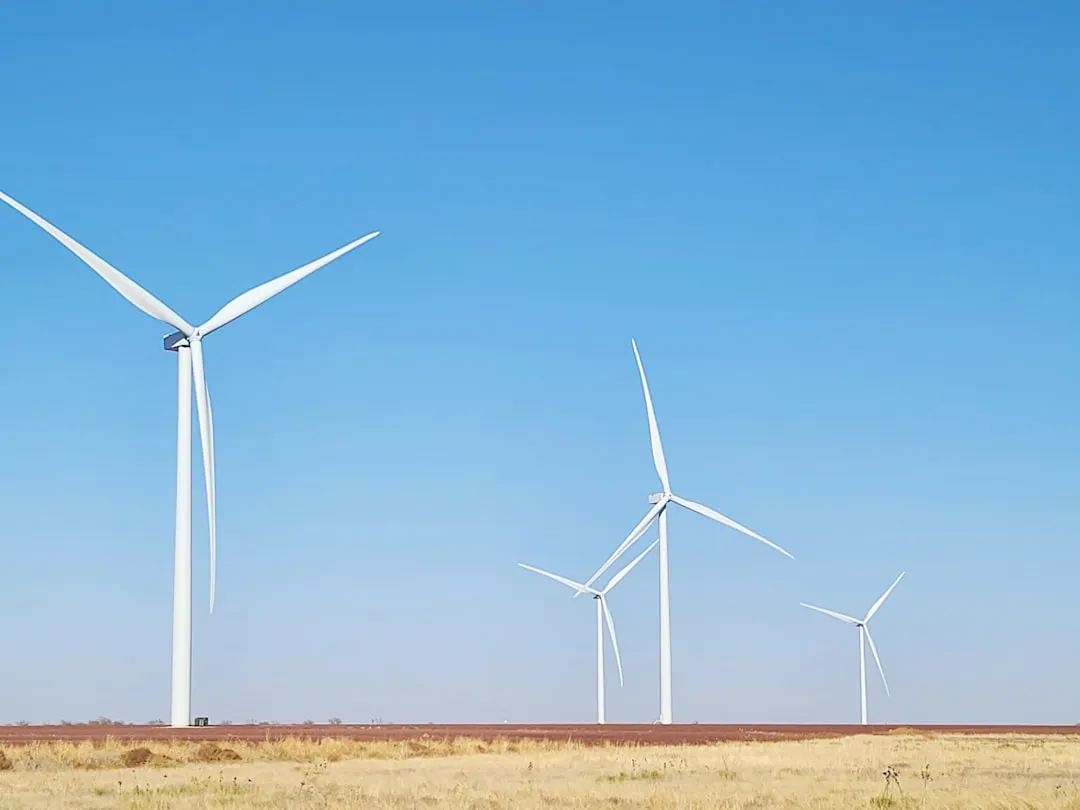
When people think of Texas, oil still tends to come to mind first. The numbers tell a more complicated story. Texas is dominating the development of renewable energy generation and battery capacity within the United States, estimated to have installed nearly 80% more combined solar, wind, and battery capacity than the next largest state. The Lone Star State had 42,000 megawatts of wind power, 22,000 MW of solar farms, and 6,500 MW of utility-scale battery capacity in place as of the end of 2024, according to data from Cleanview and the U.S. Energy Information Administration.
Texas generated 169,442 gigawatt-hours from wind, utility-scale solar, and small-scale solar in 2024, which is significantly more than runner-up California, which generated 92,316 gigawatt-hours from those resources. Wind alone is a massive part of that story. The Lone Star State has 19,464 active wind turbines, according to the most recent report from the U.S. Wind Turbine Database. Texas has more active wind turbines than the next three states combined: Iowa with 6,462, Oklahoma with 5,624, and California with 4,903.
Utility-scale solar has grown at a remarkable rate, generating 50% more in 2025 than in 2024. Wind and solar infrastructure have grown from producing 18% to 30% of total state electricity generation since 2019. The state’s competitive electricity market and developer-friendly permitting rules give it a structural advantage most other states simply don’t have.
Iowa: The Wind Percentage Champion
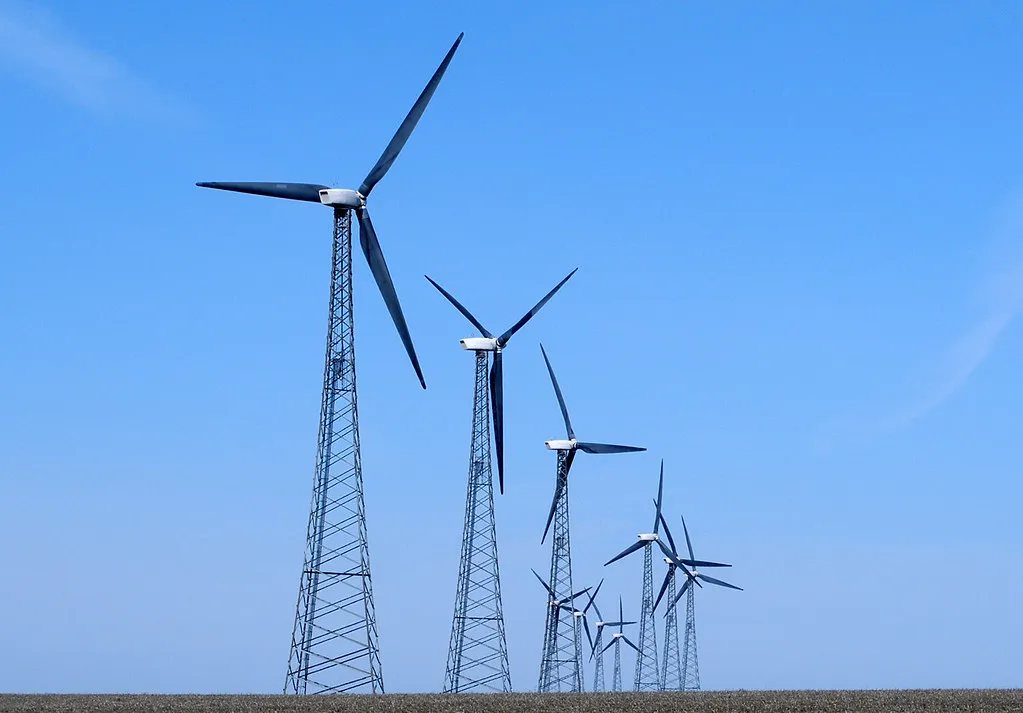
Iowa doesn’t generate the sheer volume of renewable energy that Texas does, but in terms of what share of a state’s electricity comes from wind, no state comes close. Wind accounted for 58% of all electricity generated in Iowa in 2025, a larger share of total in-state electricity generation than any other state. That figure alone tells you a great deal about how dramatically Iowa has transformed its energy mix over the past two decades.
Renewables in Iowa produce enough electricity to meet 83% of the state’s electricity demand, with more growth likely ahead. Solar is also catching up. Iowa is a wind energy powerhouse, but its solar capacity has seen an over two times increase in solar energy sales between 2020 and 2024.
With a technical potential estimated at 570,700 megawatts, Iowa maintains substantial room for expansion, positioning itself for continued leadership in America’s renewable energy future. For a state known more for cornfields than coastlines, those are remarkable numbers backed by EIA data.
California: Solar’s Spiritual Home
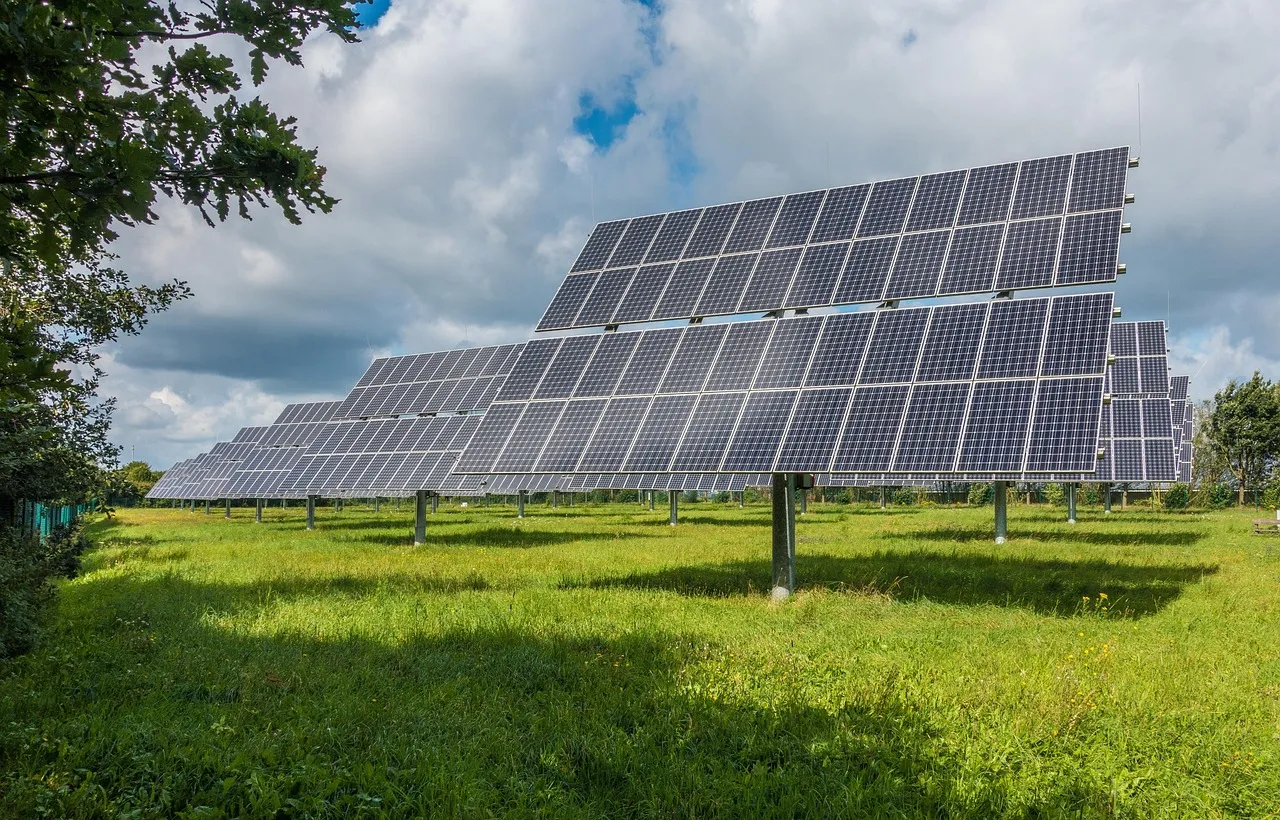
California has been pushing solar for longer than almost any other state, and the cumulative effect is now starting to show up in remarkable ways. In 2024, California increased the share of electricity generation from renewable sources by 4.4%, the highest increase on record. Renewables accounted for 41.3% of generation in 2024, compared to only 36.9% in 2023. That’s a meaningful jump in a single year.
California’s solar systems, from rooftop panels to massive desert installations, generated nearly as much electricity as its gas plants in 2024. Solar really produced more than 30% of the state’s electricity, while gas fell closer to that percentage than it has ever been in the modern era.
Solar generation by utility-scale power plants in California totaled 40.3 billion kilowatt-hours in the first eight months of 2025, nearly double the same period in 2020. California accounts for 22.1% of national solar generation, making it the anchor of the country’s solar ambitions, even as its grid wrestles with the challenge of storing all that midday sunshine for later use.
South Dakota: The Quiet Overachiever
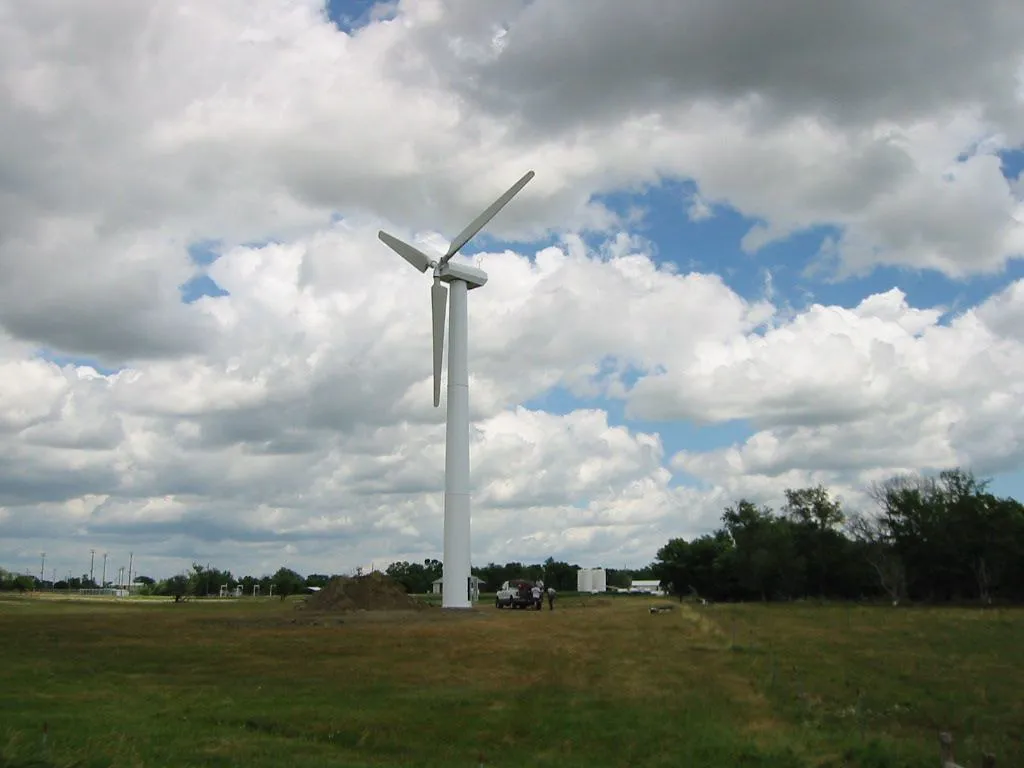
South Dakota rarely appears in conversations about clean energy dominance, yet in terms of pure percentage, no state tops it. South Dakota is ranked number one in the nation for the percentage of its energy produced by renewable sources. The state’s share of clean-energy production reached 92% as of 2024, up from 70% in 2023. That jump in a single year is extraordinary by any measure.
Wind power is the renewable energy resource that South Dakota draws most of its energy from, but solar power is on the rise too. Solar generation in South Dakota increased six-fold from 2023 to 2024. That’s growth from a very small base, but the trajectory is steep.
South Dakota wind turbines provide enough energy to take the equivalent of 2.2 million cars off the road, and wind energy in the state has quadrupled since 2019. Much of this is driven by hydropower as well, but the wind and solar expansion has been the primary growth engine in recent years, according to state data.
Oklahoma: Wind Country With Solar Potential
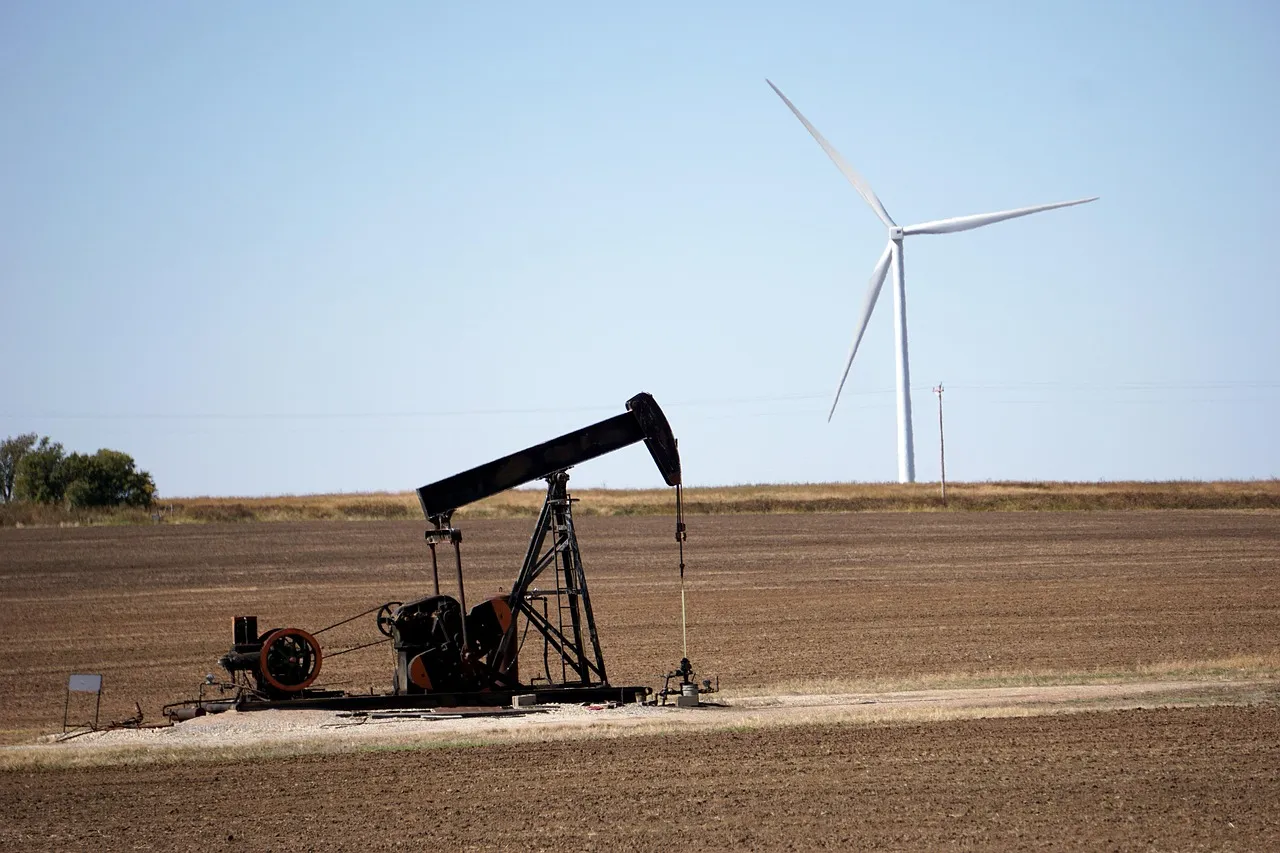
Oklahoma sits squarely in the heart of America’s wind corridor, and the numbers reflect that geography. Over 54% of the state’s electricity came from renewable sources in 2024, with wind power singlehandedly outpacing power production from fossil fuels. Oklahoma is a national leader in wind, ranking third in the nation in total wind power generation in 2024.
About 41% of the state’s electricity was supported by wind energy in 2024. Wind accounted for 94% of its total green energy generation, thanks to its 5,624 active wind turbines. That concentration in a single renewable source is unusual even among the top wind states.
Despite the state’s focus on wind energy, it ranks sixth in the nation in solar power potential, so it may become an even bigger leader in the renewable energy space in the future. Oklahoma is essentially a wind success story that hasn’t fully tapped its solar chapter yet. That could change significantly in the years ahead as solar costs continue to fall.
Kansas: Wind-Powered and Quietly Dominant
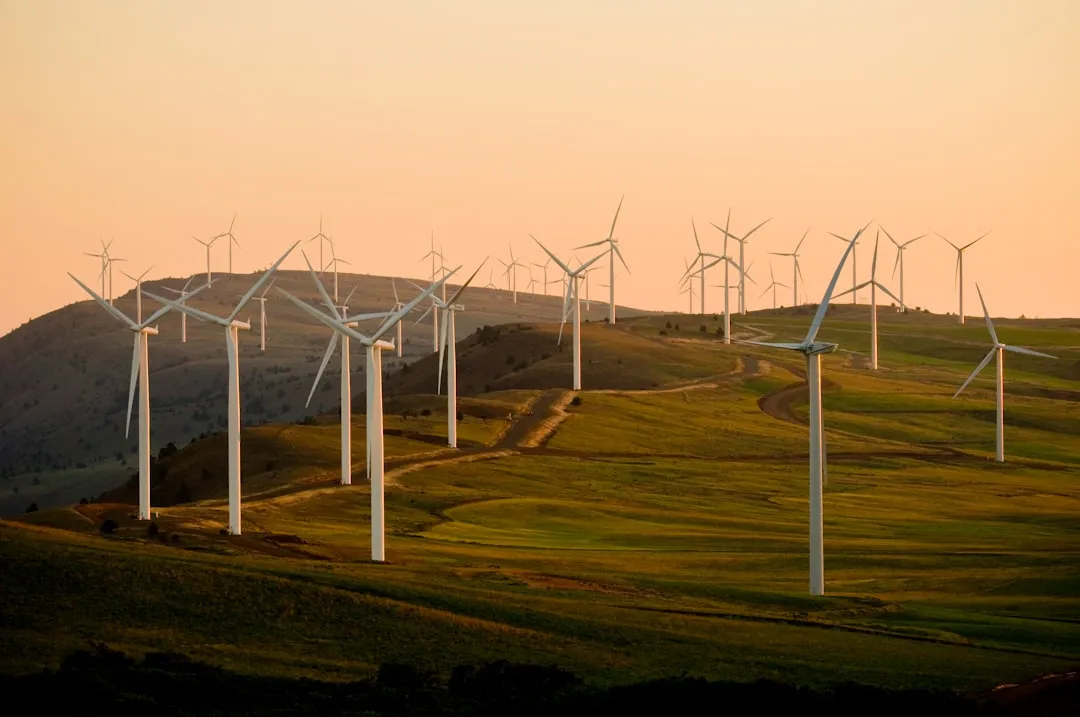
Kansas doesn’t attract much attention in national energy discussions, yet it belongs firmly in any serious conversation about wind power. Wind accounted for more than 25% of electricity generated in Kansas in 2024, alongside Iowa, South Dakota, Oklahoma, New Mexico, North Dakota, Nebraska, Colorado, and Minnesota. Among Great Plains states, that group forms the backbone of American wind energy.
With renewable energy producing enough energy in Kansas to meet 74% of the state’s retail electricity sales, the state is proving that any state can embrace pollution-free energy sources. In states like Kansas, Iowa, and South Dakota, strong wind potential made wind the cheapest form of generation, which explains why adoption has been so rapid without particularly aggressive state policy mandates.
With the state’s solar potential estimated at 378 times its 2020 electricity consumption, Kansas is positioned to push its renewable energy share even higher in the near future. A state that already meets nearly three quarters of its electricity needs from renewables still has enormous untapped solar capacity sitting right above it.
New Mexico: A Rising Solar and Wind Powerhouse
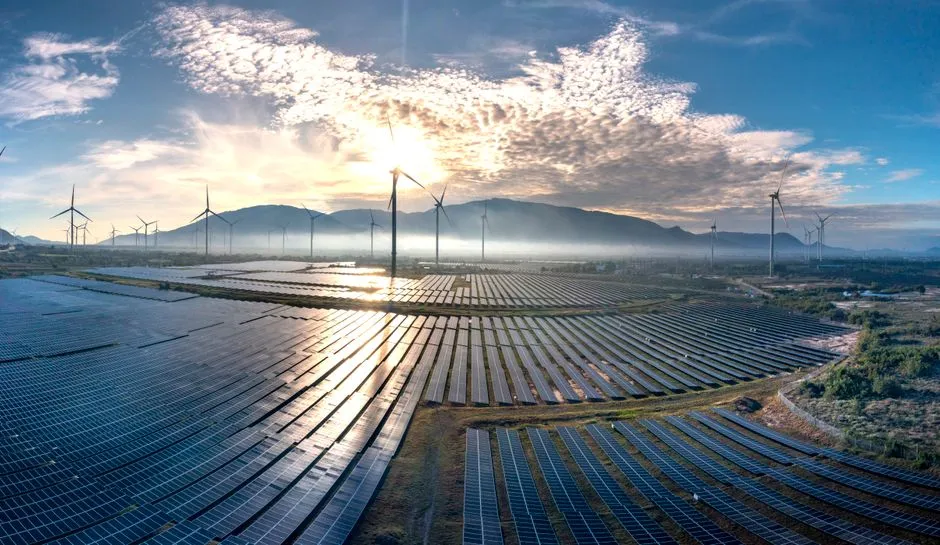
New Mexico has been building momentum quietly, and in 2025 it broke into a new tier. In 2025, at least half of all in-state electricity generation in Iowa, South Dakota, and New Mexico came from combined wind and solar. Joining that club puts New Mexico alongside states that have been dominant for years.
New Mexico expanded its solar resources to leapfrog Kansas in total percentage of generation in 2025. That’s a significant shift in a relatively short period, driven by a wave of new solar farm construction across the state’s sunny southern stretches and eastern plains.
With massive solar farms and a booming wind industry, combined with a commitment to get all its electricity from clean energy sources by 2045, New Mexico is climbing the renewable energy ranks fast. A legally binding 100% clean energy target gives the state’s buildout a long runway, and the geography to back it up. New Mexico may well be the state to watch over the next five years.
Florida: The Solar Surge State
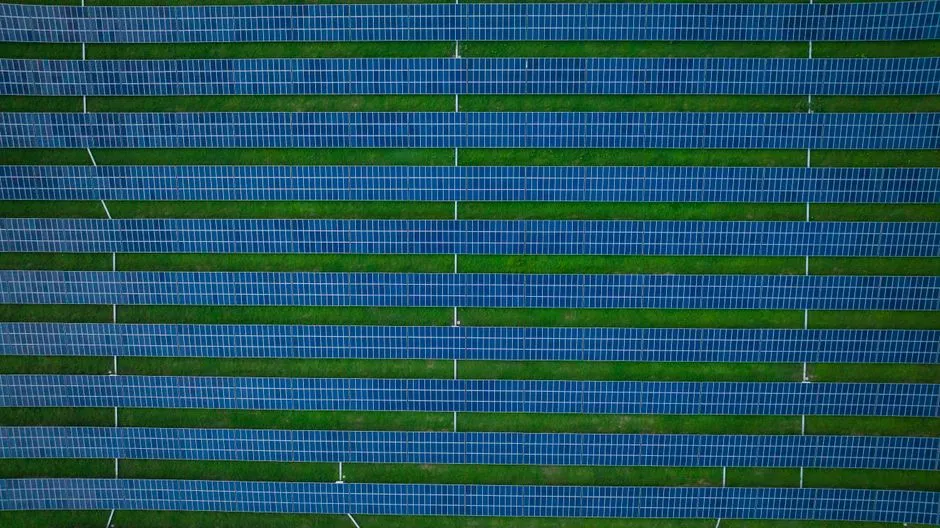
Florida doesn’t generate wind energy at all, but it’s becoming a national force in solar. By August 2024, Florida had 9.7 GW of utility-scale solar capacity, accounting for nearly half of the entire U.S. utility-scale solar fleet when paired alongside California and Texas. That trio is increasingly pulling away from the rest of the country on solar alone.
Florida has the third-largest footprint of renewables and battery capacity among U.S. states, though it has no wind power capacity. The state boosted its solar footprint from less than 50 MW in 2019 to over 10,500 MW in 2024. That’s one of the fastest solar build-outs anywhere in the country over a five-year period.
Solar accounts for about 8% of the state’s existing electricity portfolio, and it’s expected to grow even more. The total proportion of green energy in Florida is expected to reach 28% by 2032. Florida proves that renewable growth doesn’t require a legislative mandate or particularly progressive energy politics. Sometimes economics alone does the job.
Colorado: High Altitude, High Ambitions
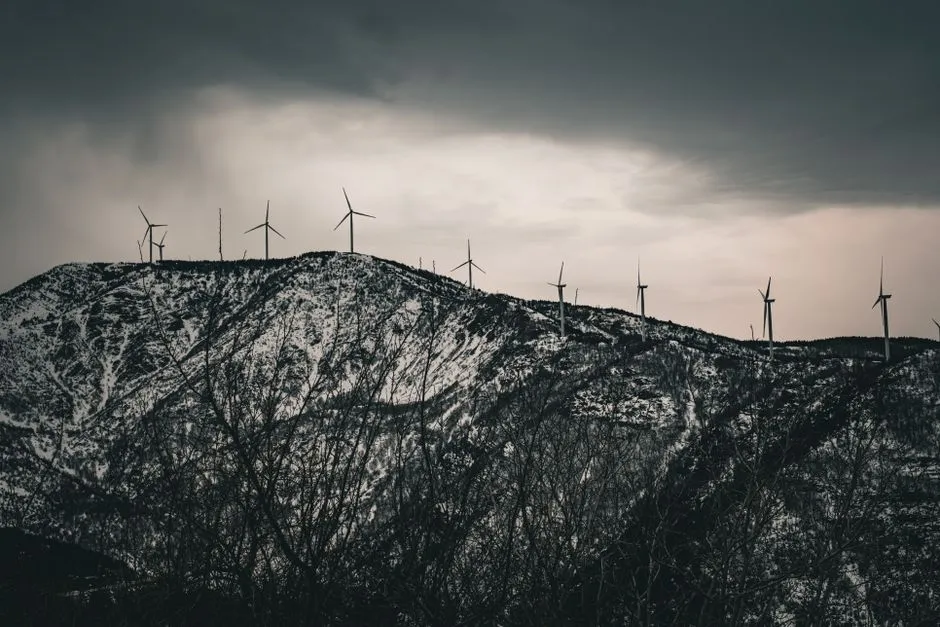
Colorado blends strong wind resources along its eastern plains with growing solar capacity in its sunnier southern regions, and the combination is producing real results. Colorado’s growing solar and wind farms generated the equivalent of 44% of the total electricity consumed in the state in 2025, up from 19% in 2016, according to a study from nonprofits CoPIRG and Environment Colorado. More than doubling that share in under a decade is a meaningful achievement.
According to the U.S. Energy Information Administration, renewable energy sources accounted for 43% of Colorado’s in-state electricity net generation in 2024, a record high. Wind power dominates at 67% of the renewable generation in Colorado. Meanwhile, coal’s share has dropped steeply, generating about 27% in 2024, down from roughly 60% a decade earlier.
Colorado has policy mechanisms such as a Renewable Portfolio Standard that requires 30% of electricity sold by investor-owned utilities to come from renewables, along with supportive incentives for small-scale solar and geothermal. The combination of wind, solar, and a small amount from geothermal energy places Colorado in the top echelon of renewable energy states, ranking sixth in the nation for wind.
The National Picture: A Milestone Reached, More to Do
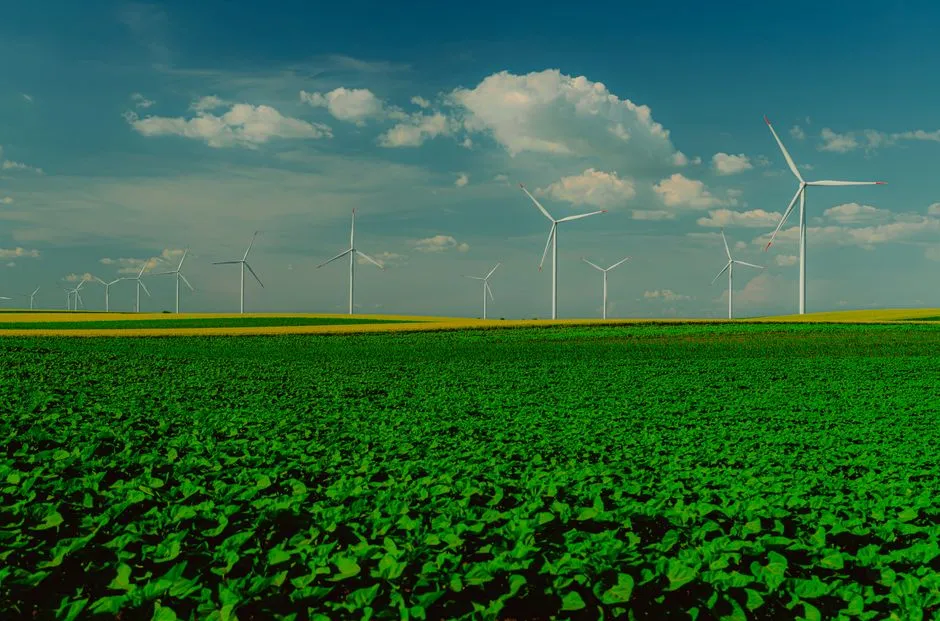
Zooming back out to the national level, the overall trajectory is clear, even if the pace varies. The U.S. generated more electricity from solar and wind combined, at 19% of the total, than from coal, at 16%, in 2025, after first reaching this milestone in 2024. That’s two years in a row that clean generation has outpaced coal nationwide.
In 2024, the U.S. generated a record 756,621 gigawatt-hours of electricity from solar and wind, enough to power the equivalent of more than 70 million average American homes. This is more than triple the amount generated a decade ago, in 2015. The scale of that transformation deserves more attention than it typically receives.
In 2025, a record 14 U.S. states generated more than 30% of their in-state electricity from wind, solar, and geothermal sources, up from 12 states in 2024. Policy changes and the rise of data centers may affect the pace of renewable energy growth and the cost of electricity in homes in the years ahead, which means the story is far from finished. What’s clear is that wind and solar are no longer the future of American electricity. In many states, they’re already the present.
AI Disclaimer: This article was created with the assistance of AI tools and reviewed by a human editor.