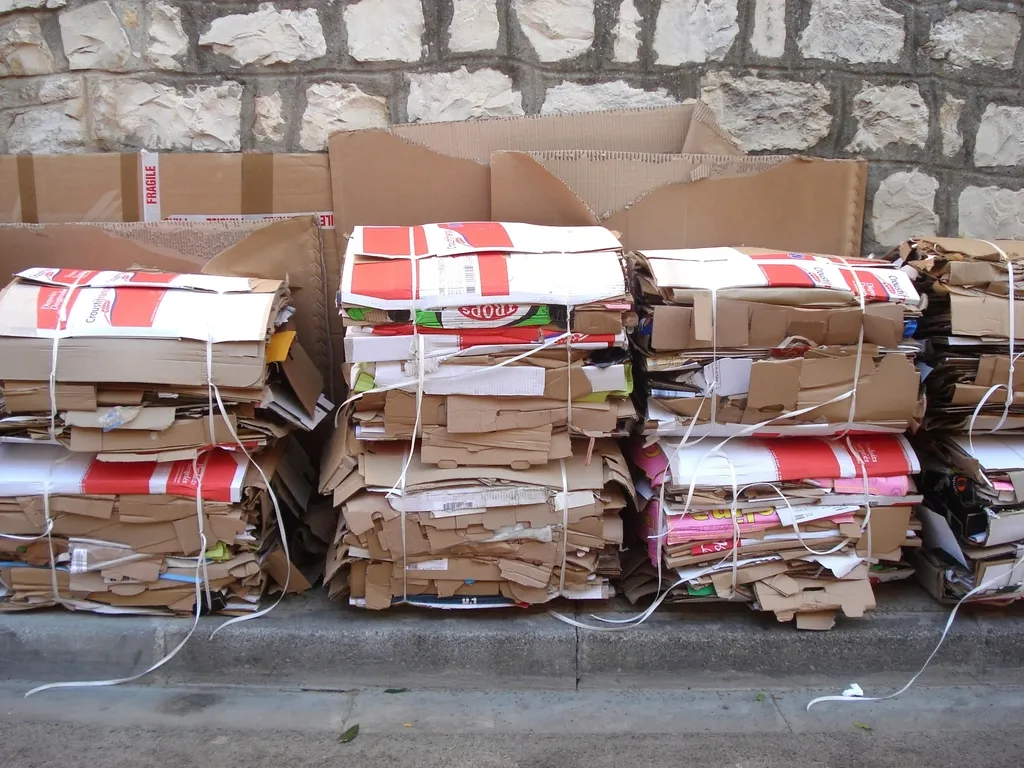

There’s something quietly satisfying about reclaiming a weedy garden bed without once reaching for a shovel or a spray bottle. Cardboard, the same plain brown material that arrives at your door with every online order, turns out to be one of the more practical tools in a no-dig gardener’s kit.
Using cardboard as a weed barrier, often called sheet mulching, is a simple, effective method that suppresses weeds and gradually enriches soil. It won’t solve every weed problem overnight, but used correctly, it makes a real difference to how much time you spend on your knees.
What Sheet Mulching Actually Is and Why It Works
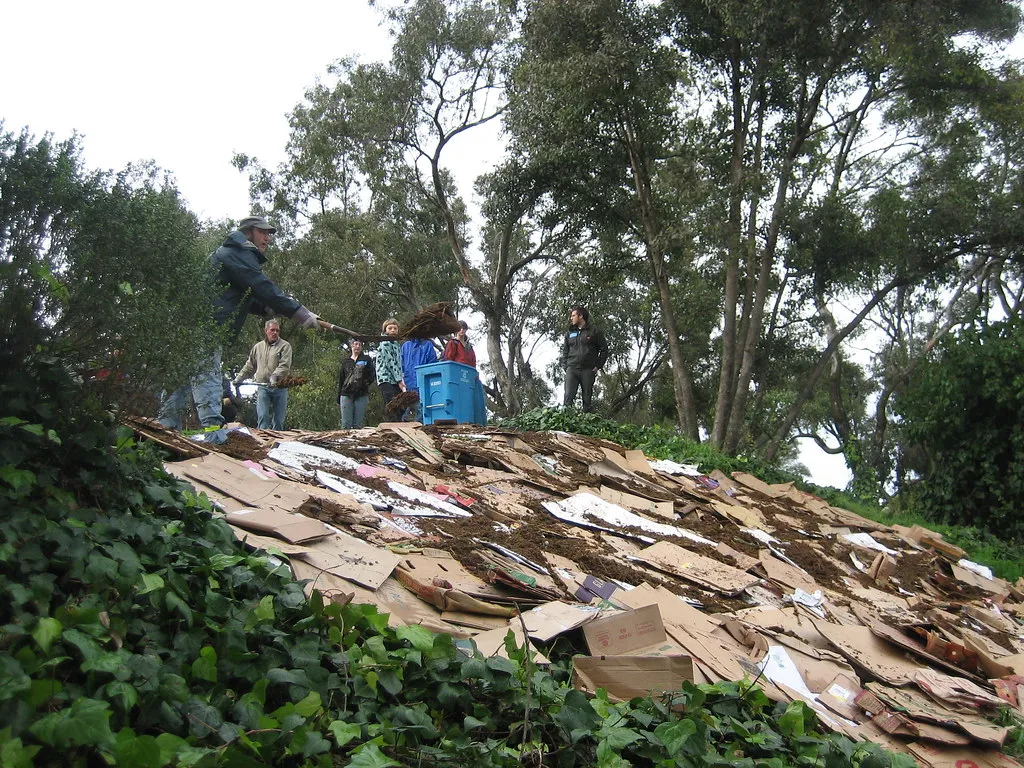
Sheet mulching, sometimes called lasagna gardening, involves laying flattened cardboard around plants to block sunlight from reaching the soil, then covering it with mulch. Without sunlight, weed seeds are less likely to germinate and existing weeds weaken and die.
Cardboard under mulch creates a double weed barrier that’s far more effective than mulch alone. It blocks light completely, smothers existing weeds, and decomposes naturally over 6 to 12 months, feeding earthworms and improving soil in the process.
Sheet mulching, also known as the Ruth Stout Method, is a method of organic no-dig gardening with a long history. It mimics what happens on a forest floor, where layers of organic material naturally smother competing plants while quietly feeding the soil beneath.
Choosing the Right Cardboard for the Job
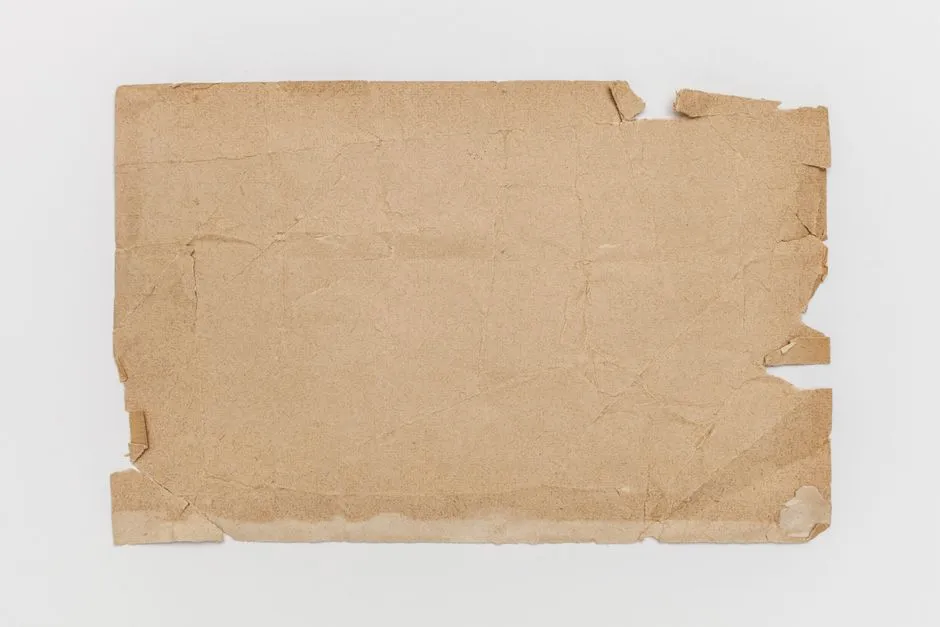
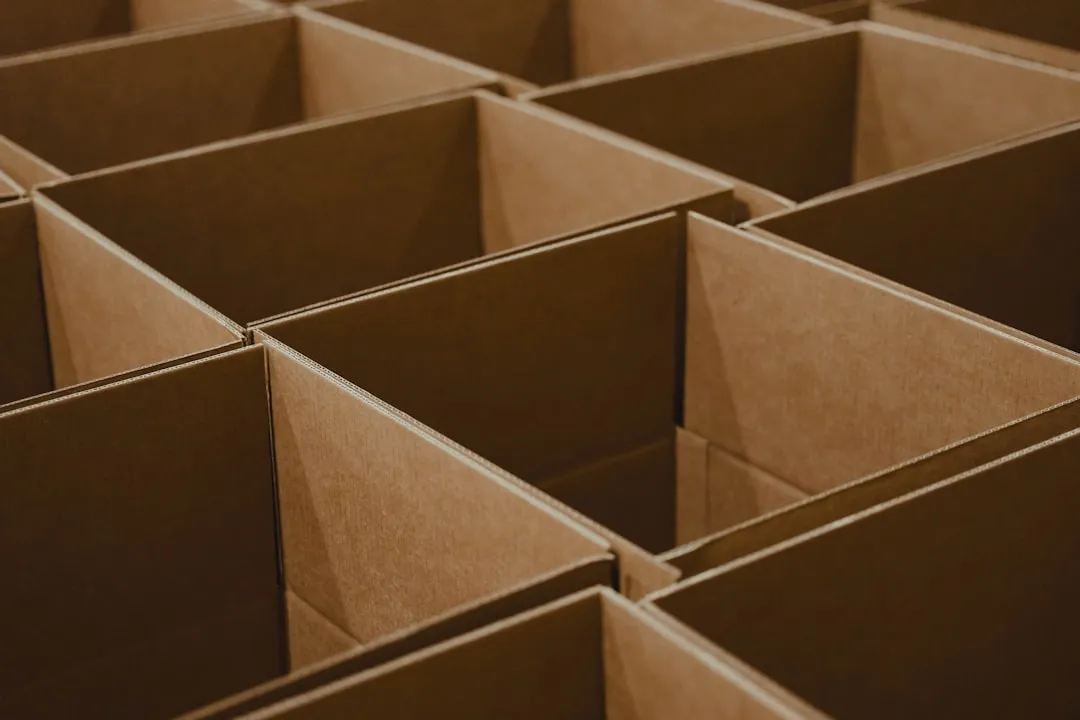
Not all cardboard is suitable for gardening. Plain brown corrugated cardboard is recommended. Large shipping boxes, moving boxes, and large appliance cartons, which can be cut into custom-sized sheets, are ideal.
Use plain brown, uncoated cardboard. It is acceptable if it has black ink on it, but do not use glossy or coated cardboard, or any cardboard with colored ink as it can contain heavy metals.
Pull off any staples, tape, or stickers, since these won’t decompose. This step takes only a few minutes but matters for the long-term health of your soil.
How to Prepare the Ground Before Laying Cardboard
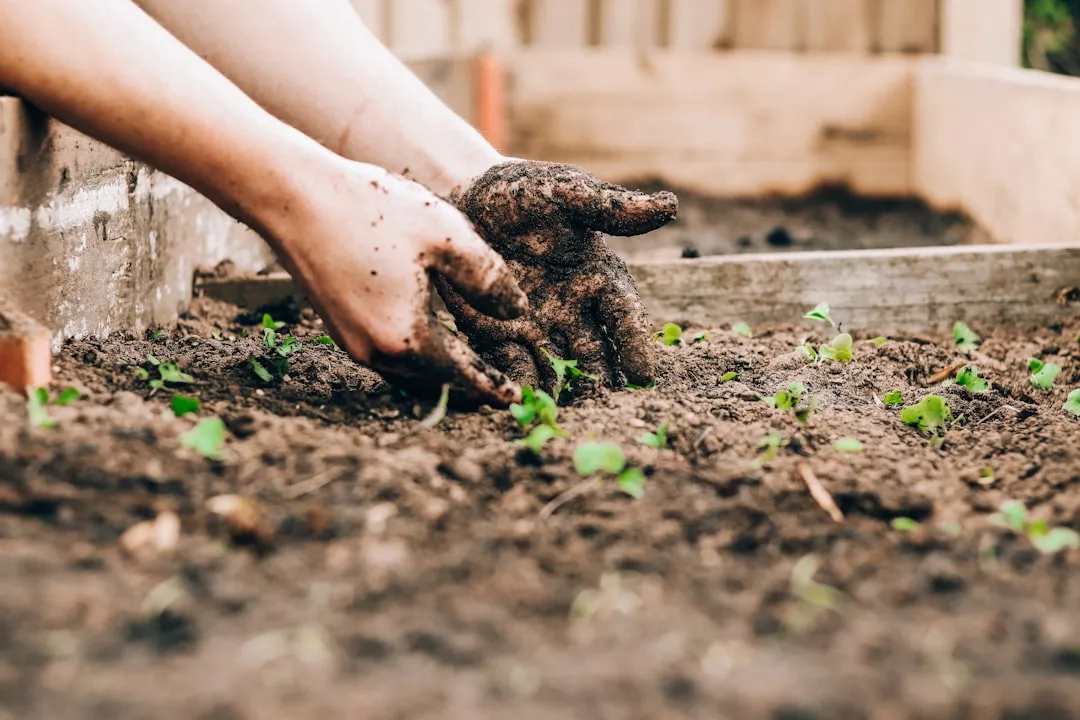
Disturbing the soil can “wake up” weed seeds in the ground, giving them a chance to grow once you’ve re-introduced them to the light and water at the surface. This is precisely why the no-dig approach matters so much here.
If the area is compacted, or you are dealing with clay, take the time to open it up just a bit before you start to mulch. Simply push a fork or spade into the ground and rock it back and forth to open up holes. Turning disrupts the soil ecology, so that hard work is best avoided.
A light trim or mow of any tall weeds before laying the cardboard can also help, since it reduces the height that stems need to collapse under the barrier. No deep digging is needed at any stage.
Laying Cardboard Correctly: Overlapping Edges and Soaking
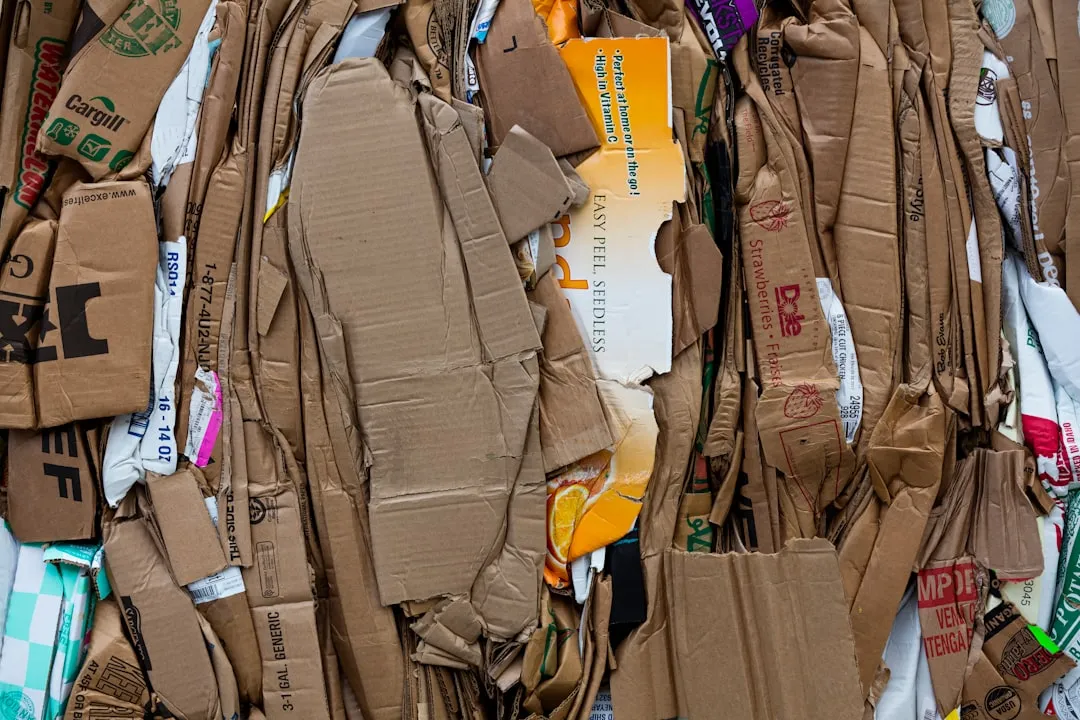
When laid properly with overlapping seams, cardboard creates an effective barrier that blocks light from reaching weed seeds, preventing germination. Getting those overlaps right is the single most common point where the method fails.
Well established, vigorous plants may send their stems along the bottom, seeking an edge or a hole in your barrier. So when you need to use multiple layers, be sure to generously overlap the seams.
The cardboard should be well-soaked with water before application, both to allow water to penetrate and to facilitate its decomposition. It’s also helpful to give the cardboard a quick soak, or pick a time when rain is in the forecast, so it conforms to the ground and stays in place.
Covering the Cardboard: What to Put on Top
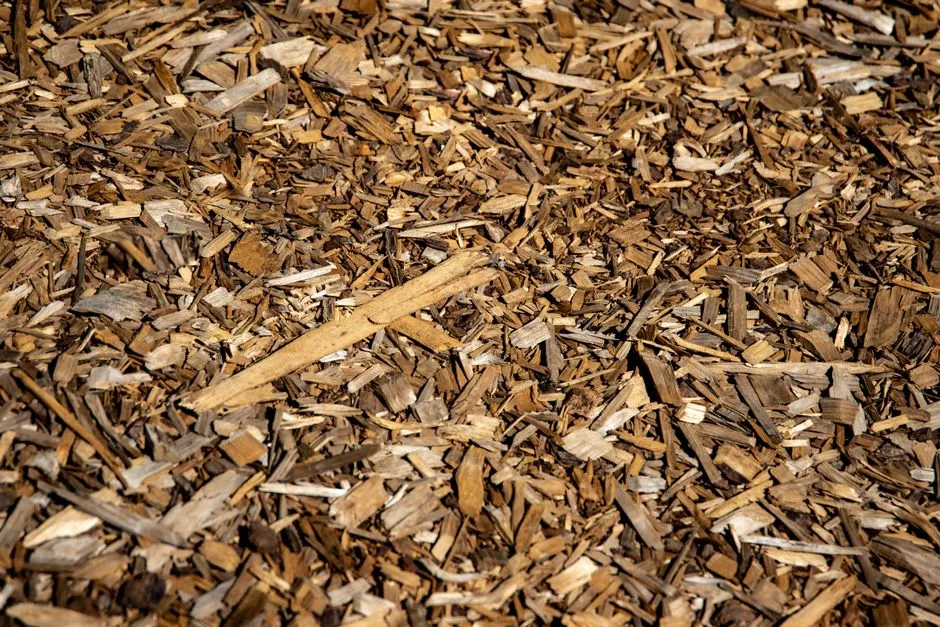
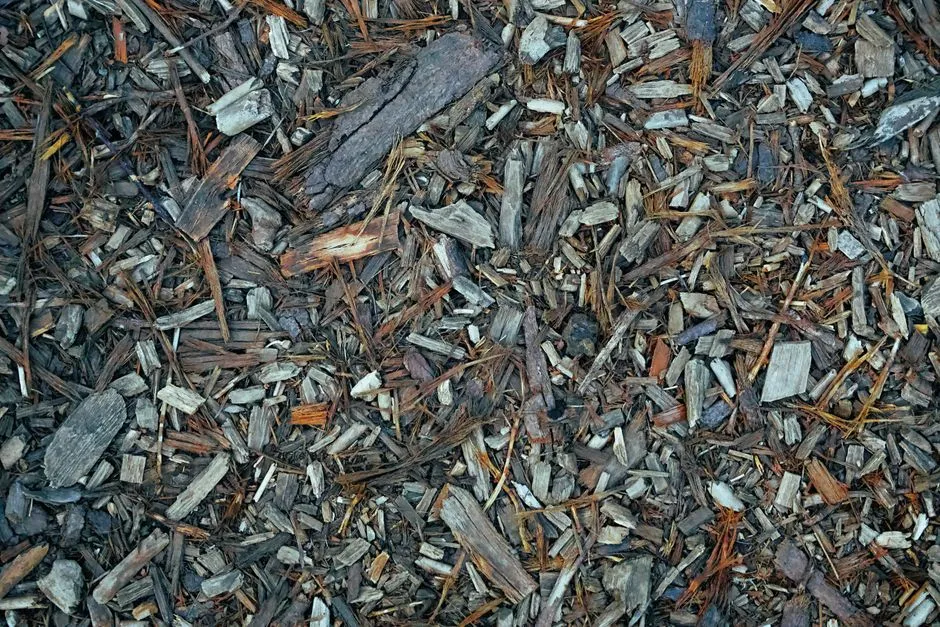
Cover the cardboard with about 3 inches of mulch. The mulch helps hold moisture and improves the appearance. Over time, both the cardboard and mulch will break down, contributing organic matter and small amounts of nutrients back into the soil.
Aim for a total depth of at least 4 to 6 inches, or more if you are starting a new garden bed on top of tough turf. Finish with a 2 to 4 inch layer of a coarser carbon-rich mulch such as wood chips, straw, or shredded bark.
Cover with organic mulch like wood chips, straw, or compost for better aesthetics and faster decomposition. Add nitrogen-rich materials such as compost or well-rotted manure to prevent nitrogen depletion during decomposition.
How Long It Takes and What to Expect
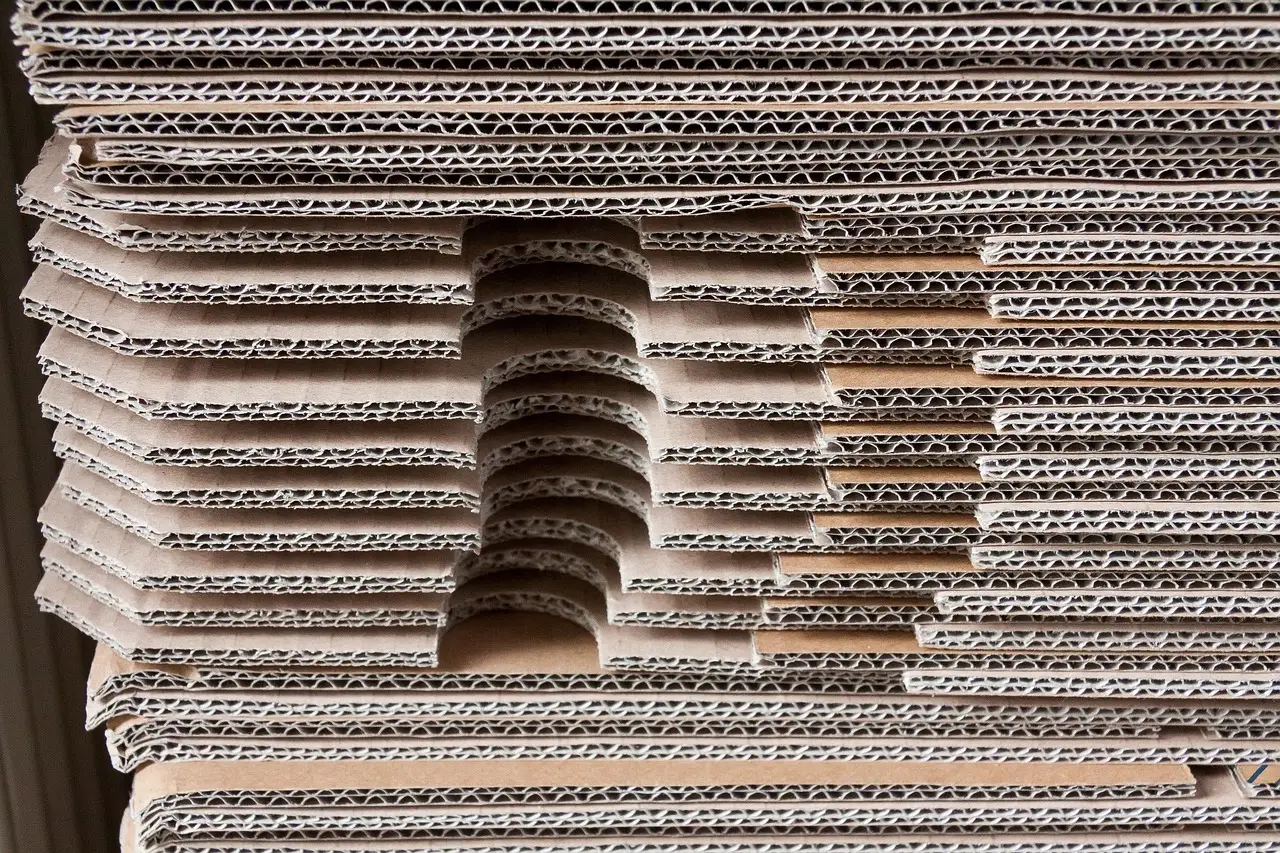
Research funded through SARE found that cardboard mulch significantly reduced both weed biomass and weeding time when properly applied. However, effectiveness was highly dependent on application technique, and thin or non-uniform coverage showed poor weed suppression, with benefits diminishing over time and requiring mid-season reapplication.
Cardboard mulching works best around perennial plants that live for multiple growing seasons because the cardboard can remain undisturbed as it breaks down. For annual beds, you’ll need to adjust your approach each season.
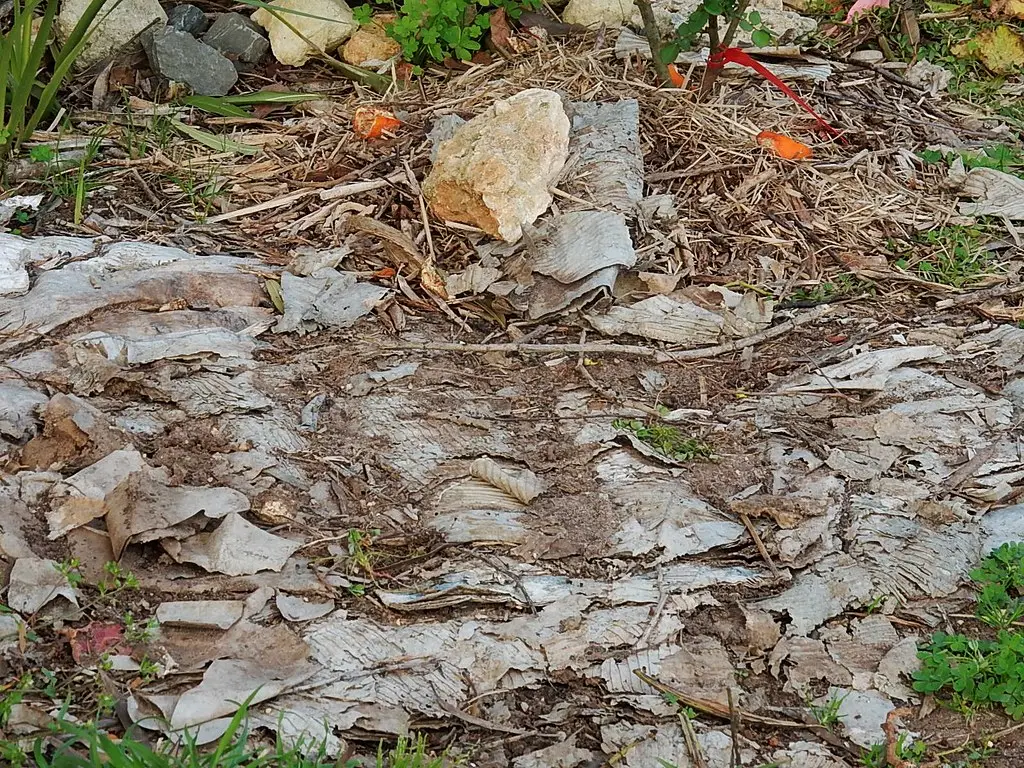
A bed may take 6 months or longer to decompose sufficiently to allow for planting. A bed is considered ready when the layers have decomposed to the point that the original materials are no longer recognizable, and it looks and smells like fresh earth.
The Soil Benefits That Come With It
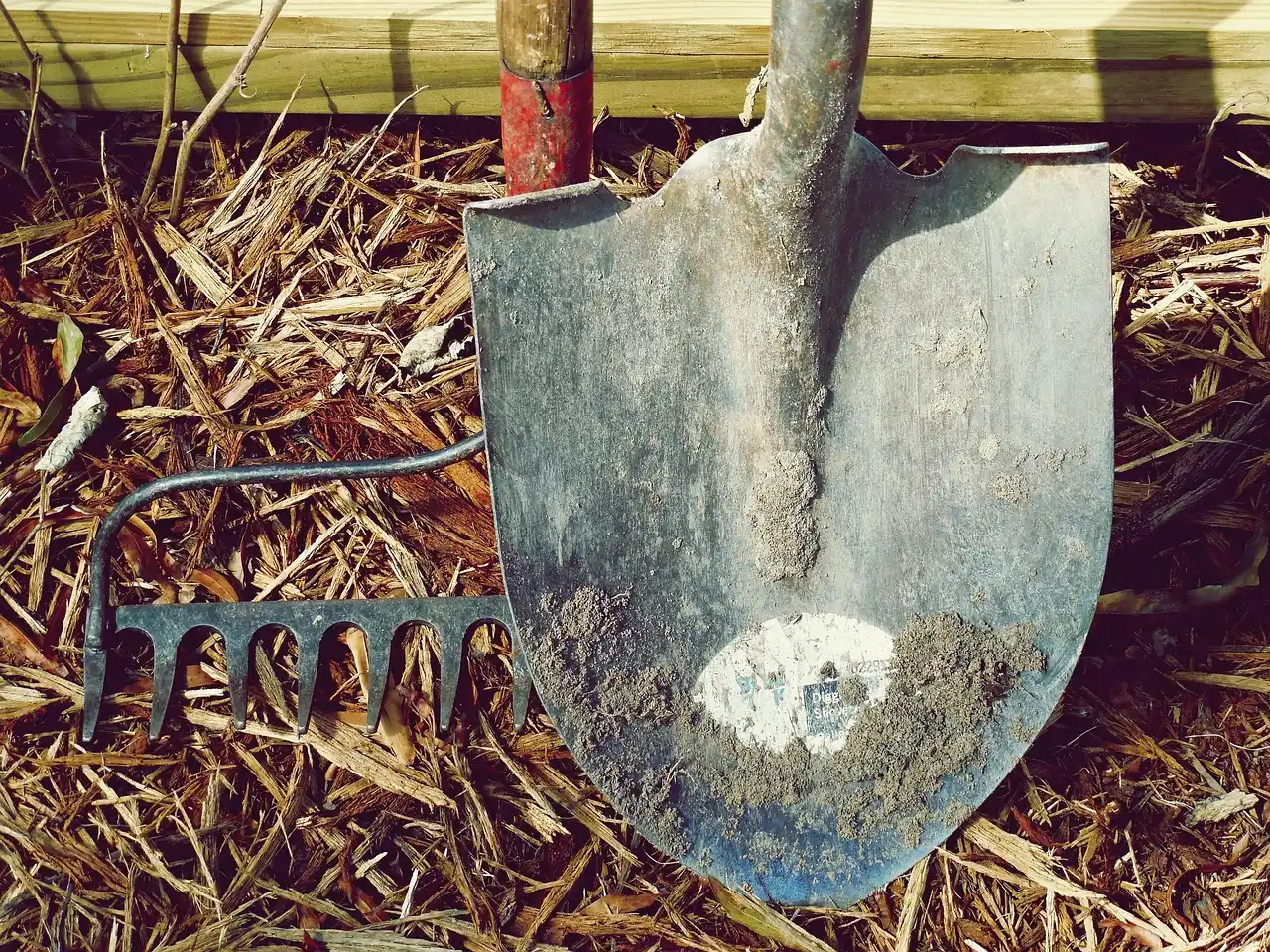
Cardboard helps improve soil health and structure as it breaks down. As cardboard breaks down, it adds carbon to your soil, which helps improve soil structure and feeds beneficial soil microorganisms. The decomposition process also attracts earthworms, which create tunnels that enhance soil aeration and drainage.
Along with reducing weed growth in the garden, cardboard has many other advantages, such as adding organic matter to the soil when it decomposes, improving drainage, and boosting nutrient levels. Earthworms are very attracted to cardboard and are great for the garden, since their movement through soil increases aeration, nutrient cycling, and water infusion. The earthworm castings provide an organic type of fertilizer that offers many beneficial nutrients for plants.
The mulch layers act like a sponge, holding moisture in the soil and reducing the need for frequent watering. As organic matter decomposes, it improves the soil’s structure, making it more friable, enhancing drainage in clay soils, and increasing water retention in sandy soils.
Where Cardboard Works Best and Where It Struggles
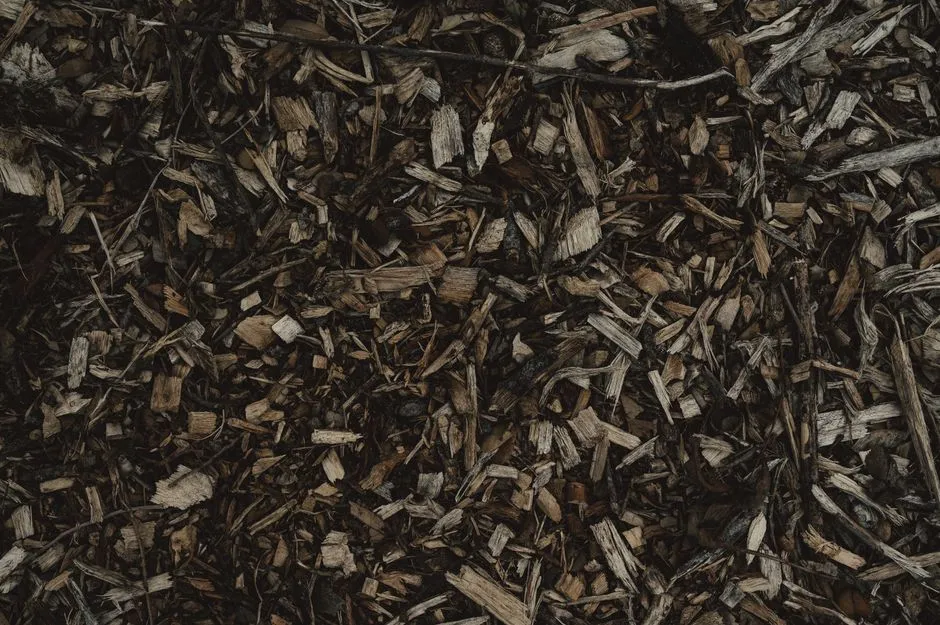
It’s particularly effective against persistent perennial weeds that would push through ordinary mulch. Combined with a good bark mulch layer, cardboard creates a weed barrier that lasts a full growing season with minimal maintenance.
It is exceptionally useful to reclaim garden pathways that have been overtaken by weeds. As a no-till, no-dig method for planting, it helps maintain carbon sequestration. It also conserves water and helps prevent soil erosion.
Cardboard mulching isn’t suitable for every situation. If your soil already has poor drainage, an impermeable cardboard layer can make it worse. On heavy clay that sits wet in winter, use a thinner mulch layer without cardboard and focus on improving drainage first.
The PFAS Safety Question: What You Need to Know
This is the topic that stirred genuine debate in gardening circles between 2024 and 2026, and it’s worth addressing honestly. If you choose to use cardboard in the garden, use non-glossy, brown cardboard without tape or staples. While using plain, brown, corrugated cardboard is considered low risk, cardboard manufacturing often includes recycled materials, and may include PFAS unintentionally through the recycling streams.
Some commentators claimed that cardboard sheet mulch would contribute twice as much PFAS to the garden as wood chips. However, this comparison used raw numbers without accounting for the very different quantities of each material used in practice.
Although research is limited, some initial studies have shown that PFAS tend to accumulate more in the leaves of plants than the edible fruit portion. For ornamental beds and pathways, the risk profile is generally considered lower than for vegetable gardens where leaves are consumed directly.
Practical Tips for Getting the Best Results
To suppress a weedy or grassy patch, you need multiple layers and a substantial mulch application placed on top. Two layers of standard thickness cardboard work well in landscape beds. A single layer should work well if it’s extra thick.
It may be challenging to determine if the soil below is receiving enough water. If installing multiple layers of cardboard, it can also be helpful to poke holes in the upper layers to improve air and water flow without creating openings for weed growth.
Cardboard can be very effective in helping to create landscape beds and limit the need to till, but keep in mind you need to keep it moist. Cardboard boxes are hydrophobic to a certain degree, and if allowed to dry out, they can prohibit water from reaching plant roots. This can be critical during establishment periods for larger trees and shrubs, and detrimental when there are extended dry periods.
When to Plant Into a Sheet Mulched Bed
You can get plants started by sifting a 2 to 3 inch layer of compost or garden soil on top of the newly formed bed and planting directly into the lasagna garden, rather than waiting months for full decomposition.
Creating beds on top of a layer of cardboard with leaves, mulch, and bags of compost and soil works well. Simply cut an X shape into your cardboard where you want to plant. Lift the pointed bits of cardboard created by the X and dig underneath. It’s a low-effort way to get plants in the ground without dismantling the barrier.
Decomposition takes several months, so it’s best to sheet mulch an area months in advance of a planting season. Given time and summer heat, the layers of paper and organic materials will smother the grass, and all of it will decompose into rich and fertile soil.
A Simple, Honest Summary
Sheet mulching with cardboard isn’t a silver bullet, but it is genuinely useful. It is safe and effective for reducing weeding, increasing soil health, improving productivity, and reducing the environmental footprint of the garden. The key is applying it correctly: the right cardboard, proper overlaps, good moisture, and enough mulch on top.
For most home gardeners dealing with persistent weeds, done correctly, sheet mulching is one of the simplest long-term solutions for turning a lawn or weedy area into a healthier, water-efficient garden. It won’t replace every other technique, but as a starting point for a no-dig approach, it earns its place.
The best part is the material cost. Those boxes piling up from deliveries aren’t clutter. They’re waiting to do something useful in the ground.
AI Disclaimer: This article was created with the assistance of AI tools and reviewed by a human editor.