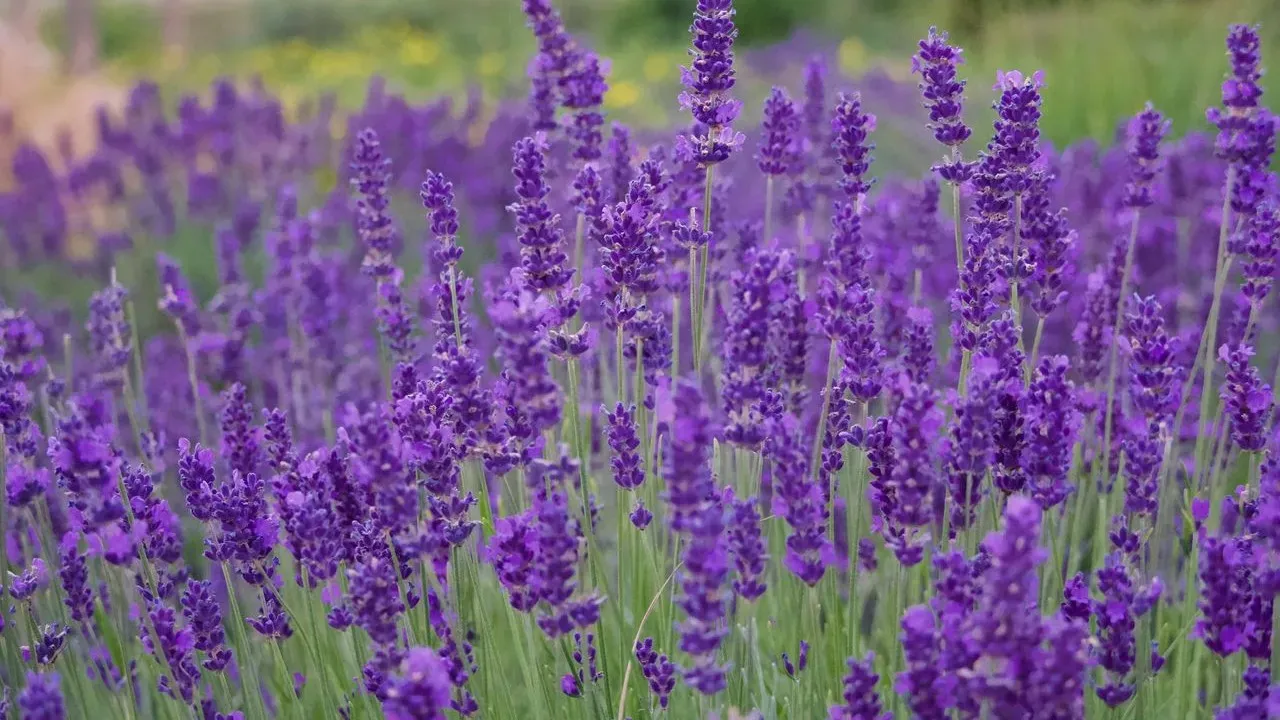

Lavender has long been a garden staple for its fragrant purple blooms and ability to draw bees and butterflies. When paired thoughtfully with other plants, it creates a more resilient and visually striking space that requires less intervention over time. The key lies in matching growing conditions while gaining the added benefits of natural pest control and increased pollinator activity.
Why Companion Planting Matters for Lavender
Lavender thrives in full sun with minimal water and well-draining soil, conditions that many other popular garden plants cannot tolerate. Pairing it with compatible species reduces competition for resources and helps both plants stay healthier. The strong scent of lavender also repels certain insects, while its flowers support pollinators that benefit the entire garden.
Gardeners who select companions with similar needs often see stronger growth and fewer pest issues without relying on chemical treatments. This approach works especially well in borders, containers, or dedicated herb sections where plants can share space efficiently.
Flowers That Pair Well with Lavender
Roses stand out as one of the most reliable partners. Their blooms complement lavender’s purple tones, and both plants share a preference for sunny, drier conditions. Floribunda varieties and shrub roses tend to integrate especially smoothly in mixed plantings.
Echinacea, or coneflowers, add bright daisy-like flowers that attract butterflies and birds while requiring little extra care. Yarrow offers drought tolerance and reaches up to three feet, providing vertical interest in colors ranging from white to pink. Black-eyed Susans and gaillardia bring yellow and orange tones that contrast nicely with lavender’s cooler hues.
Sedum provides months of interest with its small pink, white, or red blooms, while alliums contribute a similar pungent aroma that further deters pests. Poppies and sweet William round out the options with their own drought tolerance and ability to draw beneficial insects throughout the summer.
Herbs That Complement Lavender Effectively
Rosemary and thyme share lavender’s preference for dry soil and full sun, making them natural fits in the same bed or container. Their combined scents help keep aphids and other unwanted visitors at bay. Parsley adds a contrasting green texture that enhances visual appeal without competing for moisture.
Basil and sage also perform well alongside lavender when given adequate spacing. These combinations allow gardeners to harvest multiple herbs at once while maintaining a low-maintenance planting that supports pollinators across the season.
Plants to Avoid and Basic Care Reminders
Some plants create problems when placed near lavender. Impatiens and hostas demand more water than lavender can handle, while mint spreads aggressively through its roots and can quickly crowd out the herb. Keeping these at a distance prevents unnecessary stress on the lavender.
Successful plantings start with well-draining soil and generous spacing so each plant receives enough sunlight. Lavender generally performs best in zones 5 through 9 and needs little fertilizer once established. Water new plantings until roots settle, then allow the soil to dry between sessions.
Key points for success:
- Match sun, water, and soil needs across all plants in the grouping.
- Choose companions that also attract pollinators for broader garden benefits.
- Leave room for growth and avoid invasive or high-water species.
Thoughtful companion choices turn a single lavender plant into the foundation of a balanced, low-maintenance garden. Over time, these pairings deliver consistent color, fragrance, and ecological support that rewards regular observation more than constant intervention.
AI Disclaimer: This article was created with the assistance of AI tools and reviewed by a human editor.