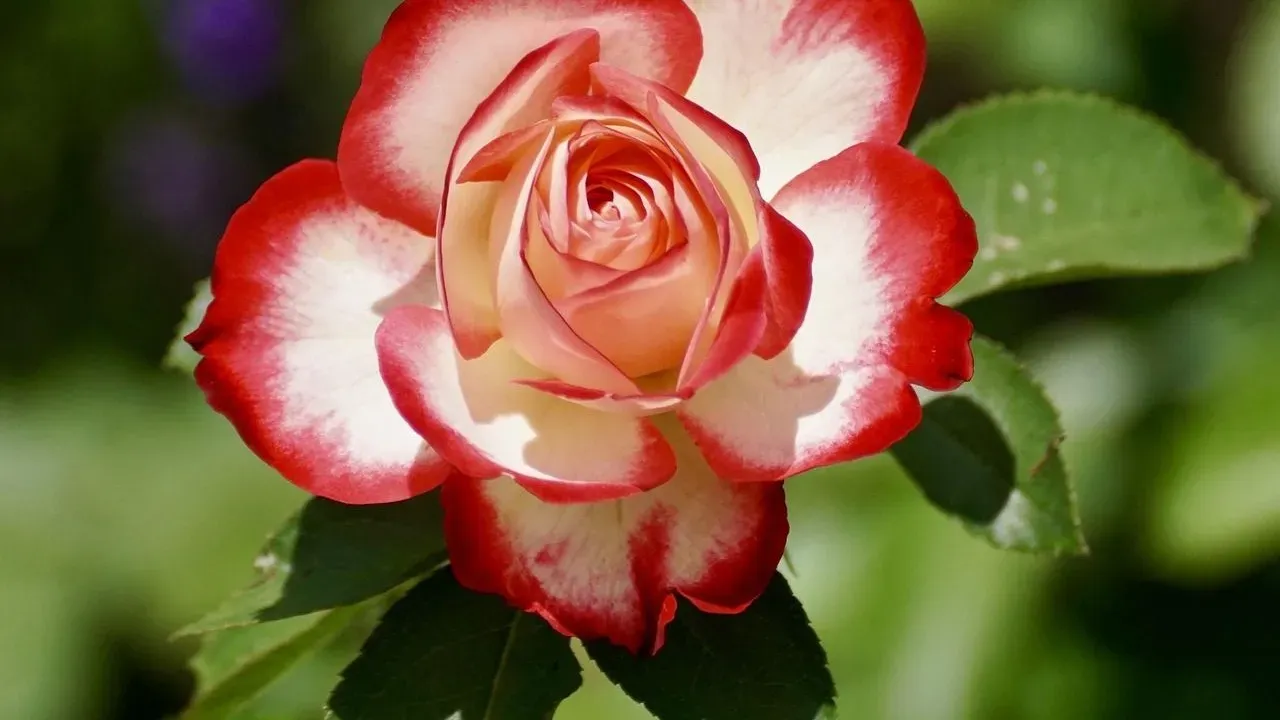

Veddw Garden lies surrounded by trees, a setting that once seemed ideal for training rambler roses skyward. Early visits to a specialist nursery in the Cotswolds supplied several vigorous varieties, and the first plantings went in with high expectations. Over the following decades the results proved more mixed than anticipated, prompting a reassessment of how these roses perform when given vertical freedom.
Early Purchases and Long Waits
The garden owners began acquiring ramblers whenever time and budget allowed. Several selections were large white cultivars known for strong growth. After roughly thirty years some finally reached the upper branches, yet they remained barely visible from ground level and contributed little fragrance or display. The delay itself became part of the story, turning an initial impulse into a slow lesson in patience and placement.
Height Brings Its Own Limitations
One rose, Rosa Belvedere, was started on a large holly. It eventually smothered the host tree and climbed far beyond easy reach, producing flowers that could no longer be appreciated up close. Another vigorous rambler, Kiftsgate, was used to cover an unsightly garage. While it created an early example of a green roof and delivered impressive bloom, the stems grew so thick that routine maintenance on the structure now carries real risk. Scent from these high plantings proved inconsistent, often dependent on weather rather than reliable proximity to paths or seating areas.
Sideways Spread Proves More Rewarding
Experience at Veddw gradually shifted preference toward horizontal growth. Rosa lucieae, formerly known as Rosa wichurana, was allowed to run along a bank for about a hundred yards. Without rigid support it layered naturally, producing flowers and scent within view and at nose level for much of the season. Wickwar, another Cotswolds introduction, was redirected from trees when overhead cables appeared; pulled downward it formed a broad, scented hedge with attractive grey foliage. These examples showed that ample ground space and minimal intervention can turn a rambler into a spreading feature rather than a distant spectacle.
Other Varieties and Their Behaviors
Wedding Day, received as a wedding gift, grew enormous yet ended up flowering mainly on a neighbor’s roof, visible only from an awkward vantage point. Mme. Alfred Carrière performed poorly on a pergola, where blooms stayed out of sight; moved into shrubs it eventually flowered but faded quickly and unattractively. Albertine, by contrast, stayed closer to eye and nose height, offering reliable scent and a graceful decline that the gardeners found acceptable. These outcomes underscored how individual cultivars respond differently to the same vertical impulse.
Consequences for Long-Term Garden Planning
Allowing ramblers to climb trees can consume decades before any effect appears, and the final result often remains inaccessible. Sideways planting, however, demands significant horizontal room and can invite self-sown trees and shrubs among the thorns. At Veddw the gardeners now weigh these trade-offs carefully, recognizing that scent and visibility matter more to daily enjoyment than sheer height. The garden continues to offer seasonal rewards in June, yet the early assumption that trees provide the best support has been quietly revised.
AI Disclaimer: This article was created with the assistance of AI tools and reviewed by a human editor.