

Most gardening advice revolves around more: more water, more fertilizer, more attention. There’s a certain comfort in fussing over plants, as if care alone guarantees results. The science, though, tells a more interesting story.
Some vegetables are genuinely built for neglect. They’re descended from plants that survived arid hillsides, rocky Mediterranean terrain, and African heat. When you stop coddling them, they tap into survival strategies that actually improve what they produce. The flavors get deeper, the chemistry shifts, the roots push further down. Not every vegetable benefits from this treatment, but the ones that do are worth knowing.
1. Hot Peppers: Less Water, More Fire
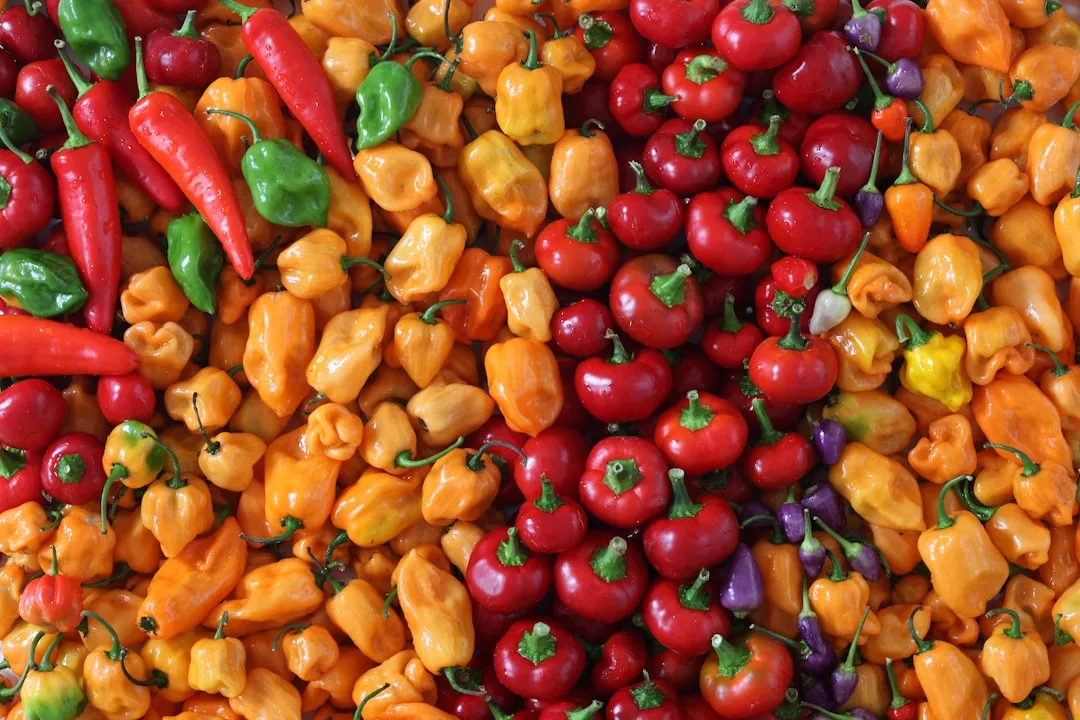
Of all the vegetables on this list, hot peppers have the most dramatic and well-documented response to being left alone. According to the Chile Pepper Institute at New Mexico State University, capsaicin production – the compound that makes peppers hot – increases under drought stress, as plants facing water limitations concentrate their energy into producing more potent defensive compounds, meaning drought-stressed hot peppers often deliver more intense flavors than their well-watered counterparts.
When a chili pepper plant is stressed, the plant reacts by creating more capsaicin, within limits. A jalapeño cannot be made to be as hot as a habanero, but it can still be nudged into an upper heat range for its variety. Research indicates that the most influential stressors are high temperatures and drought.
If you want hotter peppers, grow them in lean soil and water only when absolutely necessary. This isn’t folk wisdom; it’s backed by pepper physiology research. The trade-off is worth noting: it’s well known that stressing pepper plants by reducing watering can result in hotter peppers, and that this comes at the cost of decreased yields. So if you’re after heat over quantity, strategic neglect is your best tool.
2. Kale: The Tougher the Conditions, The Better the Chemistry
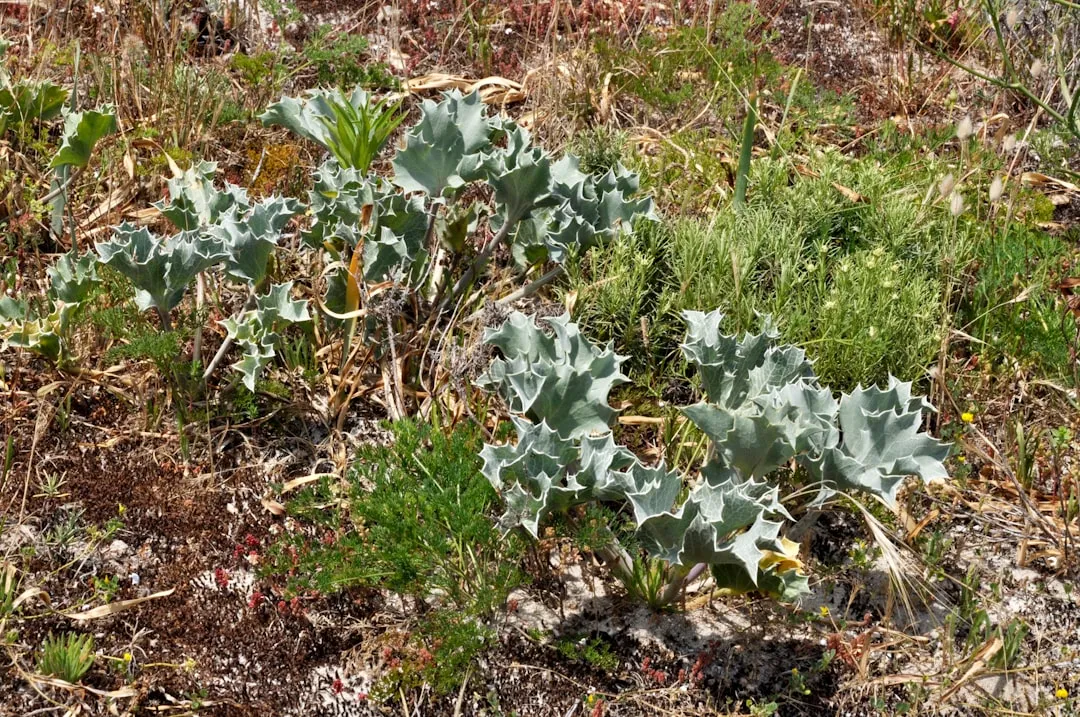
Among abiotic stresses, both drought and UV-B radiation effectively trigger the accumulation of secondary metabolites in kale, and can be widely applied in plant growing environments. Researchers at Seoul National University studied this effect closely, and the results were clear. Total phenolic and flavonoid contents and antioxidant activities were significantly increased in both single and combination treatments for three to four days of drought, compared to other treatments, with supplementary UV-B treatments showing no extra formation of antioxidants compared to single drought treatments. Drought for three days before harvest could achieve the highest potential value of kale as a source of natural antioxidants.
Most growers would never dream of intentionally stressing their crops, but researchers from the University of Maryland think a little bit of strategic neglect might do a lot of good. They received nearly $600,000 from the National Institute of Food and Agriculture at the U.S. Department of Agriculture to find out for sure, with Associate Professor Shirley Micallef and Professor John Erwin investigating how controlled bouts of stressful growing conditions can boost beneficial plant compounds, reduce foodborne pathogen levels, and extend shelf life in kale and lettuce.
3. Arugula: Stress Sharpens Its Signature Bite
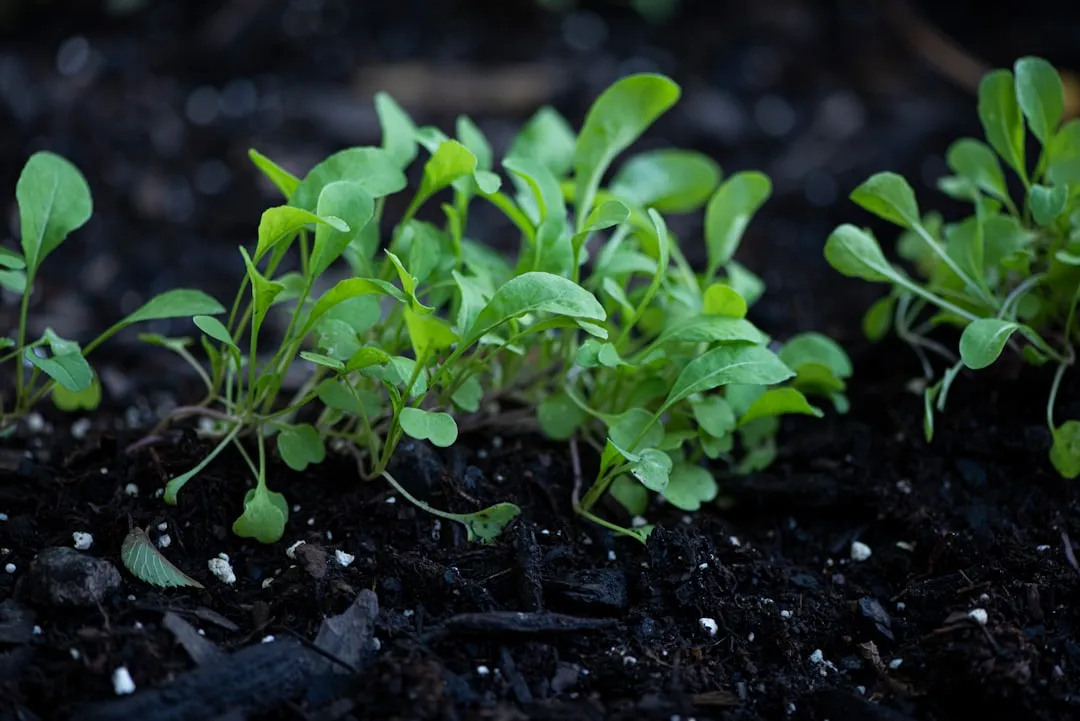
Arugula and mustard greens become more peppery and pleasantly bitter under combined heat and moisture pressure – often preferred by cooks – while hot peppers simultaneously produce more capsaicin. That distinctive sharpness arugula is known for is, in large part, a stress response. The plant concentrates its pungent glucosinolate compounds when it senses adversity.
The trend can be interesting from the point of view of product quality, as it is possible to obtain a vegetable richer in antioxidants than control plants. Applying controlled stress factors in vegetables is considered a good strategy to increase the concentrations of bioactive compounds. For home gardeners, this means arugula grown in leaner soil with less frequent watering often tastes far more interesting than the grocery store variety.
Arugula is the most surprising leafy green – it can survive temperatures above 95°F when planted in partial shade or in the shadow of taller plants. That kind of resilience means it keeps producing when other salad greens have already quit, which is a practical advantage in any summer garden.
4. Tomatoes: Stress Concentrates Flavor and Can Improve Fruit Quality
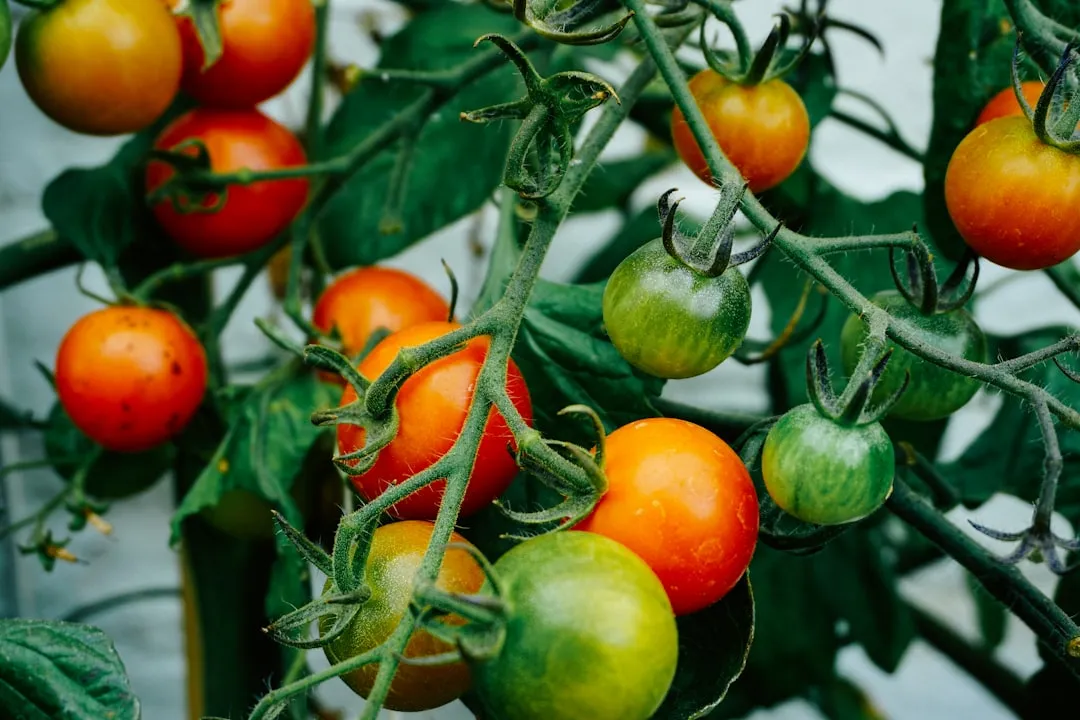
The relationship between tomatoes and water stress is nuanced, but the core finding is consistent. Sub-optimal irrigation significantly decreased plant dry biomass and fruit production, yet enhanced fruit quality in terms of sugar concentration and antioxidant levels. Fewer tomatoes, in other words, but noticeably better ones.
Drought tolerance has been demonstrated in studies of the Italian long-storage tomato landraces ‘Locale di Salina’ and ‘Piennolo del Vesuvio’, with slightly lower yields compared to fully irrigated plants. These traditional varieties were bred in conditions where water was scarce, which explains why they hold up so well. Compared to large fruits, cherry tomato genotypes cope better with water stress by reducing leaf area and maintaining photochemical efficiency as important adaptive responses.
During a second drought cycle, stomatal pore length and width were significantly smaller than during the first drought, indicating a strong stress memory effect in certain tomato genotypes. This suggests that tomatoes can actually adapt and get better at handling neglect over time, which is a remarkable biological feature.
5. Okra: Heat and Drought Are Its Natural Habitat
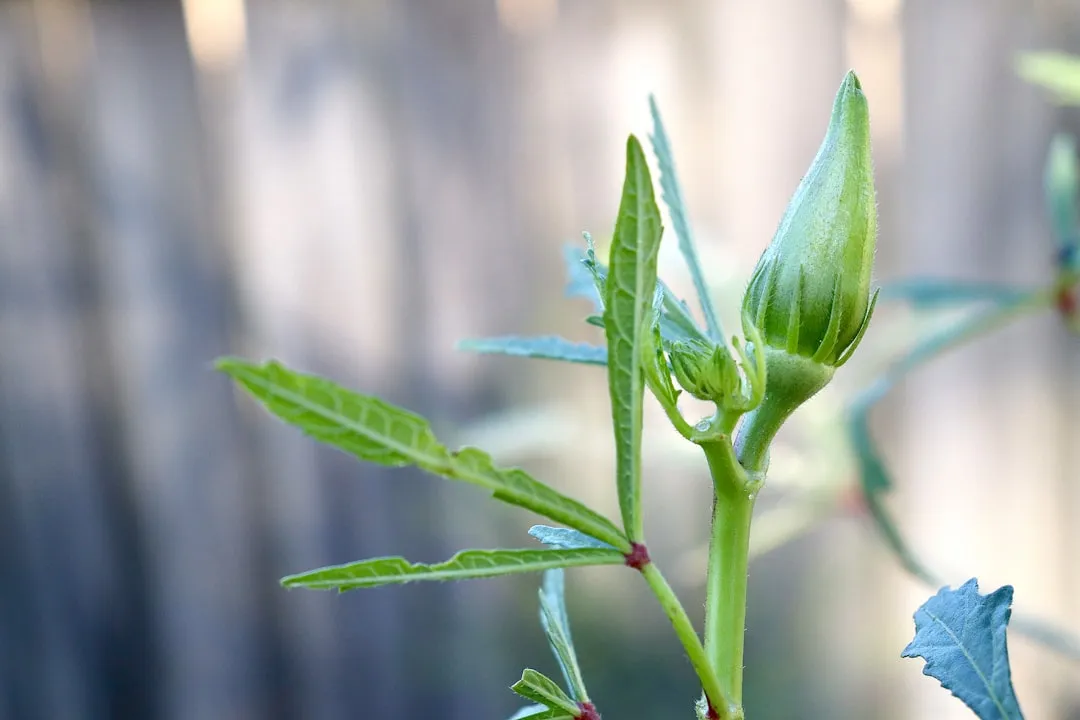
The secret to okra’s drought tolerance lies in its African heritage. Native to hot, dry regions of Africa, okra developed survival strategies that serve modern gardeners well. This isn’t a crop fighting against its environment when watering is skipped; it’s a crop returning to the conditions it was originally built for.
According to the USDA Agricultural Research Service, okra shows remarkable heat tolerance, continuing to produce viable pollen at temperatures that would sterilize other crops. Research has noted that okra can maintain productivity at temperatures up to 115°F, making it ideal for climate-resilient gardens.
Cowpeas, okra, sweet potatoes, and tepary beans keep producing where water-hungry crops fail completely. That resilience is the real value here. The real advantage isn’t maximum yield – it’s stability. For gardeners dealing with unpredictable summers, that consistency is worth more than peak output.
6. Rosemary: Lean Soil, Rich Oil
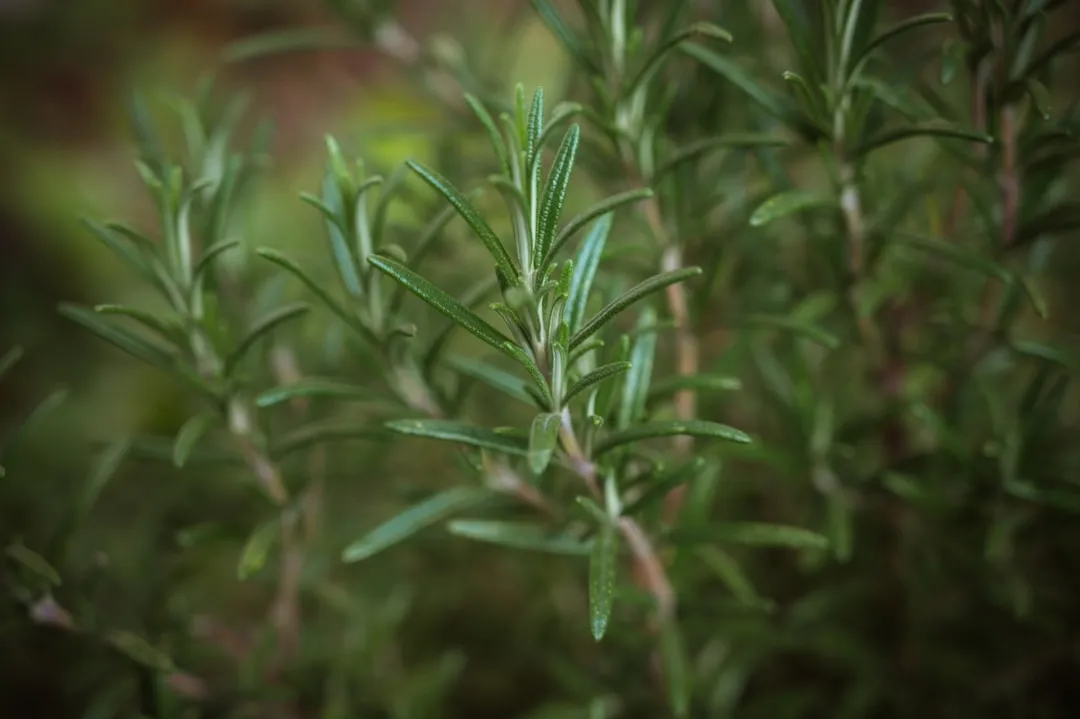
Rosemary is technically a herb, but it’s widely grown in kitchen gardens alongside vegetables and deserves a place on this list. These Mediterranean herbs require less maintenance, are more likely to survive periods of neglect, and often produce more concentrated essential oils with less watering, resulting in better fragrance and flavor. Over-watering rosemary is actually a common mistake that dilutes the very quality gardeners are growing it for.
Highly drought-tolerant, rosemary thrives in hot, dry conditions. Its needle-like leaves and woody stems are adaptations that help it conserve water. In dry climates, plant rosemary in well-draining soil and full sun. Once established, it requires minimal watering, making it ideal for low-water garden designs.
Overwatering is far more dangerous than underwatering for both rosemary and thyme. This bears repeating, because it runs counter to the watering instincts most gardeners develop. Their Mediterranean origins mean both plants want the same basic conditions: full sun, lean soil, and good drainage.
7. Thyme: Neglect Produces Stronger Flavor
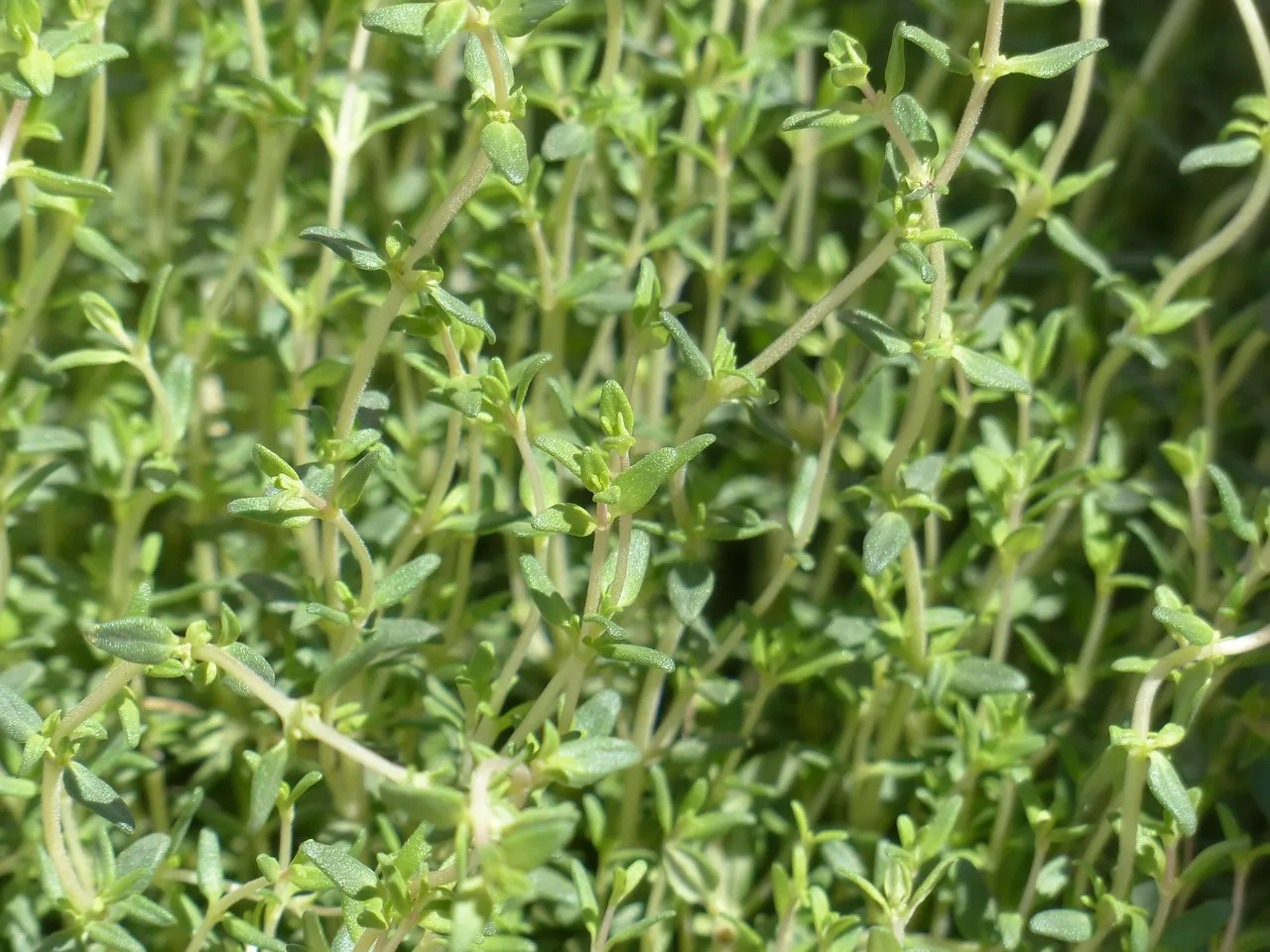
Thyme belongs to the same Mediterranean family as rosemary, and the same principle applies. Both are highly drought-tolerant once established, but thyme edges out rosemary on pure water economy. Thyme has smaller leaves with less surface area for moisture loss and is native to drier, rockier habitats than most rosemary varieties.
Containing the powerful compound thymol, thyme is known for its antimicrobial and antifungal properties. In the garden, it uses this fragrance to fend off soil-borne pathogens as well as deterring pests. At the same time, thyme flowers attract beneficial insects to help the garden function like a thriving ecosystem that doesn’t need pesticides or fungicides.
With over 300 varieties to choose from, there is a thyme plant for every landscape and culinary need. These ground covers are excellent at softening edges of pavers and spilling over rocks. Most are hardy in USDA zones 5 to 9, and all dislike wet conditions. The message is clear: thyme is a plant that genuinely performs better when you mostly leave it alone.
The Science Behind “Stress Responses” in Plants
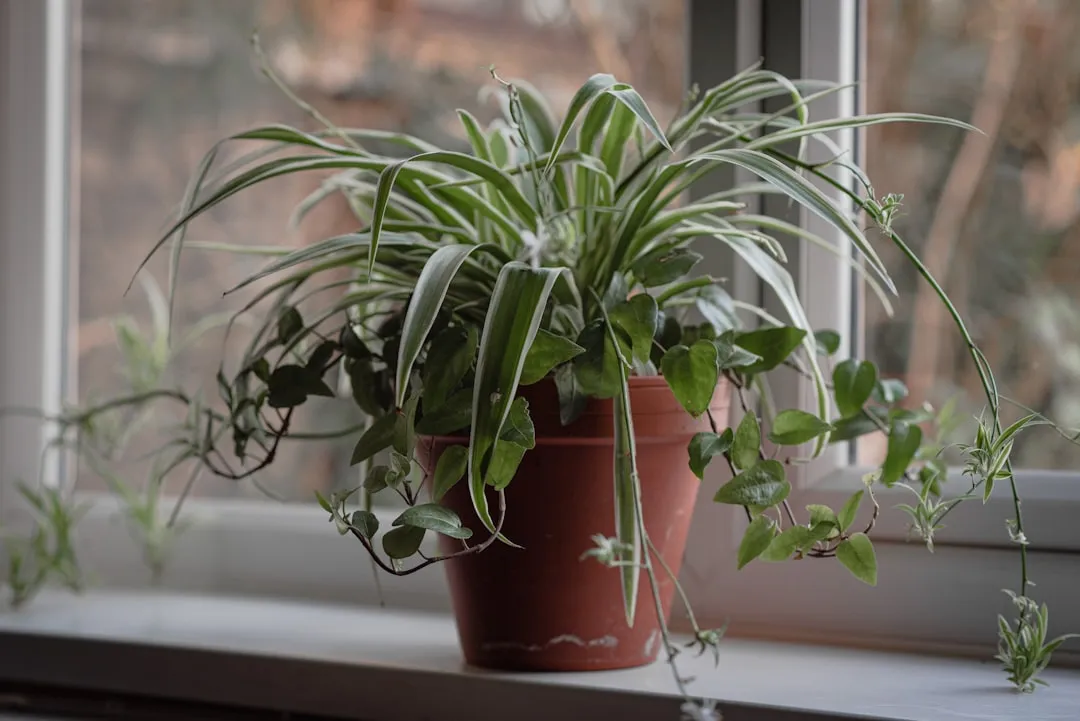
Just like us, plants get stressed by changes in their environment, but their defense mechanism is to produce different molecules that, when consumed by humans, have beneficial properties for our health. Inducing stress in fruits and vegetables is the basis of research focused on developing technologies to increase their health potential.
In the industrial field, researchers have used UV light, containers with high concentrations of oxygen, and high hydrostatic pressures to induce stress in the tissue of these fruits and vegetables and boost the production of antioxidants and anti-inflammatory molecules. They have observed cases where the concentration of these compounds can be increased substantially.
This science has real implications for how we grow food at home. In previous studies, researchers noticed that plants subjected to drought were less likely to support salmonella growth than normally watered plants, adding a food safety dimension to the case for controlled neglect. The stressed plant isn’t just tastier, it may also be safer.
Important Limits: Neglect Is Not the Same as Abandonment
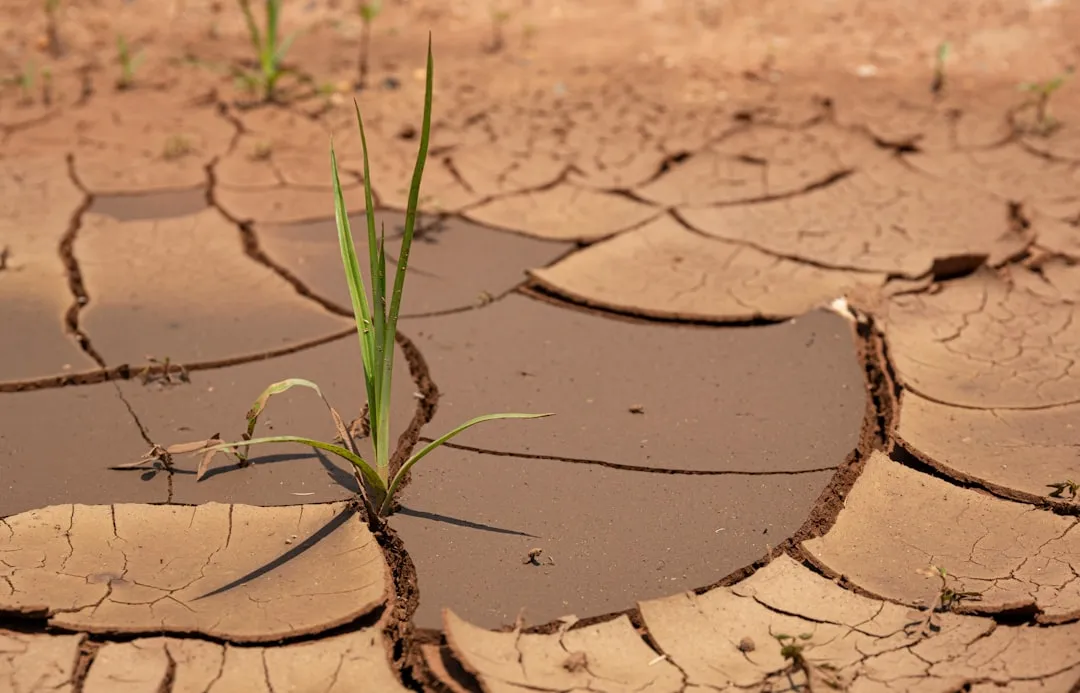
It’s worth drawing a clear line here, because this can be misread. Extreme prolonged drought reduces yields, causes blossom drop, shrinks fruit size, and can permanently stunt growth. The goal is to avoid excessive irrigation that dilutes flavor and wastes water, not to deprive plants. Deep watering with a slight dry-down between sessions delivers the best balance.
Even the best drought-tolerant vegetables typically produce smaller harvests under severe water stress than with ideal irrigation. The real advantage isn’t maximum yield – it’s stability. For most of these crops, what you gain in flavor, nutritional density, and resilience is well worth a modest reduction in total output.
The idea of “stress” in plants is really about calibration. The plant could increase the amount of certain compounds with antioxidant power when subject to stress, as a tolerance mechanism. That mechanism exists across many species, but it only works within a range. Push too far, and you’ve crossed from productive stress into genuine damage.
How to Apply This in Your Garden
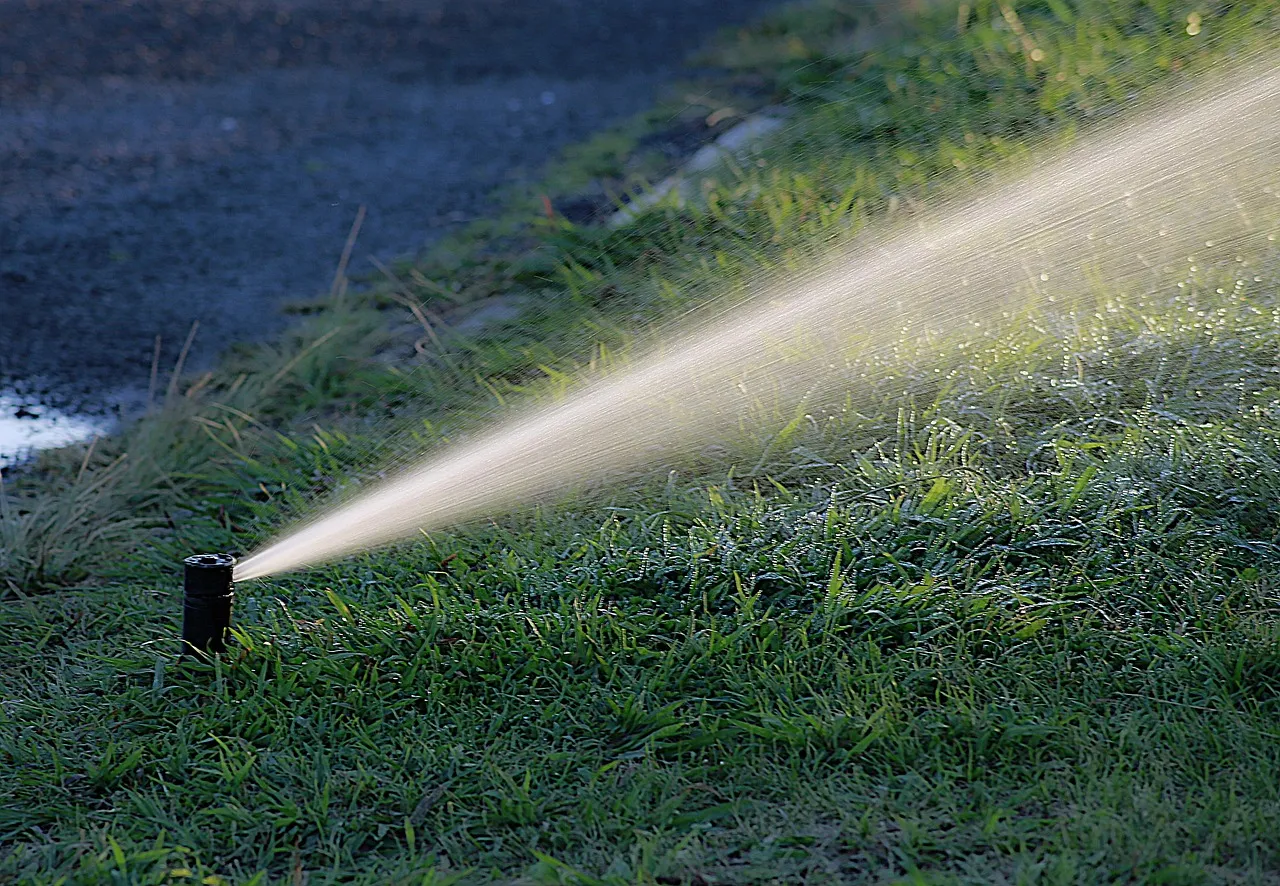
The practical takeaway is simpler than the biology suggests. For herbs like rosemary and thyme, plant them in poor, well-drained soil and water only during dry spells after the first season. For peppers, reduce watering in the final weeks before harvest and plant in lean soil to push heat levels. For kale and arugula, ease off on irrigation toward the end of the growing cycle to concentrate flavor compounds.
Tomatoes benefit from consistent but moderate watering rather than frequent shallow irrigation. Cherry tomato varieties handle reduced water far better than large-fruited types, so variety selection matters. Agriculture would benefit from biodiversity and the potential implementation of drought-stress tolerant genotypes, which would make agriculture more sustainable with less water usage while maintaining high fruit quality.
For okra, simply trust its origins. It was never a plant that needed pampering. Once it’s established in full sun with decent drainage, reduced watering is natural maintenance, not neglect. In hot, dry regions, timing to avoid the worst heat reduces water demand more than almost any other strategy. That applies to the home plot just as much as the commercial farm.
What This Means for the Modern Gardener
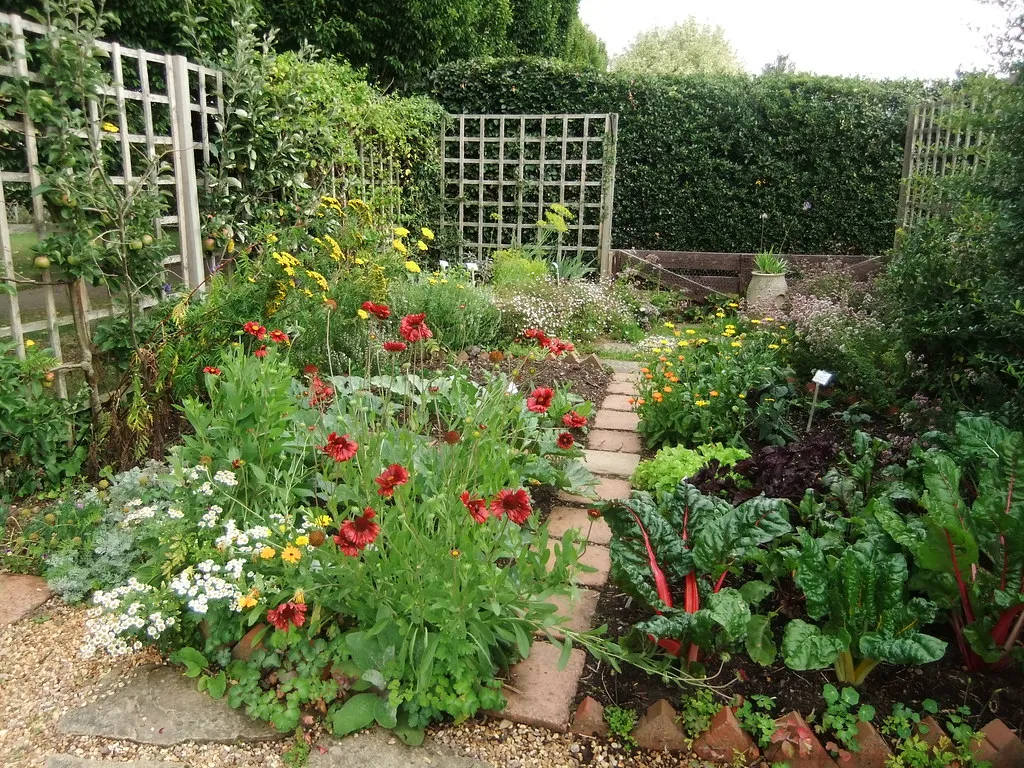
There’s something quietly liberating in the idea that a missed watering isn’t always a failure. For these seven crops, the plant’s own chemistry does work that no amount of extra care can replicate. The stress response is ancient, refined over millennia of survival, and it’s producing compounds that make food taste better and carry more nutritional value.
Compared to widely grown and marketed vegetable crops, many perennial vegetables show higher levels of key nutrients needed to address deficiencies. The crops that have received less intensive cultivation attention often carry a nutritional richness that heavily irrigated, heavily fertilized commercial varieties simply don’t match.
The best gardens often aren’t the most managed ones. They’re the ones where the gardener has learned which plants thrive on a little friction, and had the restraint to step back and let that happen.
AI Disclaimer: This article was created with the assistance of AI tools and reviewed by a human editor.