
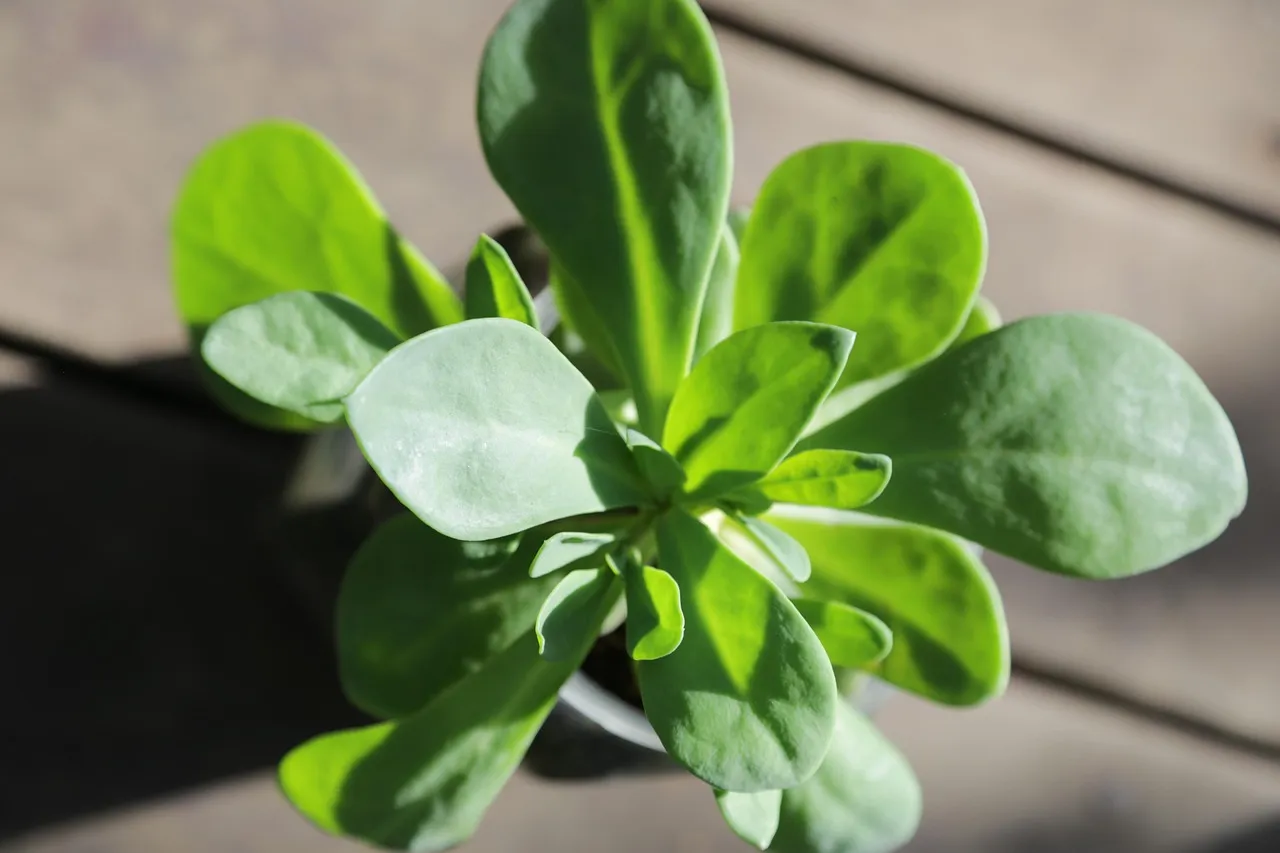
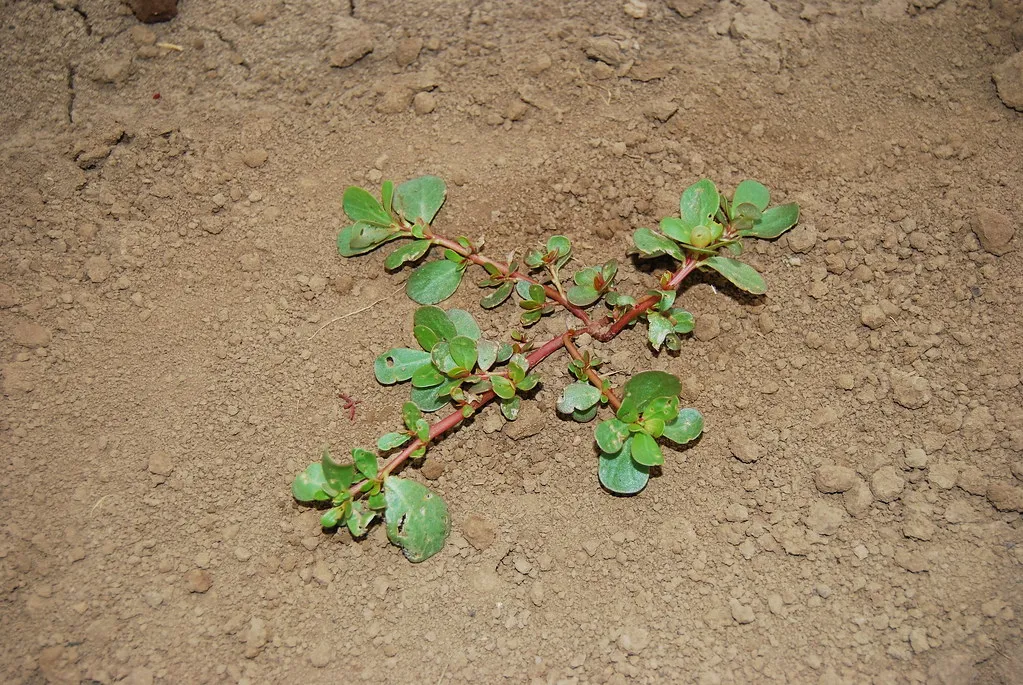
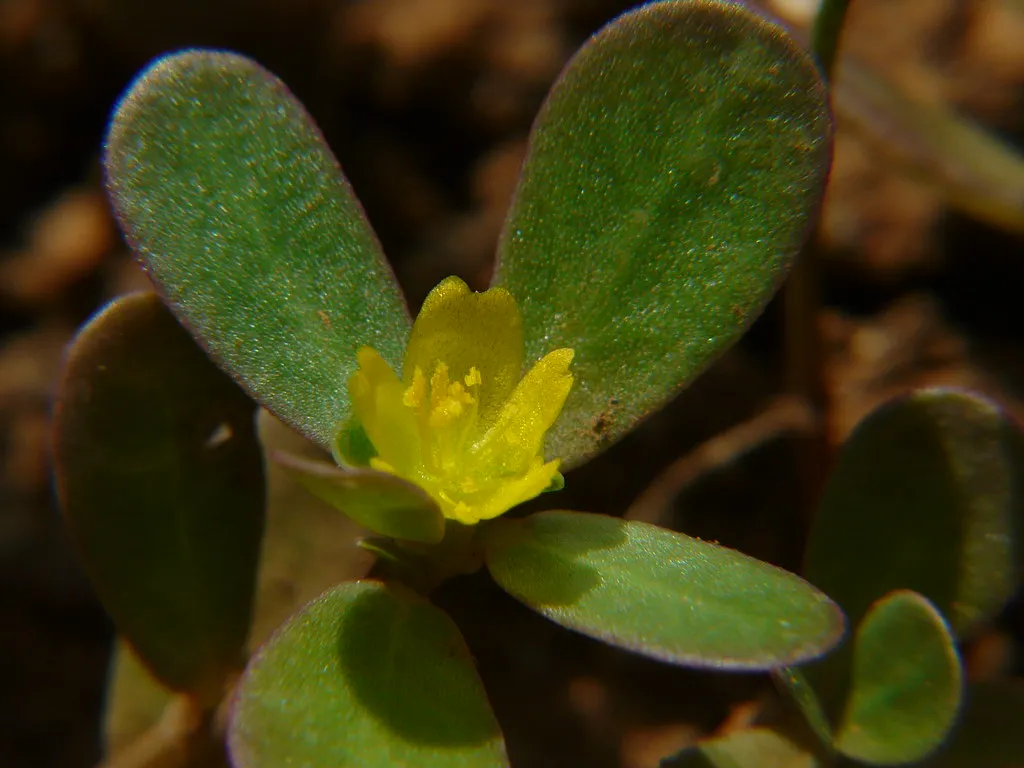
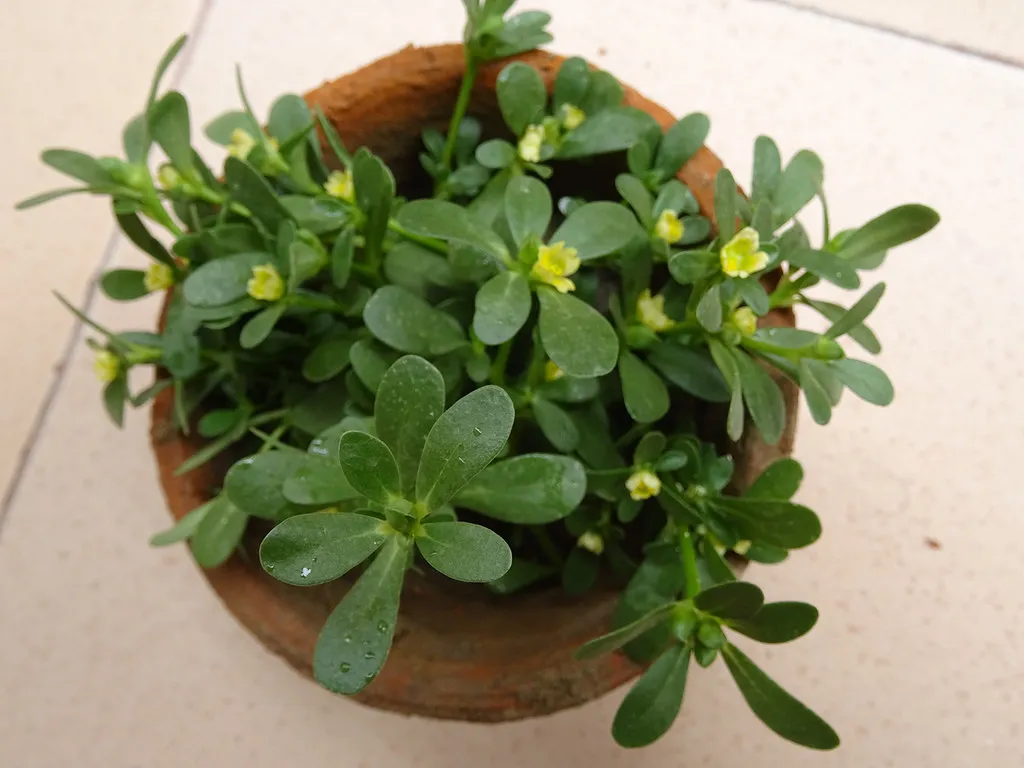
Every summer, millions of gardeners kneel down in their vegetable beds and yank out a low-growing, fleshy little plant without a second thought. It has thick, reddish stems, small paddle-shaped leaves, and a cheerful yellow flower. To most people in North America, it looks like trouble. To much of the rest of the world, it looks like dinner.
That plant is purslane, and the case for leaving it alone is far stronger than you might expect. The evidence stretches from ancient herbal traditions to peer-reviewed research published in the last two years – and it covers your soil, your heart, and even your blood sugar.
You’re Pulling Out One of the World’s Most Nutritious Plants
Purslane has been grown for more than 4,000 years as a food and medicinal plant and is still cultivated in many places today. It is considered unusually high in omega-3 fatty acids and contains significant amounts of vitamins A and C, as well as calcium, iron, magnesium, potassium, and antioxidants.
Research has identified purslane as containing the highest amount of omega-3 fatty acids, especially alpha-linolenic acid (ALA), of any green leafy vegetable, and it demonstrates better nutritional quality than most common greens. That’s not a minor footnote. Most people associate omega-3s exclusively with fish or flaxseed.
Purslane has the highest recorded levels of omega-3 fatty acids of any land-based plant. These essential fats can support the health of your arteries and help prevent strokes, heart attacks, and other forms of heart disease. Omega-3 fatty acids could also help reduce your risk of dementia and some types of cancer, including breast cancer.
It Outperforms Superfoods You’re Already Buying at the Store
Nutritionally, purslane can boast seven times the beta-carotene of carrots, six times more vitamin E than spinach, and five times more omega-3 fatty acids than spinach. These figures put it in territory usually reserved for expensive health supplements, not volunteer garden plants.
When compared with kale and spinach, purslane contains the highest amount of the antioxidants vitamin C and E. Meanwhile, the University of Florida’s Institute of Food and Agricultural Sciences published a 2024 paper entitled “Purslane: The Reigning Champion of Vitamins A and E among Vegetables and a Potential Crop for Home Gardens.”
Purslane contains the highest amount of fatty acids – 8.5 mg per gram of fresh weight – in contrast to other plants that contain a moderately low lipid content; spinach contains 1.7 mg/g, mustard greens 1.1 mg/g, and various lettuce varieties range from 0.6 to 0.7 mg/g. The comparison is striking.
Its Roots Are Doing Something Extraordinary Underground
Due to the penetrating depth of its roots, purslane is classified as a bio-accumulator, which means it brings up and stores mineral nutrients from the soil that are too deep for most vegetables to reach. For this reason, purslane has been cited as containing the second-highest content of iron in the edible plant world.
Vegetables such as corn, which have shallow roots, benefit from purslane by following the deeper roots of this weed down through the soil, thereby making soil nutrients available for the corn plant that were previously unobtainable – a process technically known as “ecological facilitation.”
At the end of the growing season, purslane that still remains can be used as green manure by tilling it back into the soil where it can decompose and release its nutrients higher up, where next year’s shallow-rooted crops can take full advantage. In other words, it’s actively improving the earth your vegetables grow in.
It Acts as a Living Mulch, Protecting Your Entire Garden
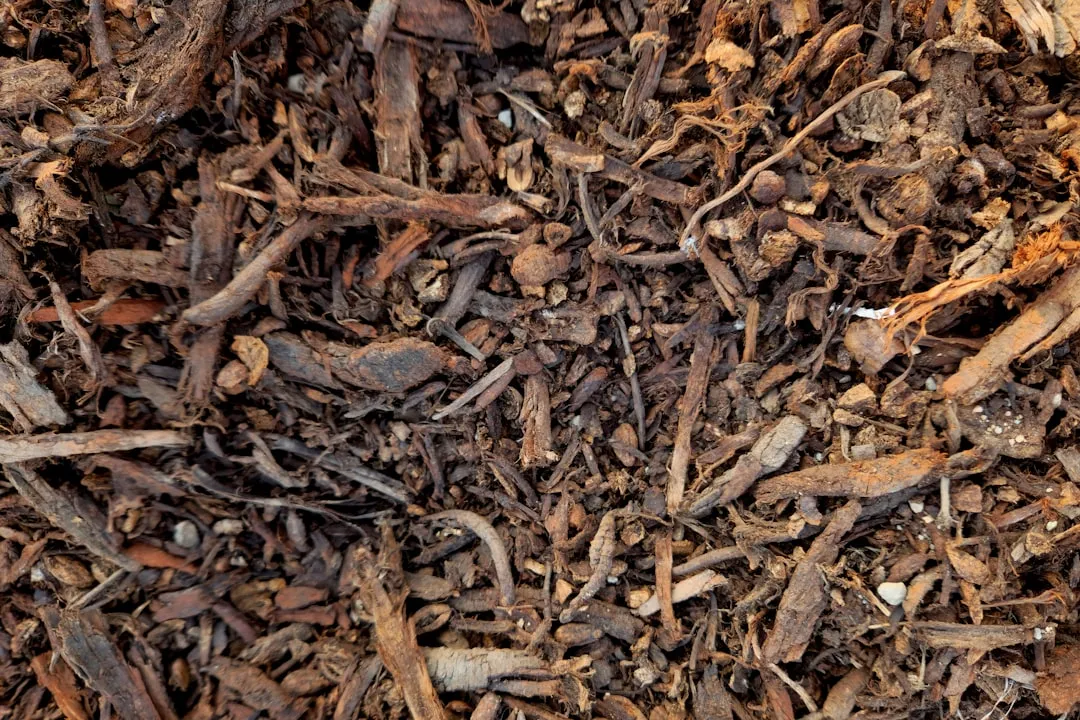
Purslane grows close to the ground and spreads out to create a thick mat that suppresses other weeds and helps to keep the soil cool and moist. This living mulch can be a great benefit to the garden, though it must be managed because it can easily overtake other plants if left completely unchecked.
Purslane makes an excellent living mulch for sun-loving vegetables throughout the growing season. Its low, spreading stems naturally fill gaps between plants, creating effective ground cover that blocks weeds and retains soil moisture.
Broccoli yields with the purslane living mulch were found to be comparable to yields with conventional methods of weed management and with no reduction in crop quality, according to research published in the American Journal of Alternative Agriculture. That’s a meaningful result from actual field trials, not gardening folklore.
It’s a Recognized Companion Plant for Common Vegetables
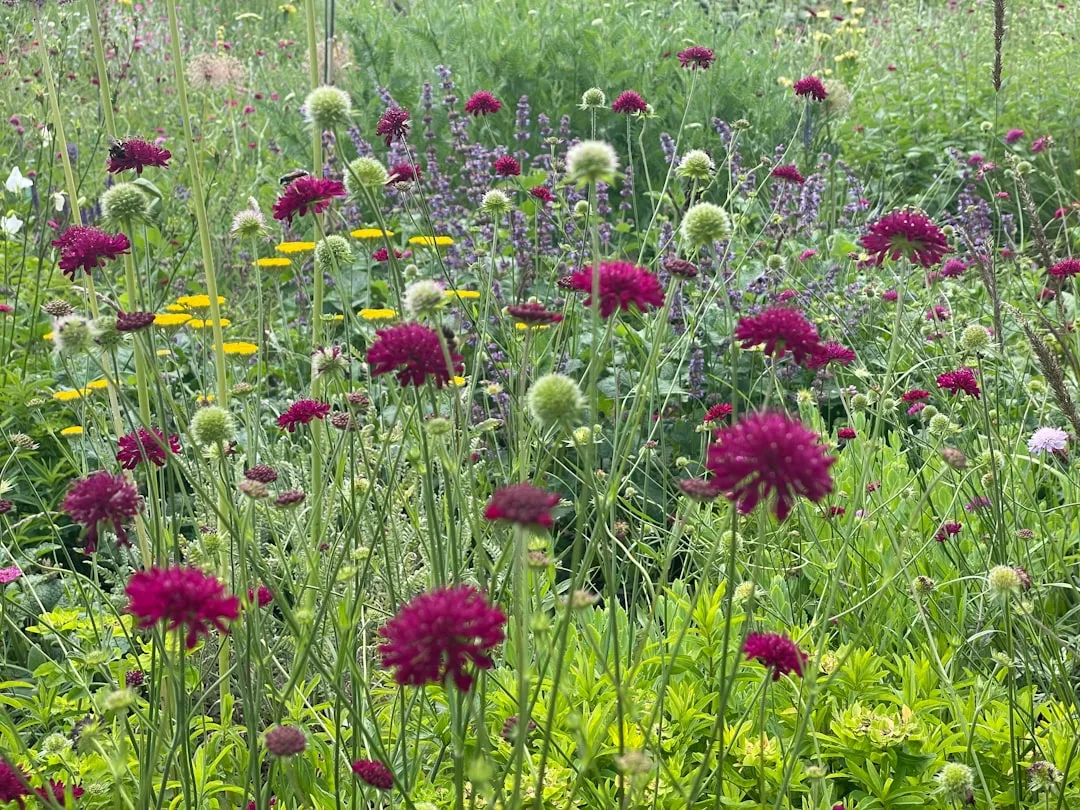
According to gardening literature, purslane is recognized as a companion plant for beans, corn, peppers, potatoes, squash, and tomatoes. Rather than competing with these crops, it tends to create conditions that support them.
Vegetables such as corn, which have relatively shallow roots, benefit from purslane by following the deeper roots of this weed down through the soil, making soil nutrients available that were previously unobtainable – a process known as ecological facilitation.
Purslane’s soil cover can reduce later-season weed pressure while the main crop, already established, captures most of the light above the purslane canopy. The key is timing. Let your main crops get a head start and purslane will tend to work with them rather than against them.
Research Links It to Better Blood Sugar and Reduced Inflammation
Type 2 diabetes is characterized by insulin resistance and leads to hyperglycaemia. Its rising prevalence and complications have prompted research into exploring safer herbal remedies – and purslane has become a focus of that search.
A systematic review and meta-analysis of ten studies in 2021 showed a beneficial effect of purslane supplementation on CRP levels. Another systematic review and meta-analysis of sixteen randomized clinical trials in 2023 demonstrated that purslane has positive effects on glycemic parameters and oxidative stress markers.
The anti-inflammatory effects of purslane are linked to its omega-3 fatty acids, flavonoids, and alkaloids. These compounds inhibit the production of inflammatory mediators like cytokines and prostaglandins. The research is still developing, and no one is suggesting purslane replaces medical treatment, but the signal from the science is clear enough to take seriously.
It Supports Pollinators That Help Your Whole Garden Thrive
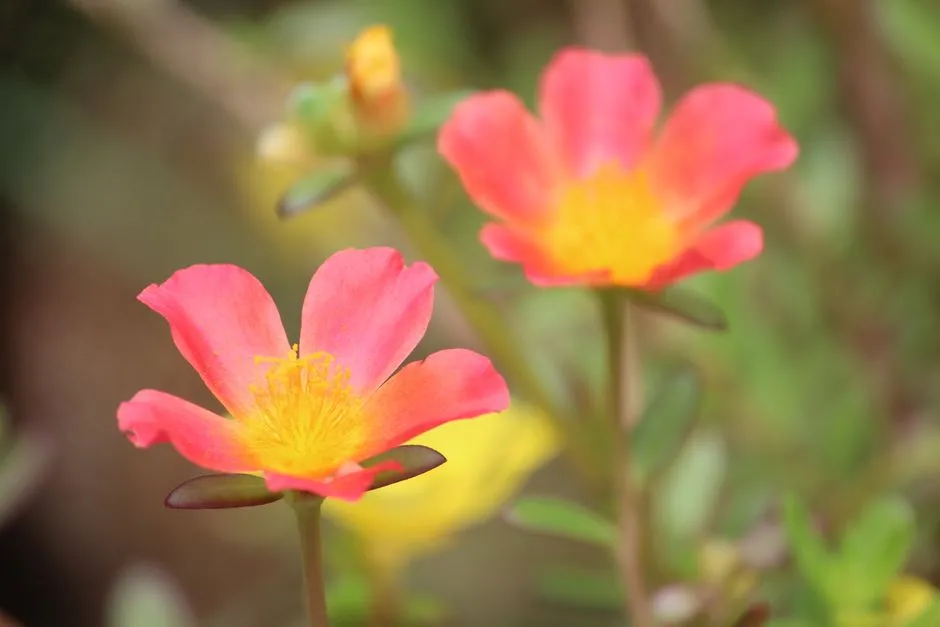
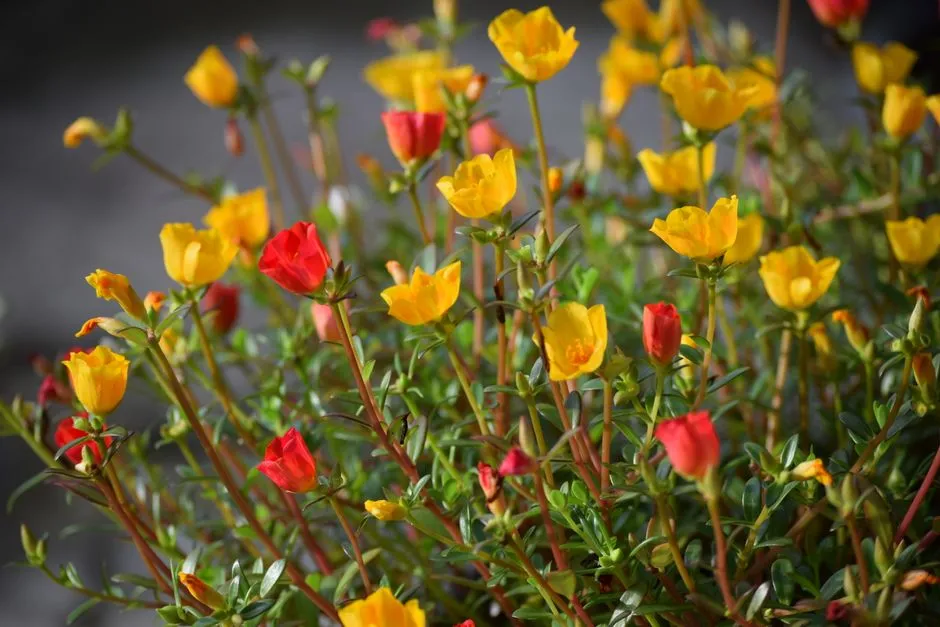
Purslane’s bright yellow flowers attract butterflies, bees, and other pollinating insects, which help improve the pollination of plants in your outdoor space. By allowing purslane to thrive, you’re helping build a diverse ecosystem that supports various beneficial creatures, which ultimately improves the productivity and health of your entire garden.
Purslane grows a small yellow flower about a quarter-inch wide and can bloom throughout the growing season. The flowers open singly at the center of the leaf cluster for only a few hours on sunny mornings. Fleeting, but effective when it comes to attracting pollinators.
In vegetable patches where tomatoes, squash, and peppers grow, having reliable pollinators nearby is not a luxury. It directly affects how much fruit you actually harvest. Purslane earns its place partly through the visitors it invites.
It’s Edible, Tasty, and Used in Kitchens Around the World
In Mexico, purslane is called verdolaga and is included in many recipes. In Chinese folklore, it is known as a “vegetable for long life.” The idea that it’s worthless is largely a North American cultural assumption, not a universal verdict.
Purslane leaves lend a lemony, tangy flavor that’s reminiscent of sorrel, and it works as a good substitute for watercress, spinach, and arugula. In the Mediterranean area, purslane is usually tossed into salads or added to soups. In Mexico, it’s a favorite addition to omelets. Purslane can also be lightly steamed for four to five minutes, then served with salt and a little butter.
The entire plant, including the leaves, stems, flowers, and seeds, is edible and has been used for thousands of years in different culinary variations. It’s essentially a free vegetable that volunteers in your garden every summer.
Managing It Is Simple – and Worth Doing Carefully
Purslane spreads through both prolific self-seeding and vegetative rooting of stem fragments. To control it, harvest or remove all plants before flowers open and set seed, and do not leave pulled stems on the soil surface where they can re-root.
Seeds can remain viable in the soil for several decades, which is worth keeping in mind. If it has already self-seeded, note that purslane seeds can survive in soil for up to 40 years, so persistent annual management is necessary. This isn’t a reason to panic, but it is a reason to harvest consistently rather than letting it flower unchecked.
While extolling the virtues of purslane, it’s crucial to exercise cautious management practices to prevent it from becoming invasive. Regular harvesting and strategic cultivation in container pots can help control its spread in the garden while maximizing its benefits.
There Are a Few Caveats Worth Knowing
Purslane contains oxalic acid, about 1.3 grams per 100 grams of fresh weight, which is comparable to spinach. People prone to calcium-oxalate kidney stones should consume purslane in moderation and pair it with calcium-rich foods, which binds oxalates in the gut before they can be absorbed. Cooking purslane and discarding the water reduces oxalate content by roughly a third to nearly half.
Purslane looks similar to toxic spurge weeds; learn to distinguish them – purslane has thick, succulent stems with clear sap, while spurge has milky white sap. That distinction matters before you add anything to your plate. When in doubt, check with a reliable plant identification resource.
Only forage or harvest purslane from places where no chemicals have been sprayed or spilled, and avoid it from the edge of busy roads, where carcinogenic tire leachates, exhaust fumes, and other toxic chemicals are common. Plants may take these toxins into their tissues, negatively affecting the healthfulness of freely foraged vegetables.
Purslane isn’t a miracle cure, and it isn’t entirely without nuance. What it is, reliably, is a plant that was doing useful work in your garden long before you arrived with a trowel. The next time you spot that low, spreading mat of fleshy leaves in your vegetable bed, it might be worth pausing – and asking what you’d actually be throwing away.
AI Disclaimer: This article was created with the assistance of AI tools and reviewed by a human editor.