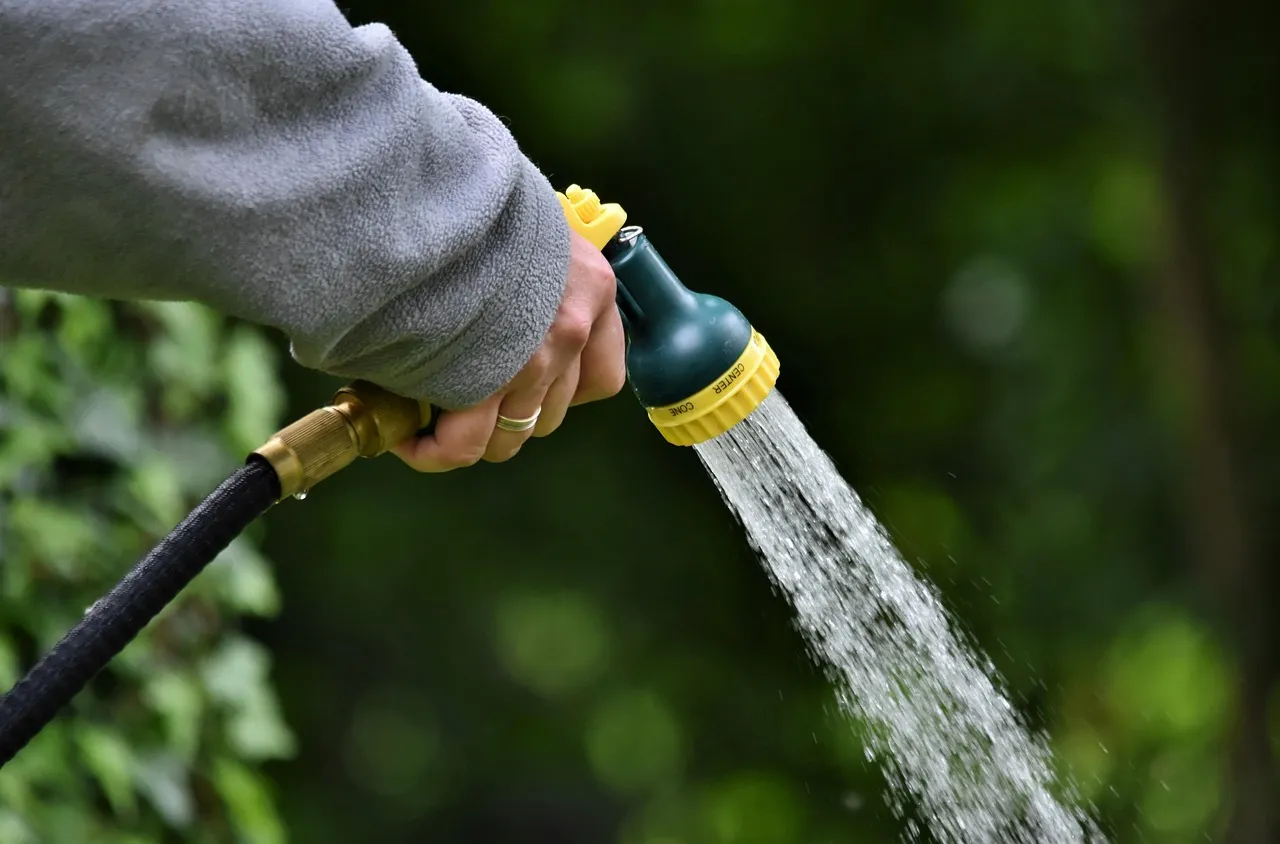

Most people who lose a houseplant assume it was neglect. Too little water, too little light, or just bad luck. The reality is often the opposite: the plant was loved too much, and in all the wrong ways. Root rot quietly destroys from the bottom up, long before any leaf turns yellow or stem goes soft.
By the time symptoms appear above ground, serious damage may already be underway. Root rot is not one single disease but a general term for several conditions that cause plant roots to decay and stop functioning properly. Understanding what actually triggers it starts with recognizing the daily habits that set the stage for disaster.
Mistake 1: Watering on a Fixed Calendar Schedule
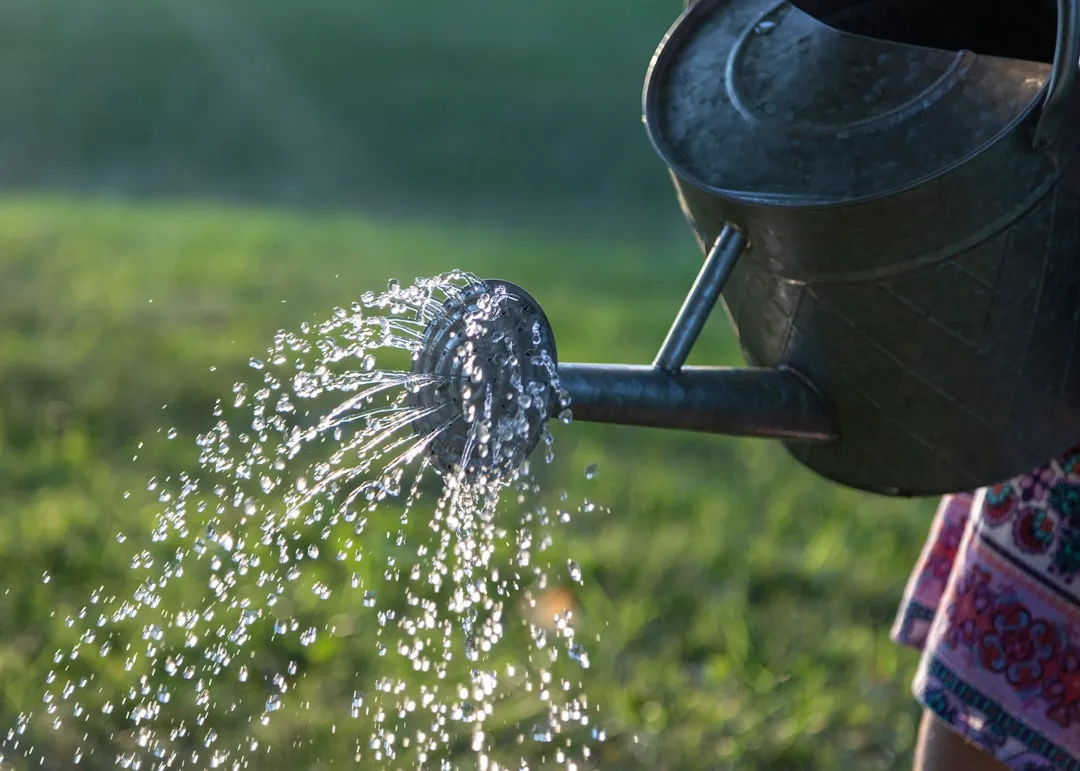
One of the most widespread habits among plant owners is watering every Tuesday and Saturday, or some other fixed routine, regardless of what the plant actually needs. Many people water on a schedule rather than checking the plant’s needs. This sounds organized, but it completely ignores the variables that change week to week.
Watering based purely on a calendar is a mistake. Water should be based on the plant’s needs and the moisture level in the pot as determined by regular checks. Seasons shift, indoor heating dries the air in winter, and a cloudy stretch of days means the soil holds moisture far longer than usual.
Checking the moisture level of the potting mix before watering is the first step to preventing overwatering and root rot. Feel the moisture level with your finger before watering. If the potting mix is pretty moist, that’s a sign not to add water. It takes thirty seconds and saves plants from weeks of slow damage.
Mistake 2: Overwatering – The Single Biggest Killer
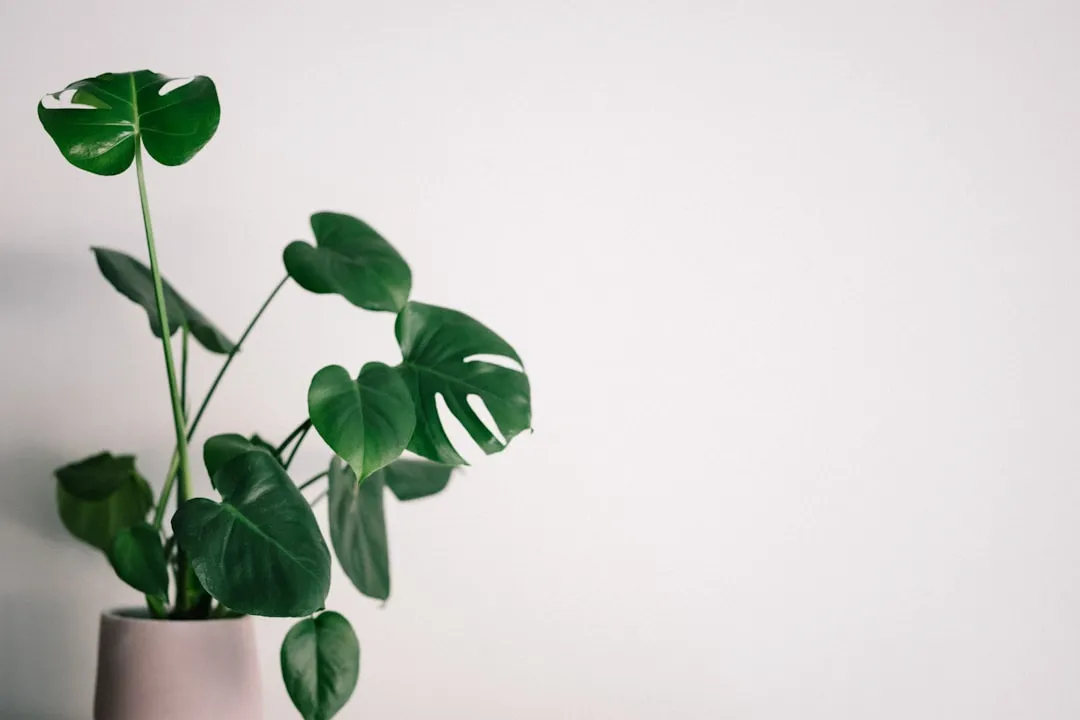
Overwatering kills more houseplants than anything else. Roots need oxygen to function, and waterlogged soil suffocates them. Once roots rot, the plant can’t absorb water or nutrients even though the soil is saturated.
While it’s easy to say root rot is caused by “too much water,” it’s actually a combination of two things: opportunistic fungi and oxygen deprivation. In a healthy environment, soil is porous, filled with tiny air pockets that allow roots to breathe. When those air pockets collapse under the weight of constant moisture, the roots begin to suffocate.
When soil becomes waterlogged, these air pockets collapse. Without oxygen, the root cells begin to die and decay. This decaying organic matter acts as a beacon for fungal pathogens like Fusarium, Pythium, Phytophthora, and Rhizoctonia. Research published in Frontiers in Plant Science confirms that the incidence of root rot disease is alarmingly high, typically falling between 30% and 50%, and in some extreme cases the rate can exceed 70%.
Mistake 3: Using a Pot Without Drainage Holes
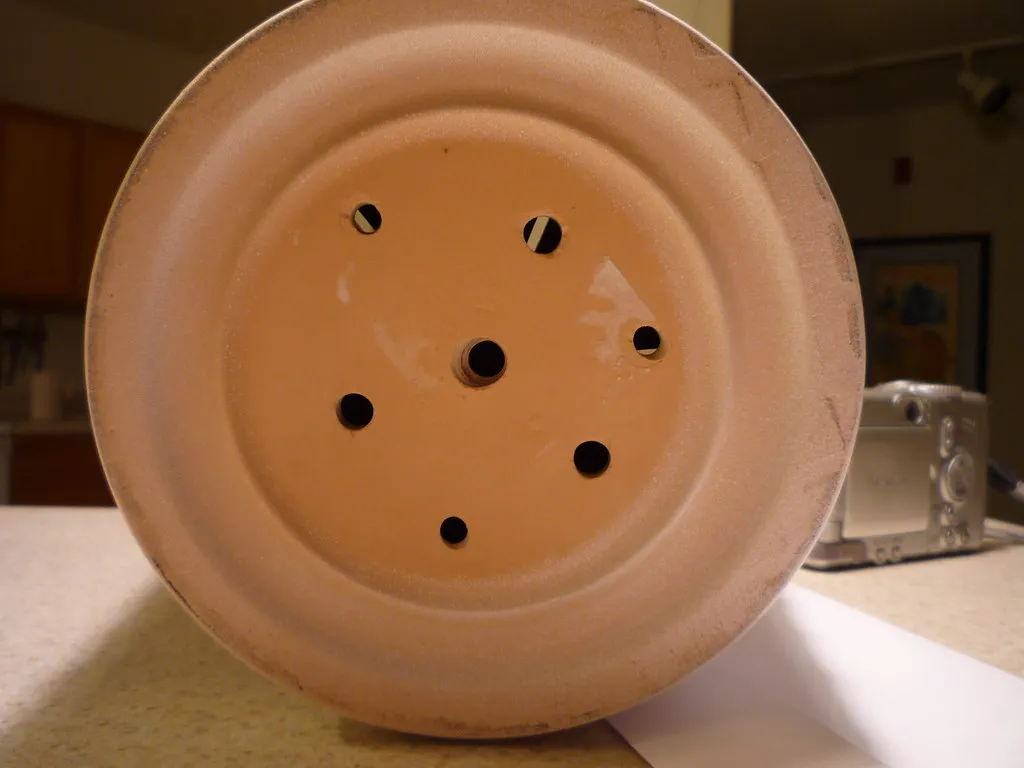
Pots without drainage holes trap water at the bottom even if the top layer of soil feels dry. Roots sitting in this water rot, and there’s no way for excess moisture to escape. It’s a design flaw hiding behind good looks.
Without drainage holes, excess water has nowhere to go. It sits at the bottom of the pot, creating a waterlogged environment that deprives roots of oxygen. This suffocating condition quickly leads to root rot, a fungal disease that can weaken your plant in a matter of days.
Decorative pots often lack drainage. If you want to use them, keep your plant in a plastic nursery pot with drainage holes and place that inside the decorative pot. Remove the inner pot to water, let it drain completely, then return it. It’s a small extra step that makes a real difference.
Mistake 4: Choosing a Pot That Is Too Large
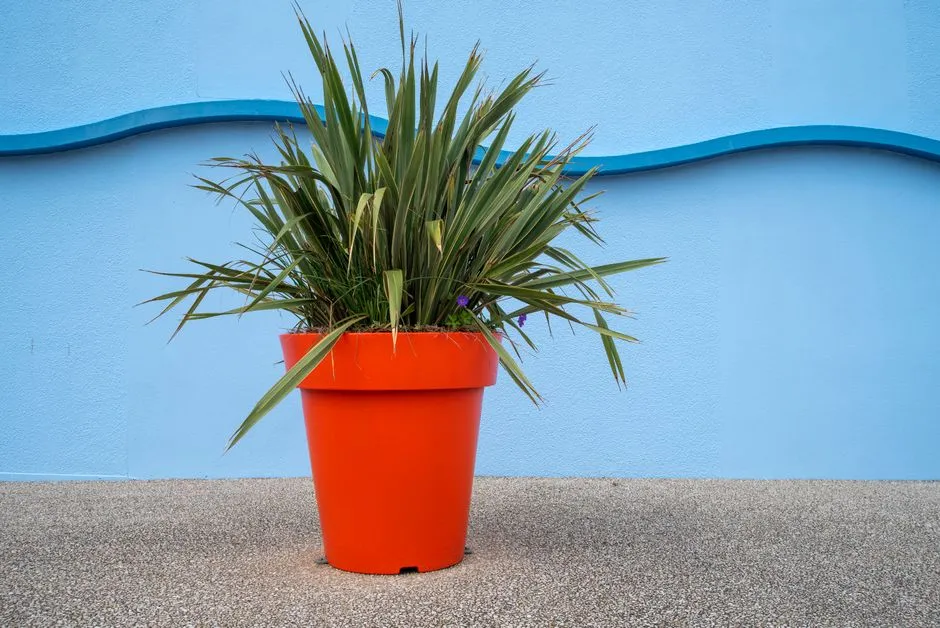
Upsizing to a bigger pot feels generous, like giving roots more room to grow. In practice, it can backfire quickly. Pots that are too large hold excess soil that stays wet long after roots have absorbed what they need. This creates the same waterlogged conditions that cause root rot.
A pot that’s too big for your plant holds more soil than the roots can handle. Extra soil retains moisture longer, keeping roots damp for too long. The plant’s root system simply can’t drink down the excess water fast enough, especially in lower light conditions.
Repotting into a pot only slightly larger than the current one is recommended. Aim for a diameter increase of about one to two inches. This provides enough space for roots to expand while maintaining good soil moisture control. That modest size difference genuinely protects the root zone.
Mistake 5: Watering at Night
Evenings seem like a convenient time to tend to plants, especially after a long day. The trouble is that night-time watering can quietly set the stage for fungal rot. Watering at night is generally not a good idea since it makes the damp plants more likely to get fungus infections.
As the nighttime temperature drops, the water will not have enough time to dry or to be absorbed, and it could damage the plant. The roots will get too cold and the leaves may develop mold or fungus. Moisture that sits undisturbed through a cool night is exactly the environment that soil-dwelling pathogens thrive in.
The best time of day to water plants is typically in the morning. Avoid watering most plants later in the day or at night. Letting the plants sit in wet or damp soil for too long can cause fungal infections, which may end up seriously harming or killing them. Morning watering allows the soil surface to begin drying during daylight hours.
Mistake 6: Using Water That Is Too Cold
Grabbing cold water straight from the tap seems perfectly harmless. For many tropical and indoor plants, it’s a small but recurring stress. Cold water can slow down root activity and nutrient absorption, while excessive warm water can deplete oxygen levels and result in harmful pathogens.
Ice cold water will cause root shock, which may lead to permanent root damage, leaf drop, and other problems. Allow the water to warm to room temperature before watering the plants. This is especially true for tropical houseplants like peace lilies, monsteras, and calatheas, which are naturally accustomed to warmer soil temperatures.
This isn’t superstition; it’s biology. Enzymes that move nutrients across root cells work best in a narrow range, and temperature jolts throw them off their rhythm. The best water temperature for plants is room temperature or tepid, from about 62 to 72 degrees Fahrenheit. Letting a watering can sit out for a few hours before use is a simple fix.
Mistake 7: Ignoring the Wrong Soil Mix
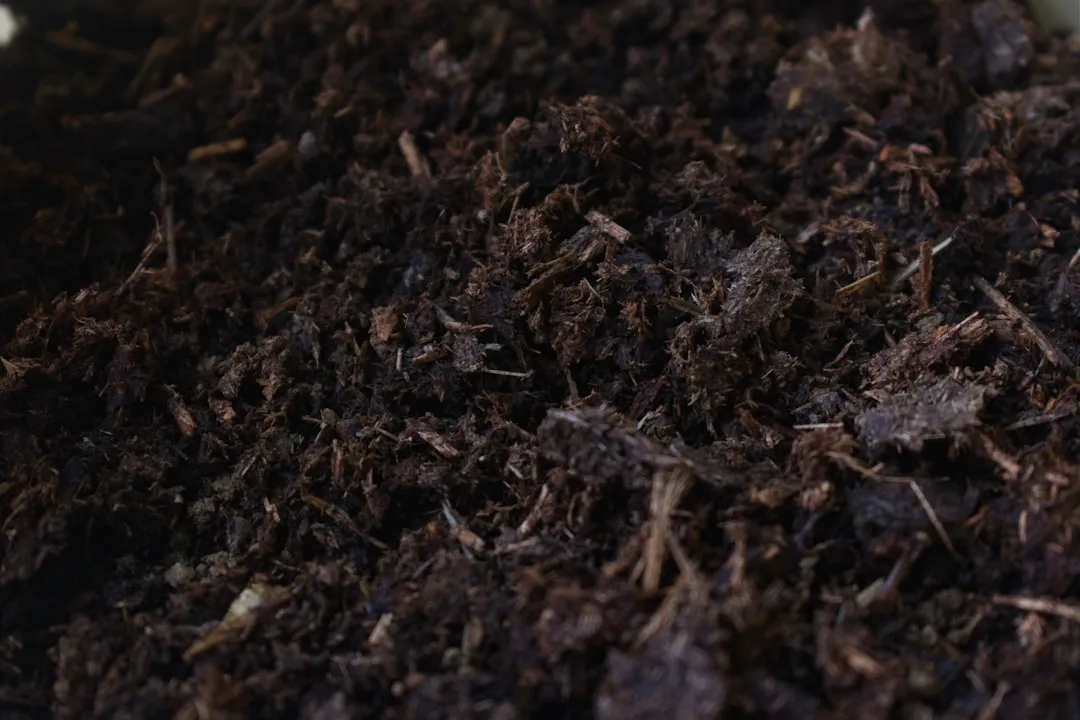
Regular potting soil works for most houseplants, but specialized plants need specialized mixes. Succulents and cacti need fast-draining soil with sand or perlite added. Orchids need a bark-based mix that allows air circulation around roots. Using the wrong soil type creates drainage problems even if you’re watering correctly.
Soil controls how water moves, how roots breathe, and how nutrients are absorbed. Succulents need fast-draining soil, while tropical plants prefer mixes that hold some moisture without staying soggy. Old or compacted soil blocks airflow and keeps roots stressed.
Compacted soil reduces airflow to roots and limits water movement. Over time, this condition can encourage pests and disease development. Refreshing potting mix every one to two years is a practical step that most plant owners overlook entirely.
Mistake 8: Letting Plants Sit in Standing Water
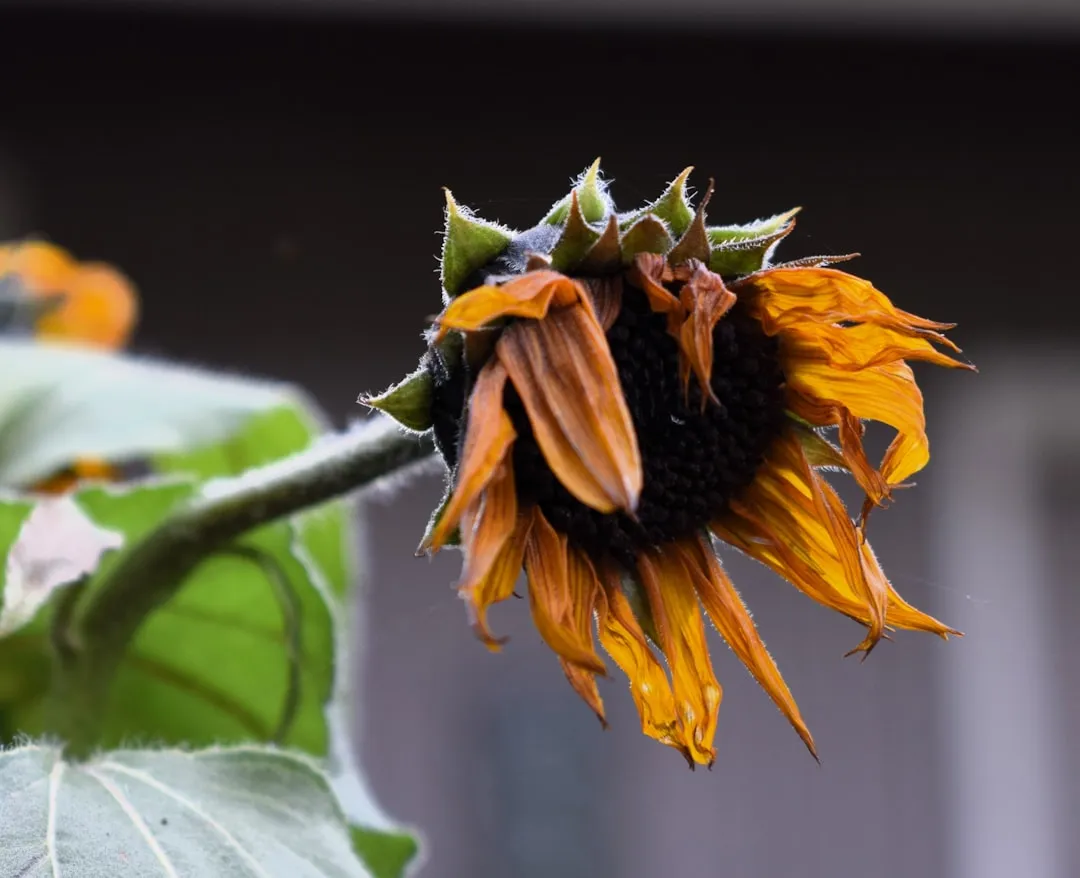
Watering thoroughly is the right approach, but leaving the saucer full of water afterward undoes the good. Never let plants sit in standing water in saucers or cache pots. Empty saucers after watering so roots aren’t submerged.
Without drainage, salts and minerals from water and fertilizers can also build up in the soil, creating an unhealthy environment for your plant. This salt accumulation can burn the roots, causing further damage. The saucer becomes a trap rather than a precaution.
Additionally, standing water can become a breeding ground for pests and fungi, which can spread to other plants in your collection. Tipping out the saucer within thirty minutes of watering is one of the most straightforward protective habits any plant owner can adopt.
Mistake 9: Misreading Wilting as a Sign to Water More
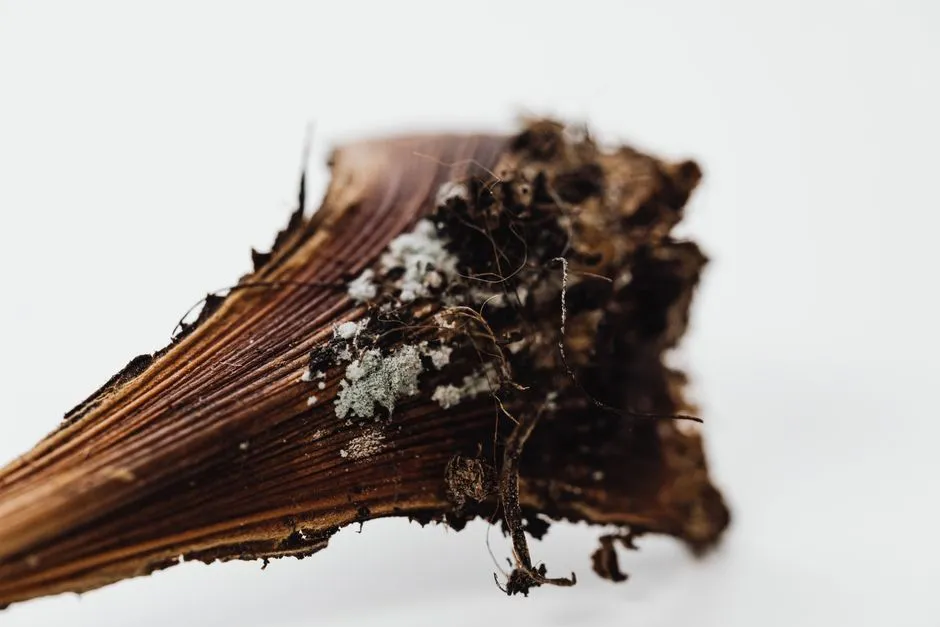
As roots rot away, plants lose their ability to take up water and nutrients. That’s why plants with root rot often wilt, yellow, or decline even when the soil is moist and nutrients are available. This creates a cruel loop where the obvious instinct makes the problem worse.
Symptoms of root rot begin with wilting of bottom leaves that may progress upward until total plant collapse. These symptoms can be commonly mistaken for lack of water, so it is very important to examine the root system and potting mix moisture level before adding more water.
The problem with root rot is that its symptoms look an awful lot like the symptoms of underwatering. This is because rotten roots are unable to absorb water for the rest of the plant, so while the roots are wet the leaves may be dying of thirst. Always check the soil before reaching for the watering can.
Mistake 10: Poor Light Leading to Slow Soil Drying
Light and watering are more connected than most people realize. A plant starves when it is in prolonged conditions of poor lighting. So when you water a plant in this condition, the soil moisture lingers. The water has nowhere to go because the plant lacks the energy to use it.
Good light is the key to preventing root rot. A plant can still develop root rot even if you waited until the soil was completely dry between waterings – if the lighting is poor, the plant is starving and has weak roots, which are more susceptible to rot.
When soil remains saturated, roots cannot absorb nutrients efficiently. This stress weakens plants and makes them more susceptible to pests like fungus gnats that lay eggs in damp soil. Moving a plant to a brighter position is sometimes all it takes to bring its watering balance back into order.
How to Actually Confirm Root Rot
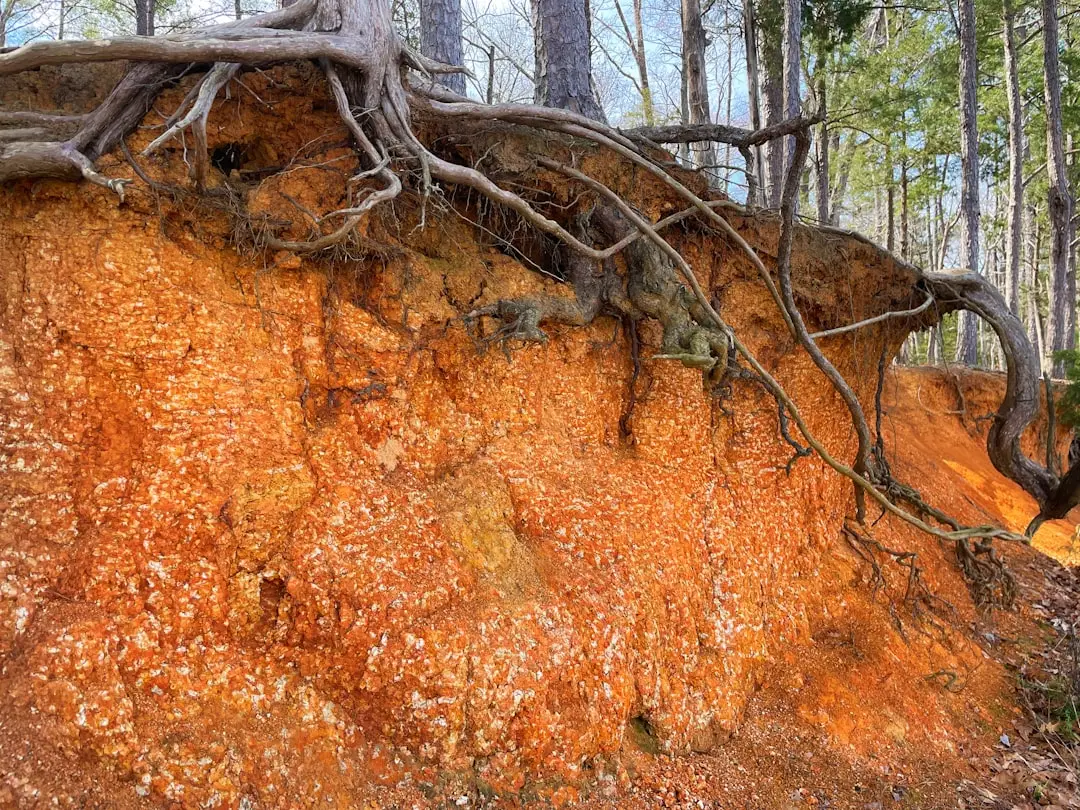
Healthy roots are firm and light-colored. Roots affected by rot turn brown or black and become soft and mushy. The only reliable way to know for certain is to lift the plant from its pot and look directly at the root system.
Rotted roots are brown or black, soft, and mushy. In some cases, the outer layer of the root may slough off easily. Root rot often has a noticeable odor, similar to rotting vegetables. If this is what you find, act quickly.
If you feel comfortable, carefully cutting off dead portions of the roots can help slow or prevent any fungal diseases that may be present from further spreading through the root system. Repot into fresh, well-draining mix and hold off on watering until the plant begins to stabilize.
Conclusion
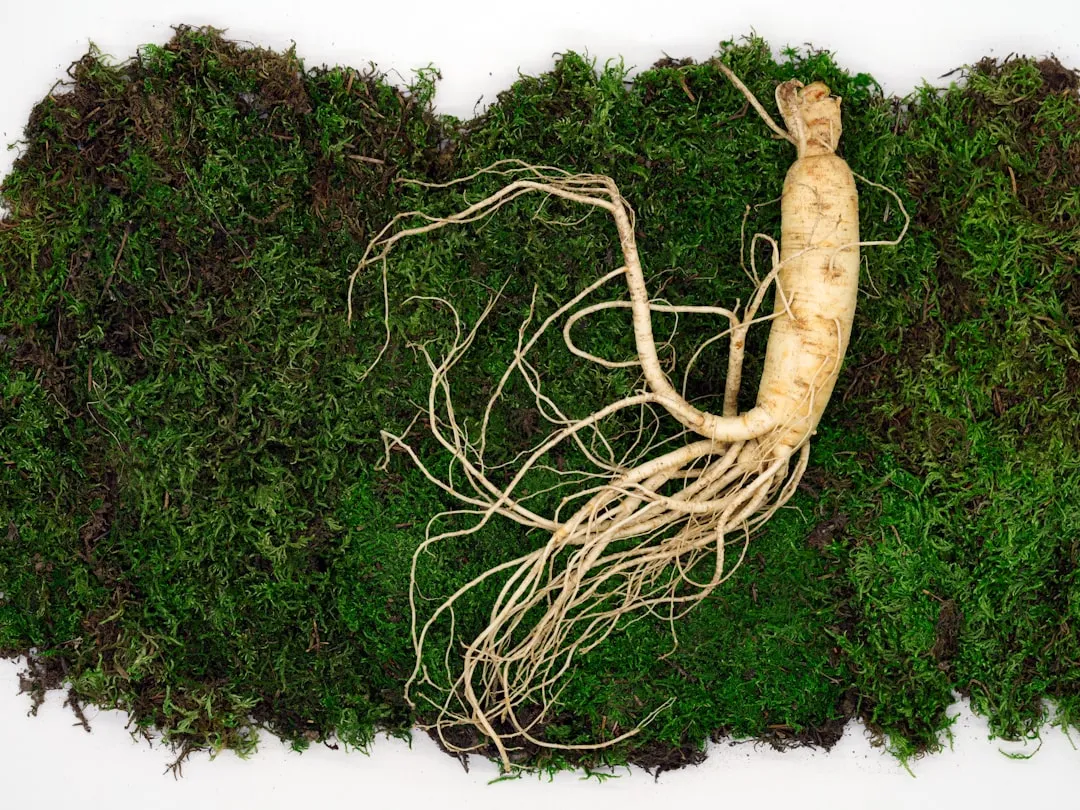
Root rot is almost never the result of one catastrophic mistake. It builds gradually, through a collection of small, well-intentioned habits that compound over time. The fixed watering schedule, the beautiful pot with no drainage hole, the cold tap water on a winter evening – each one alone might be harmless, but together they create exactly the conditions that fungal pathogens exploit.
The fix is less about following a rigid new routine and more about paying closer attention. Getting watering right is less about rules and more about rhythm. Watch your plants. Touch the soil. Adjust for the weather. That kind of attentiveness is genuinely harder to bottle into a list, but it’s what actually keeps roots alive.
Roots are doing quiet, essential work entirely out of sight. The least any plant owner can do is make sure the conditions they can control don’t work against that effort.
AI Disclaimer: This article was created with the assistance of AI tools and reviewed by a human editor.