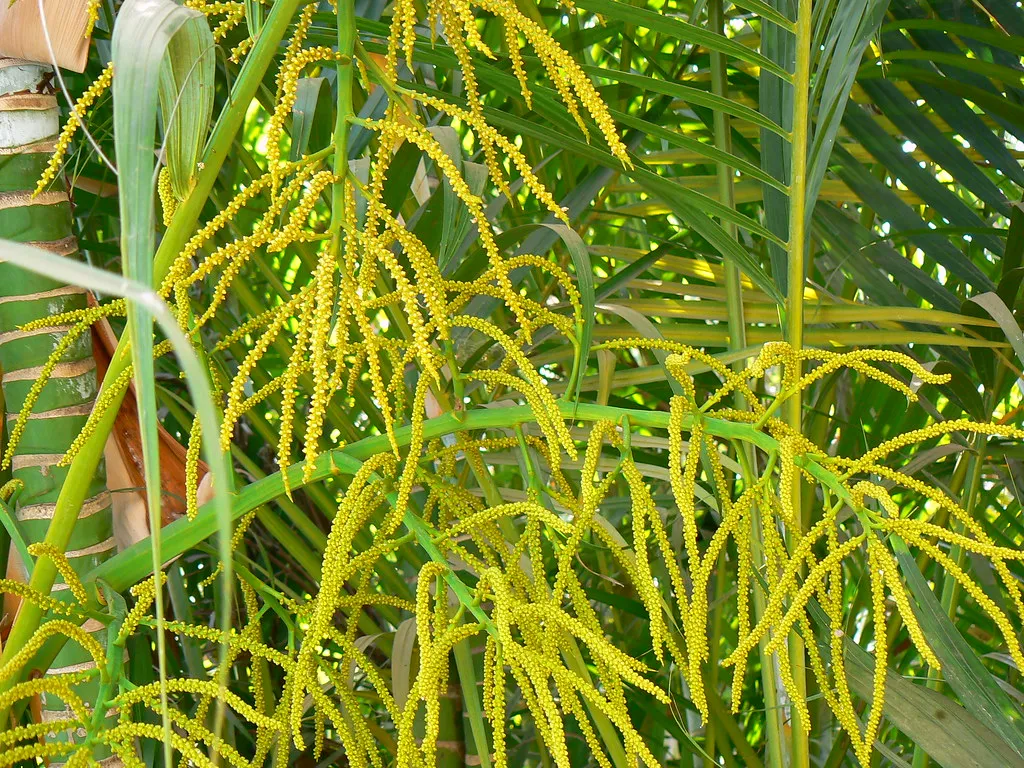

There’s something quietly frustrating about spending a weekend afternoon in your own backyard while feeling completely exposed. Neighbors mowing next door, cars rolling past, second-story windows with a perfect view of your patio. A wooden fence helps, but it rarely feels like a real retreat.
Privacy has become a genuine priority for homeowners, with nearly four out of five reporting that it ranks among their top concerns in yard design. The good news is that the right plants can do far more than a fence ever could. Privacy screening plants not only obscure your backyard from prying eyes but can also limit the noise that enters or exits your property, since dense natural foliage is an excellent way to dampen sound in ways that fences and other hardscaping elements simply can’t match.
These five plants are proven performers. Each one earns its place on a suburban lot.
1. Thuja Green Giant Arborvitae: The Go-To Workhorse
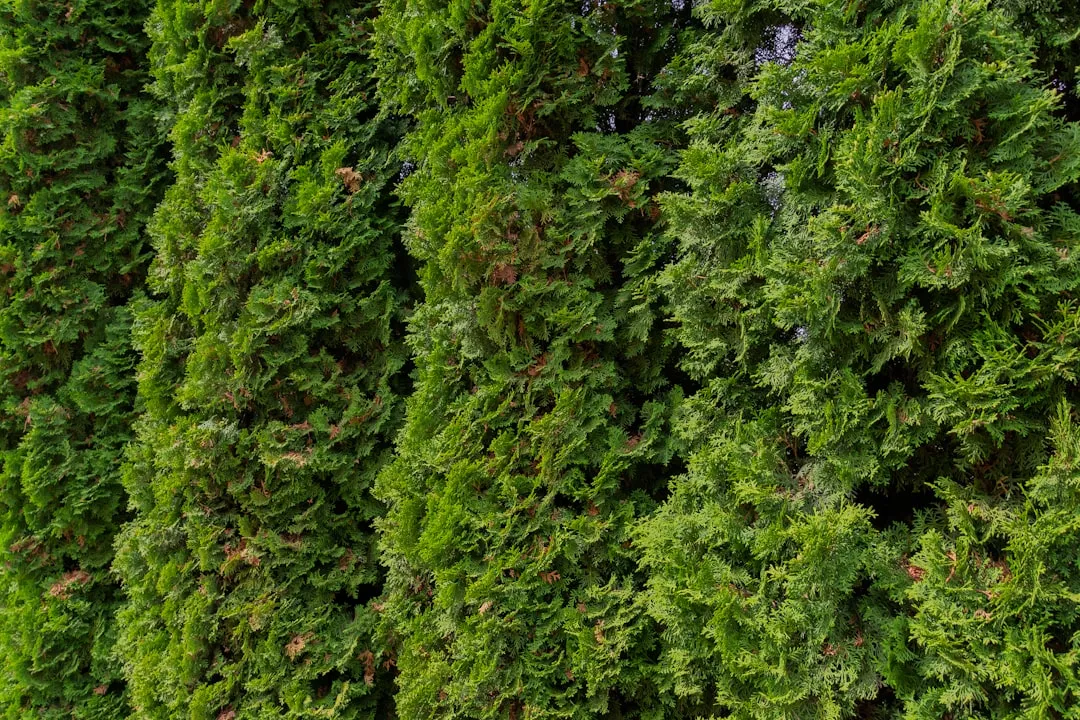
The Thuja Green Giant is one of the most popular and easy-to-grow evergreen species for creating a natural privacy screen, prized for its fast growth rate, hardy nature, and remarkable adaptability to different climate and soil types. It typically adds three to five feet of vertical growth per year once established, making it one of the fastest privacy trees available on the market.
Green Giant Arborvitae thrives in USDA zones 5 through 8 and handles cold winters well, tolerating temperatures down to around minus 20 degrees Fahrenheit, while also managing summer heat without the disease problems that plague other conifers in warmer regions. For a privacy screen, plant them five to six feet apart, center to center, and the lower branches will interlock naturally within three to four years, forming a solid wall of green that requires no shearing.
With potential growth rates of three to five feet per year, the ability to adapt to most soil types, and tolerance of both shade and drought, the Green Giant is a low-maintenance species that is fast to grow and easy to maintain, even for the novice gardener.
2. Spartan Juniper: Dense, Upright, and Drought-Tough
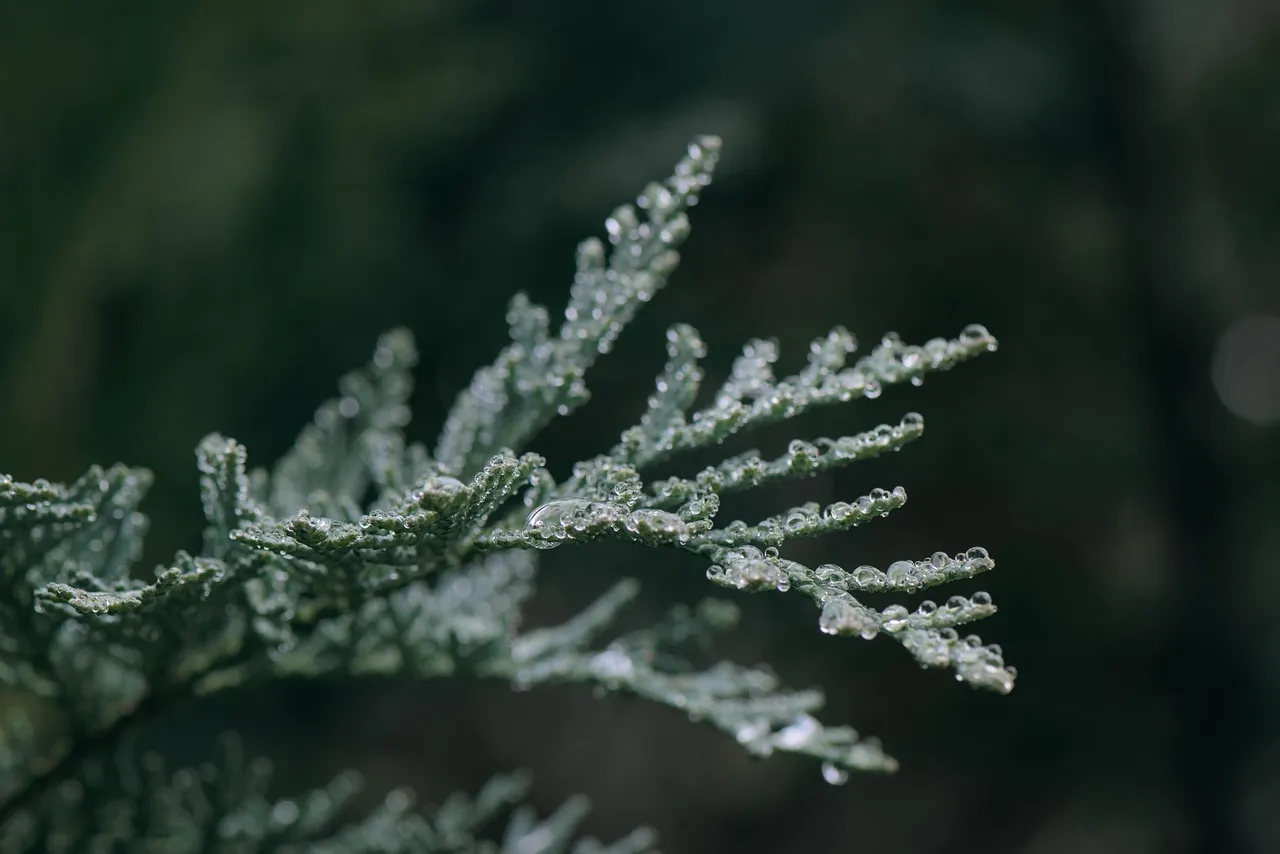
Junipers, particularly Taylor and Spartan varieties, make excellent evergreen privacy screening plants thanks to their dense foliage that can provide real coverage even in smaller suburban spaces. Spartan junipers grow fast and will ultimately reach a height of up to 20 feet, making them ideal for planting along property lines in either the front or back yard, where they require full sun and well-drained soil to perform at their best.
Native to parts of Asia, Chinese juniper occurs in both tree and shrub forms and is grown for its short blue-gray needles, dark blue berries, and dense growth habit, making it a highly durable and adaptable choice for a wide range of growing conditions. When planting junipers specifically for privacy, choose varieties such as Gin Fizz juniper that have a dense growth habit and will grow tall enough to keep your yard genuinely private.
Spartan junipers also bring something the big evergreen trees often don’t: a more refined, columnar silhouette that fits neatly into tighter suburban lots without overwhelming a smaller yard’s proportions.
3. Viburnum: The Four-Season Screening Shrub That Also Feeds Wildlife
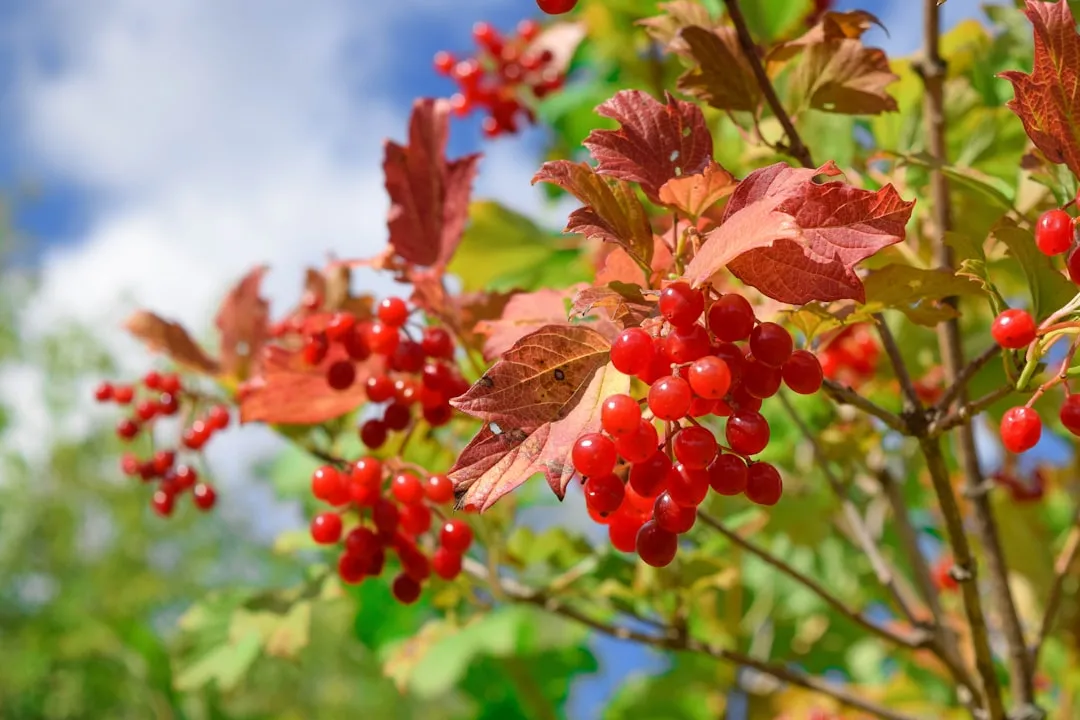
Viburnum is a diverse and widely used group of deciduous and evergreen shrubs known for their ornamental blooms, attractive foliage, fall color, and wildlife-friendly berries, with over 150 species and countless cultivars ranging from small compact border shrubs to large sprawling landscape specimens. Viburnums are mostly moderate to fast-growing plants that can add from one foot to more than two feet of growth per year depending on the variety and conditions.
Tall varieties like Viburnum odoratissimum, also known as Sweet Viburnum, are perfect for creating privacy hedges or windbreaks, which is why some landscapers have affectionately nicknamed it the “Nosey Neighbor Hedge.” With green leaves four to eight inches long, Sweet Viburnum also features fragrant spring flowers and red to black berries that are favored by wildlife.
Viburnum’s flowers attract pollinators while its berries provide food for birds, making it ideal for homeowners who want to support local wildlife alongside their privacy goals. Viburnums are also relatively deer-resistant shrubs, which is a meaningful advantage for suburban lots where deer pressure is a real concern.
4. Skip Laurel: The Low-Maintenance Broadleaf Screen
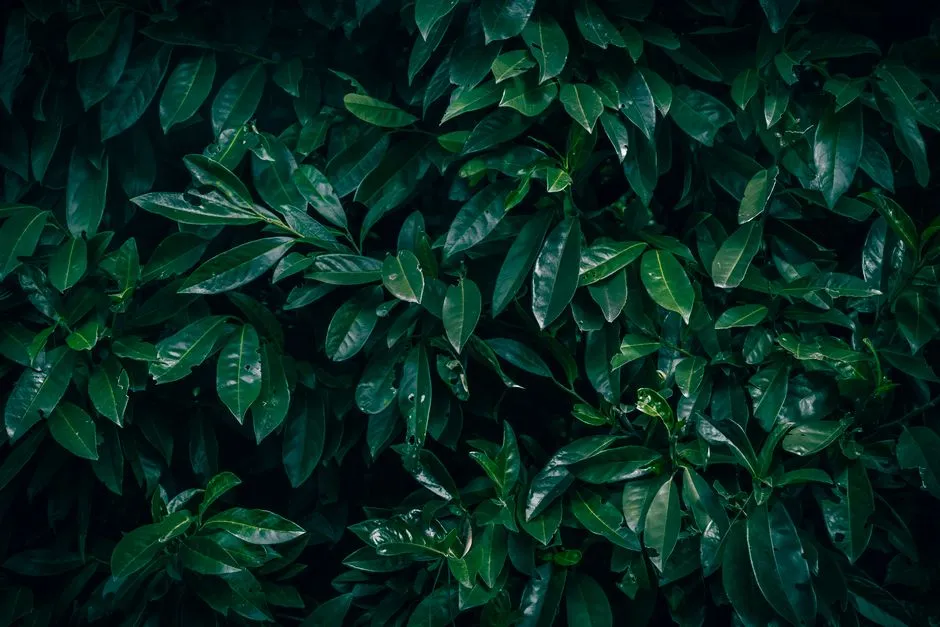
Skip Laurel grows about two feet per year, which is impressive for a broadleaf evergreen, and it brings a lot of benefits to the table: it is super dense, making it ideal as a privacy screen, and it can be planted in most locations with full sun to part shade and varying soil quality, including handling pollution without complaint. Skip laurel is particularly well-suited for part-shade to full-shade conditions, which makes it a strong choice for lots with mature trees or north-facing boundaries where many other screening plants struggle to perform.
Growth rate matters significantly when selecting a hedge plant, and fast-growing hedge varieties can establish effective privacy screens within two to three growing seasons, compared to five or more years for slower-growing options. Skip Laurel lands squarely in the faster camp without requiring the kind of intensive care that some other broadleaf evergreens demand.
Fast-growing shrubs offer a quick solution, while slow-growing bushes provide a long-lasting barrier that requires less pruning and other maintenance, and Skip Laurel strikes a useful balance between those two ends of the spectrum.
5. Limelight Hydrangea: Seasonal Screening With Serious Visual Impact
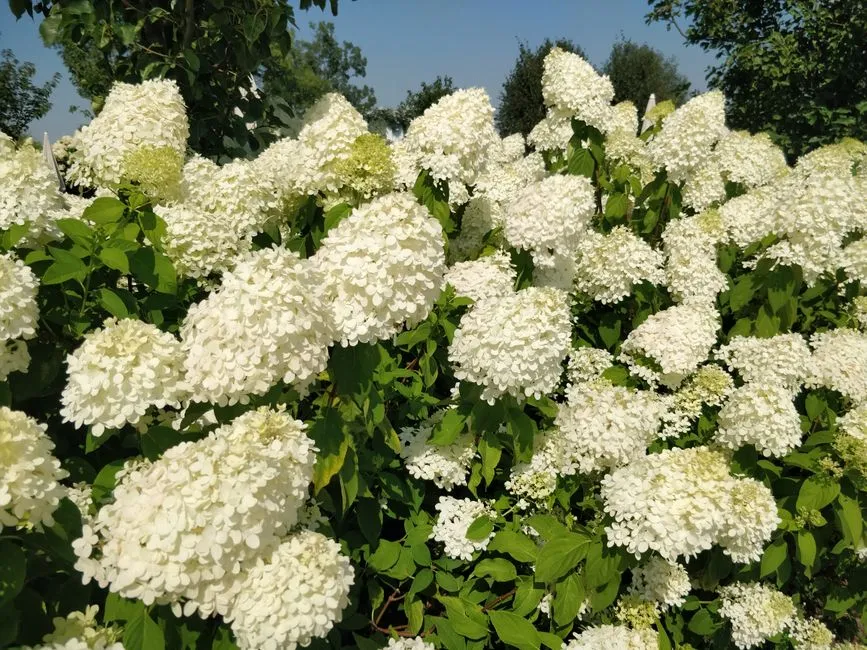
Hydrangeas are full, leafy, and flower-laden from summer into fall, bringing lush structure and vibrant color to mixed borders, and varieties like Limelight or Little Lime offer an upright form that makes them great midsize screening plants. Large varieties like panicle hydrangeas are among the most visually striking privacy screening plants available, and they are often layered with evergreen foliage to compensate for their sparser winter appearance.
Viburnums and hydrangeas are popular because they make attractive flowering screens that can reach ten feet in both height and width at maturity. Limelight Hydrangea in particular is reliable, extremely cold-hardy, and produces those iconic cream-colored flower heads that shift to a dusty rose tone by late fall.
A green wall provides structure, while a layered mix of plants adds texture and seasonal interest, and that is precisely where Limelight Hydrangea earns its place in a well-designed screening plan: it fills the ornamental gap that straight conifer rows often leave behind.
Why Layering These Plants Together Works Better Than a Single Row
Combining trees, shrubs, and even tall perennials can create a fuller, more attractive screen than any single species planted alone. Often, the best privacy solution is a combination of hardscape and “softscape,” which means environmentally friendly live plants working together rather than competing with each other.
Many homeowners find that combining fast-growing varieties with slower-growing, more permanent options provides both immediate and long-term privacy solutions that hold up through changing conditions and seasons. Planting a fast mover like Green Giant Arborvitae in the back, with a Skip Laurel or Viburnum in the mid-layer and a Limelight Hydrangea in front, is a classic and effective three-layer approach.
When to Plant and How to Get the Timing Right
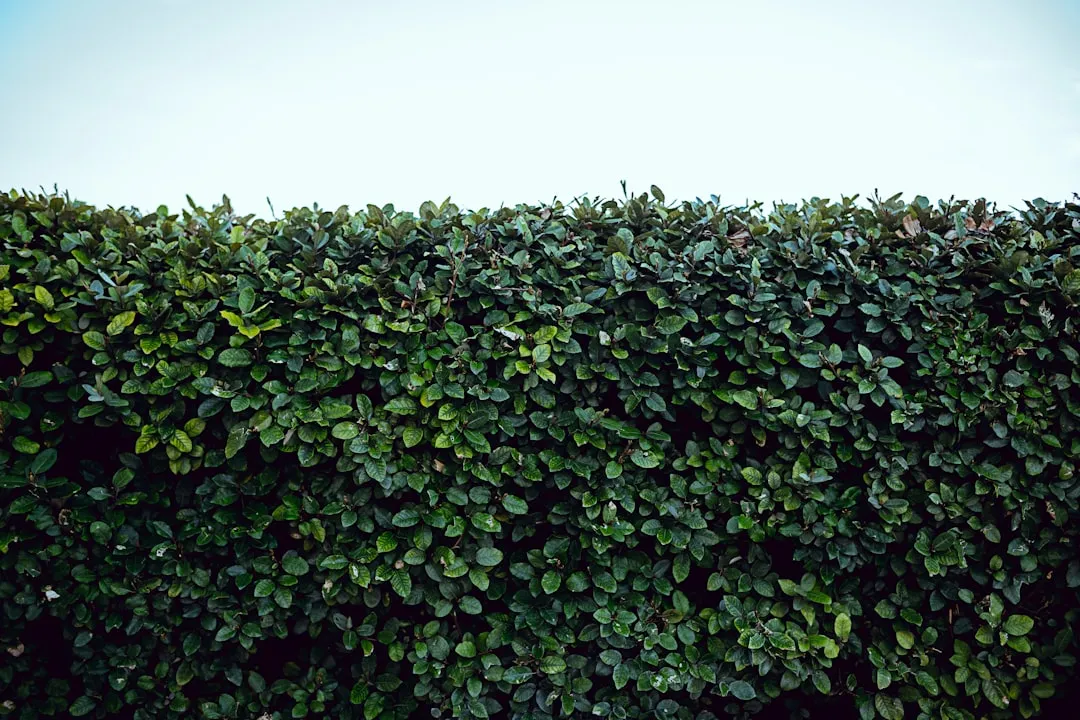
The best time to plant a privacy hedge is during the cooler months of spring or fall to avoid heat or cold stress; in spring, wait until all danger of frost has passed, and in fall, plant at least six weeks before the average first frost date to allow roots to establish before winter sets in.
Once your hedge has been in the ground for several years and has had a chance to send roots deep into the soil, it will need very little supplemental water, but it is important to provide ample moisture during the first one to two growing seasons after planting. A well-designed hedge can lower ambient noise levels by four to seven decibels, the equivalent of making the surrounding sound roughly one-third to one-half as loud.
Soil Prep: The Step Most People Skip
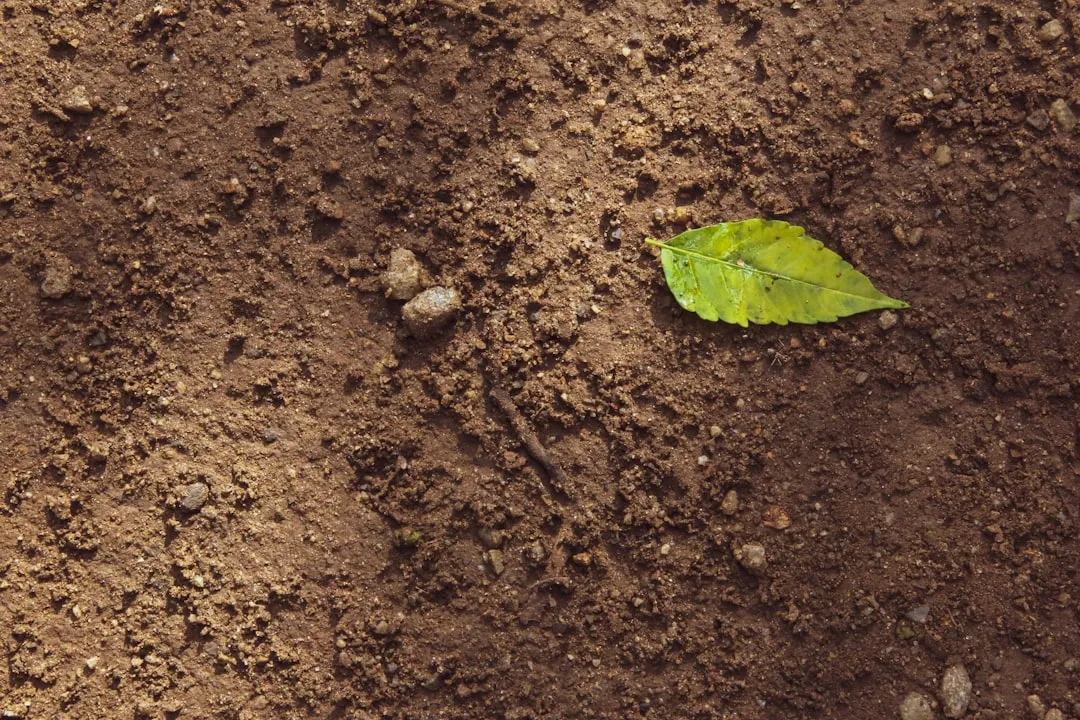
Most privacy hedge plants and evergreen shrubs like viburnum, boxwood, and arborvitae grow best in well-draining, slightly acidic soil with a pH between 6.0 and 7.0, and before planting, it helps to work organic matter like compost into the top 12 inches of soil to improve both drainage and fertility. Aim for a soil pH between 6.0 and 7.0 for optimal growth, testing and adjusting the soil as needed before you plant.
Dig planting holes twice as wide as the root ball but no deeper than the shrub’s container depth, rough up the sides of the hole to help roots penetrate the surrounding soil, and place new plants at the same depth they grew in their containers, since planting too deep can damage the trunk and slow establishment significantly.
Spacing: Getting It Right the First Time
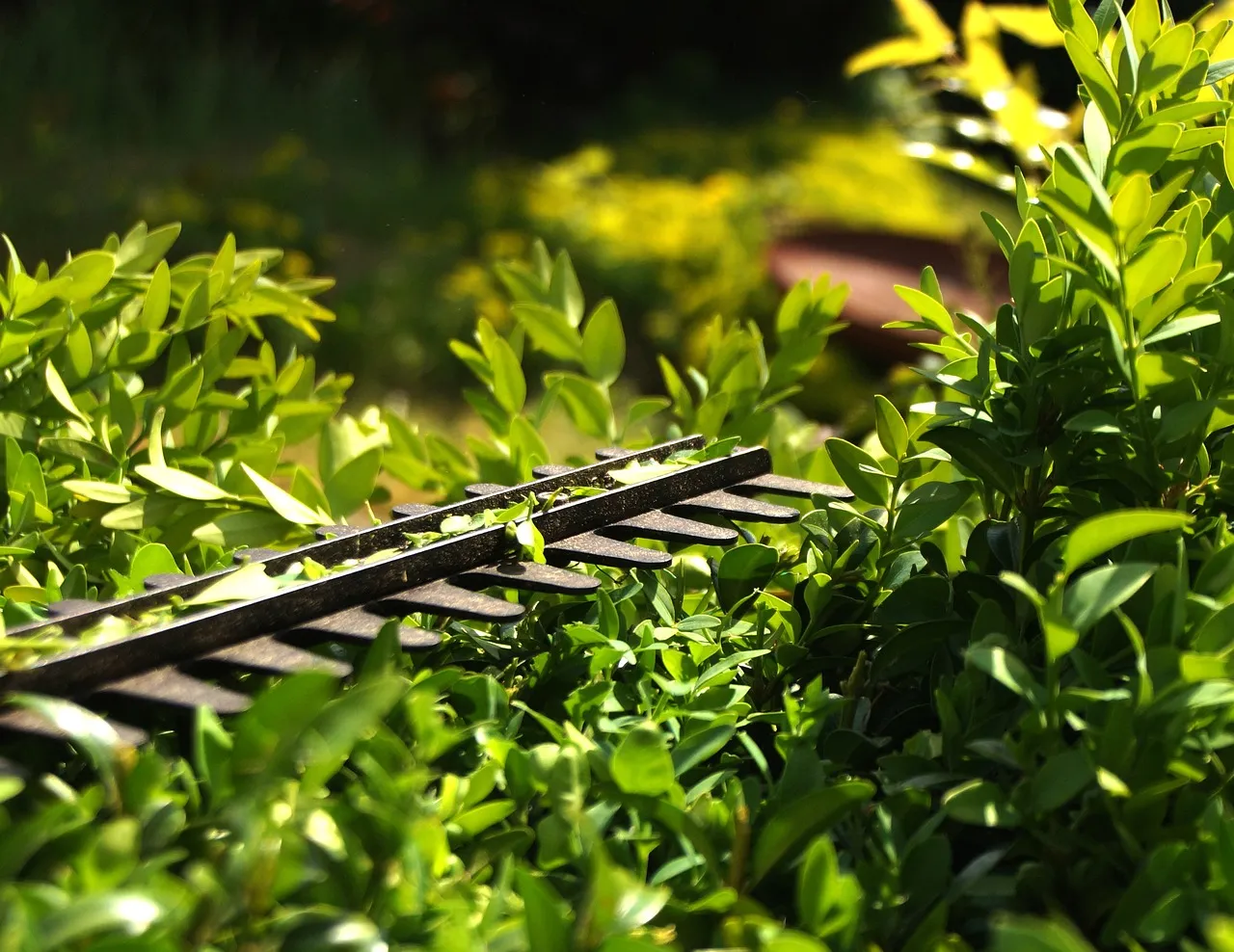
The mature size of your hedge determines the proper spacing, with plants in formal hedges under five feet needing to be spaced about two-thirds of their finished height apart, while taller privacy hedges work best with spacing at half the plant’s expected ten-year width. For the fastest privacy results, use a staggered landscape plan by planting two rows of privacy shrubs with the front row positioned between the gaps of the back row, which allows the individual plants room to grow while providing quicker overall coverage.
Getting spacing wrong is one of the most common and costly mistakes suburban gardeners make. Plant too close and the shrubs compete for light and air. Plant too far apart and the hedge takes years longer to close in than it needed to.
Maintenance: Pruning, Feeding, and Keeping It Looking Sharp
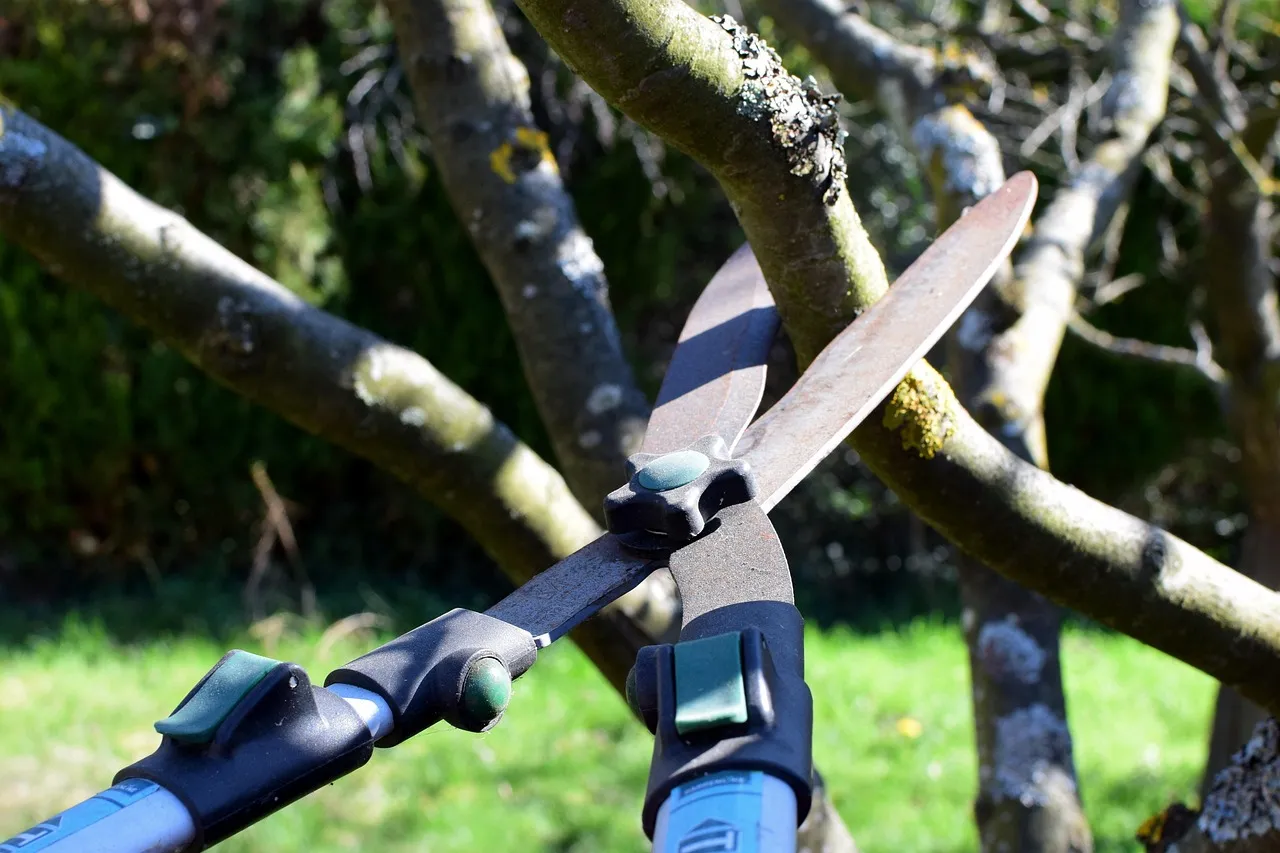
When to prune privacy plants depends on the variety: prune evergreen conifers in early spring when plants are putting on new growth, and for flowering shrubs, wait until plants are finished blooming, because pruning at the wrong time can result in a complete loss of flowers for that growing season. Use balanced, slow-release fertilizers with a 10-10-10 NPK ratio as growth starts in early spring, then add a light dose again in late summer to keep growth steady without pushing tender new shoots before cold weather arrives.
Be sure the base of any hedge is wider than the top, since this ensures there will be good foliage cover from ground level all the way up through the canopy. Green Giant Arborvitae in particular rarely needs pruning, maintaining a naturally dense pyramidal shape on its own, though light trimming in early spring or mid-summer can control height if needed.
The Real Value: What a Living Screen Actually Adds to Your Property
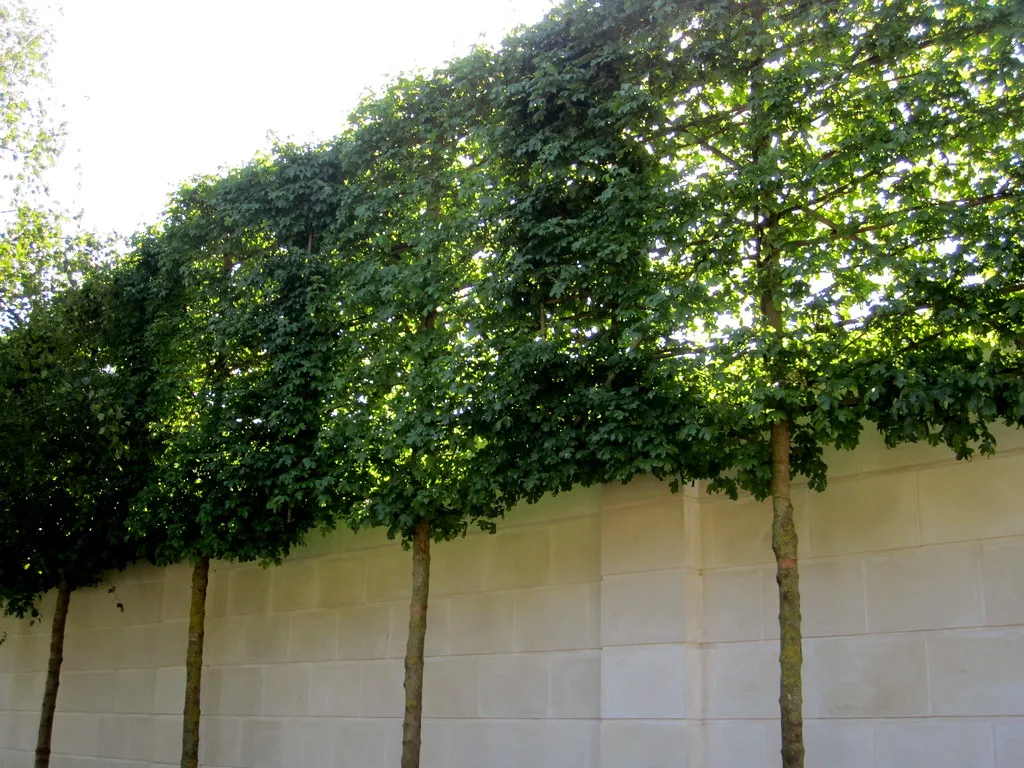
Well-designed outdoor privacy solutions can increase property values by roughly 15 to 20 percent while also reducing noise pollution by a meaningful margin. Whether you’re blocking a bad view, creating a peaceful outdoor room, or protecting your home from wind and noise, the right plants can transform your landscape and add real, measurable value to your property.
As lot sizes continue to shrink and houses are built closer together, privacy has become more important than ever, and privacy hedges provide a living barrier to screen out neighboring homes, block unsightly views, and provide a buffer from nearby streets, while also functioning as a windbreak, a lush backdrop, and even wildlife habitat.
A subtle yet meaningful benefit of natural privacy screens is the beauty that comes with the shifting seasons, from vibrant fall foliage to stunning spring blossoms, each season changing your backyard environment in ways a fence never could. A living screen isn’t just something you build once and forget. It grows with you, and that’s what makes it worth every bit of the effort up front.
AI Disclaimer: This article was created with the assistance of AI tools and reviewed by a human editor.