
The freezer is convenient, no question. But it’s also a crutch, and most home cooks don’t realize how much culinary territory they’re missing out on by treating it as the default. Long before electricity existed, people preserved food with extraordinary skill, using salt, acid, smoke, sugar, and time. Those methods didn’t just keep food edible. They transformed it into something richer.
Traditional techniques like pickling, fermenting, making bone broths, and preserved vinegars are making a strong comeback in modern kitchens. Methods once seen as old-fashioned are now valued for both their sustainability and their deep, complex flavors. That revival isn’t nostalgia for its own sake. It’s a recognition that these techniques genuinely work, and that they produce results a freezer simply can’t.
Why Traditional Preservation Still Matters
Food waste is one of the defining challenges of our era. According to the UNEP Food Waste Index Report 2024, the world wasted approximately 1.05 billion tonnes of food in 2022, roughly nineteen percent of all food available at the consumer level. Households alone accounted for about three fifths of that waste, much of it coming from perishable foods that were not consumed in time or were stored incorrectly.
On June 12, 2024, the United States released the National Strategy for Reducing Food Loss and Waste and Recycling Organics, laying out a path for the country to meet its national goal of reducing food loss and waste by half by 2030. Traditional preservation practices at the household level are a direct, practical contribution toward that goal.
To prevent or delay food spoilage and ensure food safety and quality, humans have developed various methods of food preservation over centuries. Food preservation is the process of treating and handling food to stop or slow down its decay, allowing for longer storage. It can also enhance the flavor, texture, appearance, and nutritional value of food.
Fermentation: The Living Science in Your Kitchen
For centuries, food fermentation has been used to preserve foods and improve their sensory quality, safety, and shelf life. The first evidence of fermentation dates back 8,000 years to cheese production, although recent evidence suggests fermented foods could have been consumed at the dawn of human evolution.
According to the International Scientific Association for Probiotics and Prebiotics, fermented foods are “food made through desired microbial growth and enzymatic conversions of food components.” The fermentation process is among the most effective ways for extending raw material shelf life, especially in areas with limited access to electricity.
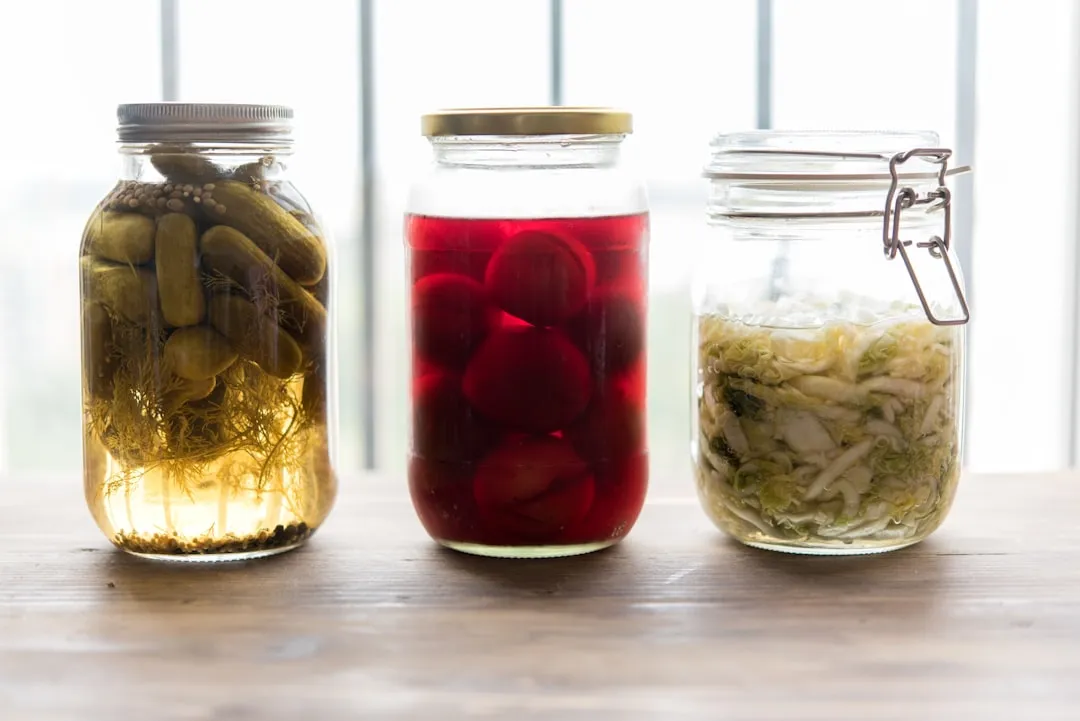
Fermented foods have been consumed for millennia, valued for their extended shelf life, distinctive sensory properties, and potential health benefits. Emerging research suggests that fermented food consumption may contribute to gut microbiome diversity, immune modulation, and metabolic regulation, though mechanistic insights and clinical validation remain limited. Kimchi, sauerkraut, yogurt, and kefir are all reasonable starting points for home cooks new to this process.
Pickling: Acid as a Preservation Tool
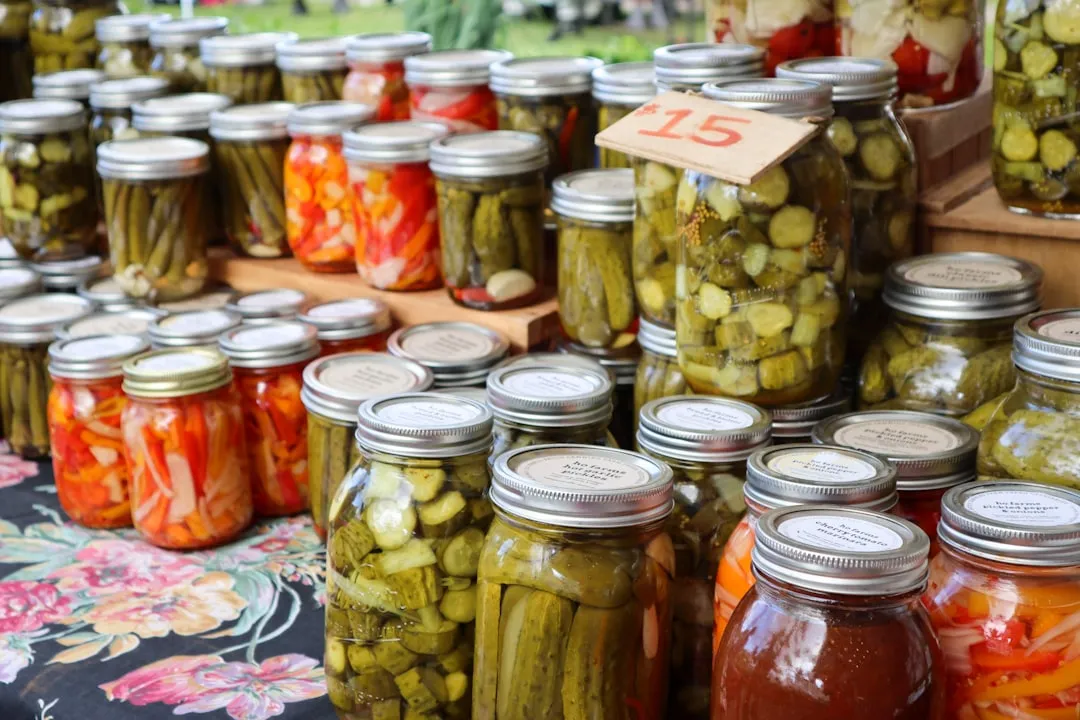
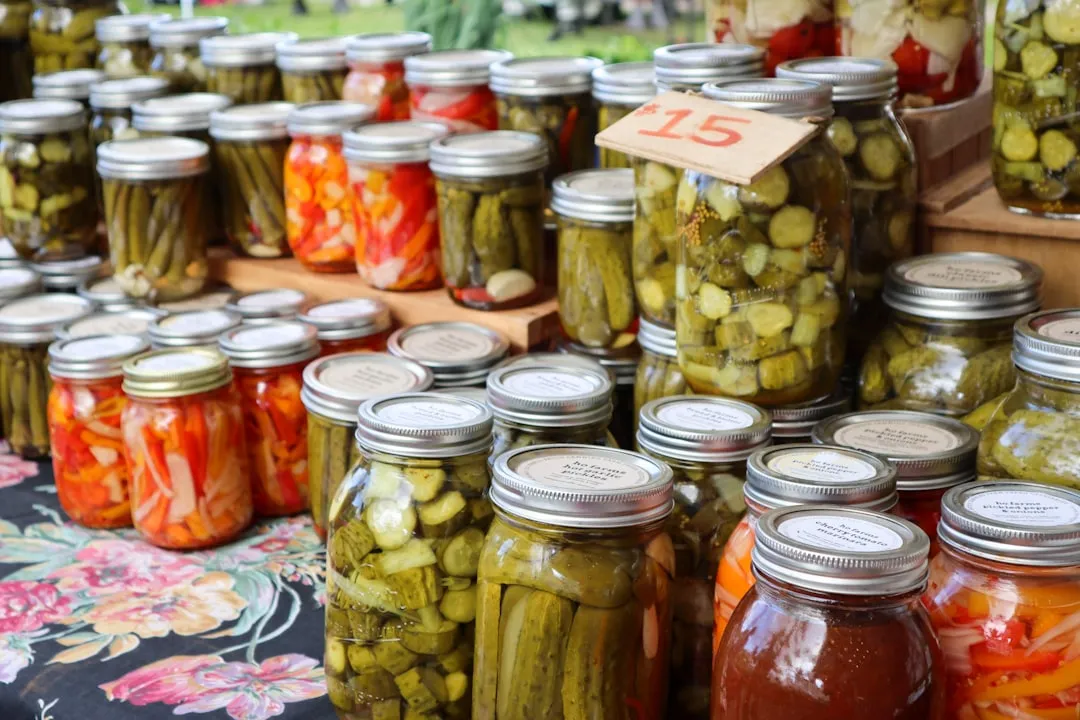
Pickling works by immersing food in an acidic solution like vinegar, which inhibits bacterial growth and alters flavor in appealing ways. Think of pickles, sauerkraut, and kimchi. The chemistry is straightforward: lowering the pH makes the environment inhospitable for the microorganisms that cause spoilage.
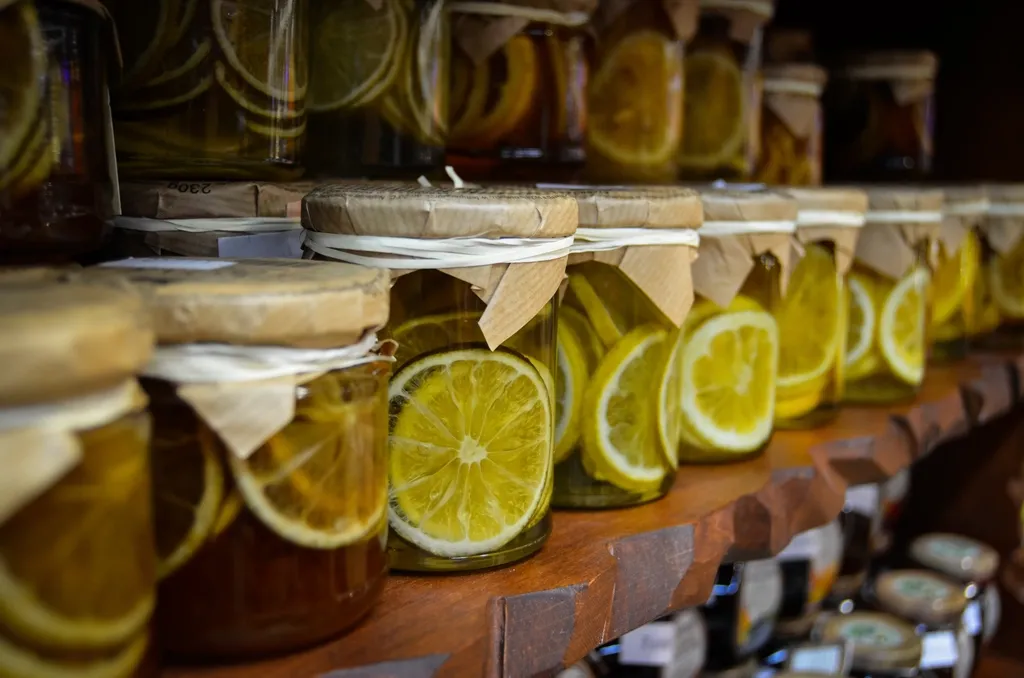
Foods with a pH below 4.5 are naturally more resistant to bacterial growth, which is why pickled and fermented foods last longer. This principle has been applied across virtually every food culture on earth, from Korean kimchi to British piccalilli to Middle Eastern preserved lemons.
Pickling in vinegar is done by creating a brine solution that usually includes salt, spices, and sometimes sugar. Herbs and spices such as mustard seed, garlic, cinnamon, or cloves are often added to either lacto-fermentation or the vinegar pickling process because, in addition to adding flavors, they are considered antimicrobial and help reduce bacteria.
Salt Curing: The Oldest Trick in the Book
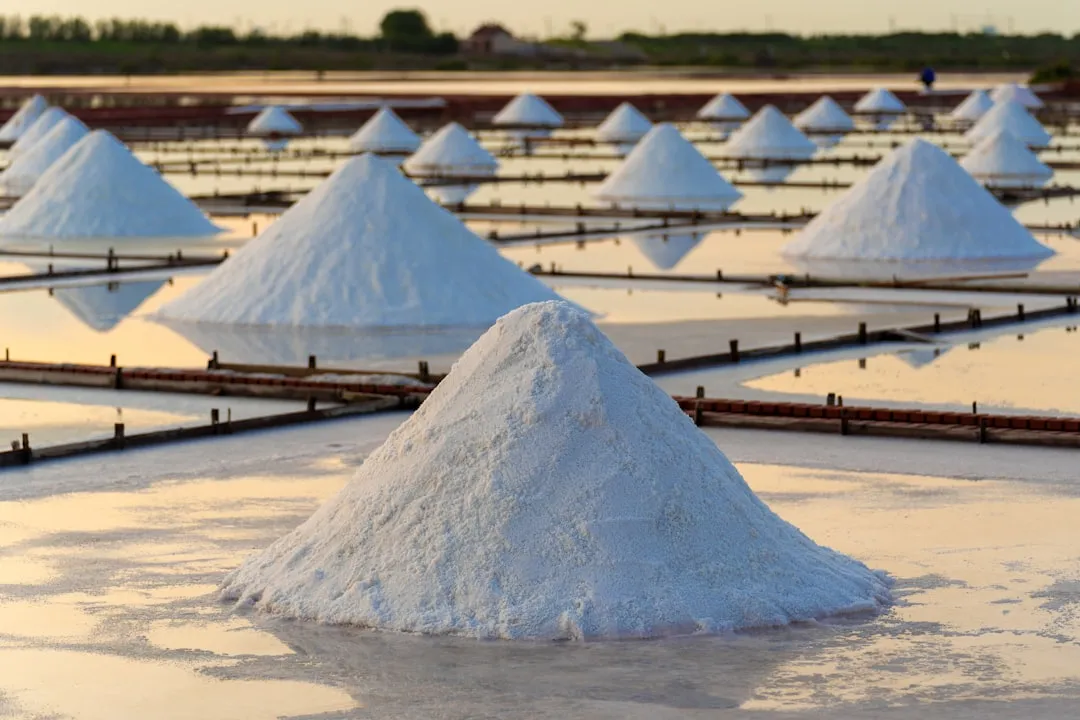
Curing is any of various food preservation and flavoring processes of foods such as meat, fish, and vegetables, accomplished by the addition of salt, with the aim of drawing moisture out of the food by the process of osmosis. Because curing increases the solute concentration in the food and decreases its water potential, the food becomes inhospitable for the microbial growth that causes spoilage. Curing can be traced back to antiquity, and was the primary method of preserving meat and fish until the late nineteenth century.
Curing is a meticulous process that utilizes salt and sometimes sugar, along with various seasonings, to draw out moisture from meats, creating an inhospitable environment for harmful microorganisms while intensifying flavors. The result is not just preserved meat. It’s a fundamentally different, often more flavorful product.
Salted hams like Prosciutto de Parma use only sea salt and time, a year or more, to dry and cure the hams. That simplicity is the point. Salt and patience, applied correctly, can produce something extraordinary without any modern equipment at all.
Smoking: Flavor and Preservation in One Step
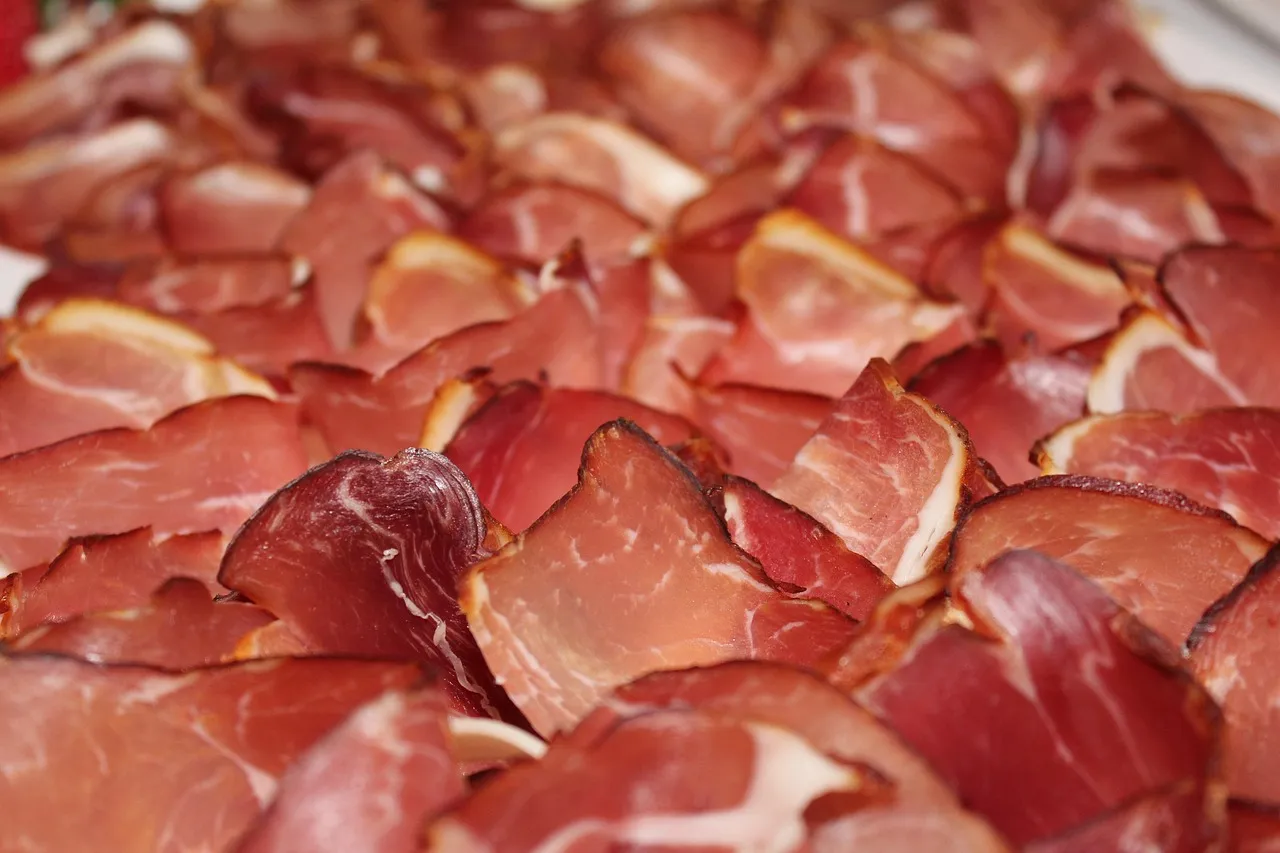
The smoking process allows cured meats, poultry, game, and seafood to be subjected to smoke in a controlled environment. The smoke is produced by smoldering hardwood chips, vines, herbs, fruit skins, or spices, and this smoke influences the flavor, aroma, texture, appearance, and shelf life of foods.
The phenols and carbonyls in wood smoke have mild antimicrobial and antifungal properties, and smoke also helps form a dry surface that discourages mold growth. There are two main approaches a home cook needs to understand.
The smoking process can be performed at temperatures that range generally from 65°F to 250°F. The food merely retains the flavor of the smoke at the lower ranges, referred to as cold smoking, while the food actually cooks at the higher end of the scale, known as hot smoking. Over centuries, this technique has given rise to an array of beloved foods like bacon, ham, and sausages, each bearing the signature of careful curing and smoking methods.
Drying and Dehydration: Removing What Bacteria Need
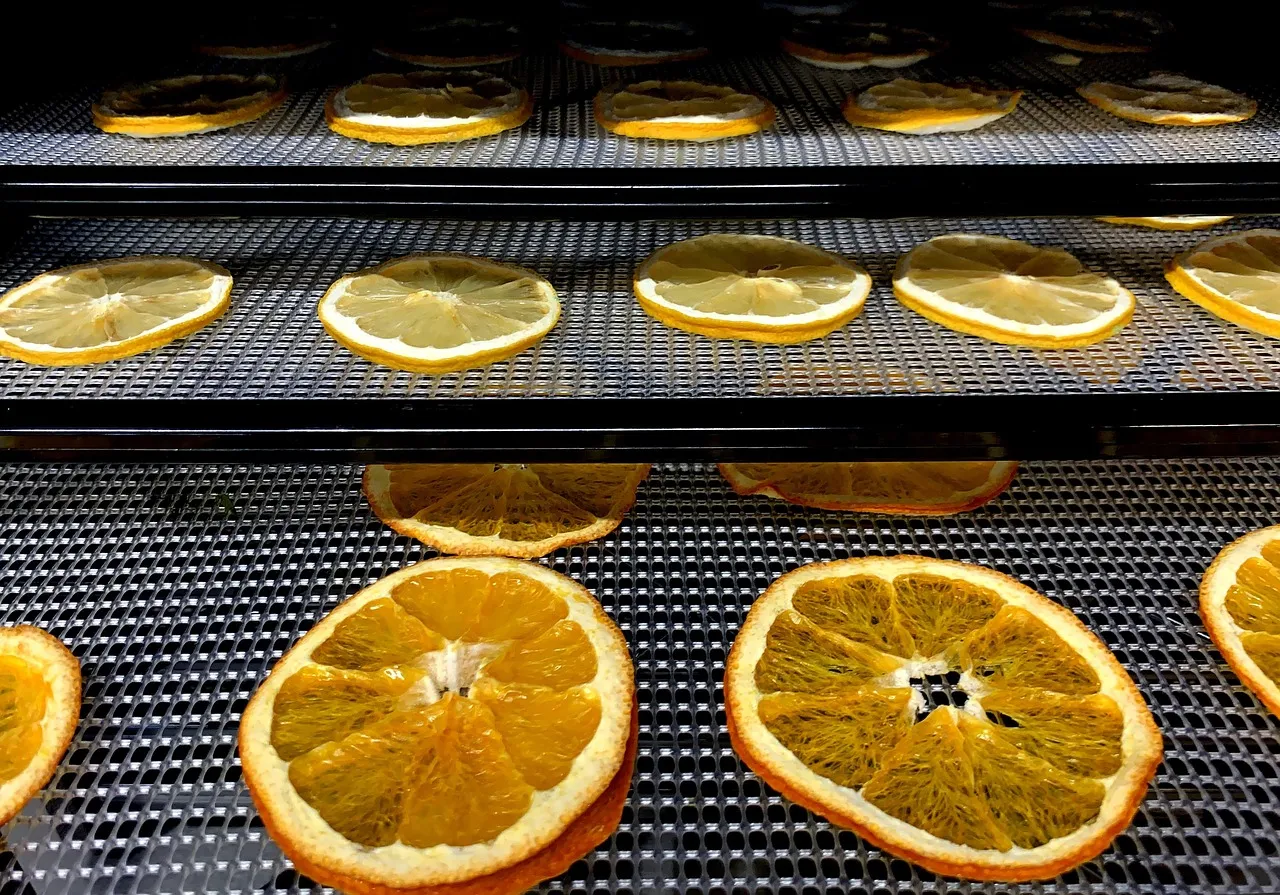
Drying is one of the oldest and simplest ways to make food shelf stable. By removing enough moisture, you take away what microbes need to grow. This applies to meat, fish, fruit, vegetables, and herbs alike, making it one of the most versatile methods available to a home cook.
Dehydrating is a method of food processing done by simply allowing foods to dry out through exposure to sun and wind. Fruits, vegetables, meats, and fish, including sun-dried tomatoes, beef jerky, and herbs and spices, are commonly preserved in this manner.
Non-perishable foods have very low water activity and low moisture content, which makes them inhospitable to most microorganisms. Home dehydrators have made this process more accessible than ever, but sun drying on racks in warm, low-humidity climates remains perfectly effective and costs nothing.
Lacto-Fermentation: Beyond Kombucha and Kimchi
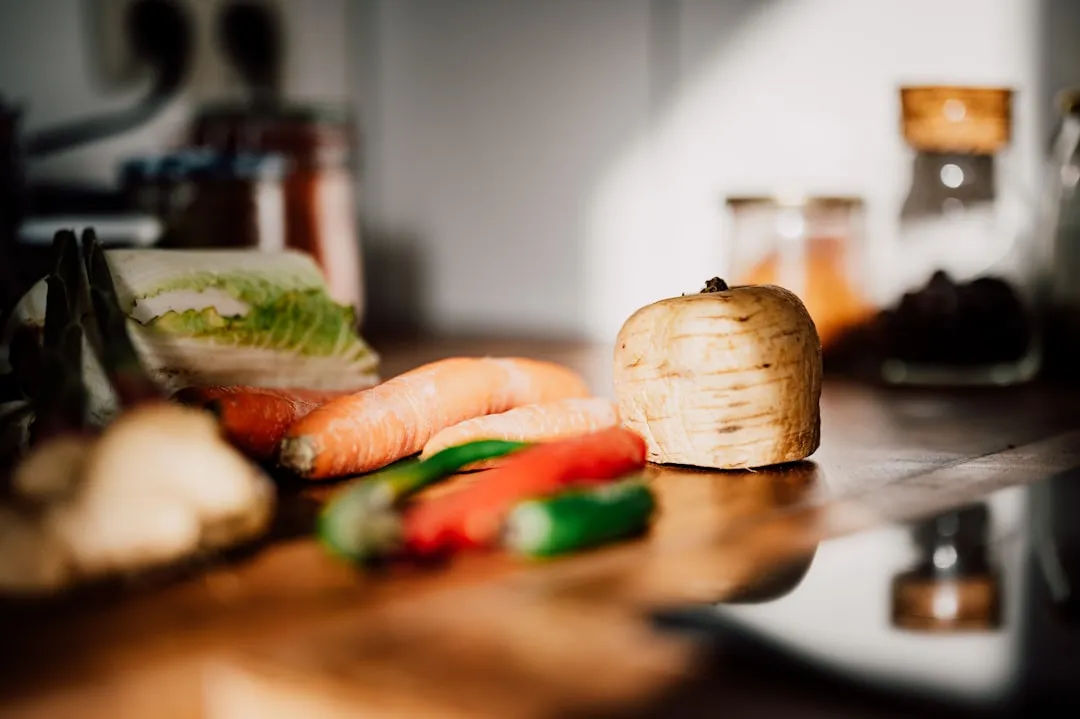
Lactic acid plays a multifaceted role in food preservation by significantly lowering the pH and inhibiting the growth of harmful microbes, thereby acting as a natural preservative. It also contributes to the tangy flavor characteristic of fermented foods and enhances their nutritional profile by increasing the bioavailability of nutrients.
Acid-producing microorganisms, such as lactic acid bacteria, produce organic acids including lactic, acetic, and fumaric acids that act as preservatives. An inhibitory pH for bacterial growth ranges from 3.6 to 4.1. In practical terms, this means a simple brine of salt and water, with no vinegar required, can preserve vegetables safely for weeks or months.
The lacto-fermentation process enhances the nutritive value of vegetables and creates new flavor sensations. Classic examples include traditional dill pickles, olives cured in salt, and preserved lemons used across North African and Middle Eastern cuisines. The barrier to entry is genuinely low.
Home Canning: A Structured, Science-Backed Method
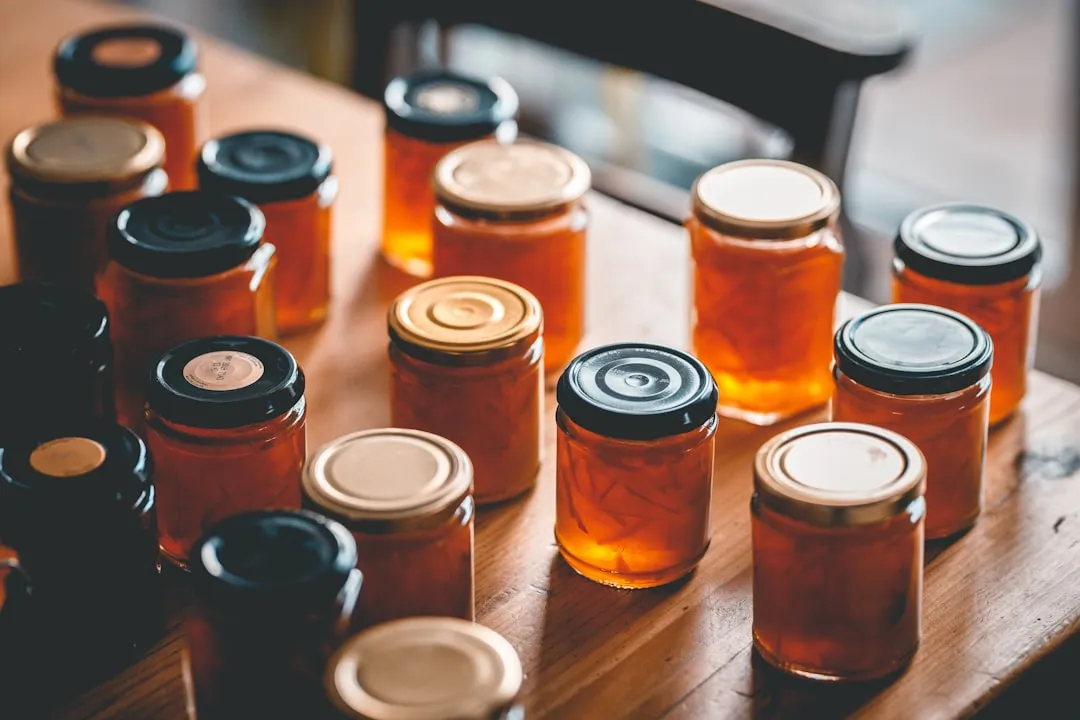
Canning works by heating food in sealed jars, which kills microorganisms and creates a vacuum seal, preventing recontamination and allowing for shelf-stable storage. It’s a process that requires more attention to procedure than fermentation, but the payoff is long shelf life without refrigeration.
The National Center for Home Food Preservation is a source for current research-based recommendations for most methods of home food preservation. Their guidelines distinguish clearly between water-bath canning, appropriate for high-acid foods like fruits and tomatoes, and pressure canning, required for low-acid foods like vegetables and meats. Using the wrong method for the wrong food is where safety risks arise.
Home canning is not just about saving food. It’s about connecting with the seasonality of produce, understanding the effort involved in food production, and valuing food more deeply. That perspective tends to shift how cooks think about seasonal abundance. A glut of summer tomatoes stops being a problem and starts being an opportunity.
Sugar Preservation: Jams, Jellies, and Candied Foods
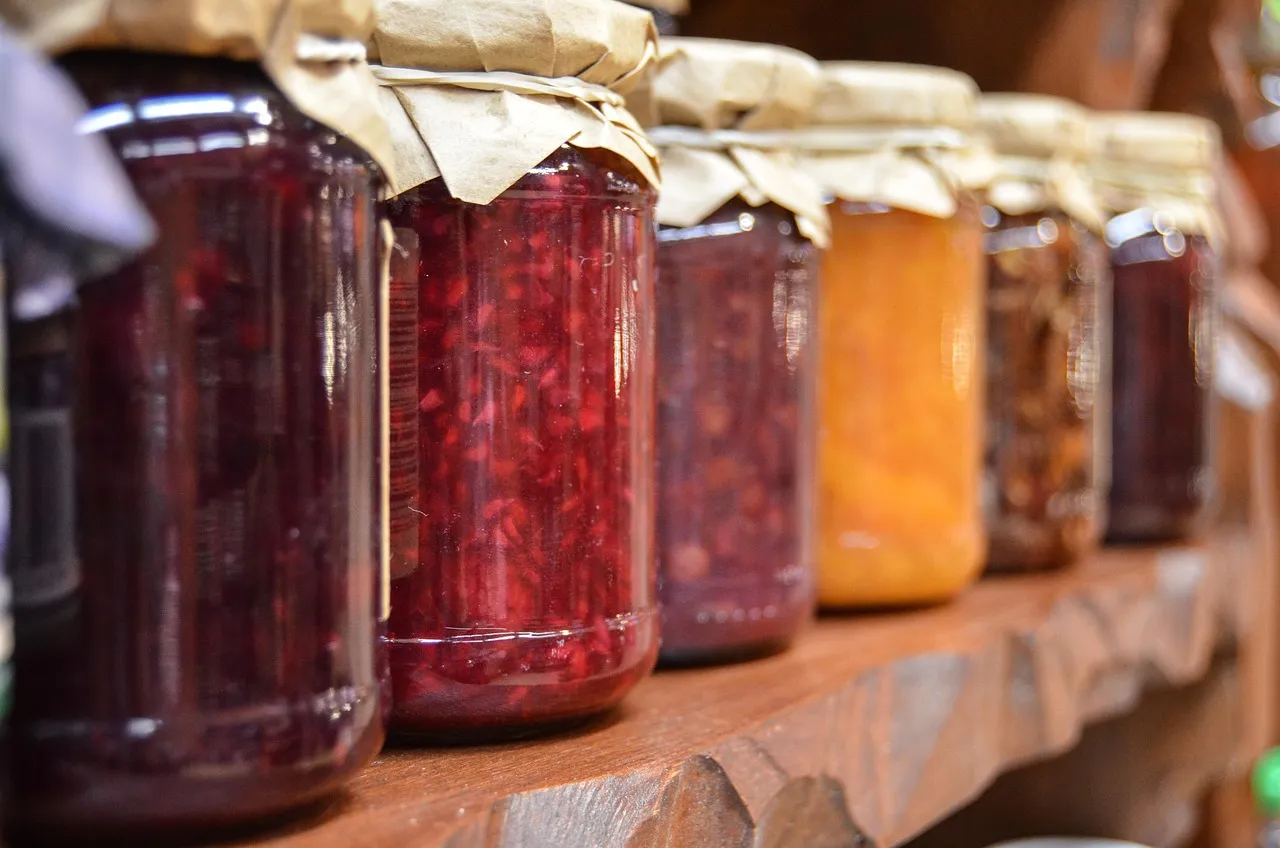
Making jams and jellies is a traditional method of preserving fruits. The fruits are cooked with sugar and sometimes pectin, then canned to store for months. These spreads are enjoyed on breads, pastries, and as dessert toppings. The preservation mechanism is essentially the same as salt curing: sugar draws moisture out and raises the solute concentration, making the environment hostile to microbial growth.
Candied fruits, fruit cheeses like quince paste, and thick fruit butters operate on the same principle. The sugar concentration in a properly made jam is high enough that most spoilage organisms simply cannot survive. Combined with the acidity of fruit, the shelf life can extend to a year or more when correctly sealed.
Honey, with a water activity of around 0.60, can last for years, illustrating just how effective high sugar or high solute concentrations are at preventing microbial activity. This is why preserved fruits in honey or thick syrups appear in traditional food cultures from ancient Egypt to medieval Europe.
Oil Preservation and Confit: Fat as a Barrier
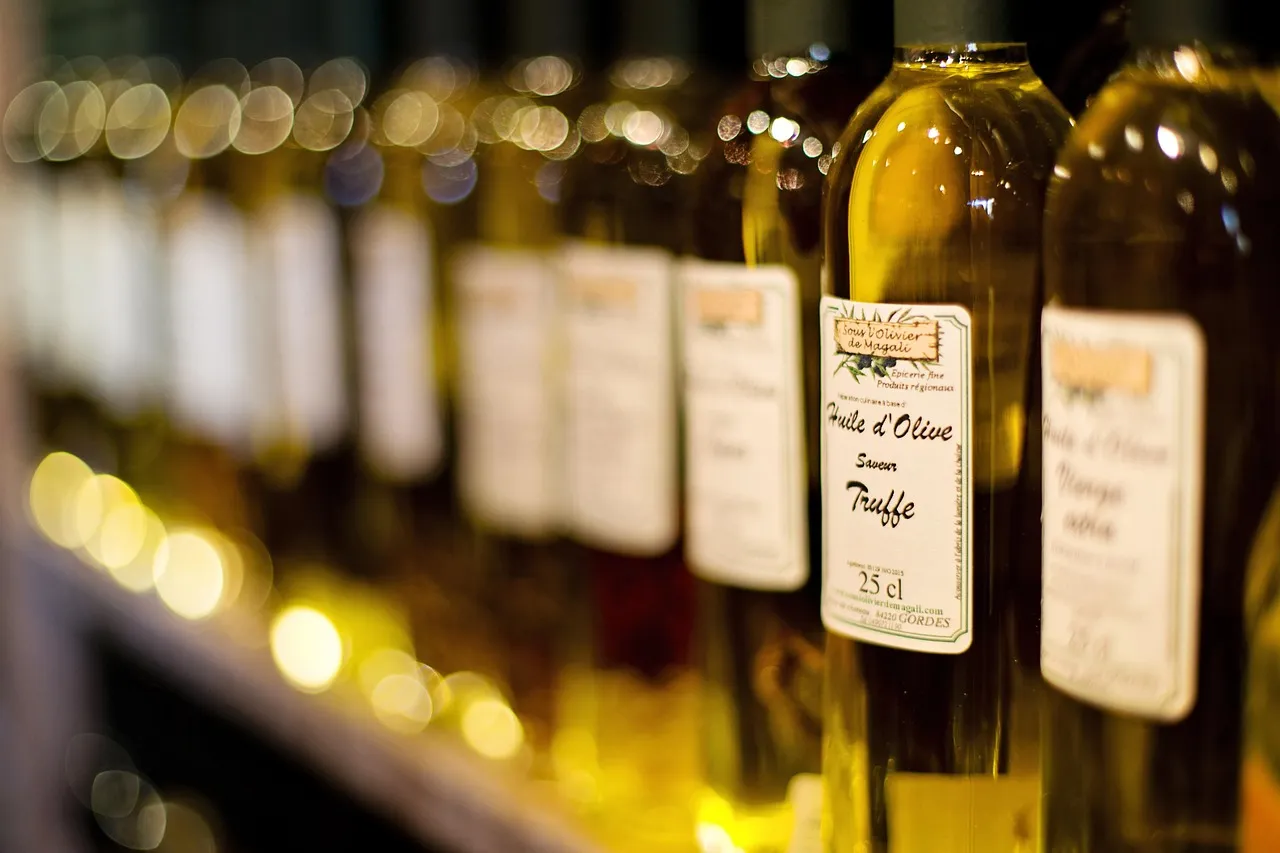
Submerging food in oil is one of the older European preservation methods, and it works on a simple principle: most spoilage bacteria cannot survive in the absence of water, and oil creates a physical barrier that excludes both moisture and oxygen. Herbs, cheeses, roasted garlic, and sun-dried vegetables have been stored this way for centuries.
Before refrigeration became commonplace, various techniques were used to extend the shelf life of foods dating back thousands of years. Salting, drying, pickling, and smoking preserved foods and transformed their taste, texture, and appearance. Today, these classic techniques are favored for their unique transformative effects in diverse preparations.
Confit, the French technique of cooking and storing meat or vegetables slowly submerged in fat, is a refined version of this principle. Duck confit, for example, was originally a long-term storage solution. Cooked duck legs packed into their own rendered fat and kept cool could remain edible for months. The method has since become a culinary classic, valued more now for what it does to texture and flavor than purely for preservation.
Conclusion: A Deeper Kitchen Literacy
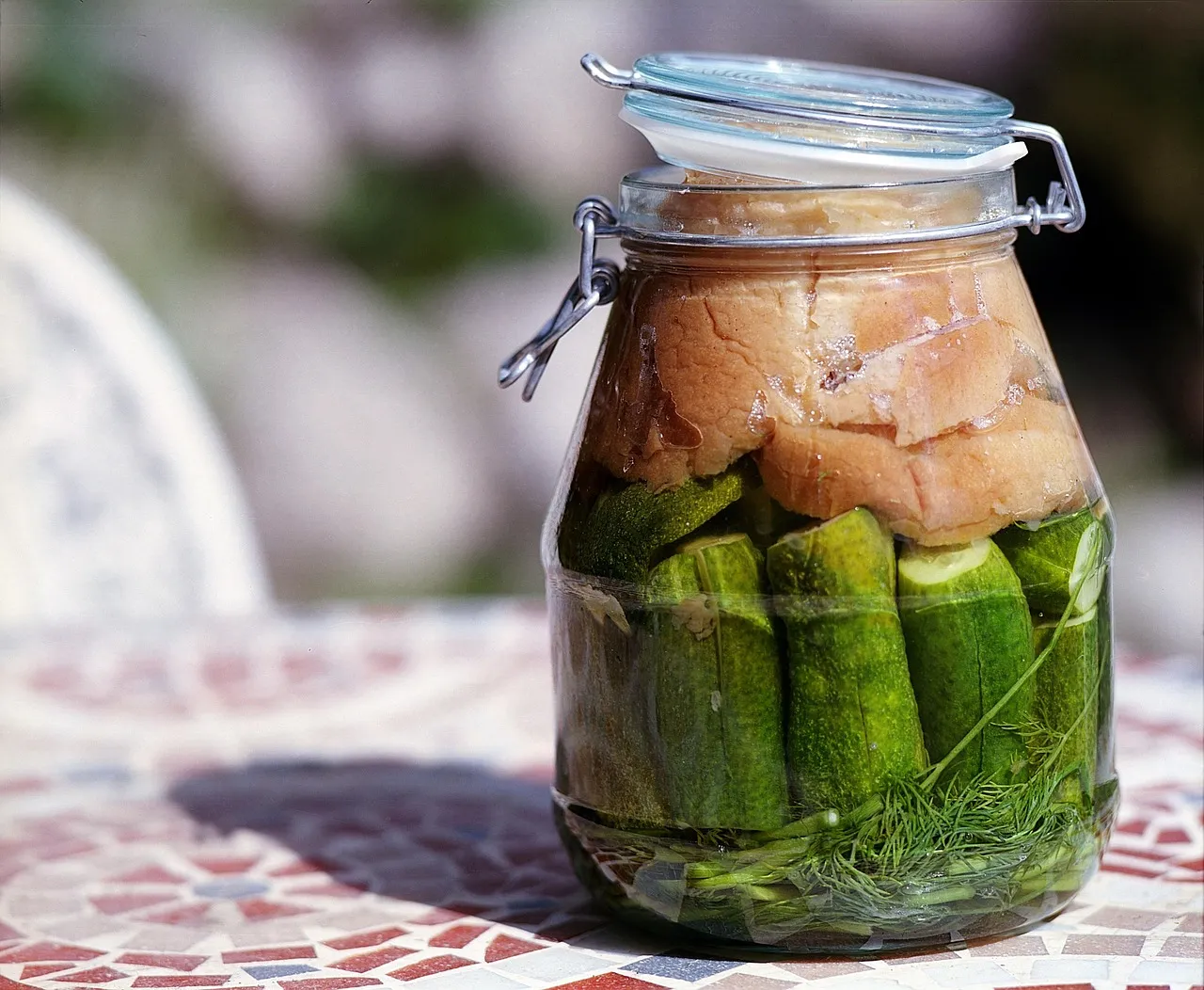
Learning traditional preservation methods isn’t about rejecting modern convenience. It’s about adding range. A home cook who understands fermentation, salt curing, drying, and pickling has a broader toolkit and a closer relationship with the food they make.
Learning to pickle vegetables or ferment foods can shift our relationship with food waste. Suddenly, vegetable scraps become potential ingredients for pickles, and slightly overripe fruits become jam, transforming apparent waste into resources.
These methods carry real history in them. They were refined over generations, in specific climates and cultures, and they still work. The knowledge is worth preserving, almost as much as the food itself.
AI Disclaimer: This article was created with the assistance of AI tools and reviewed by a human editor.