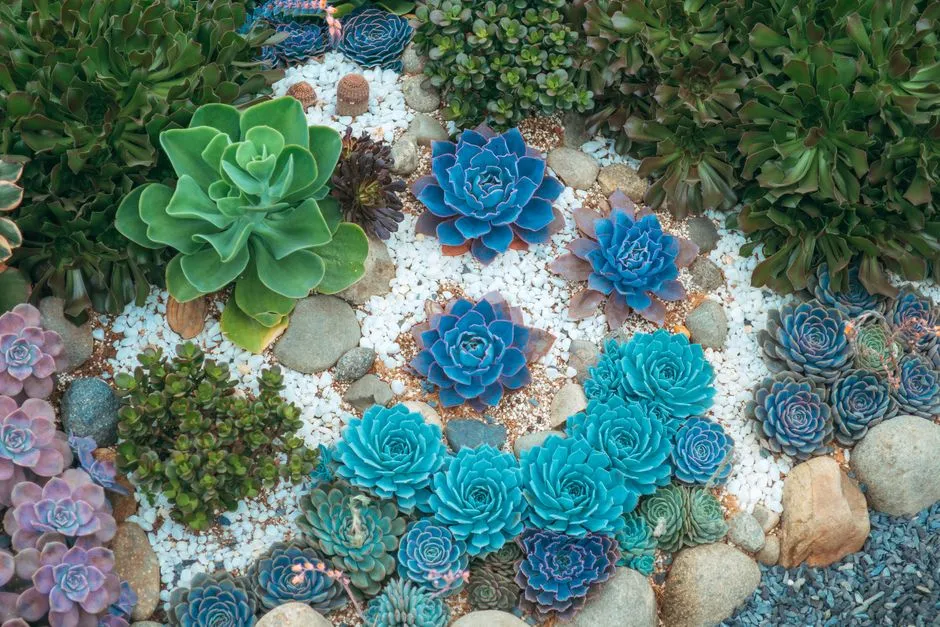

Anaheim gets a lot of sun. With an average of 280 sunny days per year and mild winters, Anaheim’s climate makes outdoor living a cornerstone of the Southern California lifestyle. That’s a gift for anyone who loves spending time in the backyard, but it also comes with a real challenge: keeping a garden looking good without drowning it in water or spending every weekend on your knees.
Roughly half of all residential water use goes to outdoor irrigation, and much of that water is wasted on thirsty green lawns, which came into fashion in England and are simply unsuited to California’s climate and resources. The smarter move is to work with Anaheim’s environment rather than against it. These five plants do exactly that.
Why Low-Maintenance Plants Make Sense in Anaheim Right Now
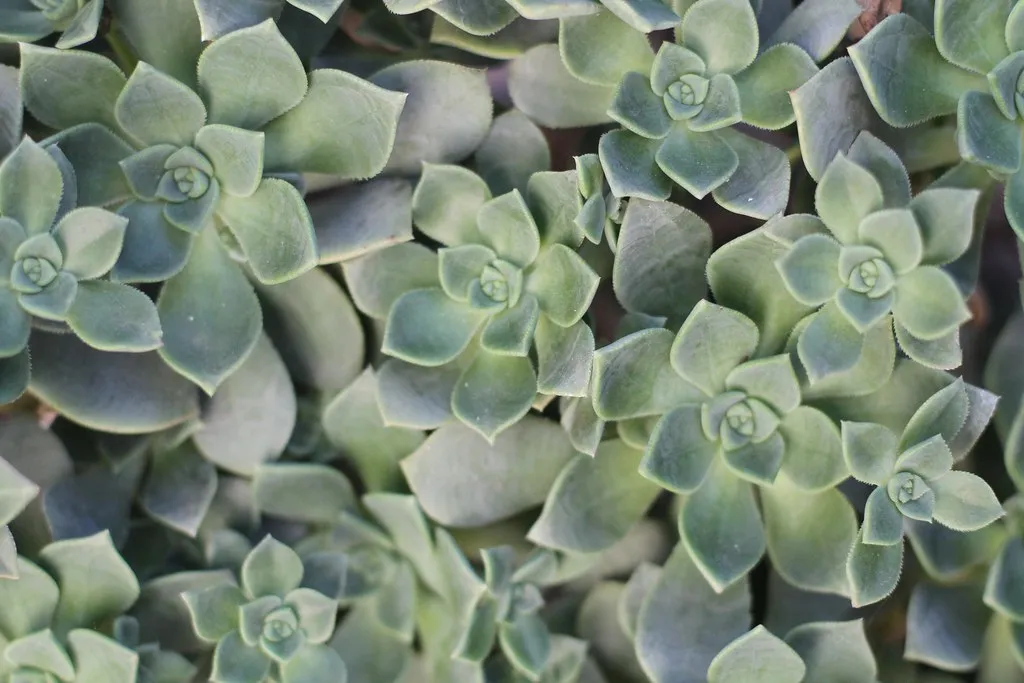
Anaheim’s sunny, arid climate and occasional water restrictions call for low-maintenance, water-wise gardens. This isn’t just about saving money, though that’s real too. Drought-tolerant yards cut water use by up to 60 percent, per the California Water Board, and appeal to eco-conscious buyers.
With current climate conditions of increasing warmth and less moisture, more and more Californians are becoming interested in replacing high-maintenance lawns that require a lot of water and fertilizers, with water-conserving plants. The five plants below are among the most reliable choices for this region, backed by horticultural evidence and a strong track record in Southern California yards.
Plant 1: Lavender (Lavandula)
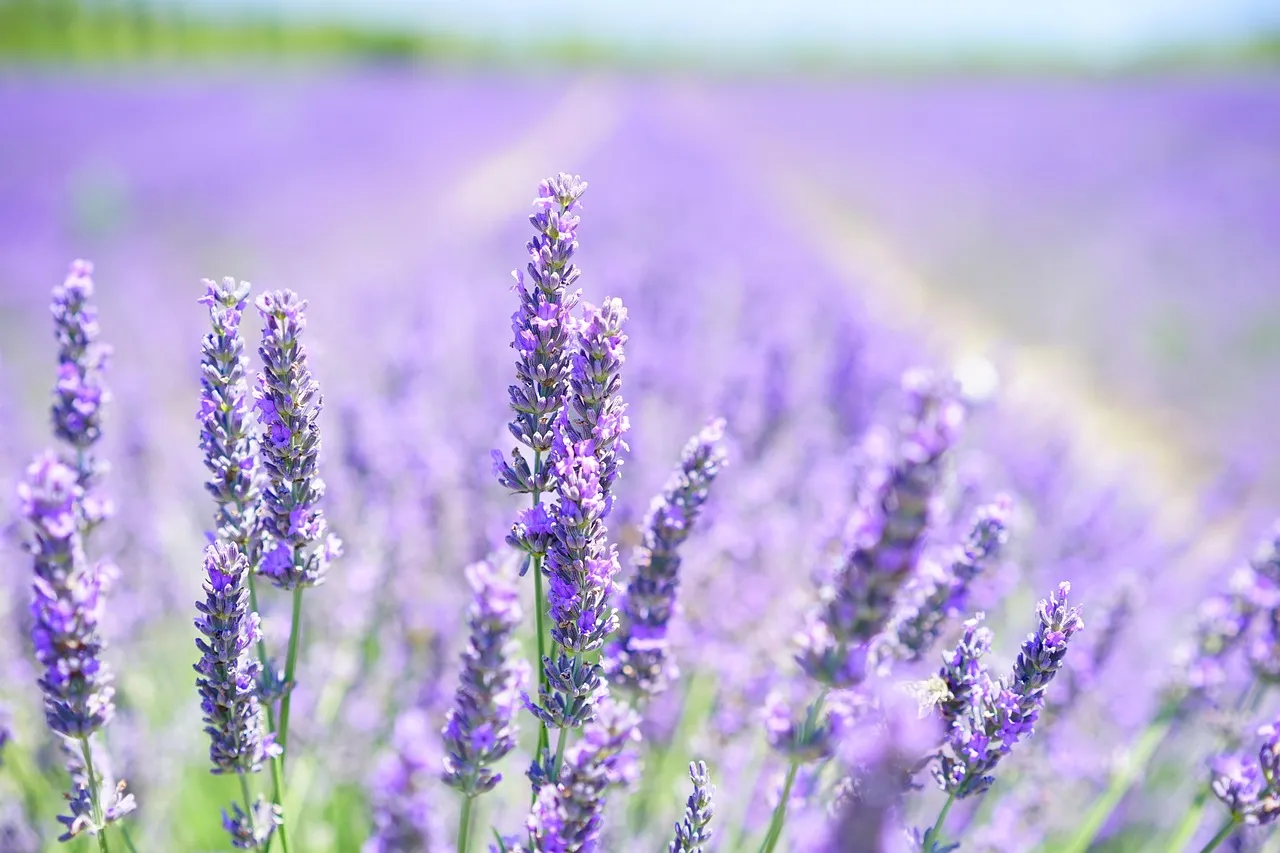
Lavender has long been admired for its soft purple blooms and calming fragrance, but in California yards it offers far more than simple curb appeal. This Mediterranean native fits naturally into the state’s climate, thriving in sunny spots where many other plants struggle. Long, warm days and low rainfall are exactly what lavender needs to thrive. Most plants struggle when water is scarce, but lavender actually prefers it that way.
Native to the Mediterranean region and drought-tolerant, the lavender genus includes 47 species and more than 450 varieties. That variety gives Anaheim homeowners real flexibility in terms of size, bloom color, and garden placement. The plants attract helpful pollinators like bees and butterflies, and beyond the visual charm, lavender can serve practical purposes in the yard. Its compact shape works well as a low hedge, border, or accent plant, helping define paths and garden beds while still looking relaxed and natural.
Lavender’s fragrance is not just pleasant for people. It also works as a natural deterrent against mosquitoes, flies, and moths. That’s a useful bonus for anyone who actually wants to sit outside and enjoy the space.
Plant 2: Cleveland Sage (Salvia clevelandii)
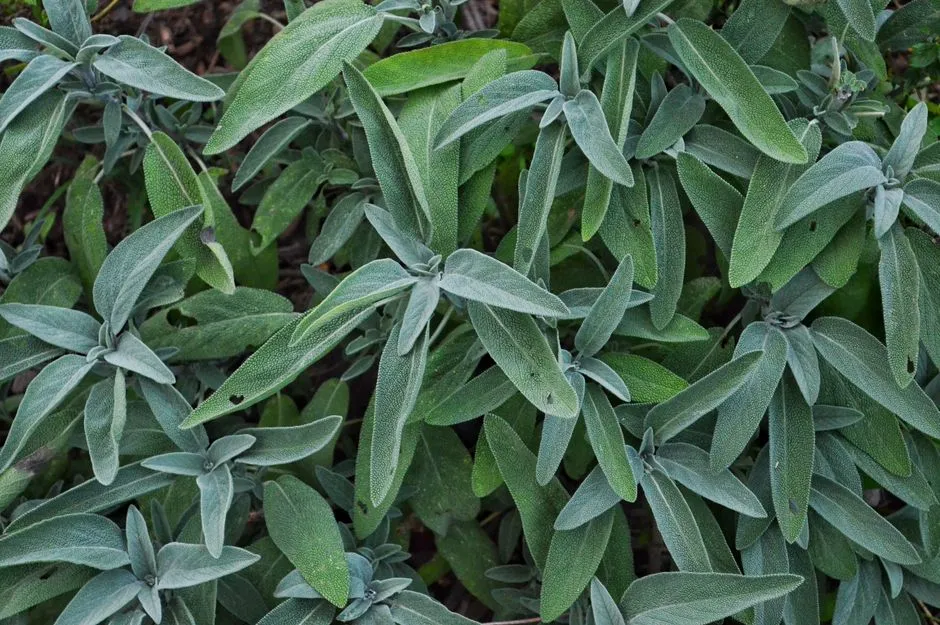
Cleveland Sage is indigenous to the chaparral and coastal scrub ecosystems of Southern California and Baja California. These environments are characterized by dry, rocky soils, hot summers, and mild, wet winters, a Mediterranean climate that has shaped the plant’s drought tolerance and adaptive growth strategies. In other words, it was essentially built for a backyard in Anaheim.
Cleveland Sage is a woody shrub that typically grows three to five feet tall and wide. Its aromatic, silver-gray leaves release a sweet, camphor-like scent when brushed, adding sensory appeal to gardens. Blooming primarily from late spring to early summer, Cleveland Sage produces spiked clusters of tubular violet-blue flowers that attract hummingbirds, butterflies, and bees.
The small gray-green leaves are very fragrant, as are the whorls of purple flowers. One shrub can perfume the whole garden on a warm, summer afternoon. Drought tolerant, Cleveland Sage provides a strong year-round presence in the dry garden. Low water, low maintenance, and genuinely striking. It checks every box.
Plant 3: Manzanita (Arctostaphylos)
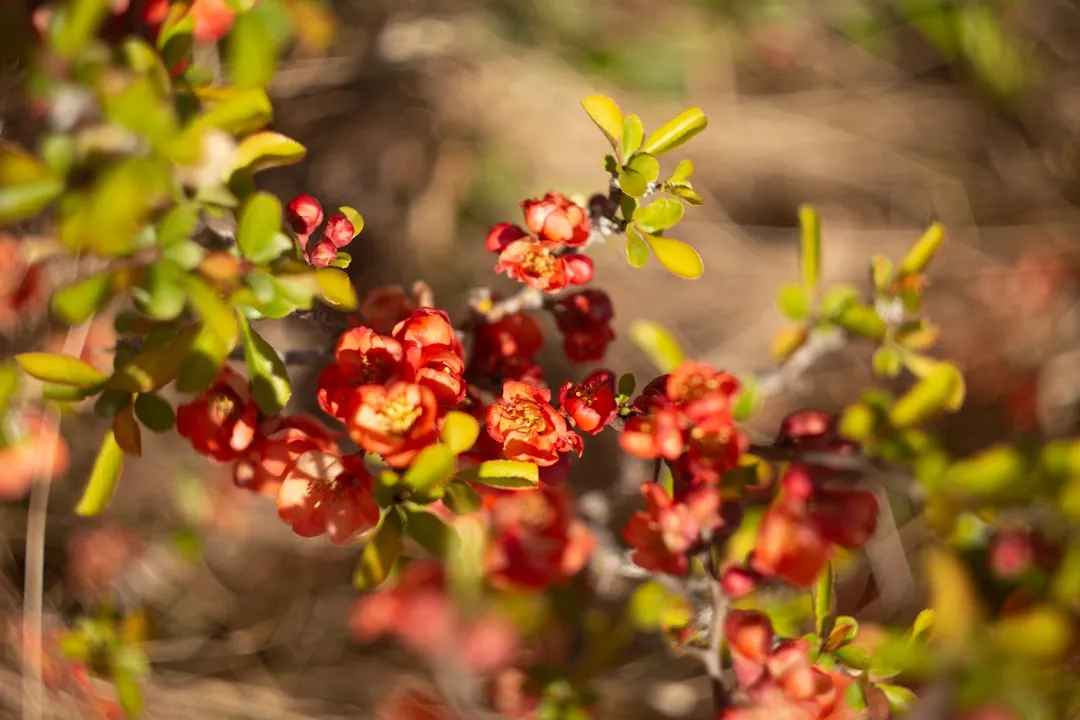
Few plants in California’s native landscape match manzanita for year-round presence, with smooth reddish-brown bark, small urn-shaped winter flowers, and sculptural branching that catches the eye in every season. It’s the kind of plant that makes a yard look intentionally designed, not just planted. Species range from six-inch ground covers to fifteen-foot shrubs, all needing sharp drainage and highly fire-resistant. Early-winter blooms are critical for queen bumblebees and hummingbirds.
Manzanita offers sculptural branches, urn blooms, and is an evergreen star for dry slopes. As an evergreen shrub with beautiful red bark, manzanita is extremely drought-tolerant once established, with multiple varieties ranging from ground cover to six or more feet tall. That range of options makes it useful in many different backyard layouts, from low borders to statement focal points.
Manzanita provides year-round color, wildlife value, and exceptional drought tolerance. Planted in a sunny, well-drained spot with decomposed granite or rocky soil mixed in, it tends to thrive with almost no intervention after the first establishment period.
Plant 4: Rosemary (Salvia rosmarinus)
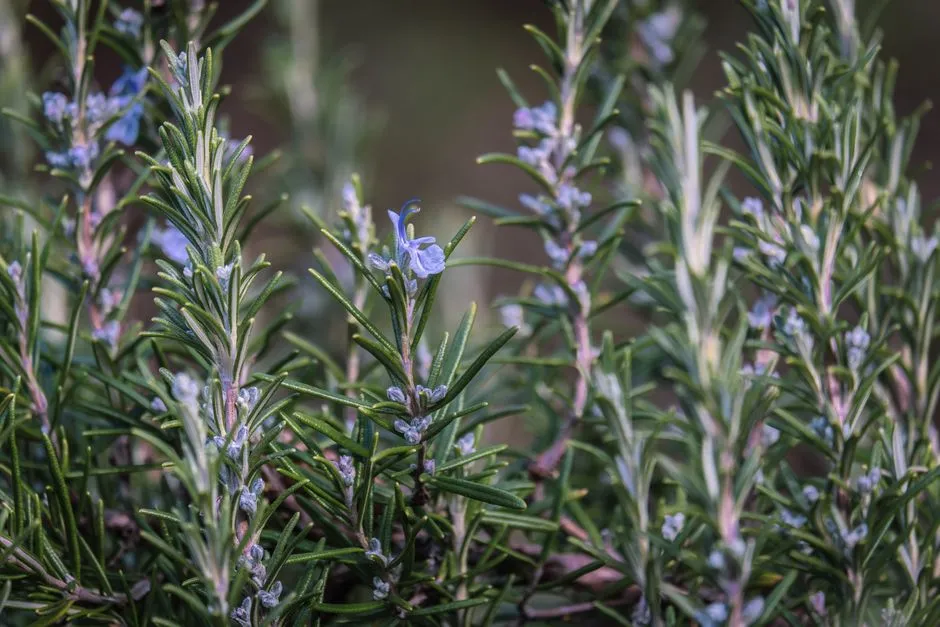
Rosemary is a fragrant herb that adds texture to your garden and can be used in cooking. In Anaheim’s hot, dry summers, it performs remarkably well. Rosemary is evergreen, drought-proof, and works as ground cover, hedge, or standalone shrub. Few plants in the Mediterranean family offer that range of practical function alongside such a strong visual presence.
Rosemary often starts blooming at the end of summer, providing a source of pollen and nectar when most other plants are winding down for winter. That makes it especially valuable in a backyard designed to support pollinators across the full calendar year. Rosemary is described by garden experts as an evergreen, edible hedge option with blue blooms that thrives on little water.
Starting with rosemary as a companion plant makes good sense because it grows similarly to lavender, with both plants boasting signature fragrant evergreen leaves, woody branches, and purple blossoms. Together, they form a cohesive, low-effort planting palette that looks at home in any Southern California backyard.
Plant 5: Agave
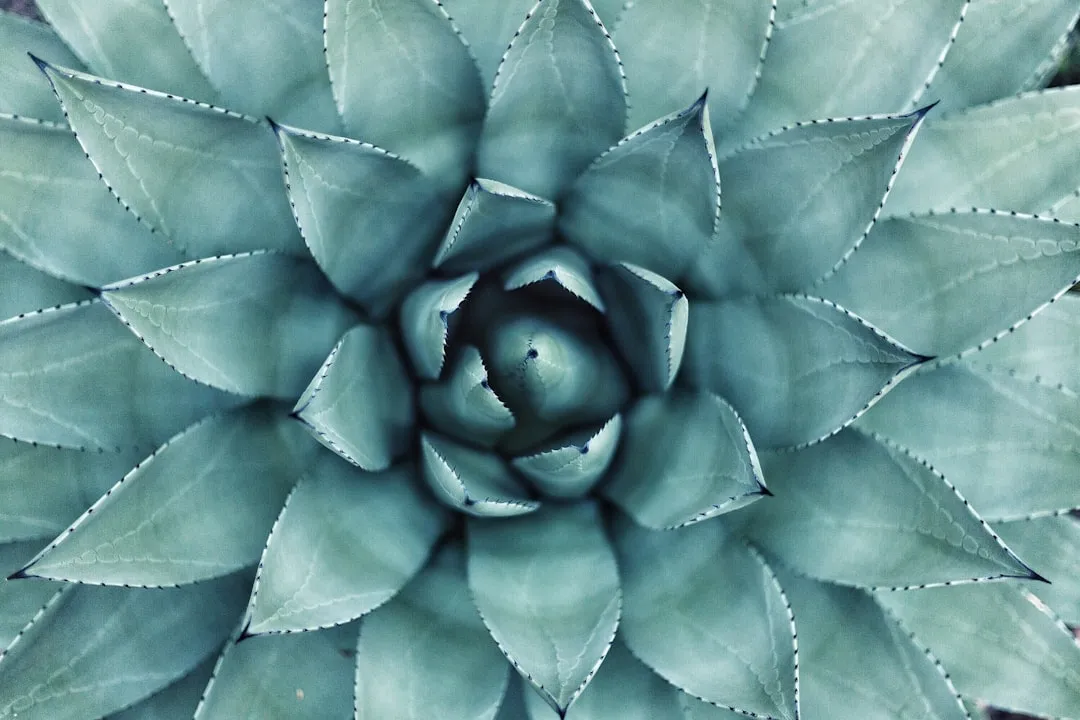
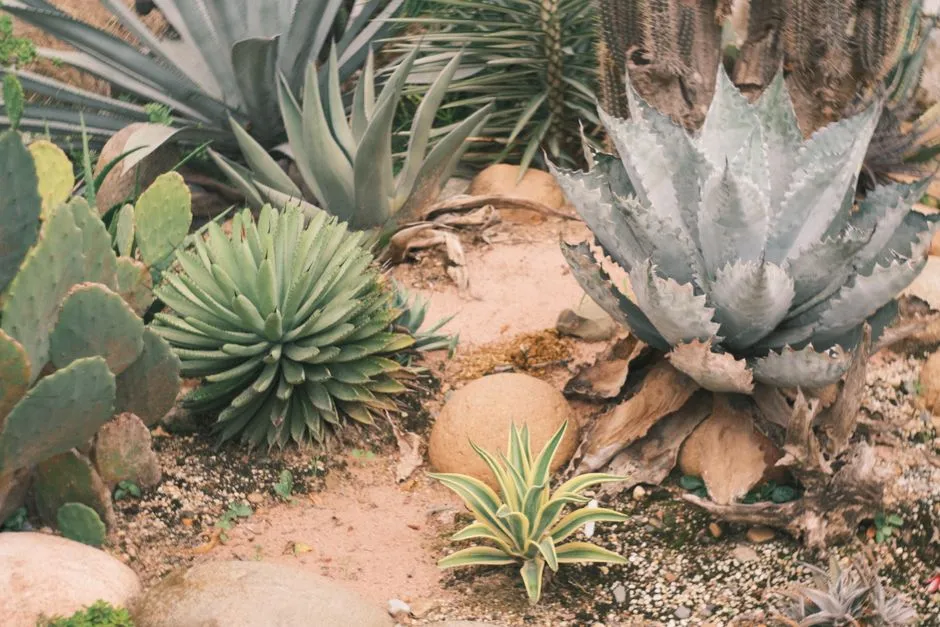
Agave plants are excellent for hot, dry sites with sharp drainage, though overwatering kills them faster than drought. That’s a useful thing to know upfront. Get the drainage right and an agave will essentially take care of itself. Blue Agave (Agave americana) and Foxtail Agave (Agave attenuata) are among the most popular choices in Southern California drought-tolerant gardens.
In hot climates, agave is a top contender among drought-tolerant plants, thriving in full sun and high temperatures. The sculptural rosette shape gives backyards a bold, architectural quality without requiring a single hour of pruning or watering on a dry summer week. Mixing succulents like agave with drought-tolerant perennials and grasses creates four-season interest, which makes the overall yard feel layered and alive rather than sparse.
Agave’s sheer visual drama is hard to overstate. A well-placed specimen in a gravel garden or alongside decomposed granite can anchor an entire planting design with almost no ongoing attention needed beyond its first year of establishment.
How Anaheim’s Climate Shapes Your Plant Choices
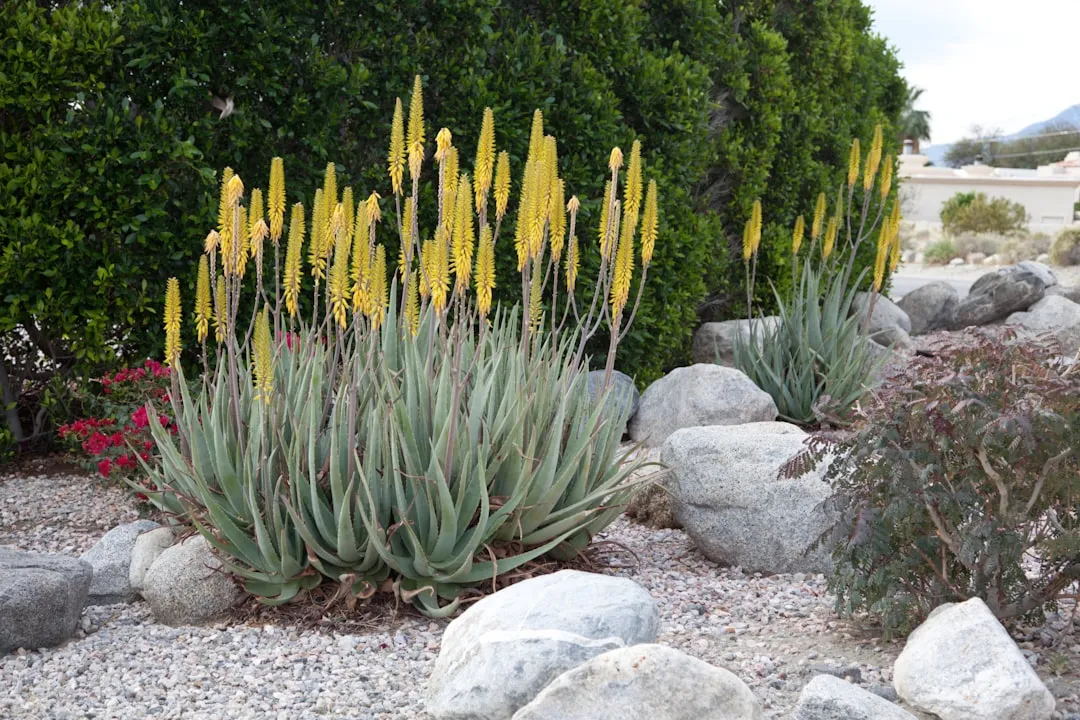
The city’s warm, dry climate, averaging highs of 75 degrees Fahrenheit in spring and 85 degrees in summer, with cooler evenings around 48 degrees, encourages outdoor entertaining, relaxation, and family activities. Those temperature ranges also narrow the playing field for plants significantly. Plants that are adapted to long, dry summers and short, rainy winters are called “Mediterranean-zone” plants. These include plants native to California, as well as those that originated in southern Europe, South America, and other Mediterranean climates. These plants don’t need much water in the summer and have thrived in water-scarce conditions for thousands of years.
All five plants on this list fall within that Mediterranean-zone category, which is precisely why they perform so reliably in Anaheim. California’s climate consists of, with luck, five months of rain followed by seven months of no rain, and seven months of no rain is simply normal. This is typical of what is known as the Mediterranean climate. Planning your garden around that reality is not pessimistic, it’s just practical.
The Role of Pollinators and Why It Matters
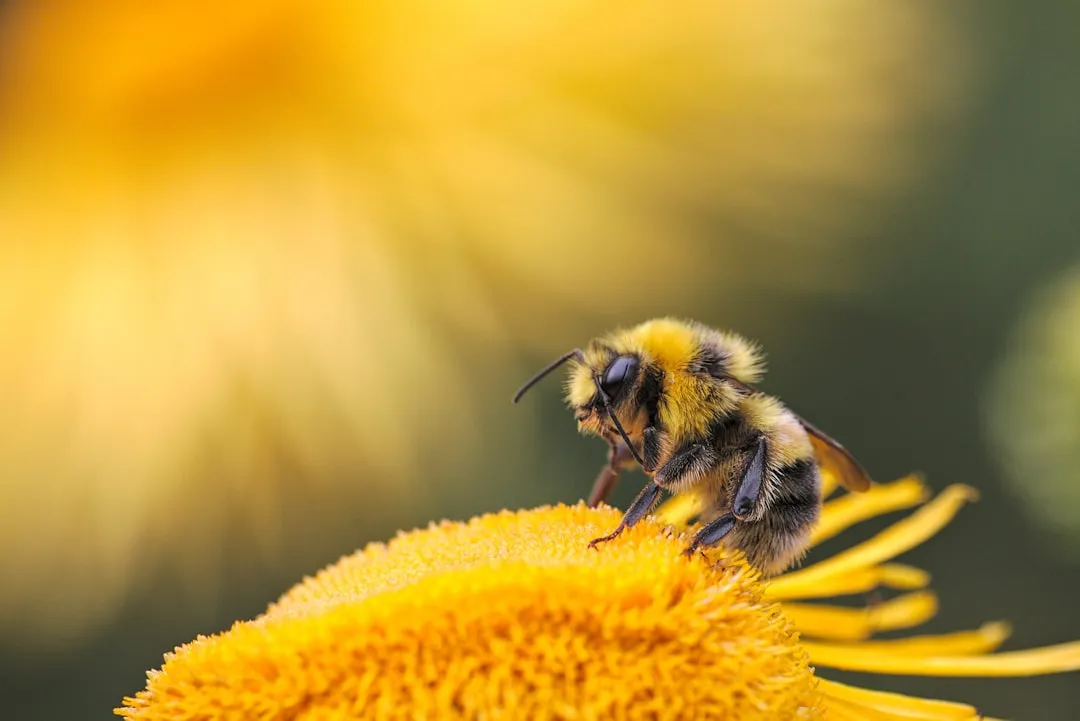
Native plants co-evolved with local pollinators, making them the most reliable source of nectar and pollen. They’re also easier to grow in their natural environment, requiring less maintenance. Several of the plants on this list do double duty by pulling in bees, butterflies, and hummingbirds while also reducing your workload.
By drawing in pollinators, plants like lavender help maintain the pollination of a wide variety of other plants in the garden. This not only aids in the reproduction of those plants but also promotes biodiversity, leading to a more robust and resilient garden overall. Honeybees play a critical role in agriculture and ecosystem health, yet they face significant threats from habitat loss, climate change, and pesticide use.
Choosing pollinator-friendly plants is one of the most straightforward ways an Anaheim homeowner can contribute to local ecosystem health. It doesn’t require a large garden or a large budget.
Getting the Establishment Phase Right
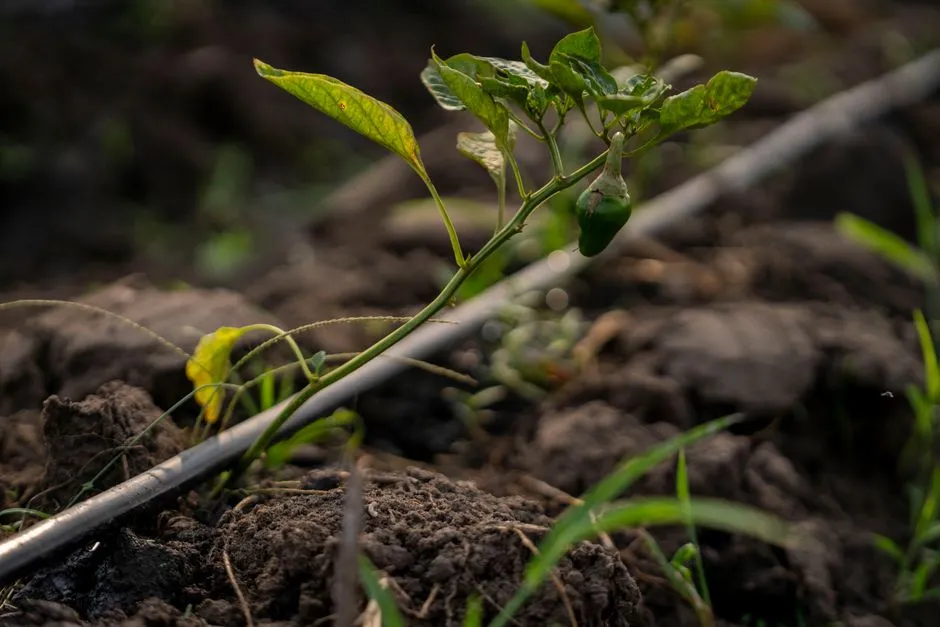
Every one of these plants has a reputation for low maintenance once established, but that phrase “once established” matters. Even the toughest drought-tolerant plants need consistent watering for their first one to two years to develop deep root systems. Skipping this phase often leads to plant failure, which can discourage people from trying water-wise gardening again.
Xeriscaping uses drought-tolerant plants, drip irrigation, and thoughtful planning to create a low-maintenance, sustainable yard or garden. A drip system during the establishment period is worth every penny. Dividing your landscape into zones based on water needs and grouping plants with similar water requirements together makes irrigation significantly more efficient.
When designing a yard with drought-resistant plants, it helps to separate different species based on their water and maintenance requirements. The five plants covered here are all well-matched in terms of sun and drainage preferences, which makes grouping them together a natural and practical choice for Anaheim yards.
Water Savings and Property Value
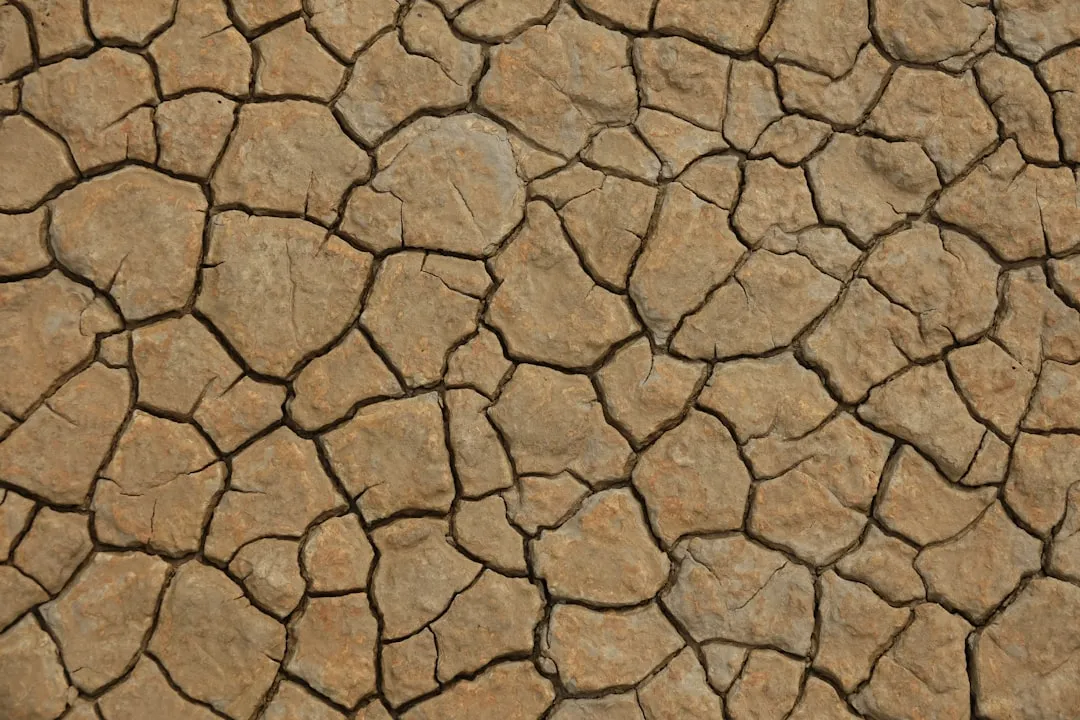
Drought-tolerant yards cut water use by up to 60 percent, per the California Water Board, and appeal to eco-conscious buyers. That figure alone should get any Anaheim homeowner’s attention, especially as water rates in Southern California continue to climb. In neighborhoods like Anaheim Hills, where scenic views and larger lots prevail, this feature enhances curb appeal and value.
Water-conserving plants provide the benefits of lower water needs, reduced maintenance requirements, restored soil health, and increased diversity that attracts birds and butterflies, as well as the aesthetic beauty of blending in with the natural landscape. These aren’t abstract environmental wins. They translate into real savings on water bills and real improvements to how your yard looks and functions month after month.
Homes with well-designed outdoor areas often command premium prices, selling faster and attracting buyers seeking the quintessential SoCal experience. A well-planted, water-wise backyard isn’t just comfortable to live in. It’s a genuine investment.
Putting It All Together: A Simple Planting Strategy
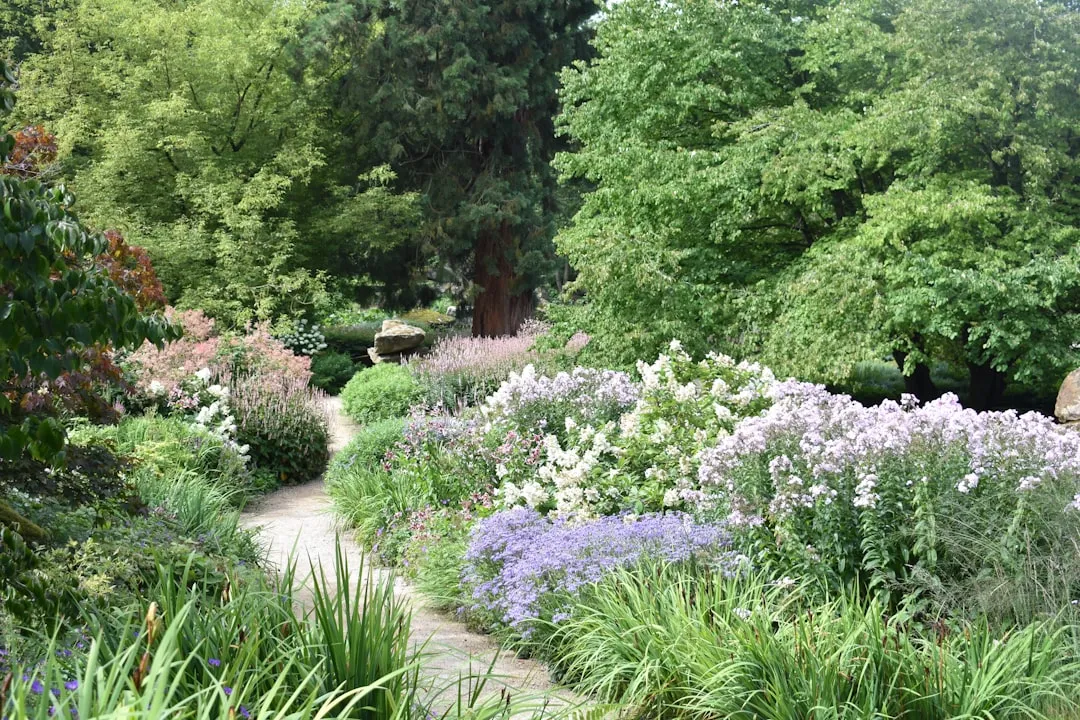
Layering evergreen structure such as rosemary, artemisia, and manzanita with perennials for spring-summer bloom like salvia and coreopsis, and grasses for fall movement and winter silhouettes, creates a garden with visual interest across all four seasons. That principle applies cleanly to the five plants on this list. Rosemary and manzanita provide the evergreen backbone. Lavender and Cleveland sage handle the fragrant spring and summer blooms. Agave anchors it all with year-round sculptural weight.
Using California-friendly plants for everything from backyard gardens to wide-scale revegetation is a positive practice that benefits the local habitat and all residents who live here. The good news is that in Anaheim, gardening responsibly and gardening beautifully point in exactly the same direction. Xeriscapes save more than water. They save time, effort, and money because they require so little maintenance. Plus, a well-designed xeriscape is uniquely beautiful, a standout in a sea of suburban sameness.
Conclusion
Building a backyard that actually thrives in Anaheim doesn’t require constant attention or a professional maintenance crew. It requires choosing plants that belong here. Lavender, Cleveland sage, manzanita, rosemary, and agave are all proven performers in Southern California’s conditions, each with a solid track record rooted in the region’s climate, soil, and ecology.
The shift away from thirsty, high-maintenance landscapes toward smart, native-informed planting isn’t just a trend. It’s a practical response to how this region actually works. Plant once, water thoughtfully during establishment, and then step back. The right plants will do the rest.
AI Disclaimer: This article was created with the assistance of AI tools and reviewed by a human editor.