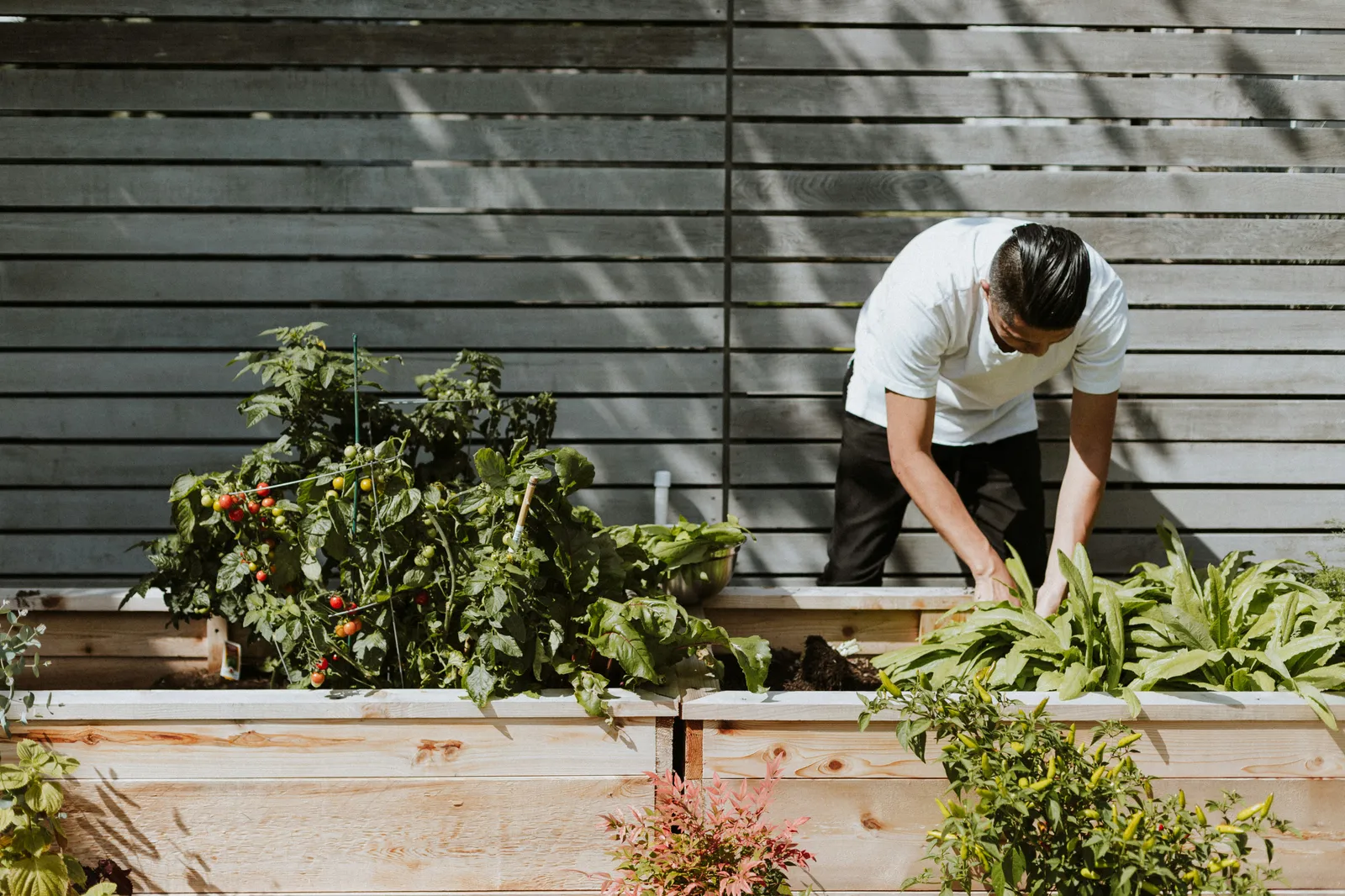

Across podcasts, articles and social platforms, garden designers have started to speak more openly about the people who maintain the landscapes they create. This shift feels modest yet noticeable, as conversations turn toward the daily work that keeps gardens thriving long after the initial plans are drawn. The change arrives at a time when public interest in outdoor spaces has grown, bringing fresh attention to those who tend them year after year.
A Public Garden Becomes a Turning Point
One early example appeared in the 2022 Sky Arts series The Art of the Garden. An episode focused on designer Tom Stuart-Smith took viewers to the garden at The Hepworth Wakefield in northern England. There, gardener Katy Merrington had been recruited by Stuart-Smith and later gained notice in her own right.
During the pandemic, when many people in Wakefield sought outdoor exercise, the gallery garden remained open. Merrington continued her work and became a familiar presence for visitors seeking connection outside their households. Her role evolved into what some now call a community gardener, someone whose duties in a public setting include direct interaction with the public. The experience showed how gardeners in shared spaces can shape both plants and community life.
Hierarchies That Shape Careers
Professional horticulture still operates with clear layers of status. Designers and consultants often sit at the top, followed by head gardeners at notable sites, nursery owners and leading arborists. Below them come gardeners attached to prestigious properties, while freelance workers and nursery staff occupy lower rungs in popular perception. Those who perform routine maintenance are sometimes dismissed as the least skilled.
This structure links visibility directly to income and prestige. Designers enjoy more glamorous opportunities and wider audiences, while the hands-on work of cultivation receives less notice. The arrangement can discourage talented individuals from staying in roles that involve daily soil work rather than initial planning. Many observers see the system as outdated and unhelpful for the wider field.
Class and Connections Influence Opportunity
Background plays a quiet but powerful role in who advances. Children from more affluent homes often gain early exposure to arts, travel and cultural settings that later inform design work. They also tend to know others in similar positions, which can open doors to larger projects without first building portfolios through smaller commissions.
The result is an uneven starting line. Designers from established families may move quickly into high-profile work, while others must prove themselves through repeated smaller jobs. Skilled gardeners from varied backgrounds frequently remain less visible even when their contributions are substantial. The pattern repeats across many creative fields but stands out in horticulture because the physical labor is essential yet rarely celebrated.
Real Change Requires More Than Words
Some gardeners view the recent comments from designers with caution. Public praise can sound supportive without altering who receives credit or payment for completed gardens. Designers hold established platforms and audiences, and few appear ready to share those advantages with the people who execute the ongoing care.
Media coverage continues to favor designers and a handful of head gardeners at landmark sites. The most accomplished gardeners often prefer to stay focused on their sites rather than seek attention for themselves. They accept compliments on behalf of the gardens they tend but grow uncomfortable when praise turns personal. This preference for quiet dedication makes external promotion even harder to achieve.
Recognition Built From Within
Progress is more likely to come from within the gardening community than from above. Gardeners themselves can draw attention to strong work by highlighting sites they admire and noting the people responsible for their upkeep. Simple, consistent acknowledgment of well-tended public and private spaces can gradually shift what audiences value.
Every garden evolves under the care of those who return to it daily. Celebrating the finished design alone misses the years of observation, adjustment and skill that follow. When more people learn to notice and name the gardeners behind successful landscapes, the field as a whole gains a fuller picture of what makes horticulture thrive.
AI Disclaimer: This article was created with the assistance of AI tools and reviewed by a human editor.