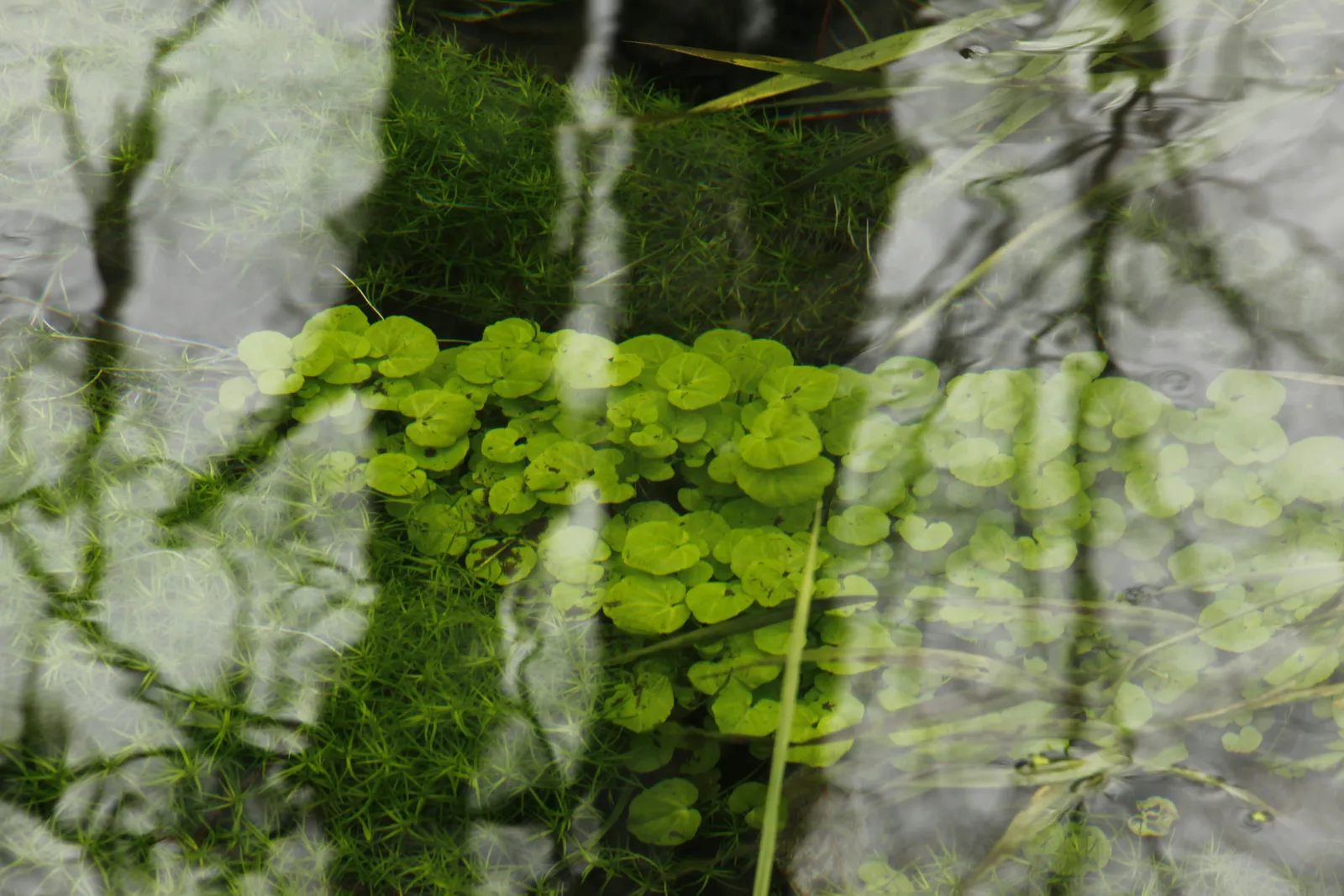

Gardeners often seek reliable plants that fill space quickly and add vibrant color. Creeping Jenny delivers on both counts, yet its rapid expansion creates real challenges for anyone who plants it without a plan. The plant thrives in consistently moist conditions and can transform bare patches near water features into lush carpets almost overnight. Still, that same vigor turns it into an aggressive spreader that requires ongoing attention.
The Plant’s Striking Appeal
Creeping Jenny forms dense mats of rounded leaves that range from bright chartreuse to deeper green, depending on the variety and light. Its trailing stems root readily wherever they touch the soil, creating a seamless ground cover that softens edges along paths or water features. Homeowners value the way it brightens shady or damp corners that many other plants avoid. The result is a lively texture that changes with the seasons while staying low to the ground.
Its popularity stems from this reliable performance in difficult spots. Once established, the foliage stays attractive through much of the growing season and tolerates light foot traffic in some settings. Gardeners who understand its habits can harness that energy for deliberate effect rather than letting it dictate the landscape.
Why Its Spread Demands Caution
The same rooting ability that makes Creeping Jenny effective also allows it to move beyond intended boundaries. In moist soil it can advance several feet in a single season, outcompeting slower plants and altering the look of beds or borders. Left unchecked, it forms thick mats that crowd out native species near streams or ponds. This behavior explains why many regions classify it as invasive in wetland areas.
Practical consequences appear quickly for unprepared gardeners. Roots that reach neighboring lawns or flower beds create extra weeding work, and removal often requires repeated effort because even small fragments can regrow. The timeline matters: what begins as a contained accent can dominate a space within two or three years if moisture remains consistent. Stakeholders include both the gardener who planted it and neighbors whose yards may receive runners.
Best Conditions for Success
Creeping Jenny performs best where soil stays evenly damp without becoming waterlogged. Locations such as bog margins, creek banks, and pond fringes match its natural preferences and reduce the need for constant irrigation. Partial shade helps maintain leaf color, though the plant tolerates more sun when moisture levels stay high. Gardeners who match these conditions see faster coverage and healthier growth.
Soil that drains poorly or dries out regularly leads to weaker plants and more maintenance. Testing moisture retention before planting helps avoid disappointment. In drier climates, supplemental watering becomes essential, which adds to long-term care demands.
Smart Containment Strategies
Many gardeners limit risk by growing Creeping Jenny in pots and planters instead of open ground. Containers keep the roots contained while still allowing the trailing foliage to spill attractively over edges. This approach works especially well on patios or near water features where the plant can receive the moisture it needs without escaping into surrounding beds.
Regular trimming prevents stems from reaching soil outside the pot. Choosing varieties with slightly slower growth habits can also reduce maintenance. When planted in the landscape, installing physical barriers such as edging helps contain spread, though these measures require periodic checks.
| Use | Advantages | Challenges |
|---|---|---|
| In-ground beds | Fast coverage, natural look near water | Harder to control spread |
| Pots and planters | Contained growth, portable accent | Requires more frequent watering |
Long-Term Garden Planning
Deciding whether to include Creeping Jenny comes down to weighing its visual benefits against the commitment to manage its expansion. Those who plant it near water or in contained spaces often enjoy years of reliable color with modest upkeep. Others find that the ongoing effort outweighs the reward and choose slower-spreading alternatives instead.
The key remains matching the plant to the right setting and staying attentive to its growth pattern from the start. With that awareness, Creeping Jenny can serve as a striking feature rather than an unintended takeover. Gardeners who plan accordingly gain both beauty and peace of mind.
AI Disclaimer: This article was created with the assistance of AI tools and reviewed by a human editor.