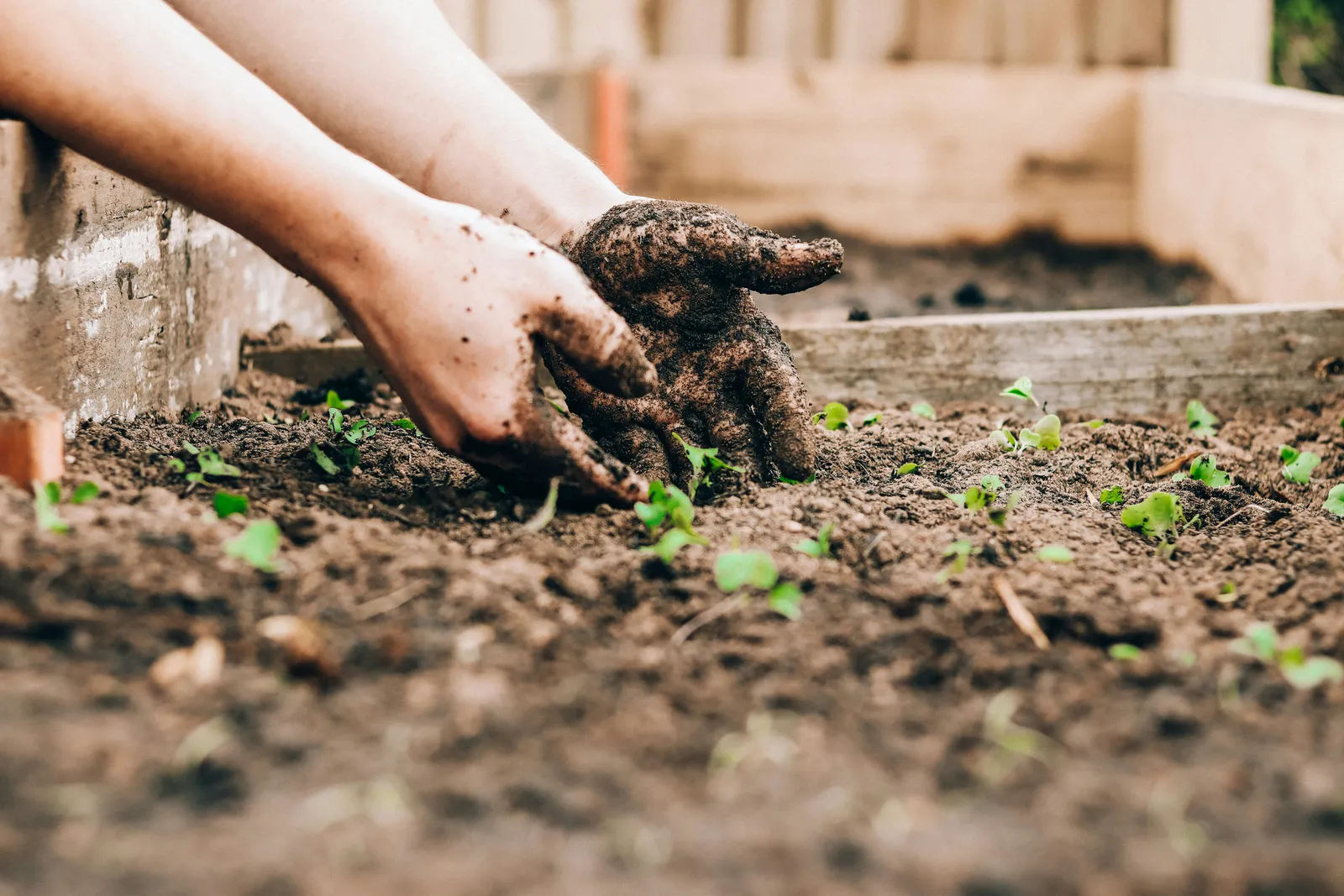

Many gardeners view August as the tail end of the active season, when heat and longer days signal a slowdown. Yet this period marks an important transition for those willing to sow or transplant certain crops that mature as temperatures moderate. The result can be a second wave of fresh produce that extends well into autumn and makes fuller use of available garden space.
Why Late-Summer Planting Still Matters
Cooler fall temperatures often improve flavor and texture in many vegetables while reducing problems with pests and bolting that plague midsummer plantings. Soil that has warmed over the preceding months also supports faster germination for certain seeds compared with early spring conditions. Gardeners who recognize this window can avoid leaving beds empty after early crops finish. The practice aligns with traditional succession planting, where one harvest is followed directly by another. It requires attention to local frost dates and variety selection suited to shorter days and declining light. Those who plan accordingly often report steadier yields through the shoulder seasons.
Key Preparations Before Sowing
Successful August plantings begin with soil assessment and light amendment. Removing spent plants, loosening compacted areas, and adding compost help restore nutrients depleted by earlier crops. Consistent moisture is essential during germination, so checking irrigation systems or planning hand watering routines prevents setbacks from dry spells common in late summer. Choosing the right site within the garden also influences outcomes. Areas that receive afternoon shade can protect young seedlings from intense heat, while good air circulation reduces disease risk as nights grow cooler. Gardeners who track these details tend to see higher success rates than those who plant without preparation.
Timing and Care Through the Season
Monitoring the calendar relative to the first expected frost helps determine which crops can still reach maturity. Many varieties need six to eight weeks of growth before cooler weather slows development. Regular weeding and mulching conserve moisture and suppress competition during the critical early weeks. As daylight shortens, growth rates naturally adjust. Supplemental feeding with a balanced organic fertilizer can support steady progress without encouraging excessive leafy growth at the expense of roots or fruits. Observant gardeners adjust routines based on rainfall and temperature trends rather than following a fixed schedule.
Harvesting and Extending the Season
Fall harvests often arrive with fewer insects and milder conditions that make outdoor work more comfortable. Successive pickings become possible when plants are spaced properly and cared for consistently. Some crops tolerate light frosts, allowing harvest to continue after tender summer vegetables have finished. Protective measures such as row covers or cold frames can stretch the season further in regions with early freezes. Gardeners who document what performed well in their specific microclimate build knowledge that improves results in subsequent years. The overall effect is a more resilient and productive garden across the full calendar. The shift from summer to fall does not have to mean an empty garden. Thoughtful August plantings turn the end of one cycle into the beginning of another, rewarding those who continue tending the soil.
AI Disclaimer: This article was created with the assistance of AI tools and reviewed by a human editor.