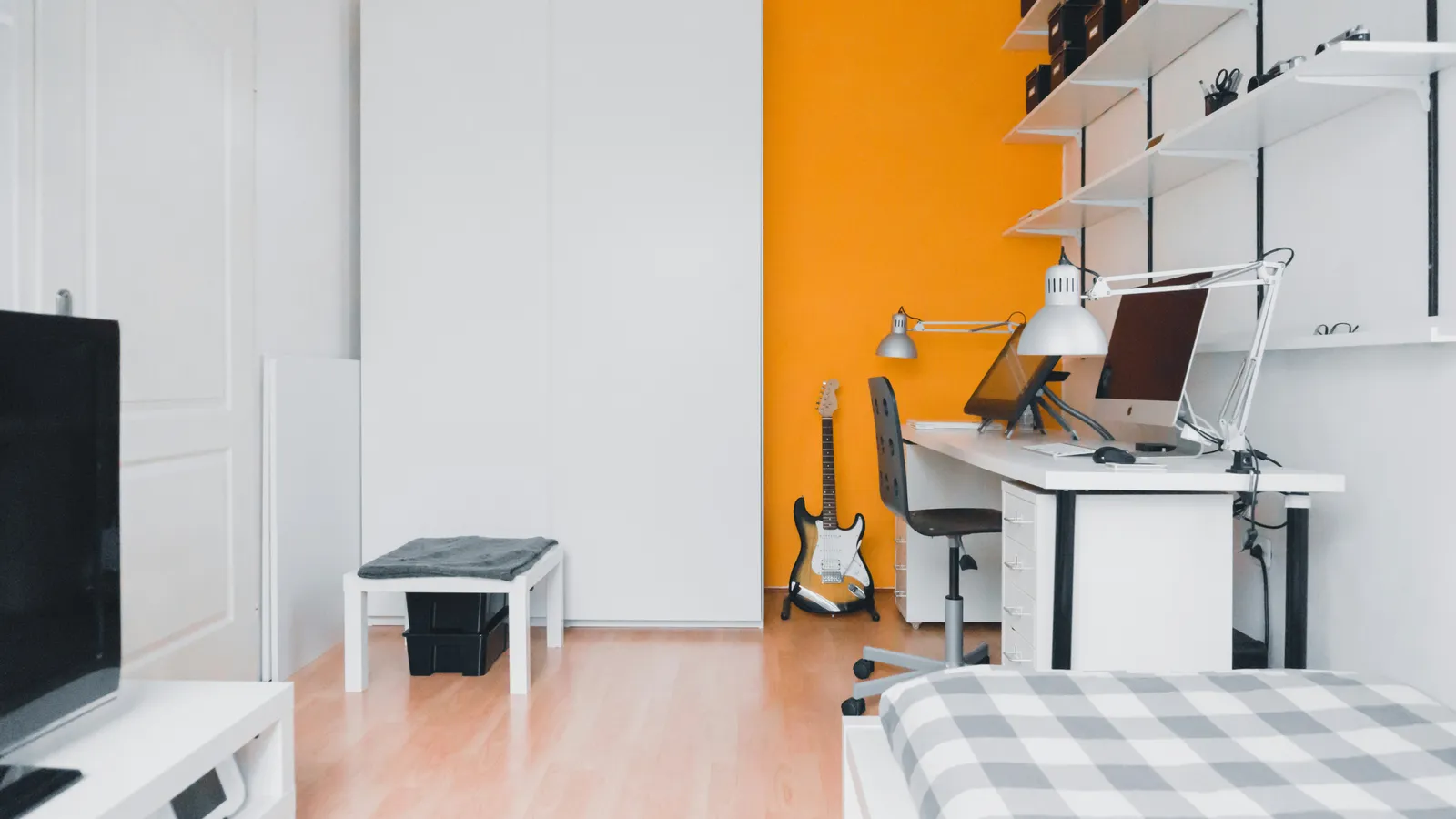

Many students arrive on campus to find their assigned rooms functional at best and uninspiring at worst. Small footprints, institutional finishes, and strict rules often leave little room for personality. Yet a focused weekend effort can shift the entire atmosphere, turning a basic space into one that feels intentional and welcoming without permanent changes or large expenses. The contrast between a standard setup and a thoughtfully arranged room is immediate. Neutral walls and basic furniture recede once layers of texture, light, and personal objects are introduced. The result supports both rest and focus, two priorities that matter most during the academic year.
The Starting Point: Assessing What Exists
Before any purchases or rearrangements begin, a clear inventory of the room helps set realistic goals. Measure the floor space, note window placement, and identify fixed elements such as built-in desks or lofted beds. This step prevents wasted effort on items that will not fit or function well. Many dorms already supply the largest pieces. The task then becomes one of softening hard surfaces and creating visual interest within the existing footprint. A single afternoon spent clearing clutter and grouping belongings by category often reveals opportunities that were not obvious at first glance.
Layering for Immediate Impact
Textiles offer the fastest route to warmth and cohesion. A washable rug anchors the floor, while a lightweight throw or two adds softness to seating areas. Curtains or tension-rod panels can replace or supplement existing window treatments, controlling light and adding privacy without drilling. Lighting plays an equally important role. Replacing a single overhead bulb with a floor lamp and a small task light creates distinct zones for studying and relaxing. Battery-operated string lights or clip-on lamps provide additional options where outlets are limited. These changes require no tools beyond a screwdriver in most cases.
Bringing Nature Indoors
Even modest additions of greenery can soften the institutional feel of a dorm. Hardy houseplants that tolerate low light and infrequent watering fit the constraints of student schedules. Small pots on a windowsill or a narrow shelf introduce color and improve air quality without demanding daily attention. For readers drawn to outdoor living, the same principles extend to any accessible balcony or shared courtyard. Portable planters and weather-resistant cushions allow the indoor transformation to continue outside when weather permits, creating a seamless connection between the two spaces.
Maintaining the New Arrangement
A successful weekend project includes a simple plan for upkeep. Designating a weekly reset, such as returning items to their assigned spots and wiping surfaces, keeps the room from sliding back into disarray. Storage solutions that double as décor, such as attractive bins or baskets, support this habit without adding visual noise. The larger lesson is that small, deliberate choices accumulate quickly. A room that once felt temporary can begin to feel like a genuine extension of the person living there, supporting both academic demands and personal well-being throughout the year.
AI Disclaimer: This article was created with the assistance of AI tools and reviewed by a human editor.