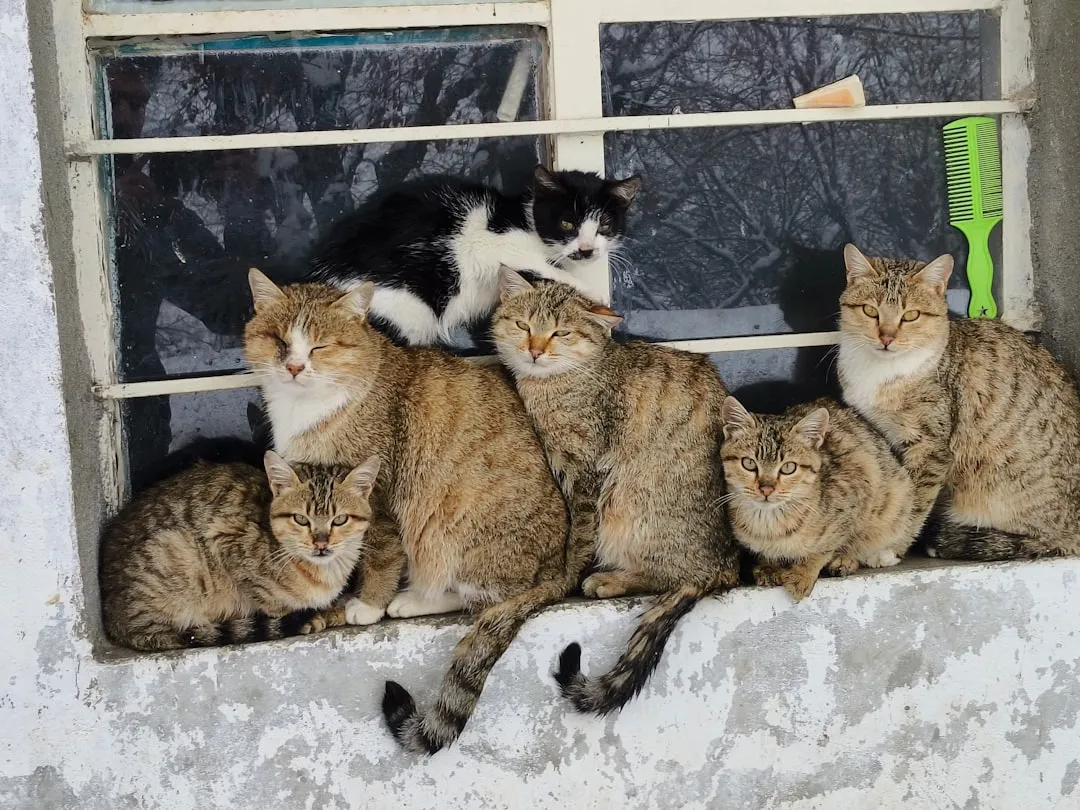

There’s something uniquely frustrating about stepping outside to find your freshly turned soil has been used overnight as a neighborhood litter box. Carefully planted seedlings get dug up, delicate roots are disturbed, and the damage goes far beyond the surface. Cats are drawn to garden beds for good reason: the soft, loose soil is exactly the kind of surface they prefer for digging and eliminating.
The good news is that there are several well-researched, humane approaches that actually work. Some are cheap and immediate, others take a bit more planning. Most gardeners who succeed in the long run combine a few of these strategies rather than relying on a single fix.
Understand Why Cats Target Your Garden First
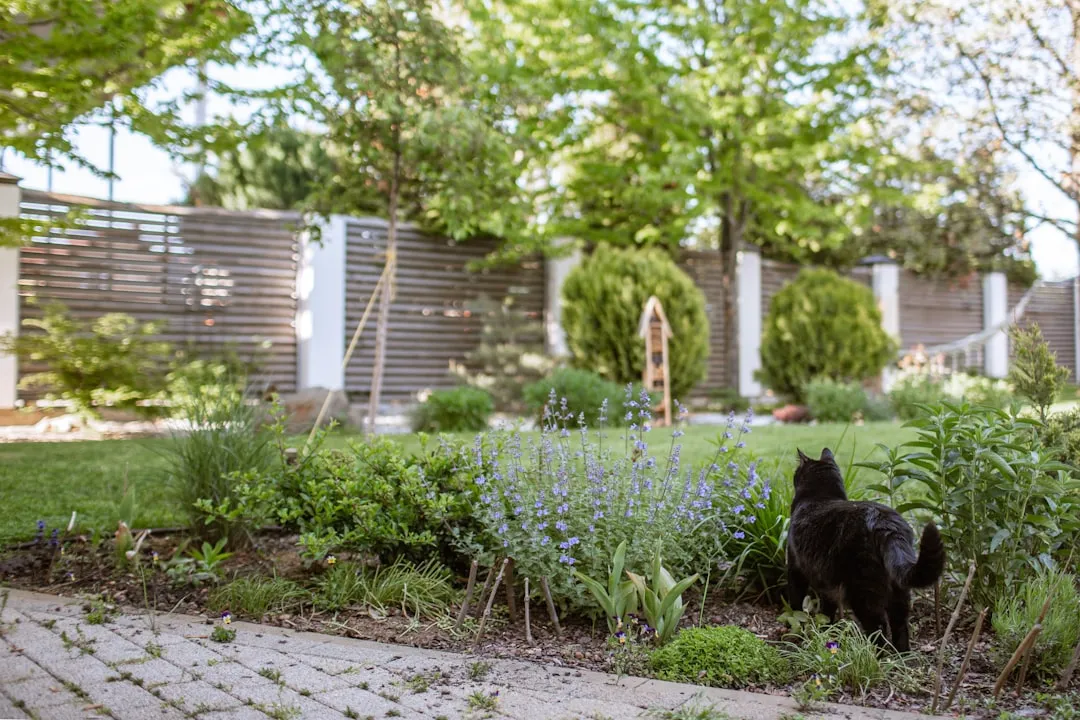
Cats will seek out softer substances to do their business in, so it makes sense that they often gravitate to garden beds. You’ll typically know they visited by their droppings as well as signs of digging in the soil. Freshly planted beds are especially attractive because the disturbed, aerated earth mimics the conditions cats instinctively look for.
Cats don’t just dig up flowers and plants you work hard to care for – they also tend to urinate and defecate in flower beds, and cat waste is not the fertilizer you want. Understanding this basic behavioral drive helps you choose deterrents that address the actual appeal of the space, rather than just masking a symptom.
Know the Real Health Risks Before You Dismiss Them
Cat waste poses significant health risks in garden settings. Unlike cow or chicken manure, cat waste can carry germs and parasites that can make people sick, including toxoplasmosis and ringworm. This is particularly concerning in vegetable gardens where food crops may come into contact with contaminated soil.
The possibility of infection after gardening in soil contaminated with cat feces is real, and the risk can be reduced by wearing gloves and washing hands thoroughly after gardening. Pregnant women and immunodeficient individuals are the two populations most at risk of developing health problems after exposure. Cat urine is also especially problematic, acting as an effective herbicide due to its high acidity and toxic compounds. The ammonia in cat urine can burn plant roots and alter soil pH balance, making it difficult for plants to absorb nutrients properly.
Use Prickly Textures and Physical Surface Barriers
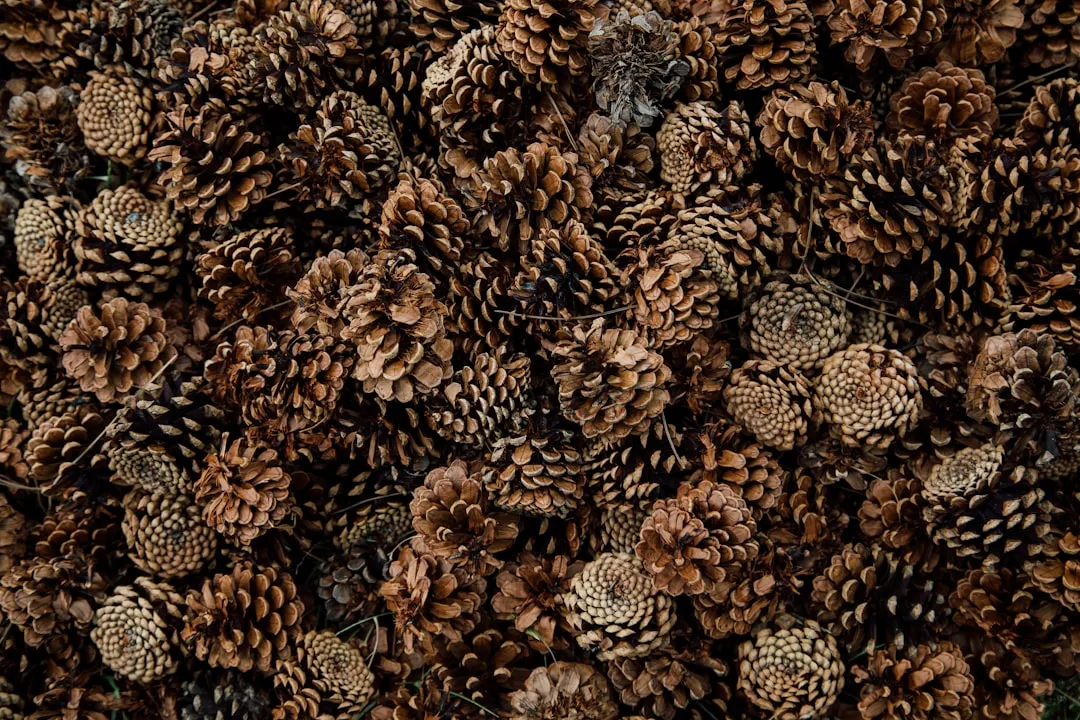
Cats prefer to walk on soft, loose soil and will avoid prickly surfaces, so making your garden beds less inviting is a practical first step. Cats dislike stepping on rough or prickly surfaces, so try scattering pinecones, brush, or twigs over the surface of the soil. Thorny clippings from roses, holly, or raspberries are especially effective, though you should wear gloves when handling them.
Pushing pine cones or other prickly yard trimmings down into the soil around your plants works well. Stone mulch, eggshells, holly cuttings, or repurposed plastic carpet runners placed nub-side up are other practical options. These solutions cost little to nothing, and many can be sourced directly from your own yard.
Harness the Power of Citrus and Scent-Based Deterrents

Cats have extremely sensitive noses, roughly 40 times more sensitive than humans, which makes scent-based deterrents quite effective in the garden. One common method is to put citrus peels from oranges, lemons, or limes around garden beds, since most cats dislike the smell of citrus.
The major constituent in citrus peels is Limonene, which is registered as a cat repellent by the U.S. Environmental Protection Agency. These peels need to be replaced regularly because their scent fades over time. Effective cat repellents often combine natural ingredients like cinnamon, thyme, and peppermint oils with strategic application methods to protect spaces humanely.
Try Chicken Wire or Bird Netting Across the Soil
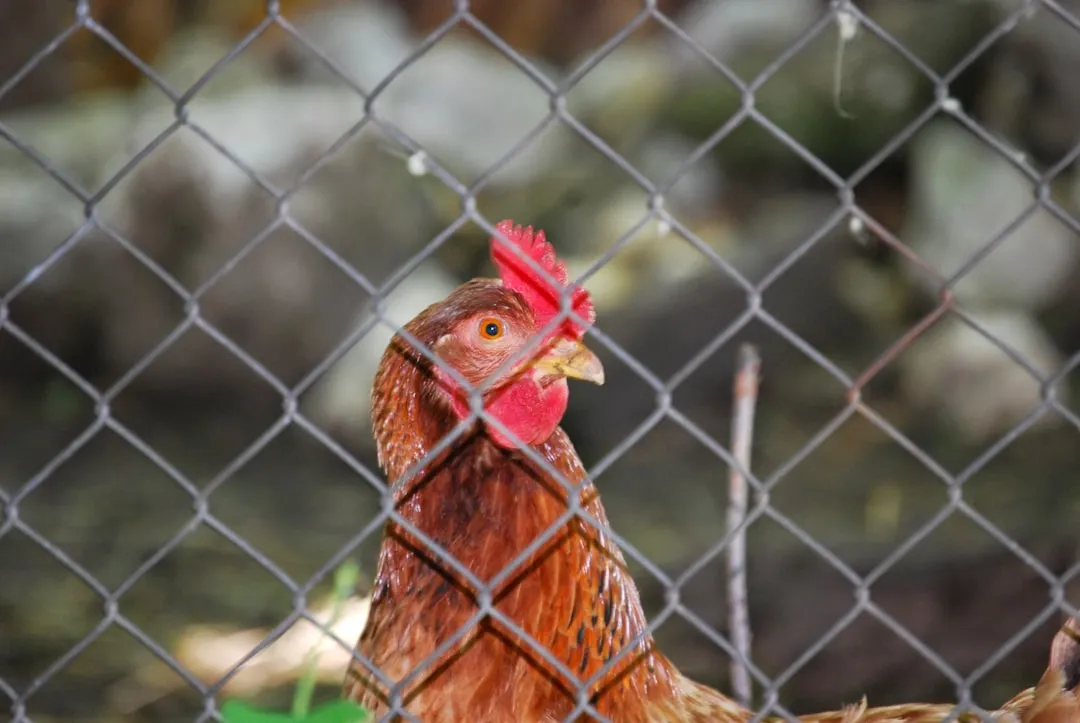
Covering your garden bed with a layer of chicken wire fixed to the sides or held down with stakes is a simple, inexpensive approach. This method is easy to implement, lasts several seasons, and does the same job as a commercial cat scat mat at a fraction of the cost.
Covering garden beds with bird netting or chicken wire is a more costly but effective way to keep cats away. Bird netting in particular has been found more effective, as cats seem wary of getting caught in it. The net is soft and does not invite climbing. As a bonus, bird netting and chicken wire also keep other unwanted visitors like squirrels and birds at bay.
Deploy Motion-Activated Sprinklers for Reliable Results

Motion-activated sprinklers prove worth the investment when cats cause recurring garden damage, with effectiveness rates in the range of 73 to 82 percent according to a 2024 Journal of Wildlife Management study tracking 200 installations. The burst of water is startling but entirely harmless to the animal.
Night detection mode in these devices maintains effectiveness when cats are most active, offering around-the-clock protection without constant manual adjustment. Effectiveness depends heavily on proper installation and sensitivity adjustment, as poorly positioned units frustrate users and fail to deter determined animals. Properties with multiple entry points may need more than one unit, while single problem areas respond well to one strategically placed system.
Use Ultrasonic Devices as a Passive, Hands-Off Solution
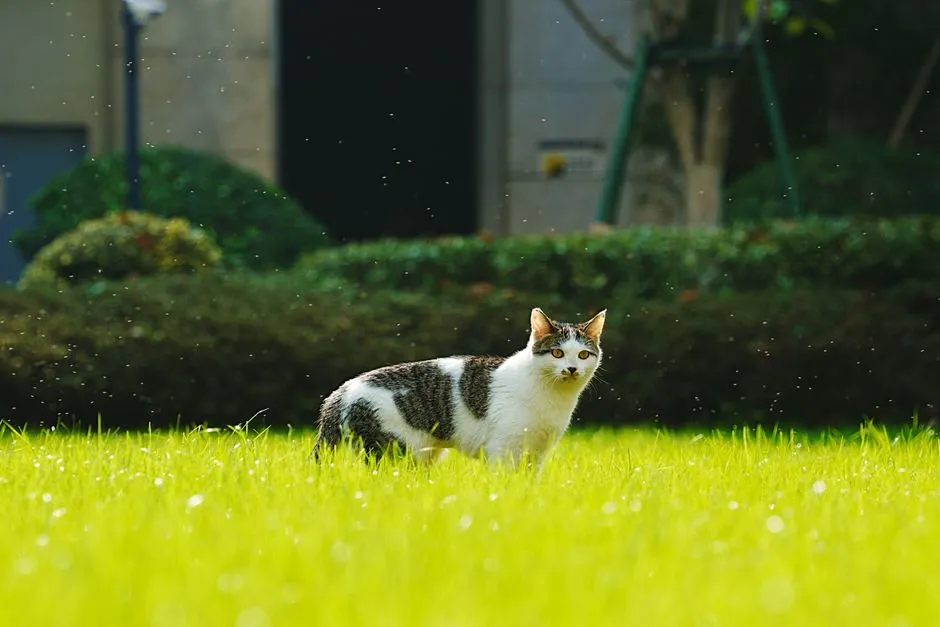
Cats use scent and territory memory to decide where to return, and when they repeatedly experience an aversive ultrasonic stimulus in a specific area, they quickly learn to avoid it. Ultrasonic repellers emit a high-frequency sound that humans cannot detect but that cats find distinctly unpleasant.
More technologically advanced devices include motion-detected sprinklers or ultrasonic repellers that emit a high-frequency sound unpleasant to cats, though these can be more costly depending on the size of your garden. Cats possess vastly more scent receptors than humans, and this sensitivity explains why deterrent devices that feel mild to us can create genuine discomfort for cats.
Avoid Common Deterrents That Do More Harm Than Good

Mothballs are a pesticide and are toxic to pets, people, and wildlife. They have no place in your garden. Even a small amount of coffee grounds, if ingested, can be dangerous to cats or dogs. Coffee grounds are better placed in a compost pile than scattered across a garden bed.
Commercial sprays also require realistic expectations. Crushed hot peppers such as cayenne and certain other scent-based substances may keep cats away for roughly two to three days before losing their effectiveness. Reapplication after heavy rain is necessary to maintain any results from scent-based or granular repellents. Knowing what doesn’t hold up under real conditions saves both time and money.
Create a Designated Cat-Friendly Zone Away from Your Beds
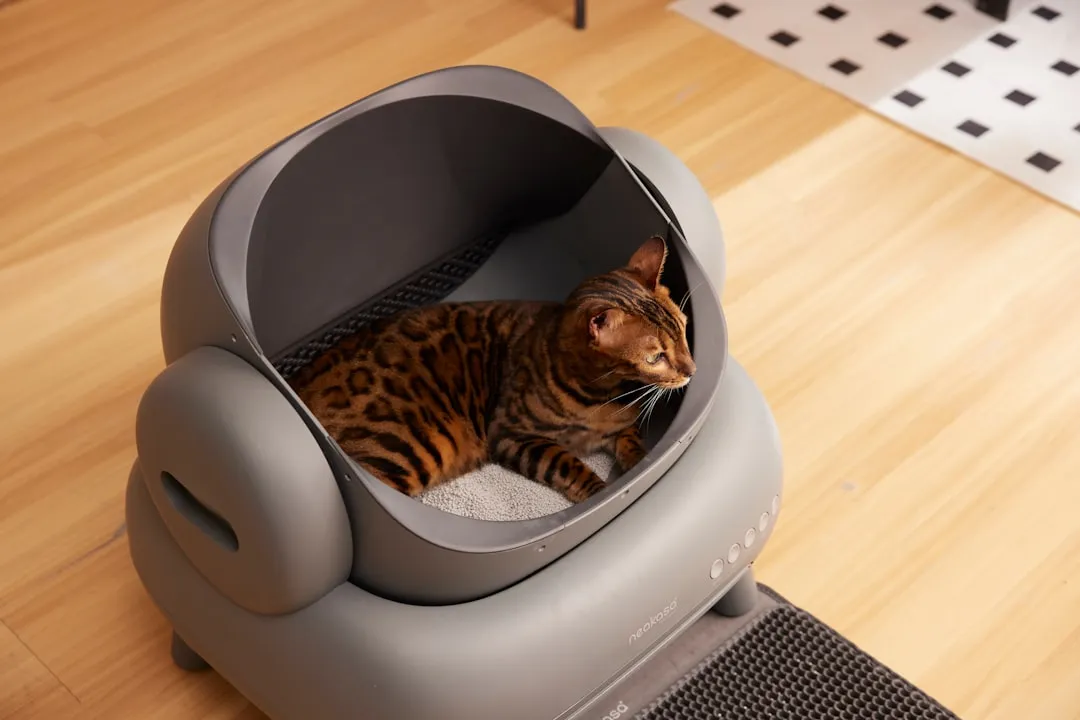
One thoughtful approach involves creating a separate part of the yard that is acceptable for cats to use as a latrine, planting some catnip nearby for them to enjoy. You’ll still need to maintain the area, but the activity becomes contained. It won’t work for every situation, but it can meaningfully redirect traffic away from your most vulnerable planting zones.
Redirecting behavior is generally more sustainable than pure deterrence. A cat that finds an attractive alternative nearby is less motivated to keep testing your barriers. This approach works best as one layer in a broader strategy rather than a standalone fix.
Combine Methods and Stay Consistent for Long-Term Success
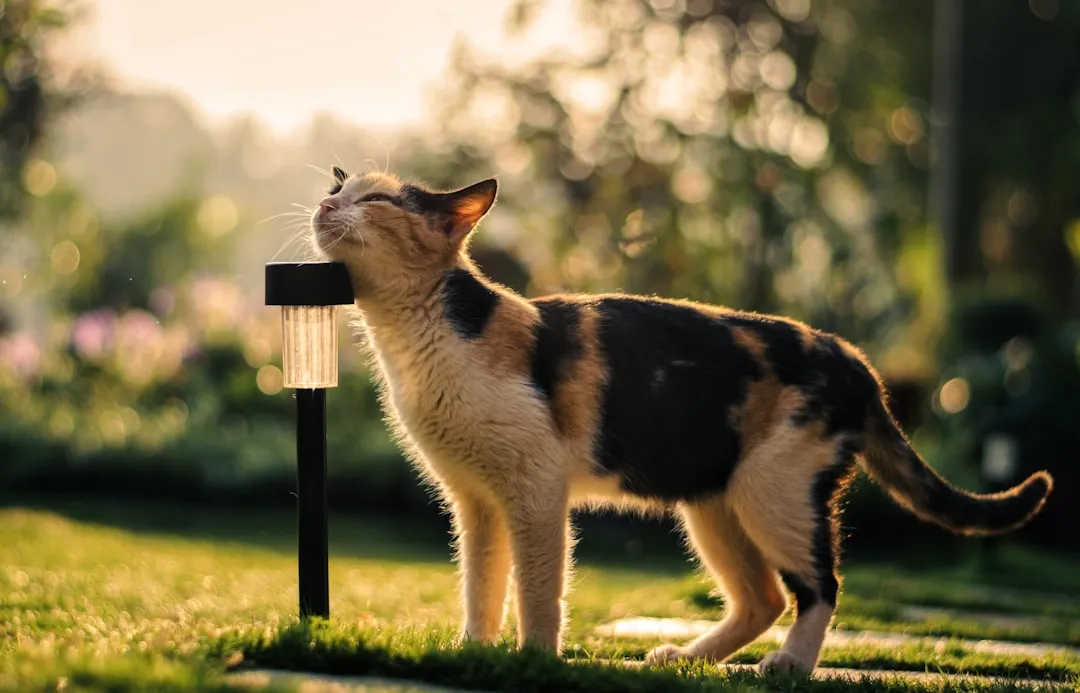
The pheromones in cat urine attract other cats to mark the same territory, which means that a single visit, if left unaddressed, can compound the problem over time. This makes it important to act quickly and to layer multiple deterrents so there’s no obvious weak point in your defense.
If cats are known to use your garden area, wearing gloves is strongly recommended when working the soil. Practicing good hygiene by washing hands thoroughly afterward is equally important. The best results come from gardeners who rotate their methods, refresh scent-based deterrents regularly, and monitor which entry points cats are using most.
Conclusion
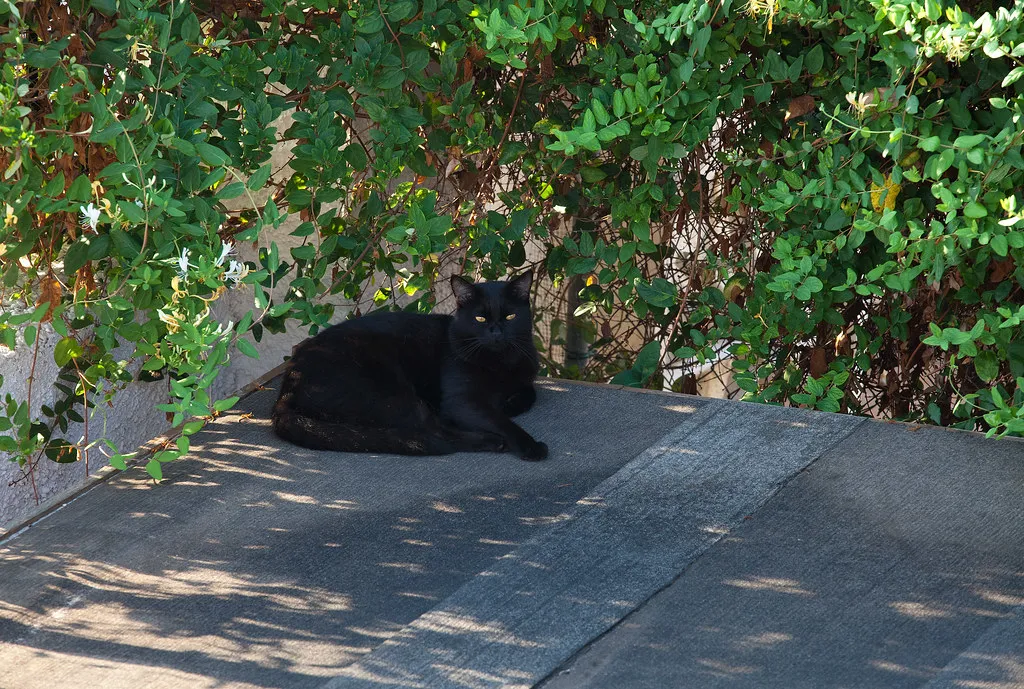
Keeping neighborhood cats out of freshly planted garden beds isn’t a one-and-done task. Cats are persistent, adaptable, and drawn to exactly the conditions a well-prepared bed offers. The most effective approach combines a physical barrier, a scent deterrent, and ideally a motion-triggered device for nighttime coverage.
None of these methods require harming the animals, and that matters. Humane deterrence holds up better over time anyway, because it works with cat behavior rather than trying to fight it outright. A garden that consistently offers an unpleasant landing experience stops attracting repeat visitors far more reliably than any single product ever will.
AI Disclaimer: This article was created with the assistance of AI tools and reviewed by a human editor.