

Most gardeners treat their pruning shears like a hammer or a trowel. Pick it up, use it, set it down. That routine works fine for a lot of tools. With pruning shears, it can quietly devastate an entire garden over a single season without you ever noticing until the damage is already done.
Pruning shears slice directly into living tissue. When you cut a stem or branch, you open a fresh wound that exposes the plant’s internal tissues, and bacteria, fungi, and viruses need exactly that kind of entry point. The problem isn’t the pruning itself. It’s the handful of small, overlooked habits that turn a useful tool into a disease highway between your plants.
Mistake #1: Not Disinfecting Between Cuts or Between Plants
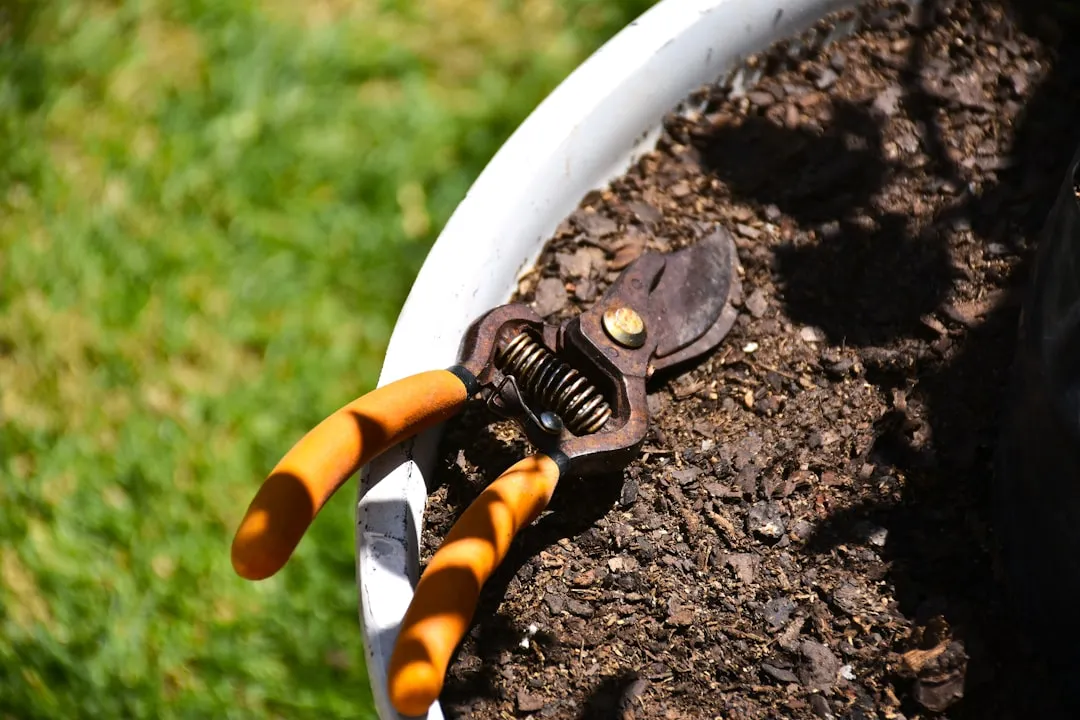
If you move from one plant to another without cleaning your blades, you carry sap, plant juices, and microscopic pathogens along for the ride. Most gardeners understand this in theory but skip it in practice because it feels tedious during a long pruning session.
According to Washington State University Plant Pathologist Dr. Warren Copes, if you cut through a section of stem where a pathogen such as a virus, bacteria, or fungus is present, the parts of the pathogen may adhere to your pruning tool. That residue doesn’t stay inert. It transfers directly to the next cut.
Tomato mosaic virus was transferred to healthy plants roughly seven times out of ten when contaminated pruners were used. That’s not a rare edge case. That’s what happens with a tool most people wipe on their jeans and keep going. When pruning diseased plants, experts advise disinfecting all shears and saw blades after each cut to prevent spreading disease to healthy plants.
Mistake #2: Rinsing With Water and Calling It Clean

Rinsing with water to remove obvious soil or plant residues is a common practice. However, this type of basic cleaning can fail to remove microscopic plant pathogens that can remain on surfaces. It’s one of those habits that feels thorough but leaves the real problem untouched.
Tools should also be disinfected to remove fungal, bacterial, and viral plant pathogens to prevent transmission to healthy plants. There’s a real difference between cleaning and disinfecting, and conflating the two is where many gardeners go wrong.
While it may be tempting to use standard household cleaners such as Lysol or Listerine on gardening tools, there is no scientific evidence that these products are effective against plant pathogens, and these cleaning products can corrode gardening tools. Wiping the blades with a cloth soaked in 70% isopropyl alcohol or using a disinfectant spray is a far more reliable approach, and it takes less than a minute.
Mistake #3: Using Dull Blades

Dull cutting surfaces tear plant tissue rather than shearing cleanly, creating ragged wounds that invite disease. This is one of the most underrated mistakes in the garden, partly because a dull blade still cuts. It just doesn’t cut well.
Dull blades crush and tear plant tissues, leaving behind ragged cuts that may take longer to heal. When plant tissues are torn through using a blunt blade, an open wound that’s more susceptible to diseases and pests can be formed. These wounds can take longer to heal, which leaves the plant vulnerable to infection.
When a dull blade tears plant tissue, it can create an entry point for pathogens. By making clean cuts with a sharp blade, you minimize the risk of infection and reduce the need for pesticides or other chemicals. Sharpening is not optional maintenance. It’s part of basic disease prevention. A cleaner cut heals better and faster, making the plant less likely to succumb to an infection through the wound.
Mistake #4: Cutting at the Wrong Angle
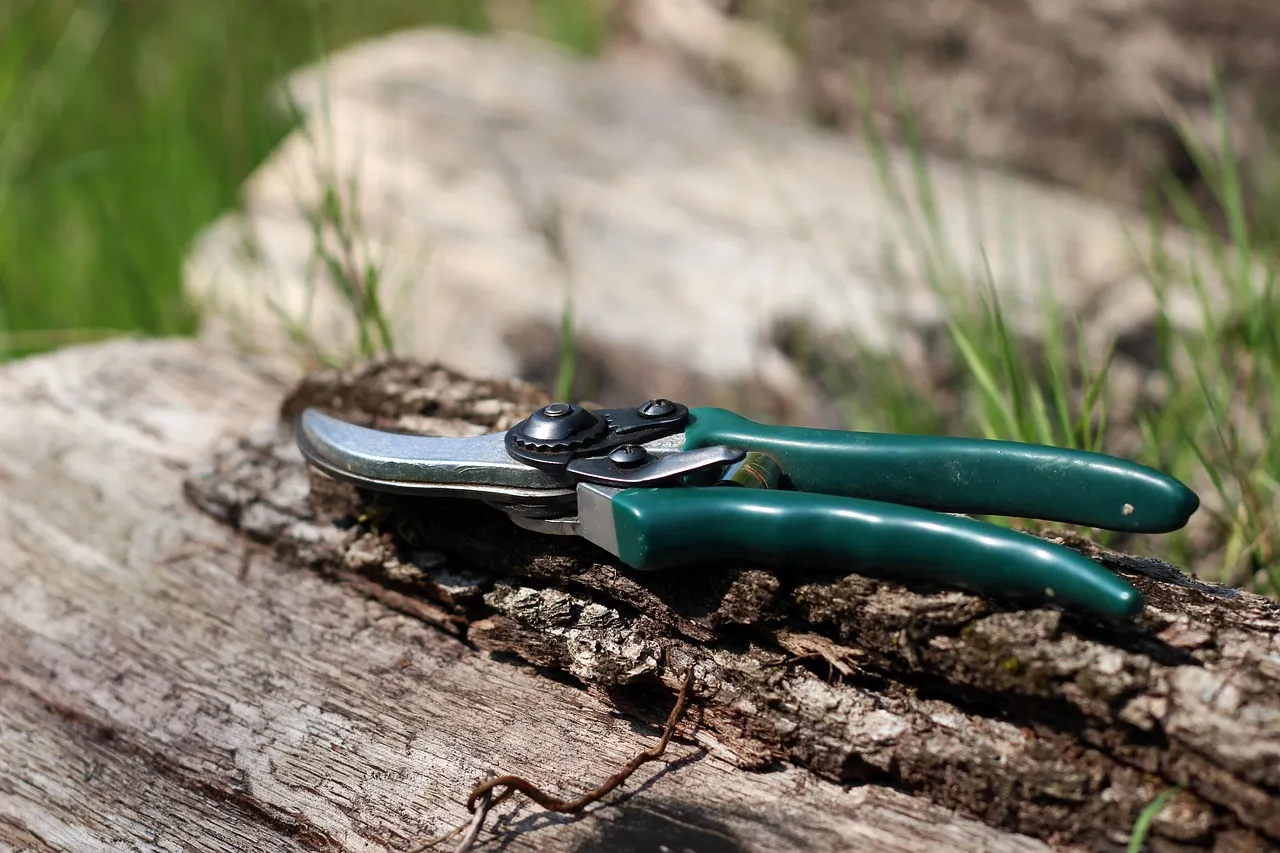
Mastering the correct cutting angle is crucial when pruning flowers, bushes, shrubs, or fruit trees. Aiming for a 45-degree angle just above a leaf axle with a dormant eye helps drain water off the cut, preventing disease caused by moisture buildup. A flat or inward-sloping cut holds water in place, and standing moisture is exactly the environment that fungal pathogens prefer.
The pruning-angle method turns a vulnerable cut into a resilient one by encouraging swift water runoff and accelerating the plant’s natural sealing process. When cuts are clean, smooth, and subtly angled, rain cannot pool on the exposed tissue, reducing the chance of fungal or bacterial invasion.
Fruit trees especially benefit from good airflow and light penetration, so precise angled cuts help prevent fungal diseases like apple scab or peach leaf curl. A clean cut made at the right location and angle can heal swiftly, reducing the risk of disease and decay. The geometry of a cut is not a minor detail. It’s one of the most practical things you can get right without spending a penny.
Why Vascular Diseases Are the Most Dangerous Passengers on Your Blades
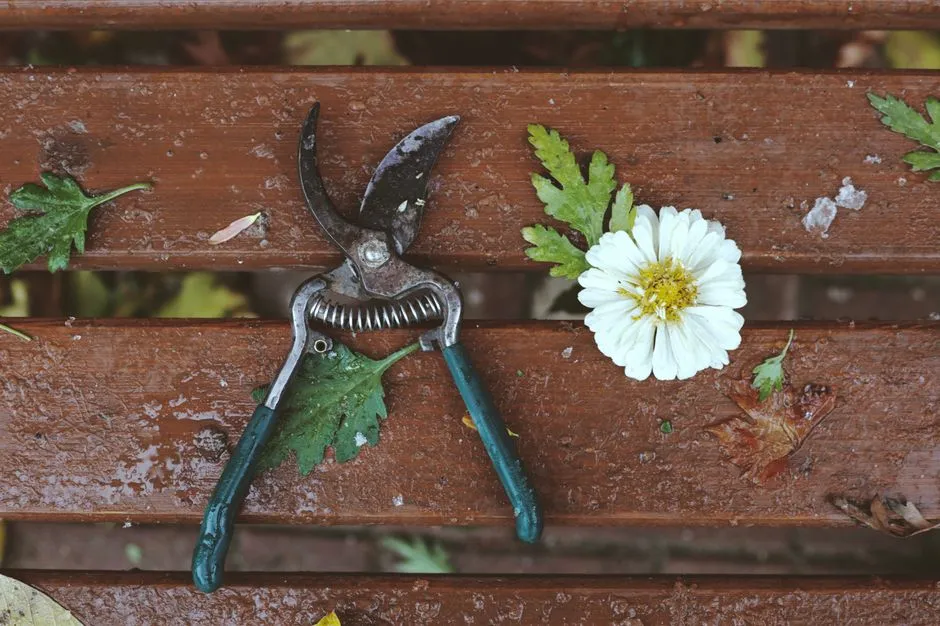
If pruning tools are contaminated with vascular pathogens or active, oozing cankers, there is an excellent chance that disease will be spread to other plants if the tools are not disinfected. Vascular diseases are particularly troubling because they travel inside the plant’s own circulatory system, often far beyond where any visible symptoms appear.
Fire blight, caused by the bacterium Erwinia amylovora, spreads easily through contaminated pruning tools among apples and pears. Bacterial wilt and various fungal cankers hitchhike on steel blades that look spotless to the naked eye.
Pathogens of fire blight can survive for a long time on pruning tools, and fire blight can be spread through agricultural implements. In particular, pruning is frequently performed to remove flowers, immature fruits, and succulent shoots, and this farm work is known to be a major factor in the spread of fire blight. These aren’t theoretical risks. They’re the documented realities that researchers are still actively working to address.
Fungal Trunk Pathogens: What Studies Found on Used Pruning Shears
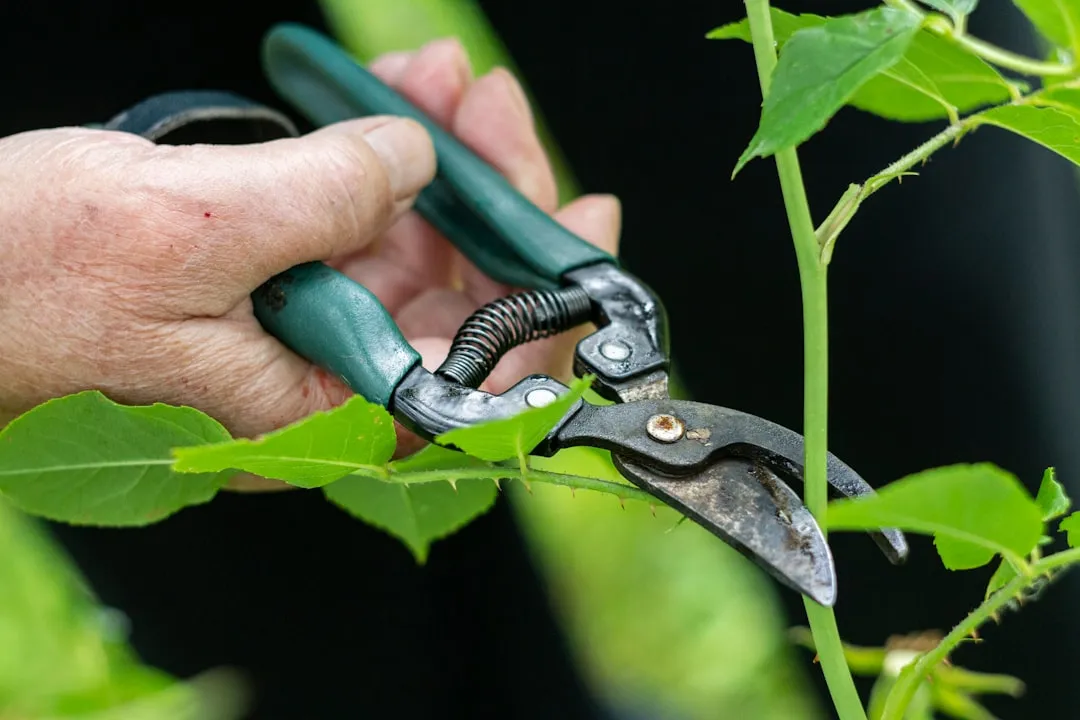
Four vineyards visibly affected by trunk diseases were surveyed at pruning time in Spain to determine whether pruning tools are capable of spreading grapevine trunk diseases from vine to vine. In each vineyard, pruning shears were regularly rinsed with sterile water, and the liquid samples were collected for analysis.
Molecular detection of grapevine fungal trunk pathogens was performed using specific primers to detect Botryosphaeriaceae spp., Eutypa lata, Cadophora luteo-olivacea, Phaeoacremonium spp., and Phaeomoniella chlamydospora. All of these pathogens, with the exception of E. lata, were detected in samples from the vineyards. What that means in plain terms: multiple distinct pathogens were sitting on the blades after normal use.
Pruning with non-disinfected pruning shears increased disease incidence and severity compared with the use of disinfected shears. These results confirm that frequent disinfection of pruning tools is advised for the effective management of canker diseases in fruit trees. The evidence here is direct, controlled, and consistent across seasons.
Pruning at the Wrong Time Makes Every Mistake Worse
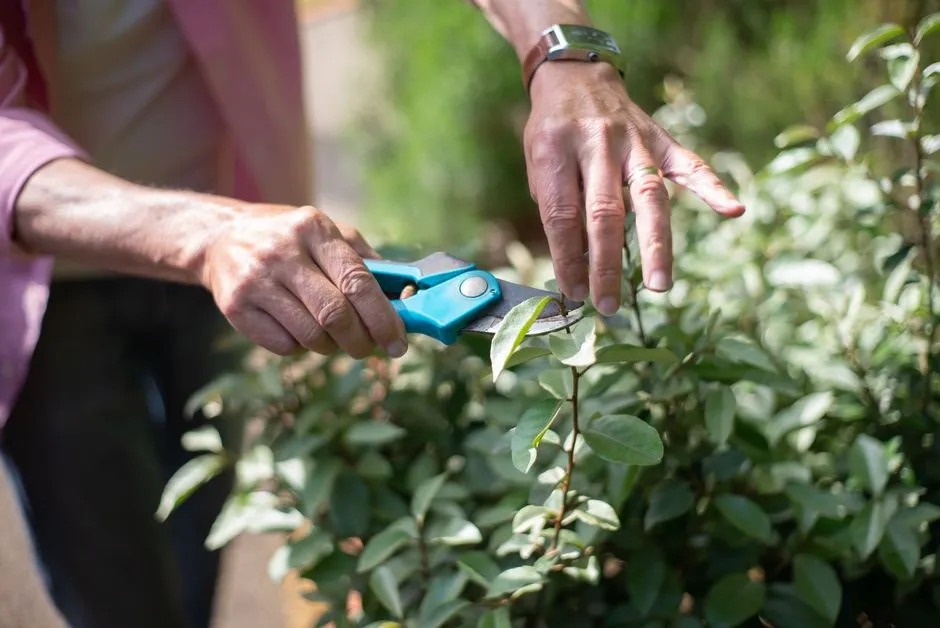
Gardeners often prune multiple plants in a single session, especially in spring and early summer when growth explodes. During that busy window, diseases also ramp up their activity. Timing affects how much damage a contaminated blade can actually do.
Fire blight spreads aggressively during warm, humid conditions. Tomato bacterial spot intensifies in wet weather. If you prune in those conditions and skip sanitation, you amplify the risk dramatically. Temperature and moisture don’t just affect plants. They affect how readily pathogens survive transfer between cuts.
Understanding the optimal timing for pruning is crucial. Different plants have different growth patterns and pruning requirements, so knowing when and how much to prune can significantly impact disease control. Getting the timing right doesn’t require much research. Most cooperative extension services publish species-specific guides that cover exactly this.
Sap Buildup on Blades Is a Pathogen Trap
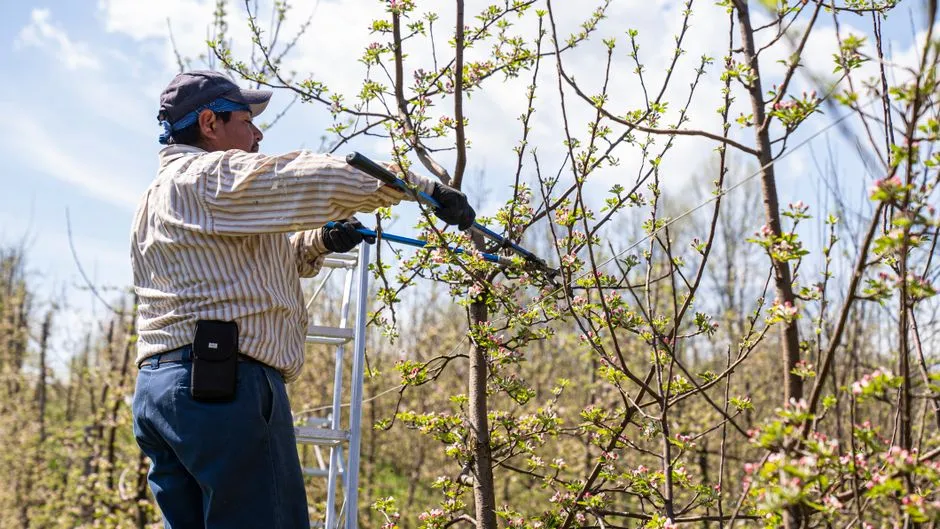
Pruning shears come into direct contact with plant tissues, which can harbor fungi, bacteria, viruses, and pests. Without cleaning, these contaminants can transfer between cuts, causing infections and weakening plants. Sap is the main culprit here. It sticks, it builds up, and it keeps pathogens viable on the blade surface far longer than most gardeners assume.
Before sterilizing pruners, they should be cleaned, as dirt and residues on the blades will impede whatever disinfectant you use. This is an important sequencing point. Disinfecting a blade caked with dried sap means the disinfectant never actually reaches the steel where pathogens are hiding.
Removing sap and debris prevents rust and dullness, keeping blades sharp for longer. Clean blades make precise cuts, reducing plant stress and improving healing time. Disease-free tools promote healthier plant growth and reduce stress on plants during pruning. The maintenance loop is simple: clean, then disinfect, then dry. Each step depends on the one before it.
Using the Wrong Tool for the Cut
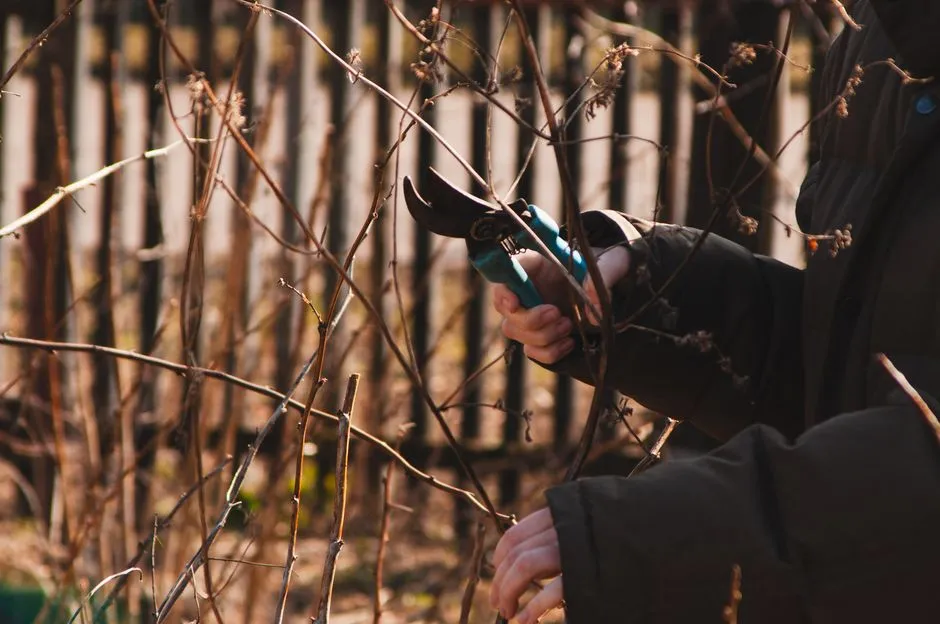
Using the wrong tool can crush living tissue, leading to jagged wounds that invite disease. Gardeners sometimes reach for whatever is closest, which often means forcing a small hand pruner through a branch that’s too thick for it to handle cleanly.
Forcing hand pruners through larger material damages blades while requiring excessive grip force that strains hands and wrists. The damage shows up on the plant as a torn, uneven wound rather than a clean edge. That rough surface heals slowly and gives pathogens more time to establish themselves.
Anvil pruners have a flat base and a sharp blade that chops straight down, making the tool ideal for dead and dry wood. However, anvil pruners can crush soft, live stems, so bypass pruners are the better choice unless you’re tackling dry wood. Tool selection is a disease-prevention decision, not just a convenience one.
Pruning Wounds and the Risk of Slow-Healing Wood
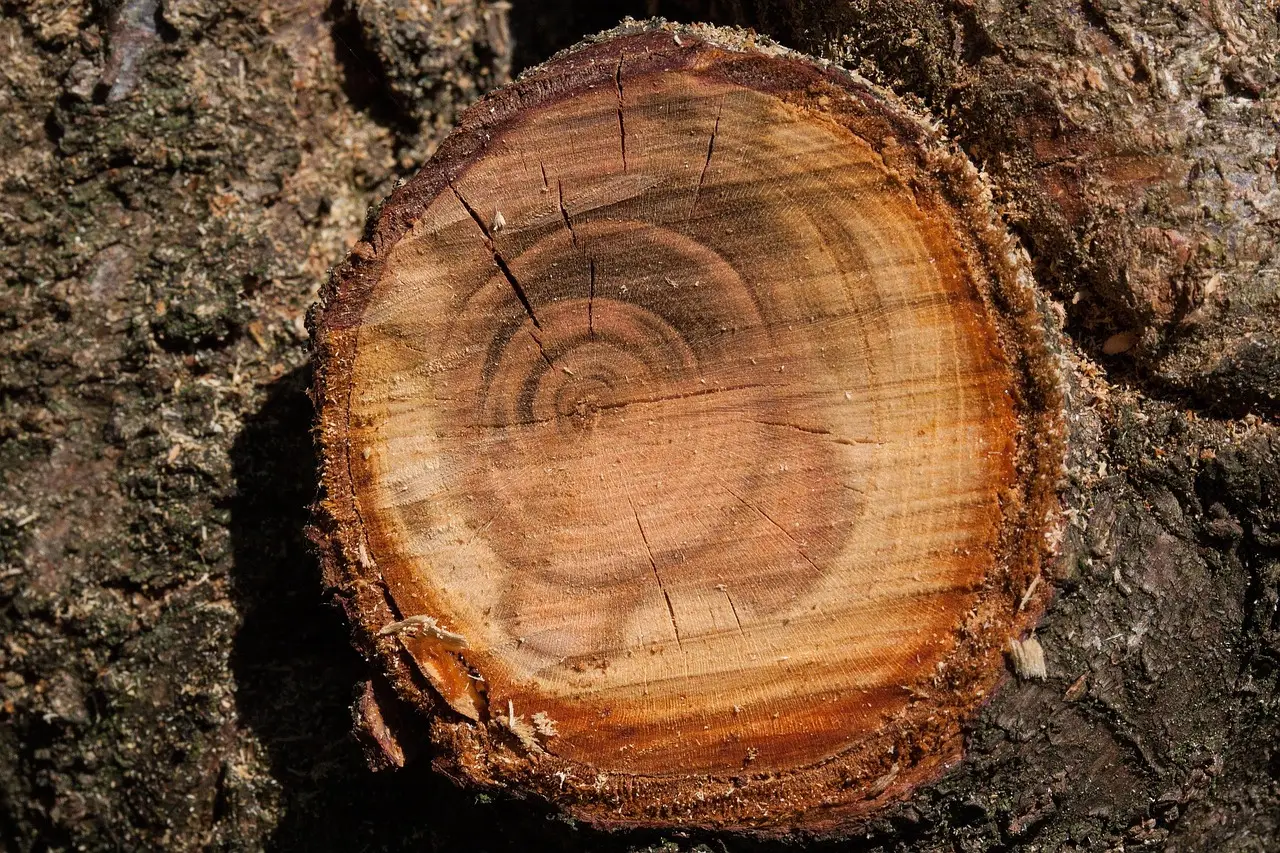
Increasing the amount of pruning provides more wound openings, thereby increasing the chances of infection. In Norway spruce trees studied six years after pruning, nearly half the wounds had not healed, and the wood in more than one third of the pruned trees showed discoloration and decay. Trees aren’t fast healers. Every open wound is a risk that lingers.
Inspecting trees and shrubs regularly for dead branches, broken branches, and branches that are rubbing together is important because wounds from such branches expose irregular surfaces with more surface area that take longer to heal than clean cuts, leaving prime entry points for pests and disease.
Cankers associated with decayed branch stubs and poorly healed pruning wounds were good indicators of discoloration and decay in trees. The visible result of a bad cut can take years to show up fully, which is one reason bad pruning habits stay unnoticed for so long. By the time a canker appears, the original mistake is long forgotten.
Conclusion: The Simplest Fixes Carry the Most Weight
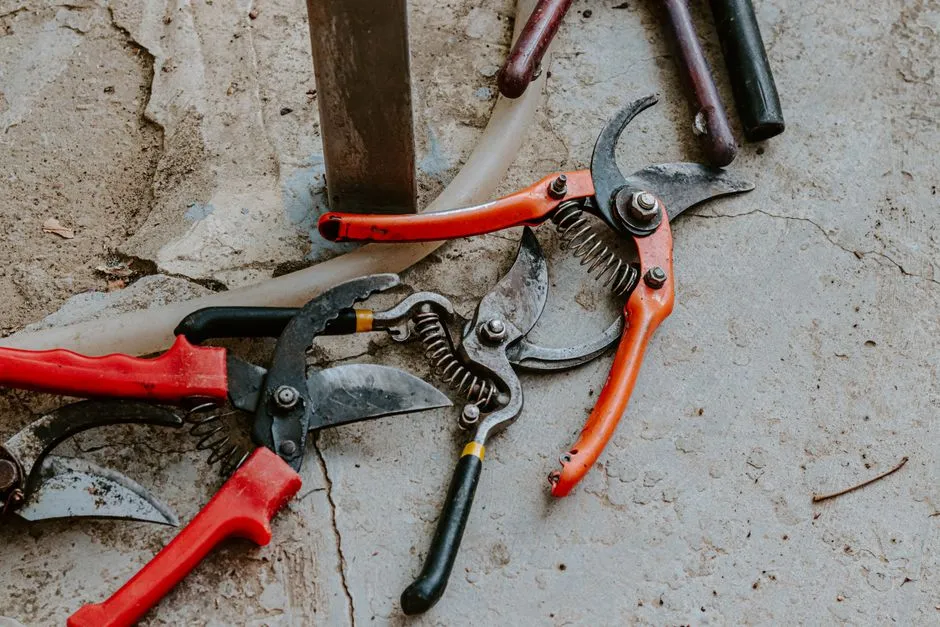
None of the mistakes covered here are complicated. They don’t require expensive gear or professional training to correct. Sharp blades, the right disinfectant, a conscious cutting angle, and a moment of patience between plants are genuinely enough to stop most tool-mediated disease spread before it starts.
The key is to regularly disinfect garden pruning shears and other tools, even if the plants you’re pruning look healthy. Visually healthy plants can still harbor pathogens that spread without any visible warning signs.
Pruning is, at its core, an act of care. The tools deserve the same attention you give the plants. A clean, sharp pair of shears maintained with consistency isn’t just a tidier habit. It’s the difference between a garden that stays healthy and one that quietly unravels cut by cut.
AI Disclaimer: This article was created with the assistance of AI tools and reviewed by a human editor.