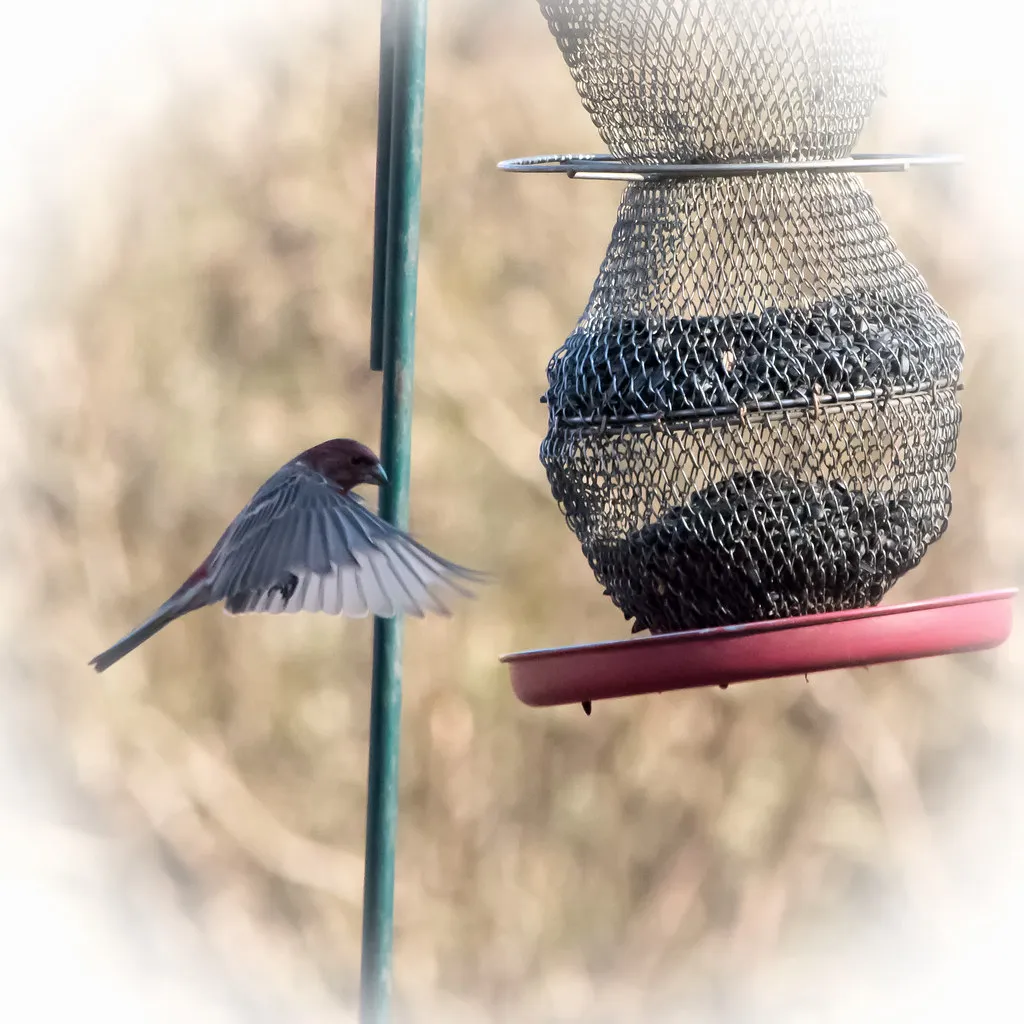

Colorado is one of the more rewarding states in the country for backyard birding. Depending on the time of year, there are over 500 bird species in Colorado, and a good handful of them will find their way right into your yard without much coaxing. Whether you live along the Front Range, in the foothills, or at higher elevation, what lands outside your window can genuinely surprise you.
Feeder birds in Colorado are primarily sparrows, finches, and their allies, but that’s just the core of it. Woodpeckers, jays, doves, and hummingbirds all make regular appearances, season depending. Knowing who’s likely to show up, and what they want when they get there, goes a long way.
American Robin: Colorado’s Most Seen Bird
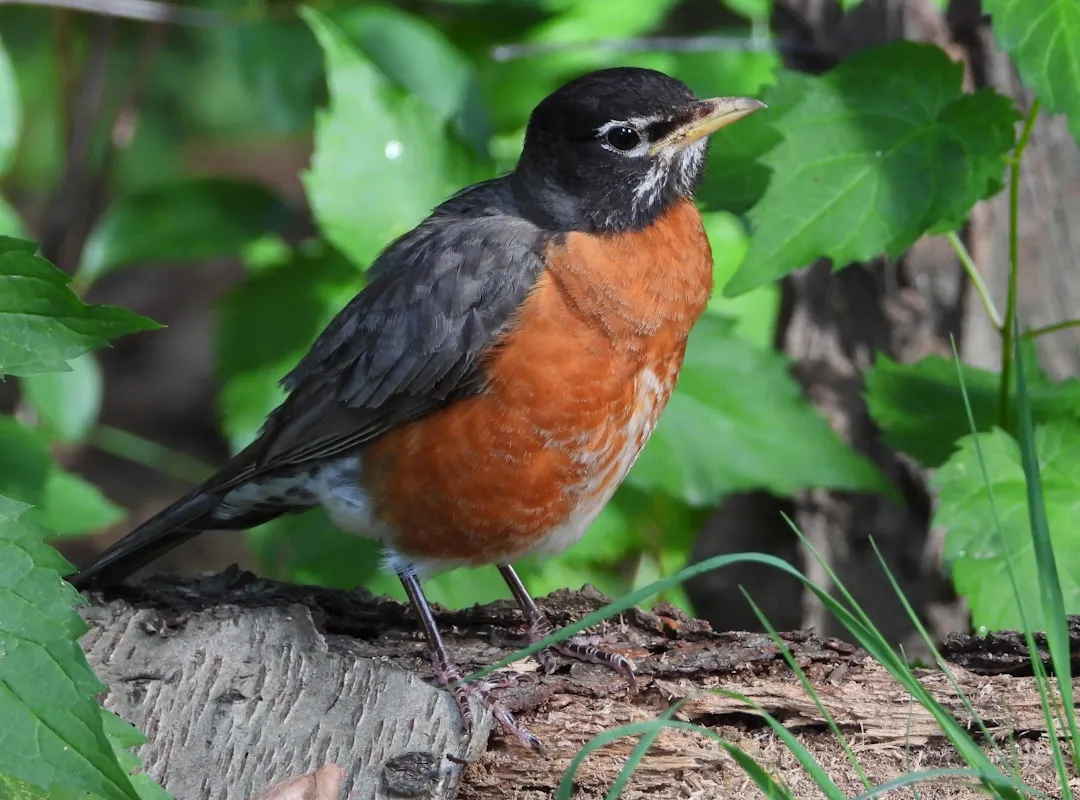
The American Robin is the most common bird in Colorado, found on more eBird lists in the state than any other species. That alone says quite a bit about how widespread this bird really is.
Because of their adaptability, robins thrive from the plains to the mountains, appearing as frequently in backyard gardens as in high-altitude meadows. They’re one of those birds that almost everyone can identify, even people who rarely pay attention to wildlife.
Providing a clean source of water for birds is a great way to draw them to your yard – American robins, in particular, gather readily in a bird bath. They’re not big feeder birds, but water and open lawn space will keep them coming back.
House Finch: The Feeder Favorite
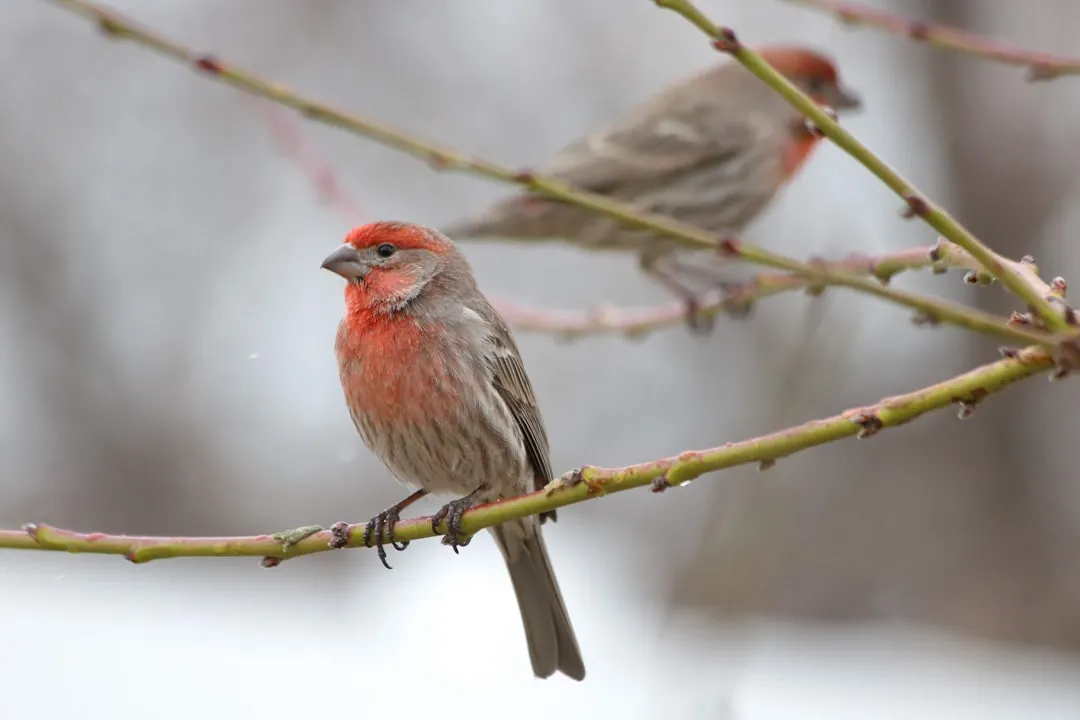
The House Finch is a common backyard bird across both the eastern and western parts of the country. If you attract them, which is fairly easy to do, they usually show up in groups at your feeders.
The Dark-eyed Junco used to be the most common bird in Colorado backyards, but it has been taken over by the House Finch since around the year 2003. That’s a notable shift, one that’s tracked clearly through decades of citizen science data.
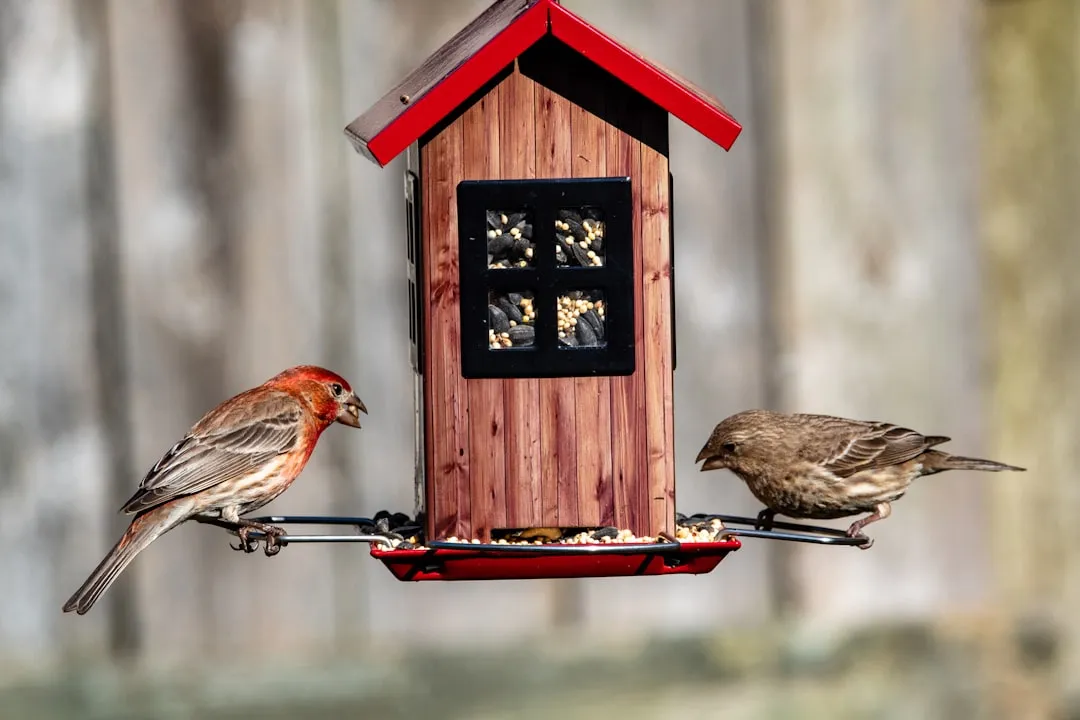
House Finches love the seeds and grains offered at platform, large hopper, and tube feeders. One of the most distinctive features of the male is its bright red head and breast, which contrasts with the gray-brown of the rest of its body. Females are plainer brown, but both sexes visit feeders regularly throughout the year.
Dark-eyed Junco: The Winter Regular
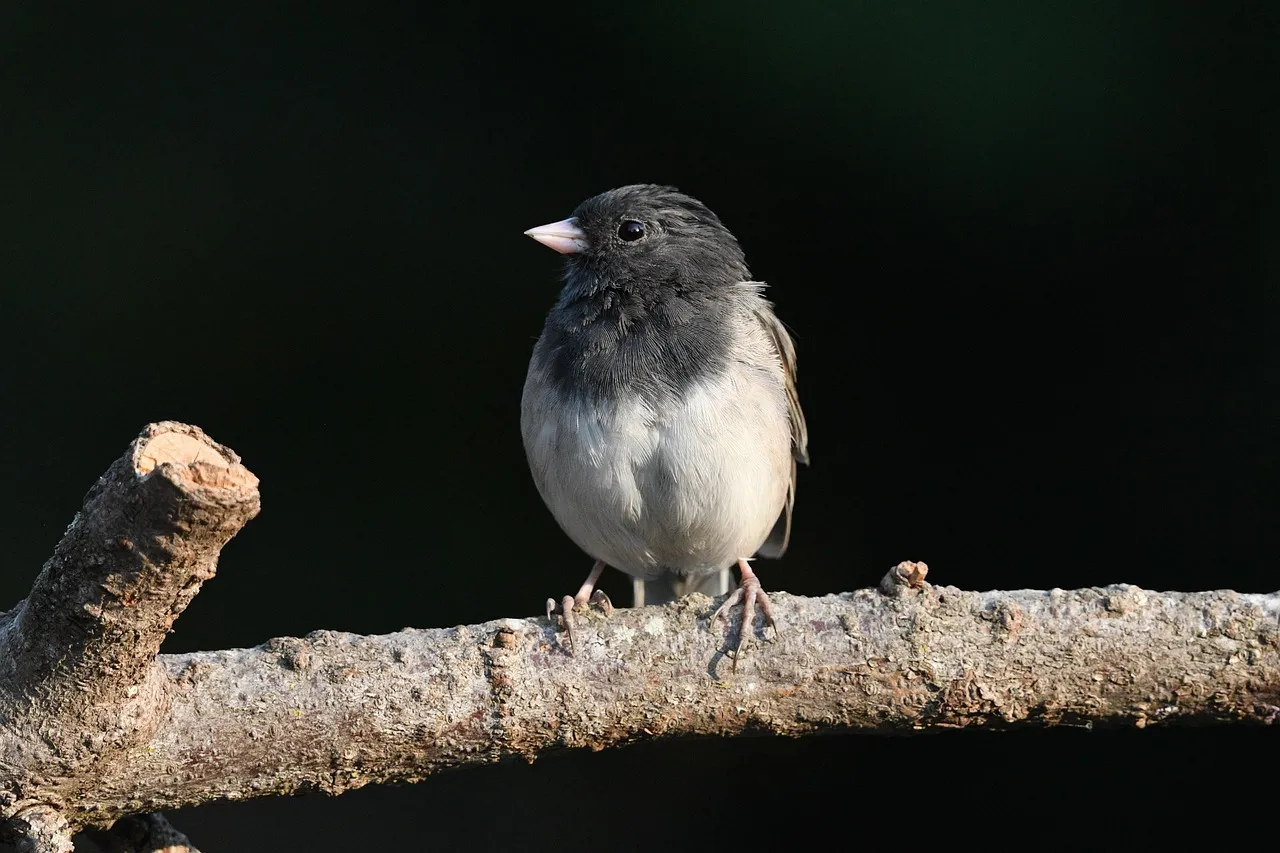
The dark-eyed junco can be expected in most of the State of Colorado as a fall and winter visitor. Once temperatures drop, they become one of the most reliable sights in Colorado backyards.
Attract juncos with black oil sunflower seeds, hulled sunflower seeds, safflower, cracked corn, peanut hearts, millet, and milo. They feed mostly on the ground, eating birdseed spilled by elevated feeders. A platform feeder set low, or seed scattered directly on the ground, works well for them.
The dark-eyed junco is not an aggressive bird and visits backyards often in flocks. It is easily displaced by more aggressive birds, so keeping a calm feeding environment helps them feel at ease.
Black-capped Chickadee: Small, Bold, and Always Around
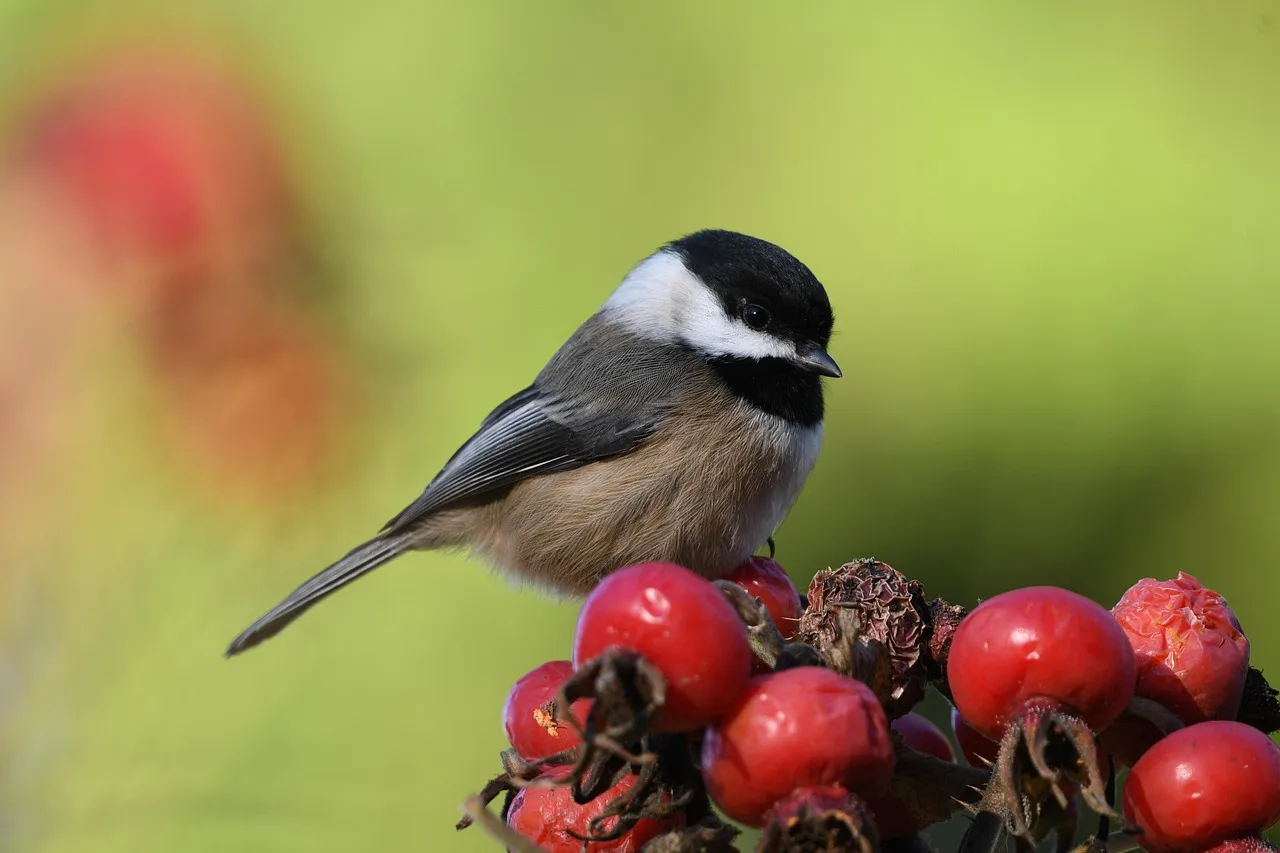
Black-capped chickadees are found throughout Colorado. Highest concentrations are at mountain elevations from 5,000 to 9,000 feet, especially in the northwestern quarter of the state.
In the fall, mountain nesting birds move to lower elevations in riparian corridors, city parks, and backyards where they readily come to feeders. This seasonal movement is why so many Colorado gardeners suddenly notice more chickadees come autumn.
The more prolonged the ‘dee’ note calls of Black-capped Chickadees are, the more dangerous the predator. Apart from their ‘dee’ notes, chickadees also emit an alarming warbling sound whenever a lower-ranking bird approaches a higher-ranking one. Attract them with black oil sunflower seeds, hulled sunflower seeds, safflower, nyjer, suet, peanuts, peanut hearts, and mealworms.
Northern Flicker: The Woodpecker That Prefers the Ground
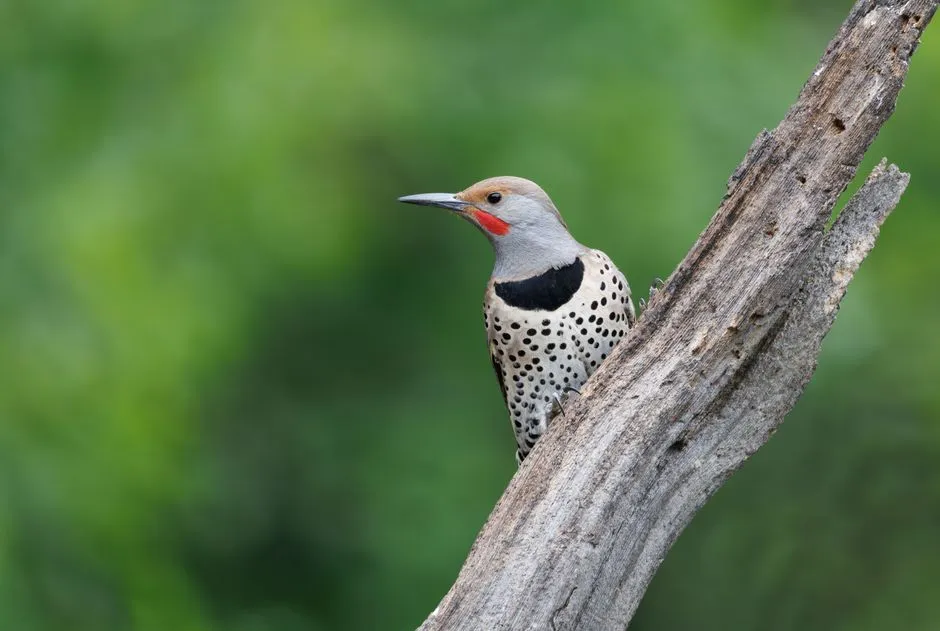
Following the American Robin, the Northern Flicker is the second most common backyard bird you’ll find in Colorado. They are about 12 to 14 inches in length. They’re hard to miss when they land.
While it’s not easy to attract a Northern Flicker to a feeder for easy spotting, they do have a year-round presence in Colorado. They primarily eat insects off the ground, but you can see them at suet feeders from time to time.
To draw in a Northern Flicker, you can keep your backyard feeders on the ground. The woodpeckers can feed on black sunflower seeds and a variety of insects. Leaving a small patch of lawn unmanicured gives them room to forage naturally.
Broad-tailed Hummingbird: Colorado’s Mountain Gem
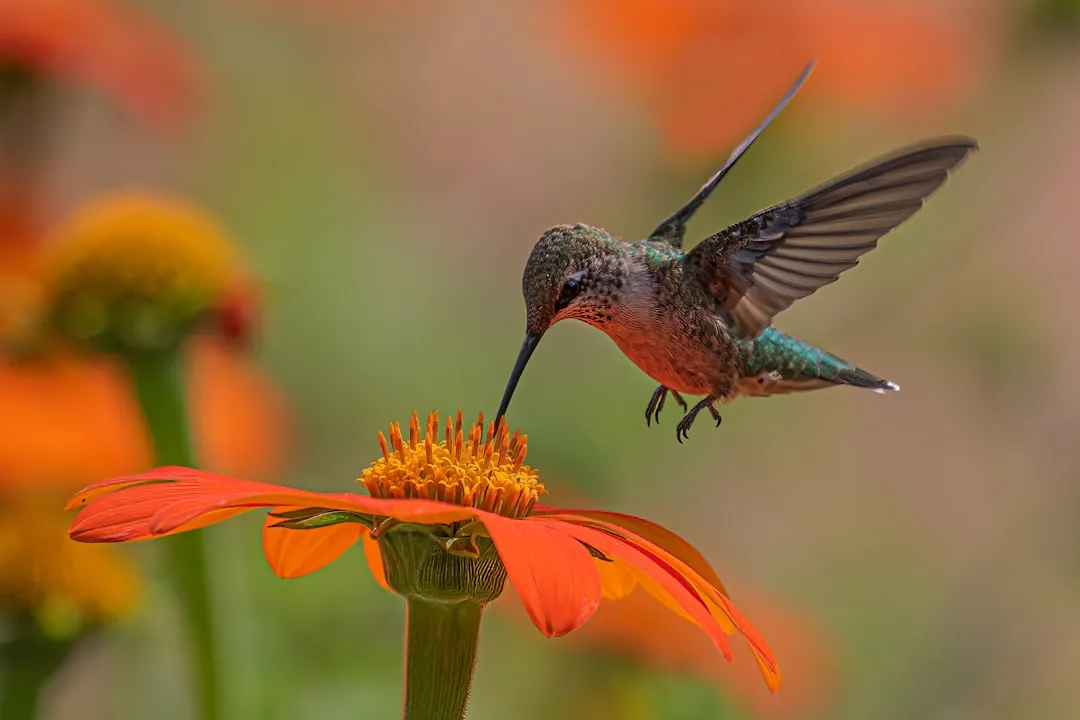
Broad-tailed hummingbirds are the most common hummingbirds in the Colorado Rockies. The broad-tailed hummingbird travels up to the mountainous regions in Colorado during the summer months to breed. If you live at a high elevation, as many people in Colorado do, there’s a good chance you’ll get to enjoy these beautiful birds throughout all the warm months.
The most common hummingbird species in Colorado are the Broad-tailed, Rufous, Black-chinned, and Calliope Hummingbirds. Of these, the Broad-tailed is the one you are most likely to see in your yard if you live on the Front Range.
Audubon Rockies recommends making your own sugar-water mixture for feeders, rather than using store-bought mixes which often include dyes that could be harmful to the birds. Simply mix one part white cane sugar to four parts water. Change the water every day or two to prevent bacteria growth.
Mourning Dove: The Ground Forager
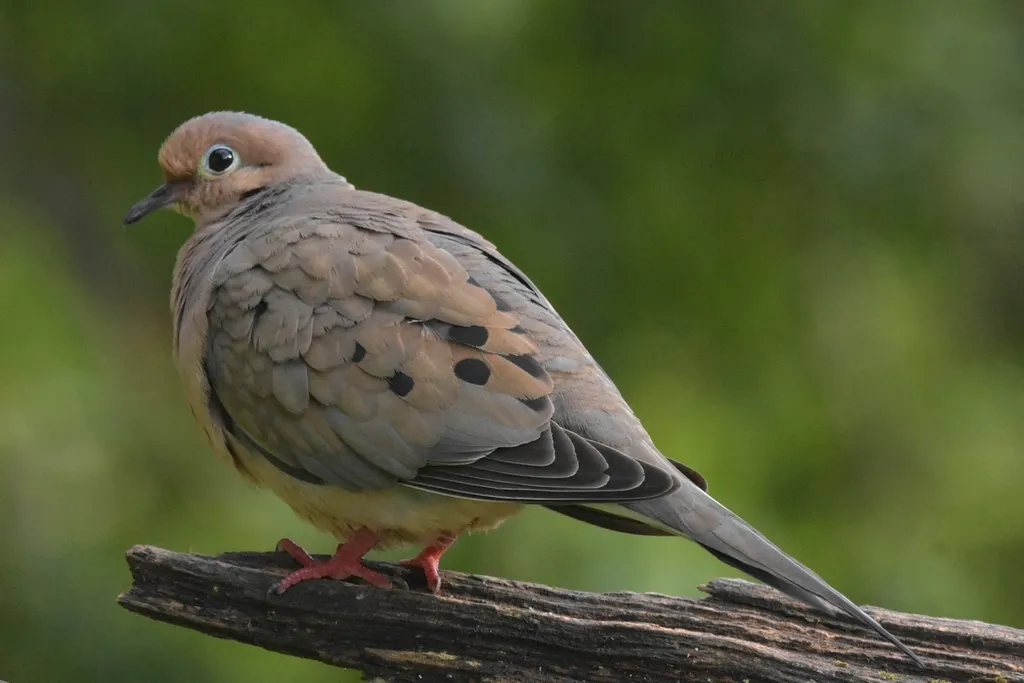
The Mourning Dove is a common visitor to many backyards. It is a medium-sized bird, measuring 12 inches in length and weighing just 4.2 ounces. Its wingspan reaches 18 inches, and its long, pointed tail is a distinctive feature.
Mourning Doves are one of the main targets of hunters in the United States. Despite that, these dove species are still plentiful, with a population of over 350 million. That resilience partly explains their consistency at Colorado backyards across every season.
Gray and rotund, Mourning Doves are common throughout the country and will often nest on power lines or in scrub oak. They do most of their feeding on the ground, so scattering millet seeds may attract them.
Spotted Towhee: The Bold Ground Scratcher
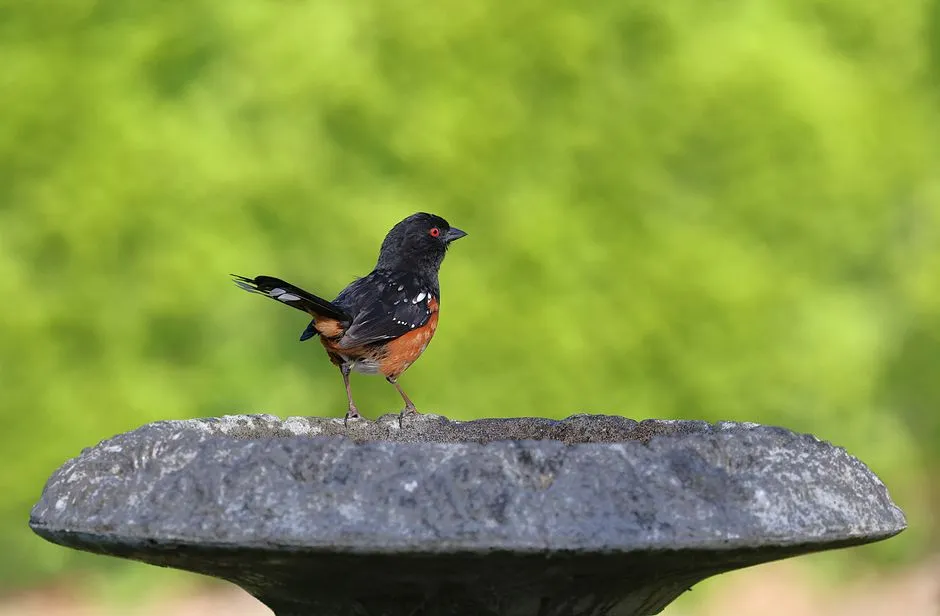
The male Spotted Towhee has a black hood, breast, and back spotted with bold white spots. It has chestnut sides and a white belly. The female is a slightly dull version of the male. Both sexes have red eyes.
Spotted Towhees have resident populations as well as birds that expand and contract their ranges throughout the year. While they can be unpredictable, you can expect to see them at your backyard feeders during the fall and winter months, when natural food sources become scarcer.
Attract Spotted Towhees with black oil sunflower seeds, hulled sunflower seeds, safflower, cracked corn, peanut hearts, millet, and milo. This towhee is largely a ground feeder that takes seeds spilled below elevated feeders. Low shrubs and leaf litter nearby will make your yard feel right for them.
Black-billed Magpie: The Unmistakable Corvid
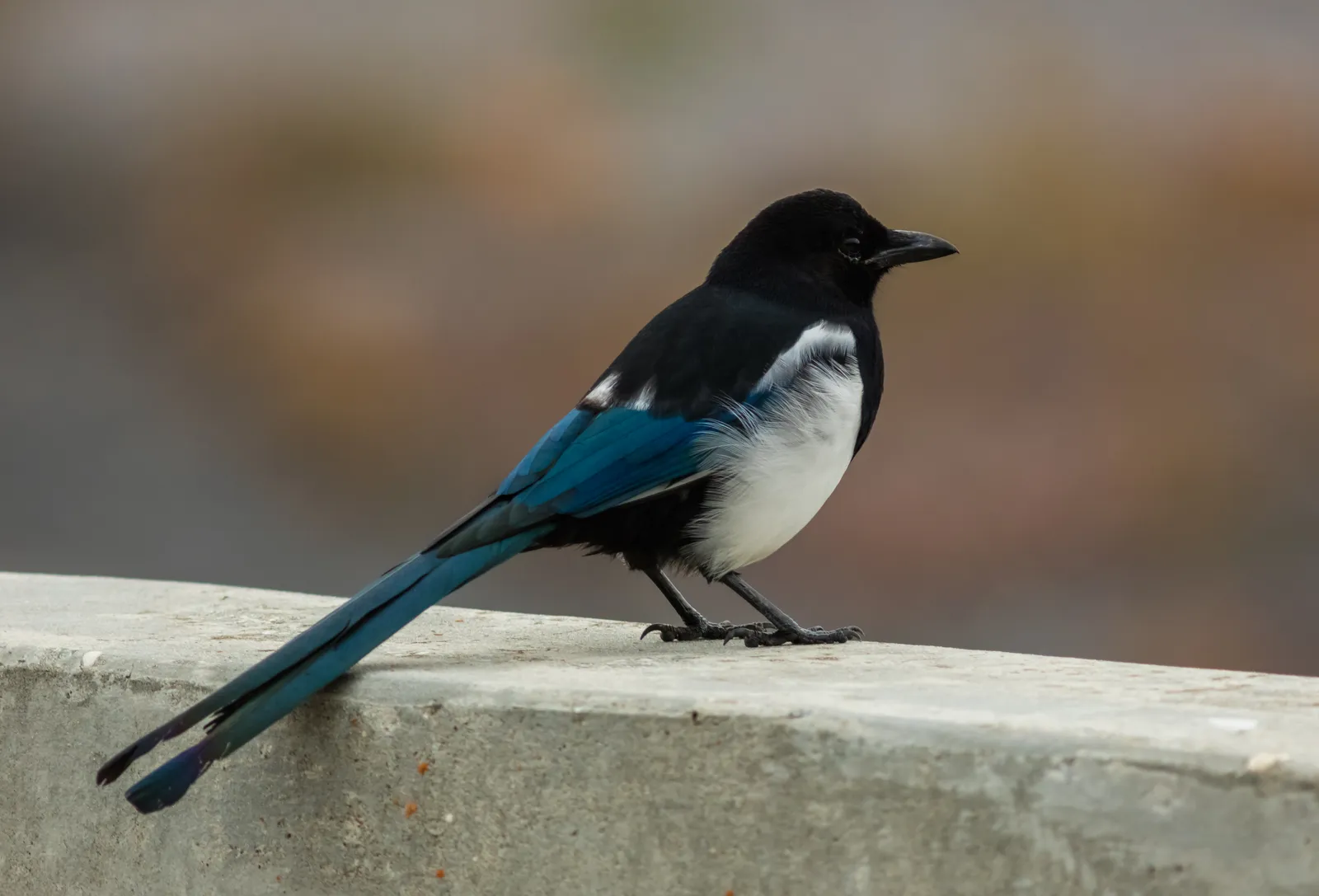
The Black-billed Magpie is a medium to large black and white bird with a black beak and a long, glossy green and purple tail. It feeds on carrion, small animals, seeds, and other food scraps. It makes a domed nest out of mud and sticks.
Black-billed Magpies appear on roughly one third of Colorado backyard checklists year-round, according to compiled feeder data. They’re assertive visitors and will readily investigate anything that looks like a food opportunity.
Shelled or unshelled peanuts attract jays, woodpeckers, and magpies. Platform feeders work well for them given their size, though they’re just as likely to forage directly from the ground. Expect them to keep other smaller birds on edge when they arrive.
How to Build a Bird-Friendly Colorado Backyard
Black oil sunflower seed is the go-to choice for bird feeding in Colorado, because it’s widely preferred by many species and delivers real nutrition instead of “filler” seed. It’s the single most versatile purchase you can make when starting out.
Suet is a cold-weather powerhouse that draws woodpeckers, nuthatches, chickadees, and flickers, and you can offer it in a suet cage or DIY pinecones stuffed with peanut butter or dipped in melted suet. Wash feeders every two weeks with warm, soapy water and rinse well. Birds need water just as much as food. A shallow dish, heated bird bath, or simple outdoor bowl can attract species that might not visit your feeder.
Bird-building collisions are a major killer of migratory birds, but you can protect birds from getting disoriented by adding minimal extra light at night. Close shades and curtains to keep inside light from confusing birds migrating at night, or point exterior lights downward to reduce interruptions. These small adjustments make a real difference during migration seasons especially.
Colorado’s avian variety is genuinely one of the state’s quieter rewards. The birds are already out there – they just need a reason to stop. Give them seed, water, a little cover, and some patience, and most of them will find you on their own terms.
AI Disclaimer: This article was created with the assistance of AI tools and reviewed by a human editor.