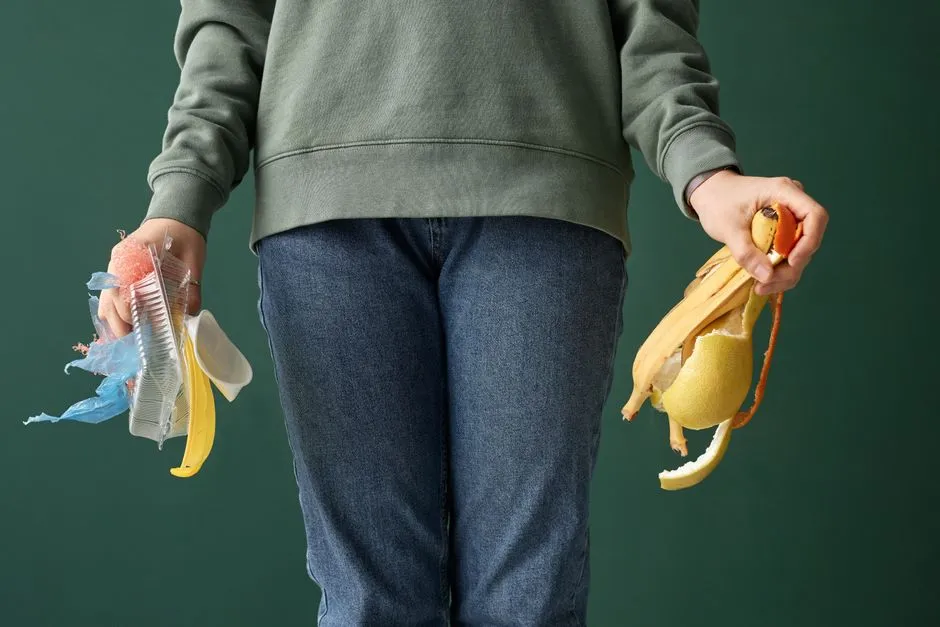

Most people peel a banana, eat the fruit, and toss the skin without a second thought. It’s a reflex so automatic that questioning it feels almost strange. Yet that everyday act of discarding is quietly contributing to a much larger environmental problem than most of us realize.
The peel makes up roughly 30 to 40 percent of the banana’s total weight, which results in approximately 3.5 million tons of banana peel waste generated around the world every year. That number becomes harder to ignore once you understand how much untapped value is simply being landfilled every single day.
A Waste Problem Hiding in Plain Sight
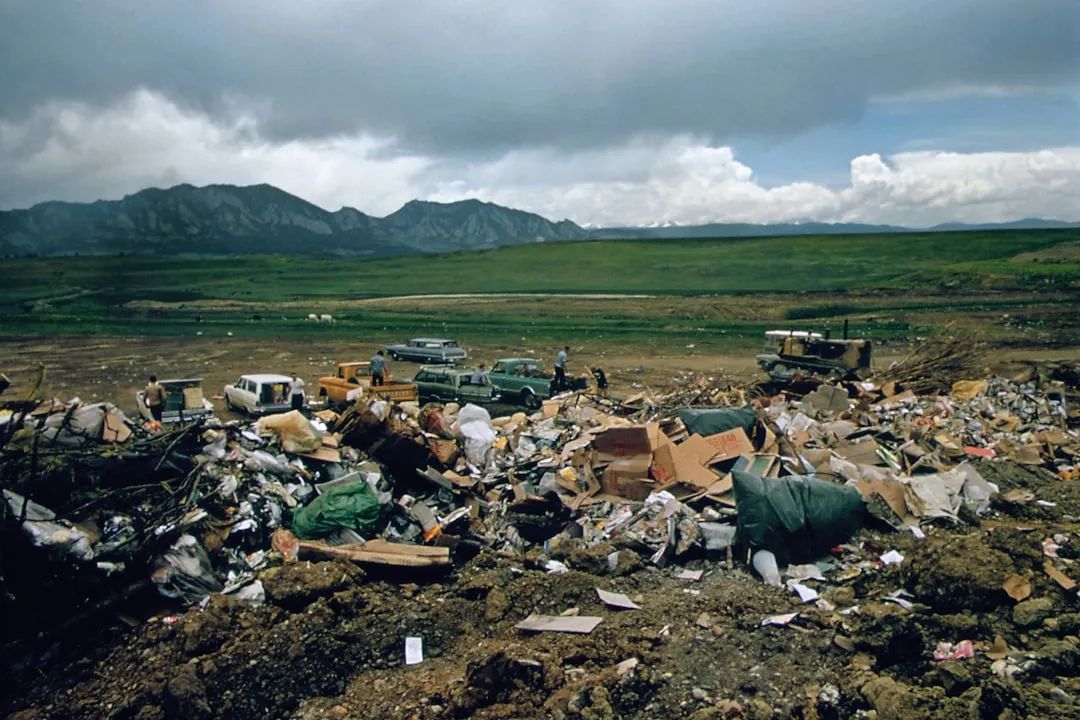
After harvest, almost 60 percent of banana biomass is left as waste, and worldwide, about 114 million metric tons of banana waste are produced, leading to environmental problems such as the excessive emission of greenhouse gases. Bananas are among the most consumed fruits on the planet, so this adds up fast.
The improper handling of biogenic organic wastes such as banana peels stimulates the production of highly objectionable landfill gases such as methane, carbon dioxide, and nitrous oxide, which are responsible for climate and weather variations. Throwing a peel in the trash isn’t neutral. It has real consequences once that peel starts decomposing under landfill conditions.
The UNEP Food Waste Index Report 2024 revealed that the world wasted 1.05 billion tonnes of food in 2022. Banana peels, counted among non-edible food parts, are part of that global accounting. The scale is staggering, and it makes the case for rethinking what we do with the peel impossible to ignore.
What’s Actually Inside a Banana Peel
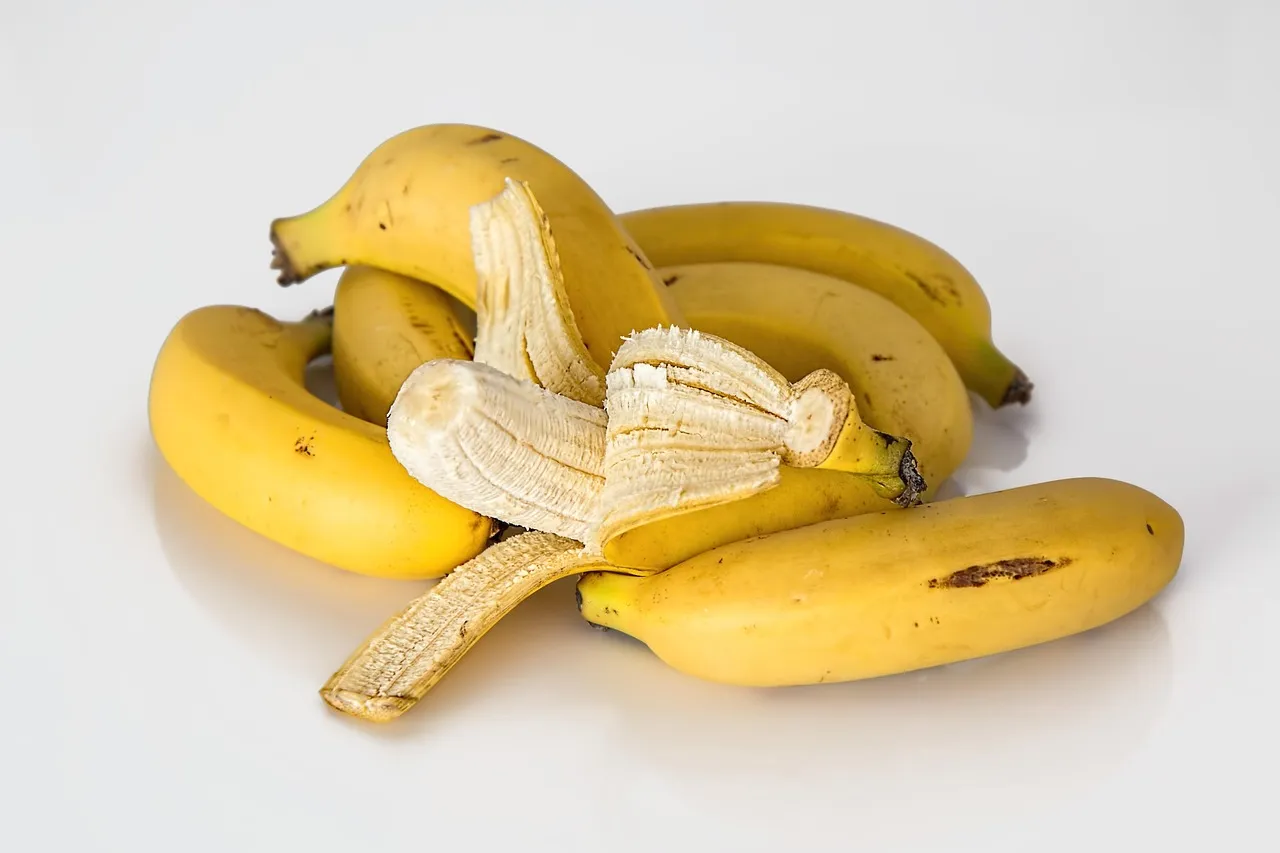
Banana peels are naturally packed with macronutrients like potassium, nitrogen, phosphorus, calcium, and magnesium, many of the same elements found in commercial fertilizers. That’s a remarkable nutritional profile for something most households treat as garbage.
Banana peel consists of 30 to 40 percent of the fruit’s total weight, and it contains about 60 to 65 percent cellulose, 6 to 8 percent hemicellulose, and 5 to 10 percent lignin. These structural compounds are exactly what researchers are targeting for next-generation materials like bioplastics and biochar.
These wastes contain a high content of paramount industrial importance, such as cellulose, hemicellulose, and natural fibers that various processes can modify, such as bacterial fermentation and anaerobic degradation, to obtain bioplastics, organic fertilizers, and biofuels such as ethanol, biogas, hydrogen, and biodiesel. In other words, the peel is essentially a multi-purpose raw material that we keep throwing away.
The Compost Bin Is the Easiest First Step
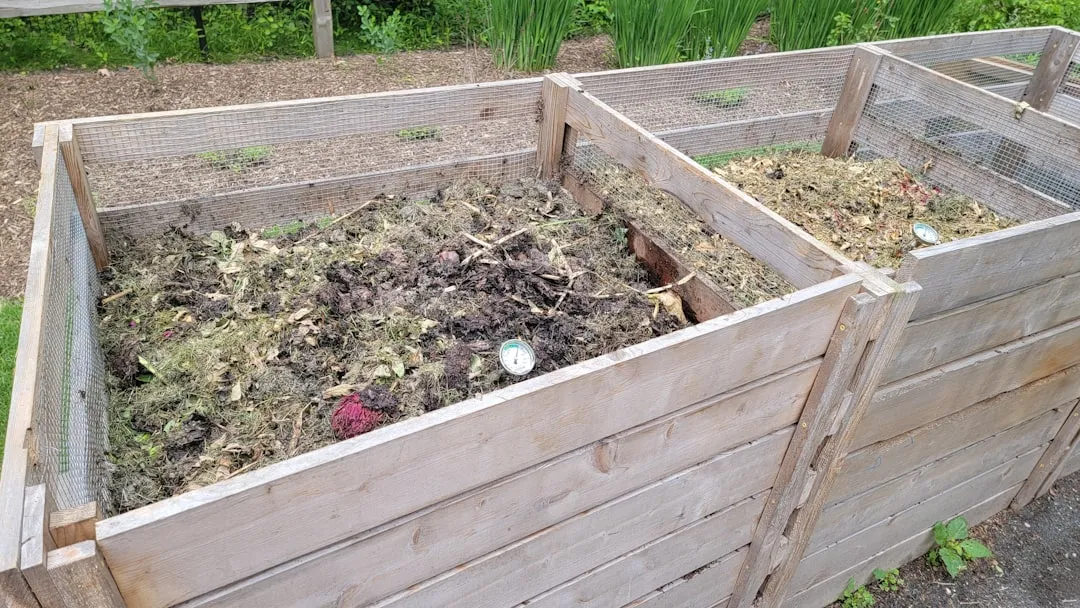
Placing banana peels in your home compost pile will add potassium, calcium, magnesium, sulfur, and phosphorus to the mix. For most households, this is the simplest and most accessible starting point, requiring almost no additional effort or equipment.
Banana peels break down quickly in compost, as opposed to their slow degradation when just buried in soil. This makes the compost bin a smarter option than simply digging a hole in the backyard and expecting fast results.
Instead of sending banana peels to the landfill, where the organic waste contributes to methane gas emissions, turning them into fertilizer is a far more eco-friendly route. The difference in environmental outcome between those two choices is significant, even when multiplied across a single household over a year.
Turning Peels Into Powerful Garden Fertilizer
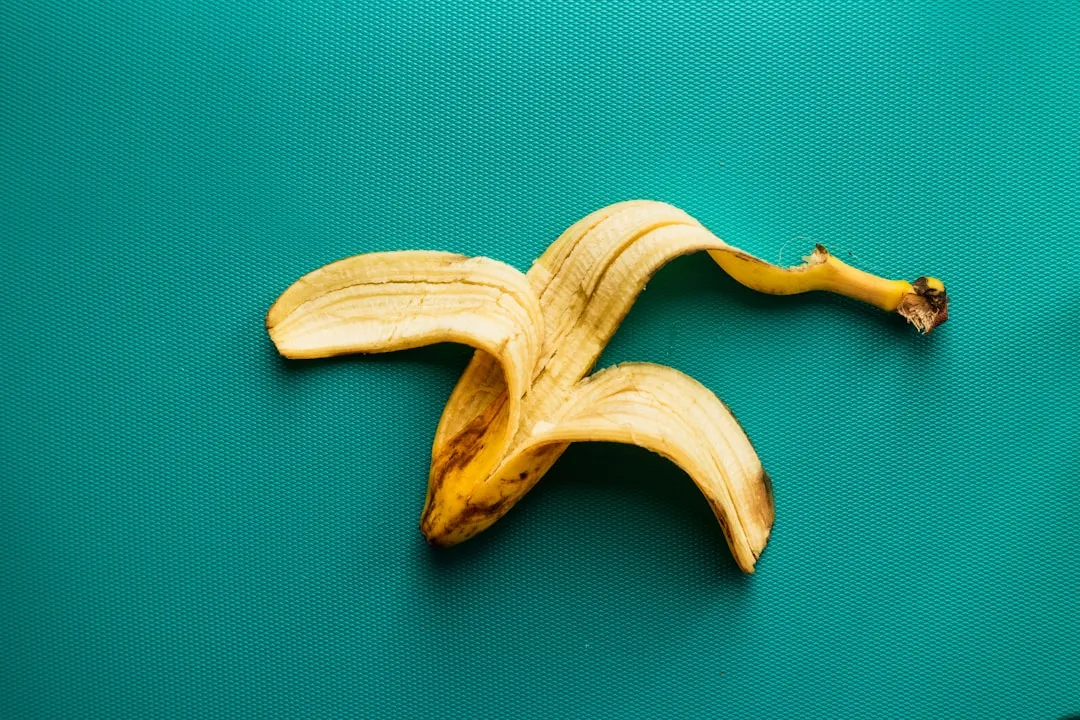
Most of the research results reveal that banana peels significantly improved the growth parameters of various plants, though for biochar specifically, plant height was found to be less significant between treatments, further emphasizing the importance of application method. How you use the peel matters as much as using it at all.
In some studies, peels were sun-dried, ground into coarse powder, and mixed into the soil before planting. Others created slurries by blending fresh peels, heating them with basic additives, and filtering out concentrated liquids that could be diluted and applied directly to soil. The methods range from kitchen-table simple to slightly more technical, but none require a laboratory.
The findings are both promising and practical: fertilizers made from peels often boosted germination, leaf size, and plant height compared to untreated soil. That’s a measurable benefit from something that would otherwise end up compressing in a landfill.
What the Science Says About Crop Enhancement
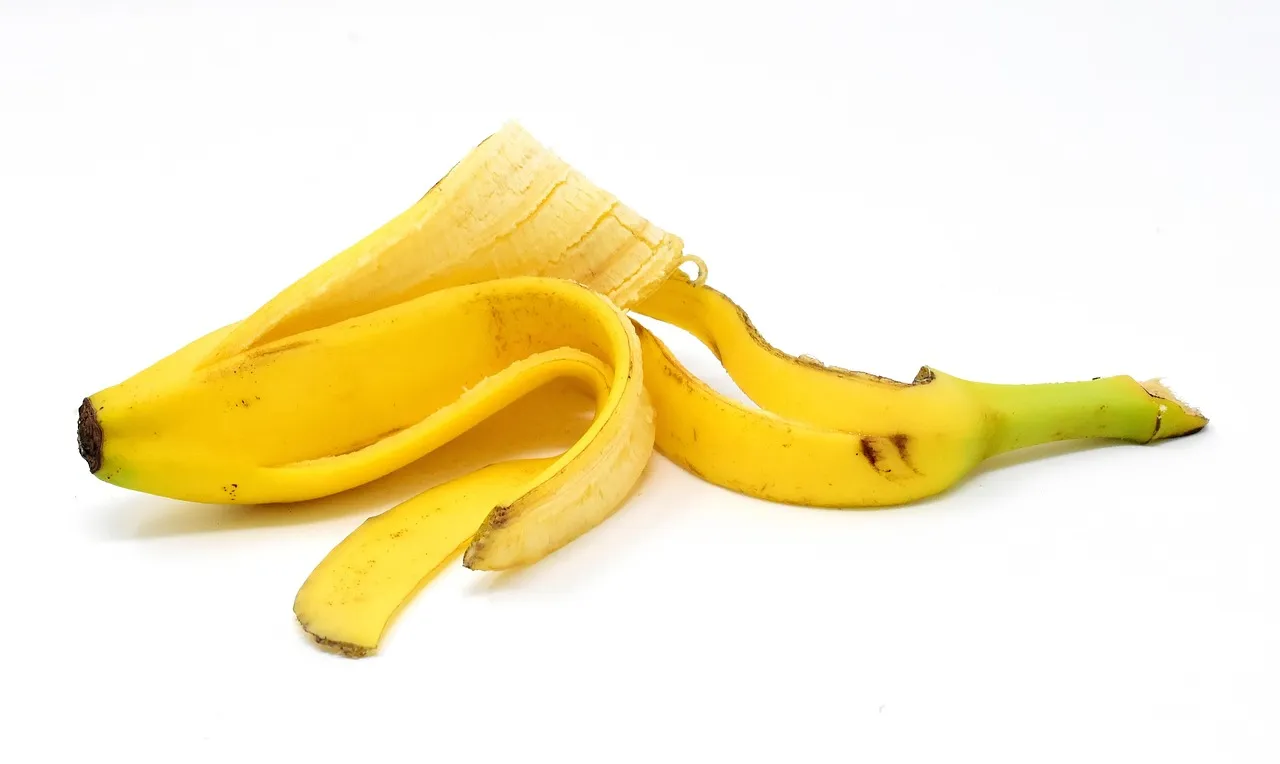
Results of incubation experiments showed increases in nitrogen content by 16 to 31 percent and potassium by 12 to 24 percent due to using ground banana and orange peels, compared to standard compost treatment. Those are meaningful improvements for soil quality, not trivial gains.
A composite of banana and orange peels emerged as the most favoured and widely used approach, closely followed by dried banana peels alone. Mixing peels from different fruits appears to create a more balanced nutrient profile for the soil.
Banana peels are a valuable resource for biofertilizer synthesis, and the banana-orange peel composite in particular exhibits outstanding fertilizer properties. Researchers are now calling for more studies that track plant performance beyond the seedling stage, all the way through to harvest, to better understand the full picture.
Biochar: The High-Tech Route for the Peel
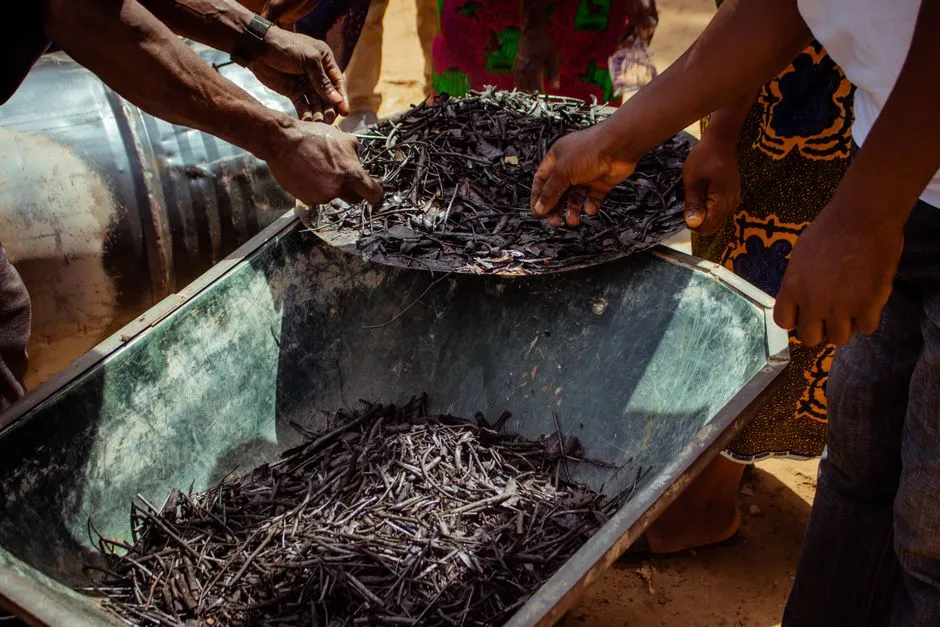
Conversion of banana peel waste into biochar has been proposed as an alternate method of disposal, since its application resulted in reduced greenhouse gas emissions and improved soil biochemical properties. Biochar is essentially a charcoal-like substance produced by heating organic material in very low-oxygen conditions.
Cumulative carbon dioxide emissions for lower and higher rates of biochar treatment decreased by 20 and 24 percent respectively, compared to raw banana peel amendment. That’s a significant climate benefit from what began as kitchen waste.
Banana peel biochar offers an eco-friendly alternative to synthetic adsorbents and reduces the environmental impact associated with waste disposal. Research published in 2024 in the International Journal of Phytoremediation demonstrated that it can even be used to filter hazardous metals out of landfill leachate, with remarkably high efficiency.
Banana Peel as a Bioplastic Feedstock
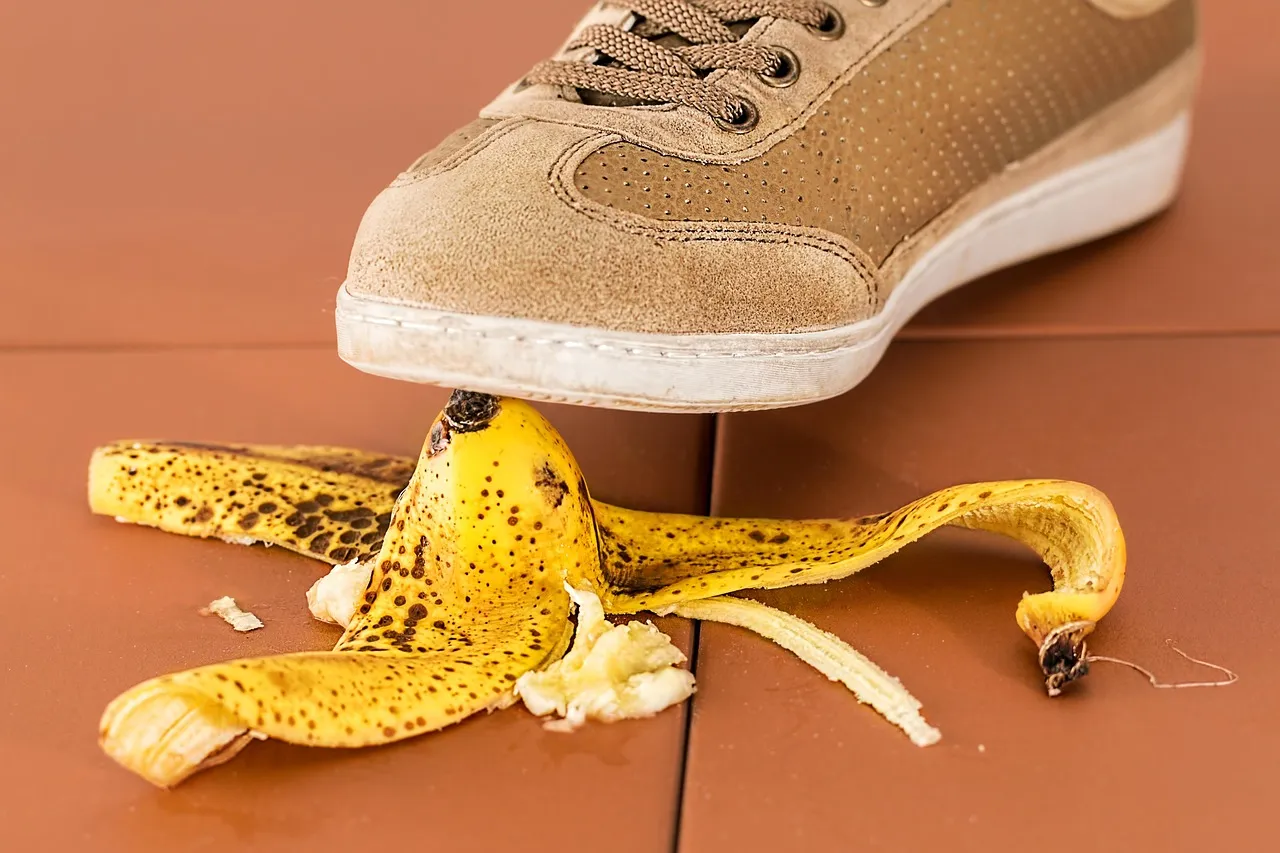
Banana peels represent 30 to 40 percent of the fruit’s weight and are a key candidate for biodegradable film production due to their high starch content of around 18.5 percent, along with dietary fiber, pectin, and phenolic content. These characteristics make the peel surprisingly well suited for replacing petroleum-based packaging materials.
The starch extracted from banana peels serves as a film-forming matrix, offering flexibility, transparency, and strong adhesion to food surfaces, while banana peel-derived films also exhibit water vapor resistance, antimicrobial activity, and antioxidant properties. Those qualities are genuinely useful for food packaging, not just theoretical.
Studies investigating the production of bioplastic from banana peels, a commonly discarded agricultural waste rich in starch and cellulose, have processed the peels through drying, grinding, and mixing with glycerol and water to produce biodegradable plastic films. The process is still largely in the research phase at this scale, but the trajectory is clear.
Biogas and Energy Recovery From Peels
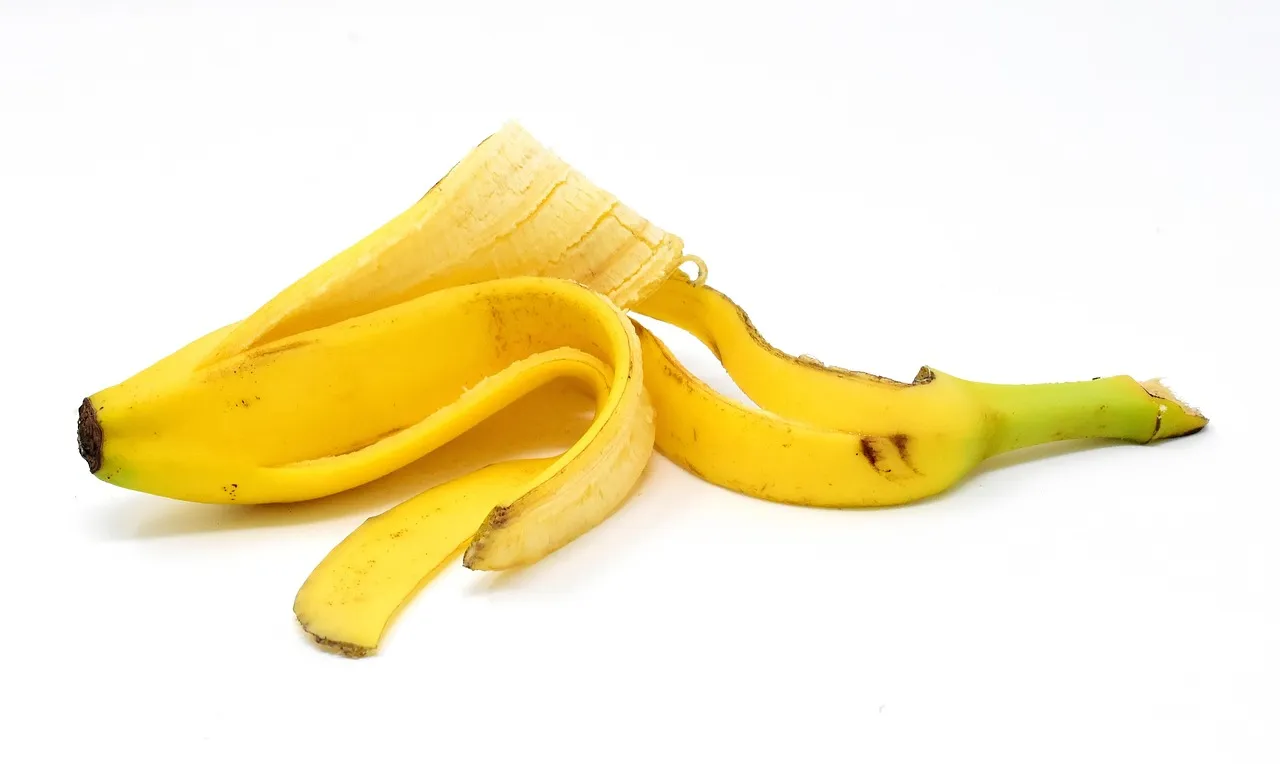
Banana peels are also fed to anaerobic digesters, where methane-rich biogas is obtained together with nutrient-rich digestate, with both components opening up two additional valorization options: soil amendment with the digestate and the use of biogas to augment local energy supply. One peel, two useful outputs.
Processes such as bacterial fermentation and anaerobic degradation can be used to obtain biofuels such as ethanol, biogas, hydrogen, and biodiesel from banana biomass. Energy recovery from fruit peel waste is an area gaining serious momentum as nations look for affordable, locally sourced alternatives to fossil fuels.
One technology for utilizing waste biomass is briquetting. Briquettes are processed densified biomass which can be used as a substitute for conventional solid fuels, especially in household cooking. In countries with high banana production, briquettes made from peel waste could offer a practical and low-cost fuel option for rural communities.
Water Purification: An Unexpected Application
Studies have evaluated the effectiveness of banana peel biochar as a cheap adsorbent to remove hazardous metals from landfill leachate. The results have been striking, particularly given how inexpensive the raw material is to source.
The adsorption efficiency of banana peel biochar for nickel in landfill leachate ranged from 98.76 to 98.96 percent, and chromium removal ranged from 99.71 to 99.77 percent, at a temperature of 30 degrees Celsius. Those figures are competitive with far more expensive synthetic adsorbents currently used in water treatment.
Banana waste can also be used in wastewater treatment methods by producing low-cost biofilters and obtaining activated carbon from rachis and banana peel. It’s a reminder that the most overlooked materials sometimes carry the most potential for solving difficult environmental problems.
The Bigger Picture: A Circular Economy in a Peel
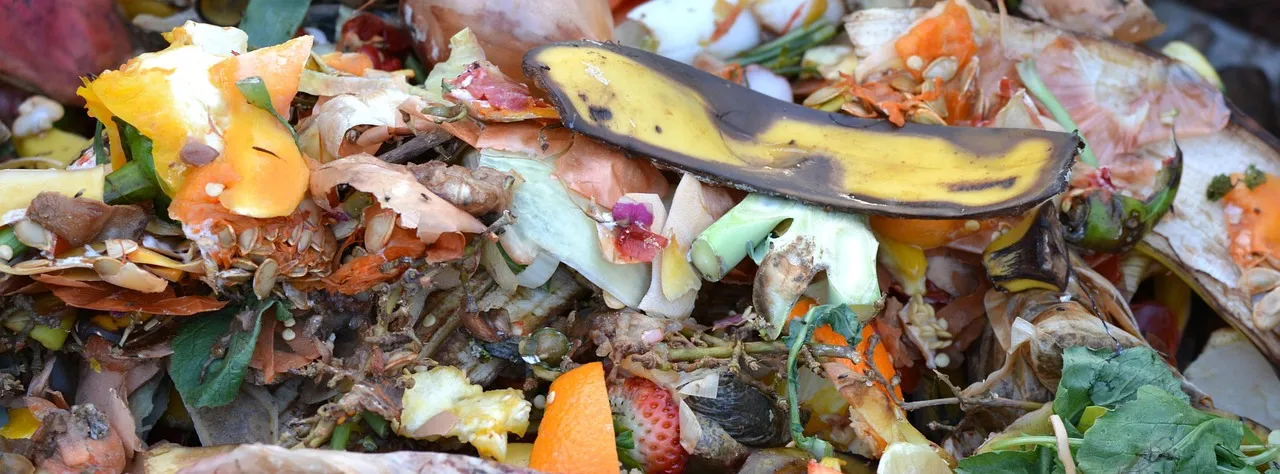
Banana peel waste is produced and discarded in enormous amounts yearly, creating local and global waste management, environmental, and economic crises. At the same time, the utilization of banana peels presents several potential environmental and economic benefits. The gap between what we’re doing and what we could be doing is wide.
The UNEP Food Waste Index acknowledges non-edible food parts such as banana peels as part of the food loss and waste picture, and suggests that instead of sending them to landfills, options such as composting or co-digestion should be explored, where these materials are repurposed for energy generation or soil enrichment. That guidance is now shaping policy in food-producing nations.
Recovered peels can supply compost, biofertilizer, biogas, biomass, and even food products for resale, while banana peels produced by urban kitchens and restaurants are ideally suited for composting and contribute to enhancing both food security and the circular economy. The peel, in short, isn’t an afterthought. It’s a resource that deserves a second look every time you eat a banana.
The next time you reach for the bin after peeling a banana, consider this: that slim piece of yellow skin carries more practical value than most people give it credit for. Compost it, dry it for the garden, or simply separate it for a local organic waste program. Small habits, practiced widely, do add up.
AI Disclaimer: This article was created with the assistance of AI tools and reviewed by a human editor.